
Facets
Browse across eight MeSH (opens in new tab) facets — era, geography, science, specialty, technology, history, culture, and reference. Select one tag per group; counts update across the others. What’s new in facet browse how facets relate to subjects and MeSH.
Clear filtersGeography
Specialties & Disease
- Alternative & Fringe Medicine 383
- Anatomy & Pathology 765
- Cardiology & Blood 914
- Dentistry 259
- Diabetes 80
- ENT & Hearing 293
- Epidemiology & Demography 397
- Gastroenterology & Hepatology 316
- General Clinical Medicine 487
- Immunology & Dermatology 1,008
- Infectious Disease (General) 147
- Internal, Emergency & Geriatric 123
- Microbiology & Virology 1,080
- Military Medicine 436
- Neurology & Psychiatry 1,258
- Obstetrics & Reproductive 551
- Oncology & Cancer 377
- Ophthalmology & Vision 412
- Pediatrics 247
- Physiology & Embryology 924
- Plagues & Epidemics 1,279
- Psychology 202
- Public Health 1,129
- Pulmonary & Respiratory 233
- Rheumatology, Rehab & Pain 189
- Surgery & Anesthesia 1,553
- Urology & Nephrology 309
- Veterinary Medicine 165
Social & Historical Studies
Institutions & Culture
Reference & Scholarly Works
924 entries match Physiology & Embryology [G07 / G02.149]
1909
#655
Définition expérimentale de l’excitabilité.
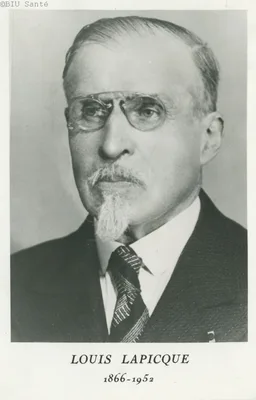
Lapicque first defined “chronaxia”, the duration of excitation of tissue. Partial translation in J. F. Fulton’s Selected readings in the history of physiology, 2nd ed., 1966, pp. 233-34.
1909
#525
Die chemische Entwicklungserregung des tierischen Eies; künstiiche Parthenogenese.
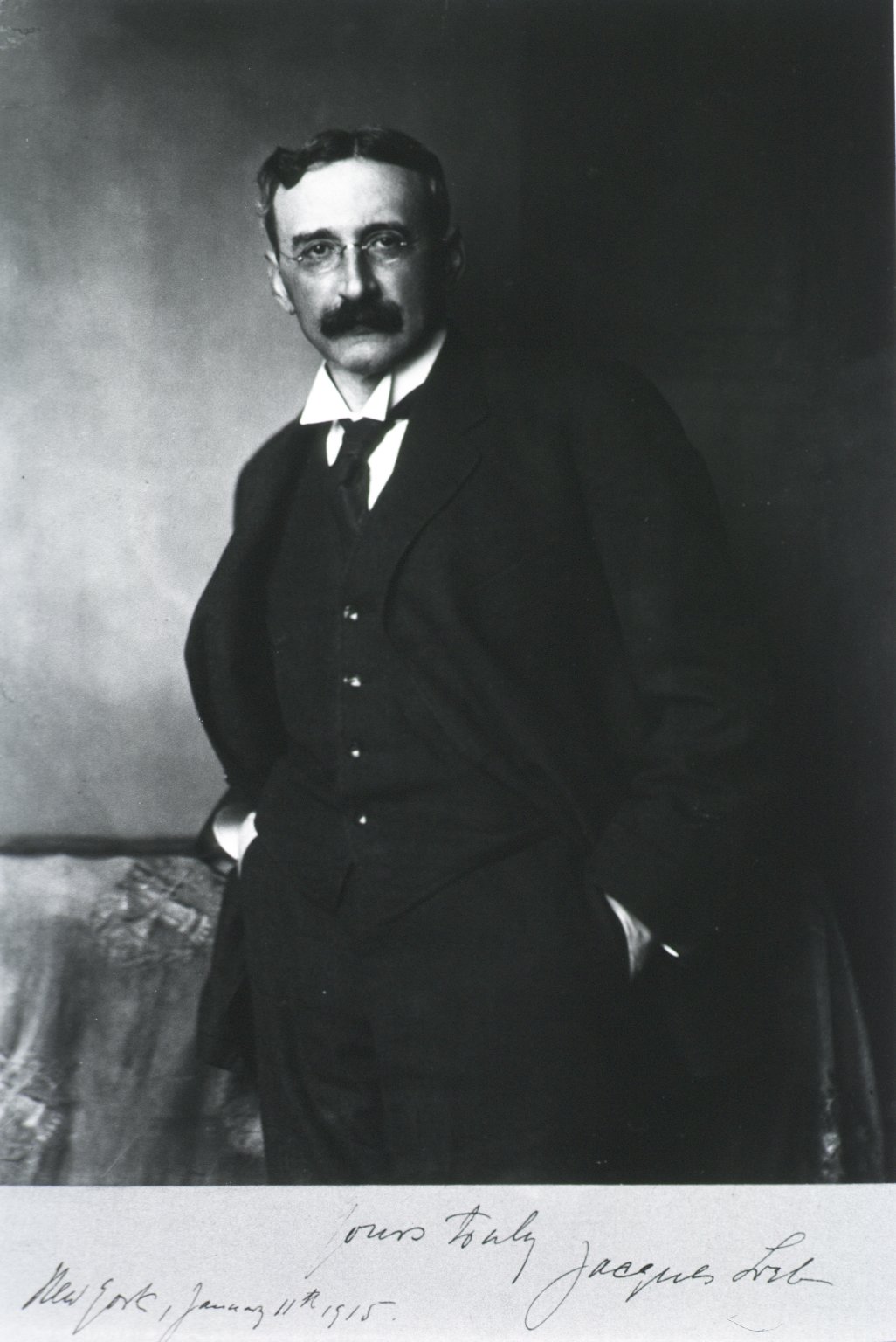
Artificial parthenogenesis. For Loeb’s first paper on this subject see No. 515.1. Translated and revised in Loeb’s Artificial parthenogenesis and fertilization, 1913.
1909
#1436
Gehirn und Sympathicus.
First experimental studies on hypothalmic function
1910 –1925
#656
Handbuch der vergleichenden Physiologie. 4 vols.
Edited by Winterstein.
1910
#848
Ueber die Folgen der Durchschneidung der Tawaraschen Schenkel der Reizleitungssystems.
First experimental study of the electrocardiographic changes in bundle-branch block. "Later, as professor and director of the internal clinic at the Allgemeines Krankenhaus in Vienna, Eppinger became one of the most n…
1910
#740
Die Theorie des Haftdrucks (Oberflächendrucks) und ihre Bedeutung für die Physiologie.
1910 –1912
#526
Manual of human embryology. Written by Charles R. Bardeen, Madison, Wis.; Herbert M. Evans, Baltimore, Md.; Walter Felix, Zurich; Otto Grosser, Prague; Franz Keibel, Freiburg i. Br.; Frederic T. Lewis, Boston, Mass.; Warren H. Lewis, Baltimore, Md.; J. Playfair McMurrich, Toronto; Franklin P. Mall, Baltimore, Md.; Charles S. Minot, Boston, Mass.; Felix Pinkus, Berlin; Florence R. Sabin, Baltimore, Md; George L. Streeter, Ann Arbor, Mich.; Julius Tandler, Vienna; Emil Zuckerkandl, Vienna. Edited by Franz Keibel and Franklin P. Mall. 2 vols.
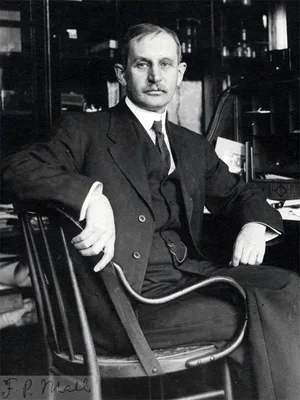
The important studies on human embryos, originated by His, were carried on by his pupils, Keibel and Mall. This classic work written by American and German experts “has not yet been superseded” (D.S.B., late 20th cent…
1910
#1898
Chemical structure and sympathomimetic action of amines.
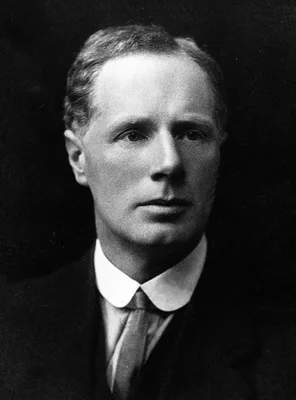
Discovery of histamine in an ergot extract.
1910
#2637
A transmissible avian neoplasm (sarcoma of the common fowl).
Original description of the chicken sarcoma (Rous sarcoma). Rous demonstrated that sarcomatous tumors in hens could be transmitted to normal hens by the injection of cell-free filtrates (virus) of the original tumor. …
1910 –1911
#5384
Recherches experimentales sur le typhus exanthématique.
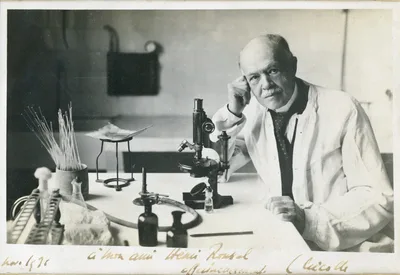
Nicolle demonstrated the transmission of typhus by the body louse Pediculus corporis. He also produced the disease in monkeys and guinea-pigs by the injection of infected blood. Preliminary communication in C. R. Acad…
1910
#245.2
Sex-limited inheritance in Drosophila.
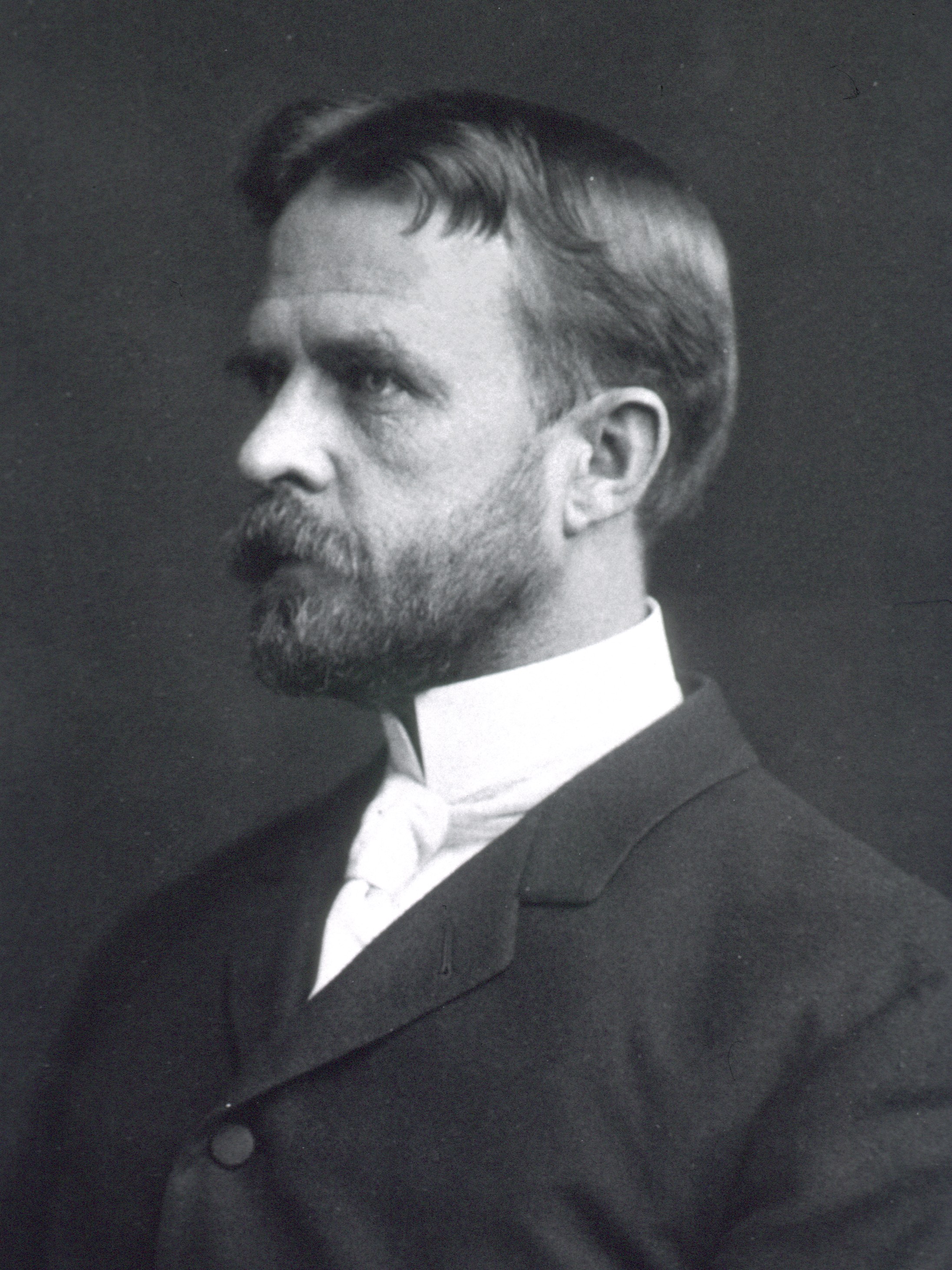
Morgan demonstrated sex-limited inheritance. In 1933 Morgan was awarded the Nobel Prize in Physology or Medicine "for discoveries elucidating the role that the chromosome plays in heredity." See also Nos. 245.3, 246, …
1910
#7474
Opera philosophica. Edited by Vilhelm Maar. 2 vols.
Steno's collected works, presented in the original Latin with an introduction in English. Digital facsimile from biusante.parisdescartes.fr at this link.
1911 –1912
#790
The blood-vessels in the arterioles, capillaries and small veins of the human skin.
Lombard soaked the skin in cedarwood oil, rendering transparent the superficial epidermal layers, and thus making possible many direct observations on it.
1911
#12262
On the muscular architecture of the ventricles of the human heart.
1912
#791
The blood pressure fall produced by traction on the carotid artery.
First description of the carotid sinus depressor reflex.
1912
#656.1
The growth of bone.
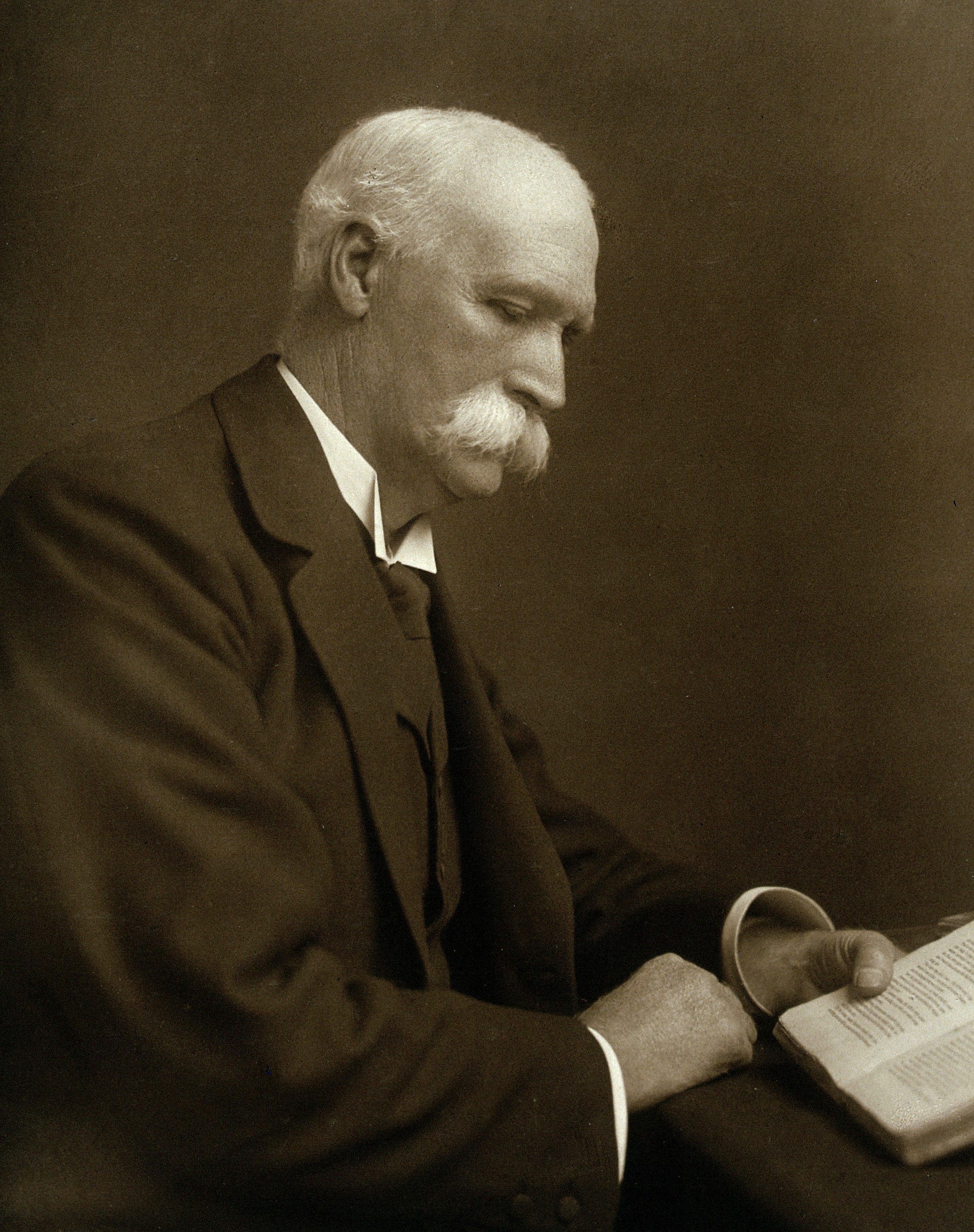
Throughout his life Macewen devoted much time to the study of bone growth. His researches revolutionized ideas concerning osteogenesis.
1912
#1048
Feeding experiments illustrating the importance of accessory factors in normal dietaries.
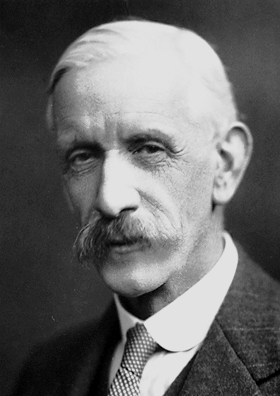
In 1929 Hopkins shared the Nobel Prize in Physiology or Medicine with Eijkman "for his discovery of the growth-stimulating vitamins."
1912
#527
Terminologie der Entwicklungsmechanik.
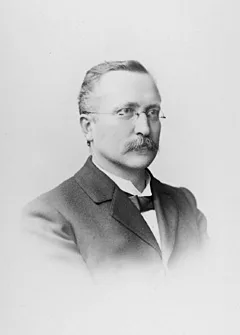
1912
#2131
Caisson sickness, and the physiology of work in compressed air.
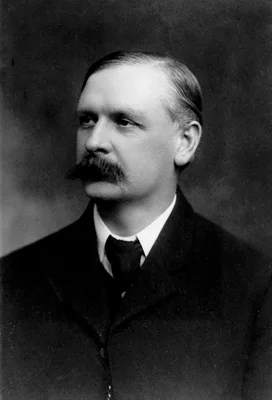
1912
#7177
Hygiene der Aeronautik und Aviatik.
Schrötter conducted a great deal of research on the physiological influence of barometric pressure and was one of the first to apply these observations to aviation medicine. Following flight tests he was the first to …
1912
#7178
Zur Physiologie und Hygiene der Luftfahrt.
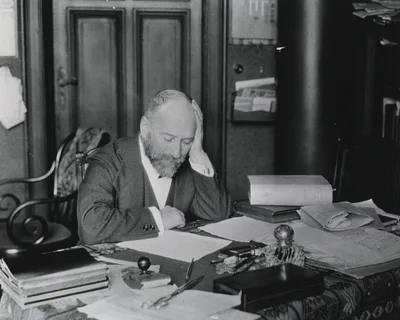
Luftfahrt und Wissenschaft, herausgegeben on Joseph Stricker. Heft 3.
1912
#11181
The development of the nervous system. Keibel & Mall (eds.) Manual of human embryology, vol. 2, pp. 1-156.
1913
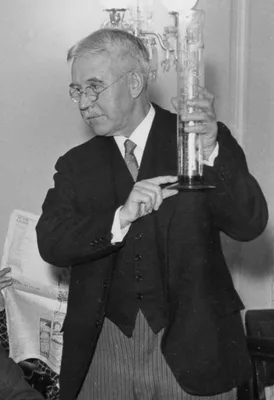
#957
Physiological observations made on Pike’s Peak, Colorado, with special reference to adaptation to low barometric pressures.
1913
#849
On the action of drugs and the function of the anterior lymph hearts in cardiectomized frogs.
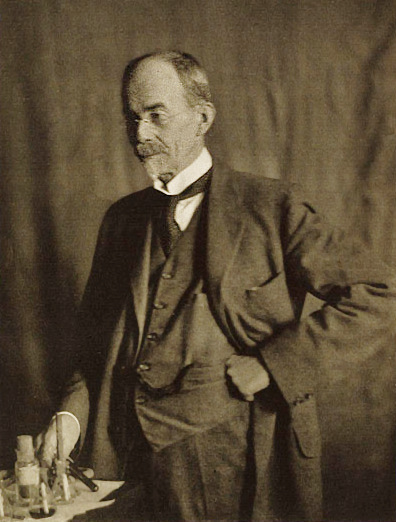
Abel was one of America’s most distinguished pharmacologists. See A. M. Harvey. "Pharmacology’s giant," Johns Hopk. med. J., 1974, 135, 245-58.
1913
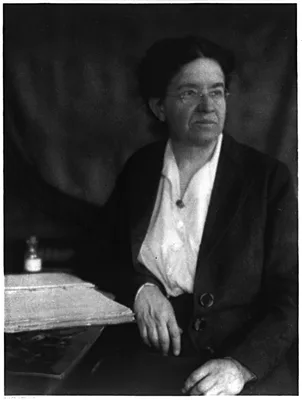
#1113
The origin and development of the lymphatic system.
1913
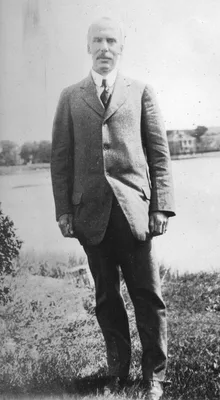
#527.1
The mechanism of fertilization.
1913
#2640
Untersuchungen über eine Nematode (Spiroptera sp. n.) und deren Fähigkeit papillomatöse und carcinomatose Geschwulstbildungen im Magen der Ratte hervorzurufen.
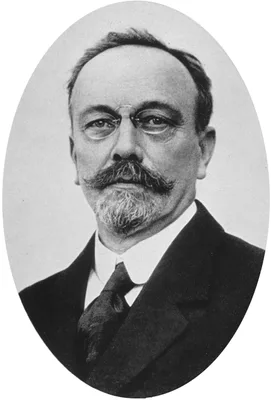
Fibiger demonstrated that the roundworm, which he called Spiroptera carcinoma (but is correctly named Gongylonema neoplasticum), could cause stomach cancer (squamous cell carcinoma) in rats and mice. His experimental …
1913
#9658
Vitalfärbung am Zentralnervensystem. Beitrag zur Physio-pathologie des Plexus choroideus und der Hirnhäute.
Goldmann was the first to demonstrate the blood-brain barrier. "By the intravenous and intrathecal administration of trypan blue he found that the barrier was impermeable to its large molecules, and he concluded that …
1914
#850
On the influence of the lymph hearts upon the action of convulsant drugs in cardiectomized frogs. II.
1914
#851
On some cardiac reflexes.
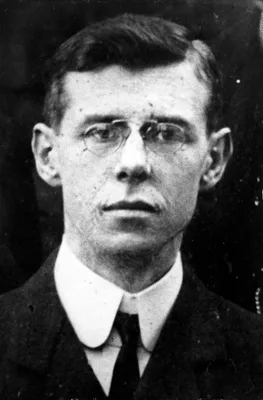
Bainbridge found that cardiac reflex action is produced by inhibition of vagus tone and excitation of the accelerator nerves.
c. 1914
#1340
The action of certain esters and ethers of choline, and their relation to muscarine.
Demonstration of the inhibitory action of acetylcholine on the heart. In 1936 Dale shared the Nobel Prize in Physiology or Medicine with Otto Loewi (No. 1343) "for their studies in the chemical mediation of nervous im…
1914
#12258
The excitatory process in the dog's heart. Part 1. The auricles.
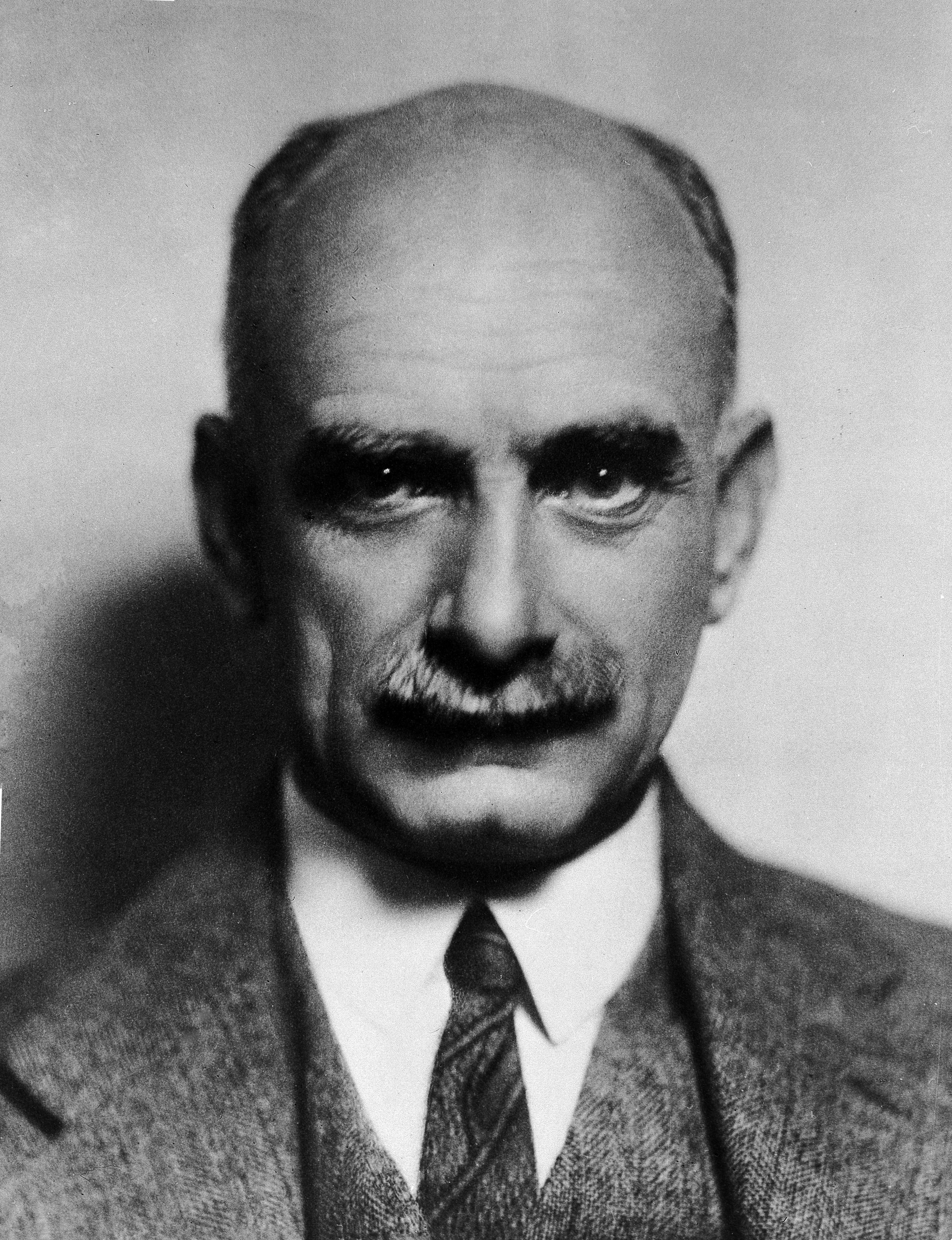
Experiments designed to identify the "origin of the contraction wave in the mammalian heart." Three photographic plates depict numerous electrocardiographic recordings. "From 1910 to 1916, Lewis and his associates per…
1914
#12287
The regulation of the heart beat.
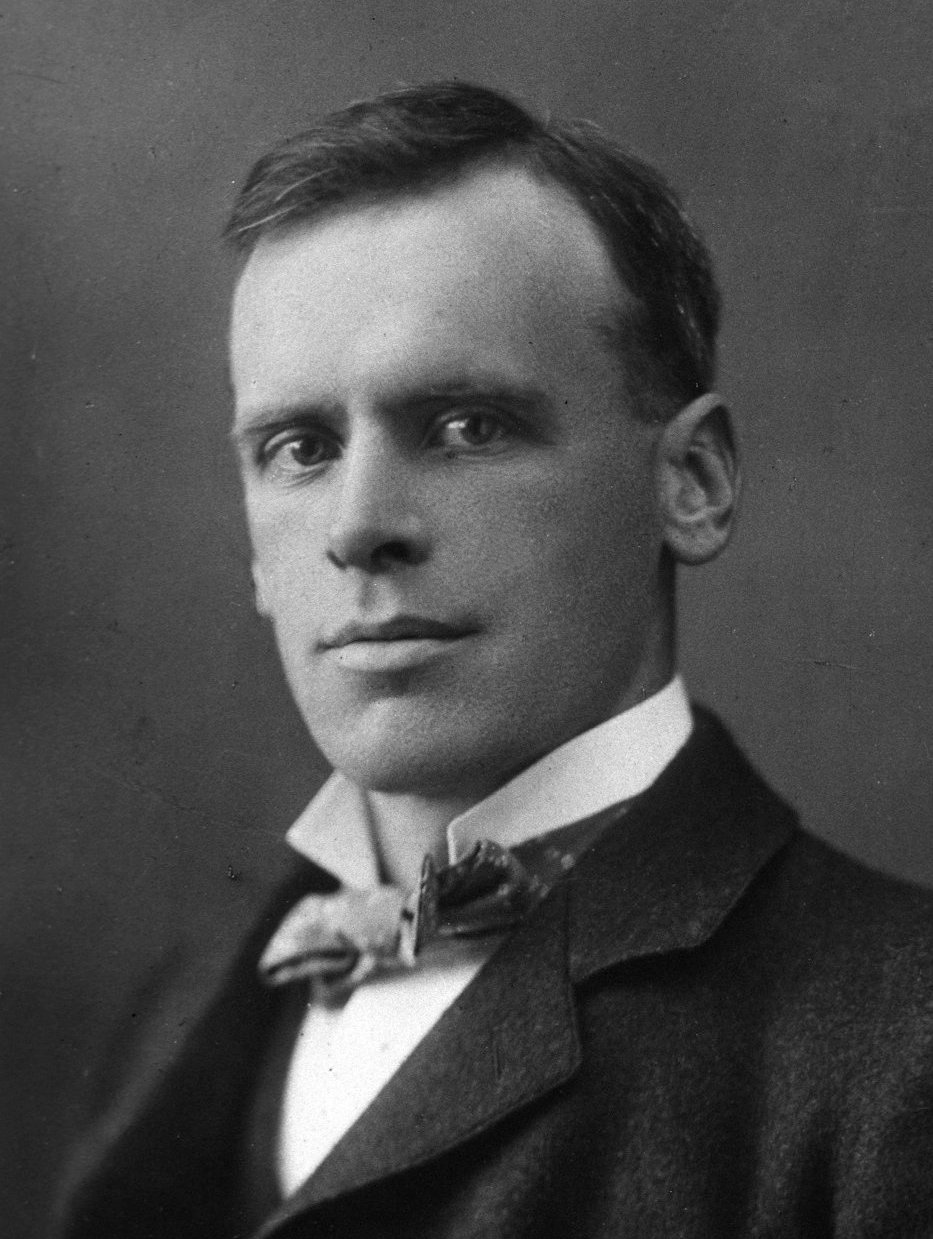
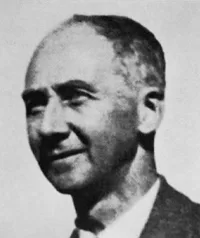
"Ernest Henry Starling (1866-1927) has probably contributed more than any man to our understanding of heart failure....His work with Patterson and Piper on the mechanical factors involved in the response of the heart …
1915
#658
Principles of general physiology.
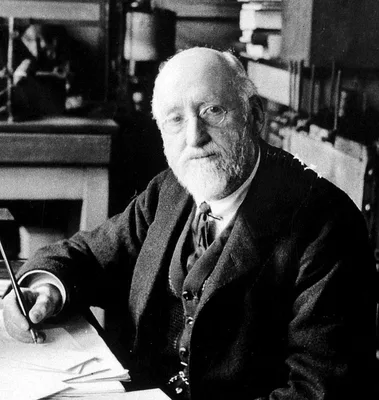
Bayliss’s book treats of general physiology from the physical chemical point of view. For some years it remained the most important book of its kind, and today is still of great value for its historical information an…
1915
#1124
Bodily changes in pain, hunger, fear, and rage. An account of recent researches into the function of emotional excitement.
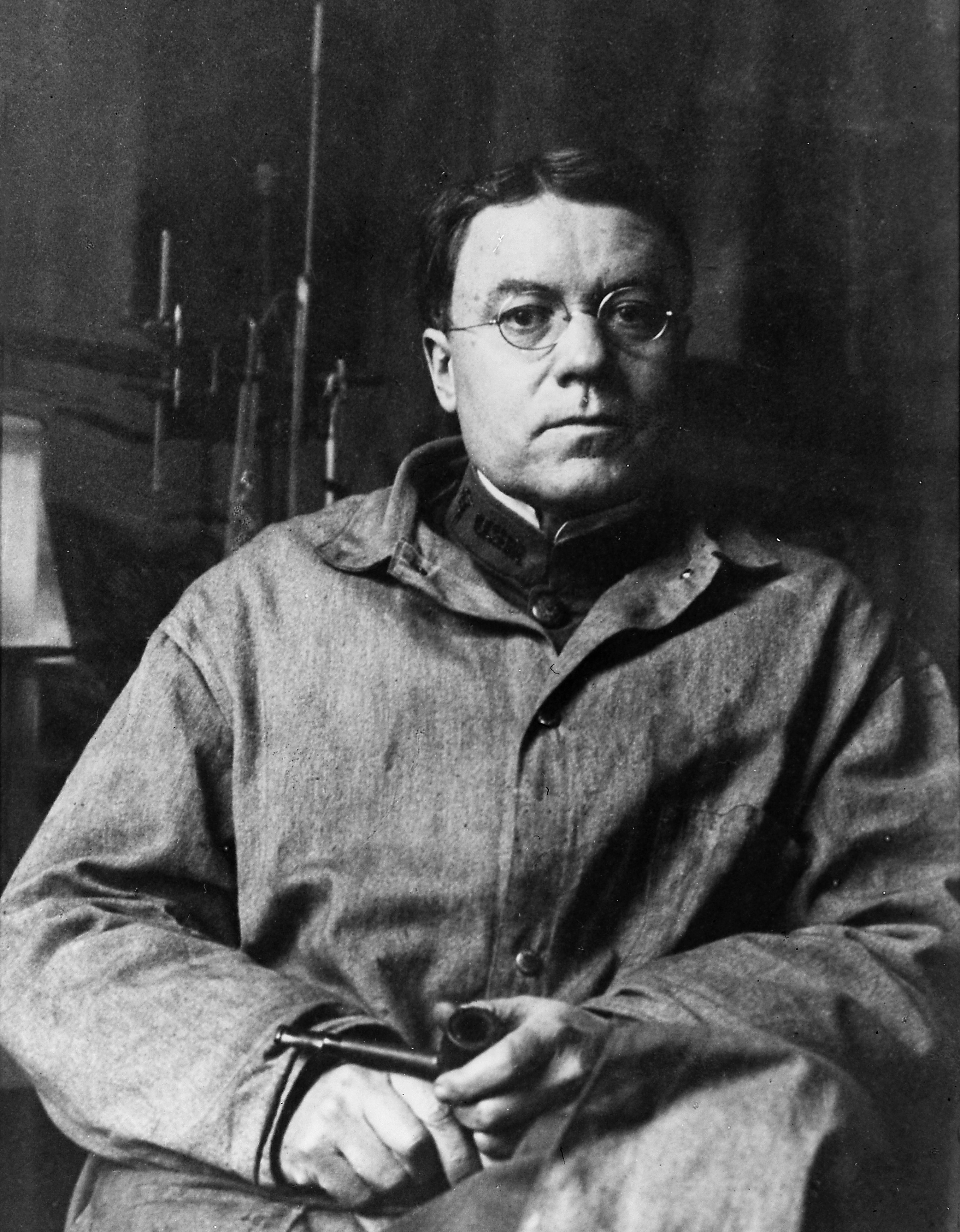
Observation of the effect of strong emotions on gastrointestinal motility (No. 1029) led Cannon to examination of the sympathetic nervous system and its emergency function. Cannon showed the close connexion between th…
1916
#569
On the natural faculties. With an English translation by Arthur John Brock.
![GALEN, [Κλαύδιος Γαληνός; Galen of Pergamon] (129 – 216)](/media/portraits/21)
Greek-English edition in the Loeb Classical Library. This was one of the first, if not the actual first, modern English translations of Galen. Digital facsimile from the Internet Archive at this link.
1916
#1331
The involuntary nervous system. Part 1.
This book sums up the life work of Gaskell, who laid the histological foundation of the modern study of the autonomic nervous system. No more published.
1916
#1904
Digitaliswirkung am isolierten Vorhof des Frosches.
An important analysis of the action of digitalis on the isolated heart.
1916
#6124.1
Embryology, anatomy, and diseases of the umbilicus together with diseases of the urachus
Contains the first reference to what would become known as “Cullen’s sign”, discoloration of the skin about the umbilicus, as a sign of ruptured ectopic gestation. This work contains extraordinary illustrations by Max…
1917
#7116
The fundus oculi of birds especially as viewed by the ophthalmoscope. A study in comparative anatomy and physiology. Illustrated by 143 drawings... also by sixty-one colored paintings prepared for this work by Arthur W. Head.
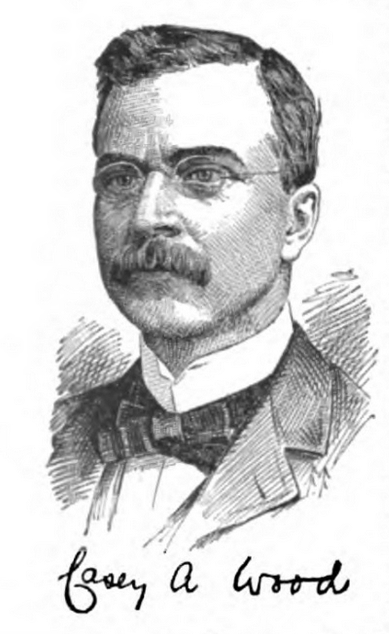
Digital facsimile from the Biodiversity Heritage Library, Internet Archive, at this link.
1918 –1919
#792
The vasodilator action of histamine and of some other substances.
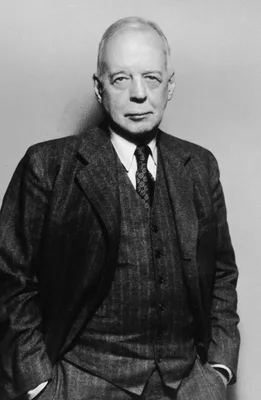
Dale and Richards studied the effect of histamine on the control of the circulation and showed its peripheral action to be located in the capillaries and smaller arterioles.
1918
#959
Ueber das Vorkommen des Coferments des alcoholischen Hefegärung im Muskelgewebe und seine muttmassliche Bedeutung im Atmungsmechanismus.
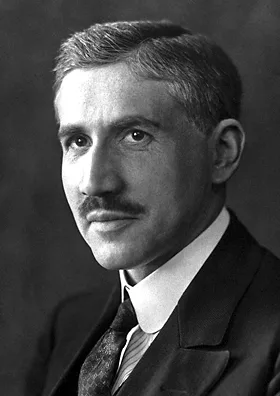
In 1922 Meyerhof was awarded half of the Nobel Prize in Pysiology or Medicine "for his discovery of the fixed relationship between the consumption of oxygen and the metabolism of lactic acid in the muscle." The other …
1918
#852
The ligation of coronary arteries with electrocardiographic study.
1918
#853
The Linacre lecture on the law of the heart.
Starling’s “law of the heart”.
1918 –1973
#82
Sebrané spisy. Opera omnia. Tom. 1-12.
Purkynĕ was Professor of Physiology at Breslau and Prague. Eminent as physiologist and microscopist, he was first to use the microtome. See Kruta, V. J.E. Purkynĕ, Physiologist. A short account of his contributions…wi…
1918 –1919
#4806
Ueber die Einwirkung der Malaria auf die progressive Paralyse.
In 1917 Wagner von Jauregg returned to the idea of the inoculation of paretics with malaria to induce pyrexia, first proposed by him in 1887 (Ueber die Einwirkung fieberhafter Erkrankungen auf Psychosen, Jb. Psychiat.…
1918
#9597
Manual of medical research laboratory.
Digital facsimile from Google Books at this link.
1919
#528
The elementary nervous system.
Important studies on the survival of primitive types of neuromuscular mechanism in some of the higher vertebrates.
1919 –1929
#7345
Beiträge zur Entwicklungsgeschichte des menschlichen Gehirns. 2 vols.
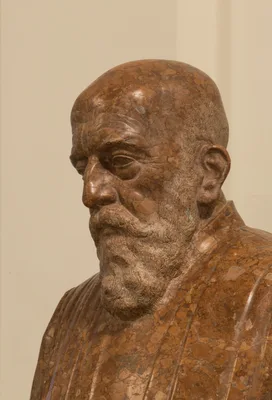
Considered the most extensive account of human cerebellar development. "Hochstetter carried out detailed work on the embryology of the human brain, and his beautiful figures have been reproduced in textbooks ever sinc…
1920
#659
The four phases of heat-production of muscle.
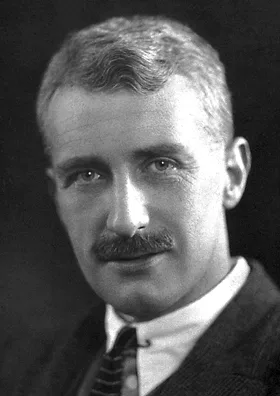
Hill and Hartree made valuable contributions to the knowledge of the thermodynamics of muscle. See also Physiol. Rev., 1922, 2, 310-41, and Hill, A. V., Trails and trials in physiology: a bibliography 1909-1964, 1965.…