
Facets
Browse across eight MeSH (opens in new tab) facets — era, geography, science, specialty, technology, history, culture, and reference. Select one tag per group; counts update across the others. What’s new in facet browse how facets relate to subjects and MeSH.
Clear filtersGeography
Specialties & Disease
- Alternative & Fringe Medicine 383
- Anatomy & Pathology 765
- Cardiology & Blood 914
- Dentistry 259
- Diabetes 80
- ENT & Hearing 293
- Epidemiology & Demography 397
- Gastroenterology & Hepatology 316
- General Clinical Medicine 487
- Immunology & Dermatology 1,008
- Infectious Disease (General) 147
- Internal, Emergency & Geriatric 123
- Microbiology & Virology 1,080
- Military Medicine 436
- Neurology & Psychiatry 1,258
- Obstetrics & Reproductive 551
- Oncology & Cancer 377
- Ophthalmology & Vision 412
- Pediatrics 247
- Physiology & Embryology 924
- Plagues & Epidemics 1,279
- Psychology 202
- Public Health 1,129
- Pulmonary & Respiratory 233
- Rheumatology, Rehab & Pain 189
- Surgery & Anesthesia 1,553
- Urology & Nephrology 309
- Veterinary Medicine 165
Social & Historical Studies
Institutions & Culture
Reference & Scholarly Works
1,279 entries match Plagues & Epidemics [C01.252]
1902
#9260
Mosquito brigades and how to organise them.
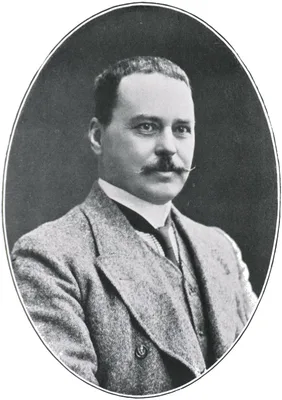
Digital facsimile from the Internet Archive at this link.
1902
#11860
Recent researches concerning the etiology, propagation, and prevention of yellow fever, by the United States Army Commission.
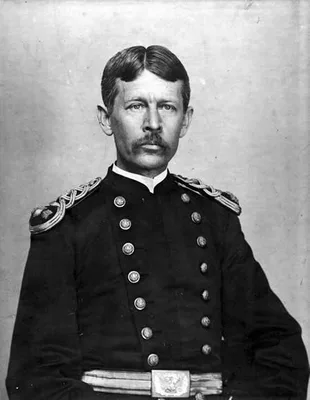
By 1902 Reed knew that the infectious agent of yellow fever was smaller than bacteria, though he did not specifically call it a virus. "In 1898, the passage of an animal pathogen through a Chamberland filter was repor…
1903
#2436.2
Eine Lepraähnliche Erkrankung der Haut und der Lymphdrtüsen bei Wanderratten.
Murine leprosy described.
1903 –1904
#2398
Études expérimentales sur la syphilis.
Metchnikoff and Roux successfully transmitted syphilis from man to the higher apes. Although not the first to do this, they recorded much new information concerning the disease.
1903
#5040
Die Bekämpfung des Typhus.
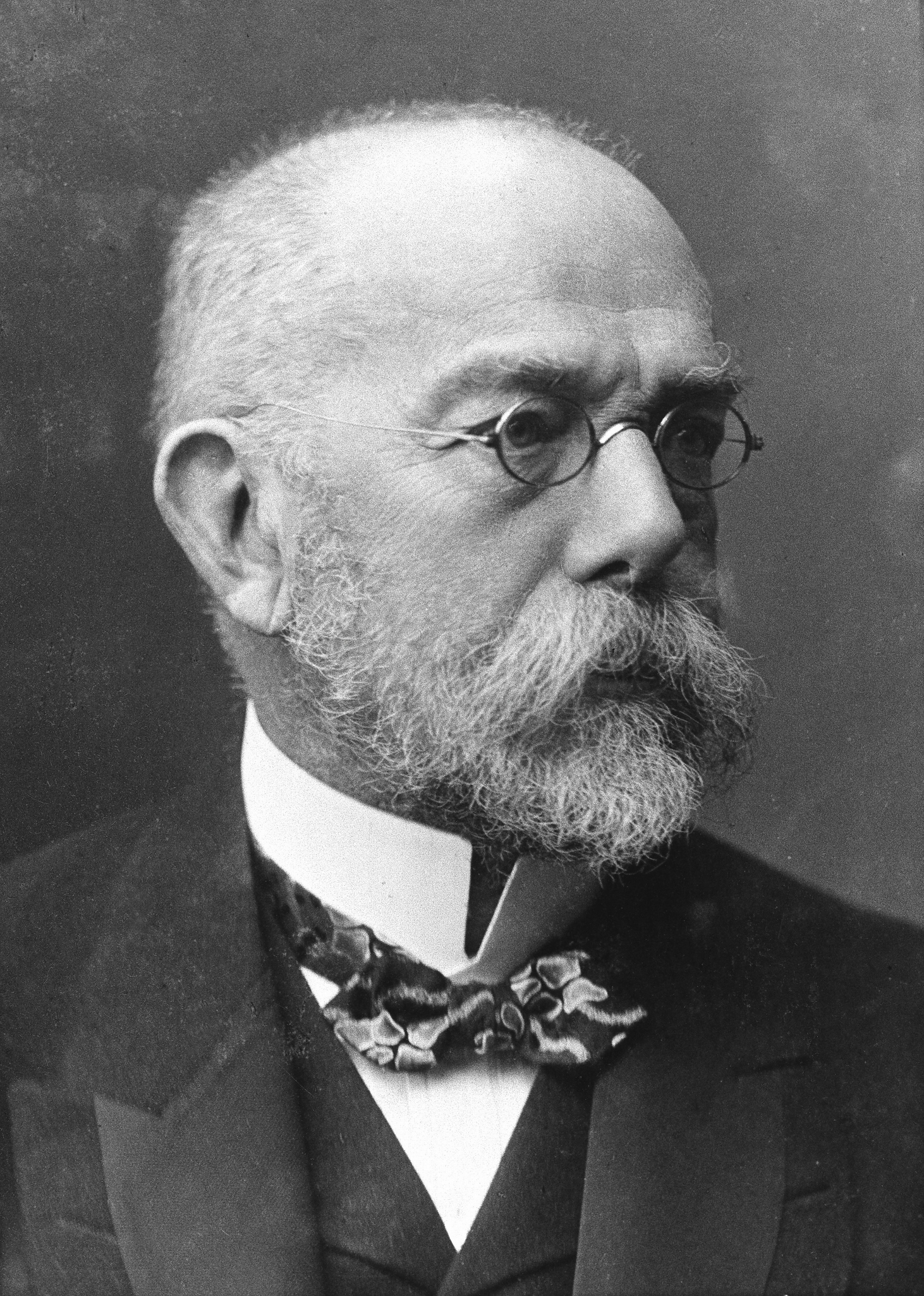
The prophylactic measures for the control of typhus suggested by Koch have been adopted almost everywhere.
1903
#5295
On the possibility of the occurrence of trypanosomiasis in India.
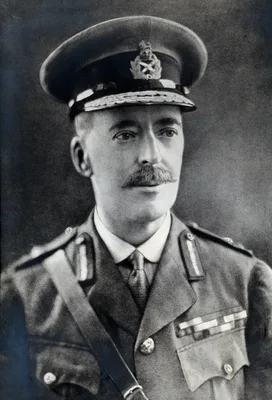
An organism found by Leishman in 1900 was later described by him as possibly a trypanosome. C. Donovan found the same organism in blood in July 1903. The name Leishmania donovani (Leishman-Donovan bodies) was later at…
1903
#5459
La fièvre jaune.
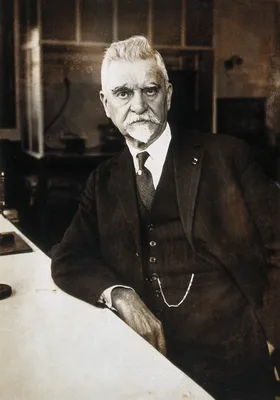
Yellow fever convalescent serum employed. With A. T. Salimbeni and P. L. Simond.
1903
#5254
Studien über krankheitserregende Protozoen. II. Plasmodium vivax (Grassi & Feletti), der Erreger des Tertianfiebers beim Menschen.
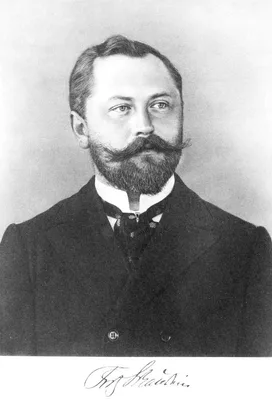
Confirmation of the work of Ross and of Grassi.
1903
#5276
On the discovery of a species of trypanosoma in the cerebrospinal fluid of cases of sleeping sickness.
While in Uganda, Castellani discovered T. gambiense in human cerebrospinal fluid. A paper in Notes Rec. roy. Soc., 1973, 23, 93-110, discounts Castellani’s claim that although he first discovered trypanosomes in the c…
1903 –1919
#5277
Reports of the Sleeping Sickness Commission of the Royal Society, 1903-1912. 17 pts.
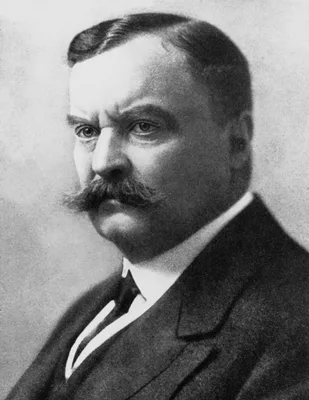
Bruce and D.N. Nabarro were sent to Africa by the Royal Society to study sleeping sickness, and in their report they showed that the tsetse fly was the vector of trypanosomiasis. They also found that Gambia fever and …
1903
#5297
Protozoa in a case of tropical ulcer (Delhi sore).
Wright found Leishmania tropica in Delhi sore. He was unaware of Borovskii’s paper (No. 5294).
1903
#5296
On the possibility of the occurrence of typanosomiasis in India.
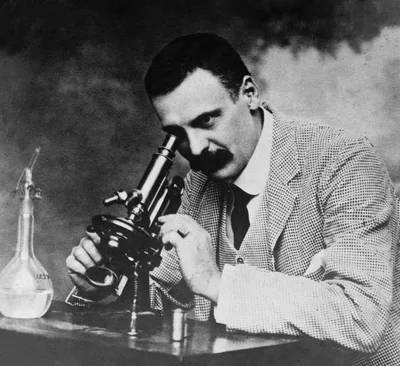
Leishimania donovani, independently discovered by two British medical officers William Boog Leishman in Netley, England, and Donovan in Madras, India, in 1903. However, the correct taxonomy was provided by Ronald Ross…
1903 –1929
#7338
Opera Omnia. Volume I: Istologia normale—1870-1883 (Con 21 Tavole e ritratto); Volume II: Istologia normale—1883-1902 (Con 21 tavole); Volume III: Patologia generale e isto-patologia—1868-1894 (Con 9 Tavole). Volume IV: Scritti su argomenti varii.
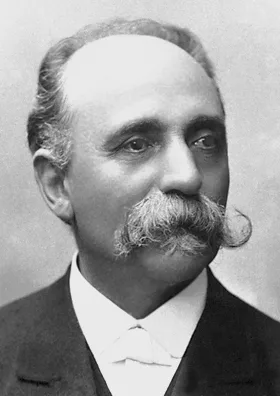
Limited to 325 copies, including material not previously published.
1903
#13923
Notes on the treatment of yellow fever at Las Animas Hospital, the hospital of the Sanitary Department, during the epidemic of 1900 at Havana, Cuba.
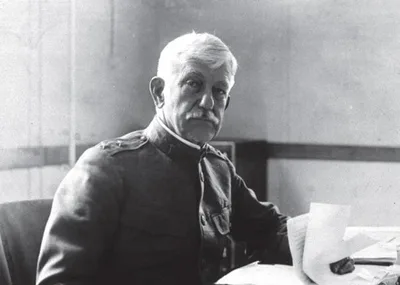
In 1901 Gorgas was sent to Havana to undertake a special campaign against the yellow fever mosquito Aëdes aegypti. His methods of sanitation were so successful that in three months yellow fever was practically eradica…
1904
#2437
The constituents of chaulmoogra seeds.
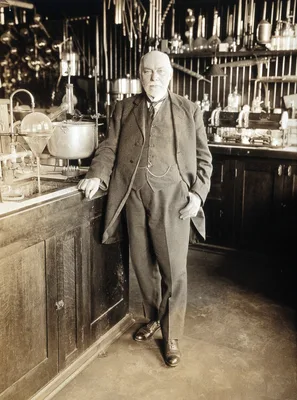
Hydnocarpus wightiana or Chaulmoogra is a tree in the Achariaceae family. The oil from seeds of Hydnocarpus wightiana or Chaulmoogra, a tree in the Achariaceae family, was widely used in Indian medicine and Chinese tr…
1904
#2438
The cultivation of the Bacillus leprae.
Rost cultivated the leprosy bacillus, and he prepared leprolin, formerly used in treating leprosy.
1904
#2815
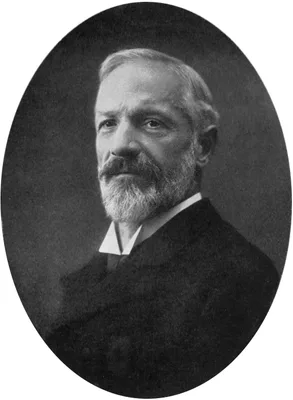
Ueber die syphilitischen Aortenerkrankungen.
1904
#5298
Note on the nature of the parasitic bodies found in tropical splenomegaly.
1904
#5299
Note on the occurrence of Leishman–Donovan bodies in “cachexial fevers” including kala-azar.
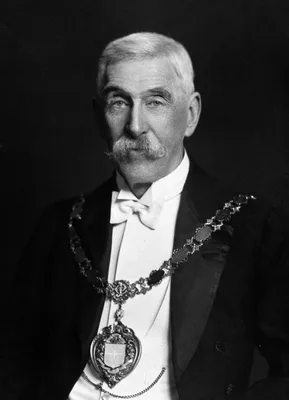
Rogers demonstrated the Leishman–Donovan bodies in kala-azar. See also the same journal, 1904, 2, 645-50. At about the same time Bentley reported similar findings in India.
1904
#5317
“Tick fever”.
Ross and Milne discovered the causative agent in the African variety of relapsing (tick) fever.
1904
#5349.1
The aetiology of a parasitic disease (in Japanese)
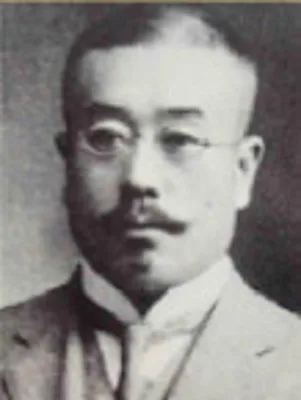
First description of Schistosoma japonicum. Translation in Kean (No. 2368.1), p. 518.
1904
#5349.2
Note on a new form of liver cirrhosis due to the presence of the ova of Bilharzia haematobia.
“Symmers’s fibrosis”, pipe stem fibrosis of the liver, occurring in cases of certain forms of schistosomiasis.
1904
#5429.1
On experimental variola in the monkey.
Inoculation of smallpox into the monkey. An earlier report of successful inoculation by W. Zuelzer (Zbl. med. Wiss., 1874, 12, 82) is not generally accepted.
1904
#5278
Trypanosomes et trypanosomiases.
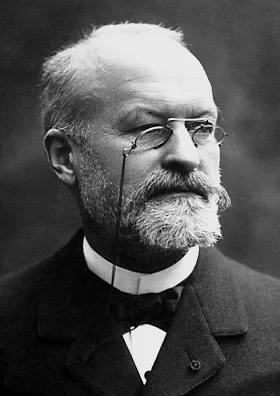
Laveran and Mesnil discovered that trypanosomes could be maintained indefinitely in rats and mice by serial passage.
1904
#1
The code of Hammurabi, King of Babylon about 2000 BCE. Autographed text, transliteration, translation, glossary, index of subjects, lists of proper names, signs, numerals, corrections, and erasures, with map, frontispiece, and photograph of text by Robert Francis Harper.
The Code of Hammurabi was found among the cuneiform tablets of the library of Ashurbanipal. It is now in the Louvre. It was first published in Scheil, "Textes élamites-sémitiques. Deuxième série: accompagné de 20 plan…
1904
#13362
Pathologie intertropicale. Doctrines et clinique.
Digital facsimile from BnF Gallaica at this link.
1905
#2399
Vorläufiger Bericht über das Vorkommen von Spirochaeten in syphilitischen Krankheitsprodukten und bei Papillomen.
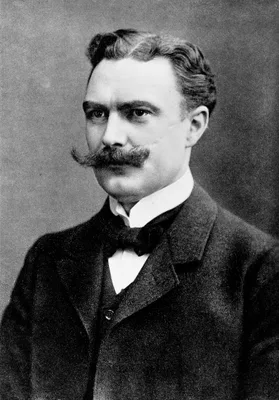
On March 3, 1905, Schaudinn discovered the causal organism of syphilis Spirochaeta pallida, in serum obtained from a genital lesion by Hoffmann. Schaudinn later renamed the spirochete Treponema pallidum.
1905
#5318
The nature of tick fever in the eastern part of the Congo Free State.
Independently of Ross and Milne, Dutton and Todd demonstrated relapsing fever in monkeys conveyed by infected ticks, Omithodorus moubata. The organism was named Sp. (now Borrelia) duttoni. Both Dutton and Todd contrac…
1905 –1906
#5440
The histology of the skin lesions in varicella.
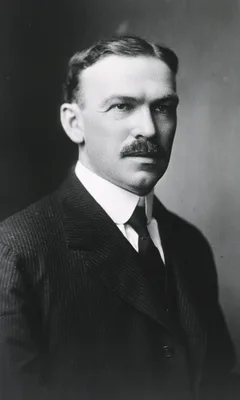
Tyzzer was first to recognize inclusion bodies in varicella.
1905
#5446
Experimental measles.
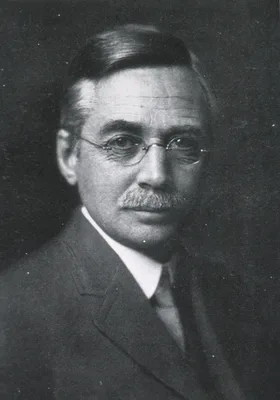
Experimental human transmission of measles.
1905
#5255
Intracorpuscular conjugation in the malarial plasmodia and its significance.
Demonstration of the existence of malarial carriers.
1905
#5279
Report on trypanosomes, trypanosomiasis, and sleeping sickness, being an experimental investigation into their pathology and treatment.
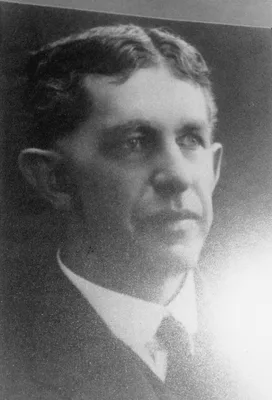
Thomas and Breinl discovered that arsanilic acid, was more potent in the treatment of laboratory trypanosomiasis than arsenic in inorganic form. As a crystalline powder it was introduced medically as Atoxyl. Thomas an…
1906
#4682
Versuche zur Serodiagnostik und Serotherapie der epidemischen Genickstarre.
First attempts at the serum treatment of cerebrospinal meningitis.
1906
#2399.1
Ueber die Transmission der Syphilis auf das Kaninchen. Vorläufiger Bericht.
Transmission of syphilis to rabbits.
1906
#2400
Zur Technik der Spirochaetenuntersuchung.
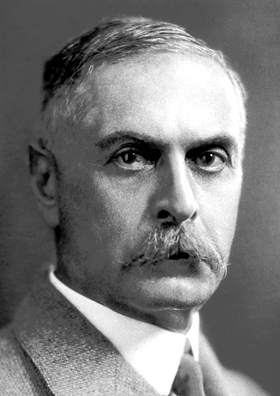
Dark field method of diagnosis for presence of T. pallidum.
1906
#2401
A propos de l’impregnation au nitrate d’argent des spirochètes sur coupes.
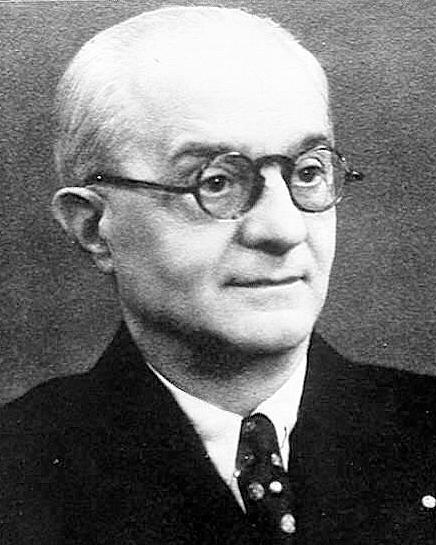
Levaditi’s method of staining T. pallidum.
1906
#2402
Eine serodiagnostische Reaktion bei Syphilis.
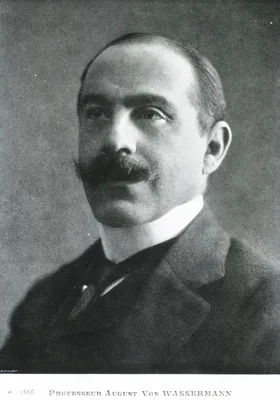
The “Wassermann reaction”, a specific diagnostic blood test for syphilis, and a modification of the complement-fixation reaction of Bordet and Gengou. With A. Neisser and C. Bruck.
1906
#2824
Ueber Spirochaeta pallida in der Aortenwand bei Hellerscher Aortitis.
Treponema pallidum first discovered in the diseased aorta.
1906
#5087
Le microbe de la coqueluche.
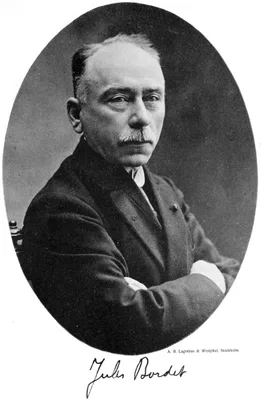
The cocco-bacillus Haemophilus pertussis, commonly regarded as the causal organism of whooping cough, was at first named “Bordet–Gengou bacillus” after its discoverers. It has later renamed Bordetella pertussis.
1906
#5111.1
Über Cholera- und choleraähnliche Vibrionen unter den aus Mekka zurückkehrenden Pilgern.
Isolation of El Tor vibrio, a particular strain of the bacterium Vibrio cholerae. Gotschlich first identified this strain in 1905 at a quarantine camp on the Sinai Peninsula in El Tor, Egypt . The vibrios were found i…
1906
#4194
The operative treatment of acute gonorrheal epididymitis.
Hagner devised the open operation for the relief of acute epididymitis.
1906
#5129
Les inoculations antipesteuses.
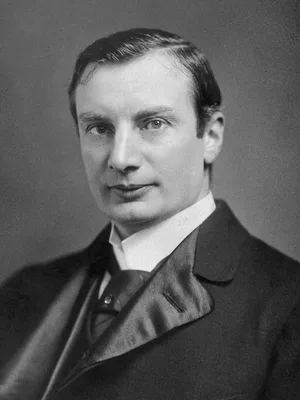
Haffkine developed an anti-bubonic plague vaccine (killed bouillon cultures), for use in man.
1906
#5280
Traitement des trypanosomiases par les “couleurs de benzidine”.
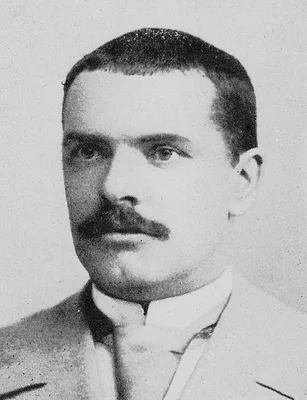
Introduction of trypan-blue in the treatment of trypanosomiasis. Second paper by Mesnil and Nicolle.
1906
#5319
Study of a spirochete obtained from a case of relapsing fever in man, with notes on morphology, animal reactions, and attempts at cultivation.
Spirochaete causing the American variety of relapsing fever first isolated. With A. W. Pappenheimer and T. Flournoy.
1906
#5320
Studies in Spirillum obermeieri and related organisms.
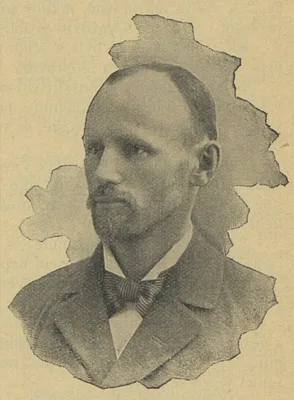
Novy and Knapp made important observations on the spirochaete isolated by Norris et al. from a case of (American) relapsing fever, proving it to be different from Borrelia obermeieri, sometimes referred to as “Novy’s …
1906
#5378
The transmission of Rocky Mountain spotted fever by the bite of the wood-tick (Dermacentor occidentalis).
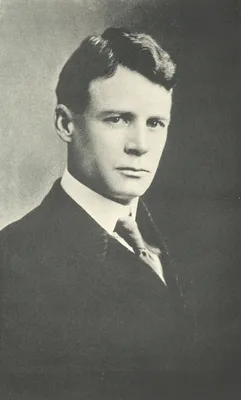
Ricketts (who himself died of typhus) demonstrated that the wood tick Dermacentor andersoni is a vector of Rocky Mountain spotted fever.
1906
#5430
Was wissen wir über den Vakzineerreger?
“Paschen elementary bodies”; see also No. 5427.
1906
#5472
On the etiology of dengue fever.
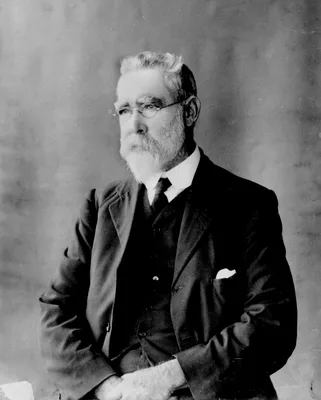
Bancroft was the first to produce evidence that Aëdes aegypti is a vector of dengue.
1906
#5213
Ueber den Nachweis von Antikörpern im Serum eines an Arthritis gonorrhoica Erkrankten mittels Komplementablenkung.
“Müller–Oppenheim reaction” – a complement fixation test for the diagnosis of gonorrhoea.
1906
#12820
Walter Reed and yellow fever.
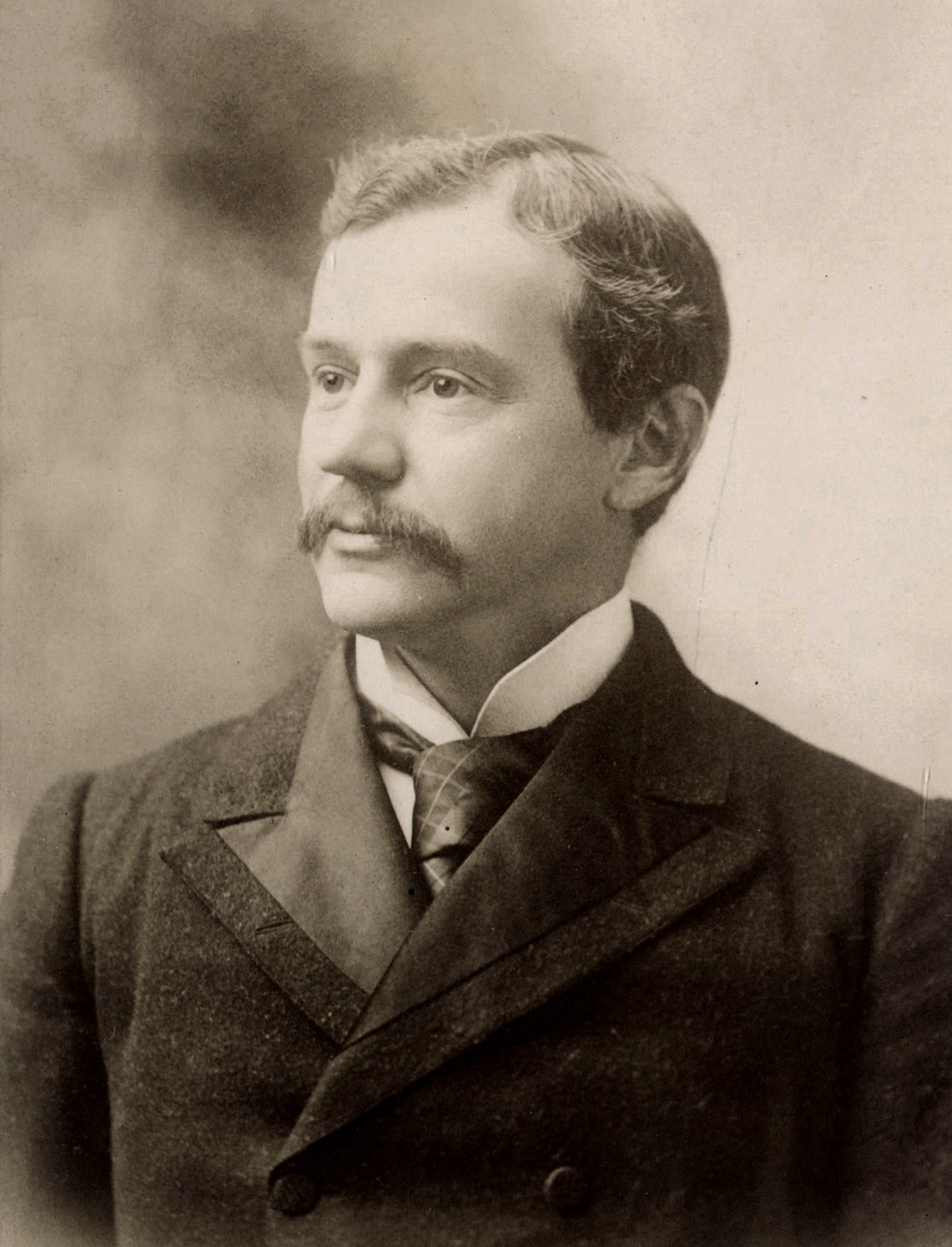
Digital facsimile of the revised edition published in 1907 from Google Books at this link.