Facets
Browse across eight MeSH (opens in new tab) facets — era, geography, science, specialty, technology, history, culture, and reference. Select one tag per group; counts update across the others. What’s new in facet browse how facets relate to subjects and MeSH.
Clear filtersGeography
Specialties & Disease
- Alternative & Fringe Medicine 383
- Anatomy & Pathology 765
- Cardiology & Blood 914
- Dentistry 259
- Diabetes 80
- ENT & Hearing 293
- Epidemiology & Demography 397
- Gastroenterology & Hepatology 316
- General Clinical Medicine 487
- Immunology & Dermatology 1,008
- Infectious Disease (General) 147
- Internal, Emergency & Geriatric 123
- Microbiology & Virology 1,080
- Military Medicine 436
- Neurology & Psychiatry 1,258
- Obstetrics & Reproductive 551
- Oncology & Cancer 377
- Ophthalmology & Vision 412
- Pediatrics 247
- Physiology & Embryology 924
- Plagues & Epidemics 1,279
- Psychology 202
- Public Health 1,129
- Pulmonary & Respiratory 233
- Rheumatology, Rehab & Pain 189
- Surgery & Anesthesia 1,553
- Urology & Nephrology 309
- Veterinary Medicine 165
Social & Historical Studies
Institutions & Culture
Reference & Scholarly Works
1,258 entries match Neurology & Psychiatry [C10 / F04]
1901
#1294
On the origin from the spinal cord of the vaso-dilator fibres of the hindlimb, and on the nature of these fibres.
1901
#1295
The Croonian Lectures on the chemical side of nervous activity. Delivered before the Royal College of Physicians of London, in June, 1901.
First edition in book form, expanded from the journal publications, London: Bale, 1901. Digital facsimile of the book-form edition from the Internet Archive at this link.
1901
#4876
The division of the sensory root of the trigeminus for the relief of tic douloureux; an experimental, pathological, and clinical study, with a preliminary report of one surgically successful case.
Introduction of intracranial trigeminal neurotomy, using a modification of the techniques of Horsley (No. 4865) and Krause (No. 4871). Also published in Philad. med. J., 1901, 8, 1039-49.
1901
#4952
Einführung in die psychiatrische Klinik.
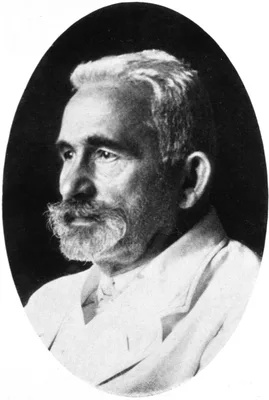
Kraepelin evolved a new classification of insanity. He introduced the concepts “dementia praecox” and “manic-depressive insanity”. (Regarding the latter, see also No. 4932.)
1902
#4589
Hémiasynergie, latéropulsion et myosis bulbaires avec hémianesthésie et hémiplégie croisées.
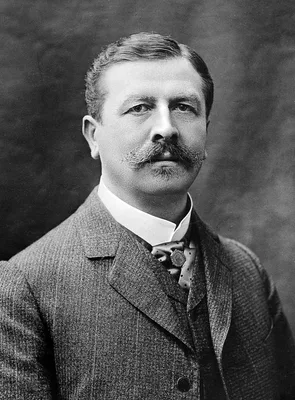
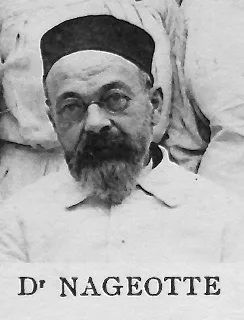
“Babinski-Nageotte syndrome”.
1902
#4590
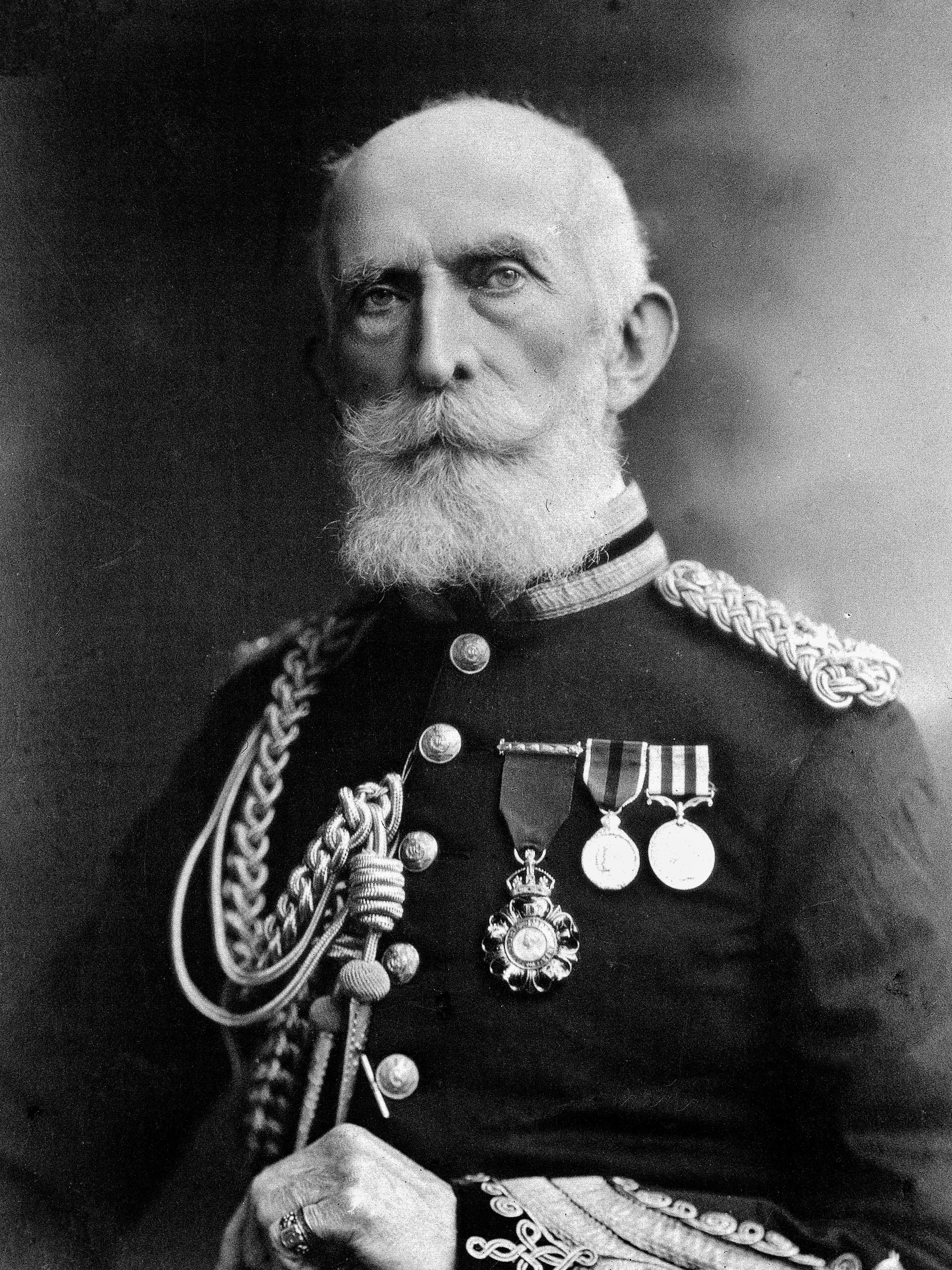
Traité des maladies de la moëlle épinière.
1902
#4591
Kritik der sogenannten “traumatischen Syringomyelie”.
Traumatic cavity formation in the spinal cord, so well described by Kienböck, is known as “Kienböck’s disease”.
1902
#4762
On myopathy and a distal form.
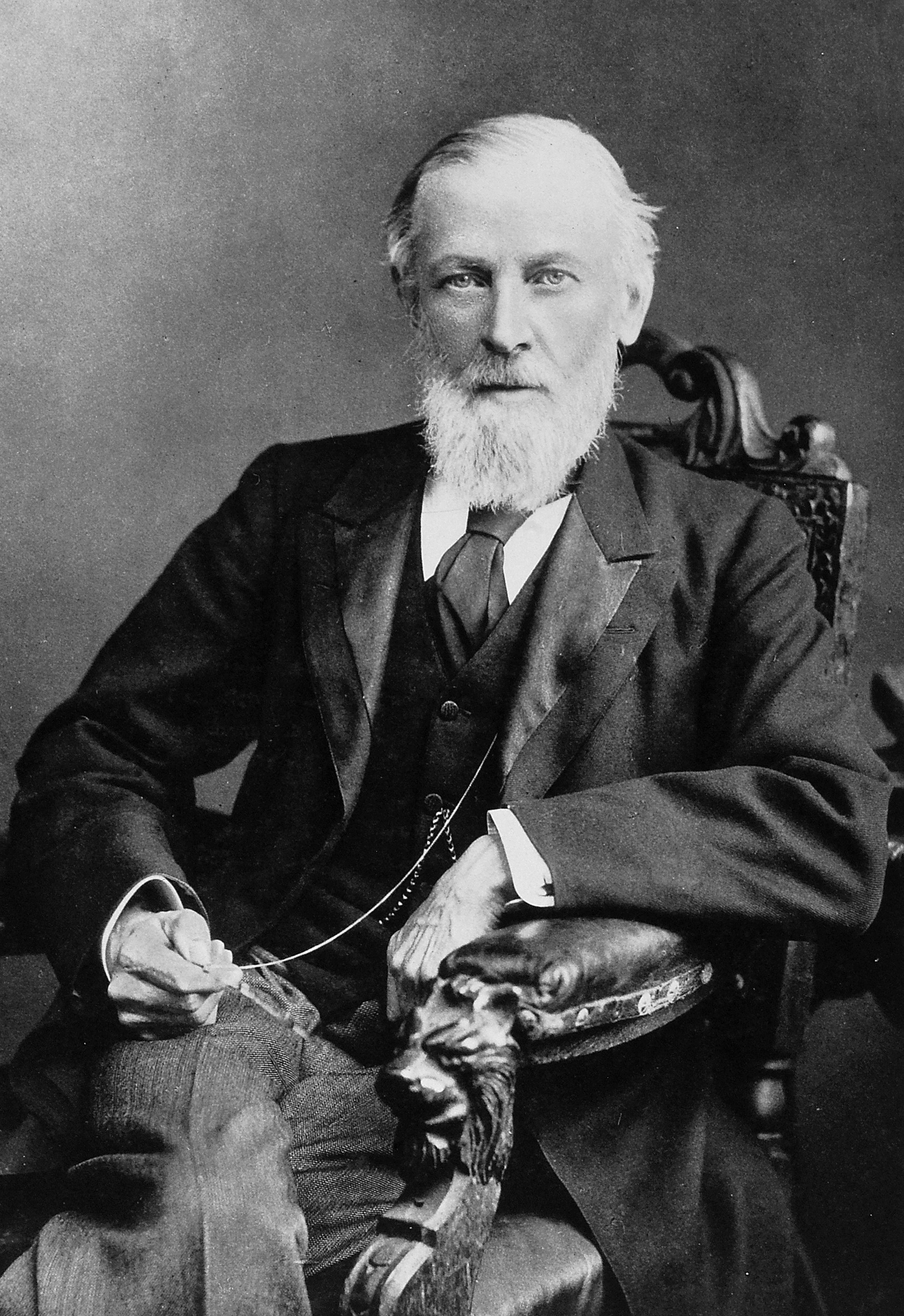
“Distal myopathy of Gowers”, a form of progressive muscular dystrophy.
1902
#4792
Syphilis und Nervensystem.
1902
#1373
Further researches on antidromic nerve-impulses.
1902
#1296
Die Silberimprägnation der Axencylinder.
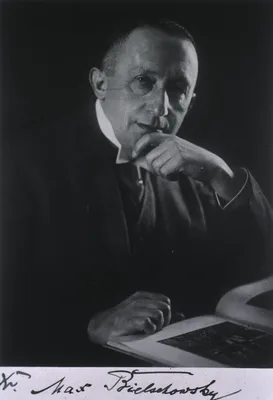
Bielschowsky’s method of silver staining of nerve fibers. Further paper in the same journal, 1903, 22, 997-1006.
1902
#7979
The Goulstonian lectures on some abnormal psychical conditions in children. Delivered before the Royal College of Physicians of London on March 4th, 6th, and 11th, 1902.
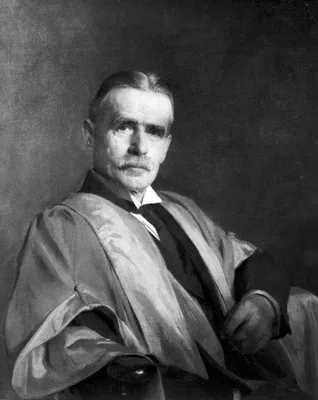
Considered by many historians to be the scientific starting point of the study of Attention Deficit Hyperactivity Disorder (ADHD). Digital facsimile of the separate offprint from the Internet Archive at this link.
1902
#12294
Die Geisteskrankheiten des Kindesalters mit besonderer Berücksichtigung des schulpflichtigen Alters.
The first systematic work on child psychiatry in Germany. Digital facsimile from Google Books at this link.
1903
#4592
Du myosis dans certaines lésions bulbaires en foyer (hémiplégie du type Avellis associée au syndrome oculaire sympathique).
“Cestan–Chenais syndrome”.
1903
#4645
Inflammations meningées avec réactions chromatique, fibrineuse et cytologique du liquid cephalo-rachidien.
“Froin’s syndrome” – a coagulation of the cerebrospinal fluid.
1903
#4712
Cerebral degeneration with symmetrical changes in the maculae in two members of a family.
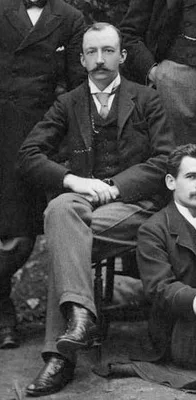
Batten disease, a fatal disease of the nervous system that typically begins in childhood. Onset of symptoms is usually between 5 and 10 years of age. Often, it is autosomal recessive. It is the common name for a group…
1903 –1904
#2003.2
L’électrisation cérébrale.
Leduc reported the effects of a galvanic current on the brain. His work led the way to electric convulsion therapy, introduced by Carletti and Bini (No. 4962).
1903
#1429
Zur anatomischen Gliederung des Cortex cerebri.
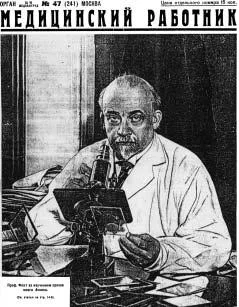
1903
#1297
The spinal origin of the cervical sympathetic nerve.
Section of the white rami caused retrograde degeneration of the lateral column cells.
1903
#1892
Ueber eine neue Klasse von Schlafmitteln.
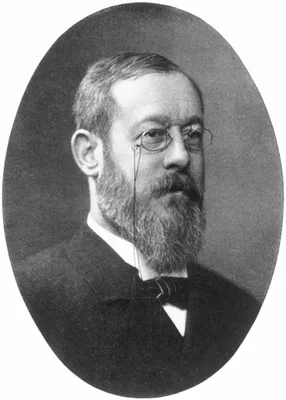
Synthesis of barbitone (Barbitol), the first available barbiturate.
1903
#4877
Névralgie faciale; présentation de malade.
Alcohol injection of the Gasserian ganglion for treatment of trigeminal neuralgia. See also pp. 91-96 of the same volume. Digital facsimile from Google Books at this link.
1903
#4953
Hygiene der Nerven und des Geistes im gesunden und kranken Zustande.
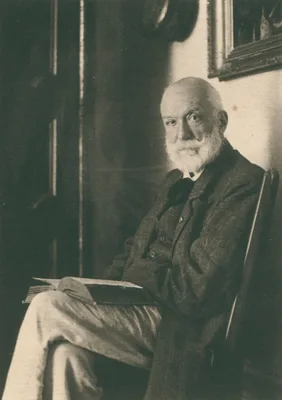
English translation, New York, 1907.
1903
#4954
Les obsessions et la psychasthénie.
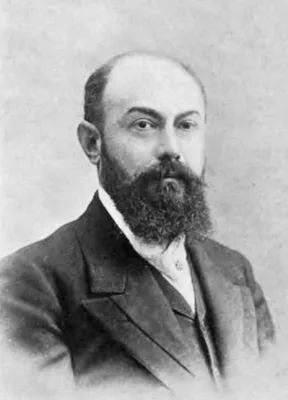
Janet was the first to describe psychasthenia.
1903
#4955
Sopra un’ alterazione del corpo calloso osservata in soggetti alcoolisti.
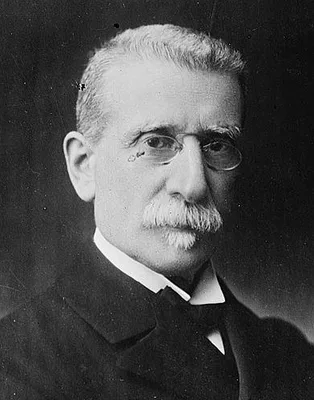
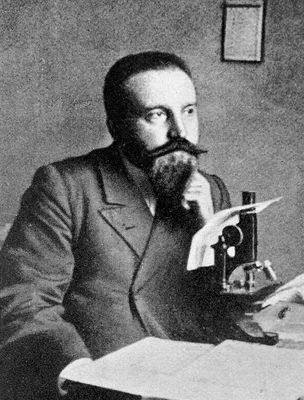
Marchiafava–Bignami disease – degeneration of the corpus callosum in alcoholism.
1903
#5005.1
Hypnosis: Its history, practice and theory.
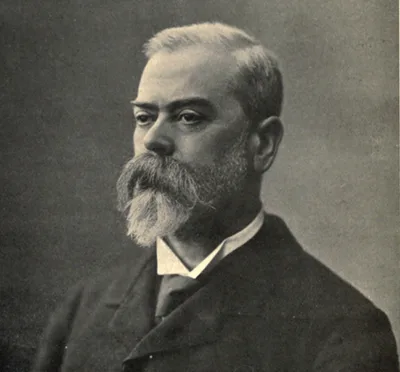
An unexcelled “scholarly, critical, and detailed analysis of hypnosis” (Bliss).
1903 –1929
#7338
Opera Omnia. Volume I: Istologia normale—1870-1883 (Con 21 Tavole e ritratto); Volume II: Istologia normale—1883-1902 (Con 21 tavole); Volume III: Patologia generale e isto-patologia—1868-1894 (Con 9 Tavole). Volume IV: Scritti su argomenti varii.
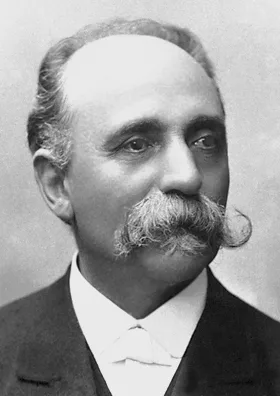
Limited to 325 copies, including material not previously published.
1904
#4593
Essai de classification de quelques névralgies faciales par les injections de cocaine loco dolenti.
Classification of the neuralgias.
1904
#4713
Cerebral degeneration, with symmetrical changes in the maculae, in three members of a family.
“Batten-Mayou disease”, juvenile amaurotic idiocy (see also No. 4712).
1904
#1336
On the action of adrenalin.
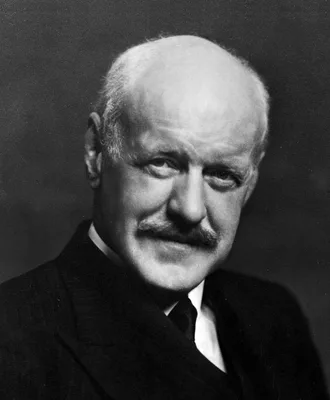
The first intimation of the chemical mediation of nerve impulses was given in Elliott’s suggestion that when a sympathetic nerve impulse arrives at a smooth-muscle cell it liberates adrenaline, which acts as a chemica…
1904
#4803
Histologische und histopathologische Arbeiten über die Grosshirnrinde. Vol. 1.
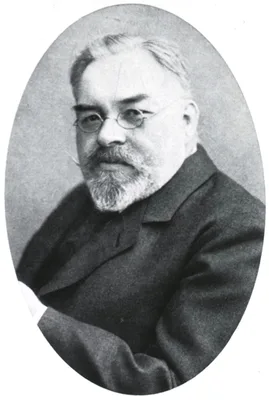
Pages 315-494 contain Nissl’s classic account of the histopathology of general paresis.
1904
#4982
Zur Psychopathologie des Alltagslebens.
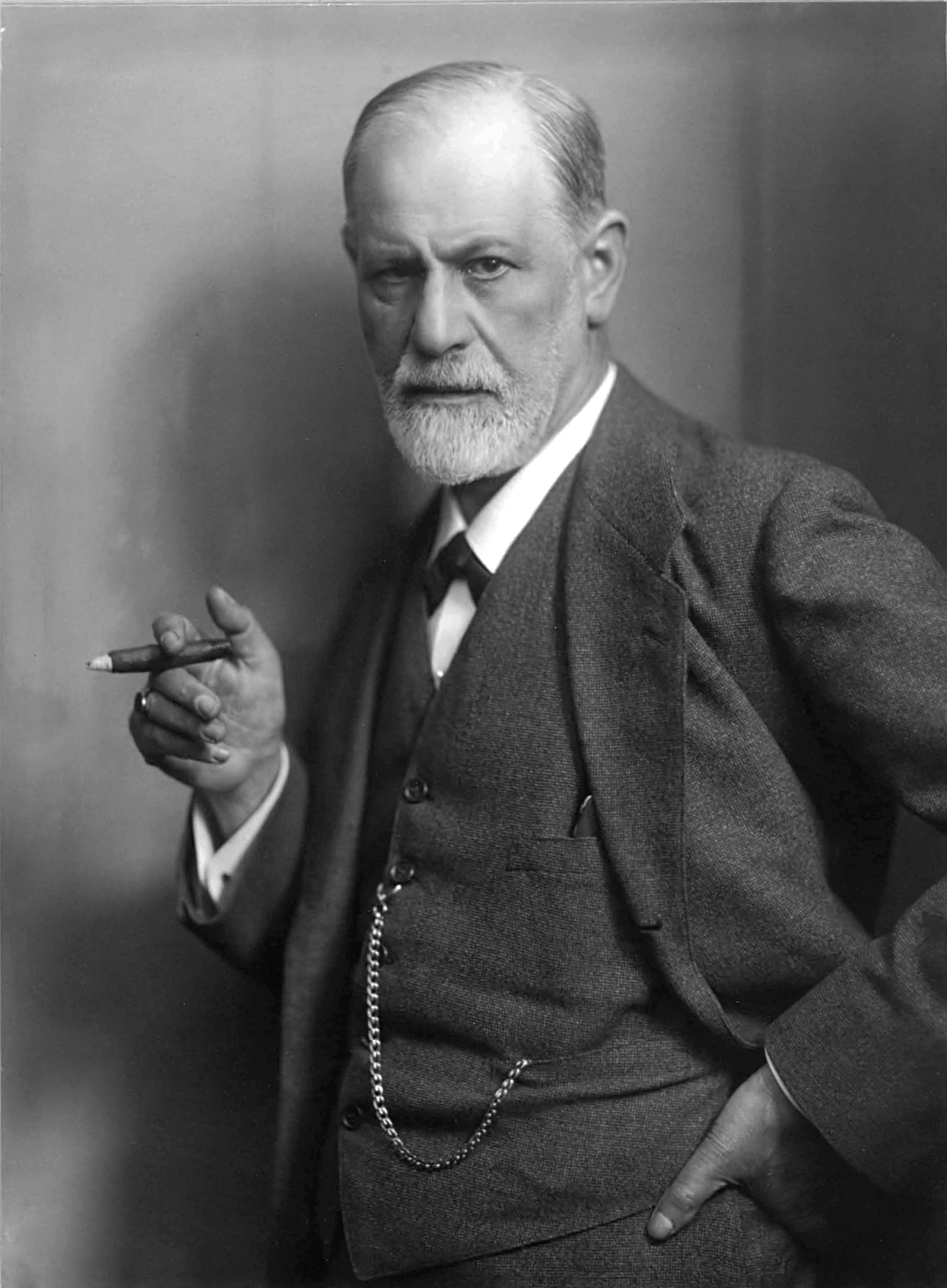
An exposition of psychoanalytic theory for a popular audience. Includes description and examples of the well-known “Freudian slip”. English translation, London, 1914.
1904
#7339
Die Entwickelung des menschlichen Gehirns, während der ersten Monate.
"This final summary of brain development, published in the year of his death, contains a wealth of classic illustrations that have been adapted ever since in textbooks" (Larry W. Swanson).
1905
#4594
Un caso de parálisis del lado derecho de la laringe y de la lengua, con parálisis del esterno-cleido-mastoidea y trapecio del mismo lado; accompañado de hemiplejia total temporal del lado izquierdo del cuerpo.
“Tapia’s syndrome” – palato-pharyngo-laryngeal hemiplegia.
1905
#4668
Studien über Poliomyelitis acuta.
Wickman was the first to produce evidence confirming the infectious nature of poliomyelitis.
1905
#4713.1
Über familiäre amaurotische Idiotie und verwandte Krankheitsbilder.
Spielmayer-Vogt disease, or Spielmeyer-Vogt-Sjögren-Batten disease, the juvenile form of cerebromacular degeneration.
1905 –1906
#1337
Vagus inhibition of the heart in its relation to the inorganic salts of the blood.
Howell suggested that nerve impulses act indirectly by increasing the amount of diffusible potassium compounds in the heart tissue.
1905
#1430
Histological studies on the localisation of cerebral function.
The precentral area of the cerebral cortex is known as “Campbell’s area”. Campbell and Brodmann were pioneers in the study of the architectonics of the cerebral cortex, or cerebral cytoarchitecture. Digital facsimile …
1905
#1298
The afferent nervous system from a new aspect.
This paper opened up a new field in the study of the sensory functions of the skin, and the theories put forward in it dominated neurological thought until 1940.
1905
#1299
The consequences of injury to the peripheral nerves in man.
1905
#4983
Drei Abhandlungen zur Sexualtheorie.
The work which Freud considered second in importance only to his Die Traumdeutung. Freud’s epochal theory of infantile sexuality linked the forces motivating the development of body and mind from earliest infancy. Inf…
1906
#4594.1
Ueber die nicht epileptischen Absencen oder kurzen narkoleptischen Anfälle.
First description of pyknolepsy.
1906
#4630
Révision de la question de l’aphasie; la troisième circonvolution frontale gauche ne joue aucun rôle spécial dans la fonction du langage.
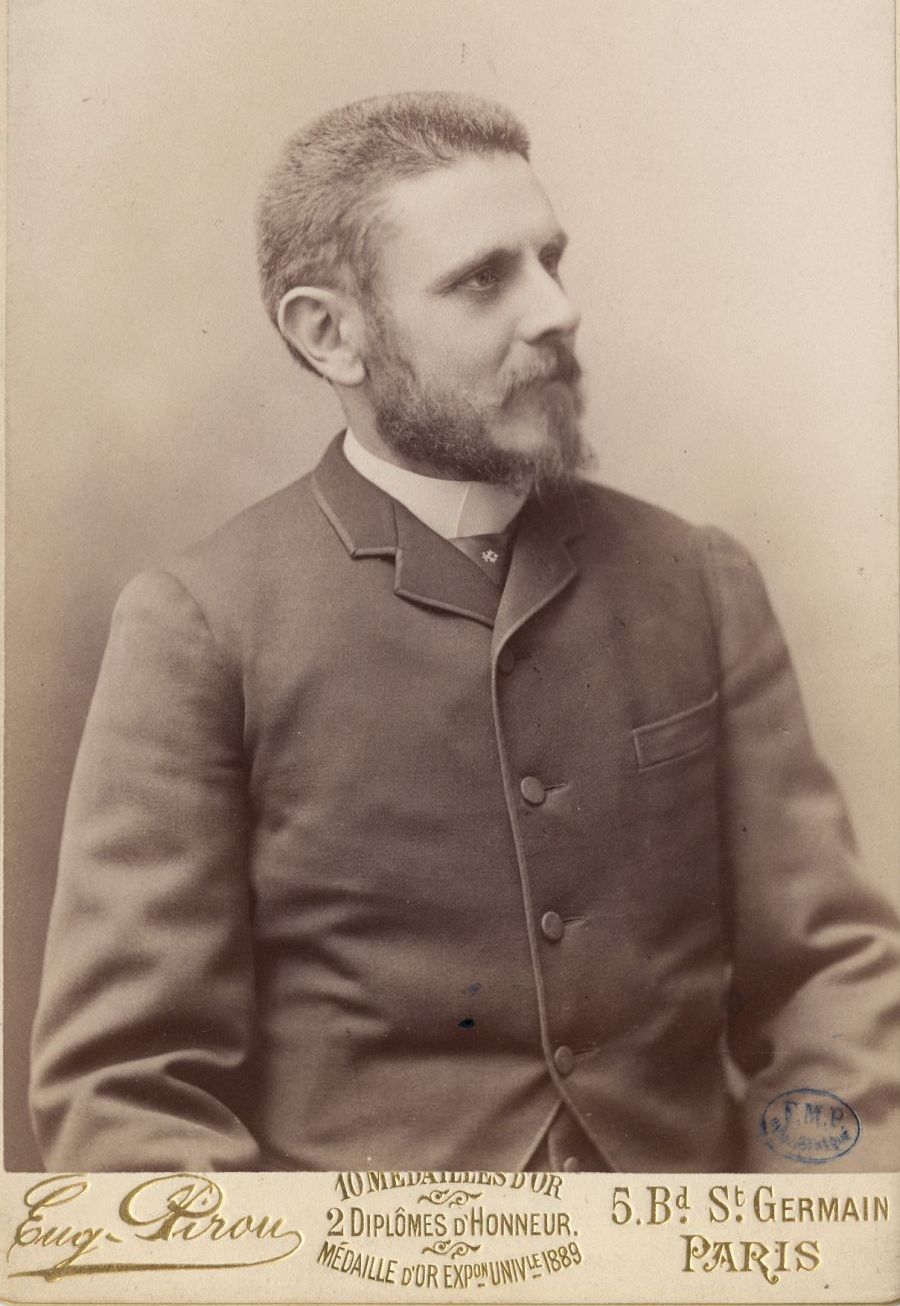
Marie disputed Broca’s claim that the third left frontal convolution of the brain is the speech center. He classified aphasia into three groups: anarthria (defects of articulation), Broca’s (motor) aphasia, and Wernic…
1906
#4682
Versuche zur Serodiagnostik und Serotherapie der epidemischen Genickstarre.
First attempts at the serum treatment of cerebrospinal meningitis.
1906
#4714
Unilateral ascending paralysis and unilateral descending paralysis.
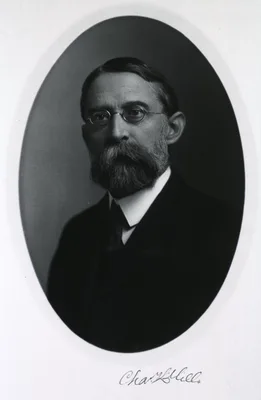
First description of unilateral descending paralysis.
1906
#1338
On the physiological action of certain cholin derivatives and new methods for detecting cholin.
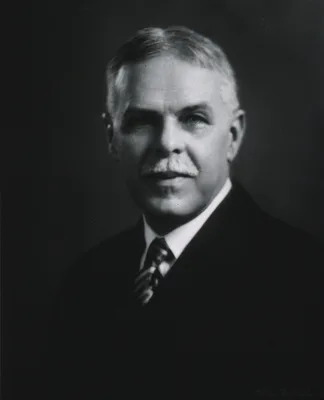
Discovery of the remarkable hypotensive effect of acetylcholine.
1906
#4804
Ueber das Vorhandensein syphilitischer Antistoffe in der Cerebrospinalflüssigkeit von Paralytikem.
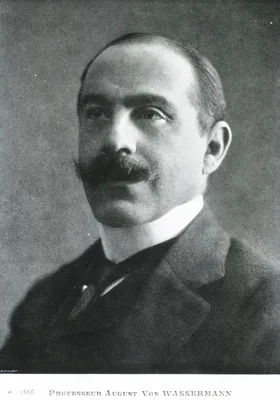
Wassermann applied his test (No. 2402) to the cerebrospinal fluid and, in paretics, obtained positive results in over 90 per cent of cases. The test greatly facilitated the diagnosis of general paralysis.
1906
#1374
The grouping of afferent impulses within the spinal cord.
1906
#1431
Le syndrome thalamique.
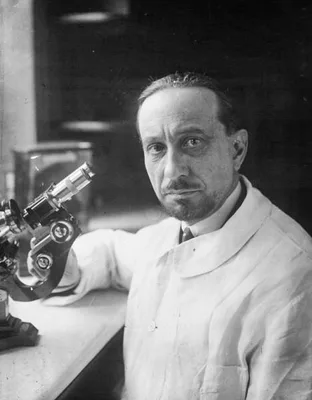
The “thalamic syndrome”, investigations of the effect of localized thalamic injury.
1906
#1432
The integrative action of the nervous system.
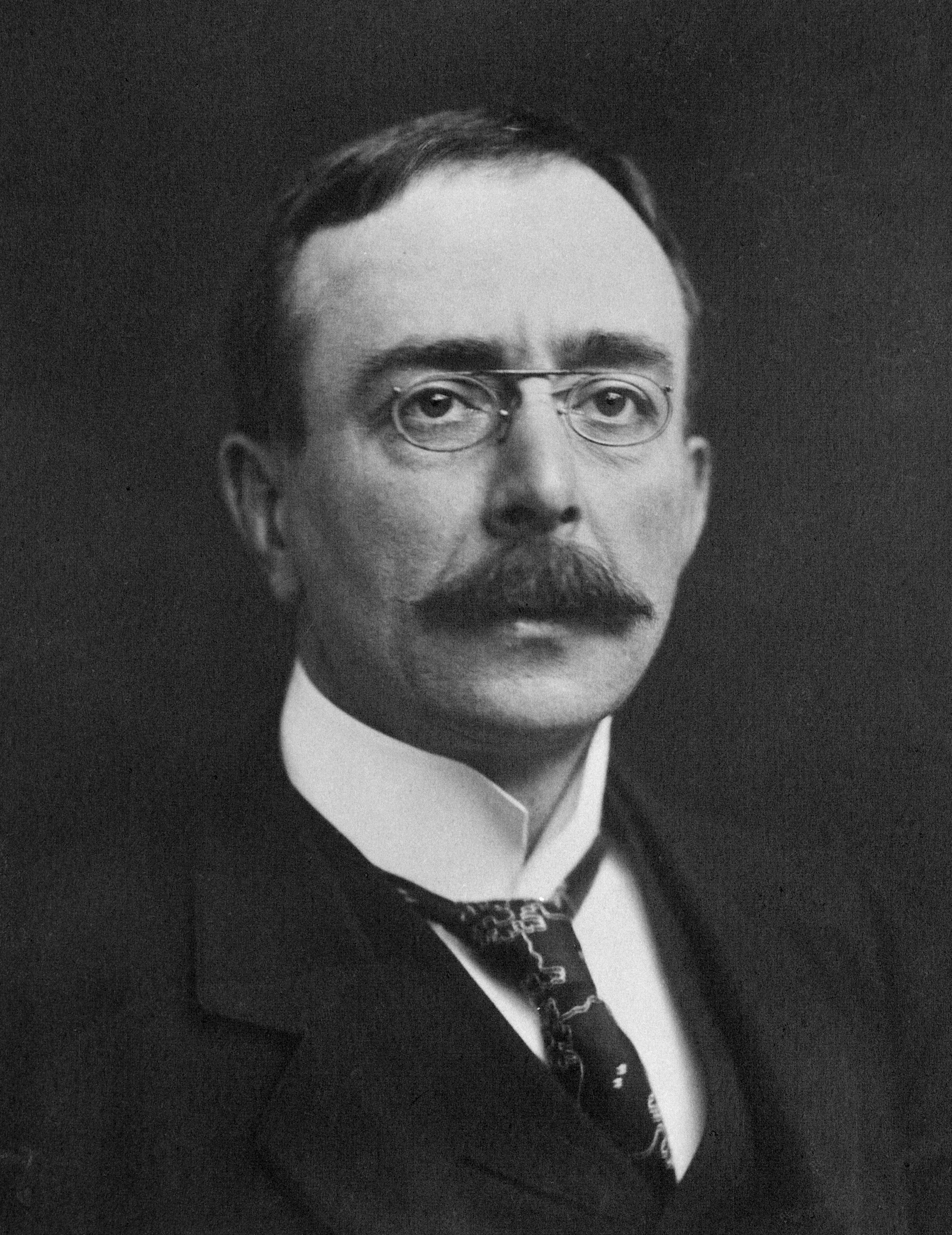
Sherrington insisted that the essential function of the nervous system was the co-ordination of activities of the various parts of the organism. His work on the nervous system, especially his experimental studies of r…
1906
#1300