
Facets
Browse across eight MeSH (opens in new tab) facets — era, geography, science, specialty, technology, history, culture, and reference. Select one tag per group; counts update across the others. What’s new in facet browse how facets relate to subjects and MeSH.
Clear filtersGeography
Specialties & Disease
- Alternative & Fringe Medicine 383
- Anatomy & Pathology 765
- Cardiology & Blood 914
- Dentistry 259
- Diabetes 80
- ENT & Hearing 293
- Epidemiology & Demography 397
- Gastroenterology & Hepatology 316
- General Clinical Medicine 487
- Immunology & Dermatology 1,008
- Infectious Disease (General) 147
- Internal, Emergency & Geriatric 123
- Microbiology & Virology 1,080
- Military Medicine 436
- Neurology & Psychiatry 1,258
- Obstetrics & Reproductive 551
- Oncology & Cancer 377
- Ophthalmology & Vision 412
- Pediatrics 247
- Physiology & Embryology 924
- Plagues & Epidemics 1,279
- Psychology 202
- Public Health 1,129
- Pulmonary & Respiratory 233
- Rheumatology, Rehab & Pain 189
- Surgery & Anesthesia 1,553
- Urology & Nephrology 309
- Veterinary Medicine 165
Social & Historical Studies
Institutions & Culture
Reference & Scholarly Works
1,258 entries match Neurology & Psychiatry [C10 / F04]
1927
#4610
L’encéphalographie artérielle, son importance dans la localisation des tumeurs cérébrales.
Introduction of cerebral arteriography. See also Presse méd., 1928, 36, 689-93. English translation in J. Neurosurg., 1964, 21, 145-56.
1927
#4653
A leukoenkephalitis periaxialis concentricaról.
“Baló’s disease” – encephalitis periaxialis concentrica. Translation in Arch. Neurol. Psychiat. (Chicago), 1928, 19, 242-64.
1927
#2086.1
Der Meskalinrausch. Seine Geschichte und Erscheinungsweise.
The most comprehensive treatise on peyote and its active agent, mescaline, which was synthesized in 1919.
1927
#4990.1
Einführung in die Technik der Kinderanalyse.
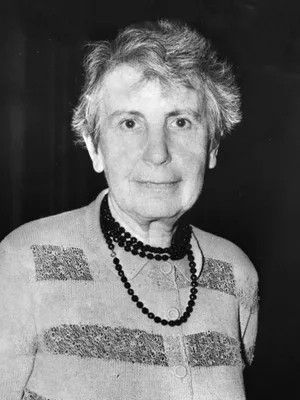
Daughter of Sigmund Freud, Anna Freud made the psychoanalysis of children her own province. This is probably the most famous classic of child analysis.
1927
#7529
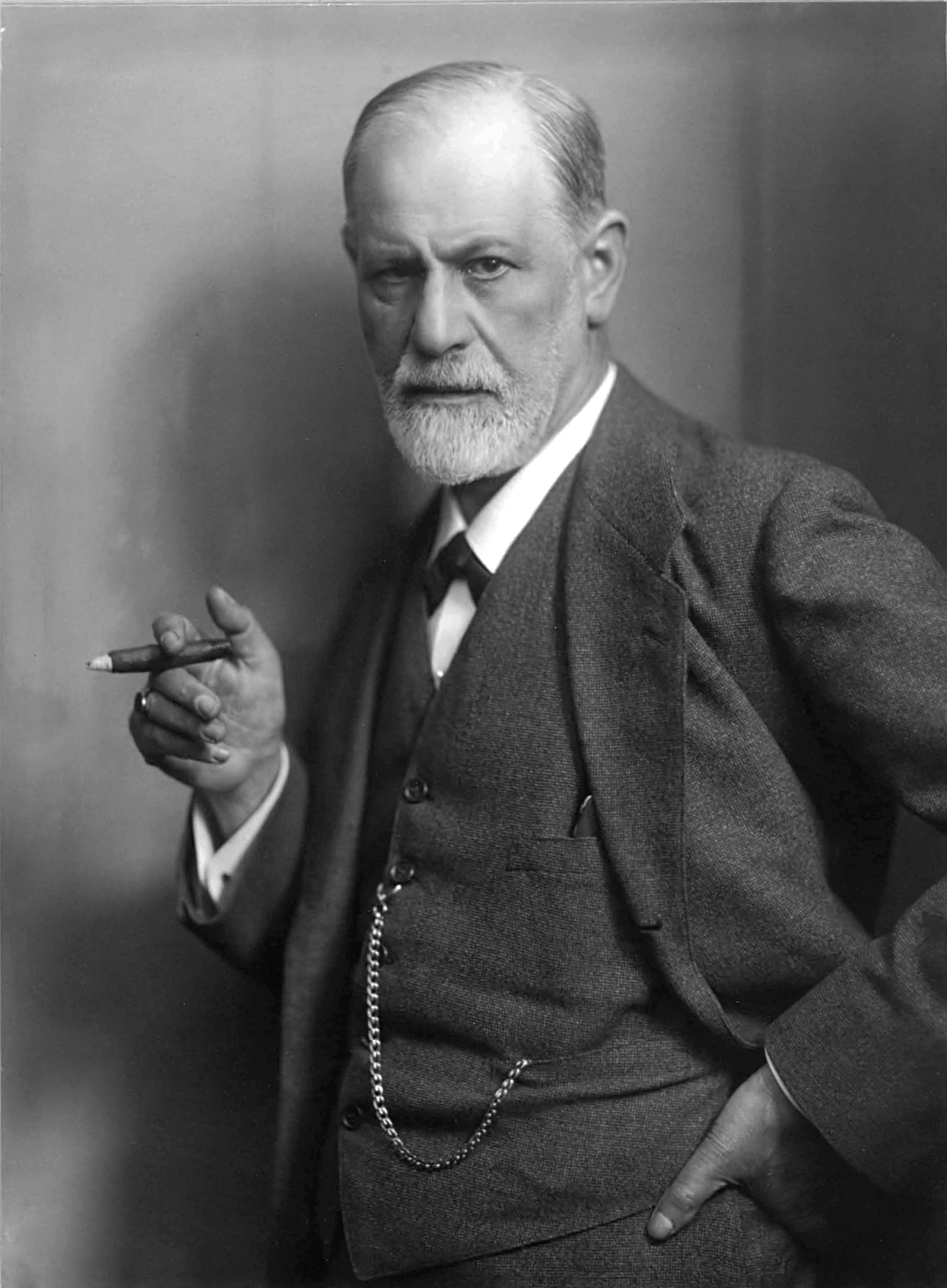
Die Zukunft einer Illusion.
1927
#7698
Bibliographie des Selbstmords mit textlichen Einführungen zu Jedem Kapitel.
Approaches the literature of suicide from many points of view including philosophical, medical, psychological, religious, literary, and artistic, as well as topics like family suicide, mass suicide and euthanasia, fro…
1928
#350
The brain from ape to man: A contribution to the study of the evolution and development of the human brain by Frederick Tilney. With chapters on the reconstruction of the gray matter in the primate brain stem by Henry Alsop Riley. 2 vols.
Classic study of the evolution of the central nervous system in the higher mammals. Digital facsimile from the Internet Archive at this link.
1928
#4654
Ueber die Encephalitis epidemica in Japan.
Japanese encephalitis distinguished from encephalitis lethargica.
1928
#1308
The basis of sensation. The action of the sense organs.
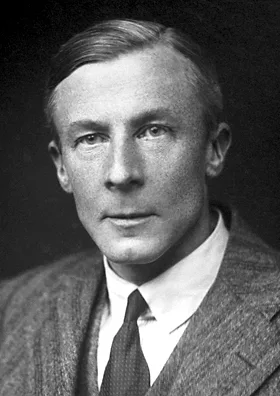
In 1932 Adrian shared the Nobel Prize in Physiology or Medicine with Charles Scott Sherrington "for their discoveries about the function of neurons." See also Nos. 1307, 1528, and 1303.
1928
#1333
Zur Histologie und Topographie der vegetativen Zentren im Rückenmark.
Study of the cells of origin of the white rami.
1928
#3004.1
Traumatic aneurysm of the intracranial portion of the internal carotid artery. With a note by Wilfred Trotter.
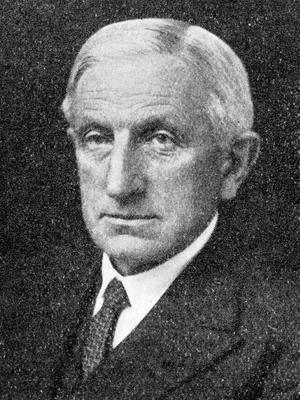
In 1924 Wilfred Trotter(1872-1939) performed the first planned operation for intracranial aneurysm diagnosed pre-operatively.
1928
#8796
Mescal: The "divine" plant and its psychological effects. With an introduction by Macdonald Critchley.
The first study of the psychological effects of mescaline.
1929
#1345
The presence of histamine and acetylcholine in the spleen of the ox and the horse.
Isolation of acetylcholine from ox and horse spleen.
1929
#1446
Über das Elektrenkephalogramm des Menschen.
First recording of human brain activity, which Berger called electroencephalography. Berger actually recorded his first EEG in 1924, but did not publish the technique until 1929. He showed that the electrical activity…
1929
#1446.1
Brain mechanisms and intelligence: a quantitative study of injuries to the brain.
Lashley related nervous function and behavior with well-defined areas of the brain, particularly in connection with cerebral lesions.
1929
#1978
The use of a new apparatus for the prolonged administration of artificial respiration. I. A fatal case of poliomyelitis.
The Drinker respirator (“iron lung”).
1929
#5712
Induction of anesthesia in man by intravenous injection of sodium isoamyl-ethyl barbiturate.
Sodium amytal (Amobarbitol). With J. T. C. McCallum, H. A. Shonle, E. E. Swanson, J. B. Scott, and G. H. A. Clowes.
1929
#9560
Microscopical atlas of the human brain. Edited by the Royal Academy of Sciences Amsterdam. Plates IV, IV B, VI A , VI B, VII, and VIII.
Very large format. This was a continuation of the Fuse and Monakow atlas begun in 1916 (No. 9559), and interupted by World War I. It appears that only that part, and this continuation were published.
1929
#10642
Die fossilen Gehirne.
The founding work of paleoneurology based on Edinger's discovery that mammalian brains left imprints on fossil skulls, allowing paleoneurologists to discern their anatomy.
1930
#1577
Reflex action. A study in the history of physiological psychology.
Reprinted, New York, Hafner, 1964.
1930
#4765
A report of progress on the use of ephedrine in a case of myasthenia gravis.
Harriet Edgeworth discovered by accident the beneficial effect of ephedrine in myasthenia gravis. Digital facsimile from jamanetwork.com at this link.
1930
#2919
Intracranial aneurysms.
Temporal arteritis is first described in Case 24 (p. 532). Schmidt’s paper also appeared in Bibl. Laeger, 1930, 122,269 (Case 24, p. 320). Temporal arteritis was also described as a new condition by B. T. Horton, T. B…
1930
#5010
Les malades de l’esprit et leurs médecins du XVIe siècle. Les étapes des connaissances psychiatriques de la Renaissance à Pinel.
1930
#5012
Les pionniers de la psychiatrie française avant et après Pinel. 2 vols.
A history of French psychiatry from Fernel to the end of the 19th century, focused around the work of each pioneer. Semelaigne was the great grand-nephew of Pinel.
1930
#7918
Clinical observations on phenylethanolamine sulfate.
In 1929 Alles discovered the sympathomimetic properties of beta-phenyl-isopropylamine (amphetamine). With G. Piness and H. Miller.
1931
#4611
Pseudo-Argyll Robertson pupils with absent tendon reflexes; a benign disorder simulating tabes dorsalis.
“Adie’s syndrome”; see also his later paper in Brain, 1932, 55, 98-113. It was earlier reported by J. Strasberger, by A. Saenger and by M. Nonne in Neurol. Zbl., 1902, 21, 738, 837, and 1000. See also No. 5950.
1931
#4670.5
Immunological differences between strains of poliomyelitis virus.
1931
#1309
Lebensnerven und Lebenstriebe. 3te. Aufl.
1931
#1346
Studies on conditions of activity in endocrine organs. xxvi. A hormone produced by sympathetic action on smooth muscle.
Cannon and Bacq suggested the name “sympathin” for a substance which they considered to be liberated into the blood stream following nerve stimulation and which acted in the same manner as sympathetic impulses. See al…
1931
#1347
Der humorale Wirkungsmechanismus der Oculomotoriusreizung.
1931
#4959
Rauwolfia serpentina, a new Indian drug for insanity and high blood pressure.
Introduction of reserpine in the treatment of psychoses.
1931
#4611.1
Apparatus and technique for roentgen examination of the skull.
Lysholm–Schönander skull table, allowing precise radiography of the skull.
1931 –1932
#10764
Selected writings of John Hughlings Jackson, edited by James Taylor, with the advice and assistance of Gordon Holmes and F. M. R. Walshe. 2 vols.
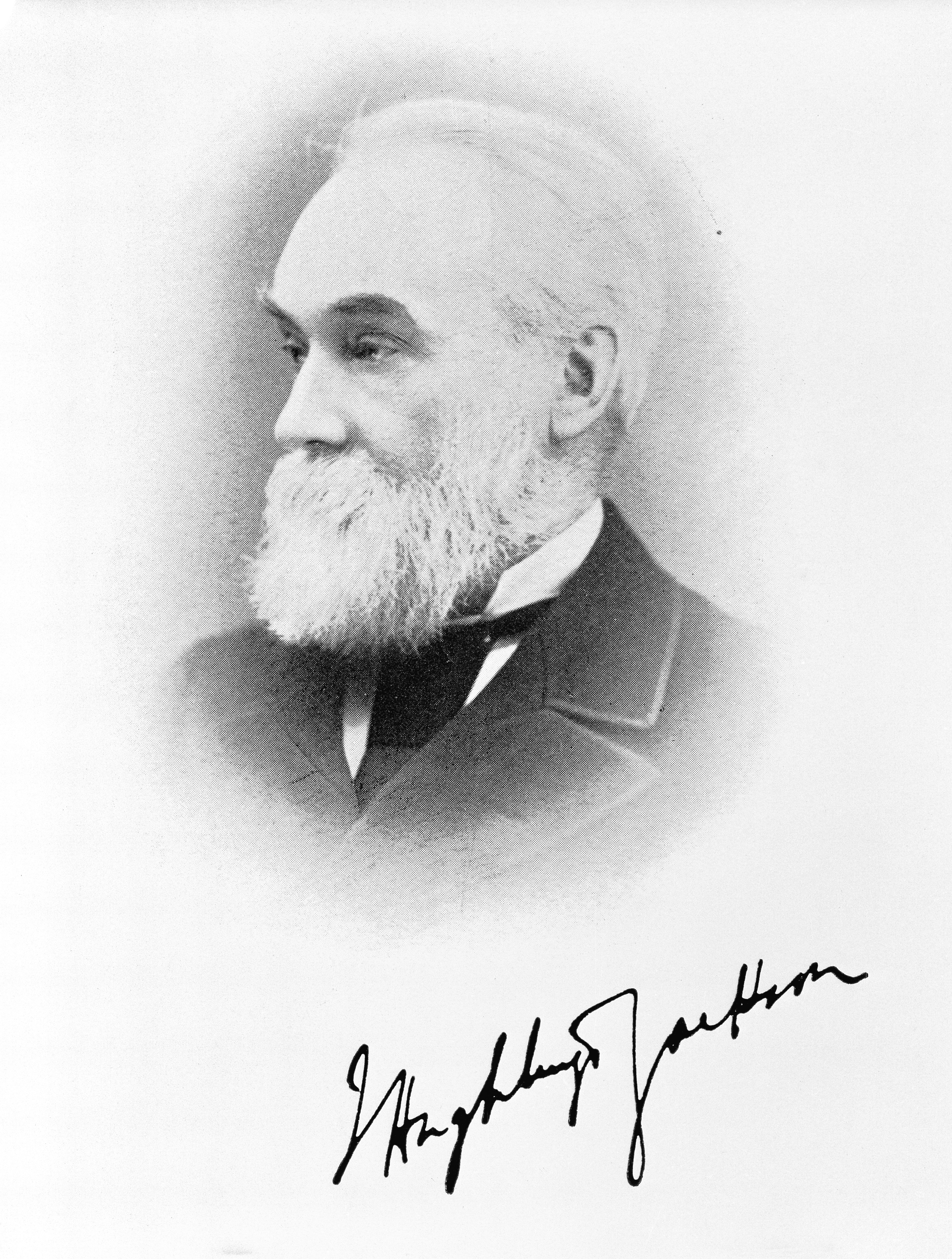
1931
#11250
Bibliographia Burtoniana: A study of Robert Burton's The Anatomy of Melancholy, with a bibliography of Burton's Writings
1932
#4611.3
An improved method of encephalography.
Lumbar encephalography. In 1937 the authors published a monograph on the subject entitled The normal encephalogram. After Dyke's premature death in 1943 Davidoff collaborated with radiologist Bernard S. Epstein (1908-…
1932
#4766
Myasthenia gravis: a preliminary report on the effect of treatment with glycine.
Introduction of glycine (glycocoll) in the treatment of myasthenia gravis.
1932
#4767
Zur Pathogenese und Therapie der Myasthenie gravis pseudoparalytica.
Introduction of neostigmine in the treatment of myasthenia gravis.
1932
#1348
Die humorale Übertragung der Chorda tympani-Reizung.
Production of acetylcholine on stimulation of the chorda tympani nerve.
1932
#1446.2
The hypothalamus and heat regulation.
Location of the heat-regulating center in the hypothalamus.
1932
#1448
The structure and connections of the thalamus.
1932
#3552
Papers relating to the pituitary body, hypothalamus, and para-sympathetic nervous system.
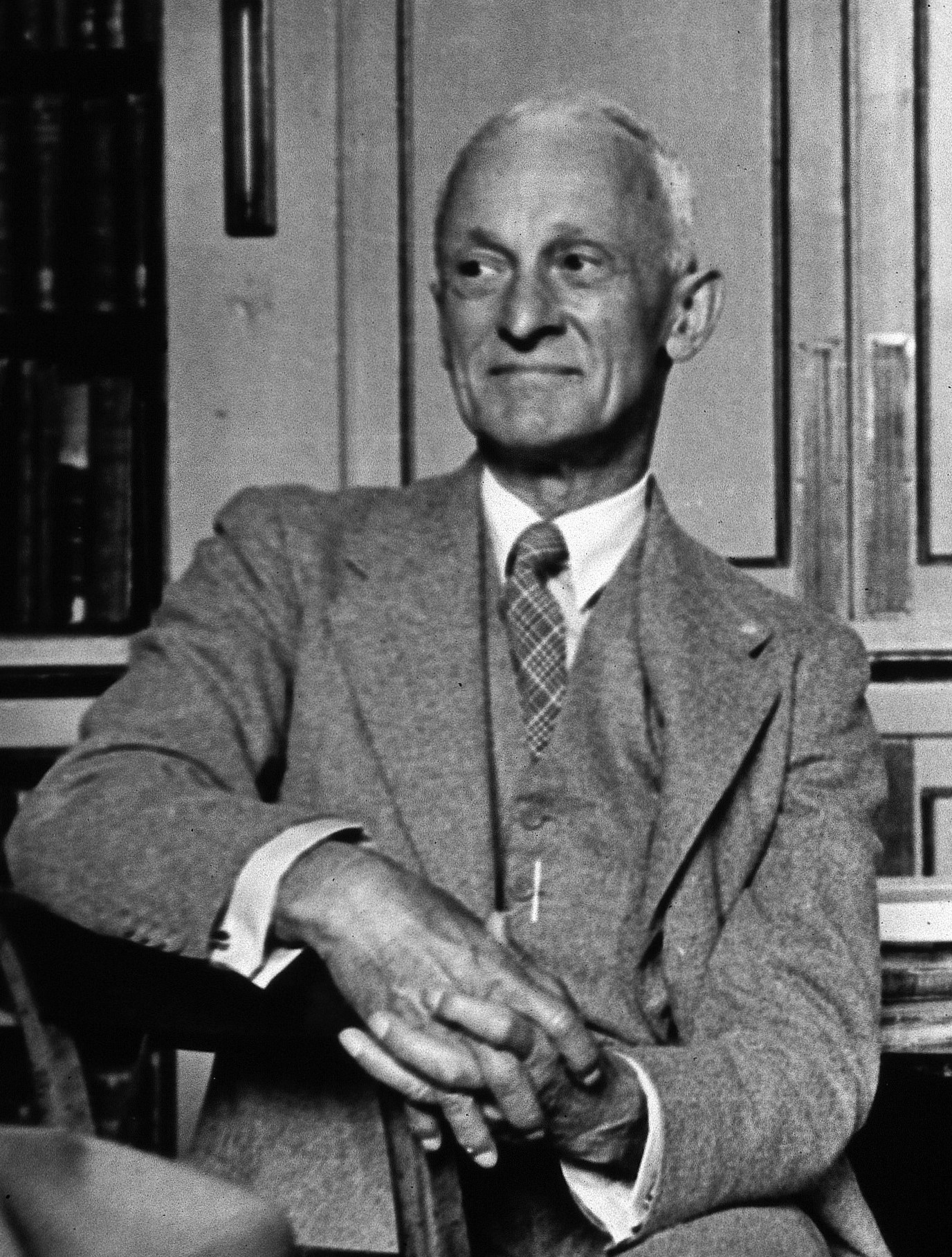
Cushing advanced the theory that the hypothalamus is responsible for the development of peptic ulcer (see p. 175 et seq.). This work contains his four principal contributions to pituitary-hypothalamic interrelationshi…
1932
#3904
The basophil adenomas of the pituitary body and their clinical manifestations (pituitary basophilism).
“Cushing’s syndrome”.
1932
#4899
The operative treatment of facial palsy by the introduction of nerve grafts into the Fallopian canal and by other intratemporal methods.
A classic paper which includes some history of the surgical treatment of facial palsy.
1933
#4656
Encephalitis: studies on experimental transmission.
Isolation of the St. Louis encephalitis virus. With C. Armstrong and H. A. McCordock.
1933
#1349
The mode of action of vasodilator and vasoconstrictor nerves.
1933
#1350
Studies on conditions of activity in endocrine organs, xxix. Sympathin E and sympathin I.
Adrenaline and sympathin were suggested to be unidentical substances, and Cannon and Rosenblueth proposed the terms “sympathin E” and “sympathin I”.
1933
#1351
Ueber humorale Uebertragung der Erregung von einem Neuron suf das andere.
Kibjakow showed that some substance in a muscle perfusate is able to contract muscle during stimulation of nerve.
1933
#1377.1
The dermatomes in man.
1933
#1923
The pharmacological action of an alkaloid obtained from Rauwolfia serpentina Benth. A preliminary note.
R. N. Chopra, J. C. Gupta, and B. Mukherjee demonstrated the sedative and hypotensive effect of an alkaloid isolated from Rauwolfia serpentina (reserpine).
1933
#4838
Die Behandlung der postoperativen Tetanie.
Introduction of A.T. 10 (“Antitetanisches Praparat Nr. 10”), dihydrotachysterol, in the treatment of tetany.