
Facets
Browse across eight MeSH (opens in new tab) facets — era, geography, science, specialty, technology, history, culture, and reference. Select one tag per group; counts update across the others. What’s new in facet browse how facets relate to subjects and MeSH.
Clear filtersGeography
Specialties & Disease
- Alternative & Fringe Medicine 383
- Anatomy & Pathology 765
- Cardiology & Blood 914
- Dentistry 259
- Diabetes 80
- ENT & Hearing 293
- Epidemiology & Demography 397
- Gastroenterology & Hepatology 316
- General Clinical Medicine 487
- Immunology & Dermatology 1,008
- Infectious Disease (General) 147
- Internal, Emergency & Geriatric 123
- Microbiology & Virology 1,080
- Military Medicine 436
- Neurology & Psychiatry 1,258
- Obstetrics & Reproductive 551
- Oncology & Cancer 377
- Ophthalmology & Vision 412
- Pediatrics 247
- Physiology & Embryology 924
- Plagues & Epidemics 1,279
- Psychology 202
- Public Health 1,129
- Pulmonary & Respiratory 233
- Rheumatology, Rehab & Pain 189
- Surgery & Anesthesia 1,553
- Urology & Nephrology 309
- Veterinary Medicine 165
Social & Historical Studies
Institutions & Culture
Reference & Scholarly Works
1,008 entries match Immunology & Dermatology [C19 / C20 / C17]
1831
#2584
Hay fever.
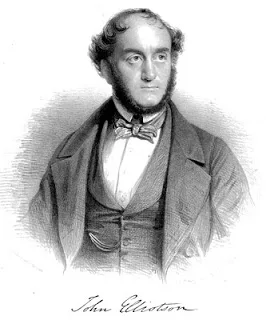
Elliotson was the first to ascertain that pollen was the cause of hay fever.
1831
#9354
Traité des maladies cutanées des pieds, telles que cors, oignon, durillons, verrues, ongles, etc.
Probably the first book specifically on the skin diseases of the feet, including the functions and nature of the skin of the feet and the manner in which perspiration takes place in the feet. Nothing is known regardin…
1832
#1119
The anatomy of the thymus gland.
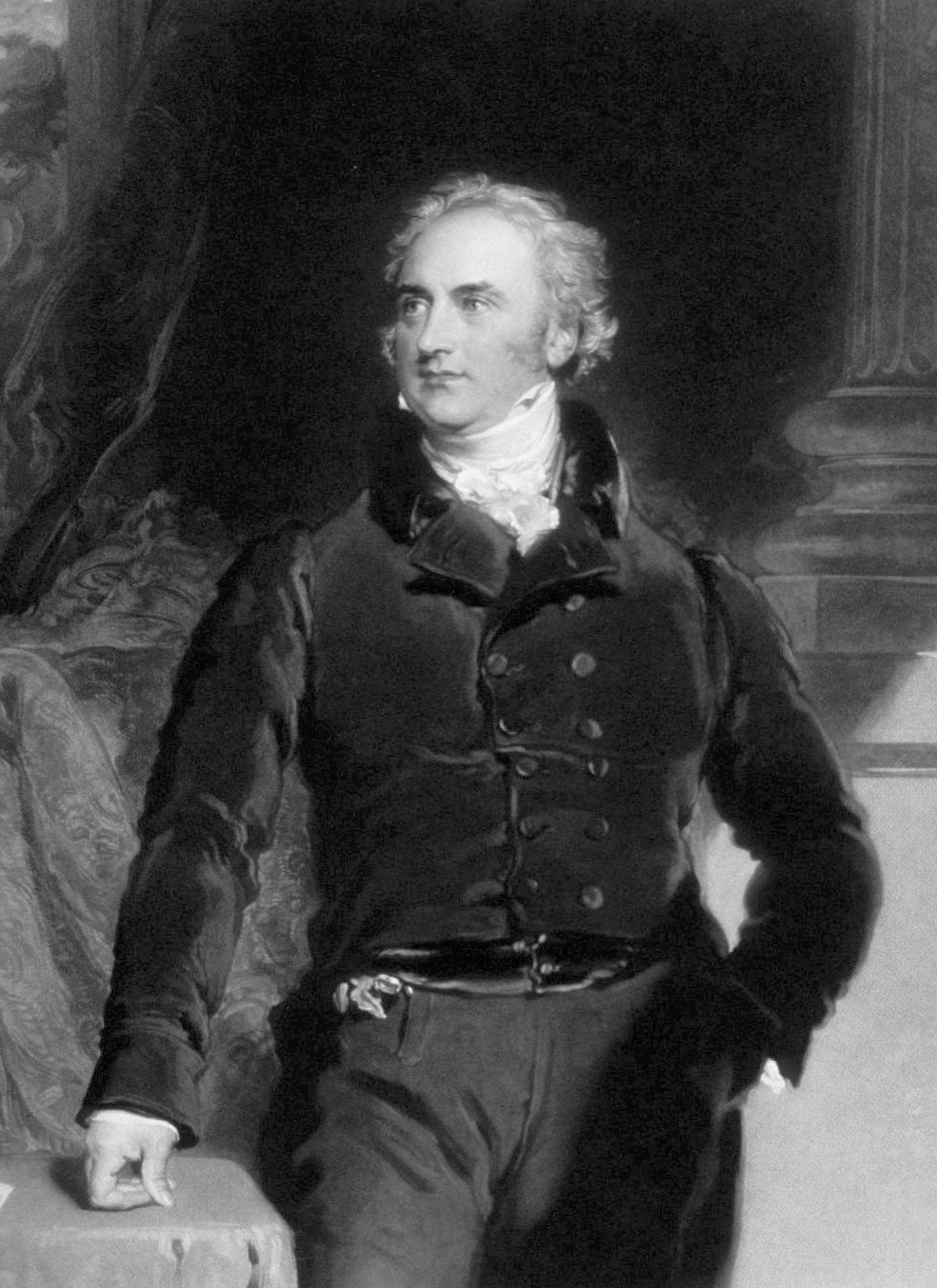
Cooper, the most popular surgeon in London during the early part of the 19th century, was connected with both Guy’s and St. Thomas’s Hospitals. Among his best works is his description of the thymus; he described the “…
1832 –1837
#534.58
Histoire générale et particulière des anomalies de l’organisation chez l’homme et les animaux. 3 vols. and atlas.
Isidore, the son of Étienne (See No. 534.57) organized all known human and animal malformations taxonomically. Many principles governing abnormal development were enunciated for the first time in this work. It also in…
1832
#3990.1
Monographie des dermatoses.
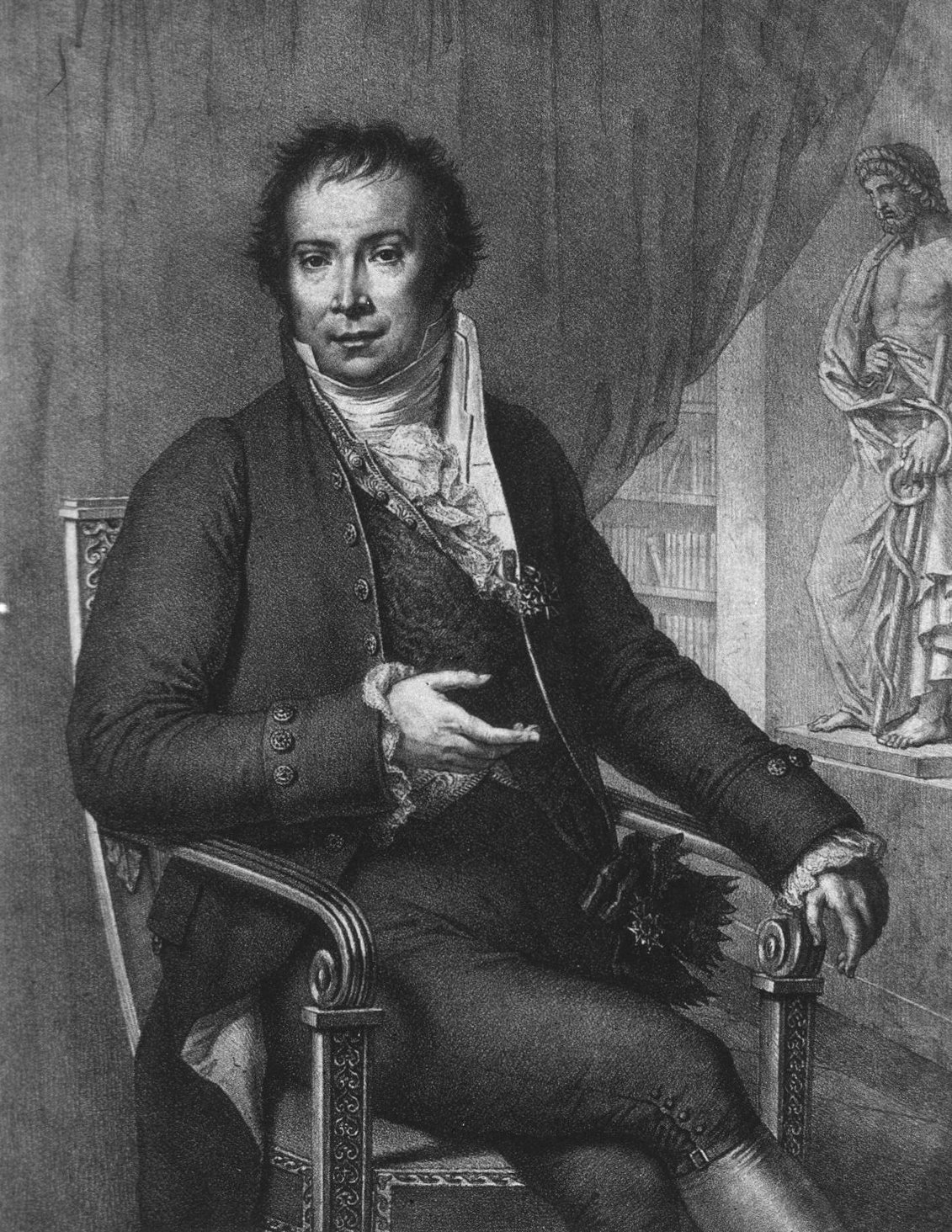
This includes the first published illustration of Alibert’s famous “family tree” for the classification of skin diseases, a concept which Alibert borrowed freely from Torti (No. 5231). This classification was never wi…
1834
#13415
Mémoire comparatif sur l'histoire naturelle de l'insecte de la gale.
Raspail first described and illustrated the Sarcoptes scabei, diffrentiating it from the horse's sarcopt and the cheese moth that Galès and Patrix, followed by Alibert, had confused with the scabies parasite. Raspail …
1835
#1698.1
Sur l’homme et le développement des facultés, ou essai de physique sociale. 2 vols.
Quetelet’s statistical researches on the development of the physical and intellectual qualities of man, and an exposition of his concept of the “average man”, which became the by-word of quantitative studies. "Quétele…
1835
#3815
Palpitation of the heart with enlargement of the thyroid gland.
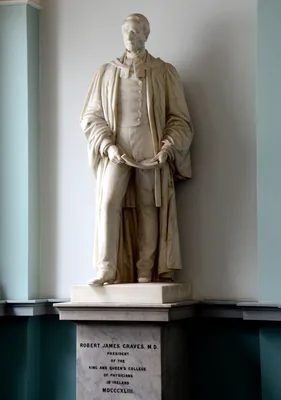
This is considered the first accurate account of exophthalmic goitre, later known as “Parry’s disease”, “Graves’s disease”, and “Basedow’s disease”. An interesting fact about the London Medical & Surgical Journal is t…
1835
#4027
Thèse inaugurale sur la découverte de l’insecte qui produit la contagion de la gale, du prurigo et du phlyzacia.
Demonstration of the human itch-mite, Sarcoptes scabiei. It was due to Renucci that the Sarcoptes was recognized as the one cause of scabies and its parasitic nature finally accepted.
1835
#14105
Nouvelles recherches sur la structure de la peau.
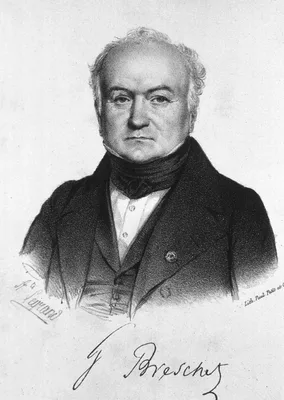
Beschet emphasized "the relevance of anatomic investigation to dermatologic problems" (Crissey and Parish, Dermatology and syphilology of the nineteenth century, 117). In this book the authors first described the anat…
1836
#1126
Observations on the thyroid gland, with notes on the same subject by Sir Astley Cooper.
King, sometimes referred to as the “father of endocrinology”, antici-pated the endocrine action of the thyroid.
1837
#539
Symbolae ad anatomiam villorum intestinalium, imprimis eorum epithelii et vasorum lacteorum.
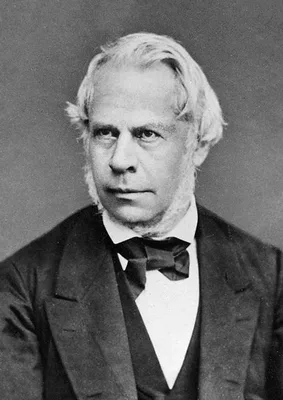
Henle first described the epithelia of the skin and intestines, and defined the structure and function of columnar and ciliated epithelium. He applied the term “epithelium” to all mucous membranes in the body. Modern …
1838
#540
Ueber die Ausbreitung des Epithelium im menschlichen Korper.
Henle broadened the scope of his study of epithelium (No. 539) to include the covering layers of the true body cavities.
1838
#1156
Ueber die Entstehung der Glandula pituitaria.
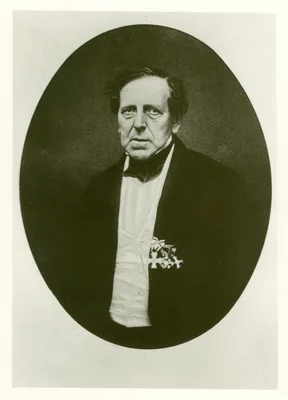
Important description of the pituitary.
1838
#4028
Abrégé pratique des maladies de la peau. 3me. éd.
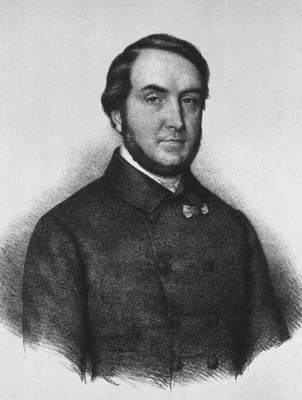
Laurent Théodore Biett (1781-1840), was a pupil of Alibert, Willan, and Bateman. His classic description of lupus erythematoides migrans (“Biett’s disease”) occurs on pp. 11 and 415 of the above work.
1839
#2585
Lectures on the blood, and on the changes which it undergoes during disease: Delivered at the College of France in 1837-8.
Pp. 244-49: Magendie showed that secondary or subsequent injections of egg/albumin caused death in rabbits who had tolerated an initial injection. This was the first experiment in anaphylaxis, though Jenner in 1798 ha…
1839
#4029
Zur Pathogenie der Impetigines.
The discovery of a fungus as the cause of favus (Achorion schönleinii). Schönlein communicated this important discovery in a letter of less than 200 words and one illustration. It represents the first conspicuous step…
1840
#3816
Exophthalmos durch Hypertrophie des Zellgewebes in der Augenhöhle.
In Europe, outside the British Isles, exophthalmic goitre, or Graves’s disease, is known as “Basedow’s disease”. His accurate description of four cases in which he described exophthalmos, goitre and palpitation led to…
1840
#3882
Hypertrophie der Hypophysis cerebri und dadurch bedingter Druck auf die Hirngrundfläche, insbesondere auf die Sehnerven, das Chiasma derselben und den linkseitigen Hirnschenkel.
The first case of pituitary obesity with infantilism (Fröhlich’s syndrome) was reported by Mohr. Coincidentally, this appears in the same volume of the Wochenschrift as does Basedow’s classic description of exophthalm…
1841
#534.6
Monstrorum sexcentorum descriptio anatomica.
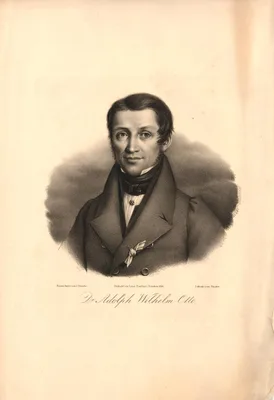
Brief but accurate descriptions of 600 human and animal specimens, with 30 outstanding plates.
1841
#4030
Mémoire sur une végétation qui constitue la vraie teigne.
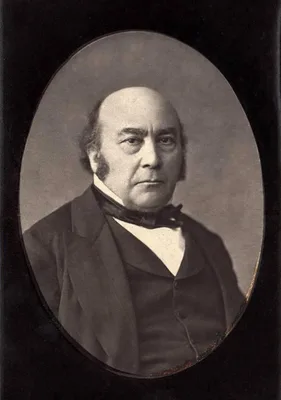
Independently of Schönlein (No. 4029) Gruby discovered the achorion of favus, describing it definitely as the cause of the disease, a point about which Schönlein was in doubt.
1841
#4031
Notice of the molluscum contagiosum.
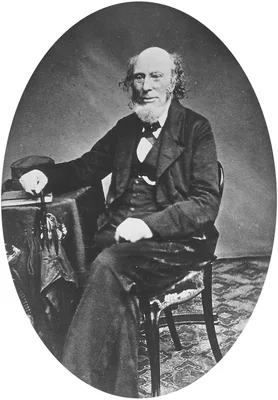
See No. 4032.
1841
#4032
Cases and observations on the molluscum contagiosum of Bateman, with an account of the minute structure of the tumours.
Henderson and Paterson described the inclusion body of molluscum contagiosum, “Henderson–Paterson body”.
1841
#7478
Illustrations of cutaneous disease: A series of delineations of the affections of the skin in their more interesting and frequent forms.
Large folio, with 94 hand-colored lithographed plates by Archibald Henning (1805-64).
1842
#4033
Om den spedalske sygdom. Elephantiasis graecorum.
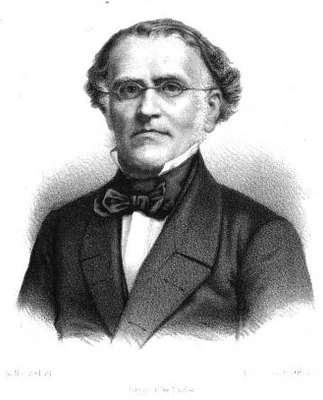
Boeck, eminent Norwegian dermatologist and syphilologist, was the first to describe Norwegian itch, scabies crustosa (“Boeck’s scabies”).
1842
#4034
Sur une espèce de mentagre contagieuse résultant du développement d’un nouveau cryptogame dans la racine des poils de la barbe de l’homme.
First accurate description of Trichophyton mentagrophytes, the fungus responsible for sycosis barbae. English translation of this and Gruby’s other five papers read to l’Académie des Sciences in Zakon & Benedek, David…
1842
#14132
Die angeborenen chirurgischen Krankheiten des Menschen in Abbildungen dargestellt und durch erläuternden Text erklärt. Mit fünfhundert vierundsiebzig Figuren auf vierunddreissig Kupfertafeln in Folio. 2 vols.
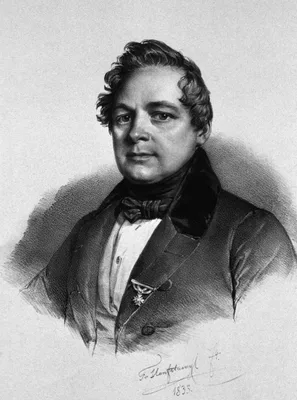
A treatise on malformations of particular interest to surgeons, including facial clefts, urogenital anomalies, anorectal atresias, parasitic twins, and limb duplications. Digital facsimile of the text, without the vol…
1843
#4035
Recherches sur la nature, le siège et le développement du Porrigo decalvans ou phytoalopécie.
First accurate description of Microsporon audouini, the fungus of Willan’s porrigo decalvans, tinea tonsurans, “Gruby’s disease”.
1844
#4036
Recherches surles cryptogames qui constituent la maladie contagieuse du cuir chevelu décrite sous le nom de Teigne tondante (Mahon). Herpes tonsurans (Cazenave).
Gruby discovered a fungus, Trichophyton tonsurans, in ringworm of the scalp.
1844
#4037
Pemphigus chronique, générale; forme rare de pemphigus foliacé; mort: autopsie; altération du foie.
First description of pemphigus foliaceus, “Cazenave’s disease”. The article is unsigned.
1845
#412
On a hitherto undescribed structure in the human hair sheath.
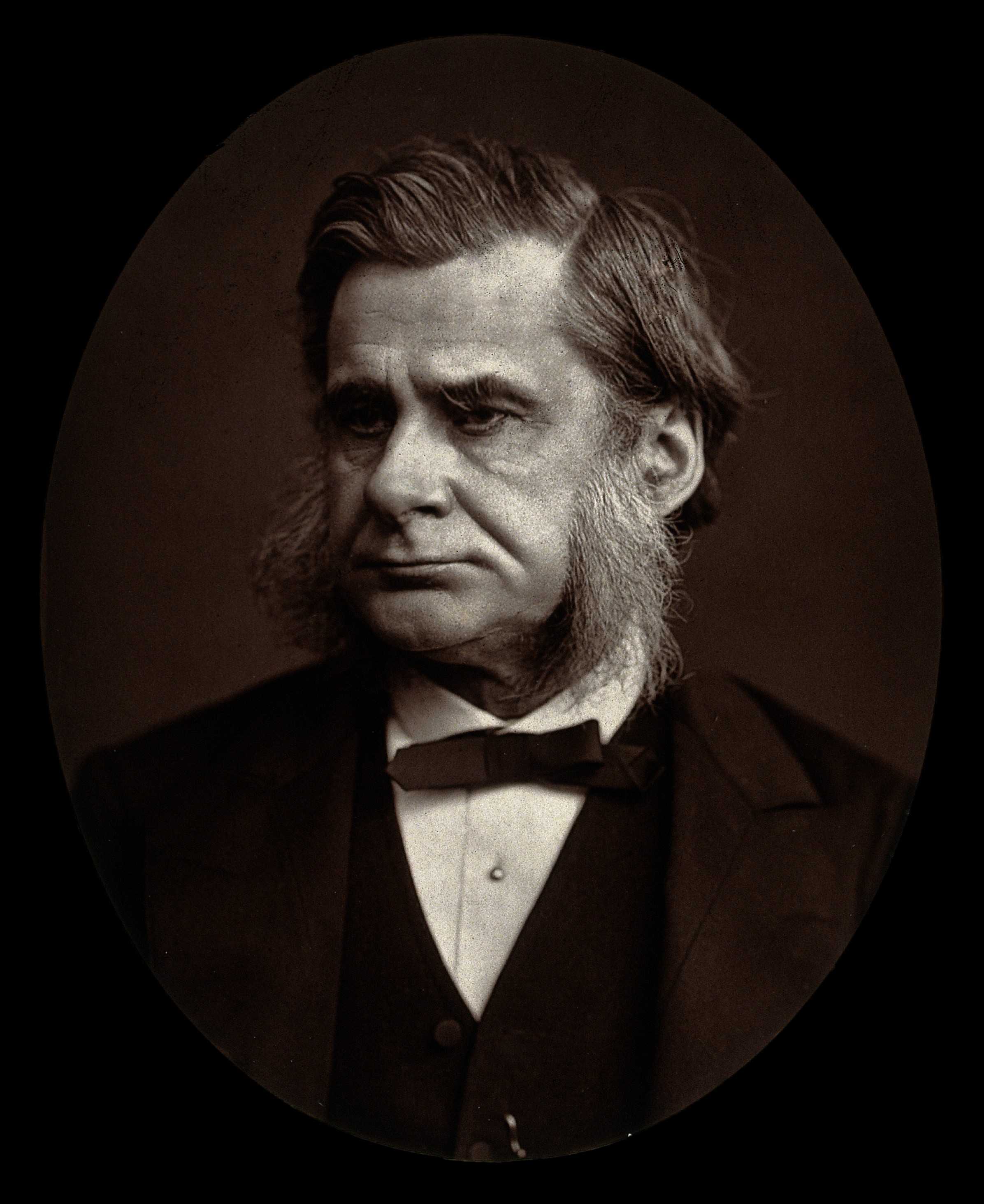
“Huxley’s layer” and “membrane” of the root sheath of hair follicles.
1845
#3991
Versuch einer auf pathologische Anatomie gegründeten Eintheilung der Hautkrankheiten.
Hebra’s classification of skin diseases was based upon their pathological anatomy.
1845
#3991.1
A synopsis of the symptoms, diagnosis, and treatment of the more common and important diseases of the skin.
First comprehensive American work on dermatology.
1846 –1848
#3912.1
Several specimens of cystine exhibited, with the particulars of two cases in which this deposit occurred in the urine.
Cystinuria described.
1846
#4038
Ueber die Krätzmilben des Menschen, ihre Entwicklung und ihr Verhältniss zur Krätze.
1846
#4039
Pilzbildung in der Pityriasis versicolor.
Eichstedt discovered Pityrosporum orbiculare, fungus of pityriasis versicolor (“Eichstedt’s disease”).
1847
#2434
Om spedalskhed. Udgivet efter Foranstaltning af den Kongelige Norske Regjerings Department for det Indre. 1 vol. and atlas.
First modern description of leprosy (“Danielssen-Boeck disease’’). Danielssen, physician to the leprosy hospital at Bergen, was the founder of scientific leprology. The extremely rare Atlas consists of 24 plates and t…
1848
#7314
Die Hautkrankheiten durch anatomische Untersuchungen erläutert.
The first textbook of dermatopathology. "Simon dated the preface of his book April 1st, 1848 and wrote (p. vi and vii) that much has been achieved by meticulous clinical description of diseases of the skin but now att…
1848
#7318
Beiträge zur Anatomie und Pathologie der menschlichen Haut.
Digital facsimile from the Hathi Trust at this link.
1849
#4529
A treatise on the pathology, diagnosis, and treatment of neuroma.
Smith’s large and beautifully illustrated atlas contains the first clear description and illustration of neurofibromatosis, published 33 years before von Recklinghausen’s account of the disorder (see No. 4566). This d…
1849
#1176
Transplantation der Hoden.
Berthold showed that transplantation of a cock’s testes to another part of the body prevented atrophy of the comb, the usual sequel to castration. He was thus the first to prove the existence of an internal secretion.…
1849
#534.61
Tabulae ad illustrandam embryogenes in hominis et mammalium tam naturalem quam abnormem.
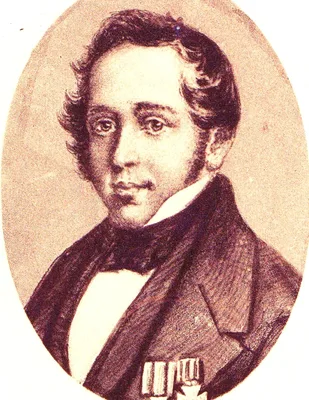
The 100 plates of this volume contain some of the most accurate and beautiful depictions of human and animal malformations ever published. Text in Dutch and Latin. Digital facsimile from Google Books at this link.
1850
#3817
Existence de l’iode dans les plantes d’eau douce. Conséquences de ce fait pour la géognosie, la physiologie végétale, la thérapeutique et peut-être pour l’industrie.
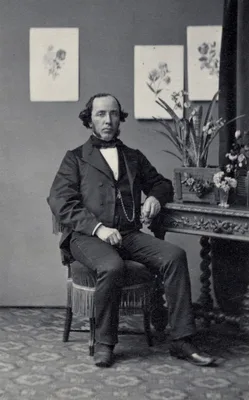
Chatin was the first to show that iodine could prevent endemic goitre and cretinism.
1850
#3818
Two cases of absence of the thyroid body and symmetrical swellings of fat tissue at the sides of the neck, connected with defective cerebral development.
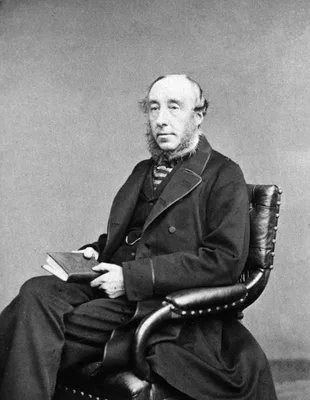
Curling, of the London Hospital, was the first accurately to note the clinical picture of cretinism, which Ord was later to name “myxedema”. Curling was also the first to suggest deficiency of the thyroid as a case of…
1850
#4040
Des principales formes du lupus et de son traitement.
Lupus erythematosus – “Cazenave’s disease”.
1851
#4041
On a certain affection of the skin, vitiligoidea: α Plana, β tuberosa.
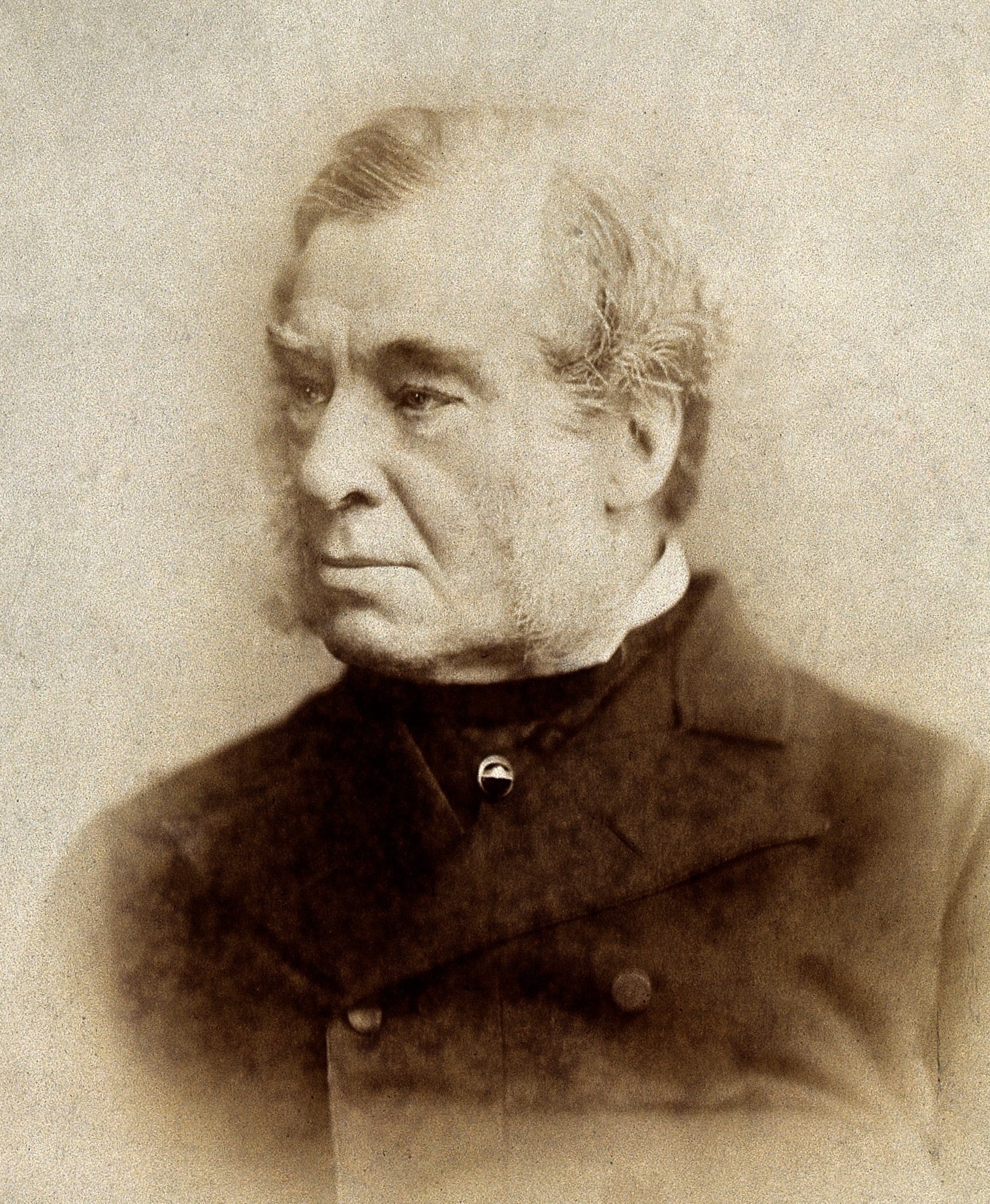
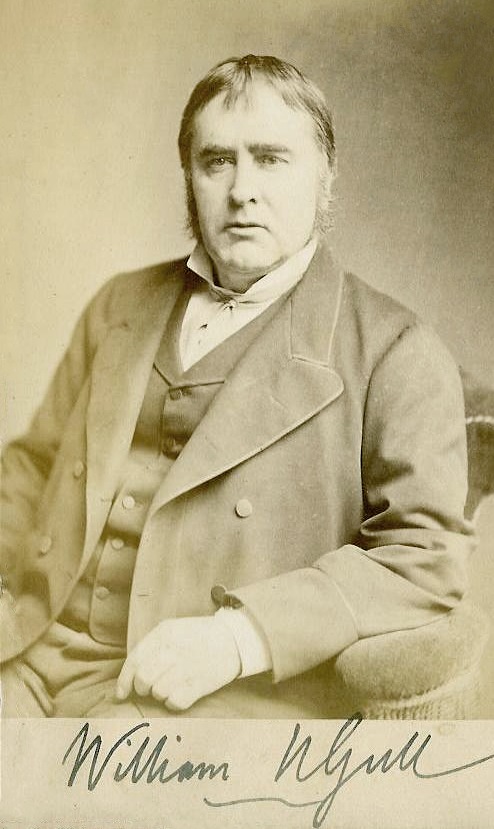
In their classic account of xanthoma multiplex, Addison and Gull believed they were describing a new disease, but Rayer had been the first to mention it. (See No. 3989; see also the later paper by Gull, Guy’s Hosp. Re…
1852
#1126.1
On the anatomy of the Indian rhinoceros (Rh. unicornis L.).
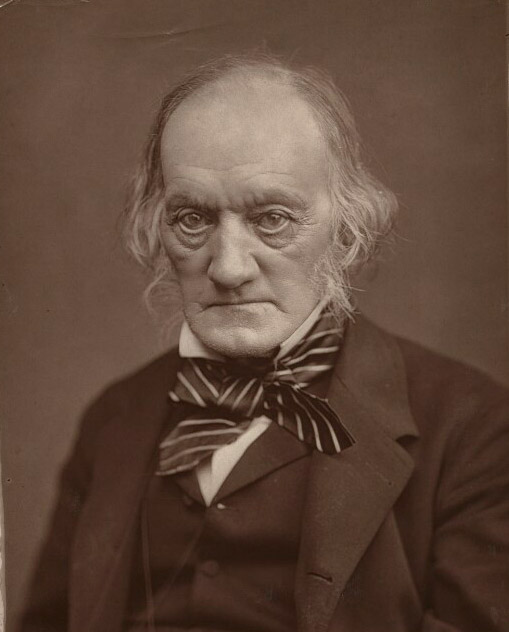
Owen was the first to describe the parathyroids, which he observed in his dissection of a Great Indian Rhinoceros that had lived at the Zoological Society of London from 1834 to 1849. See B. Modarai, A. Sawyer, & H. E…
1852
#1460
Ueber das Vorhandensein bisher unbekannter eigenghümlicher Tastkörperchen (Corpuscula tactus) in den Gefühlswärzchen dermenschlichen Haut, und über die End-Ausbreitung sensitiver Nerven.
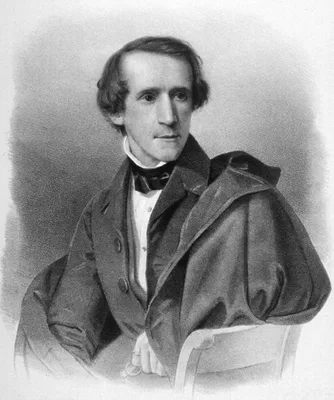
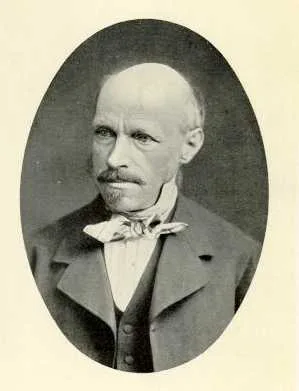
First published account of the tactile nerve endings – “Wagner’s corpuscles”.
1852
#2615
Om epithelioma, en særegen Svulst, som man hidtil i Almindelighed har anseet for Kræft.
Hannover coined the word “epithelioma.” He did not recognize its malignant character but maintained that metastases were produced by cancer cells arriving by way of the blood stream. Translated into German as Das Epit…
1852
#5203
Traité des affections de la peau symptomatiques de la syphilis.
Bassereau defined chancroid clearly for the first time.