
Facets
Browse across eight MeSH (opens in new tab) facets — era, geography, science, specialty, technology, history, culture, and reference. Select one tag per group; counts update across the others. What’s new in facet browse how facets relate to subjects and MeSH.
Clear filtersGeography
Specialties & Disease
- Alternative & Fringe Medicine 383
- Anatomy & Pathology 765
- Cardiology & Blood 914
- Dentistry 259
- Diabetes 80
- ENT & Hearing 293
- Epidemiology & Demography 397
- Gastroenterology & Hepatology 316
- General Clinical Medicine 487
- Immunology & Dermatology 1,008
- Infectious Disease (General) 147
- Internal, Emergency & Geriatric 123
- Microbiology & Virology 1,080
- Military Medicine 436
- Neurology & Psychiatry 1,258
- Obstetrics & Reproductive 551
- Oncology & Cancer 377
- Ophthalmology & Vision 412
- Pediatrics 247
- Physiology & Embryology 924
- Plagues & Epidemics 1,279
- Psychology 202
- Public Health 1,129
- Pulmonary & Respiratory 233
- Rheumatology, Rehab & Pain 189
- Surgery & Anesthesia 1,553
- Urology & Nephrology 309
- Veterinary Medicine 165
Social & Historical Studies
Institutions & Culture
Reference & Scholarly Works
1,258 entries match Neurology & Psychiatry [C10 / F04]
1838
#2291
Illustrations of the elementary forms of disease.
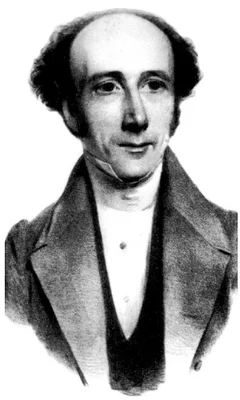
Carswell was Professor of Morbid Anatomy at University College, London, and one of the leading English pathologists of his day. A fine artist, he personally painted 2,000 water-colours of pathological specimens. His g…
1838
#4798
Des maladies mentales. 2 vols. and atlas.
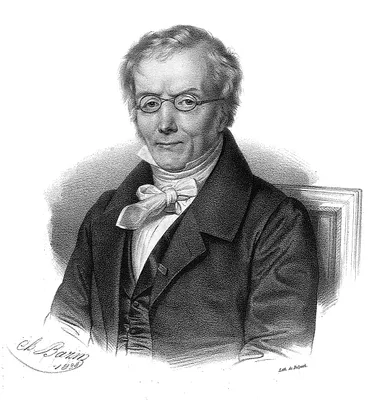
Esquirol succeeded Pinel at the Salpêtrière, and was the first lecturer on psychiatry. After Pinel he was a founder of the French School. This is the first modern textbook on psychiatry. It is notable for its striking…
1838
#1739
A treatise on the medical jurisprudence of insanity.
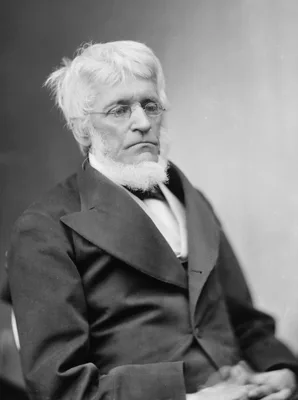
The first authoritative and comprehensive treatise in English on forensic psychiatry. Ray became the most influential American writer on forensic psychiatry in the 19th century. He put the above work through five edit…
1838
#13150
Clinique des maladies des enfants nouveau-nes.
The first work on the diseases of newborns and the first work on child neurology and pediatric neurosurgery.
1839 –1840
#4525
A case of disease in the posterior columns of the spinal cord.
Stanley was the first to describe disease of the posterior columns of the spinal cord.
1839 –1857
#1396.01
Anatomie comparée du système nerveux. 2 vols. and atlas.
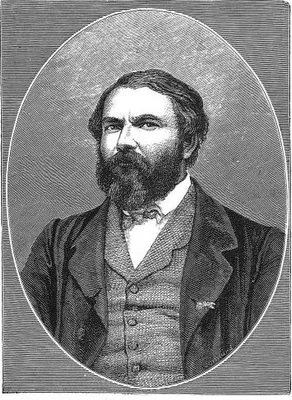
The first comprehensive systematic investigation of the mammalian brain. Leuret wrote vol. 1 without Gratiolet, who later became his collaborator, publishing vol. 2 and the atlas after Leuret’s death.
1840
#4664
Beobachtungen über Lähmungszustände der untem Extremitäten und deren Behandlung.
First description of acute anterior poliomyelitis, which Heine separated from other forms of paralysis; he described the deformities arising from the disease. He also called attention to congenital spastic paraplegia,…
1840
#1396.1
Recherches sur la structure de la couche cortical des circonvolutions du cerveau.
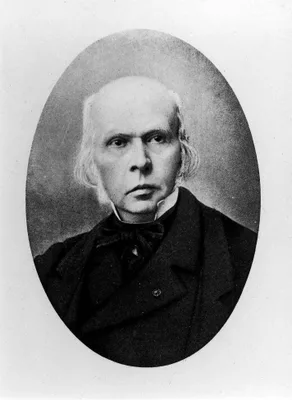
Baillarger demonstrated that the cortex is made up of layers and that fibers connect the cortex with the internal white matter. English translation in von Bonin, Some papers on the cerebral cortex, Springfield: Charle…
1840
#1263
Nuovi organi scoperti nel corpo humano.
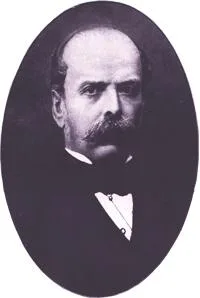
“Pacini’s corpuscles”, end organs of sensory nerves, earlier described by Vater in 1717.
1840
#13249
The anatomy of suicide.
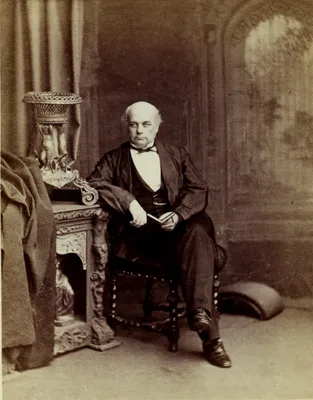
An effort to demonstrate that most suicides are not criminal but are victims of mental disease. Digital facsimile from Google Books at this link.
1841
#4526
Traité des néuralgies ou affections douloureuses des nerfs.
Includes (p. 40 et seq.) description of ”Valleix’s points”, tender points on the course of certain nerves in neuralgia.
1842 –1853
#607
Handwörterbuch der Physiologie … hrsg. von R. Wagner.
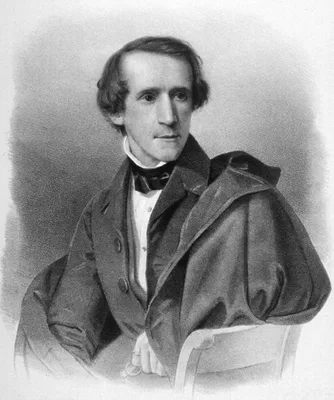
Wagner was professor at Göttingen. His literary output was enormous. In the above work he contributed the sections on sympathetic nerves, nerve-ganglia, and nerve-endings. This work contained 63 extensive review artic…
1842
#4691
Practice of medicine: A treatise on special pathology and therapeutics. 2 vols.
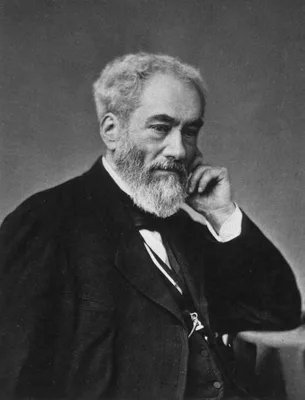
A case of chronic hereditary chorea in adults (“Huntington’s chorea”, see No. 4699) is described on pp. 312-13 of vol. 2. This is in the form of a letter from one of Dunglison's recently graduated students at Jefferso…
1842
#1318
Die Selbständigkeit des sympathischen Nervensystems durch anatomische Untersuchungen nachgewiesen.
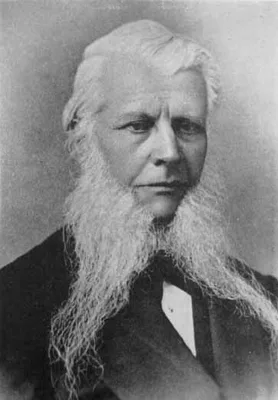
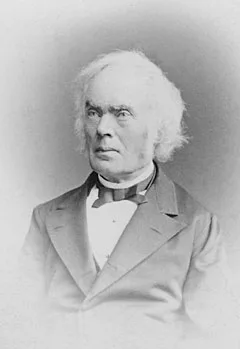
These writers showed the sympathetic nervous system to consist largely of small, medullated fibers originating from the sympathetic and spinal ganglia.
1842
#1397
Recherches physiologiques et cliniques sur le liquide céphalo-rachidien ou cérébro-spinal. 1 vol. and atlas.
“Foramen of Magendie” described.
1842
#7001
The anatomy of sleep; or, the art of procuring sound and refreshing slumber at will.
This semi-popular work was one of the first scientific studies of sleep. It was also the first book typeset by a mechanical typesetting machine, rather than hand-set type. Digital facsimile from Google Books at this l…
1842
#13121
On the different forms of insanity in relation to jurisprudence, designed for the use of persons concerned in legal questions regarding unsoundness of mind.
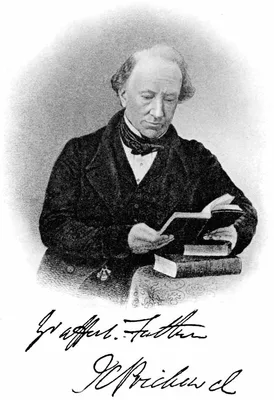
In this book Prichard presented his arguments for introducing the concept of diminished responsibility and irresistable impulse into the legal precedents. Hunter & McAlpine, 836-42. Digital facsimile from the Wellcome…
1843 –1844
#4691.1
Course of lectures on the deformities of the human frame. Lecture IX.
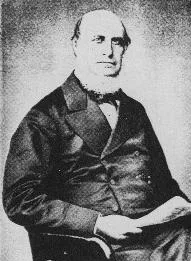
Little’s description of congenital cerebral spastic diplegia resulted in the condition being named “Little’s disease”. See also No. 4735.
1843 –1856
#9256
The Zoist: A journal of cerebral physiology & mesmerism, and their applications to human welfare. Edited by John Elliotson. 13 vols.
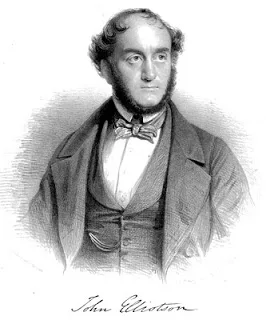
The most comprehensive source about British mesmerism of the period, and an invaluable reference for contemporary ideas and developments not only in mesmerism (hypnosis) but also in phrenology, neurology and psychiatr…
1843
#12749
Die rheumatische Schweile. Ein Beitrag zur Pathologie und Therapie des Rheumatismus.
Froriep described what would later be known as fibromyalgia, describing it as "rheumatism with painful, hard places" that could be felt in many locations on the body. He characterized the condition as muskelschwiele (…
1843
#13250
The plea of insanity in criminal cases.
One of the first attempts to outline criteria through which to determine the legitimacy of an insanity plea. The was resolved later in 1843 with the establishment of the M'Naghten Rules, (McNaghten) which this work un…
1843
#13612
Memorial. To the Legislature of Massachusetts.
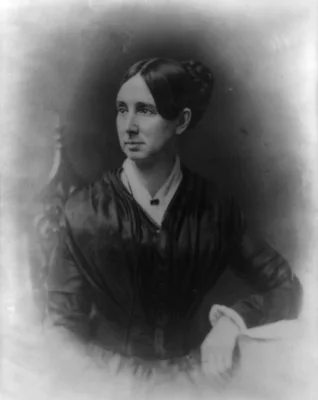
Dorothea Dix played an instrumental role in the founding or expansion of more than 30 hospitals for the treatment of the mentally ill in various U.S. states. This was probably the first of her many publications advoca…
1843
#14213
Ueber die Textur und Function der Medulla oblongata. 2 vols. (Text and atlas).
“In this book, there are many transverse section figures from the origin of the 2nd cervical nerve pair up to the pons. Stilling aimed to reveal the difference between the spinal cord and medulla oblongata by presenti…
1844
#806
Neurologische Erlauterungen.
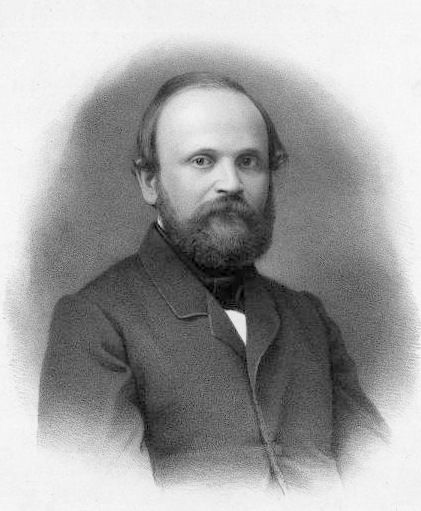
Remak was first to describe the intrinsic ganglia of the heart.
1844
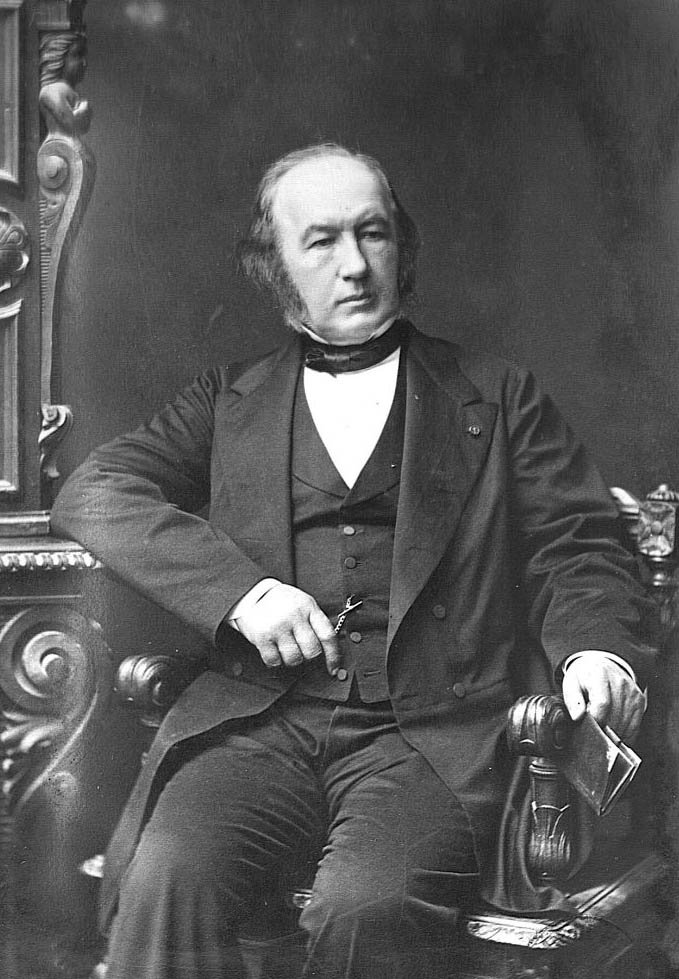
#1264
Recherches expérimentales sur les fonctions du nerf spinal, étudié spécialement dans ses rapports avec le pneumogastrique.
1844
#10749
Die Krankheit des Gehirn’s und Rückenmark’s bei Kindern, durch Krankheitsfälle aus dem ersten Kinderspitale erläutert.
The first book on child neurology. Unusual for a medical book of this type, it includes a lithographed frontispiece, a lithographed title page, and four hand-colored plates.
1844
#11646
A new view of insanity: The duality of the mind proved by the structure, functions and diseases of the brain and by the phenomena of mental derangement and shown to be essential to moral responsibility. With an appendix: 1. On the influence of religion on insanity. 2. Conjectures on the nature of the mental operations. 3. On the management of lunatic asylums.
"From the seventeenth century there were shifts in some of the basic assumptions about how the brain and mind functioned, and there are some useful markers along the way to an era of more systematic studies. Descartes…
1845
#2077.2
Du hachische et de l’aliénation mentale: Études psychologiques.
![MOREAU, Jacques-Joseph [Moreau de Tours] (1804 – 1884)](/media/portraits/2779)
Moreau's experments may have been the first medical experiments with a psychotropic agent in the treatment of mental illness. English translation by G. J. Barnett as Hashish and mental illness (New York: Raven Press, …
1845
#4929.1
Lehrbuch der ärztlichen Seelenkunde.
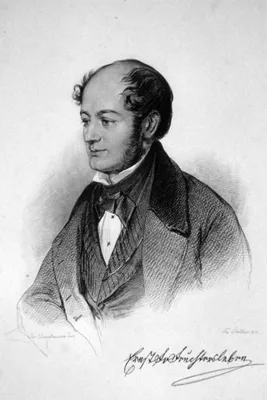
Feuchtersleben introduced the terms psychosis, psychiatrics, and psychopathology. The book includes a short history of psychiatry. English translation, Sydenham Society, 1847.
1845
#4930
Die Pathologie und Therapie der psychischen Krankheiten.
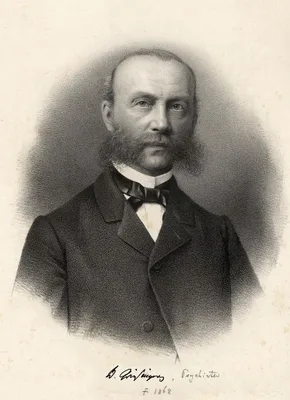
Griesinger put an end to the moralistic theory of insanity as advanced by Heinroth. He was the first in Germany to abandon violence in the treatment of the insane; his book remained an authority on the subject for 30 …
1845
#7330
Nuove ricerche microscopiche sulla tessiture intima della retina nell’ uomo, nei vertebrati, nei cefalapodi, e negli insetti precedute da alcune riflessioni sugli elementi morfologici globulari del sisteme nervoso.
Pacini was the first to provide an accurate description of all the layers of the retina. Digital facsimile of the separate (offprint) edition from the Internet Archive at this link.
1845
#10459
Des hallucinations, ou histoire raisonnée des apparitions, des visions, des songes, de l'extase, du magnétisme et du somnambulisme.
This study underwent at least three editions in French and also appeared in several English translations, the first of which appears to have been translated anonymously and publlished in Philadelphia in 1853 from the …
1846
#4527
Klinische Ergebnisse.
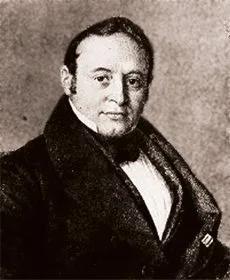
Includes (p. 75) a classic description of facial hemiatrophy – “Romberg’s disease”.
1846
#4637
Primi cenni sulla corea elettrica.
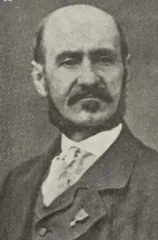
First description of electric chorea, “Dubini’s chorea”, the myoclonic form of epidemic encephalitis.
1846
#1319
On the nerves of the uterus.
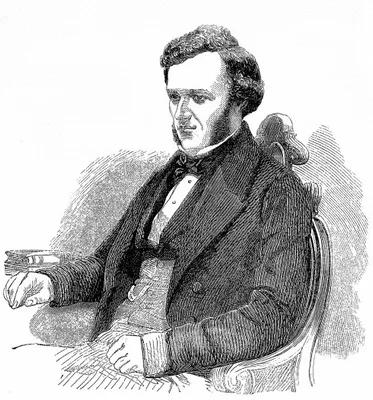
Beck showed that in man the thoracic sympathetic chain receives communications from the last cervical, thoracic, and upper 1 or 2 lumbar ganglia.
1846
#4937
Traitement moral, hygiène et education des idiots…
Séguin was the first to outline a complete plan for the training of mental defectives. A pupil of Itard and Esquirol, he subsequently worked in America, where he published Idiocy: and its treatment by the physiologica…
1846
#4528
Lehrbuch der Nervenkrankheiten des Menschen. Bd. 1.
Romberg inaugurated the modern era in the study of diseases of the nervous system. His Lehrbuch is the first formal treatise in this field. On p. 795 is to be found the original description of “Romberg’s sign”, pathog…
1846
#11558
On the disorders of the cerebral circulation; and on the connection between affections of the brain and diseases of the heart.
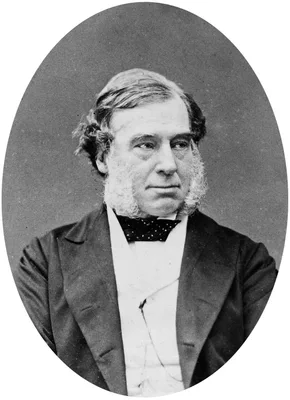
"Burrows was the first to indicate that the effects of cerebral anemia could be produced not only by obvious anemia itself, but also from a fall in blood pressure. He carried out some of the earliest studies of the ph…
1846
#14337
Disquisitiones de structura protuberantia annularis sive pontis Varolii. Untersuchungen über den Bau des Hirnknotens oder der Varoli’schen Brucke. Text and atlas.
Stilling’s great work on the pons Varolii, the structure that links the brain to the spinal cord, includes the first accurate description of the red nucleus (superior olive), a structure in the midbrain involved in mo…
1847
#931
Die Ursache der Lungenveränderung nach Durchschneidung der pneumogastrischen Nerven.
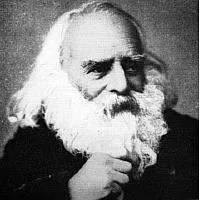
Study of the effect of section of the vagus on respiration. See also No. 933.
1849
#4529
A treatise on the pathology, diagnosis, and treatment of neuroma.
Smith’s large and beautifully illustrated atlas contains the first clear description and illustration of neurofibromatosis, published 33 years before von Recklinghausen’s account of the disorder (see No. 4566). This d…
1849
#4692
Ueber Hirnsklerose.
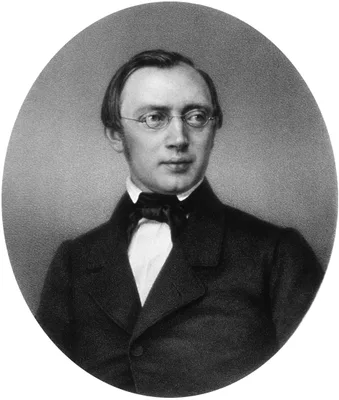
First important account of multiple sclerosis. Carswell (No. 2291) and Cruveilhier (No. 2286) both gave illustrations of the disease; the latter is also accredited with the first description.
1849
#4732
Recherches faites à l’aide du galvanisme sur l’état de la contractilité et de la sensibilité électro-musculaires dans les paralysies des membres superieures.
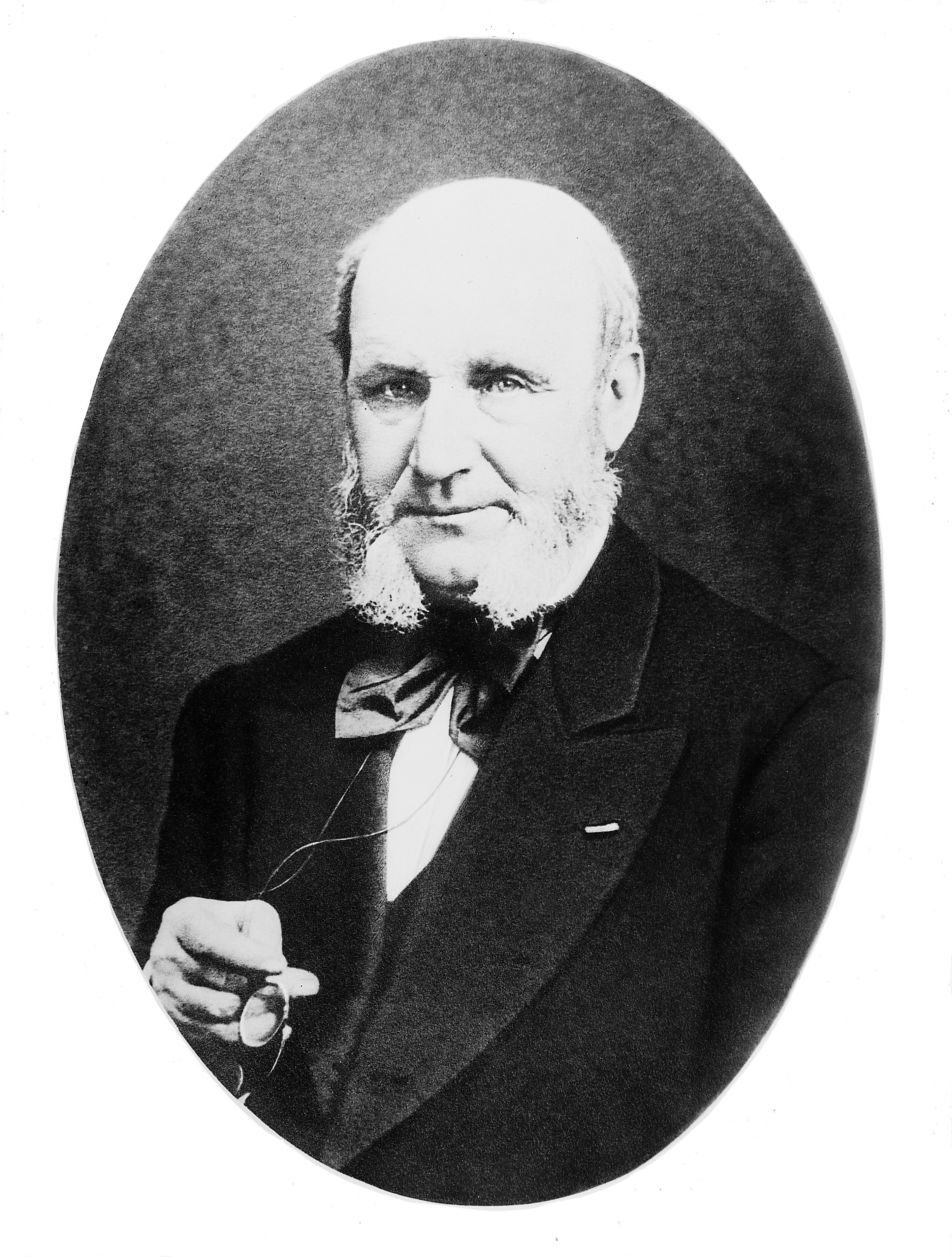
“Aran–Duchenne disease”, progressive muscular atrophy, with which the name of Cruveilhier is also associated. A fuller account is included in Duchenne’s Électrisation localisée, 1861, 437-547.
1849
#10746
An inquiry concerning the diseases and functions of the brain, spinal cord, and the nerves.
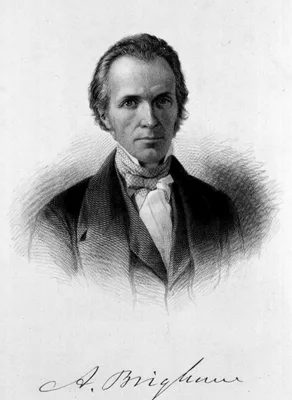
The first American book on neurology, with a lengthy discussion of neuropathology. Digital facsimile from the Internet Archive at this link.
1849
#13167
A practical treatise on the domestic management and most important diseases of advanced life. With an appendix, containing a series of cases illustrative of a new and successful mode of treating lumbago and other forms of chronic rheumatism, sciatica and other neuralgic affections, and certain forms of paralysis.
Digital facsimile from wellcomelibrary.org at this link.
1850
#4733
Recherches sur une maladie non encore décrite du système musculaire. (Atrophie musculaire progressive).
“Aran–Duchenne disease” (see No. 4732)
1850
#1265
Vorläufiger Bericht über die Fortpflanzungsgeschwindigkeit der Nervenreizung.
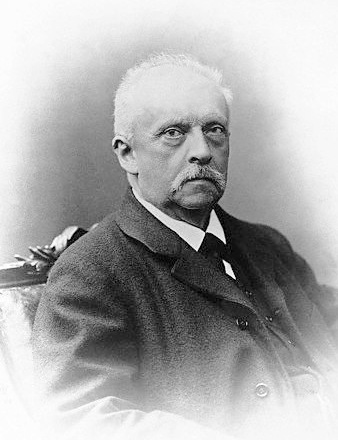
Helmholtz succeeded in measuring the velocity of the nervous impulse, by applying the knowledge and techniques of ballistics to the problem. In 1852, using a pendulum-myograph of his own invention, he measured the dur…
1850
#1266
Experiments on the section of the glossopharyngeal and hypoglossal nerves of the frog, and observations of the alterations produced thereby in the structure of their primitive fibres.
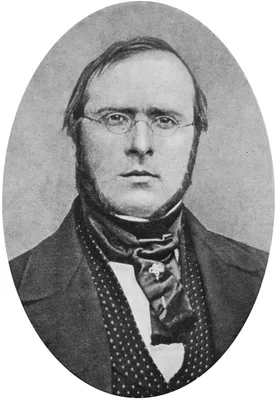
The “law of Wallerian degeneration”. The experiments recorded in the above paper were the starting-point of the neuron theory. Waller showed that if glosso-pharyngeal and hypoglossal nerves are severed, the outer segm…
1851
#998
Neue Versuche über die Beihilfe der Nerven zur Speichelabsonderung.
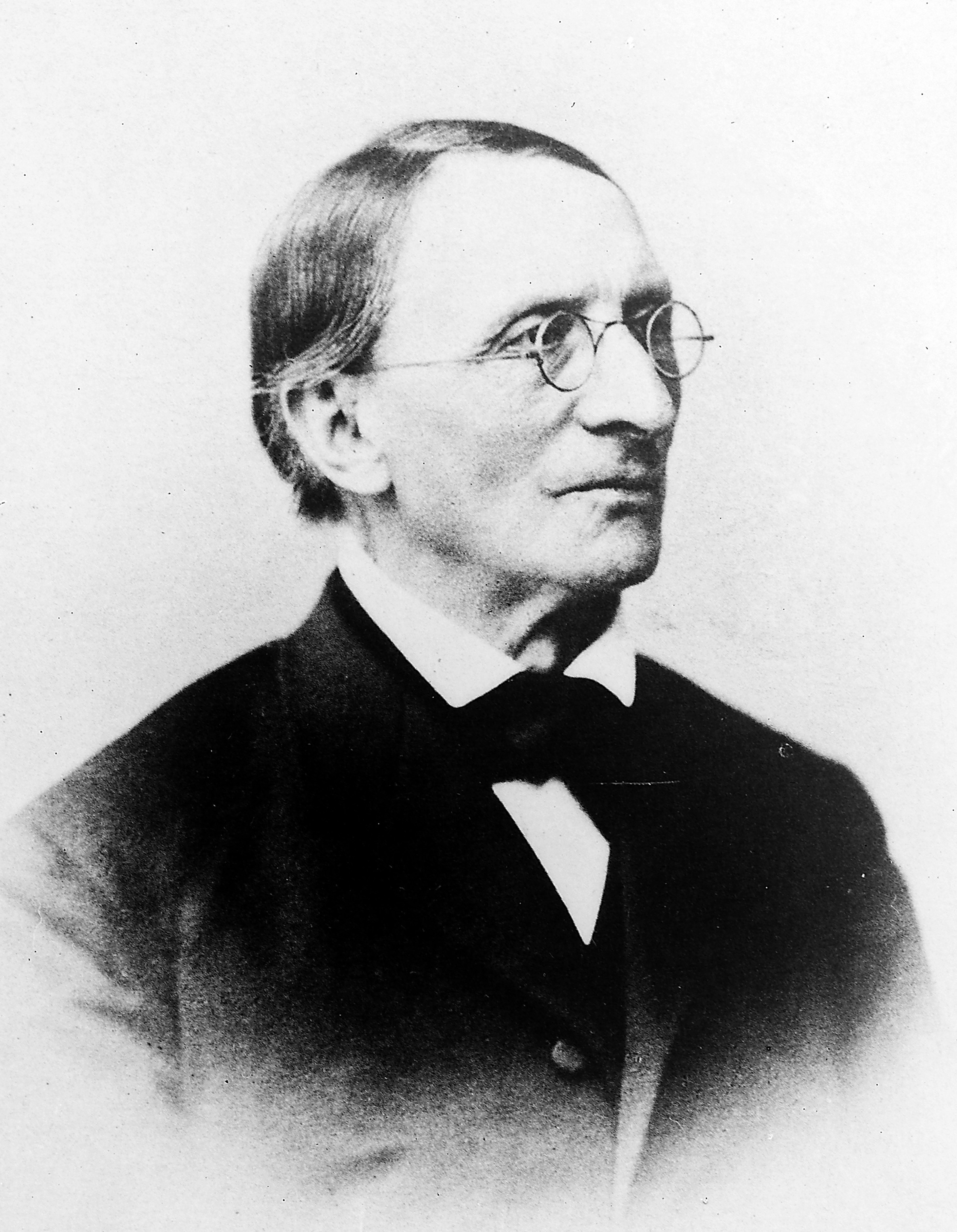
The innervation of the salivary glands first elucidated.
1851
#4812
Synopsis of cerebral and spinal seizures of inorganic origin and of paroxysmal form as a class; and of their pathology as involved in the structures and actions of the neck.
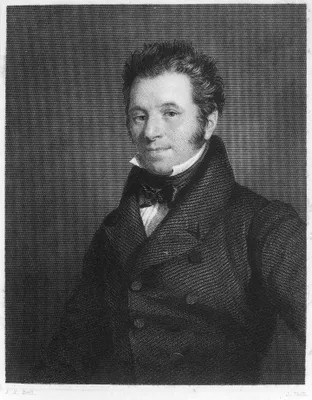
Hall was the first to suggest that the paroxysmal nervous discharges in epilepsy were produced by the spinal nervous system, first to notice the connection of anemia with epilepsy, and first to deduce that epilepsy wa…