
Facets
Browse across eight MeSH (opens in new tab) facets — era, geography, science, specialty, technology, history, culture, and reference. Select one tag per group; counts update across the others. What’s new in facet browse how facets relate to subjects and MeSH.
Clear filtersGeography
Specialties & Disease
- Alternative & Fringe Medicine 383
- Anatomy & Pathology 765
- Cardiology & Blood 914
- Dentistry 259
- Diabetes 80
- ENT & Hearing 293
- Epidemiology & Demography 397
- Gastroenterology & Hepatology 316
- General Clinical Medicine 487
- Immunology & Dermatology 1,008
- Infectious Disease (General) 147
- Internal, Emergency & Geriatric 123
- Microbiology & Virology 1,080
- Military Medicine 436
- Neurology & Psychiatry 1,258
- Obstetrics & Reproductive 551
- Oncology & Cancer 377
- Ophthalmology & Vision 412
- Pediatrics 247
- Physiology & Embryology 924
- Plagues & Epidemics 1,279
- Psychology 202
- Public Health 1,129
- Pulmonary & Respiratory 233
- Rheumatology, Rehab & Pain 189
- Surgery & Anesthesia 1,553
- Urology & Nephrology 309
- Veterinary Medicine 165
Social & Historical Studies
Institutions & Culture
Reference & Scholarly Works
316 entries match Gastroenterology & Hepatology [C06 / C04]
1906
#5532
A protozoon general infection producing pseudotubercles in the lungs and focal necroses in the liver, spleen and lymphnodes.
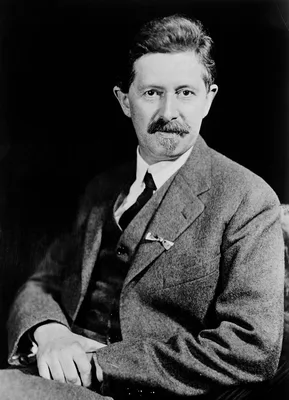
Histoplasmosis (Histoplasma capsulatum), “Darling’s disease”.
1906
#14351
A study of the structural unit of the liver.
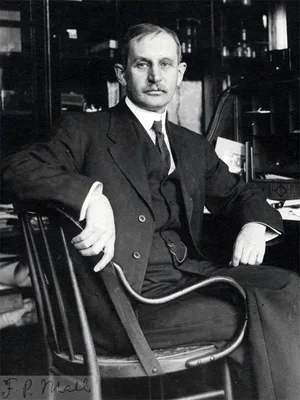
Mall defined the liver's structural unit as a tissue block centered on a portal vein, rather than the classic hepatic lobule centered on a central vein. He proposed that the structural unit of the liver is defined by …
1907
#3782
A hitherto undescribed disease characterized anatomically by deposits of fat and fatty acids in the intestinal and mesenteric lymphatic tissues.
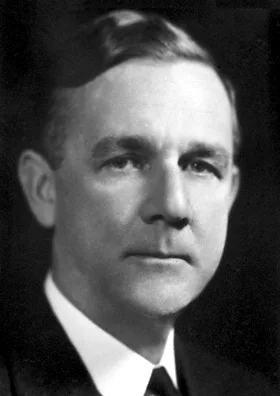
“Whipple’s disease”. Whipple suggested the name lipodystrophia intestinalis (intestinal lipodystrophy) for this condition because there were abnormal lipid deposits in the small intestine wall. In figure 9 of his pape…
1908
#3528
On infantilism from chronic intestinal infection; characterized by the overgrowth and persistence of flora of the nursling period.
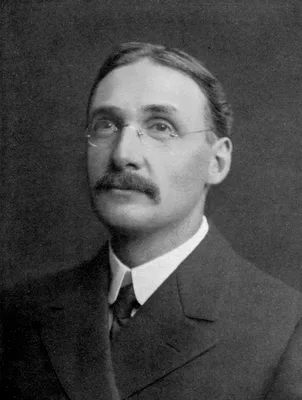
“Herter’s infantilism”. Called also “Gee-Herter disease” (No. 3491).
1908
#3644
Ueber eine neue Funktion des Pankreas und ihre Beziehung zum Diabetes mellitus.
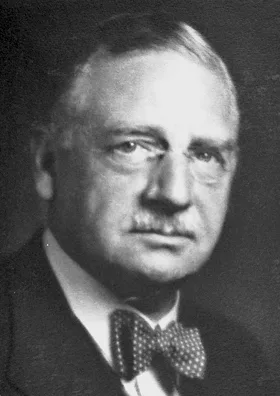
Loewi’s pancreatic function test.
1909
#3531
The operative treatment of chronic constipation.
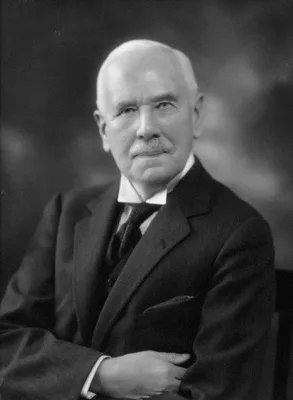
Lane’s operation for chronic intestinal stasis (“Lane’s kink”) consisted in short-circuiting the intestine.
1909
#3645
Die Cholelithiasis.
1910
#1028
Studien über die spezifische Anpassung der Verdauungssäfte. III. Mittheilung.
Digital facsimile from ECHO at this link.
1910
#3533
Zur röntgenologischen Diagnose der Ulzerationen in der Pars media des Magens.
First demonstration of the characteristic niche in gastric ulcer.
1910
#3535
Duodenal ulcer.
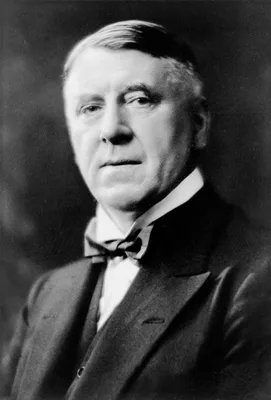
Moynihan greatly advanced our knowledge of duodenal ulcer. He developed the concept of the so-called ulcer sequence, pain-food-ease, and he stressed the well-ordered sequence of symptoms. More than any other he establ…
1910
#3646
Beitrag zur funktionellen Diagnostik des Pankreas.
Wohlgemuth’s pancreatic function test.
1911
#1029
The mechanical factors of digestion.
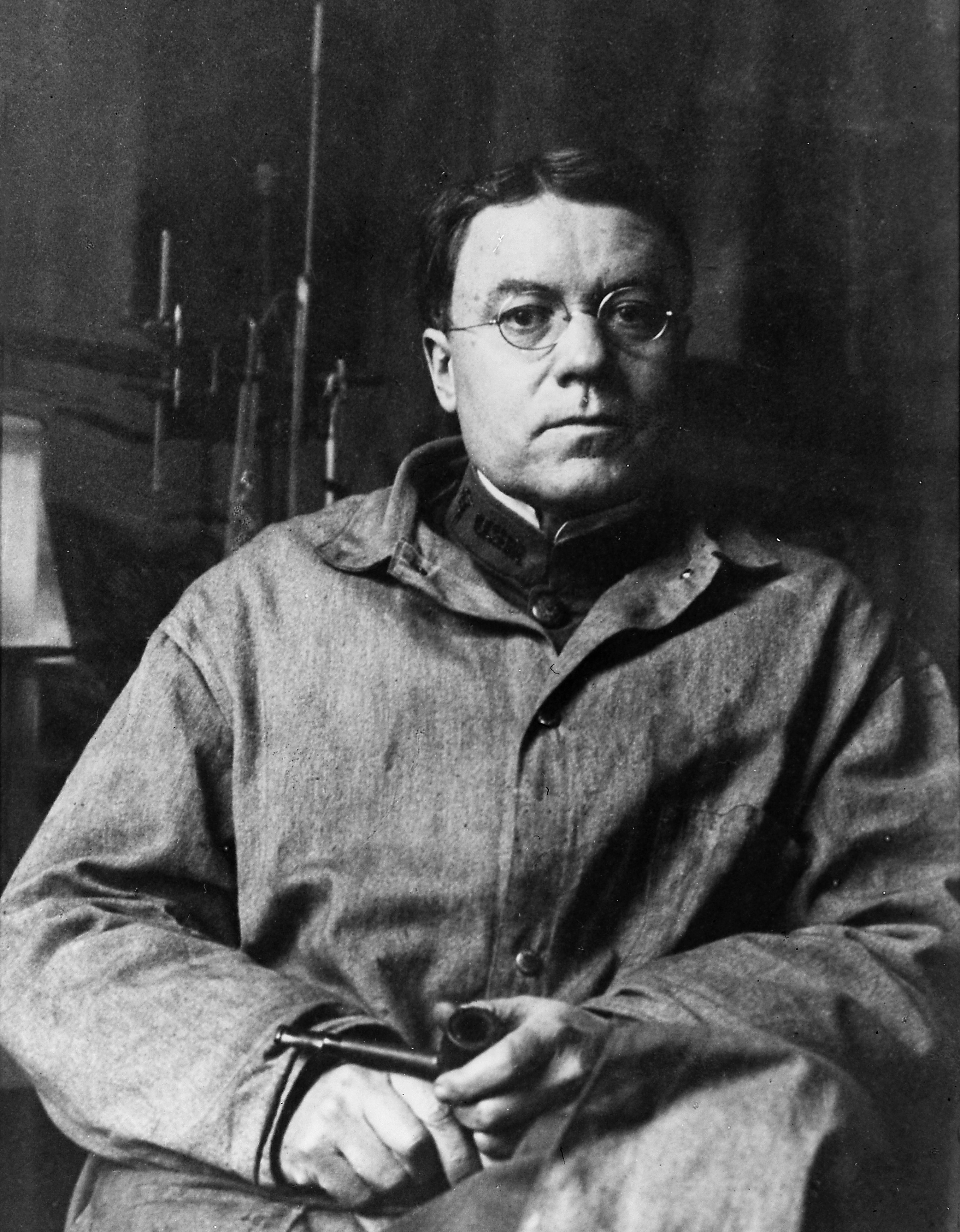
Summarized research begun in 1896. See No. 3519.
1911
#3535.1
Die Gastroskopie.
Elsner designed a straight gastroscope with a rubber tip and an optical system to be pushed into the outer tube, which had a lamp at its tip.
1911
#3536
Ein operativ geheilter Fall von kongenitaler Dünndarmatresie.
Treatment of congenital atresia of ileum by lateral anastomosis.
1912 –1913
#1030
Contributions to the physiology of the stomach.
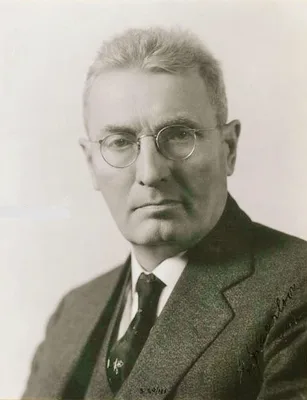
Carlson recorded stomach movements by means of a balloon inserted through a gastric fistula. Much of his important work on gastric physiology was summed up in his book published in 1916. See No. 1033.
1912
#5190
The rapid cure of amoebic dysentery and hepatitis by hypodermic injections of soluble salts of emetine.
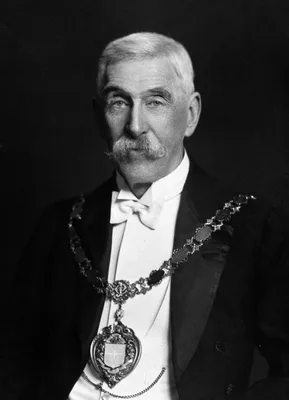
Following up the work of Vedder, Rogers showed that the soluble salts of emetine could be safely injected subcutaneously. The general use of emetine, introduced by Rogers, diminished the incidence of liver abscess – a…
1913
#1031
Le mouvement de l’intestin en circulation artificielle (chez les vertébrés). Thèses présentées a la Faculté des sciences de Paris.
Cinematographic studies of the movements of the intestines in animals. Digital facsimile from the Internet Archive at this link.
1913
#3538
The cause and treatment of certain unfavourable after-effects of gastroenterostomy.
First description of the “dumping syndrome”, so named by C. L. Mix, Surg. Clin. N. Amer., 1922, 2, 617-22. (During WWI Hertz changed his name to Hurst; see No. 8604.)
1913 –1914
#3648
Experiments on haemolytic icterus.
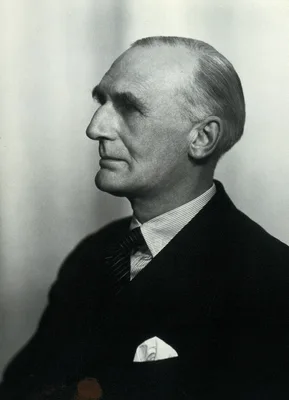
McNee showed that bile pigment formation is not a function of the liver cells alone, but can take place in other tissues. He thus disproved the theory propounded by Minkowski and Naunyn in 1886.
1913
#14325
Extramukose cardiaplastik beim chronischen cardiospasmus mit dilatation des esophagus.
Heller myotomy for the treatment of achalasia.
1914
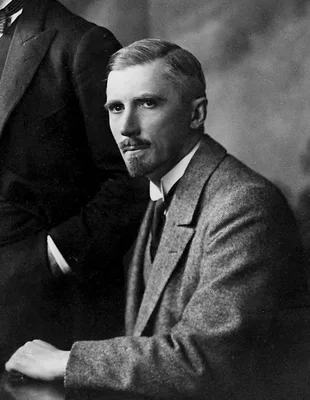
#1032
Die äussere Sekretion der Verdauungsdrüsen.
1915
#1124
Bodily changes in pain, hunger, fear, and rage. An account of recent researches into the function of emotional excitement.
Observation of the effect of strong emotions on gastrointestinal motility (No. 1029) led Cannon to examination of the sympathetic nervous system and its emergency function. Cannon showed the close connexion between th…
1915
#3541
Gastric and duodenal ulcer; medical cure by an efficient removal of gastric juice corrosion.
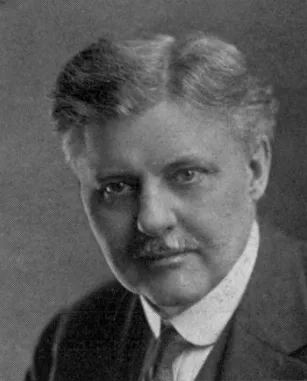
“Sippy diet” for the treatment of peptic ulcer.
1916
#1033
The control of hunger in health and disease.
Digital facsimile from the Internet Archive at this link.
1917
#1034
Physiologische und pharmakologische Versuche über die Dünndarmperistaltik.
"Trendelenburg preparation", a preparation used in determining the actions of pharmacological agents on peristalsis.
1917
#3649
The disturbance of the law of contrary innervation as a pathogenetic factor in the diseases of the bile ducts and the gall-bladder.
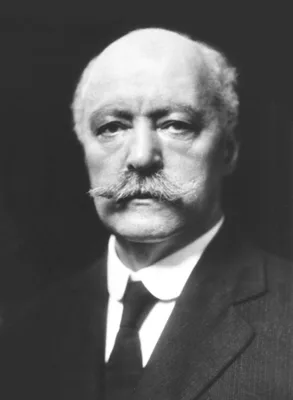
Non-surgical drainage of the gallbladder was first suggested by Meltzer. See also No. 3651.
1918
#3543
Ausgedehnte Magenresektion bei Ulcus duodeni statt der einfachen Duodenalresektion bzw.
Hofmeister-Finsterer gastro-enterostomy (see No. 3529).
1918
#3650
Accidental injection of bile ducts with petrolatum and bismuth paste. Preliminary report on a new method.
Reich was the first to obtain cholangiograms.
1919
#3651
Diagnosis and treatment of diseases of the gall-bladder and bilary ducts. Preliminary report on a new method.
See No. 3649.
1921 –1922
#1205
The internal secretion of the pancreas.
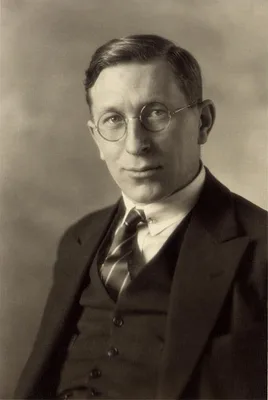
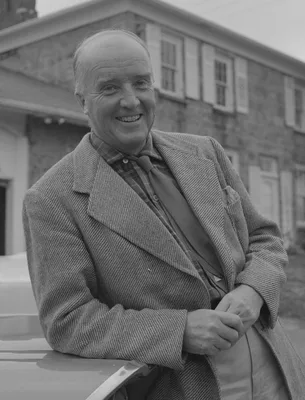
This paper reports the isolation of insulin. An extract from the pancreas of a dog, removed after ligation of the excretory duct, was found to exercise a reducing influence on the percentage of sugar in the blood. Dig…
1921
#3544
Studies in gastric secretion. Introduction.
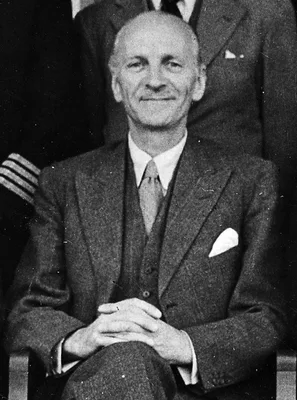
Ryle’s tube, for obtaining specimens of gastric juice.
1922
#1035
The mechanics of the digestive tract.
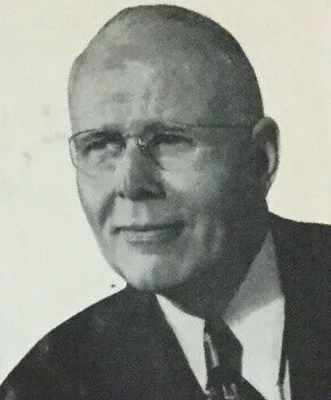
Includes (p. 111) his smooth diet for duodenal ulcer. Fourth edition entitled Introduction to gastro-enterology, 1950.
1922
#3545
Probleme und Technik der Gastroskopie, mit der Beschreibung eines neuen Gastroskops.
Schindler made gastroscopy a “method”. See also his paper in the Münch, med. Wschr., 1922, 69, 535-37.
1924
#3652
Roentgenologic examination of the gallbladder.
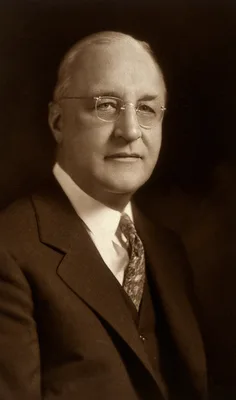
Introduction of cholecystography.
1924
#3653
Studies in hepatic function. VI. A. The pharmacological behavior of certain dyes. B. The value of selected phthalein compounds in the estimation of hepatic function.
Bromsulphthalein test for liver function.
1925
#1037
Contributions to the physiology of gastric secretion. The proof of a humoral mechanism. A new procedure for the study of gastric physiology.
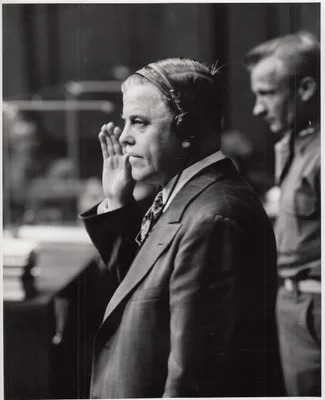
1925
#3654
Ueber eine neue kolloidchemische Liquorreaktion und ihre praktischen Ergebnisse.
Takata-Ara reaction for the diagnosis of liver disease.
1926
#3140
Treatment of pernicious anemia by a special diet.
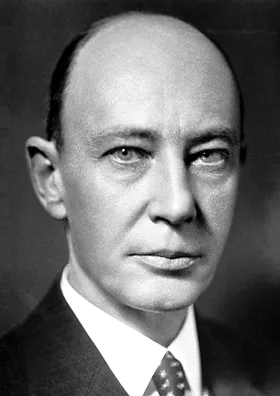
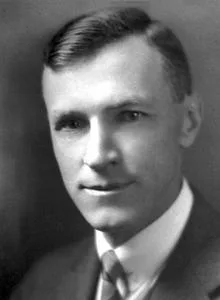
Introduction of raw liver diet in the treatment of pernicious anemia. This treatment ranks as one of the greatest modern advances in therapy. See also the later paper in the same journal, 1927, 89,759-66. Reprinted in…
1927
#3142.1
The pathology of the bone marrow in pernicious anaemia.
Peabody studied the bone marrow in pernicious anemia. He suggested that failure of blood formation rather than hemolysis was the main defect in the disease, and that the benefit from liver feeding was due to a factor …
1927
#3655
Funktionsprüfung der Leber mittels Bilirubinbelastung.
Bilirubin excretion test of liver function. See also his thesis, published in 1925.
1928 –1941
#1445
Lectures on conditioned reflexes. 2 vols.
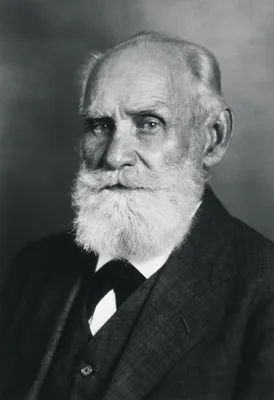
Besides his work on digestion, Pavlov is remembered for his investigations upon conditioned reflexes. An English translation of another work by Pavlov, entitled Conditioned reflexes, appeared in 1927.
1928
#3546
Die Entzündungen des Magens. In: F. Henke & O. Lubarsch: Handbuch der speziellen pathologischen Anatomie und Histologie, 4, Heft 2, 768-1116.
Konjetzny suggested that peptic ulceration is the sequel to a specific form of gastritis.
1929
#3547
Gastric and duodenal ulcer.
1929
#3548
Ueber Gastrophotographie.
Introduction of gastrophotography.
1929
#3550
The “coeliac affection” – idiopathic steatorrhoeas.
Idiopathic steatorrhoea, first described by Gee (No. 3491) was extensively studied by Thaysen, in so far as it occurs in adults and adolescents in non-tropical countries. It also bears the name “Gee-Thaysen disease”.
1929
#3656
Hepato-nephromegalia glykogenika (Glykogenspeicherkrankheit der Leber und Nieren).
“Von Gierke’s disease”, glycogen disease of hepatomegalic type. See also the review by S. van Creveld, Medicine, 1939, 18, 1-128.
1929
#3657
Diseases of the liver, gall-bladder, and bile ducts. 3rd edition.
1930
#1038
Demonstration of the humoral agent in fat inhibition of gastric secretion.
The work of Kosaka and Lim led to the discovery of a hormone inhibiting gastric secretion (“enterogastrone”).
1930
#1038.1
Crystalline pepsin.
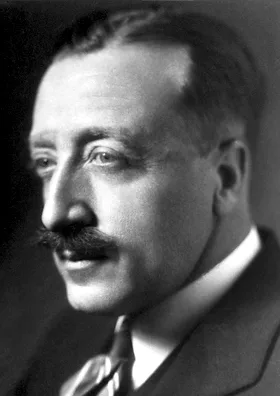
Crystallization of pepsin and its identity as a protein. In 1946 Northrop shared half of the Nobel Prize in Chemistry with Wendell Meredith Stanley "for their preparation of enzymes and virus proteins in a pure form."…
1930
#3144.1
Ein hochwirksamer, injizierbarer Leberextrakt.
Gänsslen introduced an injectable liver extract in the treatment of pernicious anemia.