
Facets
Browse across eight MeSH (opens in new tab) facets — era, geography, science, specialty, technology, history, culture, and reference. Select one tag per group; counts update across the others. What’s new in facet browse how facets relate to subjects and MeSH.
Clear filtersGeography
Specialties & Disease
- Alternative & Fringe Medicine 100
- Anatomy & Pathology 9
- Cardiology & Blood 94
- Dentistry 7
- Diabetes 4
- ENT & Hearing 3
- Epidemiology & Demography 13
- Gastroenterology & Hepatology 10
- General Clinical Medicine 46
- Immunology & Dermatology 23
- Infectious Disease (General) 5
- Internal, Emergency & Geriatric 4
- Microbiology & Virology 82
- Military Medicine 16
- Neurology & Psychiatry 78
- Obstetrics & Reproductive 17
- Oncology & Cancer 33
- Ophthalmology & Vision 5
- Pediatrics 6
- Physiology & Embryology 41
- Plagues & Epidemics 92
- Psychology 9
- Public Health 101
- Pulmonary & Respiratory 9
- Rheumatology, Rehab & Pain 29
- Surgery & Anesthesia 52
- Urology & Nephrology 3
- Veterinary Medicine 8
Social & Historical Studies
Institutions & Culture
Reference & Scholarly Works
1,672 entries match Pharmacology & Therapeutics [D01 / E02]
1745
#2094
An essay on the West-India dry-gripes… to which is added, an extraordinary case in physick.
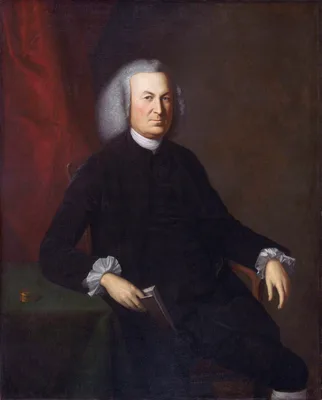
Cadwalader, an American pupil of Cheselden, left a classical account of lead colic and lead palsy. This was later shown by Benjamin Franklin, printer of the above work, to be due to the consumption of Jamaica rum whic…
1746
#8869
Medicina Britannica; or, a treatise on such physical plants as are generally to be found in the fields or gardens of Great-Britain: Containing a particular account of their nature, virtues, and uses. Together with the observations of the most learned physicians, as well ancient as modern, communicated to the late ingenious Mr. Ray, and the learned Dr. Sim. Pauli. Adapted more especially to the occasions of those, whose condition or situation of life deprives them, in a great measure, of the helps of the learned. To which are added, three indexes: The first containing the England and Latin names of the plants treated of: The second of the diseases, and their remedies: The third to the notes.
Short focused his book on the medical uses of plants readily available in England. Many of the plants recommended in the traditional herbal literature were difficult to find in England. Digital facsimile from the Biod…
1746
#12928
Experiences et demonstrations faites à l'Hôpital de la Salpêtriere, & à S. Côme en présence de l'Académie Royale de Chirurgie. Pour servir de suite & de preuves a l'Essai sur les maladies des dents, & c. Et une pharmacie odontalogique, ou Traité des médicamens, simples & composés propres aux maladies des dents, & des différentes parties de la bouche, à l'usage des dentistes.
In this follow-up to his book published in 1743 Bunon proved the assertions of his earlier Essai through a series of dental researches conducted on patients at the Salpêtrière and at the hospital of St. Côme--the firs…
1748
#1987.3
Experiences sur l’électricité …
Discovery of stimulation of muscles by electricity, and the first proof that paralysis could be successfully treated by electricity.
1749
#7597
Materia medica, liber I: De plantis.
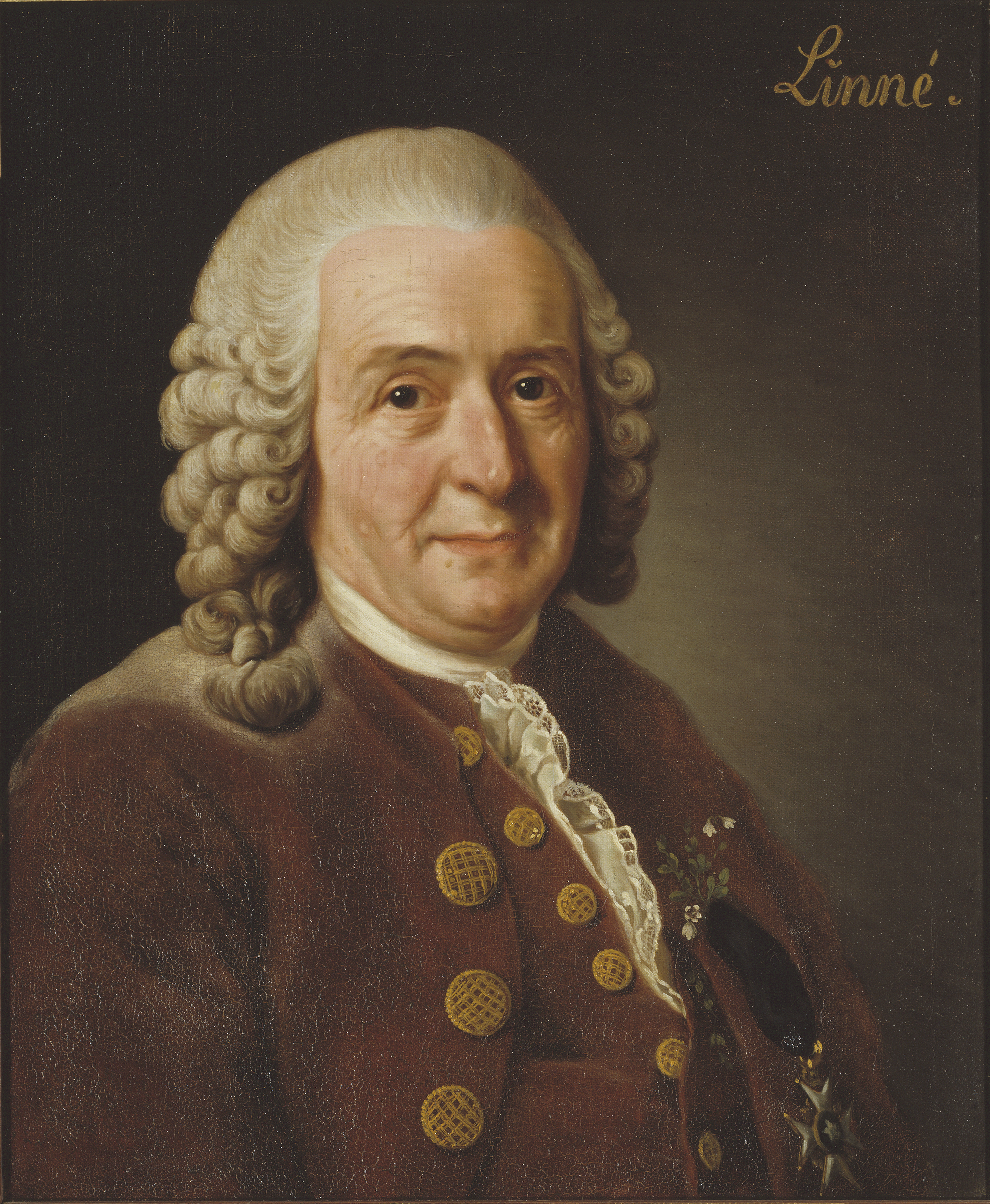
Linnaeus’s physician’s reference on pharmacology. Linnaeus classified medicinal plants according to his botanical system and described the therapeutic value of the drugs derived from each plant. He was instrumental in…
1751
#1832
Descriptions, virtues, and uses of sundry plants of these northern parts of America, and particularly of the newly discovered Indian cure for the venereal disease.
Bartram founded one of the first botanical gardens in America (at Kingsessing). Linnaeus referred to him as the “greatest natural botanist in the world”. A few copies of this 7-page work printed by Benjamin Franklin w…
1751
#11972
Philosophia botanica in qua explicantur fundamenta botanica cum definitionibus partium, exemplis terminorum, observationibus rariorum, adjectis figuris aeneis.
This work was "the first textbook of descriptive systematic botany and botanical Latin".[1] It also contains Linnaeus's first published description of his binomial nomenclature. "Philosophia Botanica represents a matu…
1751 –1752
#12873
Journal du voyage fait par ordre du Roi, a l'équateur, servant d'introduction historique a la mesure des trois premiers degrés du méridien. Supplément au Journal historique du voyage a l'Équateur: et au livre de la Mesure des trois premiers degrés du méridien, servant de réponse à quelques objections. 2 vols.
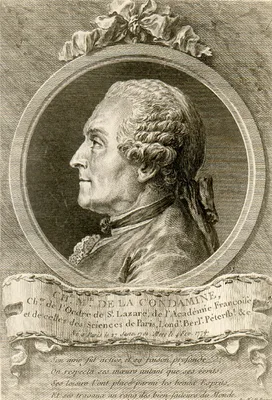
La Condamine's journal of his ten year long voyage to South America, the scientific results of which included proof that the earth is a spheroid flattened at the poles. Other scientific observations including botanica…
1752
#11719
Sendschreiben von den Wirkungen des Kafeetranks.
Discussing the consumption and reception of coffee from Britain to Turkey, Knoll dismissed criticisms of coffee, including that it reduced beauty and virility, or that it was contrary to Islam, instead promoting the m…
1753
#99.1
Species plantarum. Exhibentes plantas rite cognitas ad genera relatas. Cum diferentiis specificis, nominibus trivialibus, synonymis selectis, locis natalibus, secundum systema sexuale digestas. 2 vols.
In this work Linnaeus introduced his full binomial naming system for plants (binomial nomenclature). Describing about 8,000 plant species from all over the world, the book demonstrated the value of a binomial system o…
1754 –1759
#1809.1
Opera botanica per duo saecula desiderata vitam auctoris et operis historiam cordi librum quintum cum adnotationibus Gesneri in totum opus ut et Wolphii fragmentum historiae plantarum Gesnerianae adiunctis indicibus iconum tam olim editarum... ex bibliotheca C.J. Trew. Nunc primum in lucem edidit et praefatus est Casimirus Christophorus Schmiedel. 2 vols.
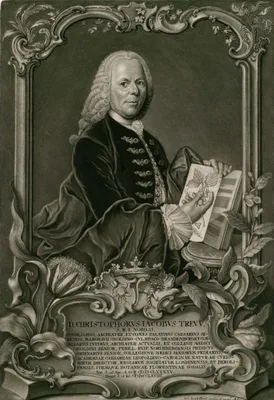
Stricken with the plague at the age of 49, Gesner was unable to complete his Historia plantarum (See No. 1807.) His collection of botanical watercolors changed hands several times until they were acquired by the physi…
1754
#13065
Briefe welch einige Erfahrungen der electrischen Wirkungen in Krankheiten enthalten.
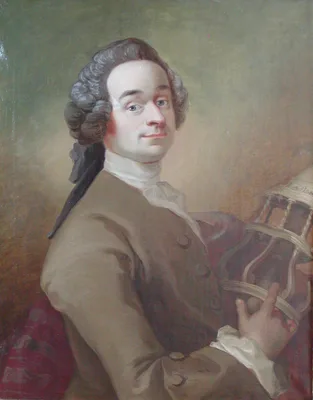
1754
#13099
Recherches sur l’usage des feuilles dans les plantes, et sur quelques autres sujets relatifs à l’histoire de la végétation.
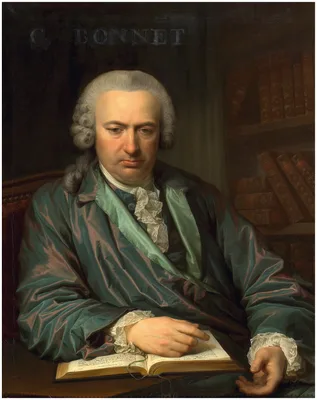
In his study of plant physiology Bonnet contributed significant research on phototropism. Digital facsimile from Biodiversity Heritage Library at this link. Craig W. Whippo, Roger P. Hangarter, Phototropism: Bending t…
1756
#11607
Deux mémoires sur le mouvement du sang, et sur les effets de la saignée, fondés sur des experiences faites sur des animaux.
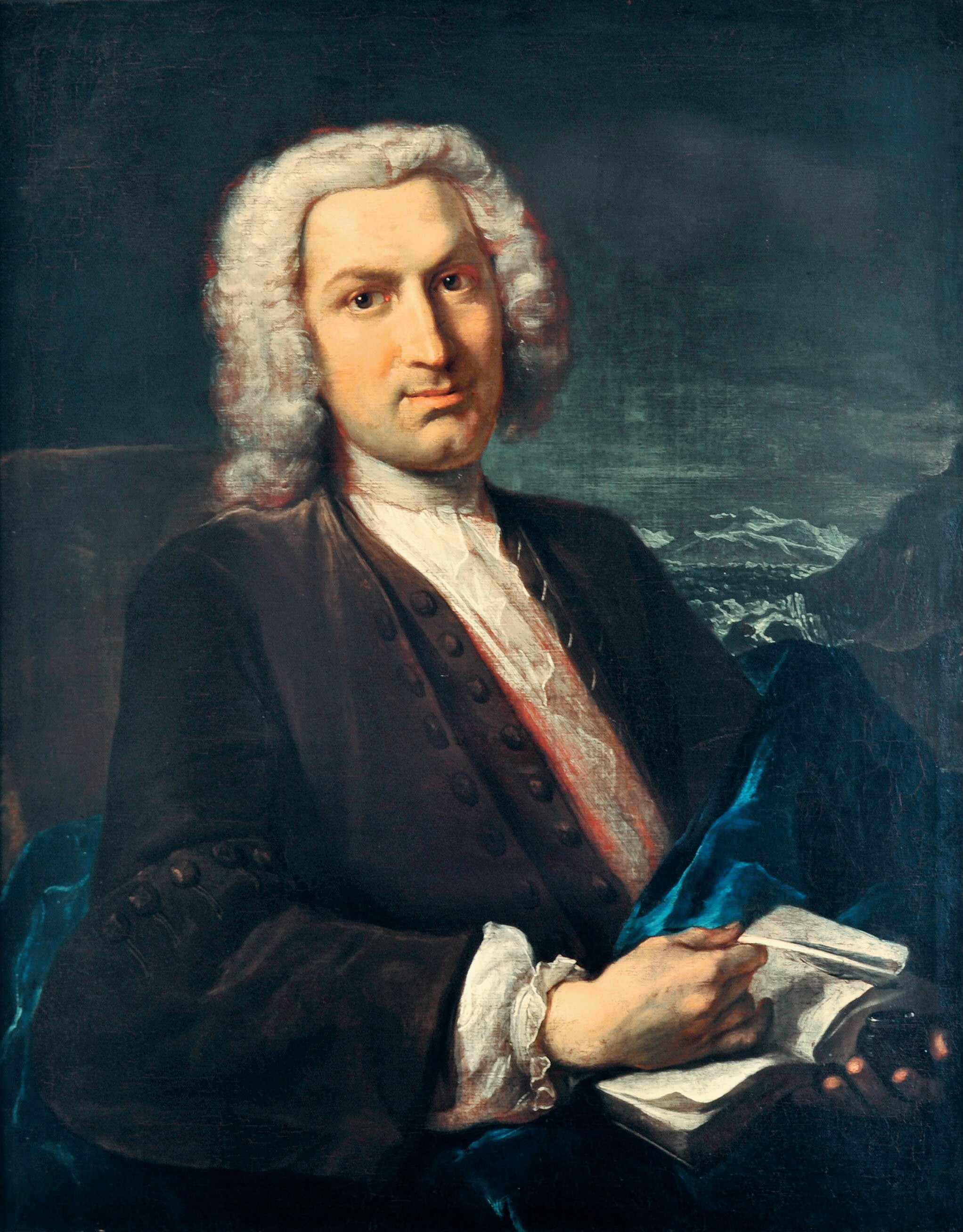
In these memoirs Haller described the results of 235 vivisections. Haller has been called "the founder of modern haemodynamics." "The myogenic theory of the heartbeat can be traced to Haller, who concluded on the basi…
1757
#2095
De colica pictonum.
Tronchin, sometime physician to Voltaire, showed that the so-called “Poitou colic” was caused by drinking water which had passed through lead gutters. Tronchin introduced inoculation into Holland, France, and Switzerl…
1758 –1759
#11880
Systema naturae per regna tria naturae, secundum classes, ordines, genera, species, cum characteribus, differentiis, synonymis, locis. Editio decima, reformata. 2 vols.
In the 10th edition of his Systema naturae, Linnaeus introduced binomial nomenclature for animals. He had previously introduced binomial nomenclature for plants in his Species Plantarum (1753). In this edition Linnaeu…
1758
#13545
Petri Loefling... Iter Hispanicum, eller Resa til spanska länderna uti Europa och America förrättad infrän år 1751 til år, 1756, med Beskrifningar och ron öfver de märkvärdigaste växyer, utgifven efter dess frånfälle af Carl Linnaeus.
Edited by Carl Linnaeus after the early death of Pehr Löfling, who Linnaeus considered his most gifted disciple. This is the account of Löfling's mostly botanically oriented researches through Spain, Portugal, and nor…
1759
#1770
Observations on the changes of the air and the concomitant epidemical diseases, in the Island of Barbados.
Hillary included good accounts of lead colic and infective hepatitis, and probably the first description of sprue (celiac disease).
1759 –1775
#10227
The vegetable system. Or, the internal structure and the life of plants; their parts, and nourishment explained; their classes, orders, genera, and species, ascertained, and described; in a method altogether new: Comprehending an artificial index and a natural system. With figures of all plants designed and engraved by the author. The whole from nature only. 26 vols.
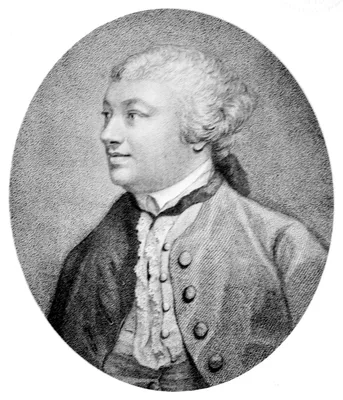
This very extensive work consisting of 26 vols. in folio, with a total of 1548 plates, was the first comprehensive vernacular presentation of botany adopting Linnean generic names and binary nomenclature. It describes…
1760
#9902
An essay on the medicinal nature of hemlock.
"Störck is remembered for his clinical research of various herbs, and their associated toxicity and medicinal properties. His studies are considered to be the pioneering work of experimental pharmacology and his metho…
1760
#12703
Select remains of the learned John Ray, M.A. and F.R.S. with his life by the late William Derham, D. D. Canon of Windsor, and F.R.S. Published by George Scott, M.A. and F.R.S.
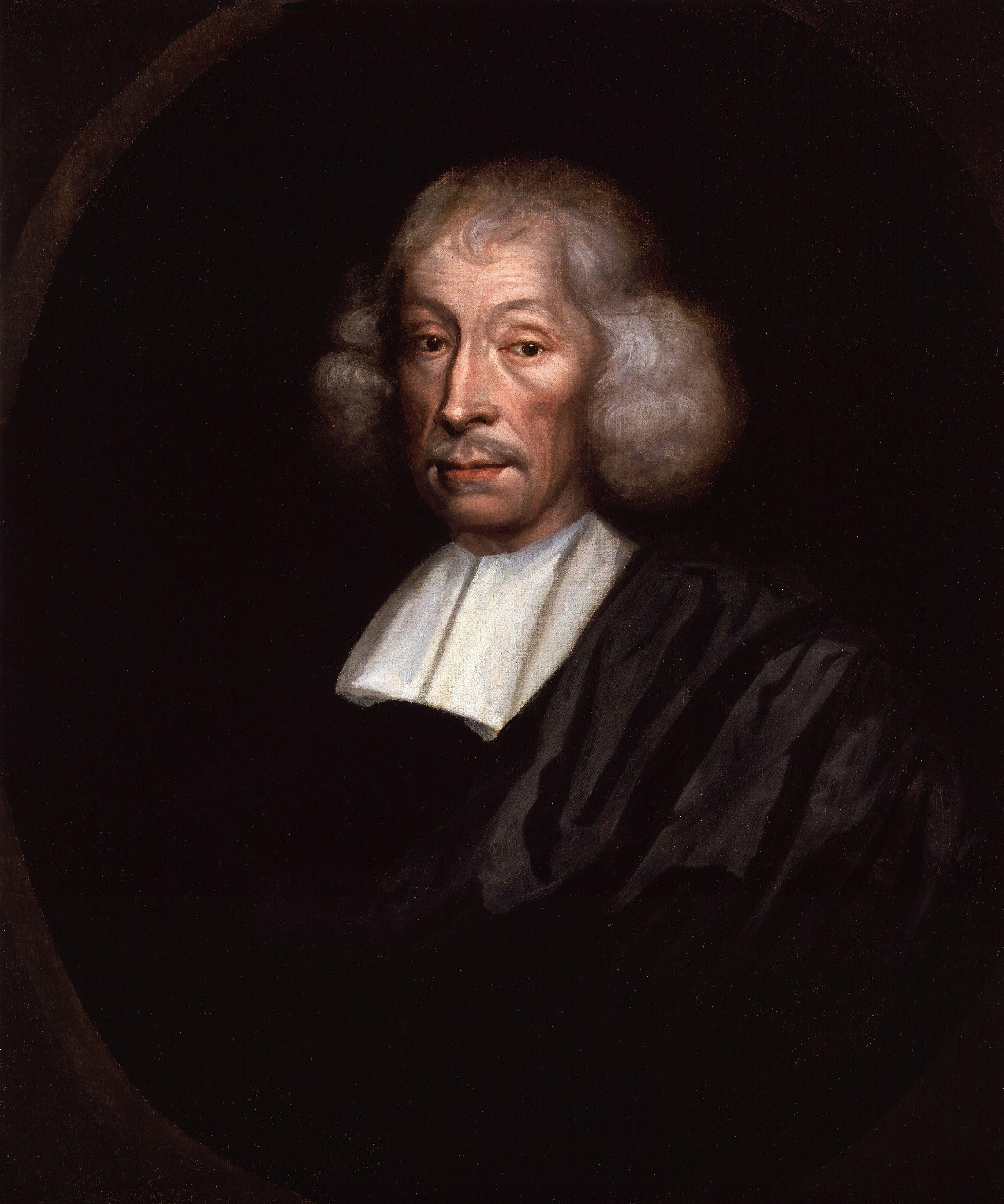
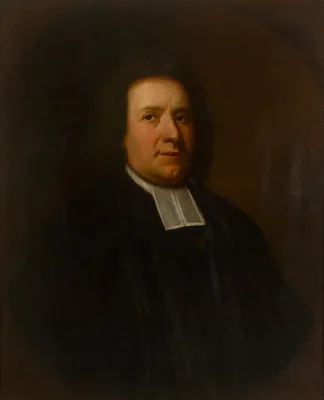
Because Derham died in 1735 this biography would have been written in the early part of the 18th century after the death of Ray in 1705. Digital facsimile from the Hathi Trust at this link.
1760
#13640
Caroli Linnaei ... disquisitio de qvaestione ab Academia Imperiali Scientiarum Petropol. in annvm MDCCLIX. pro praemio proposita: sexum plantarum argumentis et experimentis nouis, praeter adhuc iam cognita, vel corroborare, vel impugnare, praemissa expositione historica et physica omnium plantae partium, quae aliquid ad foecundationem et perfectionem seminis et fructus conferre creduntur, ab eadem Academia die VI. Septembris MDCCLX. in conuentu publico praemio ornata.
This work is typically referred to as Disquisitio de sexu plantarum. Translated into English as A dissertation on the sexes of plants translated from the Latin of Linnaeus by James Edward Smith. London: Printed for th…
1761
#2607.1
Cautions against the immoderate use of snuff. Founded on the known qualities of the tobacco Plant; and the effects it must produce when this way taken Into the body: And by instances of persons who have perished miserably of diseases, occasioned, or rendered incurable by its use,
First clinical report (pp. 30-31) of an association between tobacco and cancer, in this case “polypusses” of the nose caused by taking snuff. Hill was a distinguished botanist and apothecary, although regarded by some…
1762
#11523
The medical works of Richard Mead.
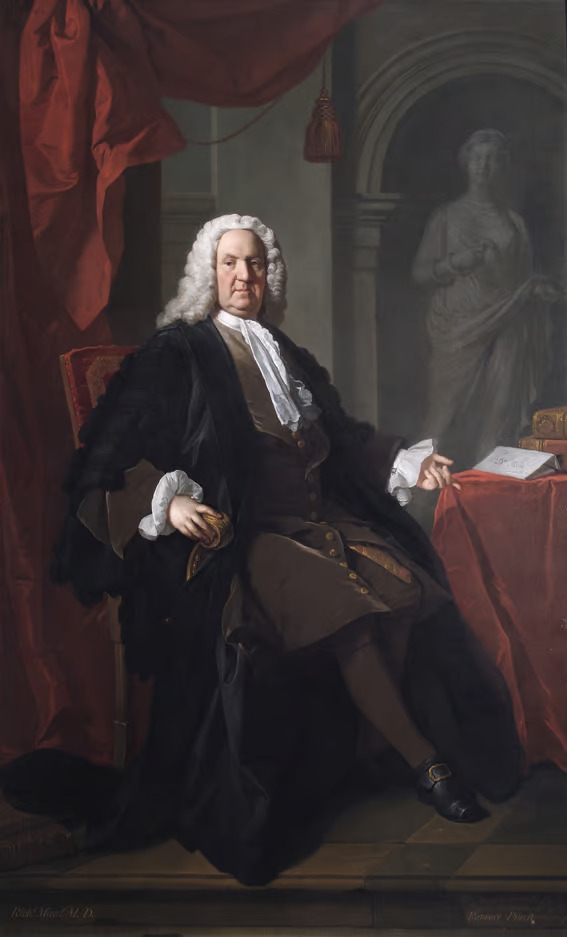
1763
#6970
An account of the success of the bark of the willow in the cure of agues.
Stone, a vicar from Chipping Norton, Oxfordshire, discovered that the bark of the willow tree (active ingredient: salicylic acid) was effective in reducing a fever. This was the first report in the scientific literatu…
1763
#8288
Nicolai Josephi Jacquin Selectarum stirpium Americanarum historia, in qua ad Linneanum systema determinatae descriptaeque sistuntur plantse illae, quas in insulis Martinica, Jamaica, Domingo, aliisque, et in vicinae continentis parte, observavit rariores; : adjectis iconibus in solo natali delineatis. 2 vols.
Digital facsimile from the Internet Archive at this link.
1764
#9509
An essay on the more common West-India diseases and the remedies which that country itself produces: To which are added some hints on the management, &c. of negroes.
Though the title suggests tropical medicine in general, this work mainly concerns the selection and medical care of slaves. Digital facsimile of the second edition (Edinburgh, 1802) expanded "with practical notes and …
1767
#2096
An essay concerning the cause of the endemial colic of Devonshire.
Baker demonstrated that the cider of Devonshire contained lead, while that made in other parts of England did not. He further showed that it was common practice in Devon to line cider presses with lead, and proved tha…
1767
#2103
Ricerche fisiche sopra il veleno della vipera.
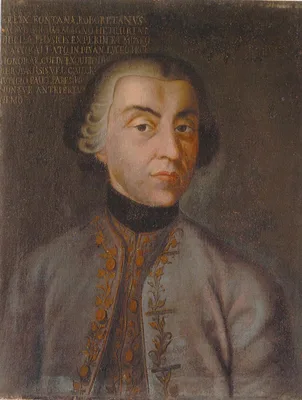
The starting point of modern investigations of serpent venoms and their antidotes. This work also includes Fontana’s description of the ciliary canal in the eye of an ox. This structure does not appear in the human ey…
1767
#7679
Hortus Europae americanus, or, A collection of 85 curious trees and shrubs: the produce of North America, adapted to the climates and soils of Great-Britain, Ireland, and most parts of Europe, &c together with their blossoms, fruits and seeds, observations on their culture, growth, constitution and virtues, with directions how to collect, pack up and secure them in their passage.
Digital facsimile from the Biodiversity Heritage Library at this link. First published as Hortus Britanno-Americanus (1763).
1768
#9517
Specimen medicum: Exhibens synopsin reptilium emendatam cum experimentis circa venena et antidota reptilium austriacorum.
"Laurenti is considered the auctor of the class Reptilia (reptiles) through his authorship of Specimen Medicum, Exhibens Synopsin Reptilium Emendatam cum Experimentis circa Venena (1768) on the poisonous function of r…
1770
#9204
Syllabus of a course of lectures on chemistry.
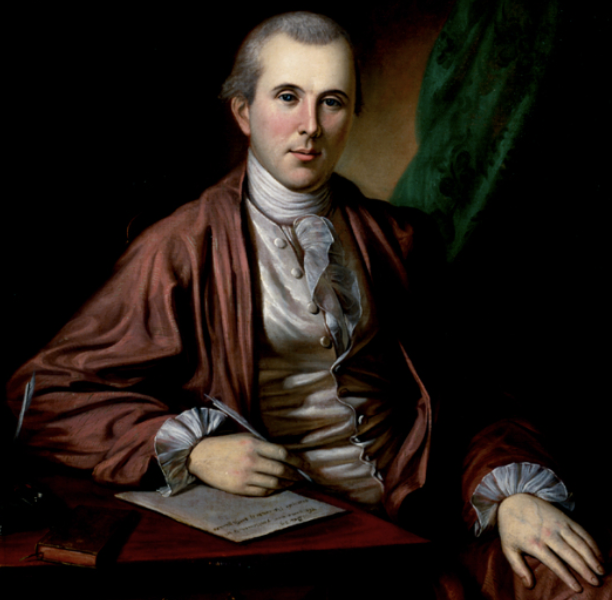
Rush inaugurated the first regular course of lectures on chemistry taught in America, at the College of Philadelphia. Includes much on pharmaceutical chemistry. Facsimile reprint with an introduction by L. H. Butterfi…
1770
#9913
Histoire des maladies de S. Domingue. 3 vols. Title of vol. 3: Traité ou abregé des plantes usuelles de S. Dominique.
Posthmously published; vol. 1 contains a life of the author. Digital facsimile from Google Books at this link.
1770
#12707
Directions for bringing over seeds and plants from the East-Indies and other distant countries in a state of vegetation: Together with a catalogue of such foreign plants as are worthy of being encouraged in our American colonies, for the purposes of medicine, agriculture, and commerce. To which is added the figure and botanical description of a new sensitive plant, called Dionaea muscipula: or, Venus's Fly-Trap.
On p. 34 Ellis published with a separate part title, A botanical description of the Dionaea Muscipula, or Venus's Fly-Trap. A newly-discovered sensitive plant: In a letter to Sir Charles Linnaeus, Knight of the Polar …
1770
#12733
Lectures on the materia medica: Containing the natural history of drugs, their virtues and doses: Also directions for the study of the materia medica; and an appendix on the method of prescribing. Published from the manuscript of the late Dr. Charles Alston...by John Hope. 2 vols.
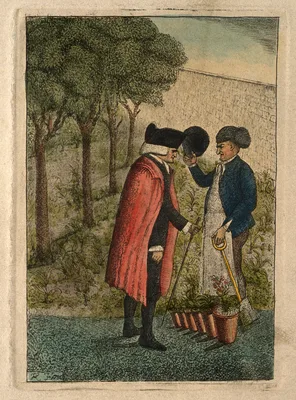
Digital facsimile from the Internet Archive at this link.
1771 –1772
#1833
Bibliotheca botanica. 2 vols.
This was the first of the several bibliographies compiled by Haller, one of the greatest figures in the history of medicine. The work contains the most exhaustive and thorough information of the writings in the field …
1771
#12472
Travels through that part of North America formerly called Louisiana by Mr. Bossu, ... Translated from the French by John Reinhold Forster, F.A.S. Illustrated with notes relative chiefly to natural history to which is added by the translator a systematic catalogue of all the known plants of English North America, or a Flora Americae Septentrionalis together with an abstract of the most useful and necessary articles contained in Peter Loefling's travels through Spain and Cumana in South America referred to the pages of the original Swedish edition. 2 vols.
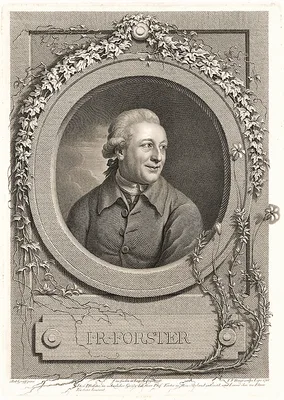
This work is a series of 21 letters that Bossu wrote to the Marquis de L’Estrade describing his life and travels in the vast Louisiana country from 1751 to 1762. His ventures ranged from Fort Chartres, in present-day …
1772
#13627
The natural history of the tea-tree, with observations on the medical qualities of tea, and effects of tea-drinking.
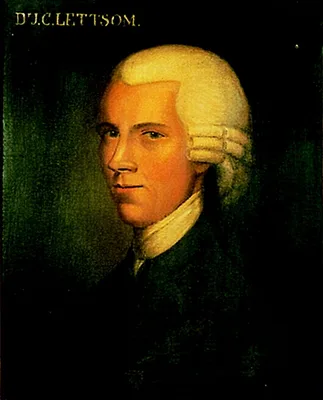
Digital facsimile from Google Books at this link.
1774
#6451.90
An oration…containing an enquiry into the natural history of medicine among the Indians in North-America; and a comparative view of their diseases and remedies, with those of civilized nations.
Rush was the first American physician to publish a detailed study of native American medicine. Digital facsimile from the Medical Heritage Library, Internet Archive, at this link.
1774
#13707
La botanique mise à la portée de tout le monde ou collection des plantes d'usage dans la médecine, dans les alimens et dans les arts. Avec des notices instructives puisées dans les auteurs les plus celebres, contenant la description, le climât, la culture, les proprietes et les vertus propres a chaque plante, precedé d’une introduction a la botanique, ou dictionnaire abregé des principaux termes emploiés dans cette science. 3 vols.
One of the most spectacular works of medical botany ever published, in 3 folio volumes with 472 hand-colored plates and 3 hand-colored engraved title pages. Many of the plates by by Genéviève de Nangis Regnault. Digit…
1776
#1833.1
A botanical arrangement of all the vegetables naturally growing in Great Britain, with descriptions of the genera and species, according to the system of the celebrated Linnaeus. Being an attempt to render them familiar to those who are unacquainted with the learned languages. Under each species are added, the most remarkable varieties, the natural places of growth, the duration, the time of flowering, the peculiarities of structure, the common English names; the names of Gerard, Parkinson, Ray and Bauhine. The uses as medicines, or as poisons; as food for men, for brutes, and for insects. With their application in oeconomy and in the arts. With an easy introduction to the study of botany. Shewing the method of investigating plants, and directions how to dry and preserve specimens. The whole illustrated by copper plates and a copious glossary. 2 vols.
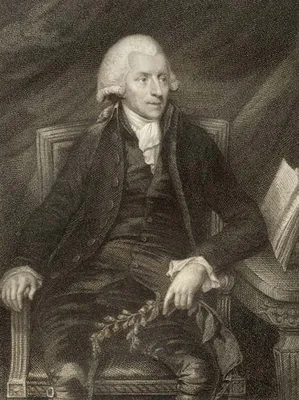
The first flora of Great Britain using Linnean binomial nomenclature, and the first complete scientific classification and description of British plants in the English language. Withering included much information on …
1776
#12477
Characteres generum plantarum, quas in itinere ad insulas maris Australis, collegerunt, descripserunt, delinearunt, annis 1772-1775.
This account of botanical discoveries made by the Forsters in Australia and New Zealand on Cook's second voyage was one of the earliest scientific publications resulting from that voyage. Specimens were illustrated on…
1776
#13549
Medicinisch-praktischer Unterricht für die Feld- und Landwundärzte der österreichischen Staaten. 2 vols. [& Supplement:] Die in dem medicinisch-praktischen Unterrichte für die Feld-und Landwundärzte vorkommende Arzneymittel.
This work on "Practical medical lessons for field and land surgeons of the Austrian states," includes a 91-page appendix containing 319 recommended pharmaceuticals for the treatments described in the text. The formula…
1777 –1790
#1964
Rationis medendi in nosocomio practico Vindobonensi. 7 pts.
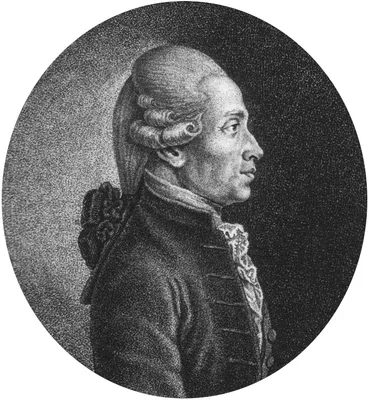
A detailed record of Stoll’s practice year by year, between 1777 and 1790, giving numerous case histories and providing descriptions of diseases.
1778
#1834
Pharmacopoeia simpliciorum et efficaciorum.
The first original pharmacopeia published in the USA. Reproduced in facsimile, with translation, in The Badger Pharmacist, 1938. No. 22-25.
1779 –1787
#2071
Some remarks on the effects of lignum quassiae amarae.
Includes (p. 151) “original account of alcoholism, which is incidentally the first paper on the drug habit” (Garrison).
1779
#13066
Geneeskundige proeven en waarneemingen omtrent de goede uitwerking der electriciteit in verscheiden ziektens.
Digital facsimile of the Dutch edition from Google Books at this link. Translated into German by Karl Gottlob Kühn as Von den guten Würkungen der Electricität in verschiedenen Krankheiten. Mit eingien Anmerkungen und …
1780
#8589
Experiments establishing a criterion between mucaginous and purulent matter. An an account of the retrograde motions of the absorbent vessels of animal bodies in some diseases.
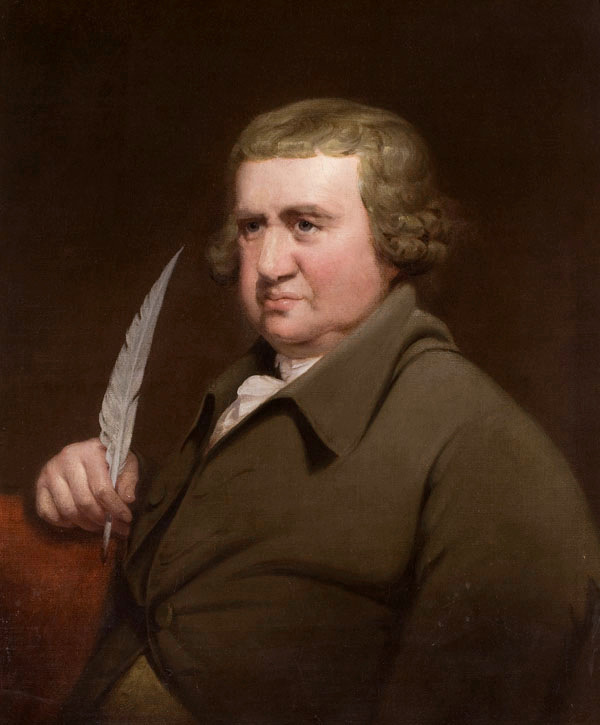
Includes the first description of the value of digitalis in the treatment of patients with heart failure, with discussion of several successful cases. Digital facsimile from Google Books at this link. Darwin and Withe…
1781
#13004
Herbier ou collection des plantes médicinales de la Chine: D'après un manuscrit peint et unique qui se trouve dans la Bibliothèque de l'Empereur de la Chine, pour servir suitte [sic] à la collection des fleurs qui se cultivent dans les Jardins de la Chine et de l'Europe.
Digital facsimile from Google Books at this link.
1782
#1835
Observations on the medical uses of the oleum jecoris aselli, or cod liver oil, in the chronic rheumatism, and other painful disorders.
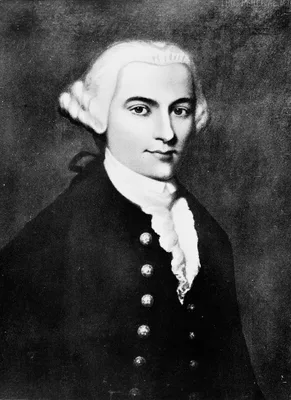
First record of the clinical use of cod liver oil in England.