
Facets
Browse across eight MeSH (opens in new tab) facets — era, geography, science, specialty, technology, history, culture, and reference. Select one tag per group; counts update across the others. What’s new in facet browse how facets relate to subjects and MeSH.
Clear filtersGeography
Specialties & Disease
- Alternative & Fringe Medicine 383
- Anatomy & Pathology 765
- Cardiology & Blood 914
- Dentistry 259
- Diabetes 80
- ENT & Hearing 293
- Epidemiology & Demography 397
- Gastroenterology & Hepatology 316
- General Clinical Medicine 487
- Immunology & Dermatology 1,008
- Infectious Disease (General) 147
- Internal, Emergency & Geriatric 123
- Microbiology & Virology 1,080
- Military Medicine 436
- Neurology & Psychiatry 1,258
- Obstetrics & Reproductive 551
- Oncology & Cancer 377
- Ophthalmology & Vision 412
- Pediatrics 247
- Physiology & Embryology 924
- Plagues & Epidemics 1,279
- Psychology 202
- Public Health 1,129
- Pulmonary & Respiratory 233
- Rheumatology, Rehab & Pain 189
- Surgery & Anesthesia 1,553
- Urology & Nephrology 309
- Veterinary Medicine 165
Social & Historical Studies
Institutions & Culture
Reference & Scholarly Works
924 entries match Physiology & Embryology [G07 / G02.149]
1875
#496
Le maturation de l’oeuf, la fécondation et les premières phases du développement embryonnaire des mammifères.
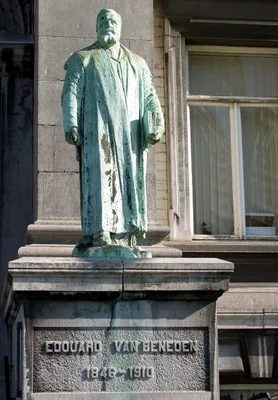
First detailed description of the segmentation of the mammalian ovum.
1875
#780
Die beiderseitige mechanische Reizung des Nv. vagus beim Menschen.
1875
#1408.1
The electric currents of the brain.
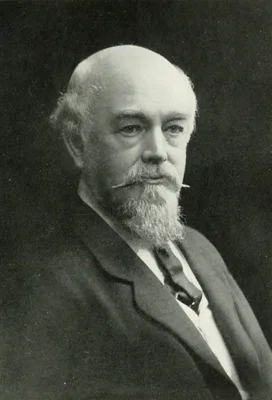
Caton succeeded in leading off action potentials from the brains of animals, a first step towards the development of the electroencephalograph. See also Brit. med. J., 1877, 1, Suppl. 62-75.
1876
#781
Ueber den Druck in den Blutcapillaren der menschlichen Haut.
Kries attempted to measure blood pressure in the capillaries by using a skin blanching method.
1876
#782
Untersuchungen über die Gefässernerven-Wurzeln des Ischiadicus.
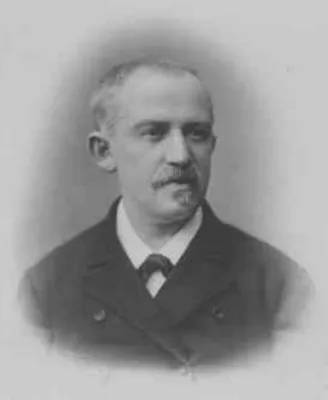
Stricker was the first to describe vasodilatation on stimulation of the posterior nerve roots.
1876
#2707
A case of haemophilia complicated with multiple naevi.
First description of multiple hereditary telangiectasis (“Rendu–Osler–Weber disease”).
1876
#11574
Methodik der physiologischen experimente und vivisectionen. 2 vols.
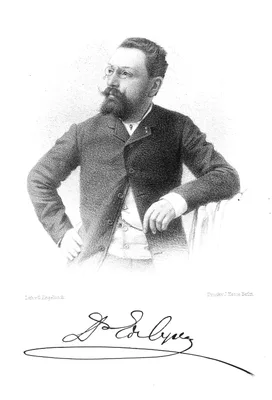
"This textbook and its remarkable atlas [of 54 plates] was used by Europe's leading physiologists as they expanded animal experimentation in an attempt to understand human function in health and disease" (W. Bruce Fye…
1876
#14097
Beobachtungen über die Befruchtung und Entwicklung des Kaninchens and Meerschweinchens.
Hensen's node. "Hensen’s research focused on the embryonic development of guinea pigs and rabbits. While studying those organisms he noticed something previously undiscovered—an enlarged area above the primitive strea…
1877
#823.1
Beiträge zur Kenntniss der Reizwell und Contractionswelle des Herzmuskels.
Marchand obtained the first electrocardiogram. Using the differential rheotome he measured the time course of the potential variations from the frog’s heart.
1877
#631
A text-book of physiology.
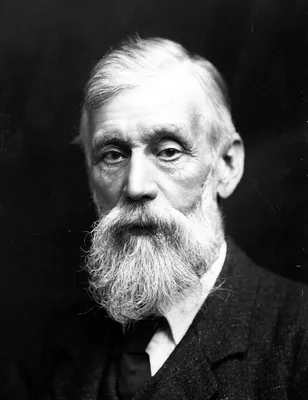
Foster was one of the greatest of the modern teachers of physiology. He became professor at Cambridge in 1883. Many great scientists are numbered among his pupils. See G.L. Geisen, Michael Foster and the Cambridge Sch…
1877 –1880
#632
Observations on the locomotor system of Medusae. 3 pts.
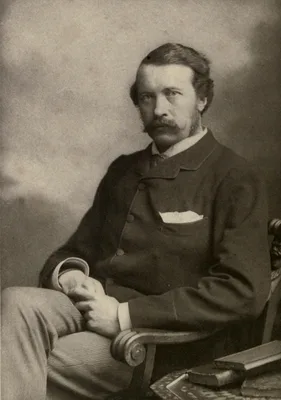
Charles Sherrington described the significance of Romanes' research on jellyfish in terms of its impact on cardiac physiology: "Romanes's observations carried out with simple means were novel and fundamental. The ques…
1877
#4624
Die Störungen der Sprache.
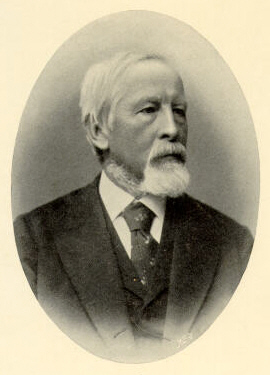
Kussmaul termed aphasia “word-blindness”. The book was issued as a supplement to vol. 12 of Ziemssen’s Handbuch der speciellen Pathologie und Therapie. English translation in Ziemssen’s Cyclopedia of the practice of m…
1878
#944
La pression barométrique. Recherches de physiologie expérimentale.
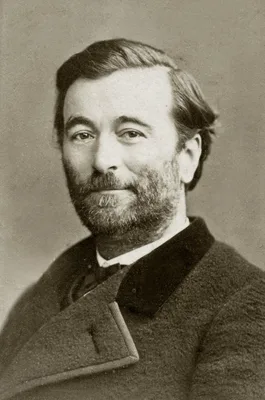
The most famous work in the history of altitude physiology, in which Bert proved that the principal symptoms of altitude sickness arise from reduced partial pressure of oxygen and not from diminution of total pressure…
1878
#499
The embryology of Clepsine.
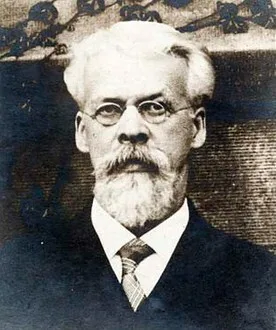
The study of cell-lineage was initiated by Whitman’s paper on Clepsine.
1878
#3826
Exstirpation einer Struma retroesophagea.
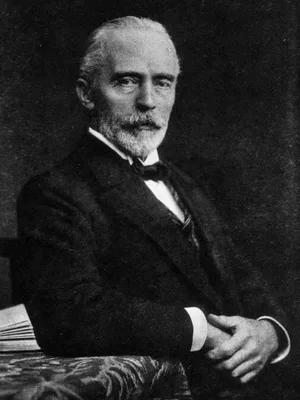
Kocher, a pupil of Billroth, was a pioneer of thyroidectomy for goitre. Before his time the operation was seldom performed. Garrison says that Kocher performed this difficult operation 2,000 times, with a mortality ra…
1878
#7294
La méthode graphique dans les sciences expérimentales et particulièrement en physiologie et en médecine.
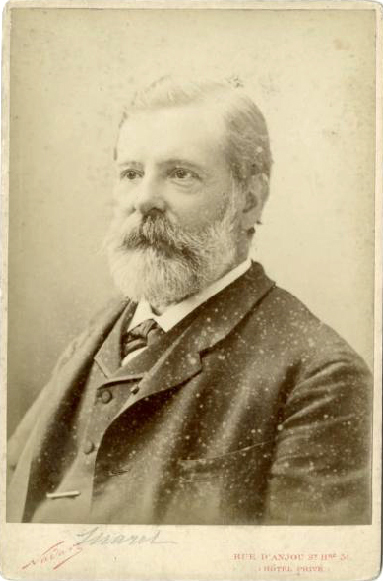
Marey pioneered the use of graphical recording in the experimental sciences, using instruments (many of his own invention) to capture and display data impossible to observe with the senses alone, and to record the pro…
1878
#12401
William Harvey: A history of the discovery of the circulation of the blood
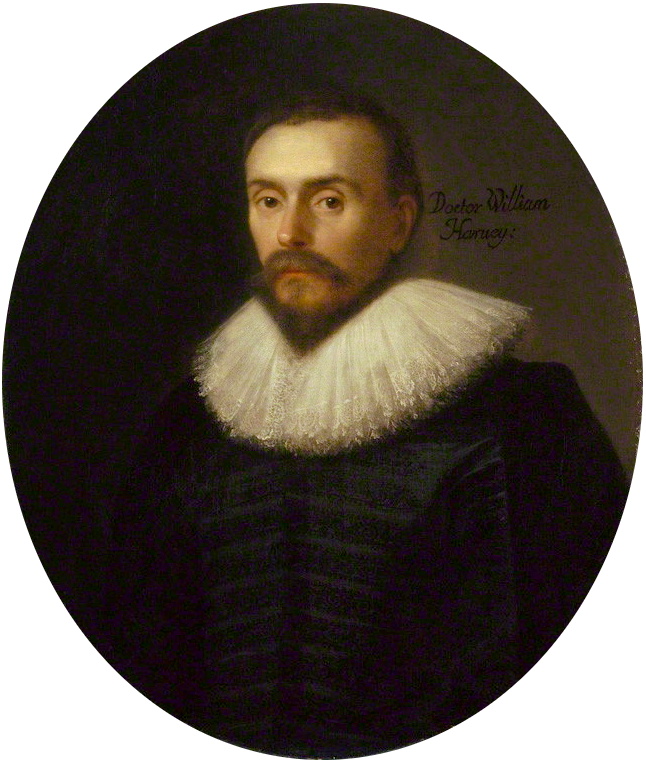
Digital facsimile from the Hathi Trust at this link.
1879 –1880
#824
On the time-relations of the excitatory process in the ventricle of the heart of the frog.
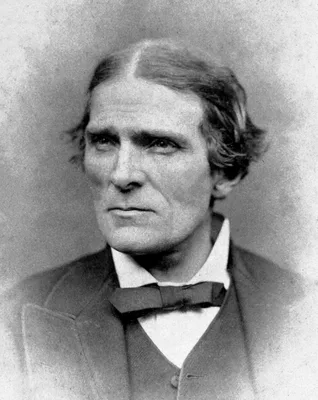
These workers were among the first to study the action currents of the heart, and made the first records (with the capillary electrometer) of the minute electrical current produced by the beating of the heart. See als…
1879
#634
Leçons de physiologie opératoire.
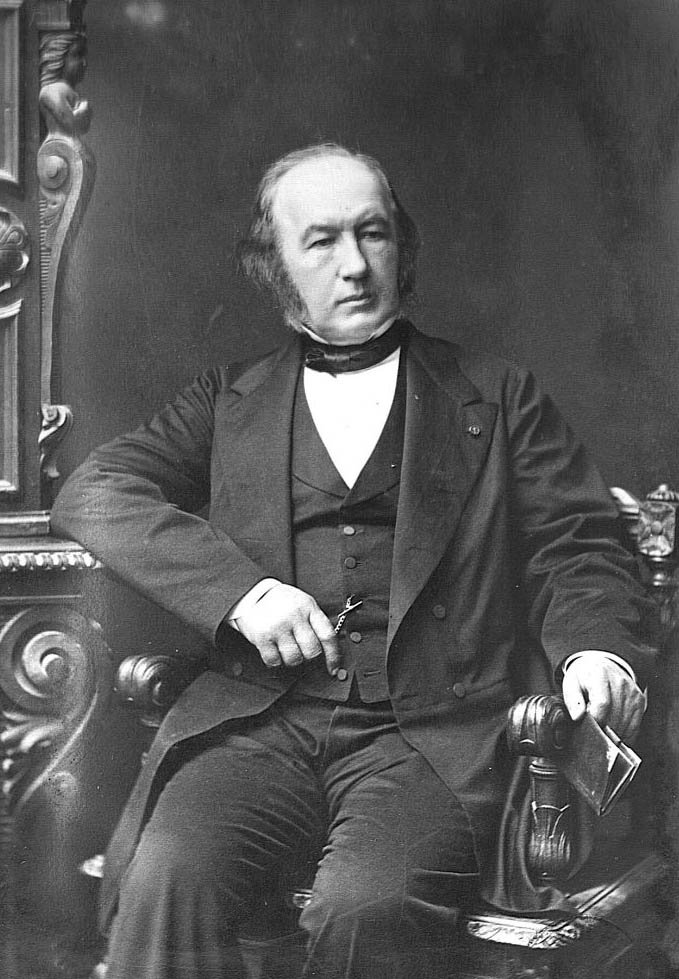
In this, his last work, Bernard showed himself “the unapproachable master in the technique of experimental procedure” (Garrison).
1879
#782.1
Sur la contractilité capillaires sanguins.
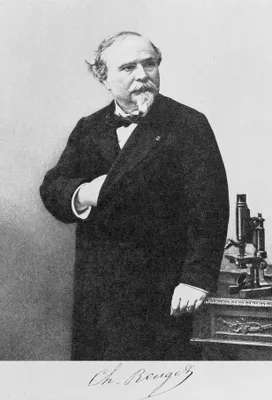
Rouget made an important investigation of the control of capillary circulation. He described cells (“Rouget’s cells”) on the outer surfaces of capillary walls, considered to be contractile. English translation in No. …
1879
#12274
Die Diagnostik des Pulses in Bezug auf die localen Veränderungen desselben.
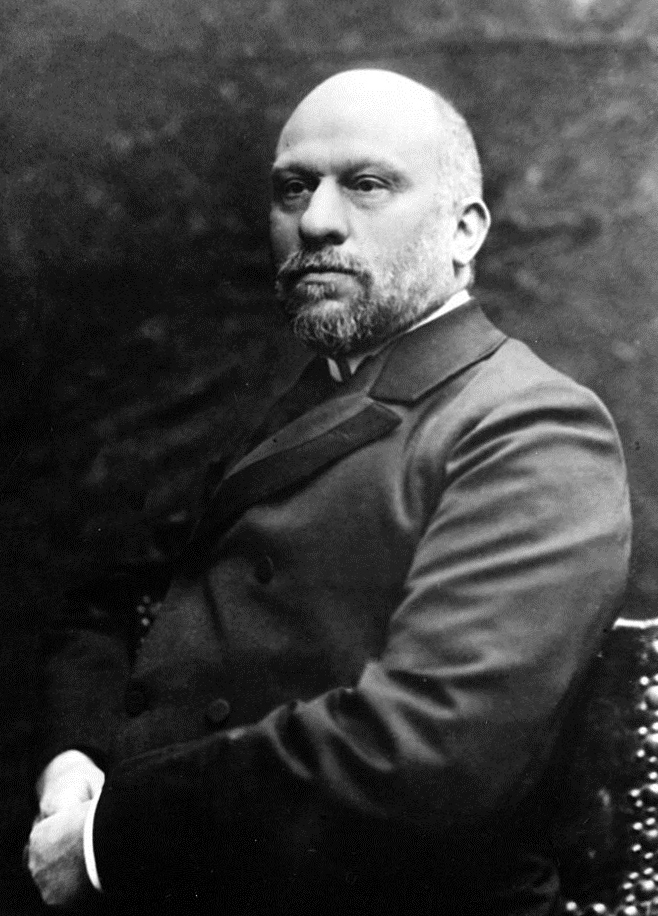
Bedford 56: "Pulse reporting by hydrosphygmograph by Italian physiologist Angelo Mosso (1846-1910), who was professor of pharmacology at Turin University." Digital facsimile from the Internet Archive at this link.
1880
#825
Zur Genese der Herztöne.
1880 –1882
#826
Regarding the action of hydrate of soda, hydrate of ammonia, and hydrate of potash on the ventricle of the frog’s heart.
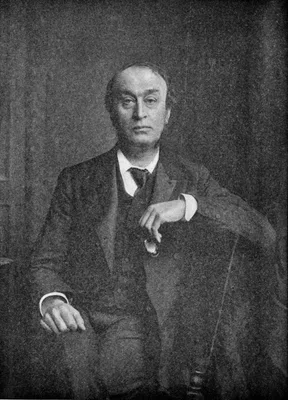
“Ringer’s solution”
1880 –1881
#500
A treatise on comparative embryology. 2 vols.
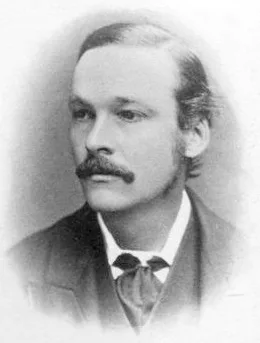
This work sums up all the previous knowledge on the subject, and includes Balfour’s own significant contributions. Balfour, a pupil of Michael Foster, became professor of animal morphology in 1882; in the same year he…
1880 –1885
#501
Anatomie menschlicher Embryonen. 3 pts. and atlas.
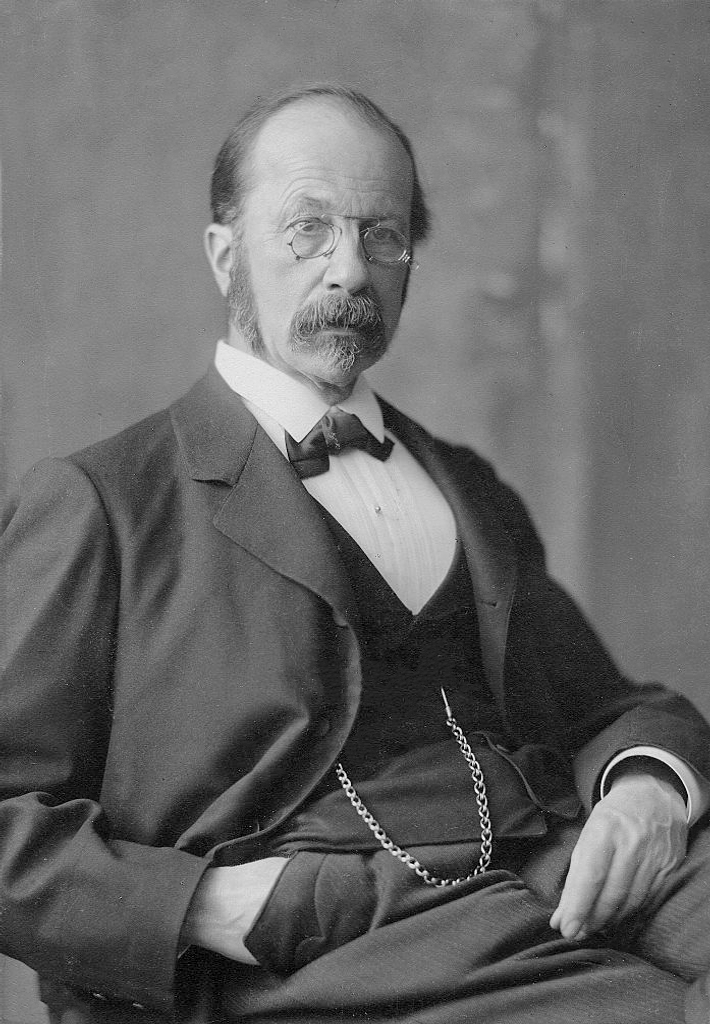
A systematic account of early human embryology that stimulated further investigation in a field in which His stood highest among his contemporaries. He was the first to study the human embryo as a whole.
1880
#13169
The physiology of woman, embracing girlhood, maternity, and mature age, with essays on the "Coeducation of the sexes in medicine," "The physiological basis of education," "Temperance from a physician's point of view, and "A plea for moderation."
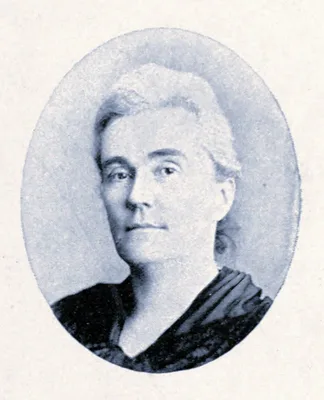
Stevenson was the first woman member of the American Medical Association (AMA), the first woman appointed on the Illinois State Board of Health, and the first woman to be on staff at the Cook County Hospital in Chicag…
1881
#827
On a method of isolating the mammalian heart.
Martin devised a form of perfusion of the isolated mammalian heart – one of the greatest single contributions ever to come from an American physiological laboratory. This made possible his later work on the heart. See…
1881
#635
Handbuch der Physiologie des Gesammt-Stoffwechsels und der Fortpflanzung.
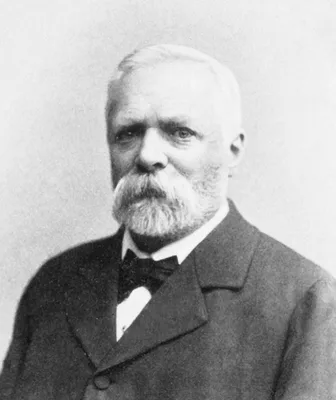
Forms vol. 6, pt. 1 of Hermann’s Handbuch der Physiologie.
1881
#502
Die Coelomtheorie. Versuch einer Erklärung des mittleren Keimblattes.
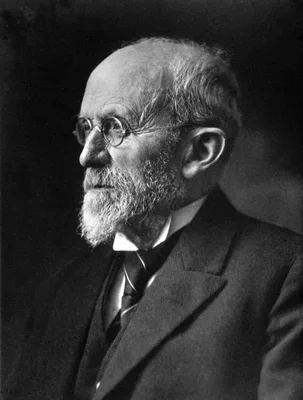
The Hertwig brothers formulated the “coelom” theory to account for the classification and phylogeny of metazoan animals. Digital facsimile from the Internet Archive at this link.
1881
#783
La circulation du sang à l’état physiologique et dans les maladies.
1881
#2784
Ueber die Messung des Blutdrucks am Menschen.
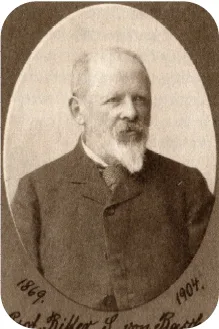
Basch’s important modifications of the methods of blood-pressure recording mark the beginning of clinical sphygmomanometry. English translation in Ruskin (No. 3160.1).
1881
#5236
Un nouveau parasite trouvé dans le sang plusieurs malades atteints de fièvre palustre.
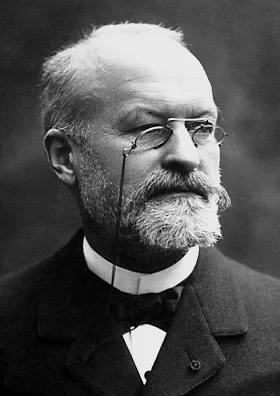
Laveran first saw the malaria parasite on 20 October 1880; he at once recognized its significance. He named it Oscillaria malariae. English translation in Kean (No. 2268.1). Laveran also published a monograph on the d…
1882
#828
Observations on the direct influence of variations of arterial pressure upon the rate of beat of the mammalian heart.
1882
#829
On the rhythm of the heart of the frog, and on the nature of the action of the vagus nerve.
Croonian Lectures, 1881. Gaskell’s classical memoir on the muscles and nerves of the heart included a description of “Gaskell’s nerves”, the accelerator nerves of the heart. He showed that the motor impulses from the …
1882
#882
Mésure du volume de sang contenu dans l’organisme d’un mammifére vivant.
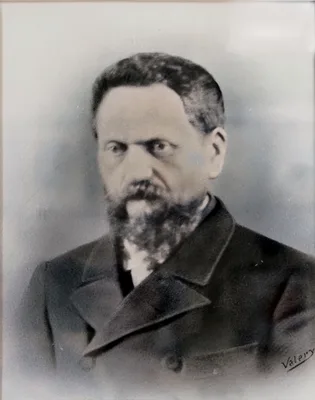
A method of determining blood volume with carbon monoxide.
1882
#1571
The experimental method in medical science.
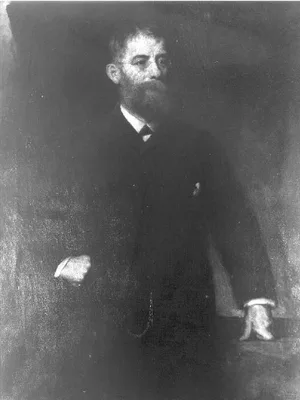
Dalton, Professor of Physiology at the universities of Buffalo and Vermont, and the College of Physicians and Surgeons, New York, was the first American to devote his time exclusively to that subject. He was present a…
1882 –1883
#702
Zur Chemie des Zellkerns.
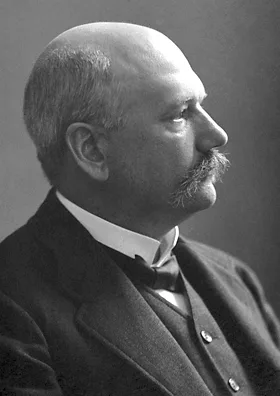
Among the many important contributions of Kossel was his study of the chemistry of the cell and cell-nucleus. Kossel correctly concluded that the function of nuclein is neither to act as a storage substance nor to fur…
1882
#2331
Die Aetiologie der Tuberkulose.
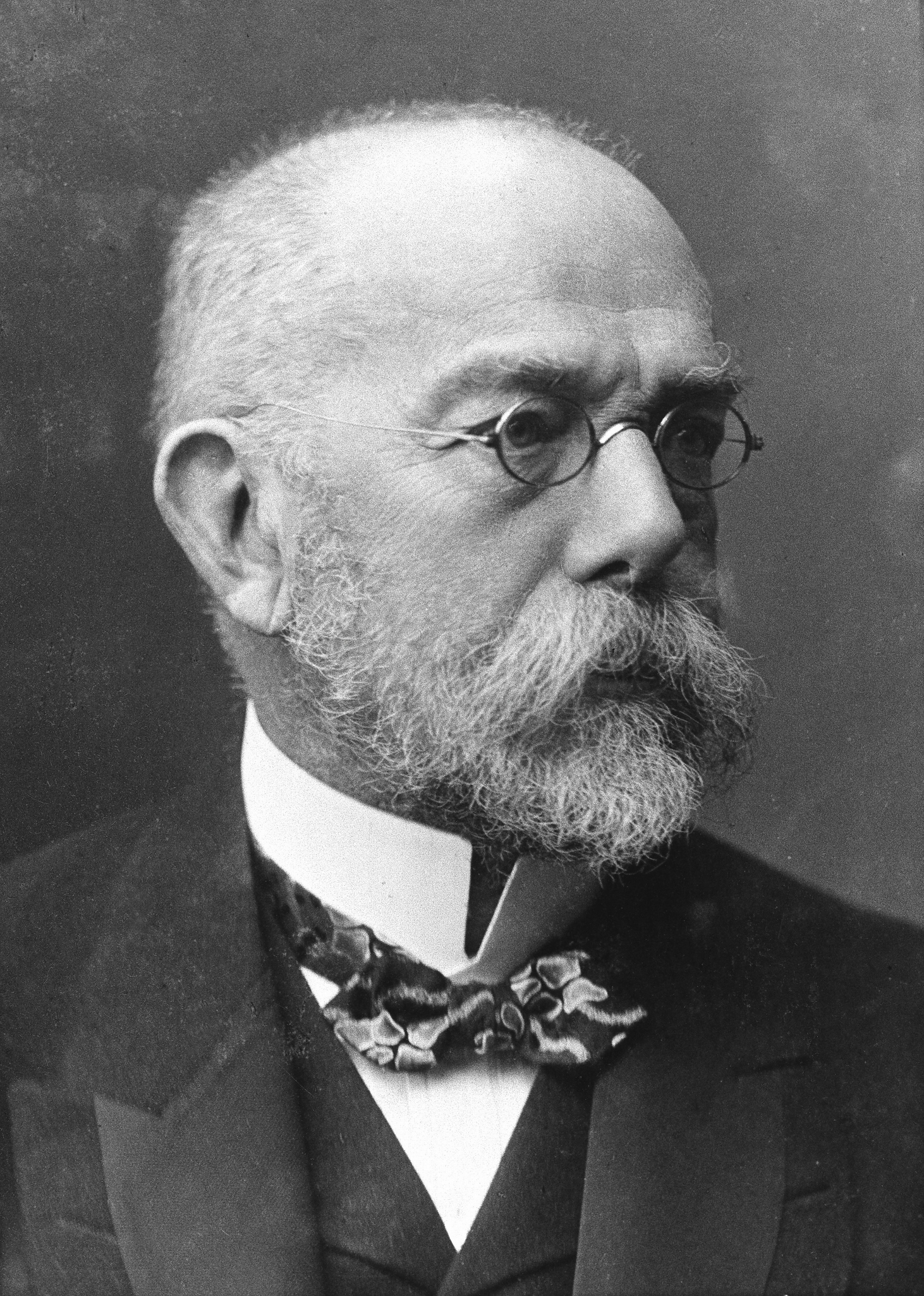
Discovery of the tubercle bacillus announced March 24, 1882. This paper also contains a statement of “Koch’s postulates”. See also Nos. 2536 and 5167. Koch published a fuller account as "Die Aetiologie der Tuberkulose…
1882 –1883
#11737
"A study of the malformations, variations, and anomalies of the circulatory apparatus in man," with a brief consideration of some of the principles governing their production.
A pioneering study of the embryology of the cardiovascular system and its relationship to congenital heart disease.
1882
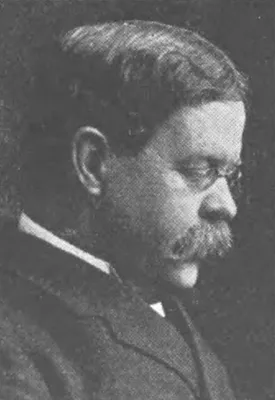
#12264
Observations on the mean pressure and the characters of the pulse wave in the coronary arteries of the heart.
1882
#14028
Experimental physiology: Its benefits to mankind, with an address on unveiling the statue of William Harvey at Folkestone 6th August 1881.
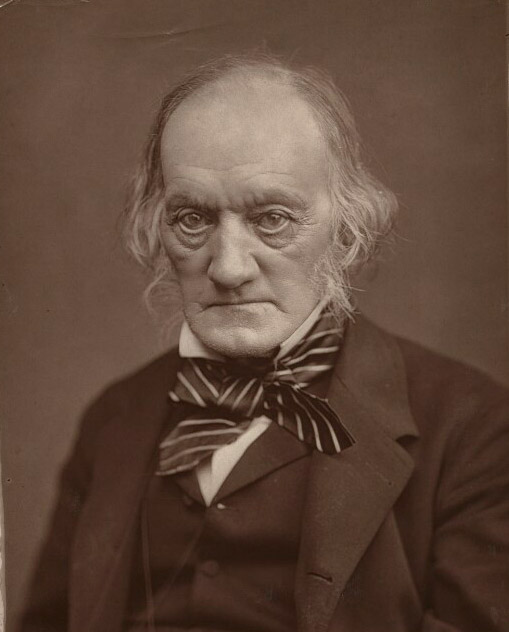
A little-known historical work on the history of physiology and the history of medicine by Owen, who, even though he was trained in medicine, most often wrote on topics in comparative anatomy, zoology, paleontology an…
1883 –1884
#830
On the innervation of the heart, with special reference to the heart of the tortoise.
Gaskell showed that the efferent vasoconstrictor fibers of the heart originated from the lateral horn of the spinal cord.
1883 –1884
#831
On the electrical phemomena of the excitatory process in the heart of the frog and of the tortoise, as investigated photographically.
See No. 824. This paper contains several tracings of the heart's electrical activity recorded with a capillary electrometer, the earliest graphic recorder of bioelectric signals. These were the "first undistorted trac…
1883
#832
The direct influence of gradual variations of temperature upon the rate of beat of the dog’s heart.
Martin was among the first to study the effect of temperature changes upon the isolated heart.
1883
#502.1
Récherches sur la maturation de l’oeuf, la fécondation et la division cellulaire.
This work extended Hertwig’s work on fertilization (No. 495) down to the level of chromosomes, which were clearly visible in Ascaris after the sperm and egg united.
1883
#503
Untersuchungen über Bastardirung der anuren Batrachier und die Principien der Zeugung.
Pflüger was one of the earliest workers in the field of experimental embryology. Above, his first work on the subject, deals with the cross fertilization of different species of frog.
1883
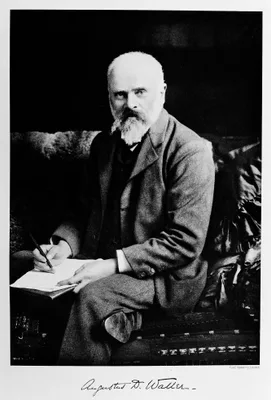
#1279
On the influence of the galvanic current on the excitability of the motor nerves of man.
1883
#1875
Grundriss der Arzneimittellehre.
Schmiedeberg, leading German pharmacologist, was professor at Dorpat and Strasburg. Among his many valuable investigations may be mentioned his study of the effect of drugs on the circulation.
1884
#1572
Doctrines of the circulation.
1884 –1889
#784
Das Venensystem des menschlichen Körpers. 2 pts. and atlas.
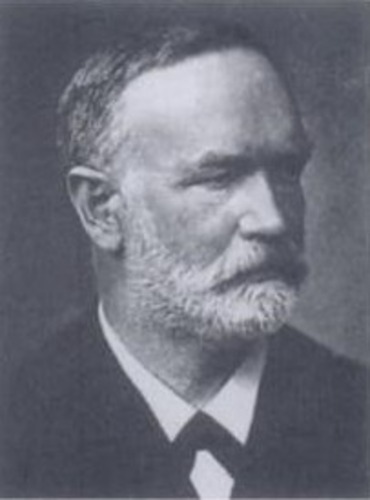
Like Braune’s other anatomical works, this is notable for its excellent illustrations.