
Facets
Browse across eight MeSH (opens in new tab) facets — era, geography, science, specialty, technology, history, culture, and reference. Select one tag per group; counts update across the others. What’s new in facet browse how facets relate to subjects and MeSH.
Clear filtersGeography
Specialties & Disease
- Alternative & Fringe Medicine 383
- Anatomy & Pathology 765
- Cardiology & Blood 914
- Dentistry 259
- Diabetes 80
- ENT & Hearing 293
- Epidemiology & Demography 397
- Gastroenterology & Hepatology 316
- General Clinical Medicine 487
- Immunology & Dermatology 1,008
- Infectious Disease (General) 147
- Internal, Emergency & Geriatric 123
- Microbiology & Virology 1,080
- Military Medicine 436
- Neurology & Psychiatry 1,258
- Obstetrics & Reproductive 551
- Oncology & Cancer 377
- Ophthalmology & Vision 412
- Pediatrics 247
- Physiology & Embryology 924
- Plagues & Epidemics 1,279
- Psychology 202
- Public Health 1,129
- Pulmonary & Respiratory 233
- Rheumatology, Rehab & Pain 189
- Surgery & Anesthesia 1,553
- Urology & Nephrology 309
- Veterinary Medicine 165
Social & Historical Studies
Institutions & Culture
Reference & Scholarly Works
1,258 entries match Neurology & Psychiatry [C10 / F04]
1874
#1408
Untersuchungen über das Gehirn.
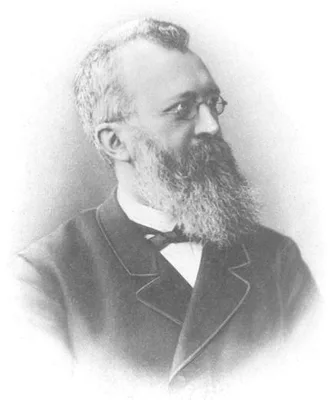
Hitzig accurately defined the limits of the motor area in the cerebral cortex of the dog and the monkey.
1874
#4845
Anorexia nervosa (apepsia hysterica, anorexia hysterica).
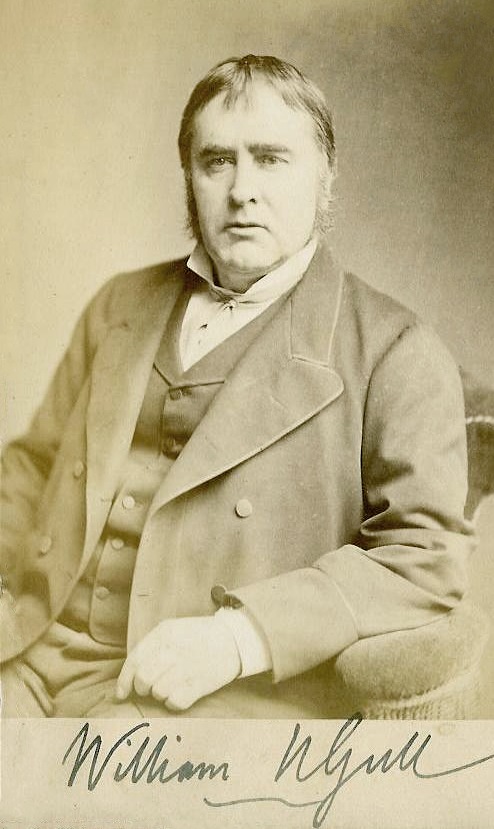
Classic description of anorexia nervosa.
1874
#4938
Die Katatonie oder das Spannungsirresein, Eine klinische Form psychischer Krankheit.
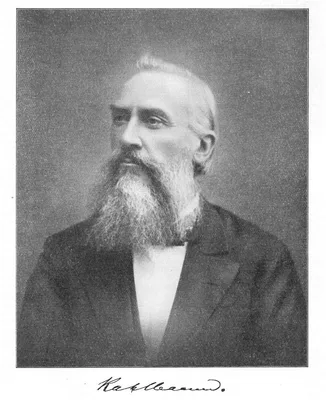
In 1869 Kahlbaum suggested catatonia as a separate disease entity and in 1874 his classic monograph appeared. English translation, Baltimore, 1973. Digital facsimile of the 1874 edition from wellcomecollection.org at …
1875
#4553
On rest in the treatment of nervous disease.
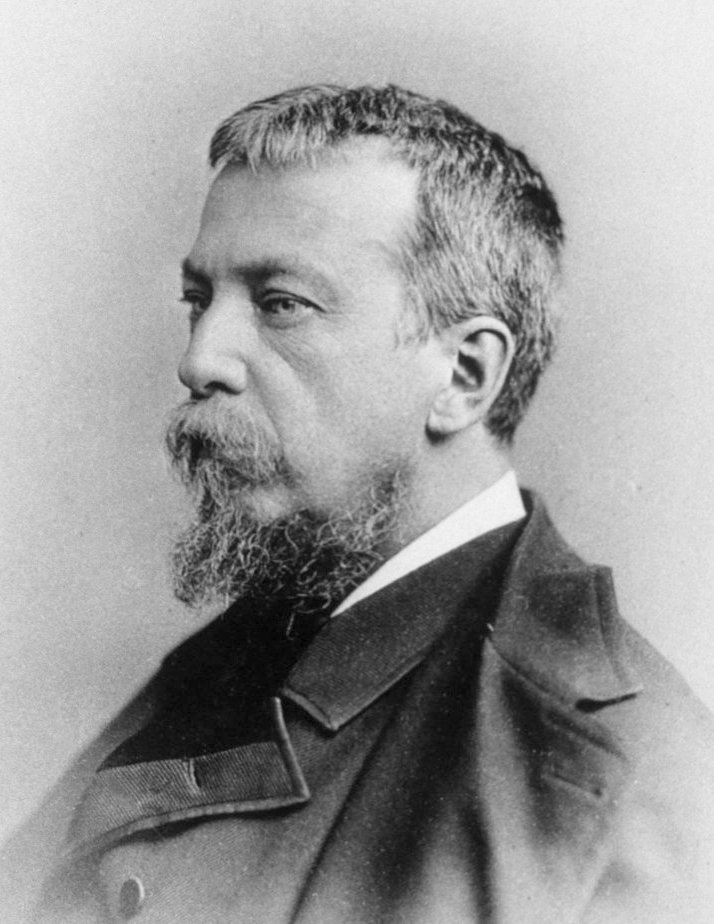
First account of the “Weir Mitchell treatment”.
1875
#4556
Ueber einen wenig bekannten spinalen Symptomencomplex.
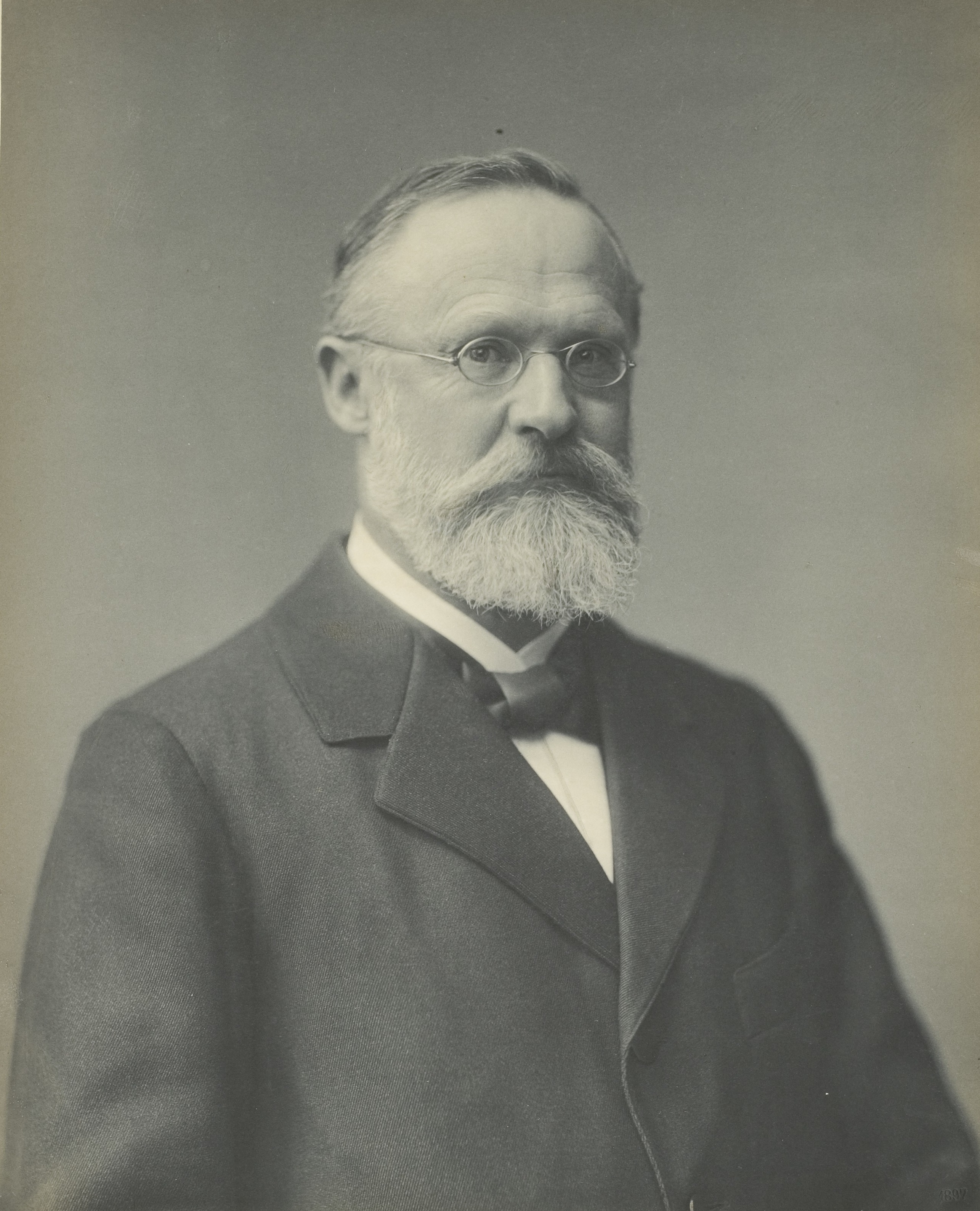
“Erb–Charcot disease” (spastic spinal paralysis).
1875
#4641
Affection encéphalique (encéphalite diffuse probable) localisée aux étages supérieurs des pédoncules cérébraux et aux couches optiques.
First description of acute superior hemorrhagic polioencephalitis. Called also “Wernicke’s encephalopathy”, following the latter’s description in his Lehrbuch der Gehirnkrankheiten, Kassel, 1881, 2, 229-42.
1875
#4665.1
Ueber acute Spinällahmung (Poliomyelitis anterior acuta) bei Erwachsenen und über verwandte spinale Erkrankungen.
Erb was first to use the term “acute anterior poliomyelitis”.
1875 –1876
#4743
Klinik der Rückenmarks-Krankheiten. Bd. 2, pt.2.
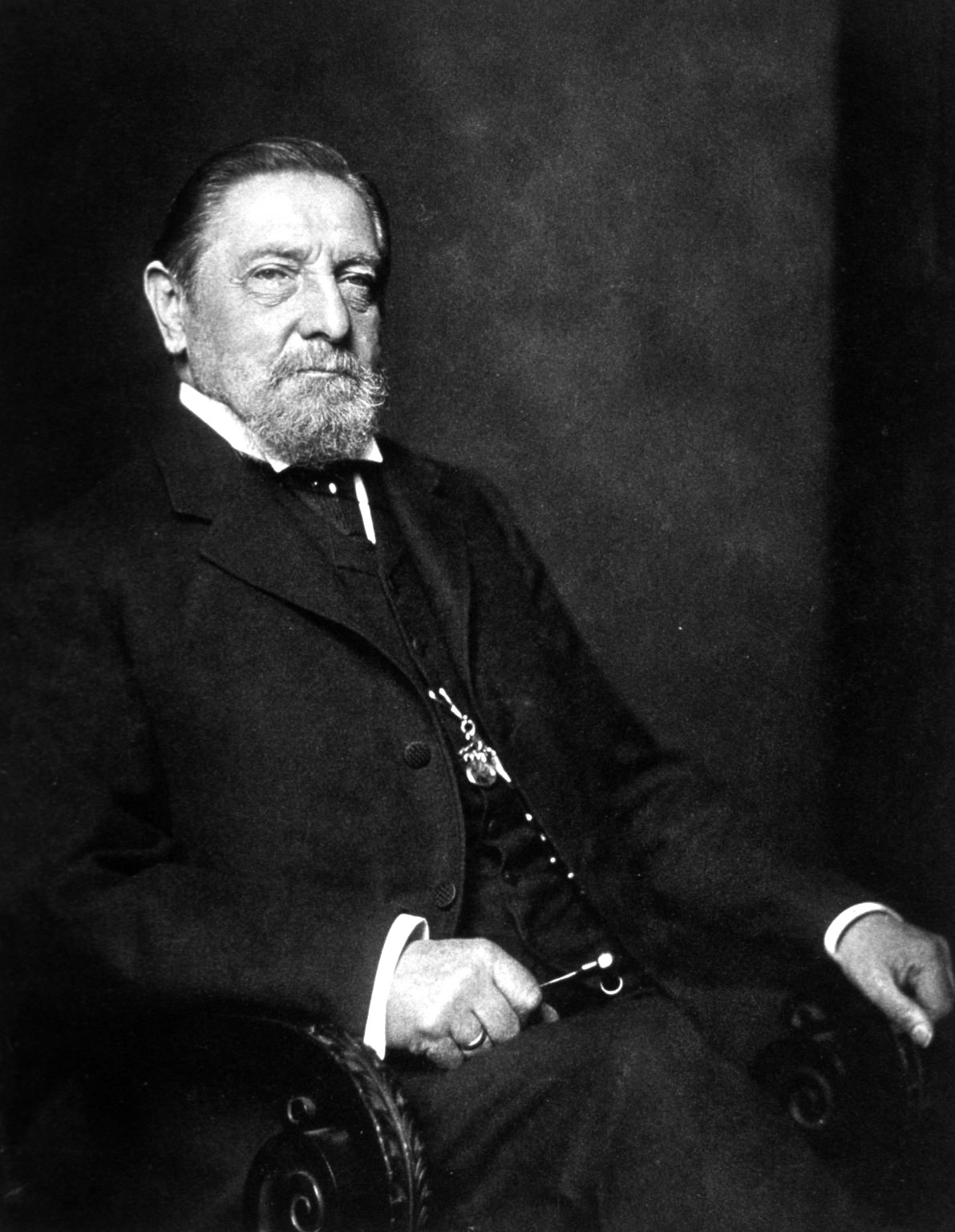
First description of myotonia congenita occurs on p. 550.
1875
#4780
Ueber Sehnenreflexe bei Gesunden und bei Rückenmarkskranken.
Knee-jerk first used as diagnostic measure in tabes dorsalis.
1875
#4781
Ueber einige durch mechanische Einwirkung auf Sehnen und Muskeln hervorgebrachte Bewegungs-Erscheinungen.
Westphal discovered the diagnostic value of the knee-jerk simultaneously with Erb.
1875
#4817
Case of hemikinesis.
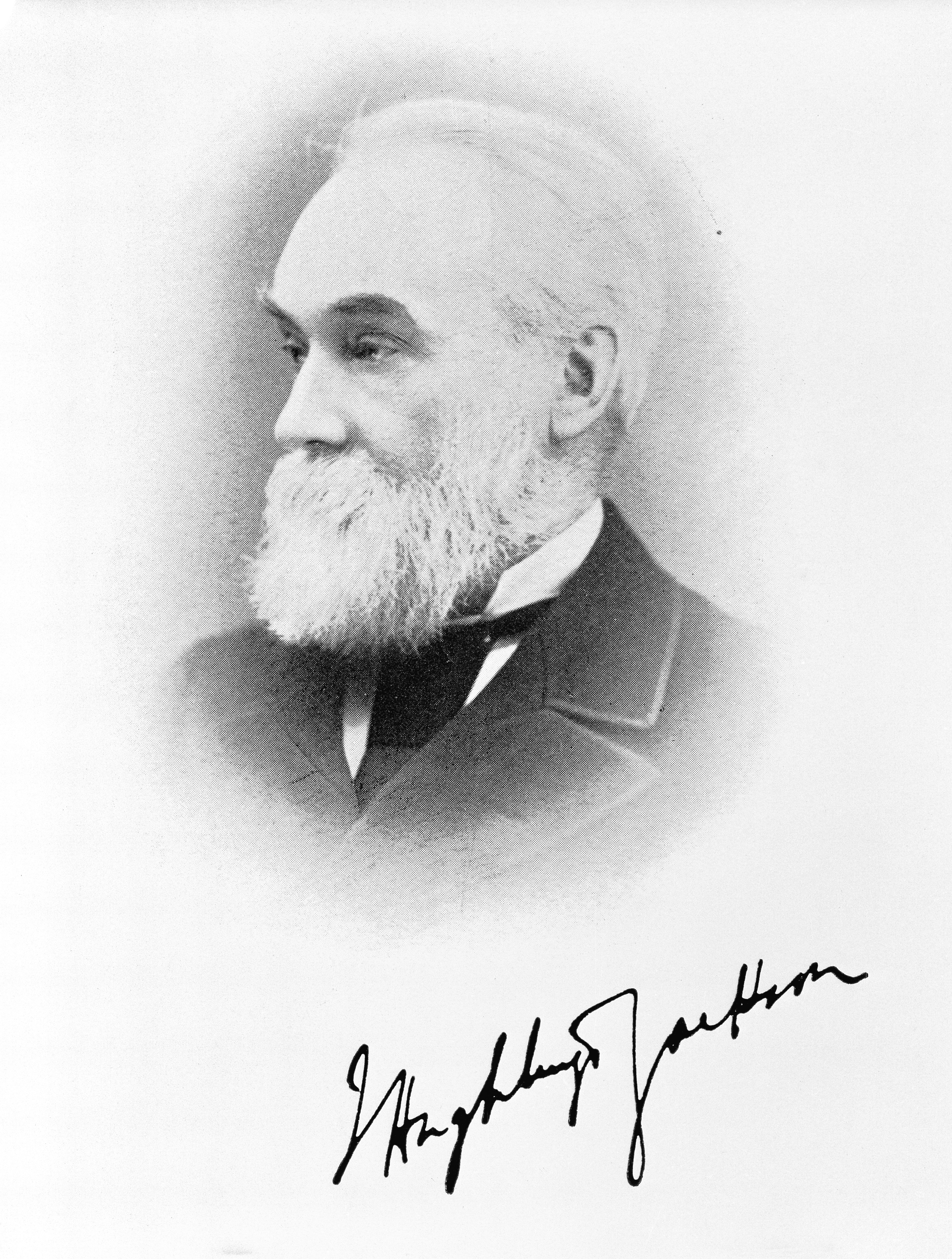
1875
#1408.1
The electric currents of the brain.
Caton succeeded in leading off action potentials from the brains of animals, a first step towards the development of the electroencephalograph. See also Brit. med. J., 1877, 1, Suppl. 62-75.
1875 –1876
#1408.2
Studien in der Anatomie des Nervensystems und des Bindegewebes. Erste Hälfte und zweite Hälfte, erste und zweite Abtheilung. 2 vols.
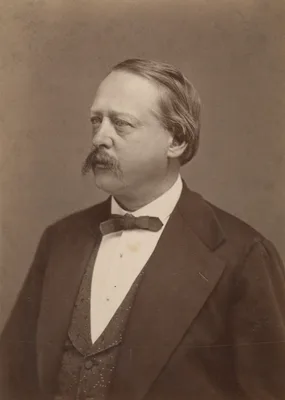
One of the most strikingly beautiful neuroanatomies ever published, with exquisite reproductions of the color dye injection experiments. The authors confirmed the existence of the foramina of Magendie and Luschka, and…
1875
#1748
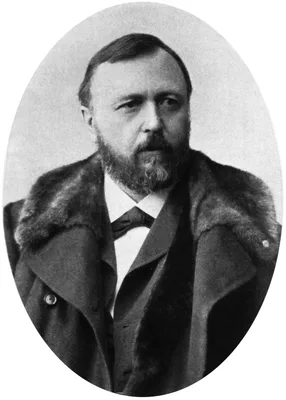
Lehrbuch der gerichtlichen Psychopathologie.
1875 –1888
#4067
Illustrations of clinical surgery. 2 vols.
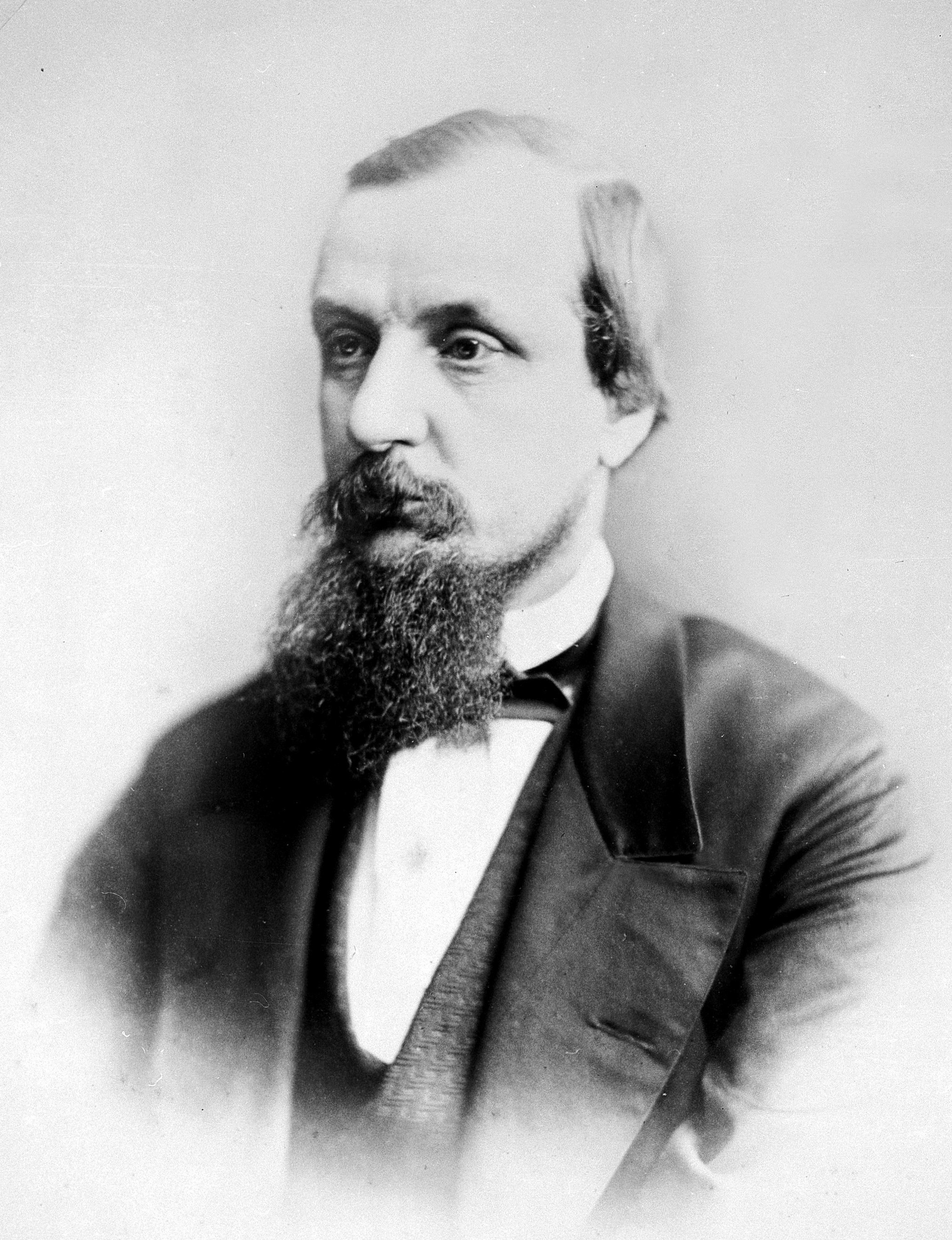
Vol. 1 pp. 49-52: Hutchinson’s classic description of cheiropompholyx, dysidrosis (“Hutchinson’s disease”). The first description and illustration of sarcoidosis is on p. 42.
1876
#551
Ueber den Bau der Meissner’schen Tastkörperchen.
Includes first account of the demonstration of nerve endings by means of the gold chloride method.
1876 –1878
#4557
Handbuch der Krankheiten des Nervensystems.
Erb was Professor of Neurology at Heidelberg. He gave the original descriptions of several nervous disorders, especially the muscular dystrophies, and was a pioneer in the use of electrotherapy.
1876 –1880
#4558
Leçons sur les localisations dans les maladies du cerveau.
Charcot is especially notable for his important study of the localization of functions in diseases of the brain. Volume two is entitled Leçons sur les localisations dans les maladies du cerveau et de la moëlle épinièr…
1876
#4744
Tonische Krämpfe in willkürlich beweglichen Muskeln in Folge von ererbter psychischer Disposition (Ataxia muscularis?).
Thomsen suffered from muscle weakness and cramps, an issue that all his sons inherited. Realizing that this was a hereditary disease, Thomsen managed to trace the disease for six generations, and found over 20 cases o…
1876
#782
Untersuchungen über die Gefässernerven-Wurzeln des Ischiadicus.
Stricker was the first to describe vasodilatation on stimulation of the posterior nerve roots.
1876
#1409
The functions of the brain.
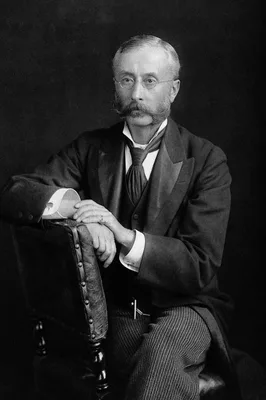
Ferrier may be said to have laid the foundations of our knowledge concerning the localization of cerebral function. His book includes his earlier work published in the West Riding Lunatic Asylum Reports. Digital facsi…
1876
#1410
Die Leitungsbahnen im Gehirn und Rückenmark des Menschen auf Grund entwicklungsgeschichtlicher Untersuchungen dargestellt.
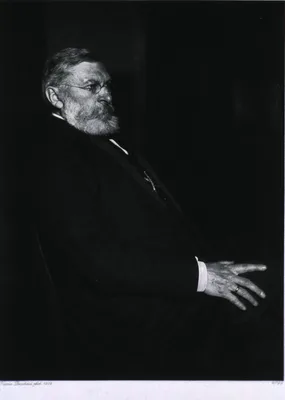
Flechsig mapped out the motor and sensory areas of the cerebral cortex, and named the “pyramidal tract”. See Clarke & O'Malley, The human brain and spinal cord, p. 857, and pp. 277-81. Digital facsimile from Bayerisch…
1876
#4833
Beitrag zur Tetanie.
“Chvostek’s sign”, a reliable diagnostic sign in latent tetany in small children.
1876 –1880
#4558.1
Iconographie photographique de la Salpêtrière. Service de M. Charcot. 3 vols.
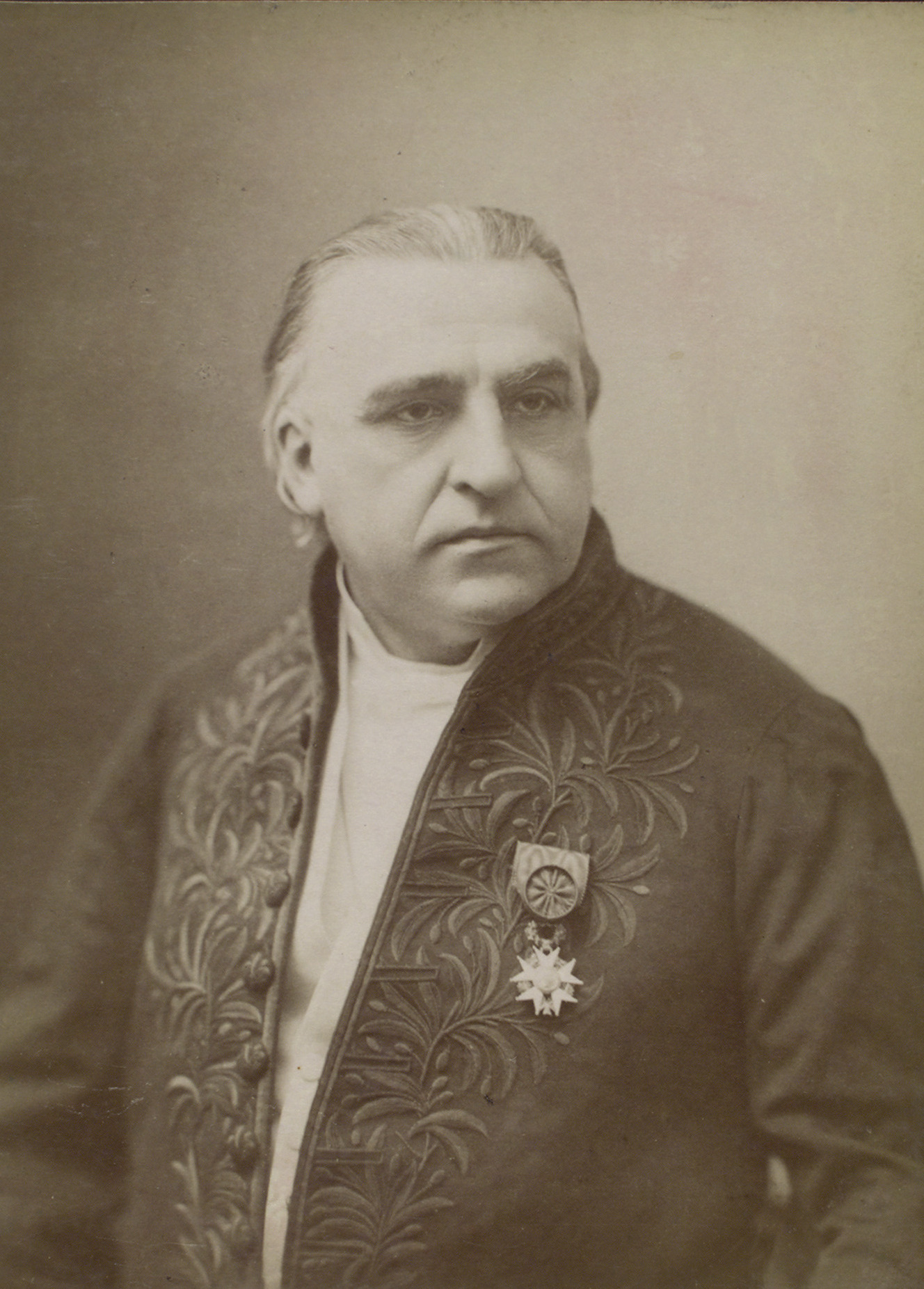
A photographic atlas devoted to cases of hysteria and epilepsy, with case histories; the third volume includes discussions of hypnotism, somnambulism and magnetism. Bourneville was Charcot’s assistant at the Salpêtriè…
1876
#13103
Nouveau traité élémentaire et pratique des maladies mentales. Suivi de considérations pratiques sur l'administration des asiles d'aliénés.
The first psychiatric textbook to utilize photographic illustrations of patients. This was the second edition of Dagonet's Traité élémentaire et pratique des maladies mentales (1862). The second edition included 8 Woo…
1877
#4554
Fat and blood and how to make them.
Includes full account of Weir Mitchell’s rest cure for nervous disorders.
1877
#4555
The relation of pain to weather, being a study of the natural history of a case of traumatic neuralgia.
First study of the subject.
1877
#4624
Die Störungen der Sprache.
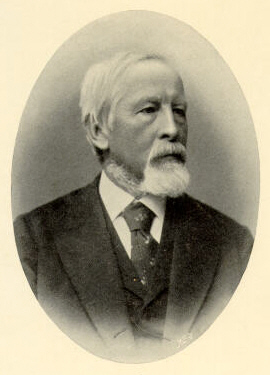
Kussmaul termed aphasia “word-blindness”. The book was issued as a supplement to vol. 12 of Ziemssen’s Handbuch der speciellen Pathologie und Therapie. English translation in Ziemssen’s Cyclopedia of the practice of m…
1877
#4745
On cerebritis, hysteria, and bulbar paralysis, as illustrative of arrest of function of the cerebro-spinal centres.
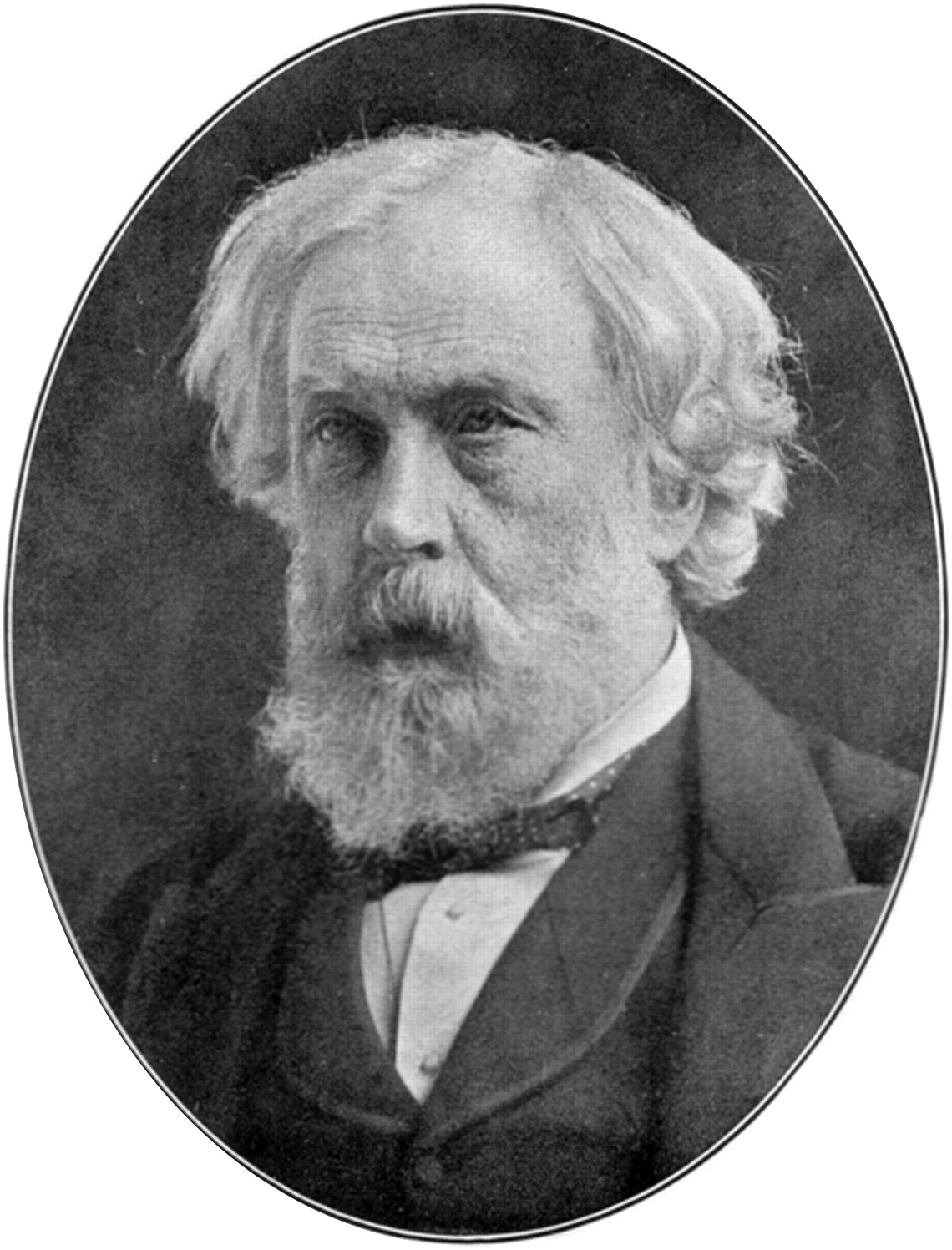
The case of “bulbar paralysis” (pp. 45-55) is believed to be the first definite record of myasthenia gravis.
1877
#4799
A case of general paralysis at the age of sixteen.
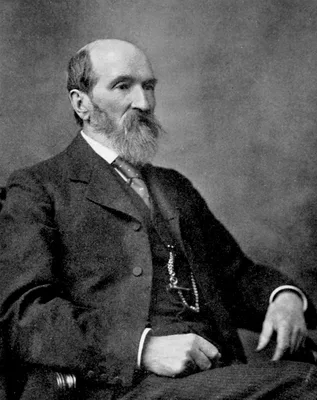
Clouston, eminent English psychiatrist, was the first definitely to recognize the relationship between paresis and congenital syphilis and to report a case. This paper is also of interest as being the only recorded ca…
1877
#1411
Untersuchungen über die Haubenregion und ihre oberen Verknüpfungen im Gehirne des Menschen und einiger Säugethiere, mit Beiträgen zu den Methoden der Gehirnuntersuchung.
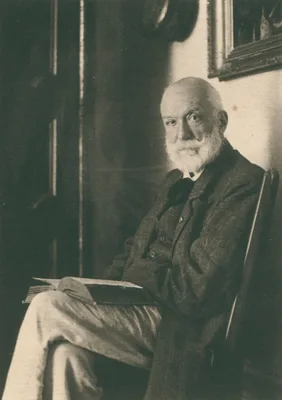
Forel elucidated the subthalamic region, “campus Foreli”.
1877
#1274
Ueber die Ermüdung und Erholung der Nerven.
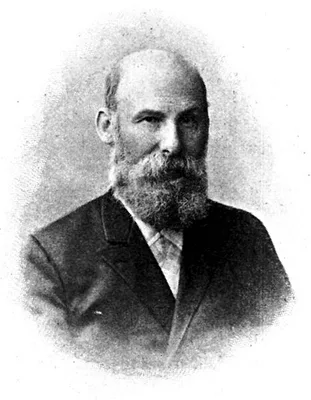
After successfully tetanizing a nerve-muscle preparation, Bernstein inferred, from this and additional data, that nerve is exhausted in the process. This conflicted with the findings of Bowditch (No. 1281-82) and Vved…
1878
#4559
Neuropathologische Beobachtungen.
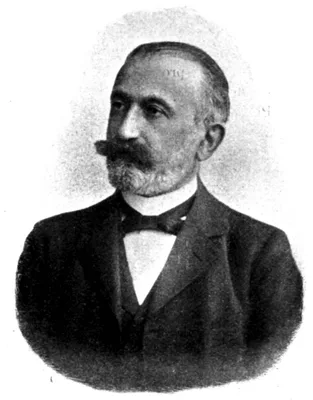
Bernhardt drew attention to meralgia paraesthetica in the leg (“Bernhardt’s disease”) due to disease of the external cutaneous nerve of the thigh.
1878
#1412
On the comparative structure of the cortex cerebri.
Lewis described the giant cells of the precentral convolution.
1878
#1276
Leçons sur l’histologie du système nerveux. 2 vols.
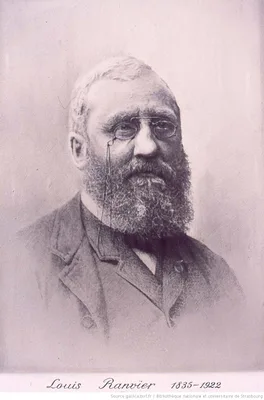
Includes his description of the “nodes of Ranvier”, interruptions of the medullary nerve sheaths.
1879
#4560
Topische Diagnostik der Gehirnkrankheiten.
On p. 220 is the description of unilateral oculomotor paralysis combined with cerebellar ataxia, “Nothnagel’s syndrome”.
1879
#4560.1
A case of partial epilepsy, apparently due to a lesion of one of the vasomotor centres of the brain.
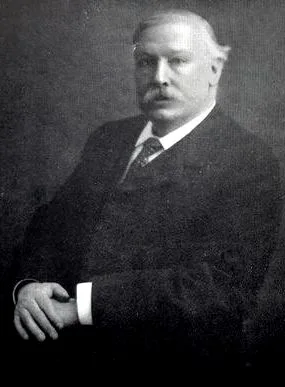
“Sturge–Weber syndrome” – association of a port-wine nevus in the skin of the face with a vascular abnormality of the meninges on the same side. See No. 4605.2.
1879 –1880
#4666
Ueber Poliomyelitis und Neuritis.
Leyden enjoyed a great reputation as a neurologist and his paper on poliomyelitis and neuritis is one of his best works. He was one of the founders of the journal in which it appeared.
1879
#4746
Ueber einen eigenthümlichen bulbären (?) Symptomenkomplex.
Myasthenia gravis (“Erb-Goldflam disease”; see also No. 4757). A further paper on the subject by Erb appears in the above volume, pp. 325-50.
1879
#4940
Lehrbuch der Psychiatrie auf klinischer Grundlage.
English translation, Philadelphia, 1905.
1879
#5917
On astigmatism as a cause for persistent headache and other nervous symptoms.
Thomson was a pioneer in the study of refraction. He was much interested in color-blindness and modified Holmgren’s wool-skein test. Himself affected with hypermetropia, he made important investigations on this condit…
1879
#14295
Fasting girls: their physiology and pathology.
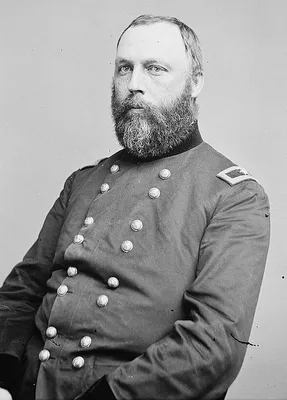
Digital facsimile from Google Books at this link.
1880
#4562
The diagnosis of diseases of the spinal cord.
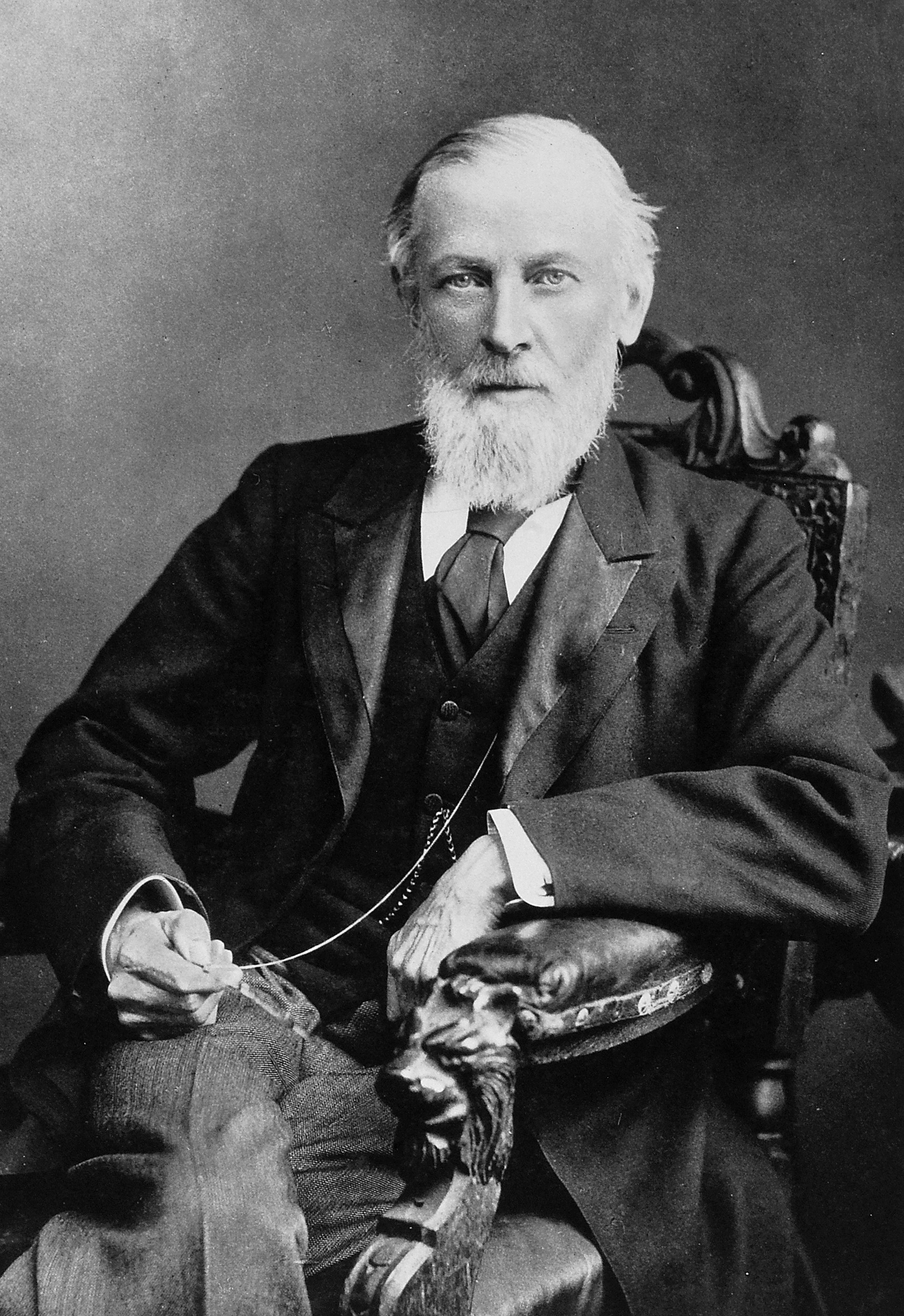
Gowers demonstrated the dorsal spinocerebellar tract, “Gowers’s tract”, and introduced the terms myotatic and knee-jerk, which he elicited with the rubber edge of his stethoscope or a percussion hammer.
1880
#4700
Contribution à l’étude de l’idiotàie.
“Bourneville’s disease”, tuberous sclerosis, epiloia (p. 81). Digital facsimile from biuSante.parisdescartes.fr at this link. For the history of the understanding of this disease see the remarkable Wikipedia Timeline …
1880
#1277
Sulla struttura delle fibre nervosa midollate periferiche e centrali.
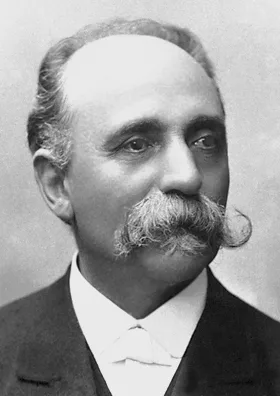
“Golgi cells” first described.
1880
#1278
Studien über mechanische Nervenreizung.
Contains important work on the effects of mechanical stimulation of nerve.
1880
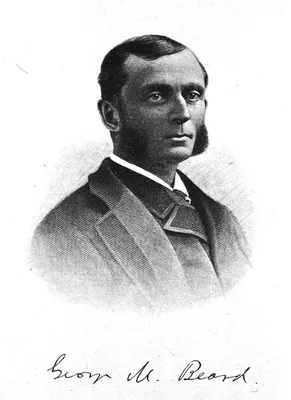
#4846
A practical treatise on nervous exhaustion (neurasthenia).
1880 –1881
#5918
Symmetrical changes in the region of the yellow spot in each eye of an infant.
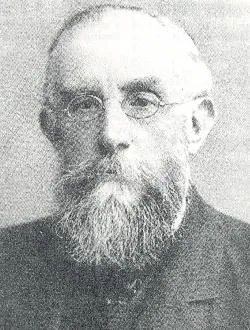
Tay was the first to describe amaurotic familial idiocy, his paper dealing mainly with the ocular manifestations. The condition later became known as “Tay-Sachs’s disease” (see also No. 4705).
1880
#4561
De la narcolepsie.
Narcolepsy first fully described.
1880
#6838
Sulla circolazione del sangue nel cervello dell’uomo. Ricerche sfigmografiche.
In this work Angelo Mosso reported his discovery that blood circulation in the brain increases in certain discrete areas during mental activity, and published the records of this activity produced by the machine he in…