
Facets
Browse across eight MeSH (opens in new tab) facets — era, geography, science, specialty, technology, history, culture, and reference. Select one tag per group; counts update across the others. What’s new in facet browse how facets relate to subjects and MeSH.
Clear filtersGeography
Specialties & Disease
- Alternative & Fringe Medicine 383
- Anatomy & Pathology 765
- Cardiology & Blood 914
- Dentistry 259
- Diabetes 80
- ENT & Hearing 293
- Epidemiology & Demography 397
- Gastroenterology & Hepatology 316
- General Clinical Medicine 487
- Immunology & Dermatology 1,008
- Infectious Disease (General) 147
- Internal, Emergency & Geriatric 123
- Microbiology & Virology 1,080
- Military Medicine 436
- Neurology & Psychiatry 1,258
- Obstetrics & Reproductive 551
- Oncology & Cancer 377
- Ophthalmology & Vision 412
- Pediatrics 247
- Physiology & Embryology 924
- Plagues & Epidemics 1,279
- Psychology 202
- Public Health 1,129
- Pulmonary & Respiratory 233
- Rheumatology, Rehab & Pain 189
- Surgery & Anesthesia 1,553
- Urology & Nephrology 309
- Veterinary Medicine 165
Social & Historical Studies
Institutions & Culture
Reference & Scholarly Works
1,008 entries match Immunology & Dermatology [C19 / C20 / C17]
1897
#9567
Photographic atlas of diseases of the skin. A series of eighty plates comprising one hundred illustrations photographed from life and colored by hand.
Large folio, issued in 16 parts, each image hand-colored and signed by Fox. This was physically the largest work and presumably the most expensive work issued by Fox.
1897
#10597
Skin diseases of children. With twelve photogravure and chromographic plates, and sixty illustrations in the text.
Digital facsimile from the Internet Archive at this link.
1897
#11272
Sporadic cretinism in America.
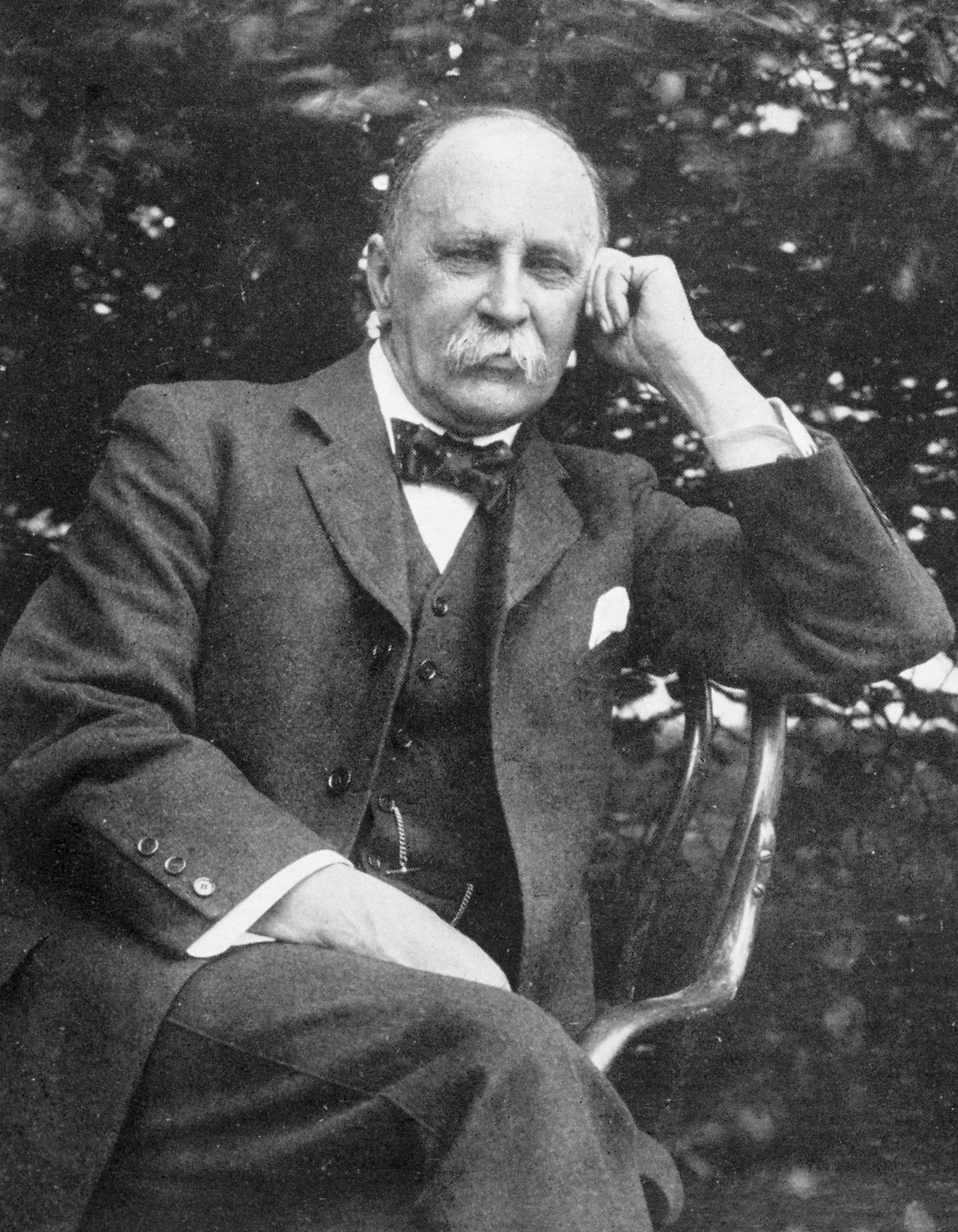
In 1893 Osler was among the first American physicians to use thyroid extract to treat myxedema or cretinism. He made a special study of the disease, corresponding with physicians across America to try to determine its…
1898
#2266
Tropical diseases.
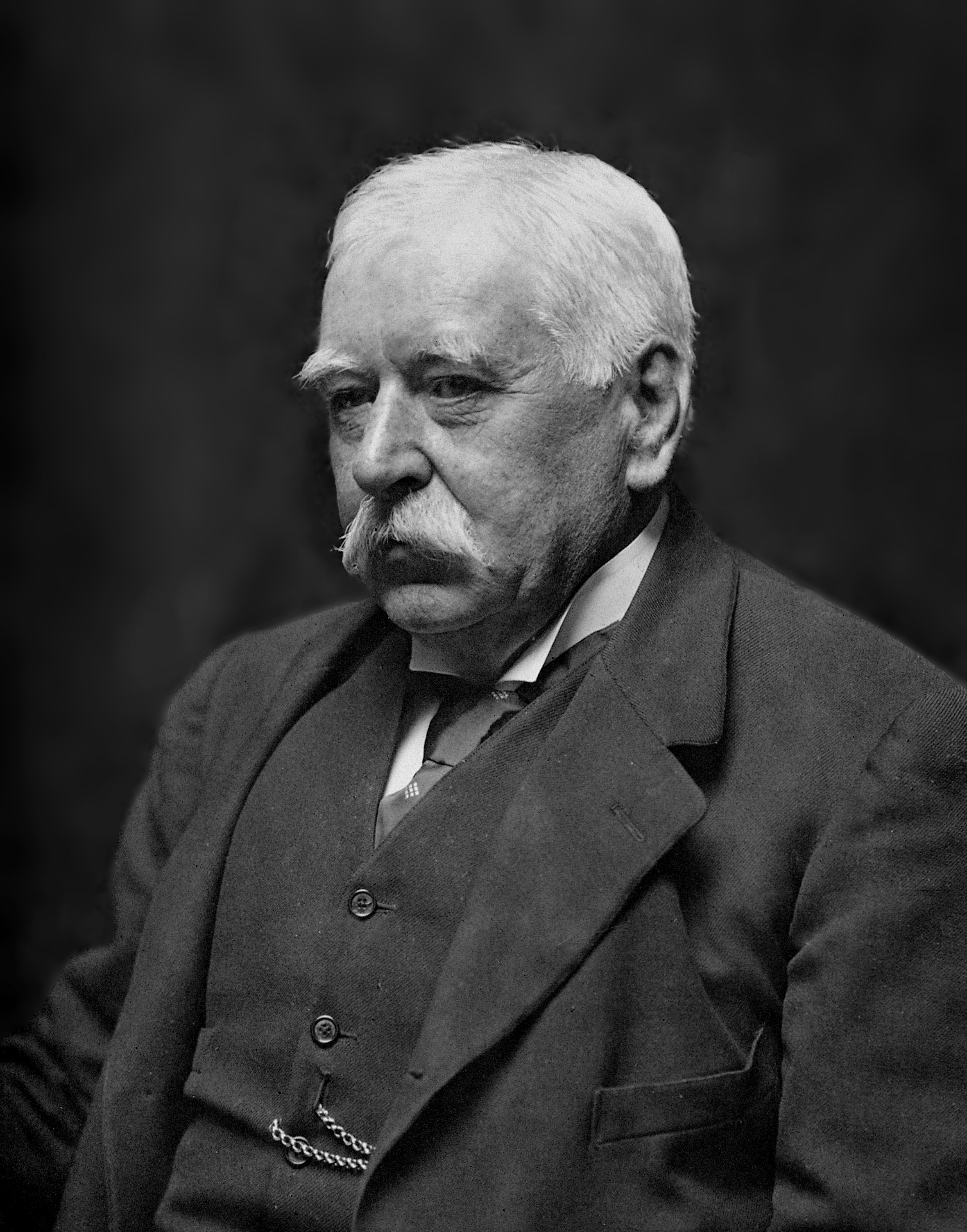
Manson has been called the “father of modern tropical medicine”. He had vast experience of disease in the Tropics and himself made many valuable contributions to the knowledge of this subject. He described tinea nigra…
1898
#2334
Sur l’obtention de cultures et d’émulsions homogènes du bacille de la tuberculose humaine en milieu liquide et “sur une variété mobile de ce bacille”.
Sero-agglutination for the diagnosis of tubercle bacillus.
1898
#2551
Sur l’agglutination et la dissolution des globules rouges par le sérum d’animaux injectés de sang défibriné.
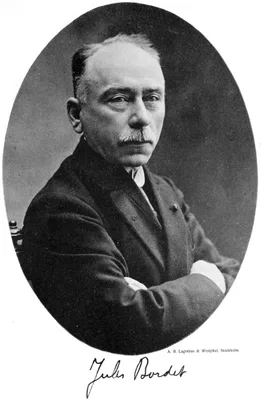
Bordet’s important work on immune hemolysis turned the attention of many investigators towards the subject. English translation in J. Bordet et al., Studies in immunity, New York, 1909, p. 134.
1898 –1900
#4001
Handatlas der Hautkrankheiten fur Studirende und Arzte. 3 pts.
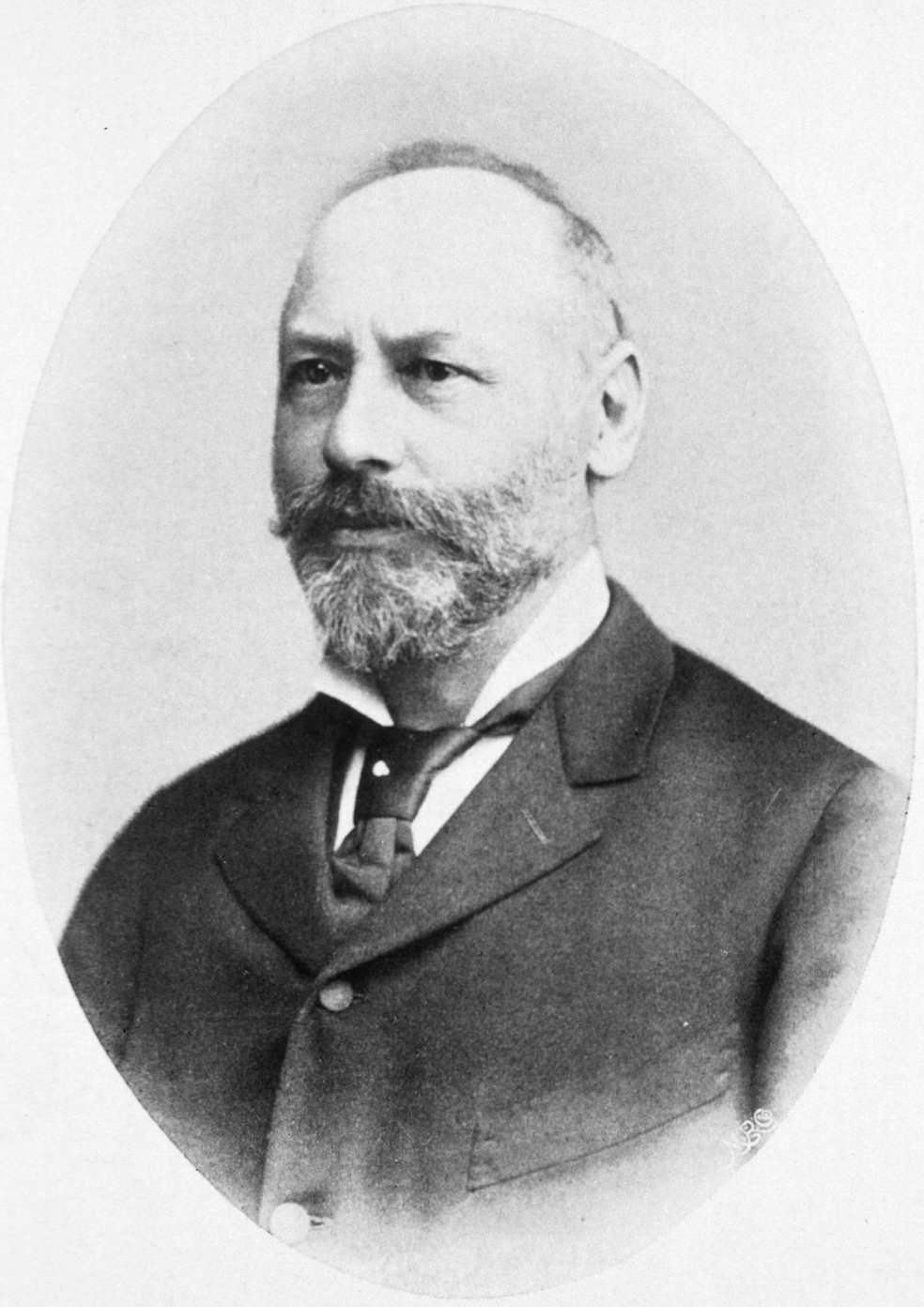
An extensive and valuable collection of illustrations in dermatology. Includes 377 chromolithographs. "In publishing this hand atlas of skin diseases, I wish to provide students with an aid to their studies and genera…
1898
#4127
On refractory subcutaneous abscesses caused by a fungus possibly related to the sporotricha.
Schenck first described a form of sporotrichosis, due to a pathogenic fungus, which later became known as Sporotrichum beurmanni, after more thorough studies upon it by de Beurmann in 1903.
1898
#11152
Les cancers épithéliaux. Histologie - Histogenèse - Etiologie - Applications thérapeutiques.
1899
#1145
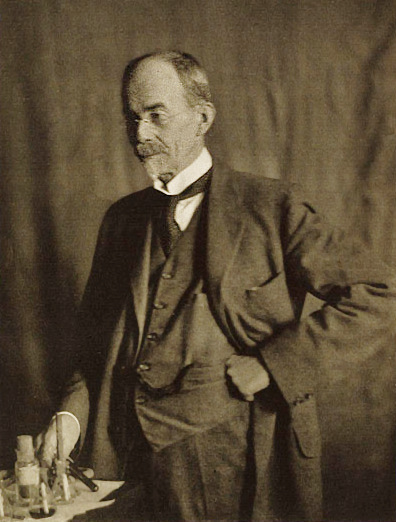
Ueber den blutdruckerregenden Bestandtheil der Nebenniere, das Epinephrin.
1899
#2624
Fall af epiteliom behandladt med Roentgenstraler.
In June 1899 Sjögren was the first successfully to use Roentgen rays in the treatment of cancer.
1899
#4002
La photothérapie. Les rayons chimiques et la variole. La lumière comme agent d’excitabilité. Traitement du lupus vulgaire par des rayons chimiques concentrés.
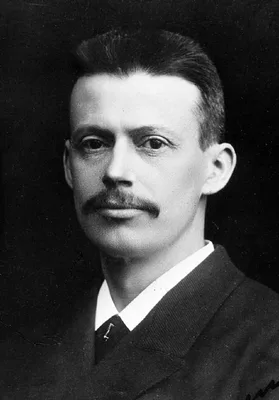
Finsen was a pioneer in the treatment of lupus by means of light. English translation, 1901.
1899
#4128
Multipelt benignt hud-sarcoid.
The syndrome of benign sarcoid (“Boeck’s sarcoid”) was first established by Boeck. English translation in J. cutan. gen.-urin. Dis., 1899, 17, 543-50. In 1940 Danbolt (Schweiz. med. Wschr., 1947, 77, 1149-50) reexamin…
1899
#5429
Vaccination, its natural history and pathology.
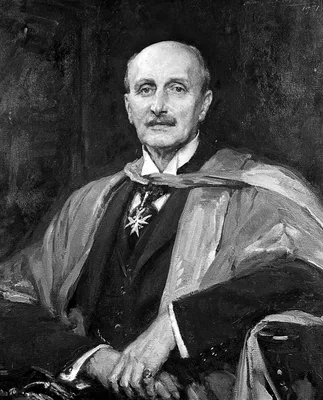
Milroy Lectures, Royal College of Physicians, 1898. Copeman’s bacteriological studies permanently determined the validity of vaccination as a preventive of smallpox.
1900 –1908
#516
Contributions to the study of the pathology of early human embryos. 3 pts. : (1). A contribution to the study of the pathology of early human embryos. Welch Festschrift, Johns Hopkins Hospital Reports, IX (1900). (2). Second contribution to the study of the pathology of early human embryos. Contributions to medical research. Dedicated to Victor C. Vaughan. Ann Arbor (1903). (3). A study of the causes underlying the origin of human monsters. Third contribution to the study of the pathology of human embryos. Reprinted from Journal of morphology, 29, No. 1 (1908).
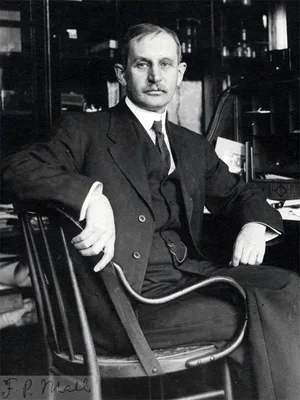
Part 3, with 365 pages and illustrations was the main work of this series. Mall began the introduction to the third part as follows: "The present communication is the outcome of a study of 163 pathological human embry…
1900
#2552
Les sérums hémolytiques, leurs antitoxines et les théories des serums cytolytiques.
English translation in T. Bordet et al., Studies in immunity, New York, 1909, p. 186.
1900
#3887
Tumeur du corps pituitaire sans acromégalie et avec arrêt de développement des organes génitaux.
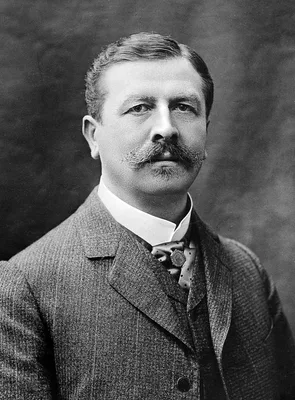
Babinski preceded Fröhlich in describing dystrophia adiposo-genitalis.
1900
#3888
Beiträge zur normalen und pathologischen Histologie der menschlichen Hypophysis cerebri.
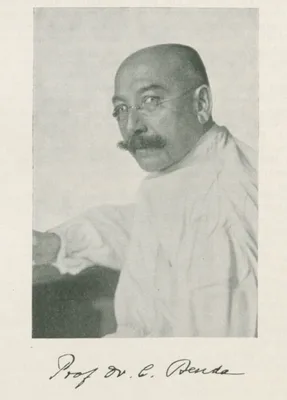
Benda showed that the pituitary tumor in acromegaly consists of chromophil cells.
1900 –1910
#3919
Sammlung klinischer Abhandlungen über Pathologie und Therapie der Stoffwechsel- und Ernährungsstörungen. 9 pts.
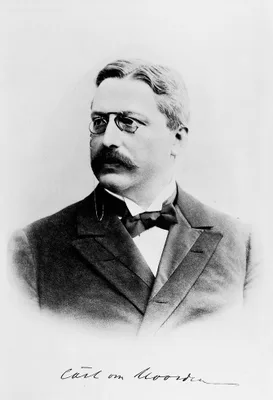
Noorden succeeded Nothnagel at Vienna. He made important studies of metabolism and its disorders. His section on obesity was translated into English as Obesity: the indications for reduction cures. Part 1 of Clinical …
1900
#4130
Ueber Scleroedem.
Scleroedemaadultorum syndrome of Buschke.
1900
#4131
Du naevus variqueux ostéo-hypertrophique.
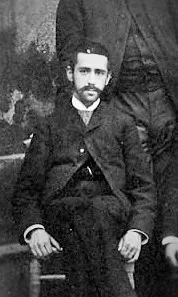
“Klippel–Trenaunay syndrome”.
1900
#5039
Remarks on the results which have been obtained by the antityphoid inoculations.
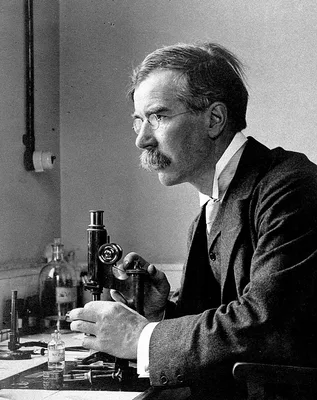
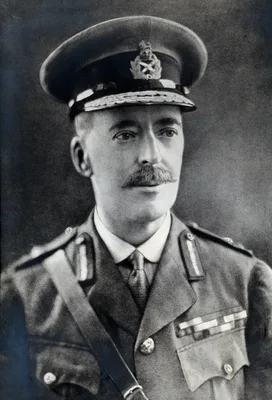
The active inoculation of man against typhoid was first performed by Wright in 1896. For a preliminary note see Lancet, 1896, 2, 807.
1900
#4131.1
Un nuevo esporozoario parásito del hombre. Dos casos encontrados en pólipos nasales: Tesis presentada para optar al grado de doctor en medicina.
Rhinosporidiosis first described. Digital facsimile from bibliomedicinadigital.fmed.uba.ar at this link.
1900
#14160
Histologie du pancreas. In Traité d'anatomie humaine, edited by Paul Julien Poirier & Adrien Charpy, vol. 4, pp. 821-831.
Laguesse, who in 1893 named the islets of Langerhans, established in this work that the islets of Langerhans were the seat of internal secretion of the pancreas. On figures 425 and 427 he drew that are now called "the…
1900
#14167
The Croonian lecture. -- On immunity with special reference to cell life.
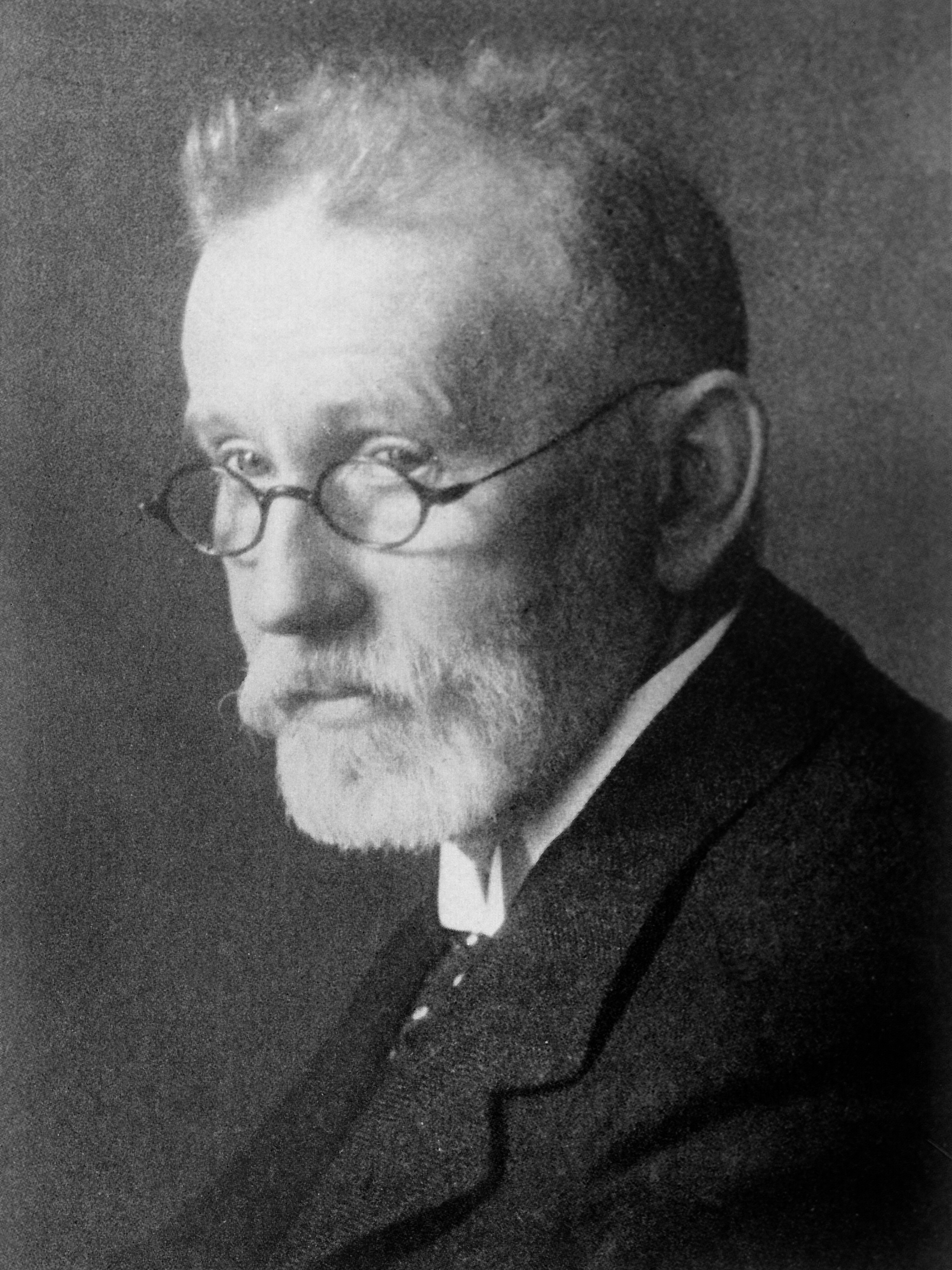
Ehrlich's "lock and key" theory of antibody antigen relationship, or interaction, in which the toxin molecule (i.e the antigen) binds to the cell receptor, and then the antibody binds in a lock and key manner to the t…
1901
#1146
The blood-pressure-raising principle of the suprarenal glands.
Isolation of adrenaline.
1901
#1147
A preliminary report on the active principle of the suprarenal gland.
Independently of Takamine, Aldrich succeeded in isolating adrenaline in a crystalline form. He gave it the formula C9H13NO3. Adrenaline was the first hormone to be isolated.
1901
#1236.1
The action of pituitary extracts on the kidney.
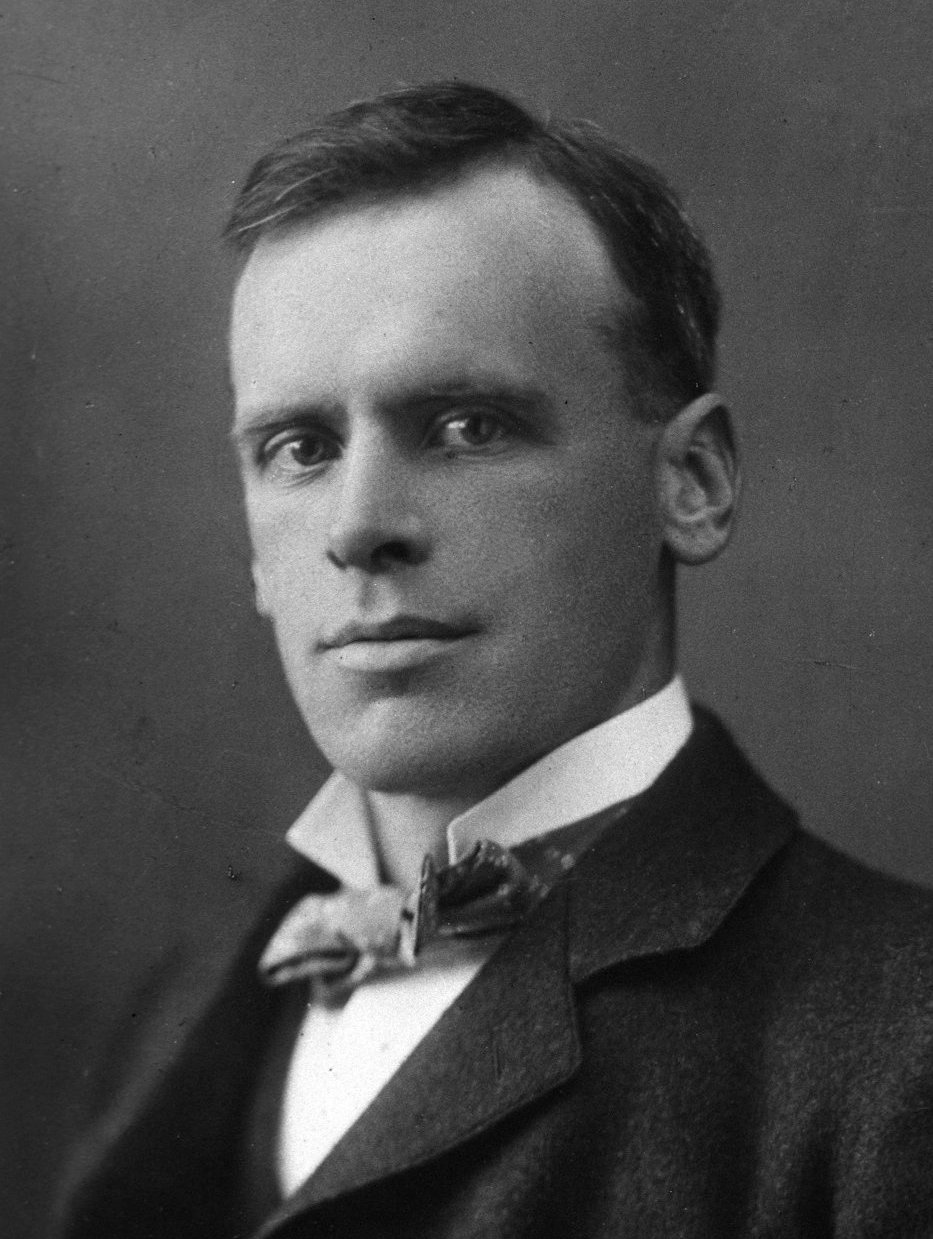
Magnus and Starling reported that pituitary extracts caused expansion of the kidney and a marked and often prolonged diuresis. This was the first indication that the neurohypophysis plays a part in the regulation of u…
1901
#2553
Sur l’existence de substances sensibilisatrices dans la plupart des sérums antimicrobiens.
The Bordet–Gengou complement-fixation reaction is the basis of many tests for infection, notably the Wassermann test for syphilis, and reactions for gonococcus infection, glanders, hydatid disease. English translation…
1901
#2555
L’immunité dans les maladies infectieuses.
A classic study of the mechanisms concerned in specific antibacterial immunity, and one of Metchnikoff’s best works. Russian edition: Nevospriimchivost’ k infekcionnim boleznyam. St. Petersburg: K.L. Rikker, 1903. Eng…
1901
#2711
On a family form of recurring epistaxis, associated with multiple telangiectases of the skin and mucous membranes.
“Rendu–Osler–Weber disease.” Multiple hereditary telangiectasis was first described by Legg (No. 2707) in 1876 and later by Rendu (No. 2710) and Weber (No. 2714). Reprinted in Medical Classics, 1939, 4, 243-53.
1901
#3866
A study of congenital sarcoma of the liver and suprarenal. With report of a case.
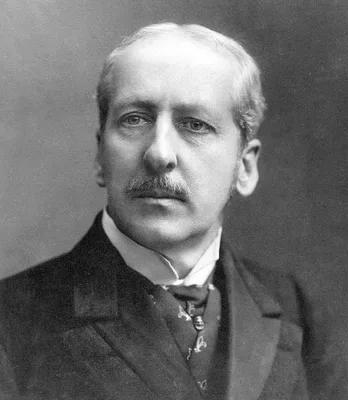
Pepper’s type of adrenal medullary tumor.
1901
#3889
Ein Fall von Tumor der Hypophysis cerebri ohne Akromegalie.
Fröhlich’s classic description of dystrophia adiposogenitalis, pituitary tumor, with obesity and sexual infantilism (“Fröhlich’s syndrome”). Reprinted (in German) in Research Publications, Association for Nervous and …
1901
#4003
Note sur le traitement du lupus érythémateux par des applications de radium.
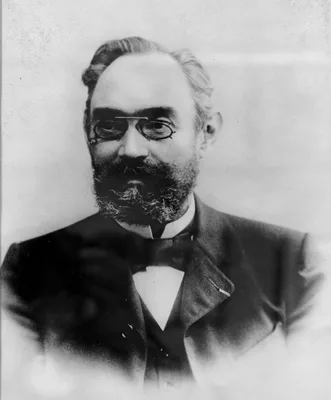
First application of radium in the treatment of lupus.
1901
#4132
Cutis laxa. Neigung zu Haemorrhagien in der Haut, Lockerung mehrerer Artikulationen.
Description of the syndrome to which the name “Ehlers–Danlos syndrome” was later attached (see also No. 4144), earlier described by Tschernogubow: Cutis laxa, Mh. prakt. Derm., 1892, 14, 76.
1901
#4133
Ueber eine eigenartige Erkrankung der Nasenhaut bei Kindern (“Granulosis rubra nasi”).
In his important paper on granulosis rubra nasi, Jadassohn gave the condition its present name. Previously Pringle, 1894, and Luithlen, 1900, had described probable cases.
1901
#4134
A peculiar progressive pigmentary disease of the skin.
Schamberg’s progressive pigmentary dermatosis; first description.
1901
#5362
Ueber das Eindringen der Ankylostomalarven in die menschliche Haut.
Looss discovered that hookworms can penetrate the skin; he himself became infected when hookworm culture accidentally spilled on his hands. English translation in Kean (No. 2268.1).
1901
#12438
Die Schutzstoffe des Blutes.
In this paper on humoral immunity in humans Ehrlich addressed the bacteriocidal property of the blood, attributing that to antibodies and antitoxins. Digital facsimile from pei.de at this link. (Thanks to Juan Weiss f…
1901
#14092
Die Neven-verteilung in der Haut in ihrer Beziehung zu den Erkrankungen der Haut. Beilage zu den Verhandlungen der Deutschen Dermatologischen Gesellschaft VII Congress.
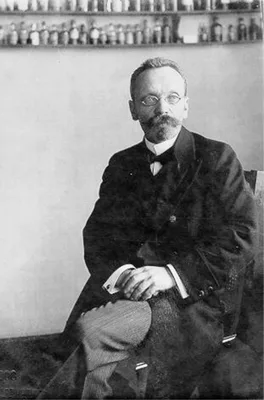
At the Seventh Congress of the German Dermatological Society held in 1901Blaschko presented observations of a rare dermatological condition involving patterned skin lesions S-shaped on the abdomen, V-shaped over the u…
1902
#2556
Hämolysine, Cytotoxine and Präcipitine.
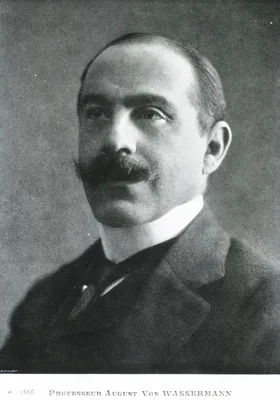
1902
#2590
De l’action anaphylactique de certains venins.
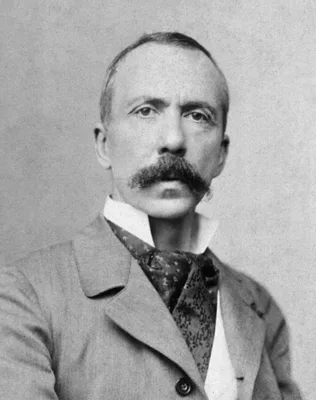
First full description of the phenomenon of “anaphylaxis,” the name of which was coined by Richet. Abbreviated English translation in Bibel, Milestones of immunology (1988). In 1913, Richet was awarded the Nobel Prize…
1902
#3842
Ueber Thyreoaplasie (kongenitales Myxoedem und infantiles Myxoedem)
Pineles differentiated endemic (familial) cretinism associated with goitre from sporadic cretinism.
1902
#4135
Les parapsoriasis.
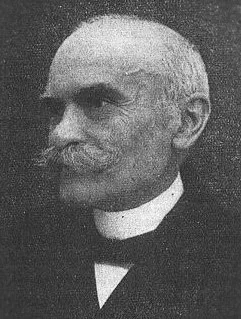
“Brocq’s disease”; he proposed the term “parapsoriasis” for the condition which had previously been described under various names and often mistaken for other dermatoses.
1902
#4137
Two cases of a rare papular disease affecting the axillary region.
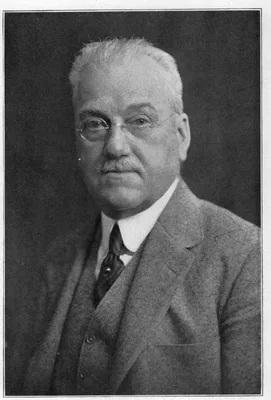
“Fox–Fordyce disease”. These writers described a papular, itchy eruption, confined to the axillae, nipples and pubes, and considered to be due to a dysfunction of the apocrine glands.
1902
#4138
Ueber Acrodermatitis chronica atrophicans.
Taylor described the condition in 1876 (No. 4069) and Herxheimer and Hartmann named it, separating it from other atrophies which had been called by a number of different names.
1902 –1904
#534.69
Manual of antenatal pathology and hygiene. Volume 1, The foetus. Volume 2, The embryo.
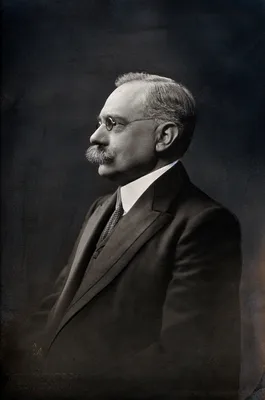
Ballantyne was a pioneer advocate of antenatal care. Volume 2, The Embryo, is the most complete history of teratology in English, and among the best in any language. American edition, New York, 1905. Digital facsimile…
1903
#2112
Zur Kenntniss der Cobragift activirenden Substanzen.
English translation in Ehrlich, Studies in immunity, 1910.
1903
#2113
Ueber die Isolirung von Schlangengift-Lecithiden.
English translation in Ehrlich, Studies in immunity, 1910.
1903
#2436.2
Eine Lepraähnliche Erkrankung der Haut und der Lymphdrtüsen bei Wanderratten.
Murine leprosy described.