
Facets
Browse across eight MeSH (opens in new tab) facets — era, geography, science, specialty, technology, history, culture, and reference. Select one tag per group; counts update across the others. What’s new in facet browse how facets relate to subjects and MeSH.
Clear filtersGeography
Specialties & Disease
- Alternative & Fringe Medicine 2
- Anatomy & Pathology 18
- Cardiology & Blood 20
- Dentistry 1
- Diabetes 1
- ENT & Hearing 1
- Epidemiology & Demography 0
- Gastroenterology & Hepatology 10
- General Clinical Medicine 8
- Immunology & Dermatology 13
- Infectious Disease (General) 0
- Internal, Emergency & Geriatric 0
- Microbiology & Virology 13
- Military Medicine 4
- Neurology & Psychiatry 8
- Obstetrics & Reproductive 0
- Oncology & Cancer 14
- Ophthalmology & Vision 5
- Pediatrics 1
- Physiology & Embryology 53
- Plagues & Epidemics 14
- Psychology 0
- Public Health 19
- Pulmonary & Respiratory 19
- Rheumatology, Rehab & Pain 2
- Surgery & Anesthesia 2
- Urology & Nephrology 4
- Veterinary Medicine 0
Social & Historical Studies
Institutions & Culture
Reference & Scholarly Works
Drugs & Technology
13 entries match Immunology & Dermatology [C19 / C20 / C17] · Chemistry & Biochemistry [K01.900.200]
1563 –1564
#1093
Opuscula anatomica.
Eustachius is credited with several anatomical discoveries, among them the tensor tympani muscle and the Eustachian tube, published in his chapter entitled De auditus organis. In the last respect, however, he was anti…
1885
#9544
Die elephantiastischen Formen. Eine umfassende Darstellung der angeborenen und erworbenen Elephantiasis sowie aller verwandten Leiden.
This atlas illustrates the various changes that occur under the collective term elephantiasis, including tumors of the blood and lymphatic vessels, fibromas, neuromas, papillomas. Goldschmid 258.
1898
#2266
Tropical diseases.
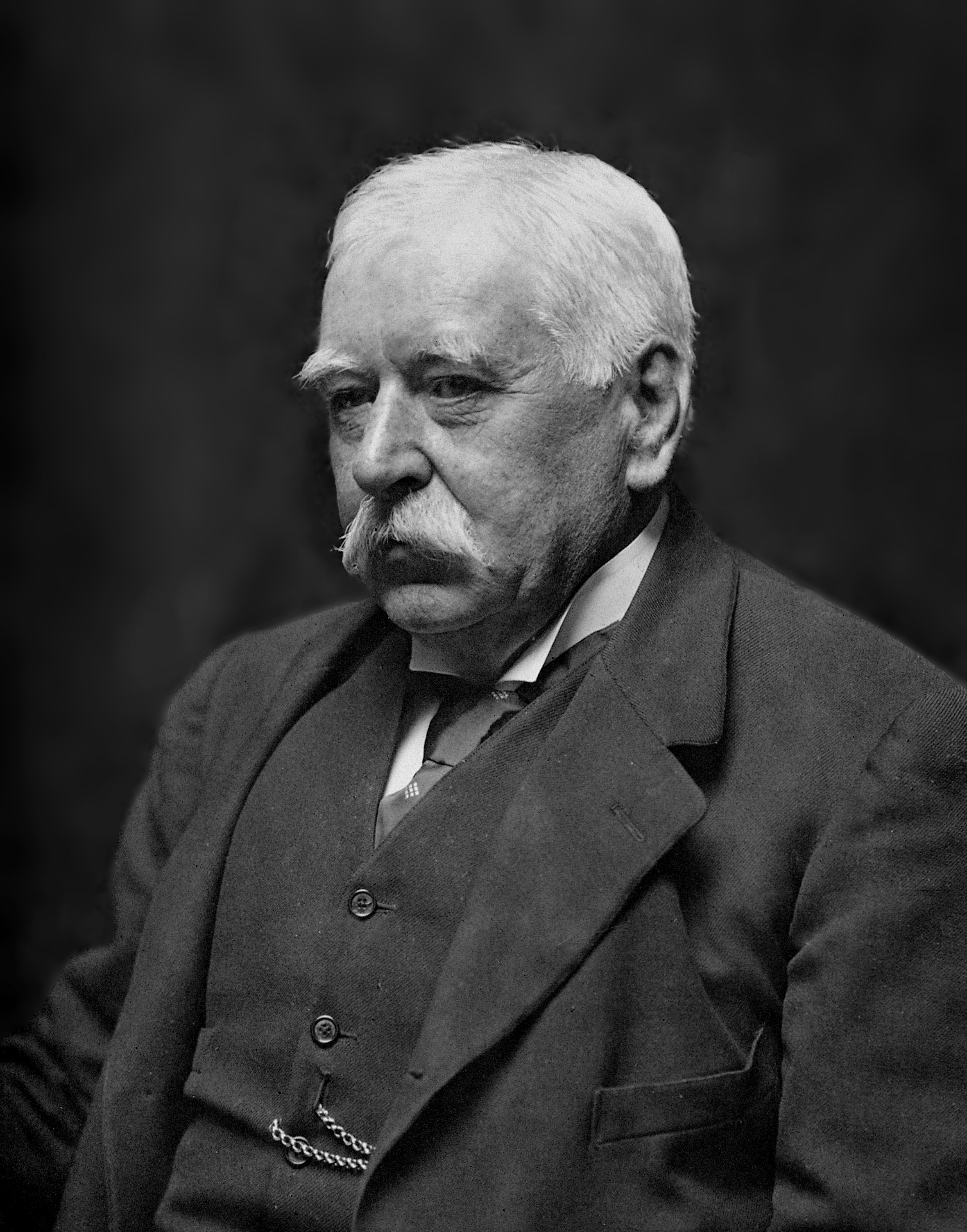
Manson has been called the “father of modern tropical medicine”. He had vast experience of disease in the Tropics and himself made many valuable contributions to the knowledge of this subject. He described tinea nigra…
1907
#2564.1
Immunochemistry. The application of the principles of physical chemistry to the study of the biological antibodies.
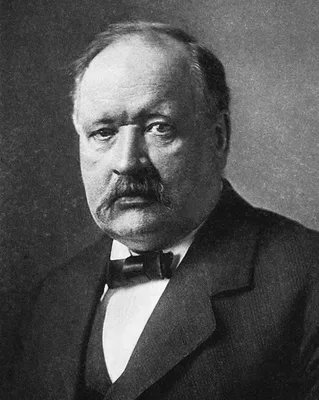
Arrhenius defined immunochemistry, and laid out its frontiers.
1924
#1036
Basal metabolism in health and disease.
1926
#3785
Der Morbus Gaucher und die ihm ähnlichen Erkrankungen. (Die lipoidzellige Splenohepatomegalie Typus Niemann und die diabetische Lipoidzellenhyperplasie der Milz.)
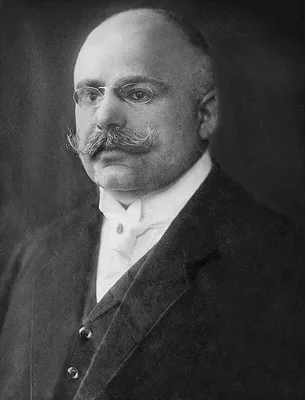
“Niemann-Pick disease” – a group of inherited, severe metabolic disorders, first noted by Albert Niemann in 1914, (No. 3784) in 1914. Pick’s account is of greater importance.
1931
#1195
Ueber die chemische Untersuchung der Sexualhormone.
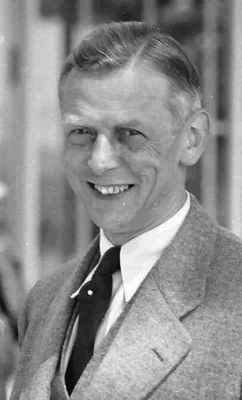
The male sex hormone, androsterone, was isolated in crystalline form by Butenandt. In 1939 Butenandt received half of the Nobel Prize in Chemistry "for his work on sex hormones." The other half was awarded to Leopold …
1937
#12832
Electrophoresis of serum globulin. II- Electrophoretic analysis of normal and immune sera.
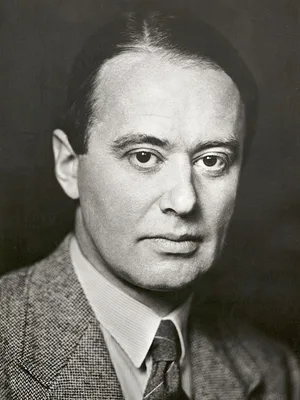
Tiselius showed that an antibody that he produced in a rabbit by immunizing it with albumin (ovalbumin) was clearly located in the gamma globulin fraction. He summarized the paper with this statement: "Investigation o…
1938
#3787.1
Hemolysins as the cause of clinical and experimental hemolytic anemias.
Acquired hemolytic anemia was the first condition to be recognized as an auto-immune disease.
1945
#14284
Acetylation of sulfanilamide by liver homogenates and extracts.
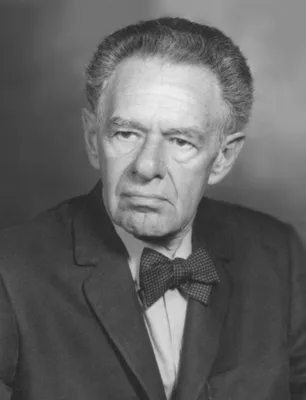
Discovery of co-enzyme A and its importance for intermediary metabolism. This discovery illuminated “the process by which cells make available the energy to drive their manufacturing processes” (Judson, p. 245). In 19…
1953
#1175.3
The synthesis of an octapeptide amide with the hormonal activity of oxytocin.
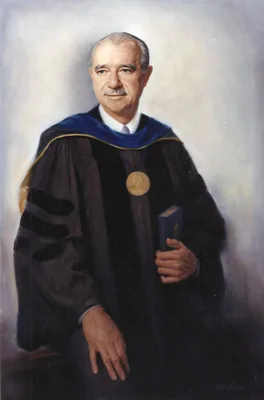
Synthesis of oxytocin. With C. Ressler, J. M. Swan, C. W. Roberts, P. G. Katsoyannis, and S. Gordon. In 1955 Vigneaud was awarded the Nobel Prize in Chemistry "for his work on biochemically important sulphur compounds…
1955
#1207
The disulphide bonds of insulin.
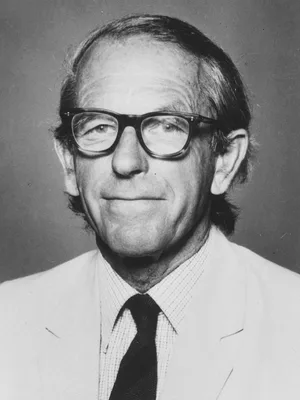
Sanger sequenced the amino acids of insulin, the first of any protein. His work “revealed that a protein has a definite constant, genetically determined sequence—and yet a sequence with no general rule for its assembl…
1956 –1960
#86.4
Collected papers of Paul Ehrlich. Compiled and edited by F. Himmelweit. 3 vols.
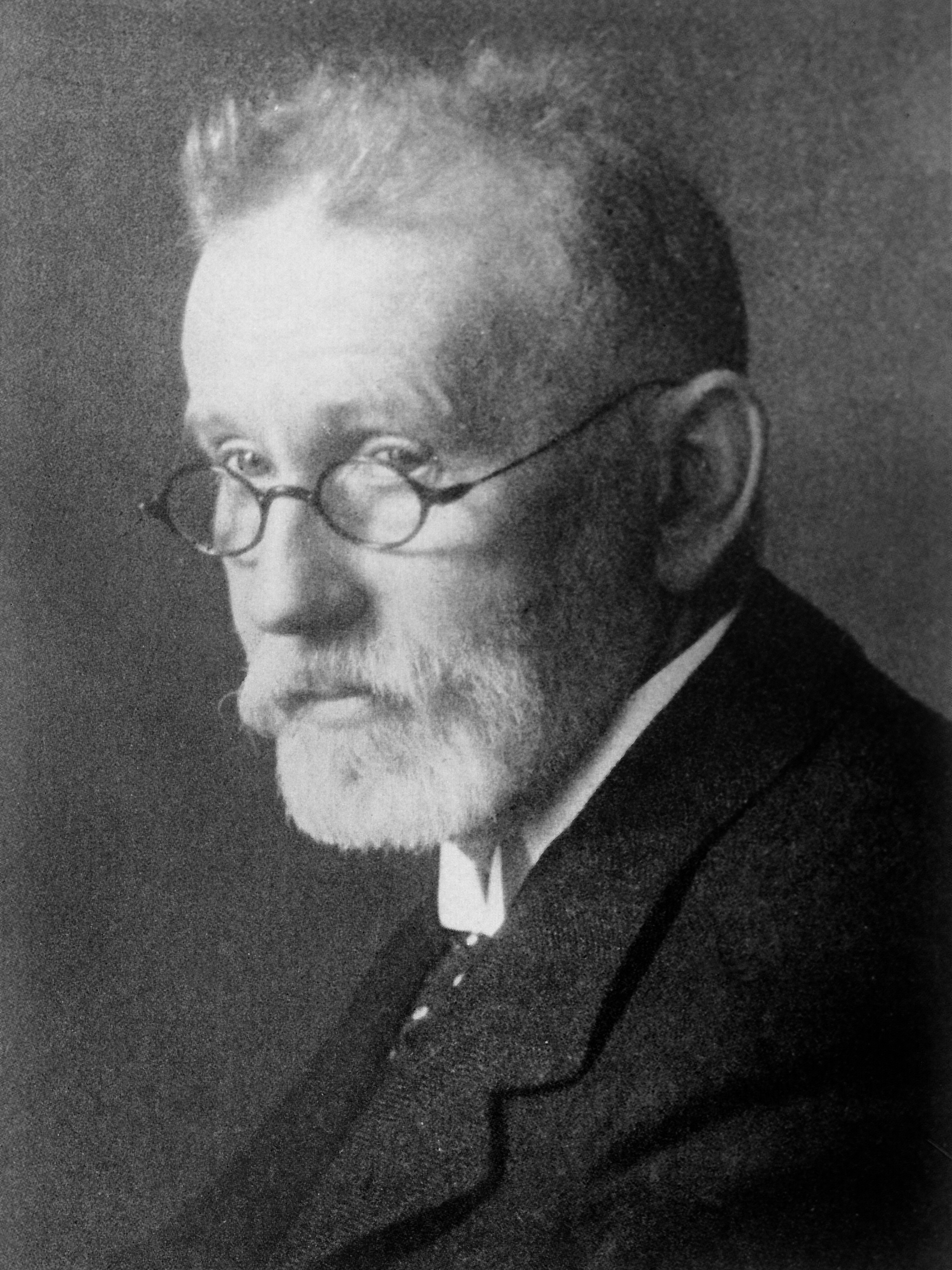
Vol. I: Histology, biochemistry, and pathology, Vol. 2: Immunology and cancer research; Vol. 3: Chemotherapy. Most texts are in German. English translations are also published when available. The set includes new Engl…