
United Kingdom
2,632 entries published in United Kingdom. 64 publication places.
1633
#12002
The herball or generall historie of plantes. Gathered by John Gerarde of London master in chirurgerie. Very much enlarged and amended by Thomas Johnson citizen and apothecarye of London.
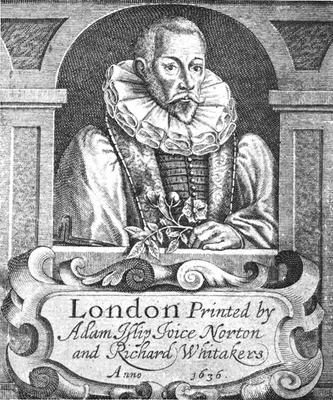
A very substantial expansion and update of Gerarde's herbal published in 1597. Besides correcting mistakes, Johnson added over 800 new species and 700 new figures, raising the number of plant descriptions in the work …
1634
#288
Insectorum sive minimorum animalium theatrum: Olim ab Edoardo Wottono, Conrado Gesnero, Thomaque Pennio inchoatum: Tandem Tho. Movfeti Londinâtis operâ sumptibusque maximis concinnatum, auctum, perfectum: Et ad vivum expressis iconibus suprà quingentis illustratum.
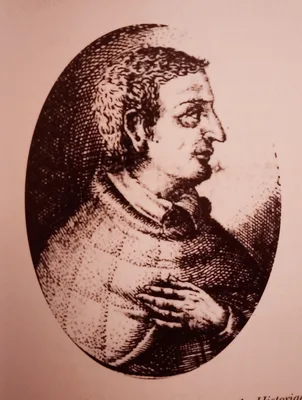
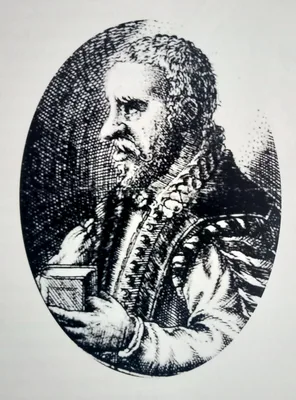
Edited for publication, and with an introduction by Théodore de Mayerne. Moffet, or Muffet, travelled extensively in Europe and kept copious notes of his observations on insects. He "first studied silkworms while work…
1637
#4160.1
The pisse-prophet; or, certaine pisse-pot lectures. Wherein are newly discovered the old fallacies, deceit, and jugling of the pisse-pot science, used by all those… who pretend knowledge of diseases, by the urine….
Brian attacked the “pisse-mongers” and “pisse-prognosticators” hoping to eliminate the frauds of uromancy. He warned patients against diagnosis “prescribed only by the sight of the Urine”, and argued that uroscopy sho…
1640
#1823
Theatrum botanicum: The theater of plants: Or, An herball of large extent: containing therein a more ample and exact history and declaration of the physicall herbs and plants ... distributed into sundry classes or tribes, for the more easie knowledge of the many herbes of one nature and property ... / collected by the many yeares travaile, industry and experience in this subject.
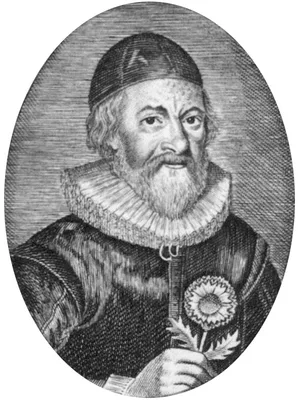
Parkinson, the last of the old English herbalists, was Apothecary to James I. His massive herbal of 1,755 pages described nearly 3,800 plants, nearly double the number described in the first edition of Gerard. Parkins…
1640
#12403
A paradox. Prooving, that the inhabitants of the isle called Madagascar, or St. Laurence, ... are the happiest people in the world. Whereunto is prefixed, a briefe and true description of that island: the nature of the climate, and condition of the inhabitants, and their speciall affection to the English above other nations. With most probable arguments of a hopefull and fit plantation of a colony there, in respect of the fruitfulnesse of the soyle, the benignity of the ayre, and the relieving of our English ships, both to and from the East-Indies.
“Hamond, author and explorer, published a translation of Ambroise Paré’s ‘Methode de traicter les Playes faictes par Harquebuses et aultres batons a feu,’ 1617, 4to. He was in the service of the East India Company, an…
1642
#6612.9
Religio medici.
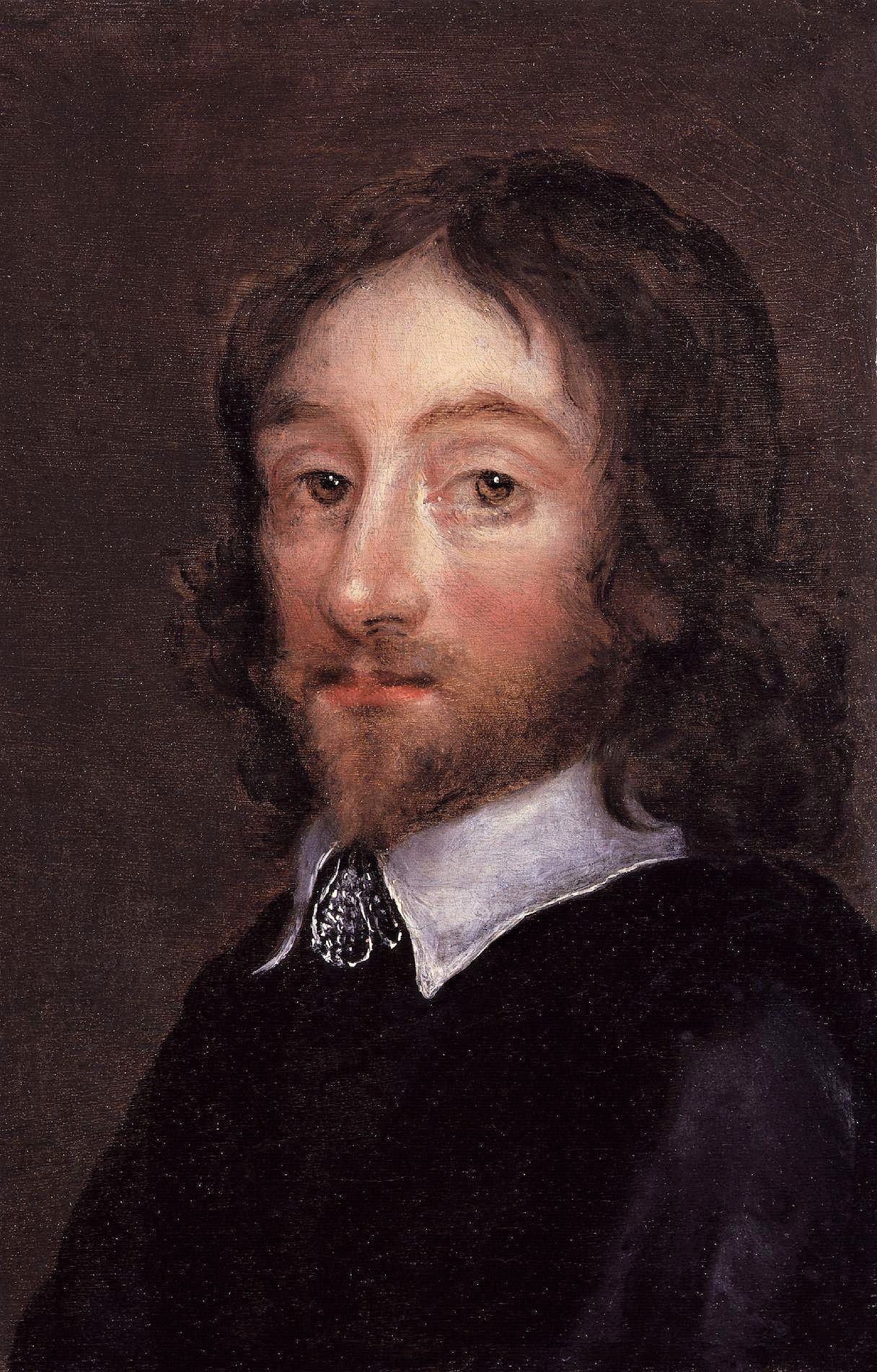
The most famous work of English literature written by a physician. Browne did not intend to have it published, but manuscripts of the work circulated privately. Two unauthorized and inaccurate editions were issued sur…
1644
#3346
Chironomia: or, the art of manuall rhetorique.
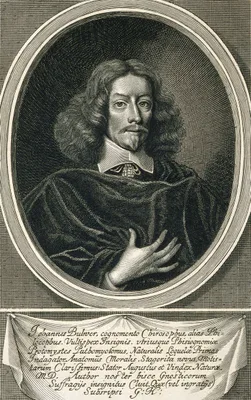
1644
#3347
Chirologia; or the naturall language of the hand. Composed of the speaking motions, and discoursing gestures thereof. Whereunto is added Chironomia: or, the art of manuall rhetoricke.
Bulwer was the first Englishman to write about the teaching of deaf-mutes. "Chirologia is often cited as Bulwer’s link to later Deaf studies because it focuses on hand gestures [15] which have come to be seen as the d…
1646
#10032
Pseudodoxia epidemica, or, enquiries into very many received tenents and commonly presumed truths.
In this widely read work of popular science that underwent six editions in Browne's lifetime Browne debunked numerous quack cures, etc. Full text from quod.lib.umich.edu at this link. Digital facsimile of the 4th edit…
1648
#7230
Philocophus: or the deafe and dumbe mans friend.
"Bulmer promoted what we would call today 'central nervous system plasticity,' in describing how one sense could take over the duties of another. This is well illustrated in the frontispiece of this work, which is the…
1649
#3728
Observationes medicae de affectibus omissis.
Boate who spent many years in Ireland, included a full first-hand account of rickets in Chapter 12 of the above book (“De tabe pectorea”). He showed how widespread the disease was at that time. Reprinted in Opuscula S…
1649
#10658
Exercitatio anatomica de circulatione sanguinis.
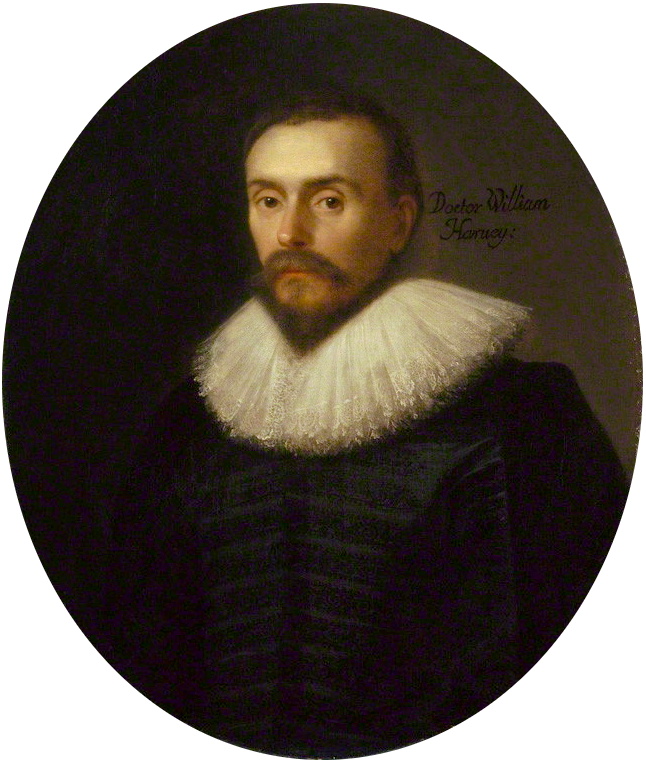
In this work Harvey first described the circulation of blood through the coronary arteries. Harvey also described experiments that he made to provide further support to his theory of the circulation since the publicat…
1650
#3729
De rachitide sive morbo puerili, qui vulgo The Rickets dicitur tractatus.
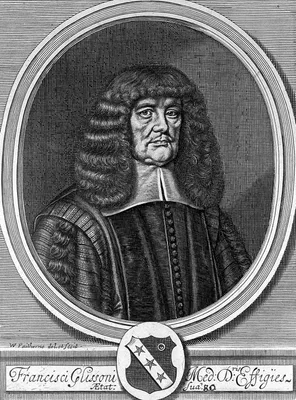
Although anticipated by Whistler and others in the description of infantile rickets, Glisson’s account was the fullest that had till then appeared. He was first (Chap. 22) to describe infantile scurvy. Glisson’s book …
1650
#10490
Anthropometamorphosis: Man transform’d, or the artificial changeling. Historically presented, in the mad and cruel gallantry, foolish bravery, ridiculous beauty, filthy fineness, and loathesome loveliness of most Nations, fashioning & altering their bodies from the mould intended by nature. With a vindication of the regular beauty and honesty of nature, and an appendix of the pedigree of the English gallant.
Extensively illustrated treatise on varieties of body modifications, real or imagined, includes details on hair styles, tatoos, piercing, including sexual aspects. Digital facsimile of the 1653 edition from the Intern…
1651
#467
Exercitationes de generatione animalium.
Harvey was among the first to disbelieve the erroneous doctrine of the “preformation” of the fetus; he maintained that the organism derives from the ovum by the gradual building up and aggregation of its parts. The ch…
1651
#467.1
The history of generation…
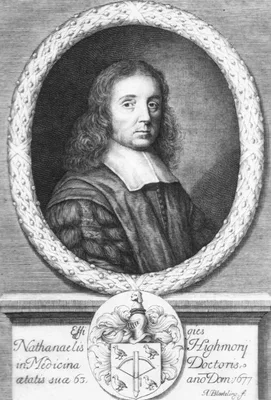
Highmore’s account of the development of the chick is the first embryological study based on microscopical examination, predating Malpighi (No. 468) by more than twenty years. This is also the first book in English to…
1651
#13742
Semeiotica uranica, or an astrological judgment of diseases from the decumbiture of the sick; 1. From Aven Ezra by the way of introduction. 2. From Noel Duret by way of direction. Wherein is layd down, the way and manner of finding out the cause, change and end of a disease. Also whether the sick be likely to live or dye, and the time when recovery or death is to be expected. To which is added the signs of life or death by the body of the sick party according to the judgment of Hippocrates.
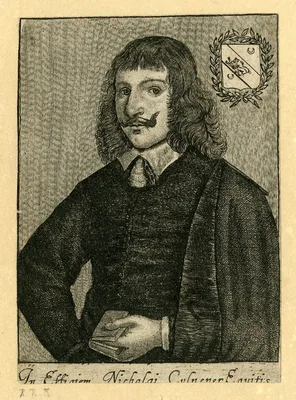
Digital text from quod.lib.umich.edu at this link
1652
#8588
The English physitian: Or, an astrologo-physical discourse of the vulgar herbs of this nation. Being a compleat method of physick, whereby a man may preserve his body in health; or cure himself, being sick, for three pence charge, with such things only as grow in England, as they being most fit for English bodies. Herein is also shewed, 1. The way of making plaisters, oyntments, oyls, pultisses, syrups, julips, or waters, of all sorts of physical herbs, that you may have them readie for your use at all times of the yeer. 2. What planet governeth every herb or tree (used in physick) that groweth in England. 3. The time of gathering all herbs, both vulgarly, and astrologically. 4. The way of drying and keeping the herbs all the yeer. 5. The way of keeping their juyces ready for use at all times. 6. The way of making and keeping all kind of useful compounds made of herbs. 7. The way of mixing medicines, according to cause and mixture of the disease, and part of the body afflicted.
"Culpeper attempted to make medical treatments more accessible to laypersons by educating them about maintaining their health. Ultimately his ambition was to reform the system of medicine by questioning traditional me…
1653
#3348
Grammatica linguae anglicae. Cui praefigitur, de loquela sive sonorum formatione tractatus grammatico-physicus.
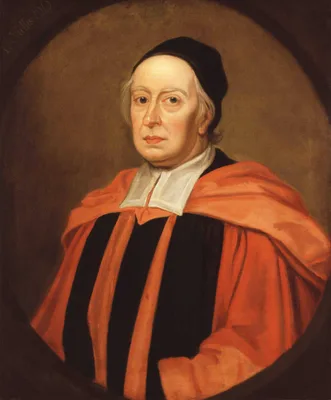
Wallis, a prominent teacher of deaf-mutes, classified the various sounds of the human voice. He taught by writing and gesture. He was Savilian Professor of Mathematics at Oxford.
1653
#6320
De morbis puerorum, or, a treatise of the diseases of children.
The second work in English on pediatrics, published more than 100 years after the publication of Phaer’s book. Pemell was a general practitioner living at Cranbrook in Kent; he was buried only five days after the publ…
1654
#972
Anatomia hepatis.
First accurate description of the capsule of the liver (Glisson’s capsule) and its blood-supply. He also described the sphincter of the bile duct (“Glisson’s sphincter”, the sphincter of Oddi). This is the first book …
1654
#1098.1
Anatomia hepatis … subjiciuntur nonnulla de lymphae-ductibus nuper repertis.
Independently of Bartholin and Rudbeck, George Joyliffe (1621-58) observed the lymphatics. He communicated his discovery to Glisson early in 1652 and the latter included an account in the above work (Cap. xxxi). See N…
1655
#7121
Catalogus librorum rei medicae, herbariae, & chymiae bibliothecae Joannis Riolani medicorum Parisensium primarii.
The earliest sale catalogue of a private scientific or medical library may be that of Jean Riolan the Younger. John F. Fulton (1899-1960) owned a possibly unique copy of an inventory sale catalogue of Riolan’s library…
1655
#9324
Health's improvement, or rules for preparing all sorts of food used in this nation. Written by that ever famous Thomas Muffet, Doctor in physick: Corrected and enlarged by Christopher Bennet, Doctor in Physick, and fellow of the Colledg of Physitians in London.
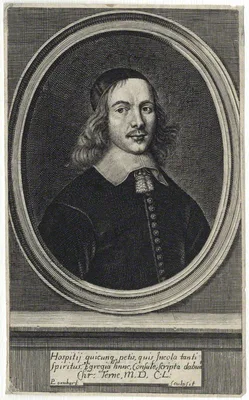
Moffet's work in nutrition was collected in his book Health's Improvement, which was designed more for the layman than for physicians. It also contains the first list of British wildfowl, recognizing for the first tim…
1656
#1116
Adenographia: sive, glandularum totius corporis descriptio.
Wharton described the duct of the submaxillary salivary gland (“Wharton’s duct”). He described the thyroid more accurately than his predecessors, naming it. He also described “Wharton’s jelly” of the umbilical cord (p…
1656
#13071
Musaeum Tradescantianum: Or, a collection of rarities preserved at South-Lambeth neer London by John Tradescant.
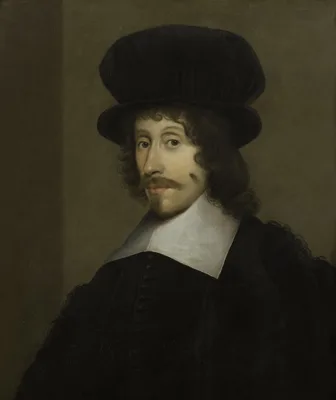
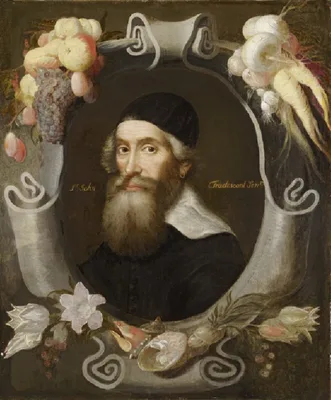
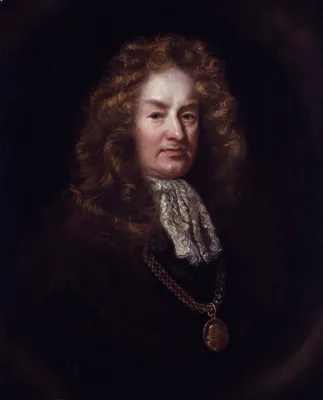
Catalogue of the first natural museum in England, the collection made by John Tradescant the Elder and the Younger, and left by John Tradescant the Younger to Elias Ashmole, who, along with Thomas Wharton, helped the …
1658
#13396
Catalogus Horti Botanici Oxoniensis: Alphabeticè digestus, duas, præterpropter, plantarum chiliadas complectens, priore duplo auctior, ... : Cui accessere plantæ minimùm sexaginta suis nominibus insignitæ....Cura & opera socia Philippi Stephani et Guilelmi Brounei. Adhibitis etiam in consilium D. Boberto.
Catalogue of plants in the Oxford Botanic Garden, the oldest botanic garden in Great Britain. Digital facsimile from Google Books at this link.
1659
#2464
Diatribae duae medico-philosophicae, quarum prior agit de fermentatione sive de motu intestino particularum in quovis corpore, altera de febribus sive de motu earundum in sanguine animalium.
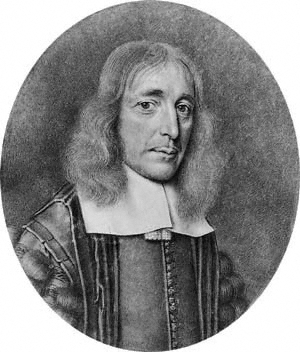
Includes (De febribus, cap. X, XIV) first description of epidemic typhoid. English translation in his Practice of physick, 1684, Treatise II, 83-98, 1111-18. Contains the earliest suggestion that fermentation is an in…
1660
#914
New experiments physico-mechanical touching the spring of the air.
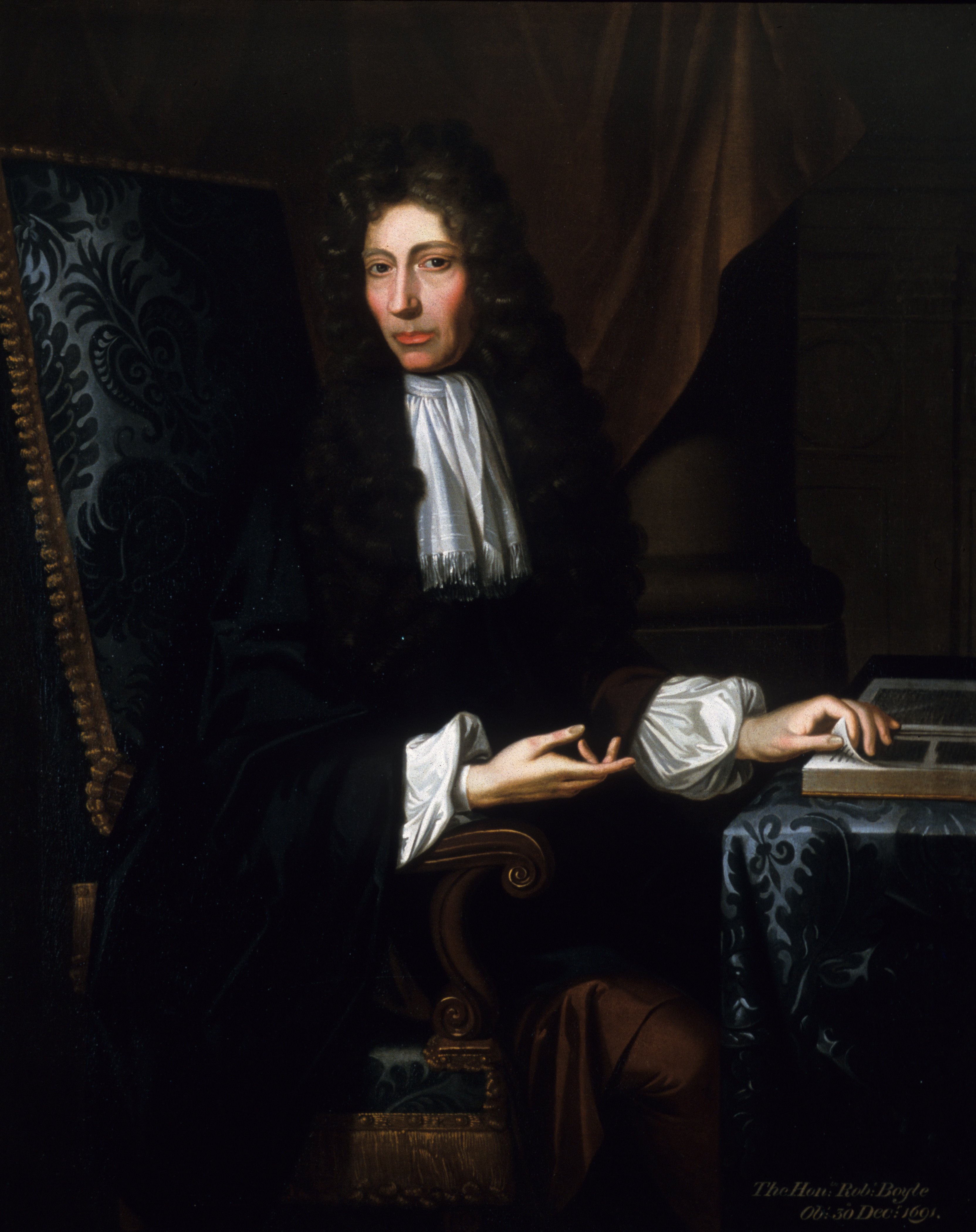
Boyle showed the effects of the elasticity, compressibility, and weight of air. He investigated the function of air in respiration, combustion, and conveyance of sound. Most significantly Boyle demonstrated that air i…
1660
#11878
Catalogus plantarum circa Cantabrigiam nascentium: In qua exhibentur quotquot hactenus inventae sunt, qua vel sponte proveniunt, vel in agris seruntur; un cum synomyis selectioribus, locis natalibus & observationibus quibusdam oppido raris. Adjiciuntur in gratiam tyronum, index Anglo-latinus, Index locorum, etymologia nominum, & explicatio quorundam terminorum.
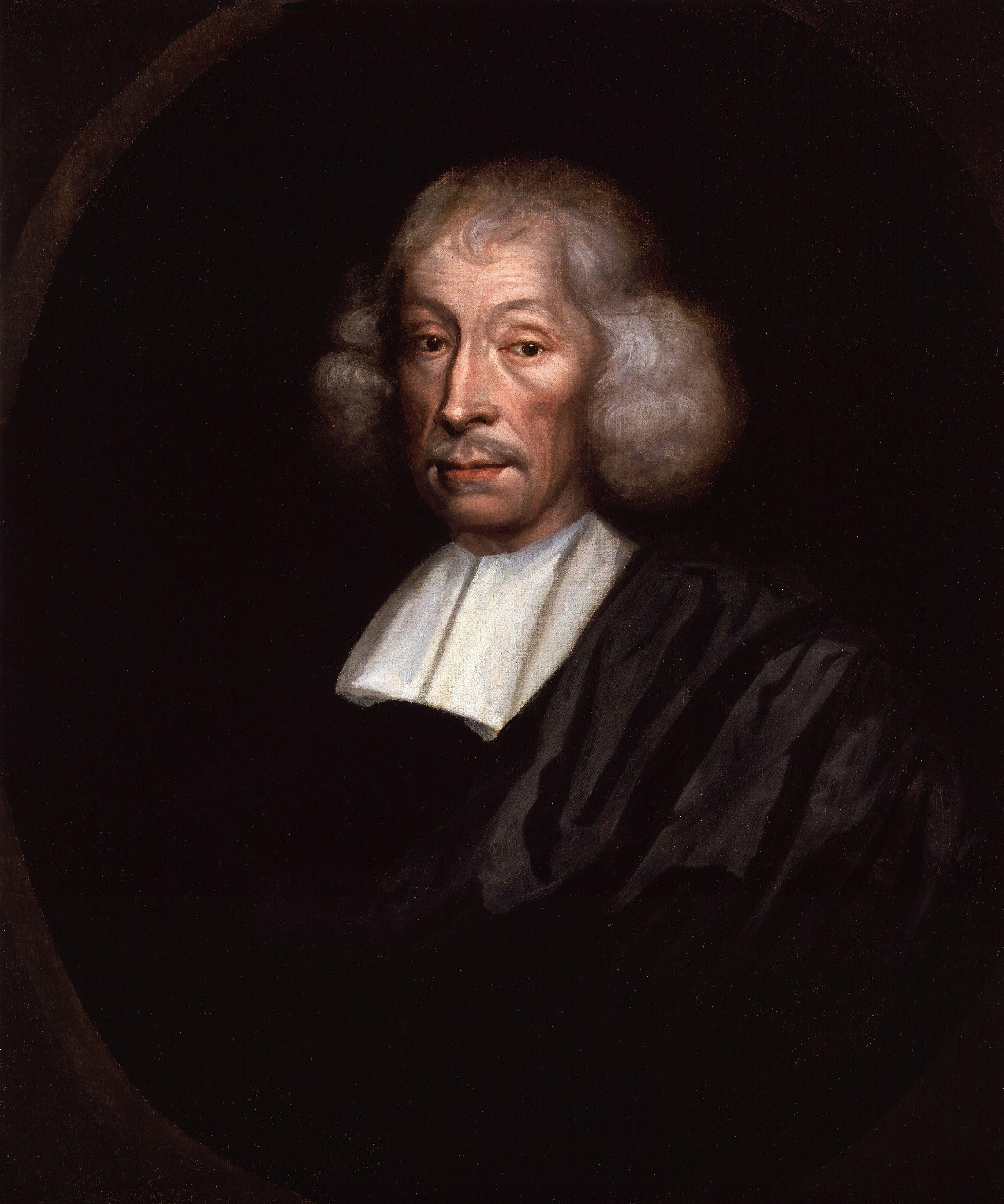
This study of the plants around Cambridge includes some of the classification work of Joachim Jungius, whose classification system did not begin to be published until 1662. Digital facsimile from Google Books at this …
1661
#665.1
Certain physiological essays.
In this prelude to Boyle’s Sceptical chymist Boyle describes his corpuscular view of digestion, “giving recognition to the existence of the agents now designated the ‘enzymes’ ” (Fulton, Bibliography of Robert Boyle […
1661
#145.5
Fumifugium: or the inconveniencie of the aer and smoak of London dissipated. Together with some remedies humbly proposed.
A pioneering attack on air pollution caused by “the hellish and dismall cloud of sea-coal” which perpetually enveloped London. Of course, the problems Evelyn wrote about did not go away, and the work continued to be r…
1661
#9671
Thanasima, kai dēlētēria: Tractatus de venenis. Or, a treatise of poysons. Their sundry sorts, names, natures and virtues, with their severall symptomes, signes diagnosticks, prognosticks, and antidotes. Wherein, are divers necessary questions discussed; the truth by the most learned, confirmed, by many instances, examples & stories illustrated; and, both philosophically and medically handled.
1662
#666
A defence of the doctrine touching the spring and weight of the air.
Boyle’s law. The above pamphlet was appended to the second edition of Boyle’s The spring and weight of the air, 1662. The relevant passage is reproduced inj. F. Fulton’s Selected readings in the history of physiology,…
1662
#1686
Natural and political observations mentioned in a following index, and made upon the Bills of Mortality.
The first book on vital statistics. Graunt, a draper, studied the Bills of Mortality, which began as weekly lists of deaths and their causes, compiled by parish clerks. They gained much in importance after Graunt’s wo…
1664
#575
De ratione motus musculorum.
Croone accumulated a large fortune from his practice; with it his widow endowed the Croonian Lectures at the Royal College of Physicians, London. He believed muscular contraction to be brought about by the action of a…
1664
#1378
Cerebri anatome: cui accessit nervorum descriptio et usus.
The most complete and accurate account of the nervous system which had hitherto appeared, and the work that coined the term, “neurology". In its preparation Willis was helped by his students Richard Lower and Thomas M…
1664
#145.51
Sylva, or a discourse of forest-trees, and the preservation of timber in His Majesty’s dominions.
A protest against the careless destruction of England’s forests to fuel the furnaces of the glass and iron industries. The work was influential in establishing a much-needed program of reforestation that had a lasting…
1665
#2529
Medela medicinae.
Needham, a physician better known for his work in journalism, was one of the earliest – if not the first – Englishman to write on the germ theory. In his book he included an account of Kircher’s experiments with the m…
1665
#262
Micrographia, or some physiological descriptions of minute bodies made by magnifying glasses; with observations and inquiries thereupon.
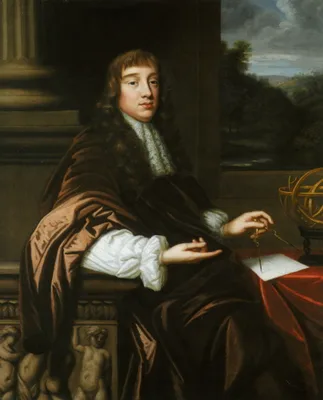
Hooke, at one time research assistant to Robert Boyle, was one of the greatest inventive geniuses of all time. This was the first book devoted entirely to microscopical observations, and also the first book to pair it…
1665
#5119
London’s dreadful visitation, or, a collection of all the Bills of Mortality for the present year: beginning the 27th of December 1664, and ending the 19th of December following…By the Company of Parish Clerks of London.
BILLS OF MORTALITY
This is a valuable statistical record of the great plague of 1665. (No. 6052 in the Bibliotheca Osleriana.)
1665
#13275
Loimologia: A consolatory advice, and some brief observations concerning the present pest.
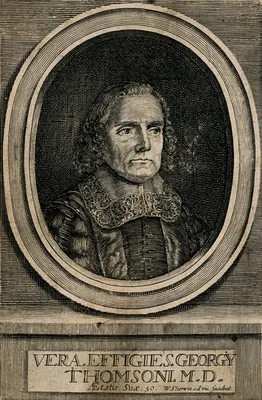
Thomson was one of the few physicians who remained in London to treat patients during the plague of 1665. Digital facsimile from Google Books at this link.
1666
#4992
A brief account of Mr Valentine Greatrakes, and divers of the strange cures by him lately performed. Written by himself in a letter addressed to the Honourable Robert Boyle Esq., 1666.
The earliest scientific account, by a practitioner, and corroborated by witnesses, of healing by the “laying-on of hands”. Greatrakes became known as “the Irish stroker” because of his method of healing by stroking th…
1666
#13276
Loimotomia, or, The pest anatomized in these following particulars, Viz. 1. The material cause of the pest, 2. The efficient cause of the pest, 3. The subject part of the pest, 4. The signs of the pest, 5. An historical account of the dissections of a pestilential body by the author, and the consequences thereof, 6. Reflections and observations on the fore-said dissection, 7. Directions preservative and curative against the pest: Together with the authors apology against the calumnies of the Galenists, and a word to Mr. Nath. Hodges, concerning his late Vindiciae medicinae.
One of the earliest books that illustrated human dissection for a contagious disease. Digital text available from Early English Books Online at this link.
1667
#467.2
Disquisitio anatomica de formatu foetu.
Founding work of developmental chemical embryology, the first book to report chemical experiments on the developing mammalian embryo, and the first to give practical instructions on dissection of embryos. Needham was …
1668
#292
Onomasticon zoicon, plerorumque animalium differentias & nomina propria pluribus linguis exponens. Cui accedunt mantissa anatomica, et quaedam de variis fossilium generibus.
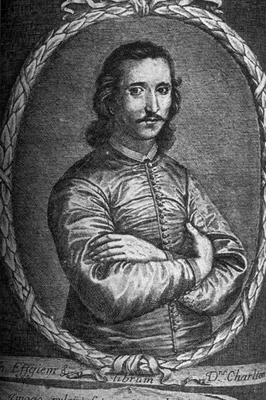
Gives a list of the English, Latin, and Greek names of all the then known animals. Digital facsimile from the Internet Archive at this link.
1669
#761
Tractatus de corde.
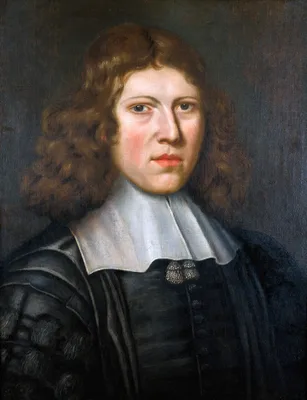
Lower was the first to demonstrate the scroll-like structure of the cardiac muscle. He was one of the first to transfuse blood. Chapter III of the above work records how Lower injected dark venous blood into the insuf…
1669
#3349
Elements of speech, an essay of inquiry into the natural production of letters; with an appendix concerning persons deaf and dumb.
Includes a section on the education of deaf-mutes. Paracusis is described in the Appendix, p. 166.
1669
#293
Dissertatio epistolica de bombyce.
Malpighi’s work on the silkworm represents the first monograph on an invertebrate and records one of the most striking pieces of research work on his part. He dissected the silkworm under the microscope with great ski…
1670
#4839
Affectionum quae dicuntur hystericae e hypochondriacae pathologia spasmodica vindicata…
In this treatise on hysteria and hypochondria, Willis showed that hysteria was a nervous disease and not a uterine disorder as had been traditionally believed. He compared hysteria in women to hypochondria in men. He …