
United Kingdom
2,632 entries published in United Kingdom. 64 publication places.
1757
#5050
A dissertation on the malignant, ulcerous sore-throat.
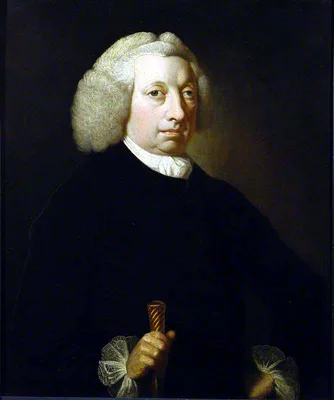
Huxham’s reputation rests mainly on his Essays on fevers, but he also left an excellent account of diphtheria. Although he failed to differentiate the disease from scarlatinal angina, he was the first to observe the p…
1757
#6156.4
The demonstrations of a pregnant uterus of a woman at her full term.
Atlas of six superb life-size mezzotint plates after paintings by Jan van Rymsdyk. A separate 16-page text was published in octavo.
1758
#4919.1
Treatise on madness.
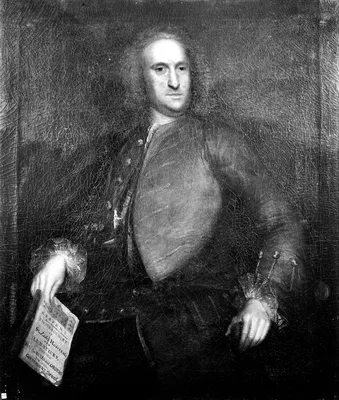
Battie was among the first to teach psychiatry at the bedside. His book is the first English text book on the subject. Reprinted with J. Monro’s Remarks on Dr. Battie’s treatise on madness, London, Dawsons, 1962.
1758
#12396
A genuine narrative of the deplorable deaths of the English gentlemen and others who were suffocated in the Black Hole in Fort-William, at Calcutta, in the Kingdom of Bengal, in the night succeeding the 20th day of June, 1756, in a letter to a friend.
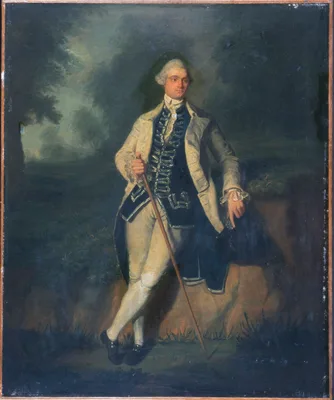
Holwell was a survivor of the Black Hole of Calcutta in Fort William, Calcutta , a poorly ventilated dungeon measuring 4.30 × 5.50 metres (14 × 18 feet), in which troops of Siraj ud-Daulah, the Nawab of Bengal, hel…
1759
#1692.1
A collection of the yearly bills of mortality, from 1657 to 1758 inclusive. Together with several other bills of an earlier date. To which are subjoined I. Natural and political observations on the bills of mortality; by Capt. John Graunt, F.R.S. reprinted from the sixth edition, in 1676. II. Another essay in political arithmetic, concerning the growth of city of London; with the measures, periods, causes, and consequences thereof. By Sir William Petty, Kt. F.R.S. reprinted from the edition printed at London in 1683. III. Observations on the past growth and present state of the city of London; reprinted from the edition printed at London in 175.1; with a continuation of the tables to the end of the year 1756
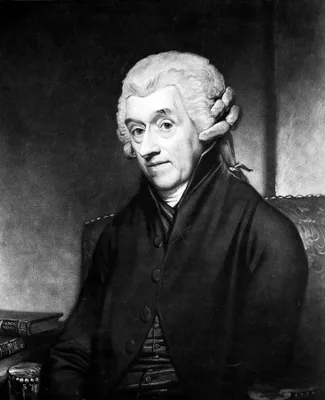
The only collected edition of early bills of mortality, which were generally published as broadsides and are not available separately. Includes reprints of Nos. 1686 and 1688. This work has traditionally been attribut…
1759
#1484.2
A treatise on the eye. The manner and phenomena of vision. 2 vols.
Porterfield was Professor of the Institutes and Practice of Medicine at Edinburgh from 1724-26. His book included many original observations. It was the first important British work on the anatomy and physiology of th…
1759
#1770
Observations on the changes of the air and the concomitant epidemical diseases, in the Island of Barbados.
Hillary included good accounts of lead colic and infective hepatitis, and probably the first description of sprue (celiac disease).
1759
#2884
The life of Edward, Earl of Clarendon: Lord High Chancellor of England and Chancellor of the University of Oxford. Containing, I. An Account of the chancellor's life from his birth to the restoration in 1660. II. A Continuation of the same, and of his history of the grand rebellion, from the restoration to his banishment in 1667. Written by himself. Printed from his original manuscripts, given to the University of Oxford by the Heirs of the late Earl of Clarendon. 3 vols.
From the description given by the Earl of Clarendon in his autobiography, on vol. 1, p. 16, his father, Henry Hyde, almost certainly suffered from, and died of, angina pectoris. If this is really so, it is the first r…
1759
#5419
Some account of the success of inoculation for the small-pox in England and America. Together with plain instructions, by which any person may be enabled to perform the operation.
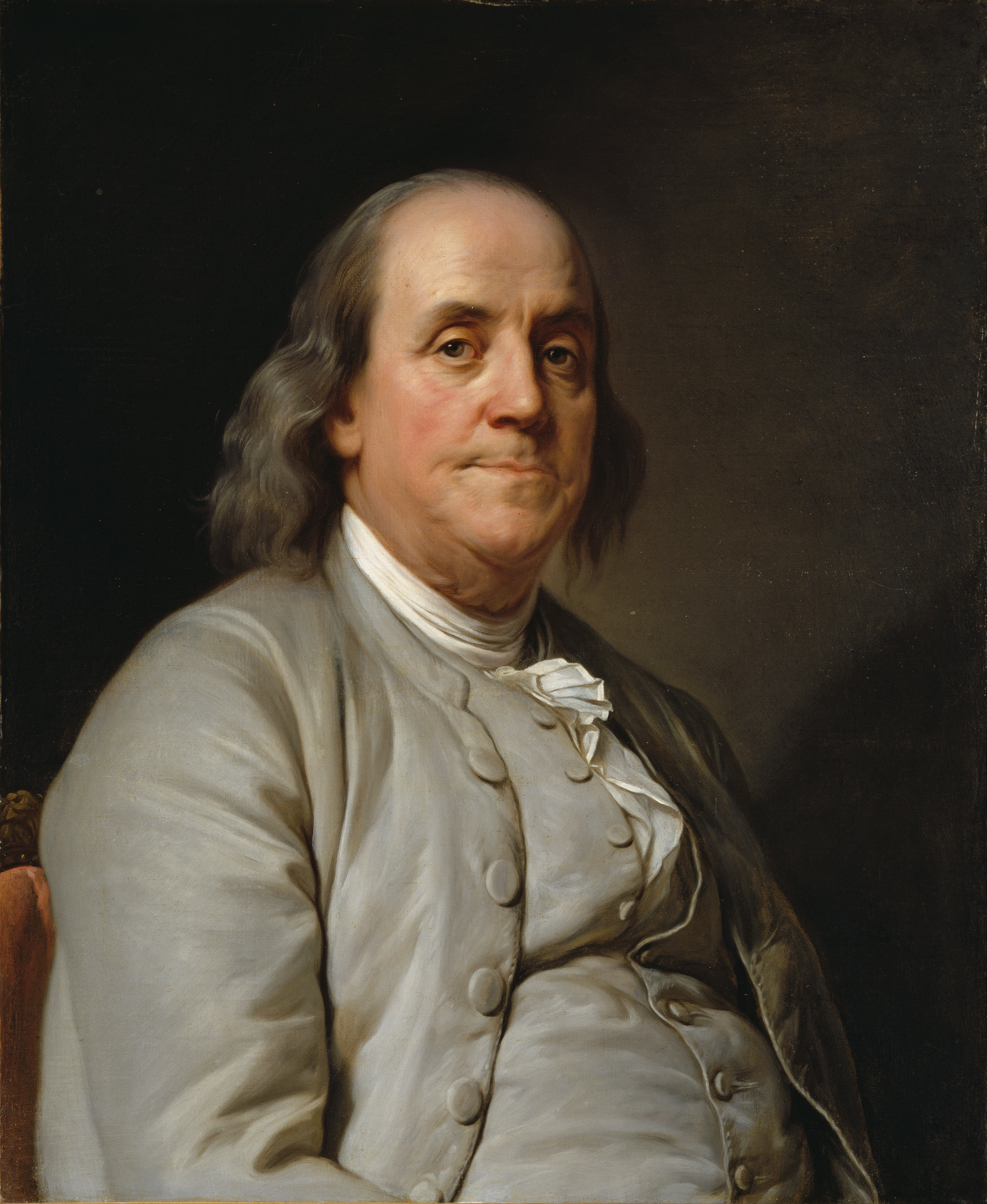
Franklin’s statistical account of smallpox inoculation in Boston during the epidemic of 1753-54, showing the beneficial effects of the practice, was written for William Heberden, who contributed the “Plain instruction…
1759
#5442
Medical facts and experiments.
Experimental human transmission of measles (pp. 266-88). Digital facsimile from Google Books at this link.
1759 –1775
#10227
The vegetable system. Or, the internal structure and the life of plants; their parts, and nourishment explained; their classes, orders, genera, and species, ascertained, and described; in a method altogether new: Comprehending an artificial index and a natural system. With figures of all plants designed and engraved by the author. The whole from nature only. 26 vols.
This very extensive work consisting of 26 vols. in folio, with a total of 1548 plates, was the first comprehensive vernacular presentation of botany adopting Linnean generic names and binary nomenclature. It describes…
1760
#4850.5
Observations on the nature and consequences of wounds and contusions of the head, fractures of the skull, concussions of the brain, etc.
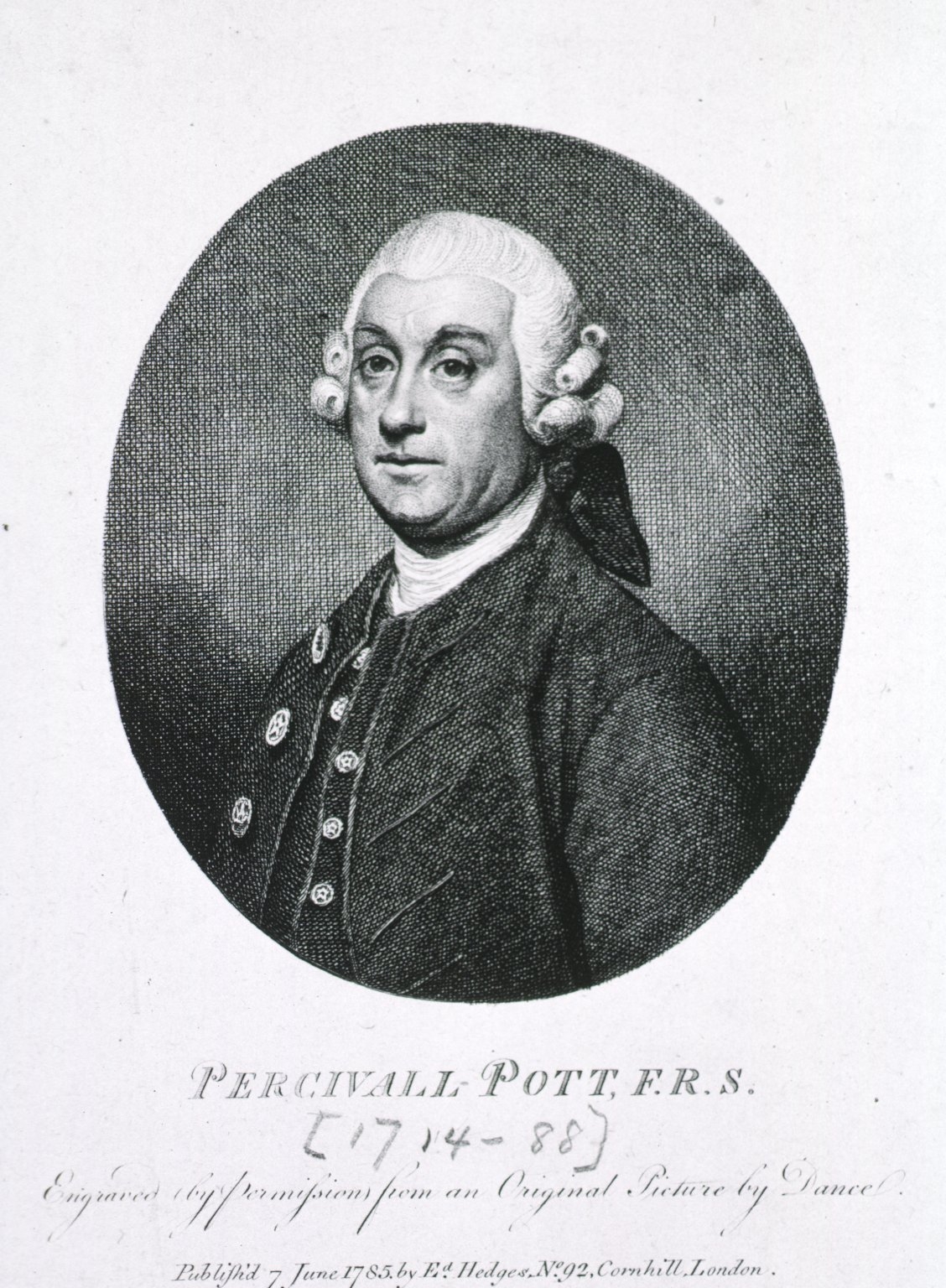
This book, which showed Pott’s extensive knowledge of surgical literature, systematized the treatment of head injuries. It shows what a variety of injuries of the head could be sustained even before the advent of the …
1760
#7060
A discourse on the nature, causes, and cure of corpulency. Illustrated by a remarkable case, Read before the Royal Society, November 1757. And now first published.
Digital facsimile from Google Books at this link.
1760
#9902
An essay on the medicinal nature of hemlock.
"Störck is remembered for his clinical research of various herbs, and their associated toxicity and medicinal properties. His studies are considered to be the pioneering work of experimental pharmacology and his metho…
1760
#12703
Select remains of the learned John Ray, M.A. and F.R.S. with his life by the late William Derham, D. D. Canon of Windsor, and F.R.S. Published by George Scott, M.A. and F.R.S.
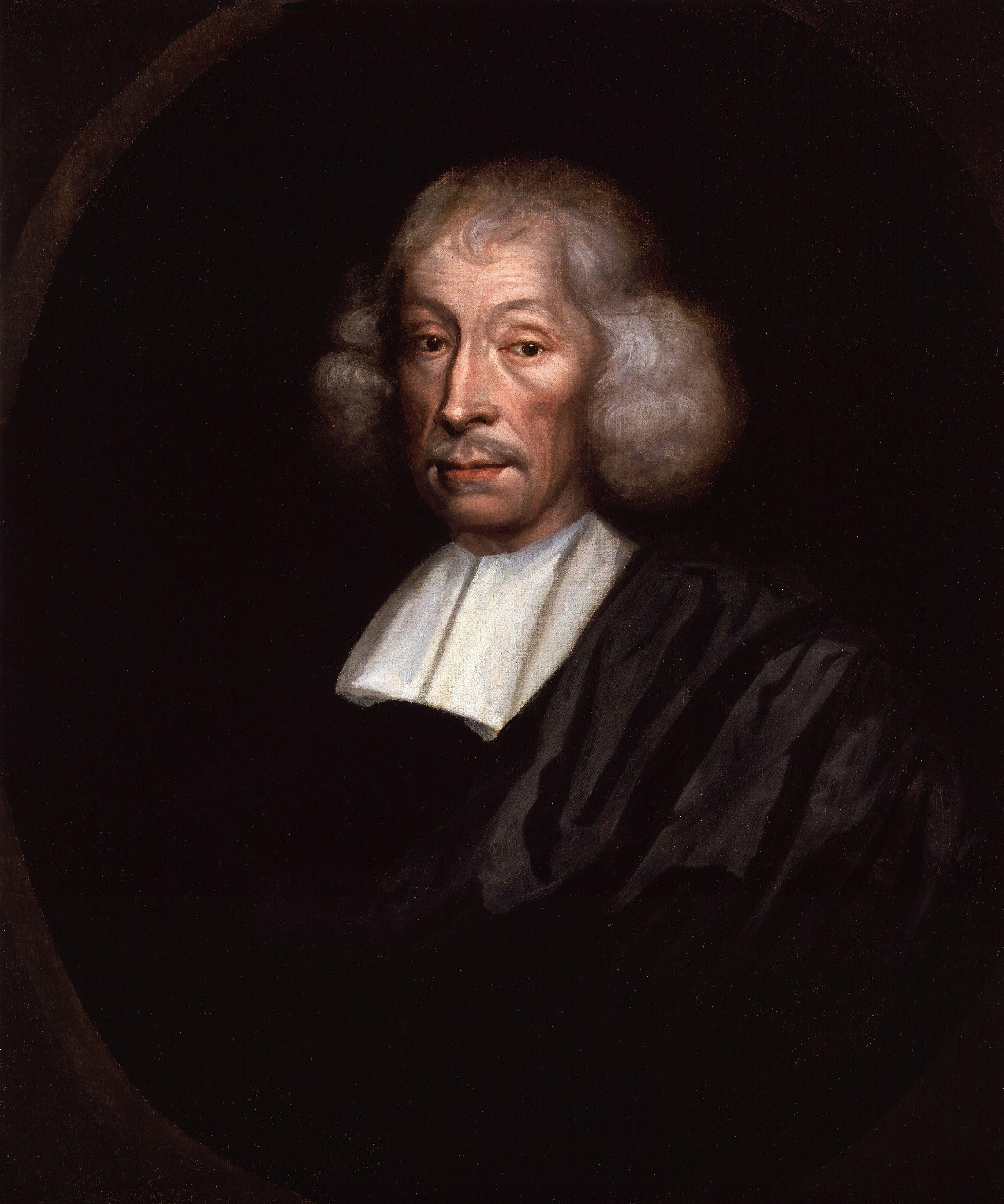
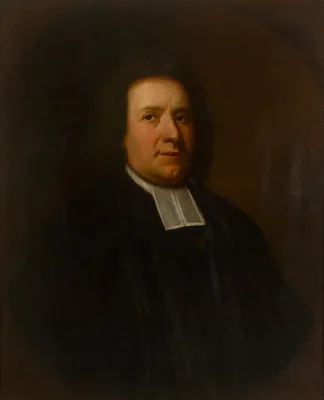
Because Derham died in 1735 this biography would have been written in the early part of the 18th century after the death of Ray in 1705. Digital facsimile from the Hathi Trust at this link.
1761
#2607.1
Cautions against the immoderate use of snuff. Founded on the known qualities of the tobacco Plant; and the effects it must produce when this way taken Into the body: And by instances of persons who have perished miserably of diseases, occasioned, or rendered incurable by its use,
First clinical report (pp. 30-31) of an association between tobacco and cancer, in this case “polypusses” of the nose caused by taking snuff. Hill was a distinguished botanist and apothecary, although regarded by some…
1761
#7669
History of the travels and adventures of the Chevalier John Taylor, ophthalmiater; pontifical imperial and royal to the Kings of Poland, Denmark, Sweden, the electors of the Holy Empire, the princes of Saxegotha, Mecklenburg, Anspach, Brunswick, Parma, Modena... Addressed to his only son.
1762
#4164
Practical remarks on the hydrocele or watry rupture.
Classic description of hydrocele.
1762
#11523
The medical works of Richard Mead.
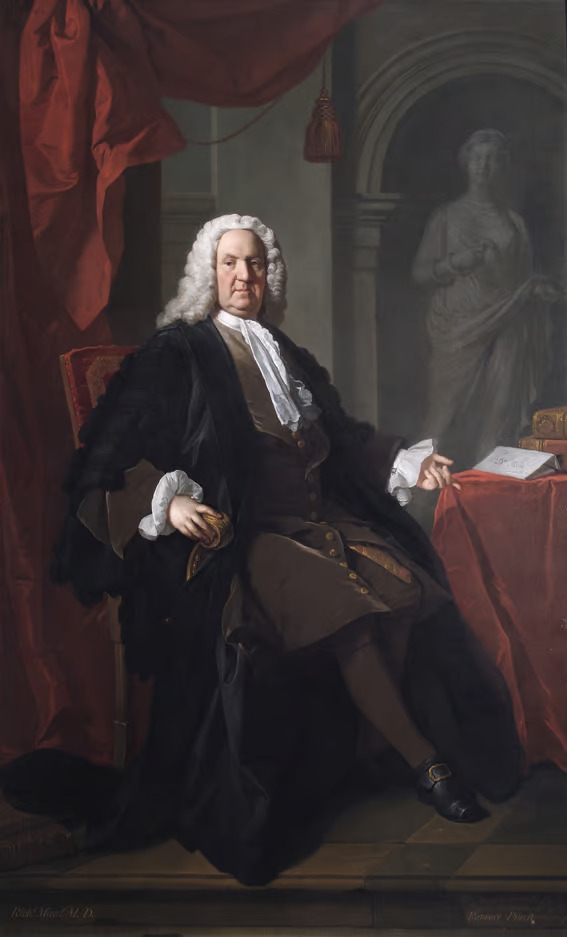
1763
#7363
Travels from St. Petersburg in Russia to various parts of Asia in 1716, 1719, 1722 &c. 2 vols.
Digital facsimile from the Internet Archive at this link.
1763
#10989
Observations on some of the diseases of the parts of the human body. Chiefly taken from the dissections of morbid bodies.
Clossy, an Irish physician, previously at Trinity College, Dublin, gave the first anatomy classes and dissections at King’s College in New York City (now Columbia) in 1763. Clossy worked closely with other King’s Coll…
1764
#2153
Oeconomical and medical observations … tending to the improvement of military hospitals, and to the cure of camp diseases, incident to soldiers.
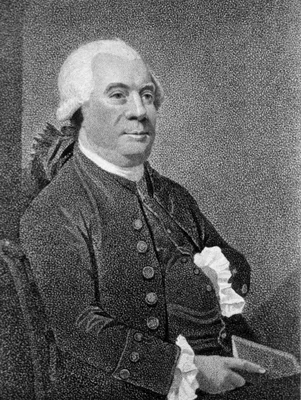
The best book of the century regarding military sanitation.
1764
#9205
An account of the diseases which were most frequent in the British military hospitals in Germany, from January 1761 to the return of the troops to England in March 1763. To which is added an essay on the means of preserving the health of soldiers, and conducting military hospitals.
Donald Monro was the second son of Alexander Monro (primus). Digital facsimile from the Internet Archive at this link.
1764
#9509
An essay on the more common West-India diseases and the remedies which that country itself produces: To which are added some hints on the management, &c. of negroes.
Though the title suggests tropical medicine in general, this work mainly concerns the selection and medical care of slaves. Digital facsimile of the second edition (Edinburgh, 1802) expanded "with practical notes and …
1765
#4841
Observations on the nature, causes, and cure of those disorders which have been commonly called nervous hypochondriac, or hysteric, to which are prefixed some remarks on the sympathy of the nerves.
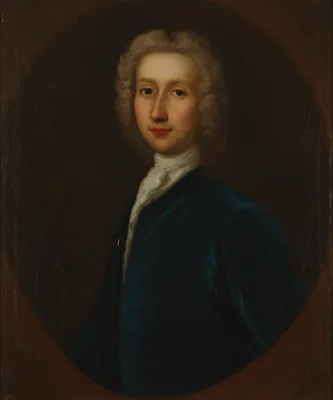
“First important English work on neurology after Willis” (Garrison).
1765
#3424.2
Remarks on the disease commonly called a fistula in ano.
Probably the greatest English classic of colon-rectal surgery. Pott recommended the practice of simple division rather than the newer, more complicated methods proposed by Cheselden and Le Dran, and audaciously pointe…
1765
#5051
An enquiry into the nature, cause, and cure of the croup.
First clear and complete clinical description of diphtheria.
1766
#308.1
The anatomy of the horse.
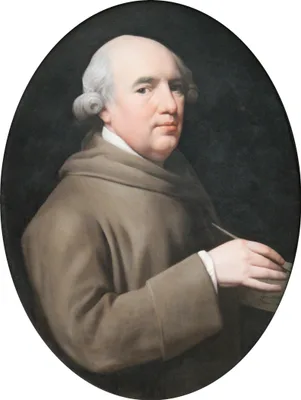
The first original work on equine anatomy after Ruini (No. 285). Stubbs, the great painter of animals, prepared his own dissections of horse carcasses, and personally engraved the 24 double folio plates for this work,…
1766
#2527.99
De variolis et morbillis commentarius.
The first medical description of smallpox was written by Rhazes, about the year 910… The above work is the first edition of the Arabic text with a parallel Latin translation by the English pharmacist and scholar, John…
1766 –1767
#7365
Travels through France and Italy. Containing observations on character, customs, religion, government, police, commerce, arts, and antiquities. With a particularly description of the town, territory, and climate of Nice: to which is added a register of the weather, kept during a residence of eighteen months in that city. 2 vols.
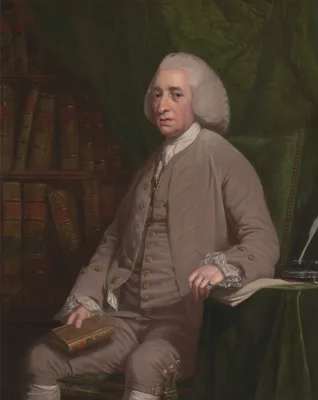
Digital facsimile from Google Books at this link.
1766
#10570
The Aurelian or natural history of English insects; namely, moths and butterflies.
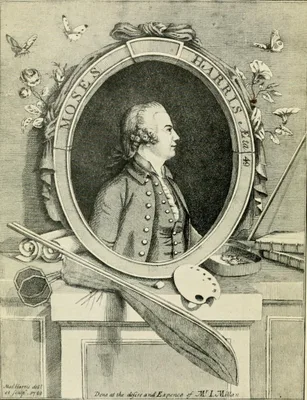
Harris drew and engraved his own illustrations. The second edition (1778) was considerably expanded, and with four more plates than the first, for a total of 45. Some of the hand-colored copies were hand-colored by th…
1766
#12496
Travels through France and Italy. Containing observations on character, customs, religion, government, police commerce, arts, and antiquities. With a particular description of the town, territory, and climate of Nice: To which is added a register of the weather, kept during a residence of eighteen months in that city. 2 vols.
Digital facsimile from Google Books at this link. "After suffering the loss of his only child, 15-year-old Elizabeth, in April 1763, Smollett left England in June of that year. Together with his wife, he traveled acro…
1767
#2096
An essay concerning the cause of the endemial colic of Devonshire.
Baker demonstrated that the cider of Devonshire contained lead, while that made in other parts of England did not. He further showed that it was common practice in Devon to line cider presses with lead, and proved tha…
1767
#5420
The present method of inoculating for the small-pox.
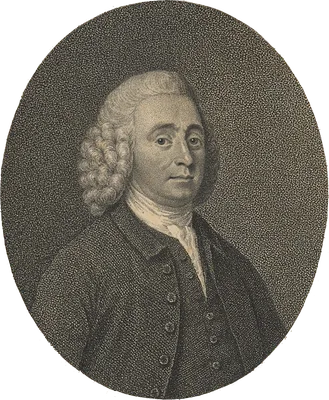
Dimsdale is notable as having inoculated Catherine of Russia and her son. For this he received a fee of £10,000 and a life pension. His reputation and the exalted rank of his patient helped in popularizing the measure…
1767
#6156
Practical directions, shewing a method of preserving the perinaeum in birth, and delivering the placenta without violence.
Harvie, Smellie’s successor, advocated external expression of the placenta instead of traction on the cord, anticipating Credé in this connection by almost a century (see No. 6183). Reprinted in H. Thoms: Classic cont…
1767
#5196
De gonorrhoea virulenta.
Balfour is said to have been the first to re-affirm the duality of gonorrhoea and syphilis.
1767
#6324
An essay on the diseases most fatal to infants.
One of the best pediatric works of the period. Armstrong is noteworthy as the founder of the first children’s dispensary in Europe, the Dispensary for Sick Children, London, in 1769.
1767
#7679
Hortus Europae americanus, or, A collection of 85 curious trees and shrubs: the produce of North America, adapted to the climates and soils of Great-Britain, Ireland, and most parts of Europe, &c together with their blossoms, fruits and seeds, observations on their culture, growth, constitution and virtues, with directions how to collect, pack up and secure them in their passage.
Digital facsimile from the Biodiversity Heritage Library at this link. First published as Hortus Britanno-Americanus (1763).
1767
#12397
An account of the manner of inoculating for the small pox in the East Indies: With some observations on the practice and mode of treating that disease in those parts.
Holwell's account of smallpox variolation in India prior to Jenner has been disputed by historians. Digital facsimile from the Internet Archive at this link.
1767
#13081
The law of physicians, surgeons, and apothecaries: Containing all the statutes, cases at large, arguments, resolutions, and judgments concerning them. Compiled, by desire of a great personage, for the use of such gentlemen of the faculty as are enemies to quackery, in order to point out the defects in the law, as it now Stands, relative to those professions, and To propose such expedients for remedying them as they shall think necessary, before the next session of parliament, when it is intended to apply for an act for regulating the practice of physick, and suppressing empirical nostrums.
Digital facsimile from Google Books at this link.
1767
#13557
A comparative history of the increase and decrease of mankind in England, and several countries abroad, according to the different soils, situations, business of life, use of the non-naturals, &c. faithfully collected from, and attested by, above three hundred vouchers, and many of them for a long course of years, in two different Periods. To which is added a syllabus of the general States of health, air, seasons, and food for the last three hundred years; and also a meteorological discourse.
Digital facsimile from Google Books at this link.
1768
#4634
Observations on the dropsy in the brain.
The first account of the clinical course of tuberculous meningitis in children. This work is notable for its fullness of detail and its accuracy. Whytt divided the disease into three stages, according to the character…
1768
#2264
An essay on diseases incidental in Europeans in hot climates.
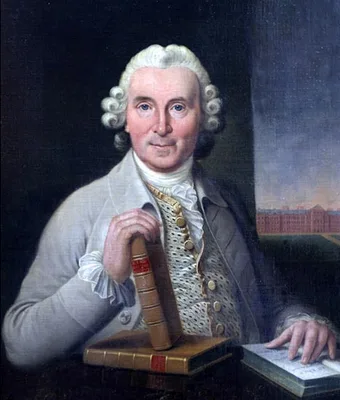
Lind came near to discovering the connection between malaria and mosquitoes. He is best remembered for his work on scurvy (No. 3713), but the above book is one of the more important early works on tropical medicine.
1768
#3674
A treatise on the disorders and deformities of the teeth and gums.
Earliest English dental textbook. Berdmore was the first to mention the use of the microscope for the study of the minute structure of teeth.
1768
#4408
Some few general remarks on fractures and dislocations.
The methods outlined by Pott in his classic work on fractures and dislocations were eventually adopted all over the world. He described (pp. 57-64) “Pott’s fracture” in this book, and he stressed the necessity for the…
1768
#11733
The works of Robert Whytt, M.D. Late physician to his Majesty.... Published by his son.
Digital facsimile from the Internet Archive at this link.
1769
#2204
Synopsis nosologiae methodicae.
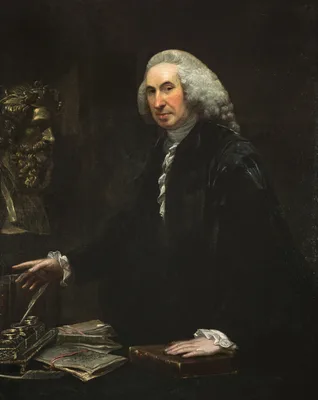
This work made Cullen’s reputation. In it he divided diseases into fevers, neurosis, cachexias and local disorders. Cullen was the foremost British clinical teacher of his time, one of the first to give clinical lectu…
1769
#3167
Observations on the asthma and on the hooping cough.
Includes Millar’s original description of laryngismus stridulus (“Millar’s asthma”).
1769
#3807
An account and method of cure of the bronchocele or Derby neck.
Prosser gave the prescription of a powder containing calcined sponge, to be taken for the cure of goitre. This is probably the first recorded use of an iodine preparation in England.
1769
#5304
Essay on the natural history of Guiana, in South America. Containing a description of many curious productions in the animal and vegetable systems of that country. Together with an account of the religion, manners, and customs of several tribes of its Indian inhabitants. Interspersed with a variety of literary and medical observations. In several letters....
Bancroft was an English physician who lived for many years in South America. He noted the transmission of yaws by flies (p. 385 of his book). Digital facsimile from the Internet Archive at this link.