United Kingdom
2,632 entries published in United Kingdom. 64 publication places.
1769
#9148
Domestic medicine or, the family physician: Being an attempt to render the medical art more generally useful, by shewing people what Is in their own power both with respect to the prevention and cure of diseases: Chiefly calculated to recommend a proper attention to regimen and simple medicines.
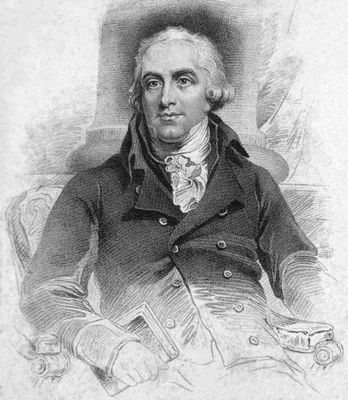
This pioneering medical self-help book was an instant success, selling 80,000 copies in Buchan's lifetime— a huge number for that time, and was translated into all the major European languages. Digital facsimile from …
1770
#1772
A chronological history of the weather and seasons and of the prevailing diseases in Dublin. With their various periods, successions, and revolutions, during the space of forty years. With a comparative view of the difference of the Irish climate and diseases, and those of England and other countries ...
Rutty kept continuous records of weather and diseases in Dublin from 1724-64. On page 75 of this work is the first clear description of relapsing fever. Digital facsimile from the Hathi Trust at this link.
1770
#8132
Observations on the duties and offices of a physician; and on the method of prosecuting enquiries in philosophy.
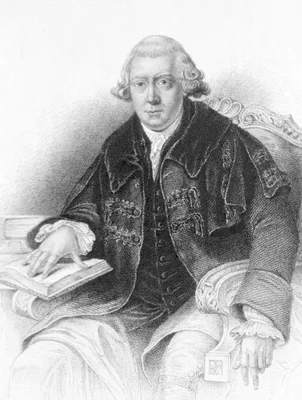
"The first philosophical, secular medical ethics in the English language" (Lawrence, Paul. "(John Gregory." Oxford Dictionary of National Biography.). "Gregory divided the practice of medicine into four parts, or bran…
1770
#12707
Directions for bringing over seeds and plants from the East-Indies and other distant countries in a state of vegetation: Together with a catalogue of such foreign plants as are worthy of being encouraged in our American colonies, for the purposes of medicine, agriculture, and commerce. To which is added the figure and botanical description of a new sensitive plant, called Dionaea muscipula: or, Venus's Fly-Trap.
On p. 34 Ellis published with a separate part title, A botanical description of the Dionaea Muscipula, or Venus's Fly-Trap. A newly-discovered sensitive plant: In a letter to Sir Charles Linnaeus, Knight of the Polar …
1770
#12733
Lectures on the materia medica: Containing the natural history of drugs, their virtues and doses: Also directions for the study of the materia medica; and an appendix on the method of prescribing. Published from the manuscript of the late Dr. Charles Alston...by John Hope. 2 vols.
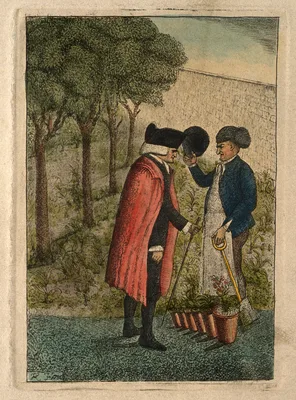
Digital facsimile from the Internet Archive at this link.
1771
#4489
A dissertation on the gout, and all chronic diseases, jointly considered, as proceeding from the same causes; what those causes are; and a rational and natural method of cure proposed.
This book excited great attention and ran through eight editions in one year. Cadogan’s advice on moderate exercise and moderation in drinking as a cure for gout caused much criticism.
1771
#3675
The natural history of the human teeth.
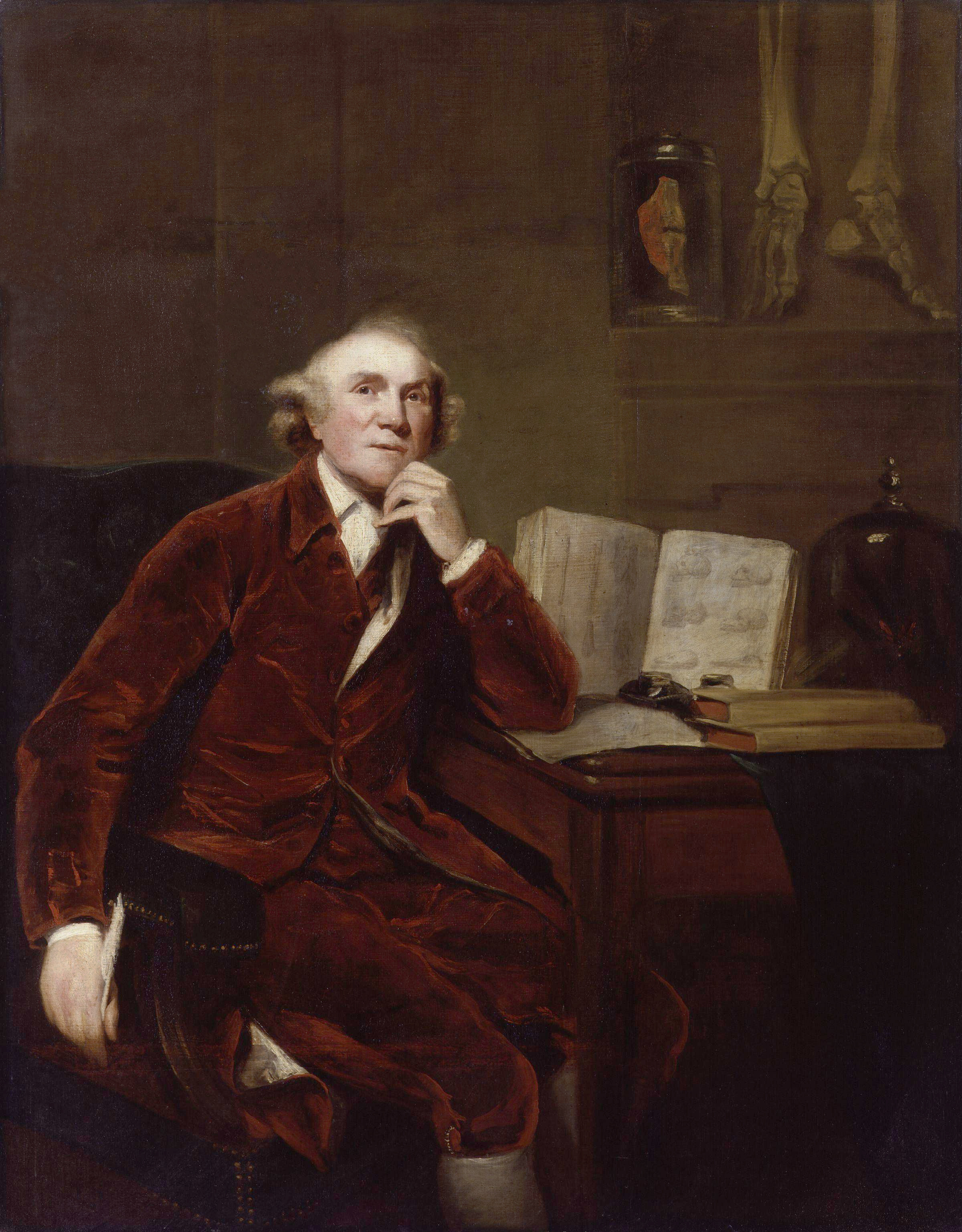
This is a detailed study of the mouth, jaws and teeth with exceptionally accurate plates. Hunter correctly understood the growth and development of the jaws and their relation to the muscles of mastication. He coined …
1771
#11615
A catalogue of the animals of North America: Containing, an enumeration of the known quadrupeds, birds, reptiles, fish, insects, crustaceous and testaceous animals ... to which are added short directions for collecting, preserving, and transporting, all kinds of natural history curiosities.
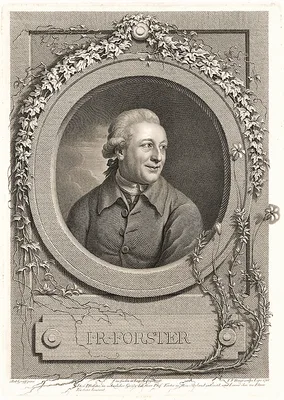
Largely based on specimens he had access to from the British collections of Thomas Pennant and Anna Blackburne, this was Forster's attempt to systemize on the Linnean model the fragmented field of natural history stud…
1771
#12472
Travels through that part of North America formerly called Louisiana by Mr. Bossu, ... Translated from the French by John Reinhold Forster, F.A.S. Illustrated with notes relative chiefly to natural history to which is added by the translator a systematic catalogue of all the known plants of English North America, or a Flora Americae Septentrionalis together with an abstract of the most useful and necessary articles contained in Peter Loefling's travels through Spain and Cumana in South America referred to the pages of the original Swedish edition. 2 vols.
This work is a series of 21 letters that Bossu wrote to the Marquis de L’Estrade describing his life and travels in the vast Louisiana country from 1751 to 1762. His ventures ranged from Fort Chartres, in present-day …
1771
#13257
Ornithologia Britannica: seu Avium omnium Britannicarum tam Terrrestrium quam Aquaticarum catalogus, sermone Latino, An;glico & Gallico redditus: Cui subjicitur appendix, aves Alienigenas, in Angliam raro adventientes, complectens.
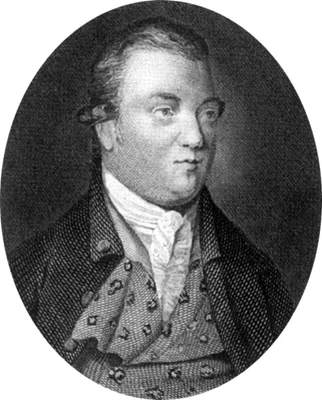
This was probably the first natural history treatise published in England that employed binomial nomenclature. Semi-facsimile edition edited by Alfred Newton and published by The Willoughby Society in 1880 as Tunstall…
1772
#921
De aëre fixo dicto, aut mephitico.
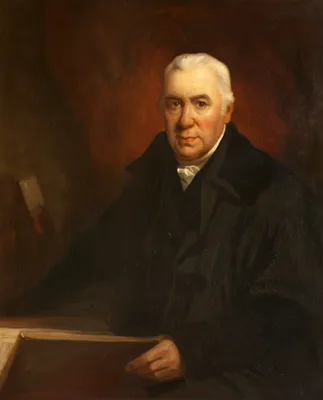
Discovery of nitrogen.
1772
#6269
Practical observations on the child-bed fever.
Leake insisted on the contagious nature of puerperal fever. Reprinted, London, Sydenham Society, 1949.
1772
#7660
The naturalist's and traveller's companion. Containing instructions for discovering and preserving objects of natural history....
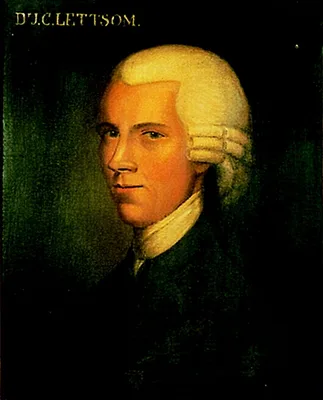
Digital facsimile of the first edition from Google Books at this link. Digital facsimile of the corrected, enlarged, and more elegant second edition of 1774 from the Internet Archive at this link.
1772
#13627
The natural history of the tea-tree, with observations on the medical qualities of tea, and effects of tea-drinking.
Digital facsimile from Google Books at this link.
1773
#2028.52
A short account of a society at Amsterdam instituted in the year 1767 for the recovery of drowned persons…
An English summary of No. 2028.51, and the first detailed report on the society’s work published in England. Johnson proposed the formation of a similar society in England. The Royal Humane Society was formed by T. Co…
1773
#6270
A treatise on the management of pregnant and lying-in women, and the means of curing, but more especially of preventing the principal disorders to which they are liable. Together with some new directions concerning the delivery of the child and placenta in natural births. illustrated with cases.
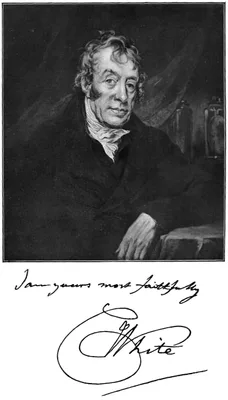
White was the first to state clearly in a text on midwifery the necessity of absolute cleanliness in the lying-in chamber, the isolation of infected patients, and adequate ventilation. He instituted the principle of u…
1773
#8813
Observations on the diseases in long voyages to hot countries, and particularly on those which prevail in the East Indies.
Digital facsimile of the third edition, "revised and enlarged" (1793) from the Internet Archive at this link.
1773
#14117
A treatise on the kinkcough. With an appendix. Containing an account of hemlock, and its preparation.
Probably the first book on whooping cough, proceeding Watt's book by 40 years. Butter proposed hemlock as a treatment for whooping cough. Digital facsimile from Google Books at this link. (Thanks to Webb Dordick for t…
1774
#1102
Experimental inquiries: Part the second. Containing a description of the lymphatic system in the human subject and in other animals. Together with observations on the lymph, and the changes which it undergoes in some diseases.
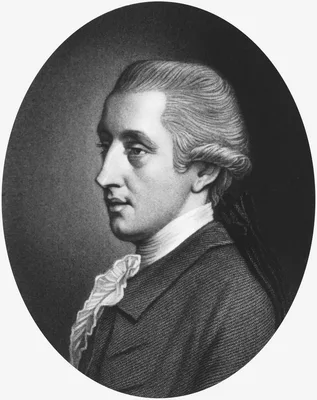
Hewson gave the first complete account of the anatomical peculiarities of the lymphatics. He divided the lymphatics into two groups – superficial and deep. He described the leucocytes as derived from the lymphatic gla…
1774
#6157
Anatomia uteri humani gravidi tabulis illustrata. The anatomy of the human gravid uterus exhibited in figures.
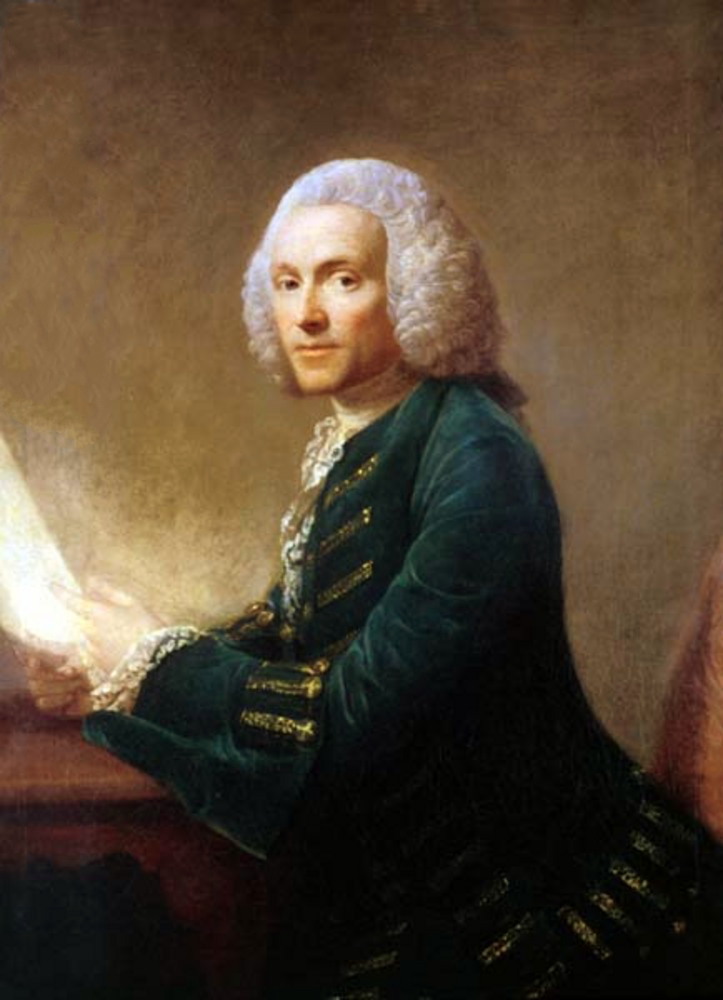
Hunter originally trained as Smellie’s assistant. Once he achieved brilliant professional and financial success he became a great collector of rare books and manuscripts, coins, paintings, minerals, shells, and antiqu…
1774
#9519
The seaman's medical instructor, in a course of lectures on accidents and diseases incident to seamen, in the various climates of the world. Calculated for ships that carry no surgeon. The whole delivered in a plain language and founded upon a long and successful experience.
Digital facsimile from the Hathi Trust at this link.
1775
#2122
Chirurgical observations relative to the cataract, the polypus of the nose, the cancer of the scrotum, etc.
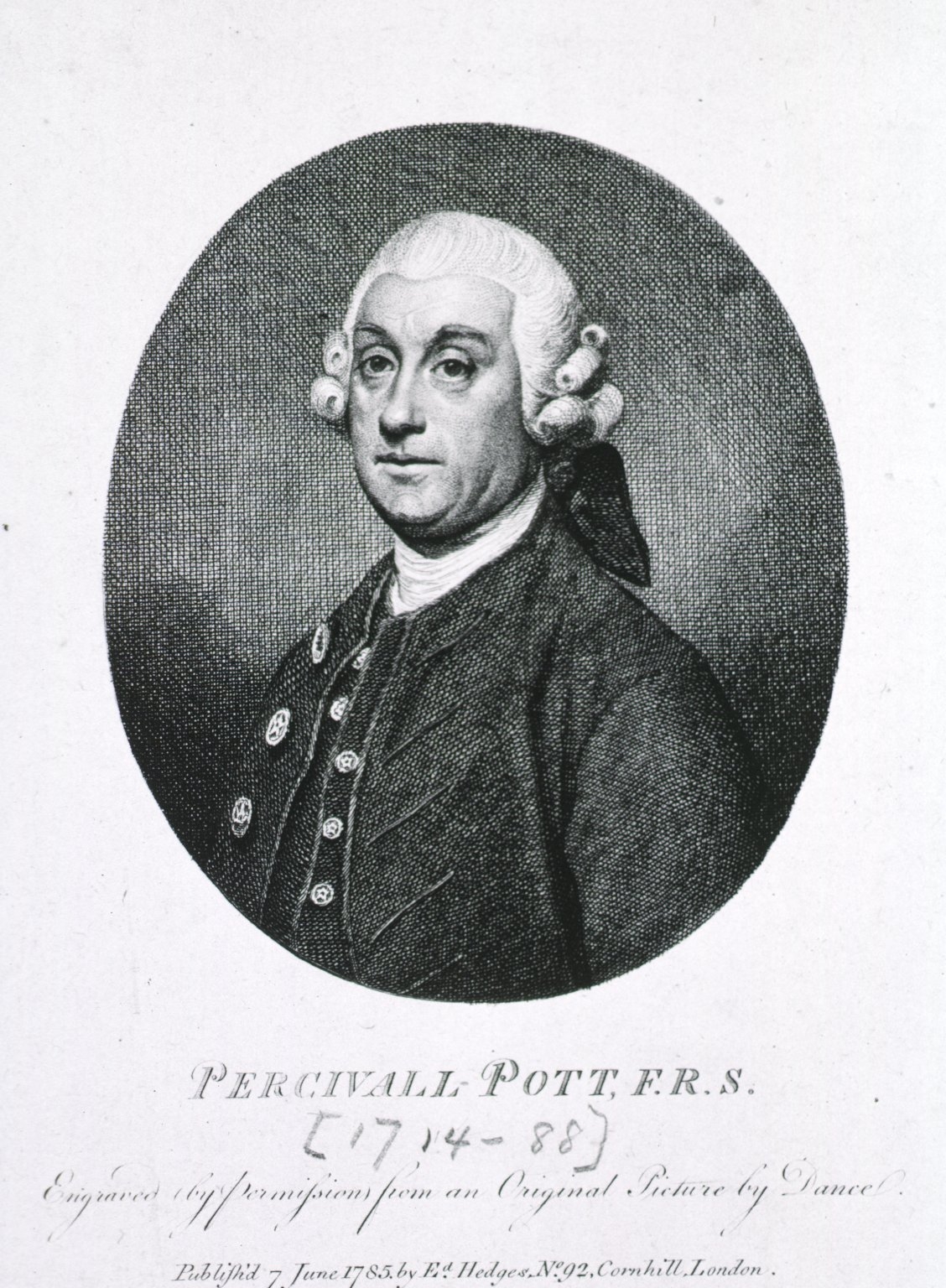
Includes the first description of occupational cancer. By describing chimney sweeps” cancer of the scrotum, Pott was the first to trace the origin of a type of cancer to a specific external cause. The above work also …
1775
#6158
An essay on the uterine haemorrhage, which precedes the delivery of the full grown foetus: illustrated with cases.
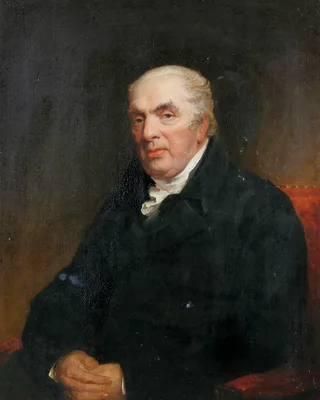
Rigby differentiated between premature separation of the normal placenta (accidental hemorrhage) and placenta praevia (unavoidable hemorrhage).
1775
#7126
Bibliotheca Askeviana, sive Catalogus librorum rarissimorum Antonii Askew, M.D. quorum auctio fiet apud S. Baker & G. Leigh....
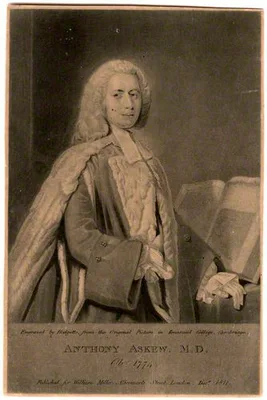
The auction catalogue of the celebrated library formed by the physician and classical scholar Askew, third owner of the famous gold-headed cane. Askew attempted to secure a complete series of all the Greek classics ev…
1775
#7505
The history of the American Indians; particularly those nations adjoining to the Missisippi [sic] East and West Florida, Georgia, South and North Carolina, and Virginia: containing an account of their origin, language, manners, religious and civil customs, laws, form of government, punishments, conduct in war and domestic life, their habits, diet, agriculture, manufactures, diseases and method of cure... With observations on former historians, the conduct of our colony governors, superintendents, missionaries, & c. Also an appendix, containing a description of the Floridas, and the Missisippi [sic] lands, with their productions--the benefits of colonizing Georgiana, and civilizing the Indians--and the way to make all the colonies more valuable to the mother country....
The author characterized himself on the title page as "a Trader with the Indians and a Resident in their Country for Forty Years." Digital facsimile from the Internet Archive at this link.
1775
#13336
Observations historical, critical, and medical, on the wines of the ancients. And the analogy between them and modern wines. With general observations and qualities of water, and in particular those of Bath.
Digital facsimile from Google Books at this link.
1776
#1833.1
A botanical arrangement of all the vegetables naturally growing in Great Britain, with descriptions of the genera and species, according to the system of the celebrated Linnaeus. Being an attempt to render them familiar to those who are unacquainted with the learned languages. Under each species are added, the most remarkable varieties, the natural places of growth, the duration, the time of flowering, the peculiarities of structure, the common English names; the names of Gerard, Parkinson, Ray and Bauhine. The uses as medicines, or as poisons; as food for men, for brutes, and for insects. With their application in oeconomy and in the arts. With an easy introduction to the study of botany. Shewing the method of investigating plants, and directions how to dry and preserve specimens. The whole illustrated by copper plates and a copious glossary. 2 vols.
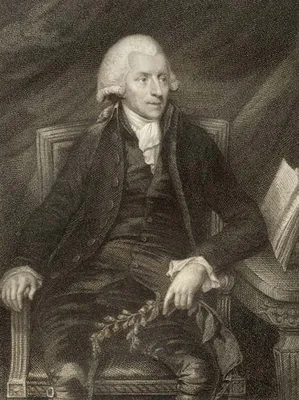
The first flora of Great Britain using Linnean binomial nomenclature, and the first complete scientific classification and description of British plants in the English language. Withering included much information on …
1776
#2156
A discourse upon some late improvements of the means for preserving the health of mariners.
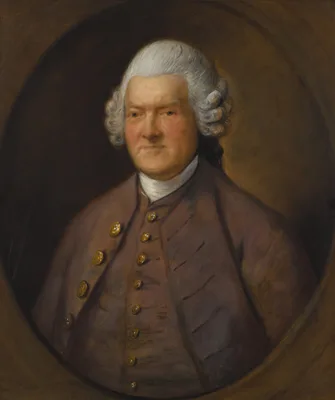
Besides his pioneer work in military medicine, Pringle did much to improve the conditions of sailors afloat. See also Nos. 2150 & 3714.
1776
#1773
An account of the weather and diseases of South-Carolina. 2 vols.
Originally published in the Gentleman’s Magazine, 1751-54.
1776
#3714
The method taken for preserving the health of the crew of H.M.S. the Resolution during her late voyage round the world. In: Sir John Pringle, A discourse upon some late improvements in the means for preserving the health of mariners.
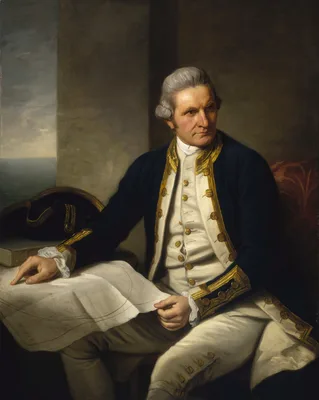
Following the scurvy-preventing suggestions of James Lind, Cook lost only one man to disease on his second voyage from 1768-1771. Reprinted in Phil. Trans., 1776, 66, 402-06. See No. 2156.
1776
#9520
Thoughts on general and partial inoculations: Containing a translation of two treatises written when the author was at Petersburg, and published there in the Russian language; also outlines of two plans: One, for the general inoculation of the poor in small towns and villages. The other, for the general inoculation of the poor in London and other large and populous places.
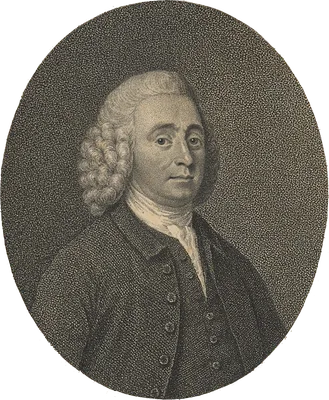
Digital facsimile from the Internet Archive at this link.
1776
#12477
Characteres generum plantarum, quas in itinere ad insulas maris Australis, collegerunt, descripserunt, delinearunt, annis 1772-1775.
This account of botanical discoveries made by the Forsters in Australia and New Zealand on Cook's second voyage was one of the earliest scientific publications resulting from that voyage. Specimens were illustrated on…
1777
#980
Dissertatio physiologica inauguralis de alimentorum concoctione.
First isolation of human gastric juice. Stevens was also the first successfully to perform an in vitro digestion, proving the presence in the gastric juice of the active principle necessary for the assimilation of foo…
1777
#1598
The state of the prisons in England and Wales.
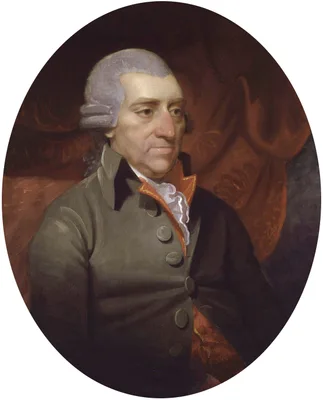
Howard devoted much of his life to the improvement of the conditions then prevailing in prisons. The publication of his book led to legislation abolishing abuses in prisons and providing for their proper cleaning. The…
1777
#3425
An account of the diseases most incident to children, from their birth till the age of puberty.
This is an enlarged and more important (third) edition of his An essay on the diseases most fatal to infants (1767) No. 6324. Page 49: Important description of congenital hypertrophic pyloric stenosis.
1777
#10347
Two essays. [Essay I. Of suicide]
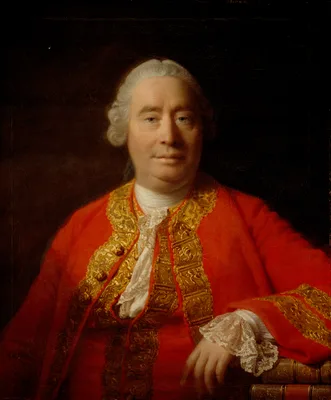
Of suicide, "probably the most widely read and most influential philosophical treatment of suicide written in modern times," was written in 1755 and originally intended to be published as one of five essays, including…
1778
#3676
A practical treatise on the diseases of the teeth, intended as a supplement to the natural history of those parts.
This and Hunter's The natural history of the human teeth (No. 3675) revolutionized the practice of dentistry and provided a basis for later dental research. Hunter devised appliances for the correction of malocclusion…
1778
#5550
De chirurgia. Arabice et Latine cura Johannis Channing. 3 vols.
This parallel Arabic-Latin edition prepared by the apothecary John Channing is the first printed edition in Arabic, and the first modern edition of the text. Digital facsimile of the 1778 edition from Bayerische Staat…
1778
#5578
A treatise on the theory and management of ulcers.
Important classification of ulcers.
1778
#6381
History of the origin of medicine, delivered at the anniversary meeting of the Medical Society of London, January 19, 1778, and printed at their request. To which are since added, various historical illustrations.
The work covers the "origin of medicine" from the time of the Creation to the Trojan War (6000 – 1184 BCE), and describes both Old and New World medical practices of the period. The lectures were necessarily relativel…
1778
#7564
Observations made during a voyage round the world, on physical geography, natural history, and ethic philosophy. Especially on 1. The earth and its strata, 2. Water and the ocean, 3. The atmosphere, 4. The changes of the globe, 5. Organic bodies, and 6. The human species.
The natural history of Captain James Cook's second voyage in the Pacific; Forster and his son Georg were appointed naturalists to the voyage after Joseph Banks withdrew from the position. Digital facsimile from Google…
1778
#7662
Museum Britannicum : being an exhibition of a great variety of antiquities and natural curiosities, belonging to that noble and magnificent cabinet, the British Museum, illustrated with curious prints, engraved after the original designs, from nature, other objects: and with distinct explanations of each figure.
Digital facsimile from the Internet Archive at this link.
1778
#11885
Museum falconarianum. A catalogue of the entire and capital museum of anatomical preparations, and other subjects of natural history; a great variety of chirurgical, anatomical, and philosophical instruments; medicaments, cabinets, preparation-glasses, and other effects; of the late Mr. Magnus Falconar, surgeon, and professor of anatomy, deceased: which, by order of the adminstrator, will be sold by auction, by Mr. Paterson, at his Great Room, No 6. in King-Street, Covent-Garden, London, on Monday the 12th of October 1778, and the nine following evenings, to begin precisely at five o'clock. To be viewed on Wednesday the 7th instant, and to the time of sale. Catalogues, price one shilling, may be had at the place of sale; where also may be had, Mr. Falconar's synopsis of his course of lectures on anatomy and surgery, printed only for the use of his pupils, and never before published, Price five shillings.'
Digital facsimile from Google Books at this link.
1779
#591
Experiments and observations on animal heat.
Earliest experiments upon animal calorimetry.
1779
#3808
Cases and remarks in surgery: to which is subjoined an appendix containing the method of curing the bronchocele in Coventry.
The “Coventry treatment” for goitre, which introduced the burnt sponge remedy into England, is mentioned on pp. 249-54. Digital facsimile from the Hathitrust at this link.
1779
#4304
Remarks on that kind of palsy of the lower limbs, which is frequently found to accompany a curvature of the spine.
“Pott’s disease”. Percival Pott, surgeon to St. Bartholomew’s Hospital for more than 40 years, left a classic description of spinal curvature due to tuberculous caries and causing paralysis of the lower limbs. He did …
1779
#5079
An account of the scarlet fever and sore throat, or scarlatina anginosa; particularly as it appeared at Birmingham in the year 1778.
Withering, best remembered for his book on the foxglove, described the epidemics of scarlet fever which occurred in England in 1771 and 1778.
1779
#103
Experiments on vegetables, discovering their great power of purifying the common air in the sun-shine, and of injuring it in the shade at night. To which is joined, a new method of examining the accurate degree of salubrity of the atmosphere.
Discovery of photosynthesis. Ingen-Housz showed that the green parts of plants, when exposed to light, fix the free carbon dioxide of the atmosphere, but that in darkness plants have no such power. Thus he proved that…
1779
#9467
Observations on the management of the prevailing diseases particularly in the Army and Navy; together with a review of that in other countries, and arithmetical calculations of the comparative success of different methods of cure.
Millar promoted mathematical methods for computing the comparative success of different methods of cure. Digital facsimile from Google Books at this link.
1779
#9501