
Italy
447 entries published in Italy. 42 publication places.
1527
#7202
Avicenne liber canonis medicinae. Cum castigationibus Andree Bellunensis.
![AVICENNA, [Abū ʿAlī al-Ḥusayn ibn ʿAbd Allāh ibn Al-Hasan ibn Ali ibn Sīnā] (980 – 1037)](/media/portraits/9572)
Revised and improved text of the Canon and other works of Avicenna by Andrea Alpago of Belluno, who had acquired a deep understanding of both the language and the subject during his thirty years of service as physicia…
1528
#36
In principio singulorum librorum omnia indicantur, quae in eo libro continentur. [Title in Greek and Latin].
Paul of Aegiina was the most famous physician and surgeon in the Byzantine Empire during the seventh century, and probably thereafter. According to Eugene F. Rice, "Paulus Aegineta", Catalogus translationum et comment…
1529
#9349
Galeni Pergameni libri anatomici, quorum indicem versa patina indicabit. Edited by Giacomo Berengario da Carpi.
![GALEN, [Κλαύδιος Γαληνός; Galen of Pergamon] (129 – 216)](/media/portraits/21)
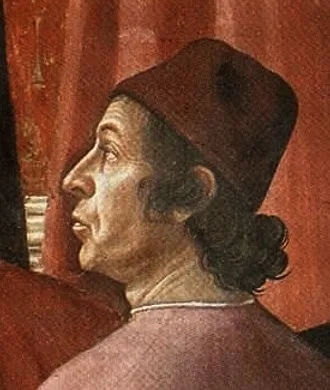
First printed edition in Latin of Galen's De anatomicis administrationis, as translated from the Greek by Demetrios Chalkokondyles under the title De anatomicis aggressionibus. Other works in this collection edited by…
1530
#2364
Syphilis sive morbus gallicus.
The most famous of all medical poems. It epitomized contemporary knowledge of syphilis, gave to it its present name, and recognized a venereal cause. Fracastorius refers to mercury as a remedy. First complete English …
1533
#2366
Morbi gallici novum ac utilissimum opusculum quo vera et omnimoda ejus cura percipi potest.
Mattioli considered mercury a specific in the treatment of syphilis. He was probably the first to work extensively on syphilis of the newborn. He is better known for his commentary on Dioscorides.
1533
#7793
Tou sophōtatou Philē, Stichoi iambikoi peri zōōn idiotētos.
The Greek text edited by Aristoboulos Apostolis (1465-1536), who became Arsenios, Archbishop of Monemvasia in 1514. Philes' Greek text was reedited by Joachim Camerarius with Latin translation by G. Bermann and first …
1534
#33
Bιβλίων ὶαтριкω̂ν тομος ά. Librorum medicinalium tomus primus, primi scilicet libri octo nunc primum in lucem editi.
First printed edition in the original Greek of the first half of the Tetrabiblion, issued in Venice by the heirs of Aldus Manutius. In the Tetrabiblion Aetius collected together works of other men which might have bee…
1535
#4278
De lapide renum curiosum opusculum nuperrime in lucem aeditum. Eiusdem De lapide vesicae per incisionem extrahendo sequitur aureus libellus.
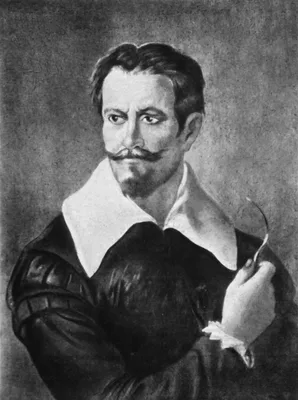
Marianus Sanctus Barolitanus popularized the operation of lithotomy introduced by the father of Giovanni Vigo of Rapallo. This method passed on to Giovanni di Romani and from him to Marianus. It became known as the “M…
1536
#1804
Examen omnium simplicium medicamentorum, quorum in officinis usus est.
Brasavola introduced some new drugs into the formulary. The book is written in the form of a dialogue. Digital facsimile from the Internet Archive at this link.
1536
#1536
Liber introductorius anatomiae sive dissectionis corporis humani; in quo quam plurima membra, operationes, & utilitates tam ab antiquis, quam a modernis praetermissa manifestantur.
A practical manual for dissection, showing how to carry out an anatomy from the first incision onwards. Massa based his work on his experience gained from numerous dissections that he had undertaken in the hospital of…
1536
#5370
De malo recentiorum medicorum medendi usu libellus.
![CARDANO, Girolamo [Gerolamo; Hieronymus Cardanus] (1501 – 1576)](/media/portraits/7679)
Includes (cap. XXXVI) an early account of typhus, morbus pulicaris. English translation in Major, Classic descriptions of disease, 3rd ed., Springfield: Charles C Thomas, 1945, p. 163.
1536
#11748
De palpitationes, tremore, rigore, convulsione. Intreprete Nicolao Lauachio, medico Florentino.
First separately published printed edition of Galen's writings on neuropathology. Digital facsimile from Google Books at this link.
1537
#7145
De corporis humani fabrica libri quinque a Junio Paulo Crasso Patavino in latinam orationem conversi. [Cum] Hippocratis praeterea Coi de purgatoriis medicamentis libellus perutilis, ac desideratus ab eodem Jun. Paulo Cras. Latinitate donatus.
![HIPPOCRATES, [Ἱπποκράτης; Hippocrates of Kos] (-460 – -370)](/media/portraits/50)
A Byzantine anatomical and physiological treatise almost entirely abridged from Galen's "De usu partium corporis humani," from which Theophilus now and then differed, and which he sometimes appears to have misundersto…
1538
#372
Tabulae anatomicae sex.
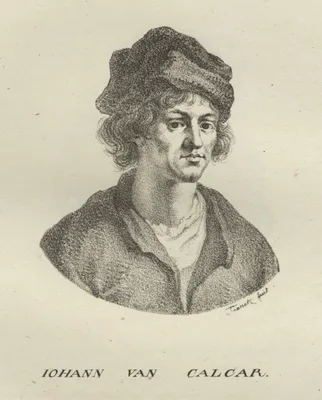
Vesalius’ first anatomical publication, consisting of six oversized anatomical charts, resembling fugitive sheets. The three skeletal woodcuts are signed by the artist, Jan Stephan van Calcar, who also acted as the pu…
1538
#9091
Guenter von Andernach: Institutionum anatomicarum secundum Galeni sententiam ad candidatos medicinae libri quatuor per Joannem Guinterium Andernacum medicum ab Andrea Vesalio Bruxellensi auctiores & emendatiores redditi.
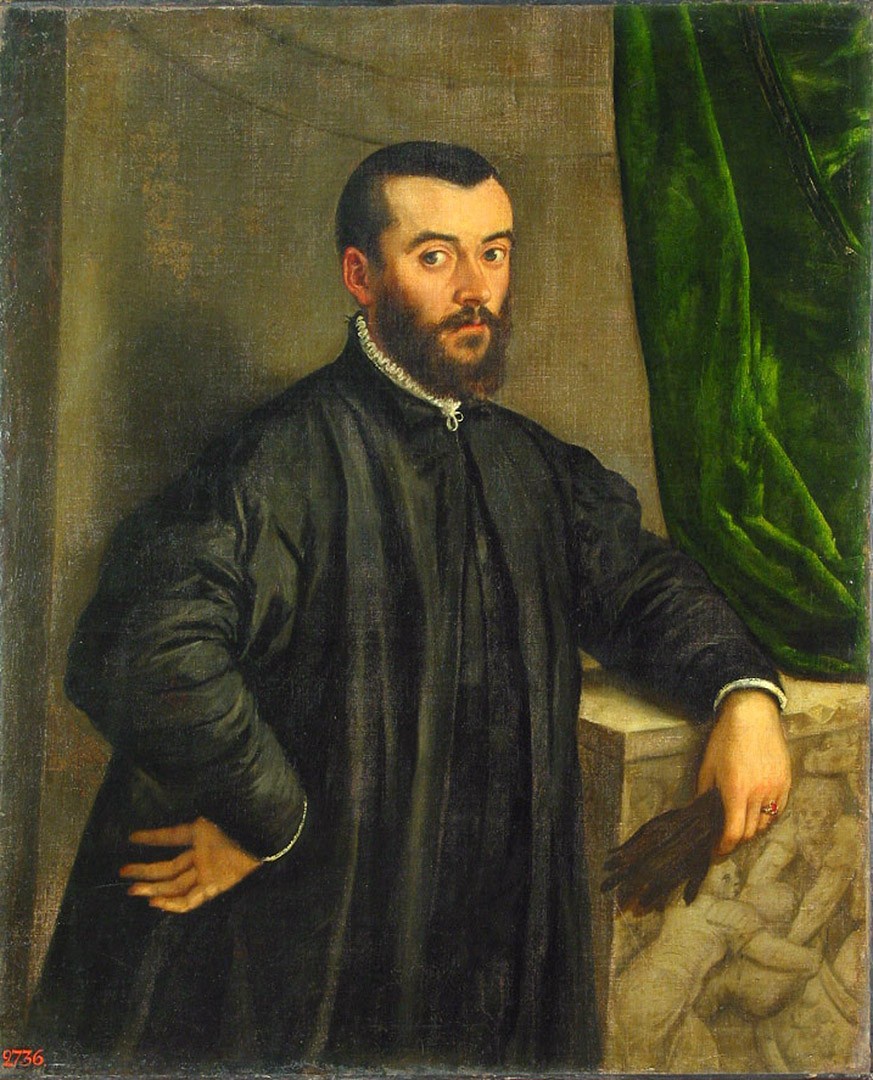
Shortly after the publication of Tabulae anatomicae sex, Vesalius completed this revision of Institutiones anatomicae, a Galenic anatomical text by his teacher Johann Guinter first published in 1536. Vesalius justifie…
1541
#373
Musculorum humani corporis picturata dissectio.
The first book in which each muscle was illustrated separately, with copper-plates of the bones and muscles of the upper limb from drawings by Girolamo da Carpi, which in realism and exactitude surpassed anything betw…
1544
#7820
Di Pedacio Dioscoride Anazarbeo Libri cinque della historia, et materia medicinale tradotti in lingua volgare italiana da M. Pietro Andrea Matthiolo Sanese Medico, con amplissimi discorsi, et comenti, et dottissime annotationi, et censure del medesimo interprete.
![DIOSCORIDES, Pedanius [Πεδάνιος Διοσκουρίδης] (40 – 90)](/media/portraits/2028)
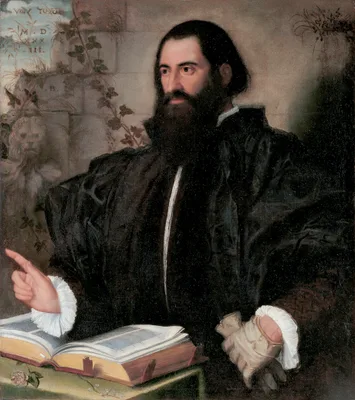
Mattioli's translation and commentary on Dioscorides provided much new botanical information. As Mattioli continued to expand the commentary, adding new botanical and pharmacological information, through editions in L…
1546
#2528
De sympathia et antipathia rerum liber unus. De contagione et contagiosis morbis et curatione.
Though Fracastoro wrote this book more than a century before Leewenhoek invented the microscope, and could only express the theory of contagion in very general terms, this book represents a landmark in the development…
1547
#54
Medici antiqui omnes, qui latinis literis diversorum morborum genera et remedia persecuti sunt.
MEDICI ANTIQUI OMNES
Contains selections from the writings of Celsus, Plinius Secundus, Soranus, Apuleius, Barbarus, Musa, Priscianus, Trotula, Macer, Caelius Aurelianus, Marcellus Empiricus, Scribonius Largus, Serenus Samonicus, Strabus …
1551
#4159
Methodus cognoscendi, extirpandique excrescentes in vesicae collo carunculas.
In the above work, Laguna, the "Spanish Galen," described a method of excising vesical caruncles for the first time. Digital facsimile from the Internet Archive at this link.
1551
#12945
Curationum medicinalium centuria prima, multiplici variaque rerum cognitione referta. Praexfixa est eiusdem auctoris commentatio, in qua docetur, quomodo se medicus habere debeat in introitu ad aegrotantem, simulque de crisi, & diebus decretoriis, in qui artem medicam exercent, & quotidie pro salute aegrotorum in collegium descendunt longe utilissima.
Lusitano has been credited with early recognition of the circulation of the blood. How much he might have understood the circulation remains in doubt; however, through dissections of the Azygos vein, he was the first …
1552
#2139.1
De vulnerum sclopetorum et bombardarum curatione tractatus.
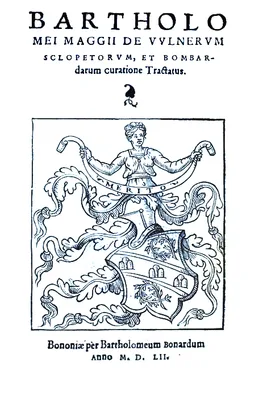
In this very early work on gunshot wounds Maggi, Professor of Surgery at Bologna, showed that not all gunshot wounds suppurated and he discarded cauterization, treating such wounds with white of egg and salt water.
1552
#6976
Libri septem, nunc primum e tenebris eruti a Junio Paulo Crasso Patavino accuratissime in Latinum sermonem versi. Ruffi Ephesii medici clarissimi, De corporis humani partium appelationibus libri tres.
Aretaeus, a Greek physician who lived during the reign of Nero or Vespasian, wrote a general treatise on diseases which displays great accuracy in the detail of symptoms, and is of great value in the diagnosis of dise…
1552
#7807
Meletius, De natura structuraque hominis opus. Polemonis Atheniensis, Naturae signorum interpretationis. Hippocratis, De hominis structura. Diocles, De tuenda valetudine epistola. Melampus, De nevis corporis tractatus. Omnia haec non prius edita. Nicolao Petreio Corcyraeo interprete.
This collection of Late Antique and Byzantine medicine edited by Nicolas Petreius begins with a Byzantine treatise on anatomy, probably written in the eighth century by Meletius, a Christian monk and physician from Ph…
1553
#5073
De tumoribus praeter naturam.
This treatise on tumors includes (p. 194) the first known description of an epidemic disease resembling scarlet fever. This was a malady prevalent in Italy, and was commonly called rossania or rossalia. Ingrassia was …
1553
#1986
De balneis omnia quae extant apud Graecos, Latinos, et Arabas.
DE BALNEIS
This is a collective work, incorporating the writings of more than 70 authorities, among whom may be mentioned Avicenna, Averroës, Avenzohar, Guainerio, Gesner, Savonarola, Petrus de Abano, and Maimonides. It gives an…
1554
#12787
Stephani Atheniensis philosophi explanationes in Galeni priorem librum therapeuticum ad Glauconem, Augustino Gadaldino Mutiensi interprete.
Agostino Gadaldini’s Latin translation of Galen’s Ad Glauconem and of Stephanus’ commentary upon it, enhanced with his own scholia. The work was at the heart of the medical curriculum at Alexandria, and the sixth/seve…
1554
#13119
Aquatilium animalium historiae. Liber primus cum eorumdem formis aere excusis.
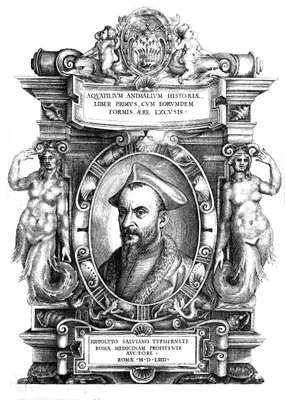
Salviani taught at the University of Rome until 1568, after which he was chief physician to the House of Farnese and three successive popes, Pope Julius III, Pope Marcellus II and Pope Paul IV. "Salviani’s work was pu…
1554
#13202
Methodi medendi libri sex, quibus omnia, quae ad medicinam factitandam pertinent, fere complectitur.
First edition in latin, translated by Mathisius of Bruges from a manuscript of the Greek text that probably originated in the library of the Emperor Andronicus II Palaiologos or that of the ex-Patriarch Joseph. Digita…
1554
#13269
Oribasii Sardiani Synopseos ad Eustathium filium libri novem: Quibus tota medicina in compendium redacta continetur Ioanne Baptista Rasario Novariensi medico interprete.
First Latin translation of the Synopsis or Epitome of his compilations that Oribasius made for his son, Euthasius. Digital facsimile from the Internet Archive at this link.
1556
#378.02
Historia de la composicion del cuerpo humano…
Historia de la composicion del cuerpo humano Spanish physician Juan Valverde de Amusco was issued in Rome at the press of Antonio Salamanca. This was the first great original medical book in Spanish and the most origi…
1558
#1592
Trattato de la vita sobria.
Garrison considered this “the best treatise on personal hygiene and the simple life in existence”. Cornaro was called the Apostle of Senescence. "When he was about 40, Cornaro found himself exhausted and in poor healt…
1559
#378.1
De re anatomica libri xv.
Colombo was a pupil of Vesalius, and succeeded him in the chair of anatomy at Padua before proceeding to chairs first at Pisa and later at Rome. His book, published just after his death, rectified a number of anatomic…
1561
#1208
Observationes anatomicae.
Observationes anatomicae, a work of 232 leaves printed in the comparatively small octavo format, with no illustrations, was the only work Fallopio published before his death from tuberculosis at age thirty-nine, and i…
1561
#1813
Semplici dell’eccellente … liquali in piu pareri à diversi nobili huomini scritti appaiono, et nuovamente da G. Marinello mandati in luce.
Anguillara was one of the best of many commentators on Dioscorides. Digital facsimile from Google Books at this link.
1562
#11404
Gli ornamenti delle donne: Tratti dalle scritture d'una reina greca per m. Giovanni Marinello et diuisi in quattro libri.
A comprehensive manual by a physician on female hygiene, beauty and adornment, containing hundreds of recommendations, advice on cosmetics, and more than two dozen recipes for dyes to bleach hair blond. Marinello reco…
1563 –1564
#1093
Opuscula anatomica.
Eustachius is credited with several anatomical discoveries, among them the tensor tympani muscle and the Eustachian tube, published in his chapter entitled De auditus organis. In the last respect, however, he was anti…
1563
#2370
De morbo gallico.
Falloppius was one of the first prominent opponents of the use of mercury in syphilis. He distinguished syphilitic and non-syphilitic condylomata.
1564
#464
De humano foetu.
According to Charles Singer, Aranzi gave the first adequate printed account of the gravid uterus, and finally dispelled the idea of a human cotyledonous placenta. He gave by far the best description of fetal anatomy u…
1566 –1567
#2372
De morbo gallico omnia quae extant. 3 vols.
A collection of important writings on syphilis to 1500. Boerhaave published a revision of this work in 1728, covering the period 1495-1566.
1566
#13060
Vocum, quae apud Hippocratem sunt, collectio. Cum annotationibus Bartholomaei Eustachii . . . Eiusdemque Libellus de Multitudine.
First edition in Latin edited by Eustachi of the glossary to Hippocrates by the first century Greek grammarian Erotianus. Erotianus's work contains the earliest list of the writings of Hippocrates, including some now …
1568
#3164
Pro magni, et illustr. Terraenovae Ducis fistula, ex levi axilla in thoracis concavum pervia, etc. In P. Ingrassia, Quaestio de purgatione per medicamentum
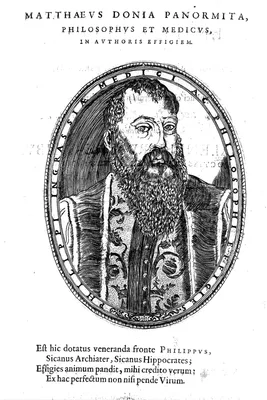
Vesalius’s consilium to Ingrassia, dated Madrid, 1562, in which he clearly described the operation for empyema (pp. 92-98). Although treatment of empyema by surgery was referred to in classical times, it became unfash…
1569
#1986.1
Artis gymnasticae apud antiquos celeberrimae, nostris temporibus ignoratae.
A history, based on extensive study of the classical literature, of the attitudes and practices of the Greeks and Romans concerning diet, hygiene, bathing, and exercise. This is one of the earliest books to discuss th…
1570
#35
Hieronymi Mercurialis Variarum lectionum libri quatuor. In quibus complurium, maximeq́ue medicinae scriptorum infinita paenè loca vel corrupta restituuntur, vel obscura declarantur. Alexandri Tralliani De lumbricis epistola, ejusdem Mercurialis opera, & diligentia Graecè, & Latinè nunc primùm edita ...
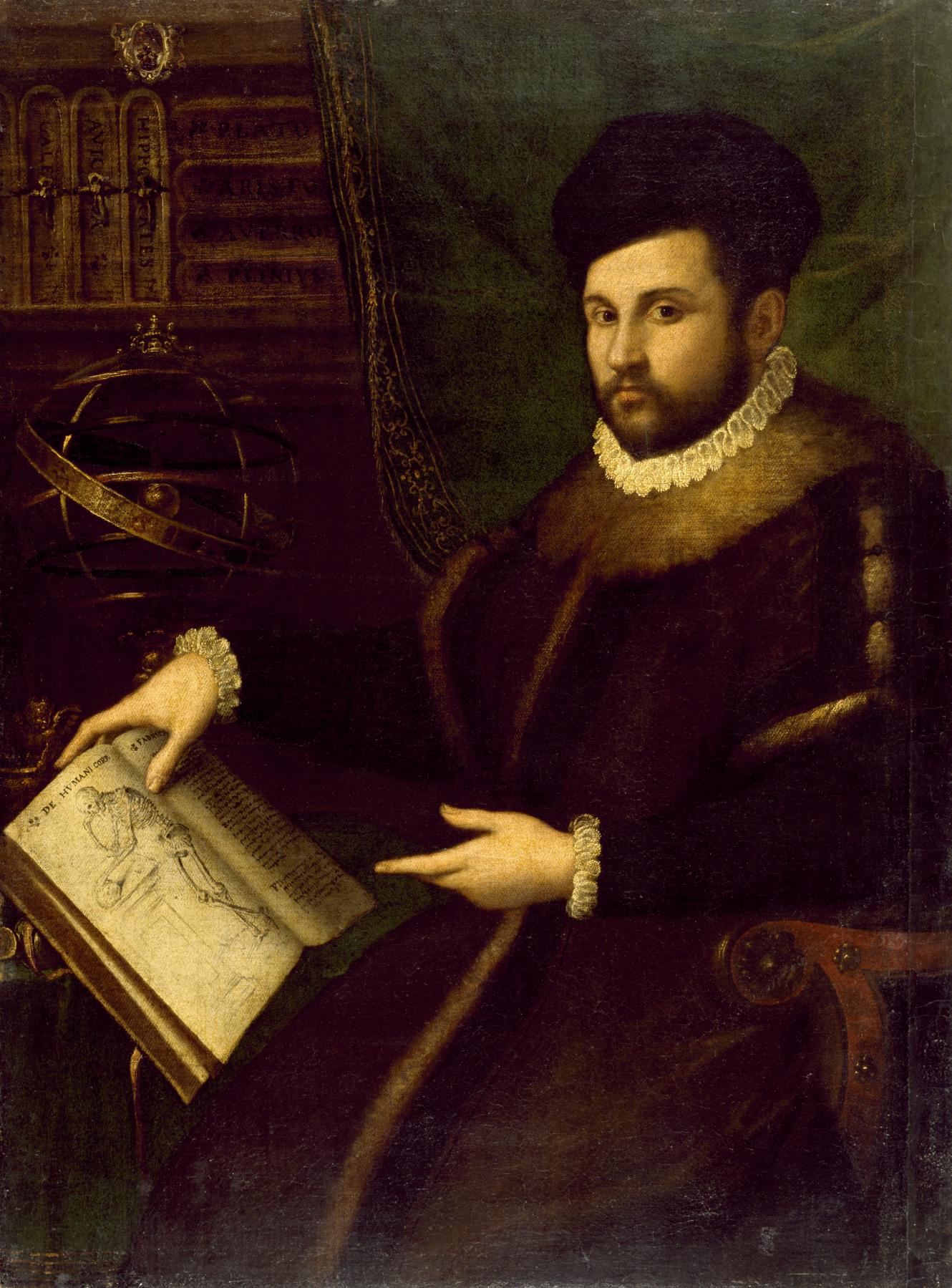
Includes the first printed edition of the Greek text and Latin translation by Mercuriale of Alexander's De vermis epistola. Alexander's original description of worms and vermifuges make him the first parasitologist. D…
1571
#755
Peripateticarum quaestionum libri quinque.
Cesalpino preceded Harvey in the discovery of the concept of the circulation, and Harvey must have known of his ideas, but Cesalpino’s idea of the circulation was not supported by convincing experimental work or quant…
1571
#1986.2
De thermis …libri septem. Opus ... in quo agitur de universa aquarum natura, deque differentiis omnibus, ac mistionibus cum terris, cum ignibus, cum metallis, de lacubus, fontibus, fluminibus, de balneis totius orbis, & de methodo medendi per balneas, deque lavationum simul atque exercitationum institutis in admirandis thermis Romanorum....
A comprehensive study of mineral waters, dealing with all the spas of the then-known world. Besides exhaustive coverage of the baths of antiquity and of Bacci’s own time, the work gives considerable attention to wines…
1572
#3980
De morbis cutaneis, et omnibus corporis humani excrementis tractatus.
The first systematic textbook on diseases of the skin. English translation by R. L. Sutton Jr, Kansas City, Missouri, Lowell Press, 1986. Mercuriali enjoyed a great reputation in his day; he wrote on many medical subj…
1573
#1377.2
De nervis opticis nonnulisque aliis praeter communem opinionem in humano capite observatis.
Varolio described a new method of dissection which enabled him to observe and describe the pons for the first time. By this new method Varolio was able to make some contributions to the knowledge of the course and ter…
1573
#4850.4
Chirurgiae Ioannis Andrea a Cruce, Veneti medici libri septem, Quamplurimis instrumentorum imaginibus arti chirurgicae opportunis suis locis exornati, theoricam, practicam ac verissimam experientiam continentes....
Croce improved the instruments for trephination, and published classic woodcuts depicting the operation, including the first illustration of a neurological surgery operation actually taking place. The work is also imp…
1574
#1479
Anatomici libri II … In altero de musculis, palpebrarum atque oculorum motibus deservientibus, accurate disseritur.
First exact description of the lacrimal duct. Carcano gave the true position of the lacrimal gland and showed the route taken by the tears.