
Europe
6,838 entries published in Europe.
1546
#1810
Pharmacorum omnium, quae quidem in usu sunt, conficiendorum ratio: Vulgo vocant dispensatorium pharmacopolarum, ex omni genere bonorum authorum, cum veterum tum recentium collectum, & scholiis utilissimis illustratum, in quibus obiter, plurium simplicium, hactenus non cognitorum, vera noticia traditur. Authore Valerio Cordo. Item De collectione, repositione, & duratione simplicium. De adulterationibus quorundam simplicium. Simplici aliquo absolute scripto, quid sit accipiendum. Antiballomena, id est, succedanea, sive quid pro quo. Qualem virum pharmacopolam esse conveniat. Cum Indice copioso.
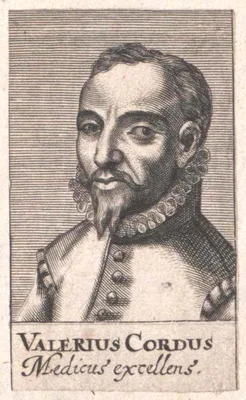
The first "real" pharmacopeia to be published. It was recognized as the official pharmacopeia of Nuremberg. Facsimile edition, 1934. Digital facsimile of the 1546 edition from Goethe Universität, Frankfurt am Main at …
1546
#1810.1
Epistola, rationem modumque propinandi radicis Chynae decocti…
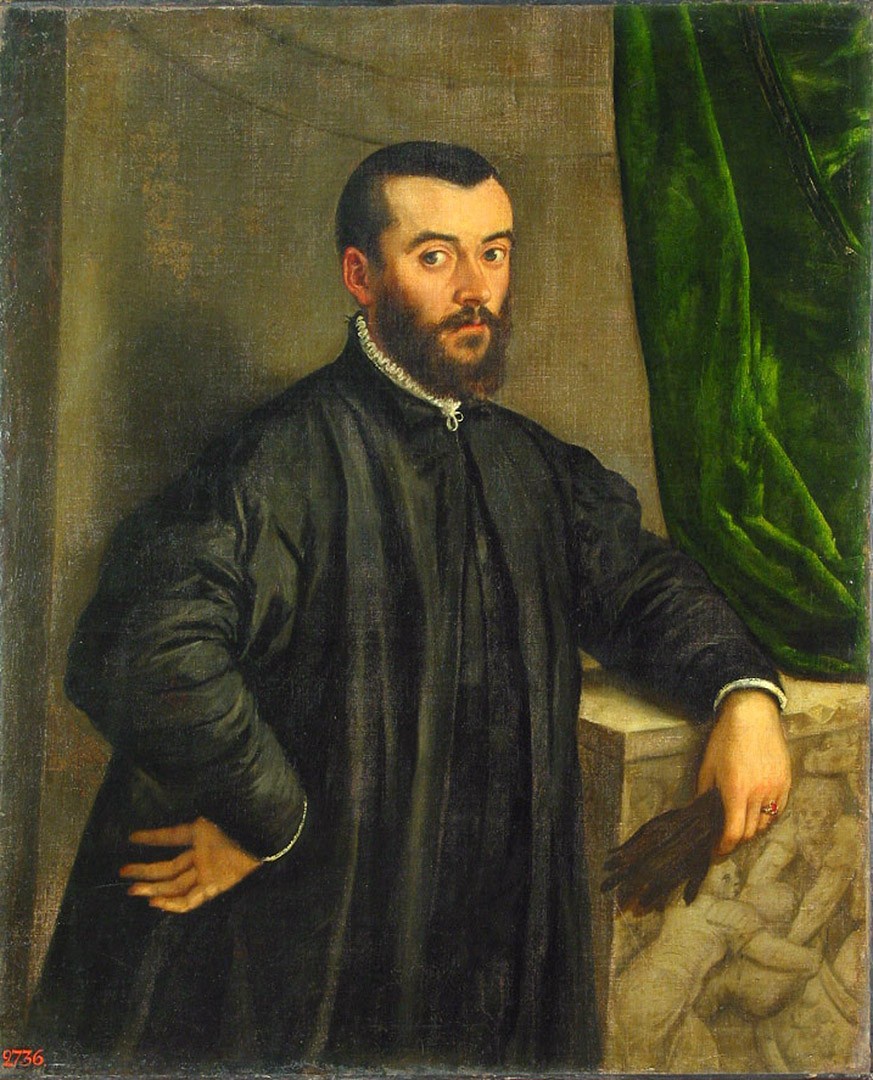
In this work on the discovery and therapeutic use of the china root (Smilax china) in the treatment of syphilis, Vesalius described the first attempt to formulate methods of identification of an exotic drug. He also o…
1546
#2528
De sympathia et antipathia rerum liber unus. De contagione et contagiosis morbis et curatione.
Though Fracastoro wrote this book more than a century before Leewenhoek invented the microscope, and could only express the theory of contagion in very general terms, this book represents a landmark in the development…
1546
#9865
Skøn lystig ny Urtegaard.
Smid was one of the first writers on medicine in Scandinavia who was trained in medicine, but according to Stokker, Remedies and rituals: folk medicine in Norway and the new land (2007) p. 111 "had trouble succeeding …
1547
#1591
The breviary of helthe, for all manner of syckenesses and diseases the whiche may be in man, or woman doth folowe.
This, probably the earliest “modern” work on hygiene, throws some light on the condition of that subject in the 16th century.
1547
#54
Medici antiqui omnes, qui latinis literis diversorum morborum genera et remedia persecuti sunt.
MEDICI ANTIQUI OMNES
Contains selections from the writings of Celsus, Plinius Secundus, Soranus, Apuleius, Barbarus, Musa, Priscianus, Trotula, Macer, Caelius Aurelianus, Marcellus Empiricus, Scribonius Largus, Serenus Samonicus, Strabus …
1548
#1810.2
The names of herbes in Greke, Latin, English, Duche & Frenche wyth the commune names that herbaries and apotecaries use.
A much-expanded English translation of Turner’s Libellus (No. 1805). That and the above work mark the beginning of scientific botany in England. They contain the first records of the occurrence of some 238 species of …
1548
#3667.1
Nützlicher bericht wie man die Augen und das Gesicht wo das selbig magelhafft blöde dunckel oder befinstert. Scherpfen gesundt erhalten stercken und bekrefftigen soll…Mit weitterer unterrichtung. Wie man den Mundt die Zän und Biller…
This popular guide to health includes the first monograph on dentistry for the layman, encouraging the practice of oral hygiene and simple dental care. The first part of the book deals with the eyes, the second with t…
1548
#11111
Alexandrū Trallianū Iatrū Biblia Dyokaideka. Alexandri Tralliani medici libri XII. Rhazae De pestilentia libellus ex Syrorum lingua in Graecam translatus. Edited by Jacques Goupil.
First edition of the Greek text of the works of Alexander of Tralles, together with an edition of Rhazes on the plague. Both texts were edited by Jacques Goupil. The work was issued by the distinguished scholar printe…
1549
#1793
Medicamentorum opus in sectiones quadragintaocto digestum, hactenus in Germania non uisum, omnibus tum medicis, tum seplasiarns mirum in modum utile, a Leonharto Fuchsio...
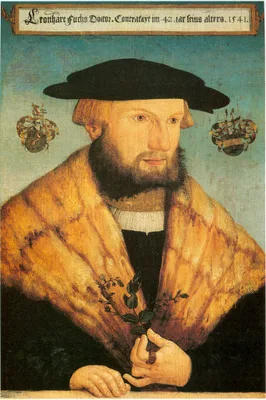
The “Antidotarium magnum” by the Byzantine physician Nicolaus Myrepsus. It was the largest strictly pharmaceutical work that had appeared up to the time of its writing (about 1270-1280); it contained more than 2,500 p…
1549
#6140
Briefve collection de l'administration anatomique: avec la manière de conjoindre les os: et d’extraire les enfans tant mors que vivans du ventre de la mere, lors que nature de soy ne peult venir a son effect.
Paré’s revival of podalic version repopularized the procedure, which had been described by Soranus of Ephesus (No. 6008). English translation in The Workes of Ambroise Parey [sic], London, 1634. Digital facsimile of t…
1549
#4511.02
De cerebri morbis…
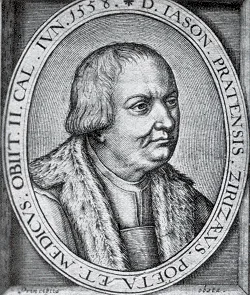
The first book devoted entirely to brain disorders, including tremor, tetanus, vertigo, epilepsy and hemicrania.
1549
#8931
Dialogus de re medica compendiaria ratione, præter quædam alia, universam Anatomen humani corporis perstringens, summè necessarius omnibus Medicinæ canditatis.
The first Spanish medical book based on the writings of Vesalius, written by Vesalius’s student Pedro Jimeno, whose activities “constituted the cornerstone of the Valencian School of Anatomy and the Spanish Vesalian m…
1550
#6142
Ordnung eines erbarn Raths der Statt Regenspurg, die Hebammen betreffende.
The earliest public document in the vernacular containing legislation governing midwives. Digital facsimile from Google Books at this link.
1551
#378.01
Libro de la anathomia del hombre.
The first Spanish anatomy book in the Spanish language, the second anatomy book ever published in Spain, and the work that introduced Vesalian illustrations to Spain. The text is a version of Henri de Mondeville’s med…
1551 –1568
#1811
A new herball. 3 vols.
The first original scientific herbal written by an Englishman, and the first scientific herbal published in the English language. The illustrations were taken from the blocks cut for the 8vo edition of Fuchs (1546). T…
1551
#4159
Methodus cognoscendi, extirpandique excrescentes in vesicae collo carunculas.
In the above work, Laguna, the "Spanish Galen," described a method of excising vesical caruncles for the first time. Digital facsimile from the Internet Archive at this link.
1551
#278
L'histoire naturelle des estranges poissons marins, avec la vraie peincture & description du daulphin, & de plusieurs autres de son espece.
![BELON, Pierre [Pierre Belon du Mans; Petrus Bellonius Cenomanus] (1517 – 1564)](/media/portraits/9632)
This, Belon’s first biological work, is regarded as the earliest modern scientific work in the field of comparative anatomy. Finely illustrated with woodcuts. Digital facsimile from the Internet Archive at this link.
1551 –1587
#280
Historia animalium. 5 vols.
Gesner's Historia animalium is considered one of the starting points of modern zoology; it contains 4,500 pages and nearly 1,000 woodcuts, some by Albrecht Dürer. The illustrations are the first original zoological il…
1551
#12945
Curationum medicinalium centuria prima, multiplici variaque rerum cognitione referta. Praexfixa est eiusdem auctoris commentatio, in qua docetur, quomodo se medicus habere debeat in introitu ad aegrotantem, simulque de crisi, & diebus decretoriis, in qui artem medicam exercent, & quotidie pro salute aegrotorum in collegium descendunt longe utilissima.
Lusitano has been credited with early recognition of the circulation of the blood. How much he might have understood the circulation remains in doubt; however, through dissections of the Azygos vein, he was the first …
1552
#2139.1
De vulnerum sclopetorum et bombardarum curatione tractatus.
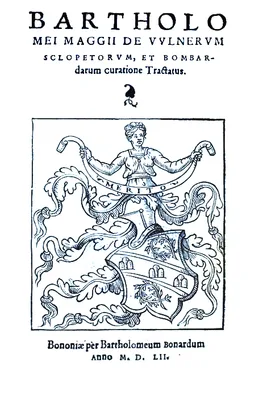
In this very early work on gunshot wounds Maggi, Professor of Surgery at Bologna, showed that not all gunshot wounds suppurated and he discarded cauterization, treating such wounds with white of egg and salt water.
1552
#2368
La méthode curatoire de la maladie venerienne.
De Héry made a fortune from treating syphilitic patients. He recommended mercurial inunctions and guaiac internally.
1552
#5522
A boke, or conseill against the disease commonly called the sweate, or sweatyng sicknesse.
First English book on sweating sickness, and the first devoted to a single disease to be published in England. Caius’s work appeared a year after the last epidemic visit of the disease. From it we learn that the disea…
1552
#281
De differentiis animalium.
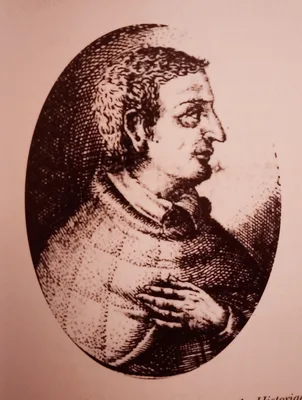
Basing his work on Aristotle, Wotton rejected the fantastic additions which had accrued to the writings of the latter during the Middle Ages. His book was beautifully printed but not illustrated. Digital facsimile fro…
1552
#6976
Libri septem, nunc primum e tenebris eruti a Junio Paulo Crasso Patavino accuratissime in Latinum sermonem versi. Ruffi Ephesii medici clarissimi, De corporis humani partium appelationibus libri tres.
Aretaeus, a Greek physician who lived during the reign of Nero or Vespasian, wrote a general treatise on diseases which displays great accuracy in the detail of symptoms, and is of great value in the diagnosis of dise…
1552
#7807
Meletius, De natura structuraque hominis opus. Polemonis Atheniensis, Naturae signorum interpretationis. Hippocratis, De hominis structura. Diocles, De tuenda valetudine epistola. Melampus, De nevis corporis tractatus. Omnia haec non prius edita. Nicolao Petreio Corcyraeo interprete.
![HIPPOCRATES, [Ἱπποκράτης; Hippocrates of Kos] (-460 – -370)](/media/portraits/50)
This collection of Late Antique and Byzantine medicine edited by Nicolas Petreius begins with a Byzantine treatise on anatomy, probably written in the eighth century by Meletius, a Christian monk and physician from Ph…
1553
#754
Christianismi restitutio.
Contains (pp. 168-73) the first printed description of the lesser circulation. Because of the heretical nature of this book on the reform of Christianity, it was printed secretly and anonymously at Vienne, France. Cop…
1553
#2369
Von der frantzösischen kranckheit drey Bücher.
Paracelsus suggested the hereditary transmission of syphilis and advocated mercury internally, as an antisyphilitic. He called the disease “French gonorrhoea” and thus started the confusion over the geographic origins…
1553
#5073
De tumoribus praeter naturam.
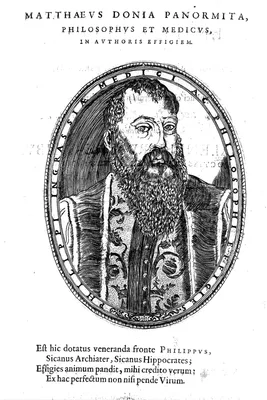
This treatise on tumors includes (p. 194) the first known description of an epidemic disease resembling scarlet fever. This was a malady prevalent in Italy, and was commonly called rossania or rossalia. Ingrassia was …
1553
#279
De aquatilibus, libri duo cum [epsilon] [iota] conibus ad viuam ipsorum effigiem, quoad eius fieri potuit, expressis.
Considerably expanded from Belon's work of 1551. Digital facsimile from the Internet Archive at this link.
1553
#1986
De balneis omnia quae extant apud Graecos, Latinos, et Arabas.
DE BALNEIS
This is a collective work, incorporating the writings of more than 70 authorities, among whom may be mentioned Avicenna, Averroës, Avenzohar, Guainerio, Gesner, Savonarola, Petrus de Abano, and Maimonides. It gives an…
1553
#4478.99
Libro de exercicio corporal y de sus provechos, por el qual cada uno podra entender que exercicio le sea necessario para conservar su salud.
The first separate book on exercise by a physician. Facsimile with English translation by Francisco Guerra as Book of bodily exercise, edited by Frederick G. Kilgour (New Haven: E. Licht, 1960).
1553
#8982
Les observations de plusieurs singularitez et choses memorables, trouuées en Grece, Asie, Iudée, Egypte, Arabie, & autres pays estranges, redigées en trois livres.
Belon was first trained as an apothecary, and worked in that capacity for the bishop of Clermont, Guillaume Duprat. Around 1542 he studied medicine In Paris, and obtained a licentiate in medicine, though he never took…
1553
#8983
De arboribus coniferis, resiniferis, aliis quoque nonnullis sempiterna fronde virentibus, cum earundem iconibus ad viuum expressis. Item de melle cedrino, cedria, agarico, resinis, & iis quae ex coniferis proficiscuntur.
One of the first treatises on conifers and other evergreen plants. Digital facsimile from Google Books at this link.
1554
#23
De vesicae renumque morbis. De purgantibus medicamentis. De partibus corporis humani...
First printed edition in Greek, edited by Jacques Goupyl. Rufus was a Greek physician who lived during the rule of Trajan. He wrote wrote treatises on dietetics, pathology, anatomy, and patient care. His De partibus c…
1554
#1812
Cruÿdeboeck.
Dodoens was the first Belgian botanist of international repute. Drawing on the illustrations of Fuchs, but preparing his own text, Dodoens improved on the alphabetical Fuchs organization scheme by grouping plants acco…
1554
#2271
Medicina. 3 pts.
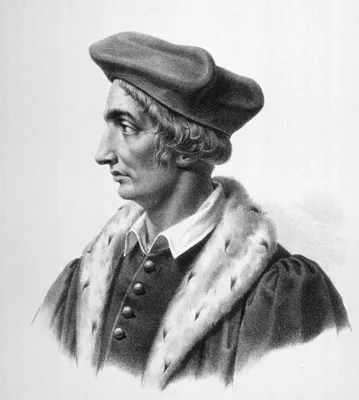
The first systematic treatise on pathology, which also introduced the names for the sciences of pathology and physiology. In the second part, entitled “Pathologia”, Fernel provided the first systematic essay on the su…
1554
#3109
Medicinalium epistolarum miscellanea.
Epistle xxi, pp. 74-77, contains the first definite description of chlorosis. “De morbo virgineo”. English translation in No. 2241.
1554
#463
Ein schön lustig Trostbüchle von den Empfengknussen und Geburten der Menschen…
An improved version of Rösslin’s Swangern frawen. This contains the first true anatomical pictures in an obstetrics book. Rueff described smooth-edged forceps for delivery of a live baby, preceding Chamberlen, and a t…
1554 –1555
#282
Libri de piscibus marinis, in quibus verae piscium effigies expressae sunt. (Universae aquatilium pars altera.) 2 vols.
Rondelet wrote this book with the idea of verifying Aristotle, but in it he described many forms of fishes for the first time. The book is an accurate account of his investigation of Mediterranean fishes and marine an…
1554
#12787
Stephani Atheniensis philosophi explanationes in Galeni priorem librum therapeuticum ad Glauconem, Augustino Gadaldino Mutiensi interprete.
![GALEN, [Κλαύδιος Γαληνός; Galen of Pergamon] (129 – 216)](/media/portraits/21)
Agostino Gadaldini’s Latin translation of Galen’s Ad Glauconem and of Stephanus’ commentary upon it, enhanced with his own scholia. The work was at the heart of the medical curriculum at Alexandria, and the sixth/seve…
1554
#13119
Aquatilium animalium historiae. Liber primus cum eorumdem formis aere excusis.
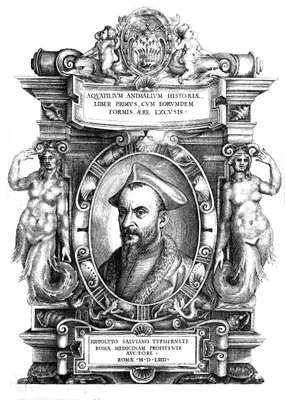
Salviani taught at the University of Rome until 1568, after which he was chief physician to the House of Farnese and three successive popes, Pope Julius III, Pope Marcellus II and Pope Paul IV. "Salviani’s work was pu…
1554
#13202
Methodi medendi libri sex, quibus omnia, quae ad medicinam factitandam pertinent, fere complectitur.
First edition in latin, translated by Mathisius of Bruges from a manuscript of the Greek text that probably originated in the library of the Emperor Andronicus II Palaiologos or that of the ex-Patriarch Joseph. Digita…
1554
#13269
Oribasii Sardiani Synopseos ad Eustathium filium libri novem: Quibus tota medicina in compendium redacta continetur Ioanne Baptista Rasario Novariensi medico interprete.
First Latin translation of the Synopsis or Epitome of his compilations that Oribasius made for his son, Euthasius. Digital facsimile from the Internet Archive at this link.
1555
#377
De humani corporis fabrica libri septem.
Containing Vesalius’s final published revisions of the text, this edition is also superior for its enlarged format, improved typography and printing, better paper, larger woodcut initials, and changes to the lettering…
1555
#5562
De chirurgia scriptores optimi quique veteres et recentiores, plerique in Germania antehac non editi.
A collection made by Gesner of various surgical works by ancient and recent authors including M. A. Blondus, A. Bolognini, G. Dondi, A. Ferri, Galen, C. Gesner, J.Langius, B. Maggi, Marianus Sanctus, Oribasius, and J.…
1555
#283
L'histoire de la nature des oyseaux, avec leurs descriptions, et naïfs portraicts retirez du naturel escrite en sept livres.
Belon’s book on birds is well illustrated, including plates of the skeletons of man and bird side by side and in the same posture, to compare them bone for bone. Digital facsimile from the Internet Archive at this link.
1555 –1556
#9773
Le benefice commun de tout le monde, ou commodité de vie d’vn chascun, pour la conseruation de santé: Remedes segretz tirées des plantes contre toutes maladies. 3 vols.
A vernacular guide for living a healthy life compiled from the writings of Fuchs. Includes herbal and dietary remedies, recipes for oils, pills and other preparations to treat maladies such as fever, plague and wounds.
1555
#10601
Sphygmicae artis iam mille ducentos annos perditae et desideratae libri V.

Considered the most significant work on the pulse between Galen and Harvey. The work includes what is probably the earliest graphic representation of the pulse. Struthius provided a useful mnemonic of the five simple …
1555
#13125
Acerca de la materia medicinal, y de los venenos mortiferos, traduzido de lengua griege, en la vulgar castellana, & illustrado con claras y substantiales annotationes, y con las figuras de innumeras plantas exquisitas y raras, por el Doctor Andres de Laguna....
![DIOSCORIDES, Pedanius [Πεδάνιος Διοσκουρίδης] (40 – 90)](/media/portraits/2028)
Laguna' translation of Dioscorides into Spanish included commentaries and additions that double the original text. It included very beautiful botanical woodcuts of plants and animals, and is considered one of the best…