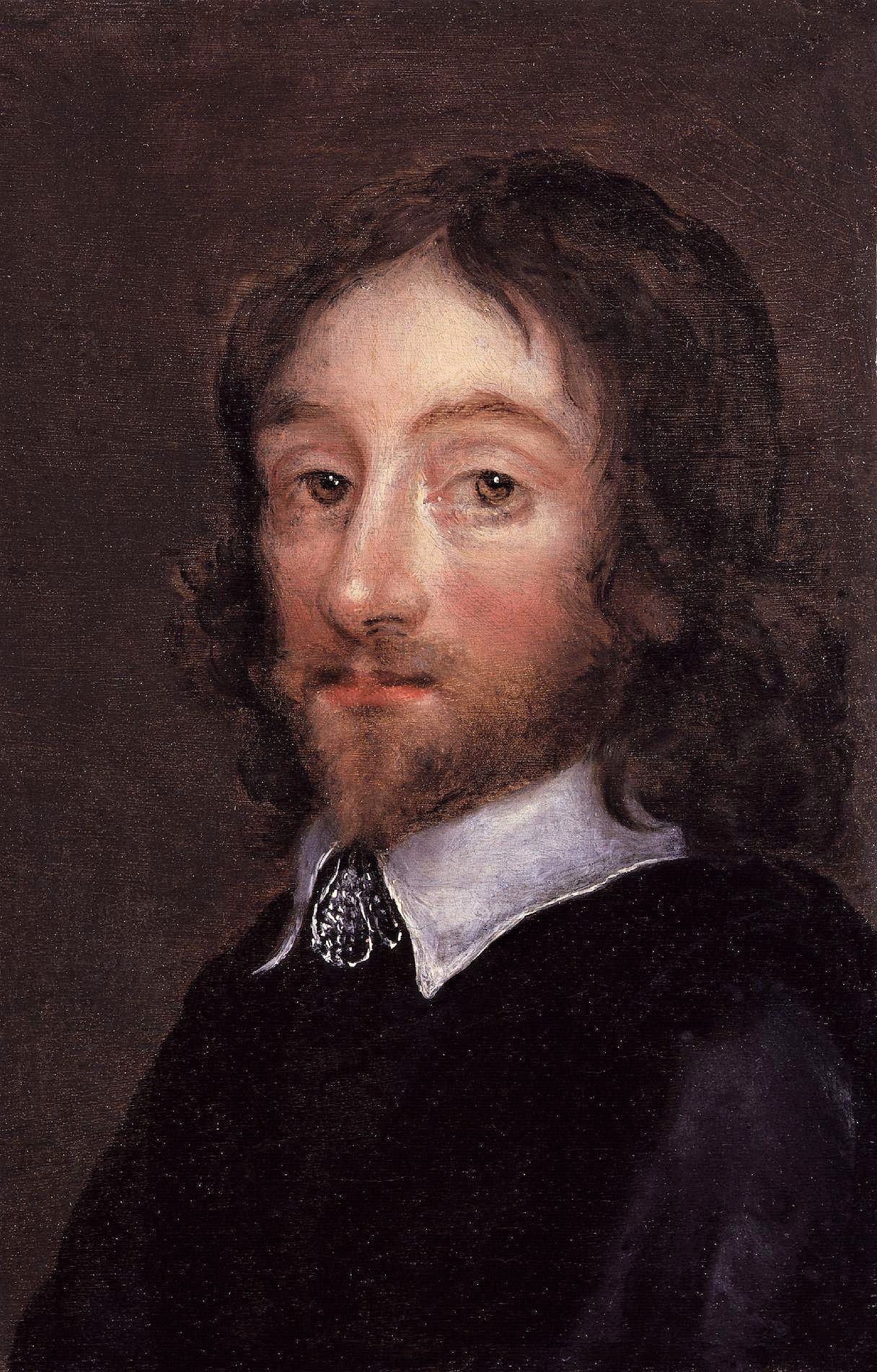
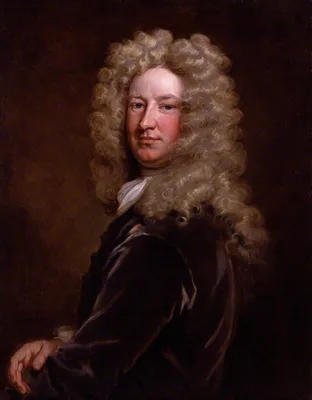
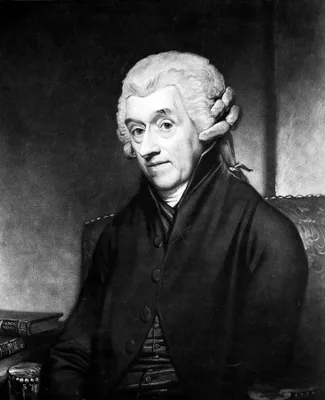
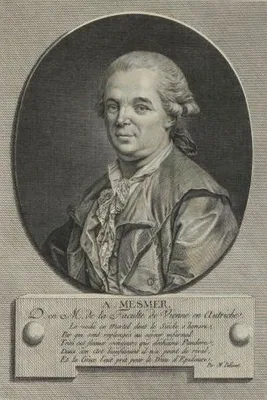
1492 JOHN OF GADDESDEN (1280 – 1361); SCYLLACIUS, Nicolaus (1464 – )
Rosa anglica practica medicinae. Ed: Nicolaus Scyllacius.
The first printed medical book of an Englishman. John of Gaddesden was a prebendary of St. Paul’s Cathedral and physician to Edward II. The work, to quote Garrison, “consists mainly of Arabist quackeries and countrysi…
GMN 2191 · https://historyofmedicine.com/id/1384
1646 BROWNE, Sir Thomas (1605 – 1682)
Pseudodoxia epidemica, or, enquiries into very many received tenents and commonly presumed truths.
In this widely read work of popular science that underwent six editions in Browne's lifetime Browne debunked numerous quack cures, etc. Full text from quod.lib.umich.edu at this link. Digital facsimile of the 4th edit…
GMN 10032 · https://historyofmedicine.com/id/12221
1666 GREATRAKES, Valentine [GREATOREX] (1629 – 1683)
A brief account of Mr Valentine Greatrakes, and divers of the strange cures by him lately performed. Written by himself in a letter addressed to the Honourable Robert Boyle Esq., 1666.
The earliest scientific account, by a practitioner, and corroborated by witnesses, of healing by the “laying-on of hands”. Greatrakes became known as “the Irish stroker” because of his method of healing by stroking th…
GMN 4992 · https://historyofmedicine.com/id/6496
1699 GARTH, Samuel (1661 – 1719)
The dispensary: A poem. In six cantos.
An aggressive criticism of quack medicines, apothecaries who produced them, and physicians who prescribed them.
GMN 7965 · https://historyofmedicine.com/id/10141
1700 MÉRY, Jean (1645 – 1722)
Observations sur la maniere de tailler dans les deux sexes pour l'extraction de la pierre, pratiqué par Frere Jacques. Nouveau system de la circulation du sang pour le trou ovale dans le foetus humain, avec les réponses aux objections qui ont été faites contre cette hypothese.
"Méry became closely associated with the comparative-anatomical work led by Claude Perrault and J.-G. Duverney. As a member of this group, Méry made contributions to their joint publications, in which each man’s speci…
GMN 11894 · https://historyofmedicine.com/id/14099
1745 HEBERDEN, William Sr. (1710 – 1801)
Aνтιθηεριακά. An essay on mithridatium and theriaka.
Heberden’s first printed work. His criticism of current superstitions conceming these two concoctions resulted ultimately in their removal from the pharmacopoeia. No publisher's name appears on the title page. Digital…
GMN 1831 · https://historyofmedicine.com/id/2168
1761 TAYLOR, John (1703 – 1772)
History of the travels and adventures of the Chevalier John Taylor, ophthalmiater; pontifical imperial and royal to the Kings of Poland, Denmark, Sweden, the electors of the Holy Empire, the princes of Saxegotha, Mecklenburg, Anspach, Brunswick, Parma, Modena... Addressed to his only son.
GMN 7669 · https://historyofmedicine.com/id/9841
1767 CUNNINGHAM, Timothy ( – 1789)
The law of physicians, surgeons, and apothecaries: Containing all the statutes, cases at large, arguments, resolutions, and judgments concerning them. Compiled, by desire of a great personage, for the use of such gentlemen of the faculty as are enemies to quackery, in order to point out the defects in the law, as it now Stands, relative to those professions, and To propose such expedients for remedying them as they shall think necessary, before the next session of parliament, when it is intended to apply for an act for regulating the practice of physick, and suppressing empirical nostrums.
Digital facsimile from Google Books at this link.
GMN 13081 · https://historyofmedicine.com/id/15333
1779 MESMER, Franz Anton (1734 – 1815)
Mémoire sur la découverte du magnétisme animal.
Mesmer promoted his system of treatment, based on his confused doctrine of a universal magnetic fluid influencing tides and men alike, with books and great personal showmanship. His treatment became such a popular hea…
GMN 4992.1 · https://historyofmedicine.com/id/6500
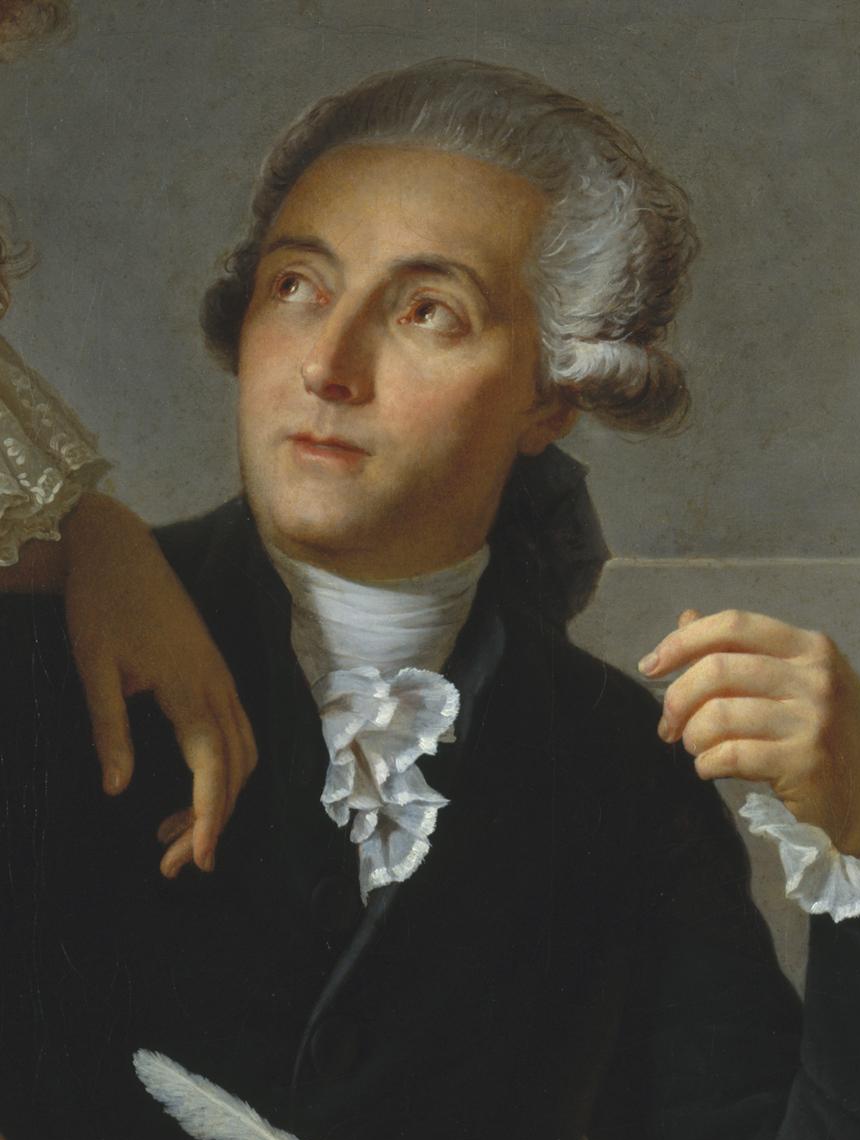
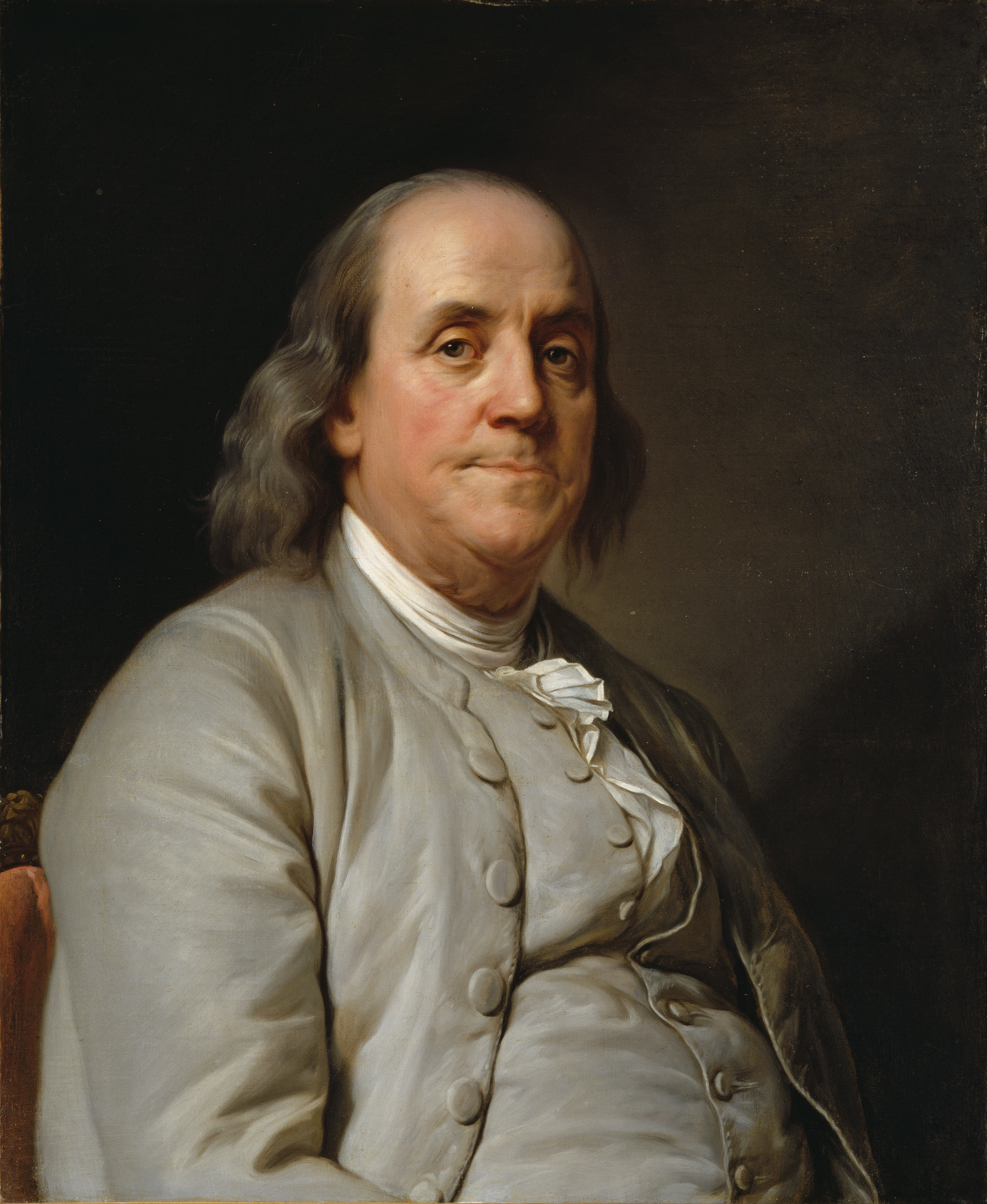
1784 LAVOISIER, Antoine Laurent de (1743 – 1794); FRANKLIN, Benjamin (1706 – 1790)
Rapport des commissaires chargés par le roi, de l’examen du magnétisme animal. Edited by Antoine Laurent Lavoisier.
Responding to Mesmer’s growing notoriety, the Medical Faculty of Paris became alarmed, and urged the King to appoint a blue-ribbon committee of inquiry. The committee included Benjamin Franklin, Antoine Laurent Lavois…
GMN 4992.2 · https://historyofmedicine.com/id/6502
1790 ADAIR, James Makittrick (1728 – 1802)
Essays on fashionable diseases. The dangerous effects of hot and crouded rooms. The cloathing of invalids. Lady and gentlemen doctors. And on quacks and quackery. With the genuine patent prescriptions of Dr. James's fever power, Tickell's aetherial spirit, & Godbold's balsam, taken from the Rolls in Chancery, and under the seal of the proper officers; and also the ingredients and compostion of many of the most celebrated quack nostrums, as analized by several of the best chemists in Europe. By James M. Adair, Formerly M.D.... With a dedication to Philip Thicknesse ... To which is added a dramatic dialogue. Published for the benefit of the tin-miners in Cornwal
An attack on quack medicines, etc. with one of the most verbose title pages of the 18th century. Digital facsimile from the Internet Archive at this link.
GMN 10002 · https://historyofmedicine.com/id/12191
1798 PERKINS, Benjamin Douglas (1774 – 1810)
The influence of metallic tractors on the human body, in removing various painful inflammatory diseases, such as rheumatism, pleurisy, some gouty affections, &c. &c: Lately discovered by Dr. Perkins, of North America; and demonstrated in a series of experiments and observations....by which the importance of the discovery is fully ascertained, and a new field of enquiry opened in the modern science of Galvanism, or animal electricity
In 1795 Dr. Elisha Perkins (1741-1799) of Connecticut introduced the use of “Metallic Tractors” for the treatment of a wide range of disorders, including pains in the head, face, teeth, breast, side, stomach, back, rh…
GMN 8654 · https://historyofmedicine.com/id/10831
1800 HAYGARTH, John (1740 – 1827)
Of the imagination, as a cause and as a cure of disorders of the body; exemplified by fictitious tractors, and epidemical convulsions. Read to the Literary and Philosophical Society of Bath.
The first clinical demonstration of the placebo effect, specifically in the context of Perkins' metallic tractors. Haygarth demonstrated the placebo effect caused by the tractors by obtaining the same results with woo…
GMN 7749 · https://historyofmedicine.com/id/9921
1803 FESSENDEN, Thomas Green (1771 – 1837)
A poetical petition against tractorising trumpery and the Perkinistic institution: In four cantos. Most respectfully addressed to the Royal College of Physicians.
This medical satire in doggerel verse, which was ostensibly an attack on Perkins' metallic tractors, or "Perkinism" was actually written in support of them. The work was best known for its second and greatly expanded …
GMN 13026 · https://historyofmedicine.com/id/15276
c. 1839 ANONYMOUS
Deadly adulteration and slow poisoning unmasked; or, Disease and death in the pot and the bottle; in which the blood-empoisoning and life-destroying adulterations of wines, spirits, beer, bread, flour, tea, sugar, spices, cheese-mongery, pastry, confectionary medicines, &c. &c. &c. are laid open to the public, with tests or methods for the ascertaining and detecting the fraudulent and deleterious adulterations and the good and bad qualities of those articles: with an exposé of medical empiricism and imposture, quacks and quackery, regular and irregular, legitimate and illegitimate: and the frauds and mal-practices of the pawn-brokers and madhouse keepers. New edition
Digital facsimile from the Hathi Trust at this link.
GMN 10003 · https://historyofmedicine.com/id/12192
1842 BRAID, James (1795 – 1860)
Satanic agency and mesmerism reviewed. In a Letter to the Rev. H. Mc. Neile A.M. of Liverpool: In reply to a sermon preached by him in St. Jude's Church, Liverpool, on Sunday, April 10th, 1842.
Braid’s scientific investigations of mesmerism convinced him that its effects did not depend on an outside force, but were natural phenomena arising from the subject’s heightened suggestibility. This 10-page pamphlet …
GMN 4992.3 · https://historyofmedicine.com/id/6524
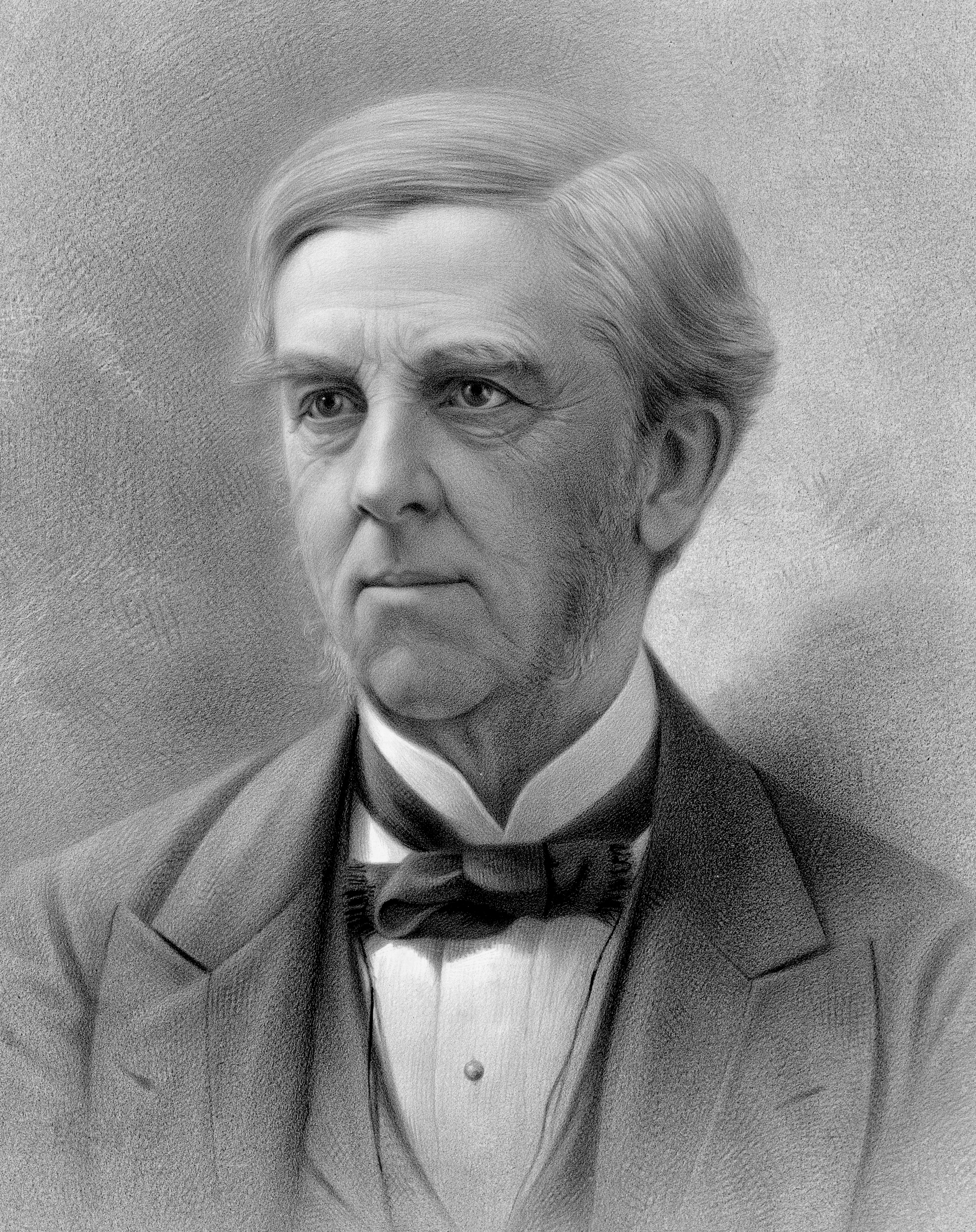
1842 HOLMES, Oliver Wendell Sr. (1809 – 1894)
Homoeópathy, and its kindred delusions; Two lectures delivered before the Boston Society for the Diffusion of Useful Knowledge.
Digital facsimile from the Internet Archive at this link.
GMN 11260 · https://historyofmedicine.com/id/13457
1881 VERENIGING TEGEN DE KWAKZALVERIJ
Nederlands Tijdschrift tegen de Kwakzalverij. Vol. 1- .
Founded in 1881, this Dutch organization is the oldest skeptical organization in the world investigating alternative medicine and quackery. It has published its periodical since 1881. The archive of the periodical may…
GMN 11416 · https://historyofmedicine.com/id/13615
1903 MAGNUS, Hugo Friedrich (1842 – 1907)
Das Kurpfuschertum. Eine medizin-geschichtliche Studie.
History of quackery in medicine.
GMN 6640 · https://historyofmedicine.com/id/7753
1905 MAGNUS, Hugo Friedrich (1842 – 1907)
Die Kurierfreiheit und das Recht auf den eigenen Körper. Ein geschichtlicher Beitrag zum Kampf gegen das Kurpfuschertum.
GMN 6641 · https://historyofmedicine.com/id/7755
1909 BRITISH MEDICAL ASSOCIATION
Secret remedies, what they cost and what they contain. Based on analyses made for the British Medical Association.
This exposé of useless or dangerous drugs was followed in 1912 by More secret remedies. What they cost & what they contain. Based on analyses made for the British Medical Association. Digital facsimile of the 1909 wor…
GMN 12411 · https://historyofmedicine.com/id/14641
1911 –1936 CRAMP, Arthur Joseph (1872 – 1951)
Nostrums and quackery: Articles on the nostrum evil and quackery reprinted from the Journal of the American Medical Association. 3 vols.
Cramp was director of the AMA's Propaganda for Reform Department. "In 1911, Cramp published the first of three volumes called Nostrums and Quackery,[3] which would become "a veritable encyclopedia on the nostrum evil …
GMN 12412 · https://historyofmedicine.com/id/14642
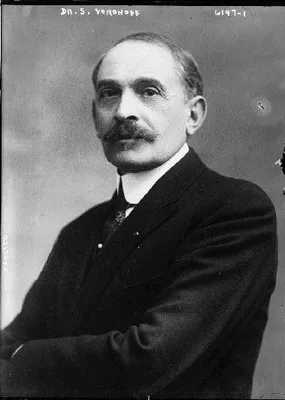
1923 VORONOFF, Serge (1866 – 1951)
Greffes testiculaires
Voronoff first reported his controversial experimental rejuvenation by means of testicular transplants in 1919.
GMN 3797 · https://historyofmedicine.com/id/4738
1925 FISHBEIN, Morris (1889 – 1976)
The medical follies: An analysis of the foibles of some healing cults: Including osteopathy, homeopathy, chiropractic, and the electronic reactions of Abrams, with Essays on the antivivisectionists, health legislation, physical culture, birth control, and rejuvenation.
Digital facsimile from Google Books at this link.
GMN 13849 · https://historyofmedicine.com/id/16139
1926 SAUERBRUCH, Ernst Ferdinand (1875 – 1951); GERSON, Max (1881 – 1959); ET AL
Ueber Versuche, schwere Formen der Tuberkulose durch diätetische Behandlung zu beeinflussen.
Gerson introduced a salt-restricted diet in the treatment of tuberculosis; this was subsequently modified by Sauerbruch and Herrmannsdorfer, becoming known as the “Gerson–Sauerbruch–Hermannsdorfer diet”. The scientifi…
GMN 2345 · https://historyofmedicine.com/id/3102
1927 FISHBEIN, Morris (1889 – 1976)
The new medical follies: An encyclopedia of cultism and quackery in these United States, with essays on the cult of beauty, the craze for reduction, rejuvenation, eclecticism, bread and dietary fads, physical therapy, and a forecast as to the physician of the future.
GMN 13850 · https://historyofmedicine.com/id/16140
1928 THOMPSON, Charles John Samuel (1862 – 1943)
The quacks of old London.
GMN 6643 · https://historyofmedicine.com/id/7757
1961 JAMESON, Eric
The natural history of quackery.
GMN 6643.1 · https://historyofmedicine.com/id/7759
1961 YOUNG, James Harvey (1915 – 2006)
The toadstool millionaires.
Chronicles the rise of the patent medicine trade from its beginnings in colonial America until passage of the first federal food and drug law. Digital text available from quackwatch.org at this link.
GMN 12413 · https://historyofmedicine.com/id/14643
1967 YOUNG, James Harvey (1915 – 2006)
The medical messiahs. A social history of health quackery in twentieth-century America.
GMN 6643.2 · https://historyofmedicine.com/id/7761
1979 STAGE, Sarah
Female complaints: Lydia Pinkham and the business of women's medicine.
"The original 1875 recipe called for unicorn root, life root, blach cohosh, pleurisy root, and fenugreek seed, but alcohol (18-20 percent) gave it a longer shelf life, and shrewd advertising assured its staying power.…
GMN 9158 · https://historyofmedicine.com/id/11337
1989 PORTER, Roy Sydney (1946 – 2002)
Health for sale: Quackery in England 1660-1850.
GMN 7668 · https://historyofmedicine.com/id/9840
1991 ARMSTRONG, David; ARMSTRONG, Elizabeth Metger
The great American medicine show: Being an illustrated history of hucksters, healers, health evangelists and heroes from plymouth rock to the present.
GMN 10409 · https://historyofmedicine.com/id/12602
2002 TEICHLER, Jens-Uwe
"Der Charlatan strebt nicht nach Wahrheit, er verlangt nur nach Geld". Zur Auseinandersetzung zwischen naturwissenschaftlicher Medizin und Laienmedizin im deutschen Kaiserreich am Beispiel von Hypnotismus und Heilmagnetismus.
GMN 9088 · https://historyofmedicine.com/id/11267
2006 GENTILCORE, David (1961 – )
Medical charlatanism in early modern Italy.
GMN 8046 · https://historyofmedicine.com/id/10222
2006 DELBOURGO, James
A most amazing scene of wonders: Electricity and enlightenment in early America.
"By examining the lives and visions of natural philosophers, spectacular showmen, religious preachers and medical therapists, he shows how electrical experiences of wonder, terror, and awe were connected to a broad ar…
GMN 8656 · https://historyofmedicine.com/id/10833
2006 WOOTTON, David (1952 – )
Bad medicine: Doctors doing harm since Hippocrates.
The paperback edition published in 2007 included a new epilogue by the author in response to critics of the controversial hardback edition.
GMN 9462 · https://historyofmedicine.com/id/11645
2007 KATRIZKY, M. A.
Women, medicine and theatre, 1500-1750: Literary mountebanks and performing quacks.
GMN 13645 · https://historyofmedicine.com/id/15926
2008 FORMAN, Simon (1552 – 1611); NAPIER, Richard (1559 – 1634); KASSELL, Lauren
The casebooks project: A digital edition of Simon Forman's & Richard Napier's medical records 1596-1634. Lauren Kassell, Project Director.
http://www.magicandmedicine.hps.cam.ac.uk/ "The Casebooks Project offers a tool for searching and reading the medical records of the astrologers Simon Forman and Richard Napier. The project is ongoing: 48,500 cases ar…
GMN 10547 · https://historyofmedicine.com/id/12740
2011 ALBERT, Daniel Myron (1936 – ); ATZEN, Sarah L.
Chevalier John Taylor, England's early oculist: Pretender or pioneer?
The unusually colorful career of the pioneer oculist, notorious for his flamboyant behavior, self-promotion, proflific writings, and for blinding both Johann Sebastian Bach and George Frideric Handel. The authors disc…
GMN 7667 · https://historyofmedicine.com/id/9839
2018 MACKINTOSH, Alan
The patent medicines industry in Georgian England: Constructing the market by the potency of print.
GMN 9792 · https://historyofmedicine.com/id/11980