
1880–1889
768 entries with publication dates in this decade.
1889
#8330
Marcelli De medicamentis liber. Edited Georgius Helmreich.
Marcellus's compendium of pharmacological preparations drawing on the work of multiple medical and scientific writers as well as folk remedies and magic. Digital facsimile from the Internet Archive at this link.
1889
#9041
Geschichte des Physiologus.
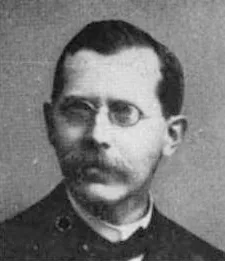
The most comprehensive survey of the general background of the Physiologus, and the later influence of this text. Digital facsimile from the Internet Archive at this link.
1889
#9276
The folk-lore of plants.
Digital facsimile from the Internet Archive at this link.
1889
#9525
Merck's index of fine chemicals and drugs for the materia medica and the arts: Comprising a summary of whatever chemical products are to-day adjudged as being useful in either medicine or technology, with average values and synonyms affixed; a guide for the physician, apothecary, chemist, and dealer.
First edition of the Merck Manual. Digital facsimile from the Internet Archive at this link.
1889
#9666
Les poissons venimeux. Contribution à l'hygiène navale.
The first systematic work on the venom organs of fishes.
1889
#10291
Histoire naturelle des cétacés des mers d'Europe. Extrait des tomes XXXVIII, XL, XLV, XLIII des Mémoires couronnés et autres Mémoires publiés par l'Académie royale des sciences, des lettres et des beaux-arts de Belgique - 1889.
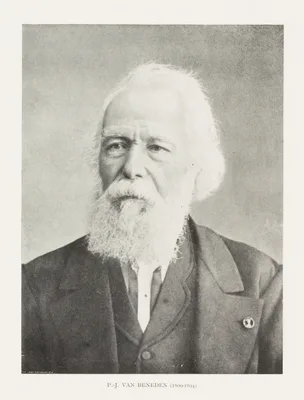
Digital facsimile from the Internet Archive at this link.
1889
#10618
Old age: The results of information received respecting nearly nine hundred persons who had attained the age of eighty years, including seventy-four centenarians.
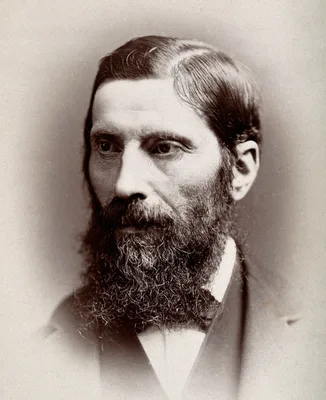
Analysis, illustrated with Woodburytype photographs, of data collected by the "Collective Investigation Committee" of the British Medical Association. Note that in the 1880s attaining the age of 80 was considered wort…
1889
#10786
Antibiose et symbiose.
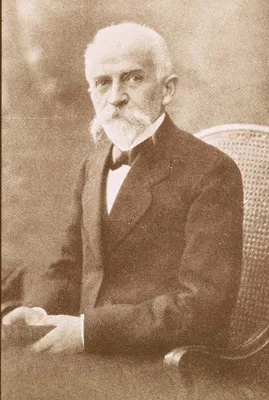
Villemin coined the term antibiosis and advanced the term from an evolutionary viewpoint. Though he presented the concept Villemin did not apply this concept to fight disease. (Thanks to Juan Weiss for this reference.)
1889
#10885
Preliminary observations on the microorganism of Texas fever.
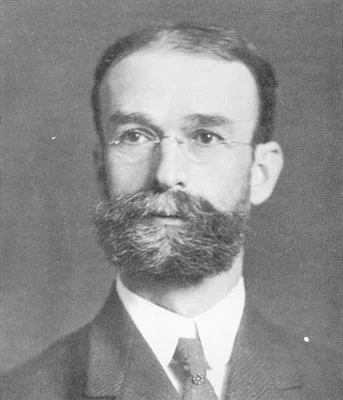
First report on the discovery of a Babesia, cause of Babesiosis. Smith first observed the microscopic organism in the summer of 1886, but mentioned Babes's work in this paper, perhaps resulting in Babes being credited…
1889
#11276
The cerebral palsies of children.
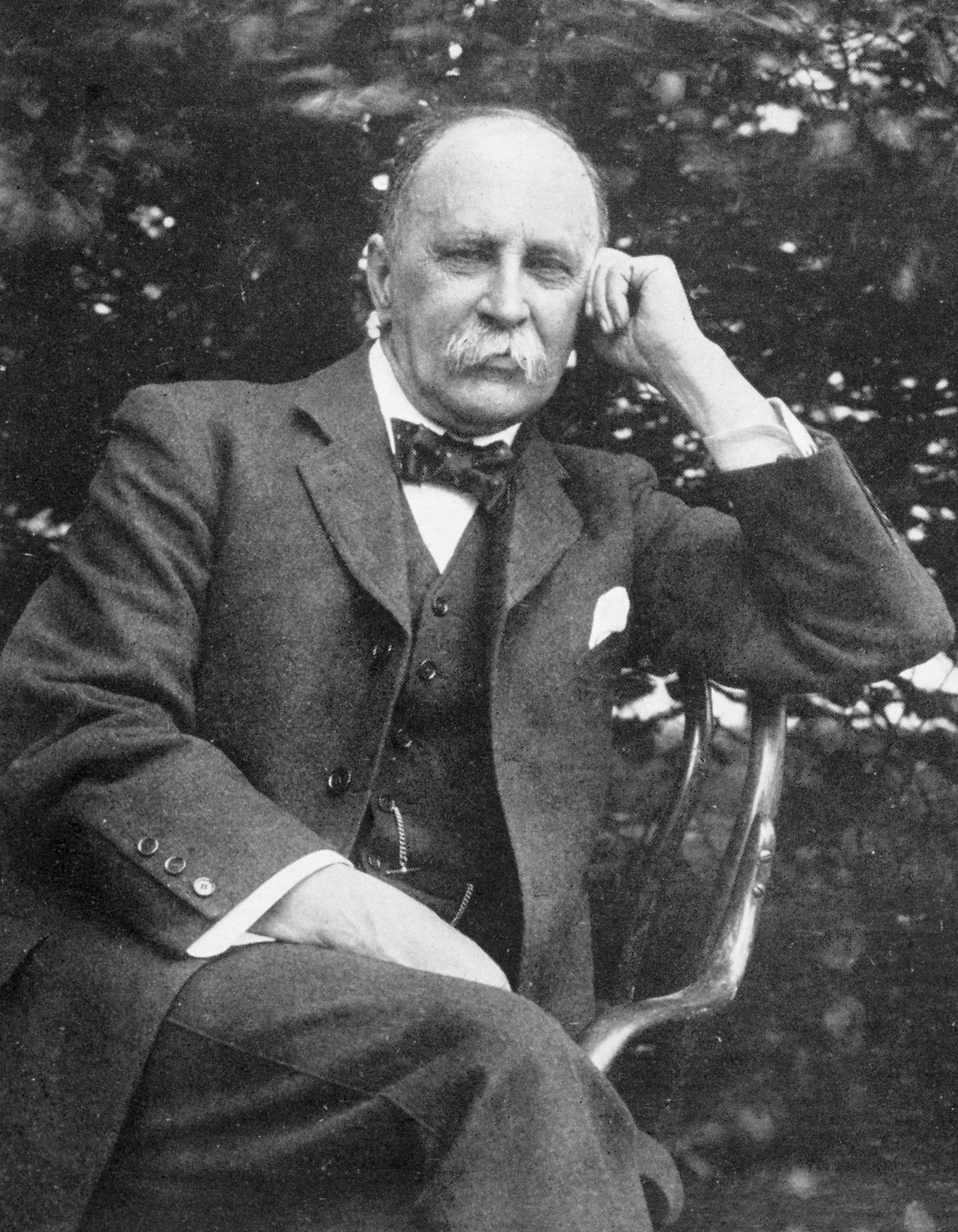
Osler's monograph on cerebral palsy helped define this condition. "Osler emphasized the diverse causes of childhood hemiplegia. Osler classified his patients with nonprogressive upper motor neuron dysfunction accordin…
1889
#11541
Traité des maladies des pays chauds: Région prétropicale.
1889
#11869
Opium: Historical note, or, the poppy in China. Published by order of The Inspector General of Customs.
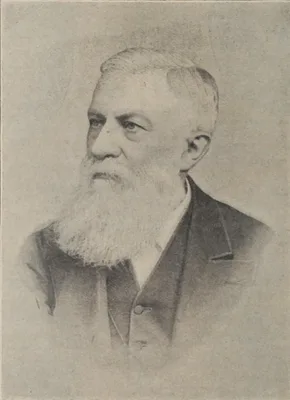
Though relatively brief (50pp.) this may be the first historical study of opium in English. Text in English and Chinese. Digital facsimile from the Hathi Turst at this link. Reprinted without the Chinese text, Shangha…
1889
#12267
Cardiac failure and sudden death.
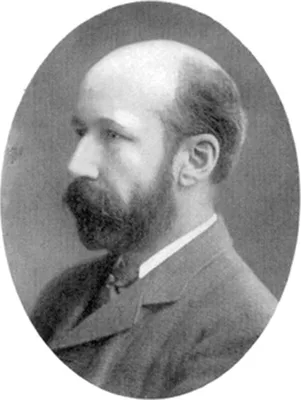
"Physiologists and physicians had proposed various theories to explain transient and fatal cardiac standstill in animals and humans who were apparently healthy. MacWilliam defined two distinct mechanisms depending on …
1889
#12348
Jenner and vaccination: A strange chapter of medical history.
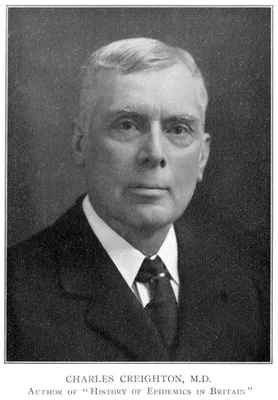
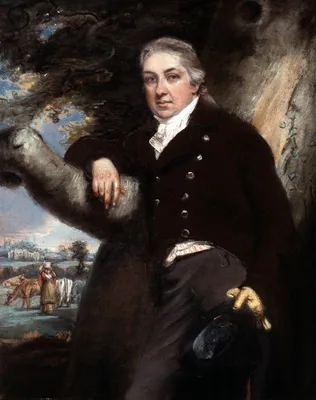
Creighton, one of the founders of epidemiology, disputed the germ theory of infectious disease, and became "one of the anti-vaccination movement's 'most ardent and distinguished spokesmen.' Creighton argued that vacci…
1889
#12646
Über den Schwerpunkt des menschlichen Körpers mit Rücksicht auf die Ausrüstung des deutschen Infanteristen.
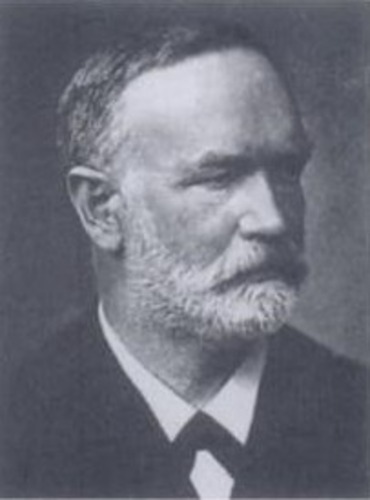
Translated into English by P.G.J. Maquet and R. Furlong as On the centre of gravity of the human body as related to the equipment of the German infantry soldier. Berlin: Springer-Verlag, 1985.
1889
#13509
The useful native plants of Australia. (Including Tasmania).
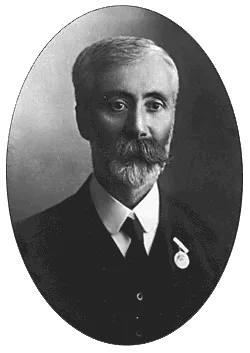
Maiden, a botanist, was Curator and Secretary of The Technological, Industrial, and Sanitary Museum of New South Wales. Chapters include. 1. Human Food and Food adjuncts; 2. Forage Plants; 3. Drugs; 4. Gums, Resins, a…
1889
#14299
Die Haut Arterien des menschlichen Körpers.
Manchot was the first to describe the vascular territories of the human skin. This work was translated into English by J. Ristic with an introduction by William D. Morain as The cutaneous arteries of the human body (N…
1889
#14344
The action of natural selection in producing old age, decay, and death. In Essays upon heredity and kindred biological problems by August Weismann; authorized translation edited by Edward B. Poulton, Selmar Schönland and Arthur E. Shipley, Chapter 1, "The duration of life," page 23.
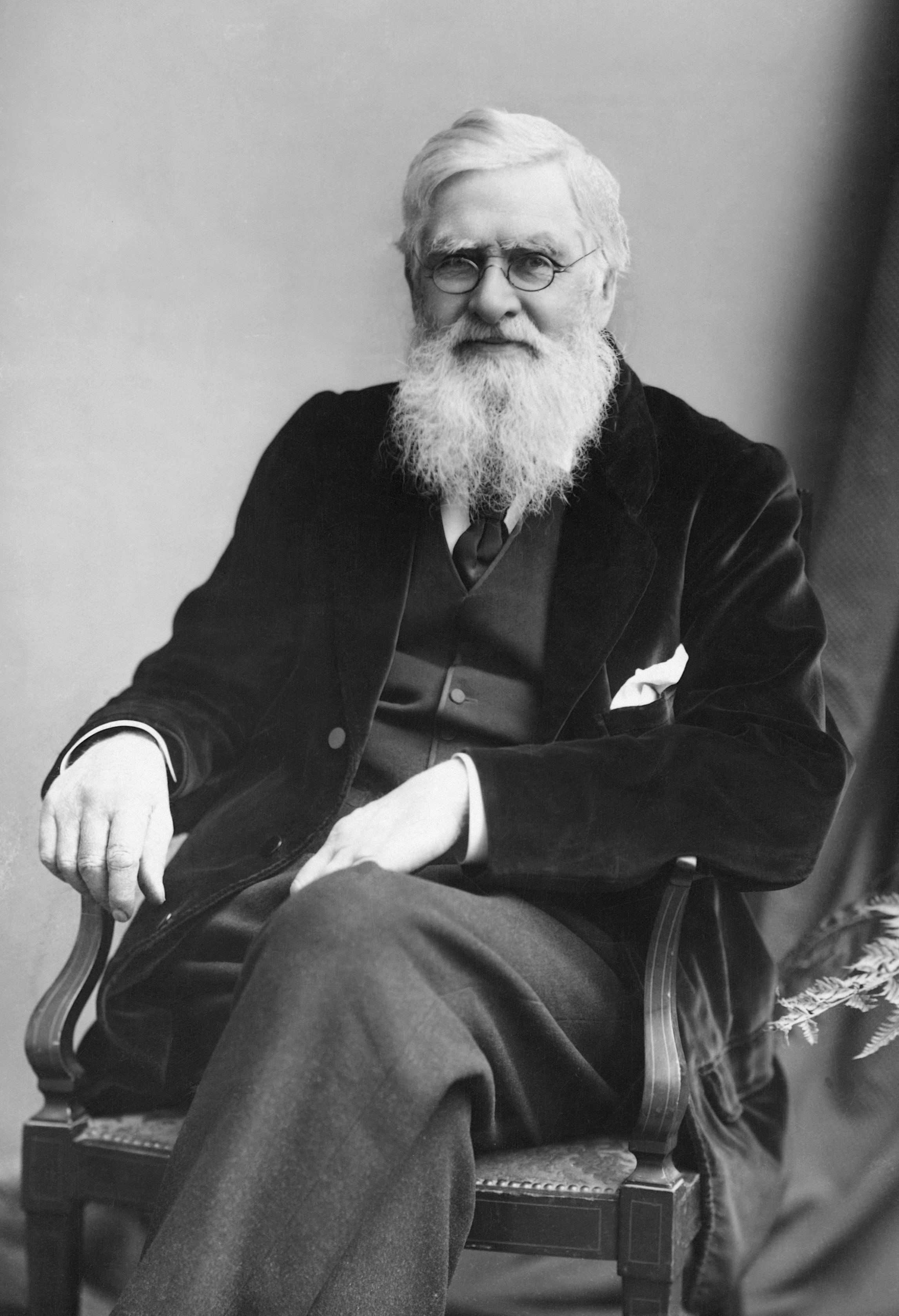
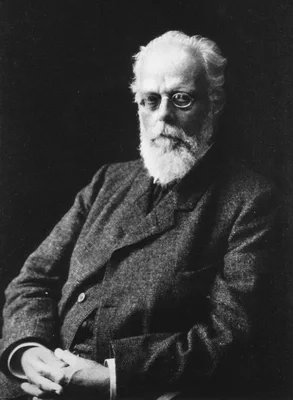
Wallace proposed the first evolutionary theory of aging. He stated that if too many people lived for a long time they would compete for resources needed for other members of the species that were of reproduction age. …