
1900–1909
957 entries with publication dates in this decade.
1909
#4881
Ueber operative Behandlung gastrischer Krisen durch Resektion der 7-10. hinteren Dorsalwurzel.
Foerster’s operation for tabes.
1909
#4882
The Linacre lecture on the function of the so-called motor area of the brain.
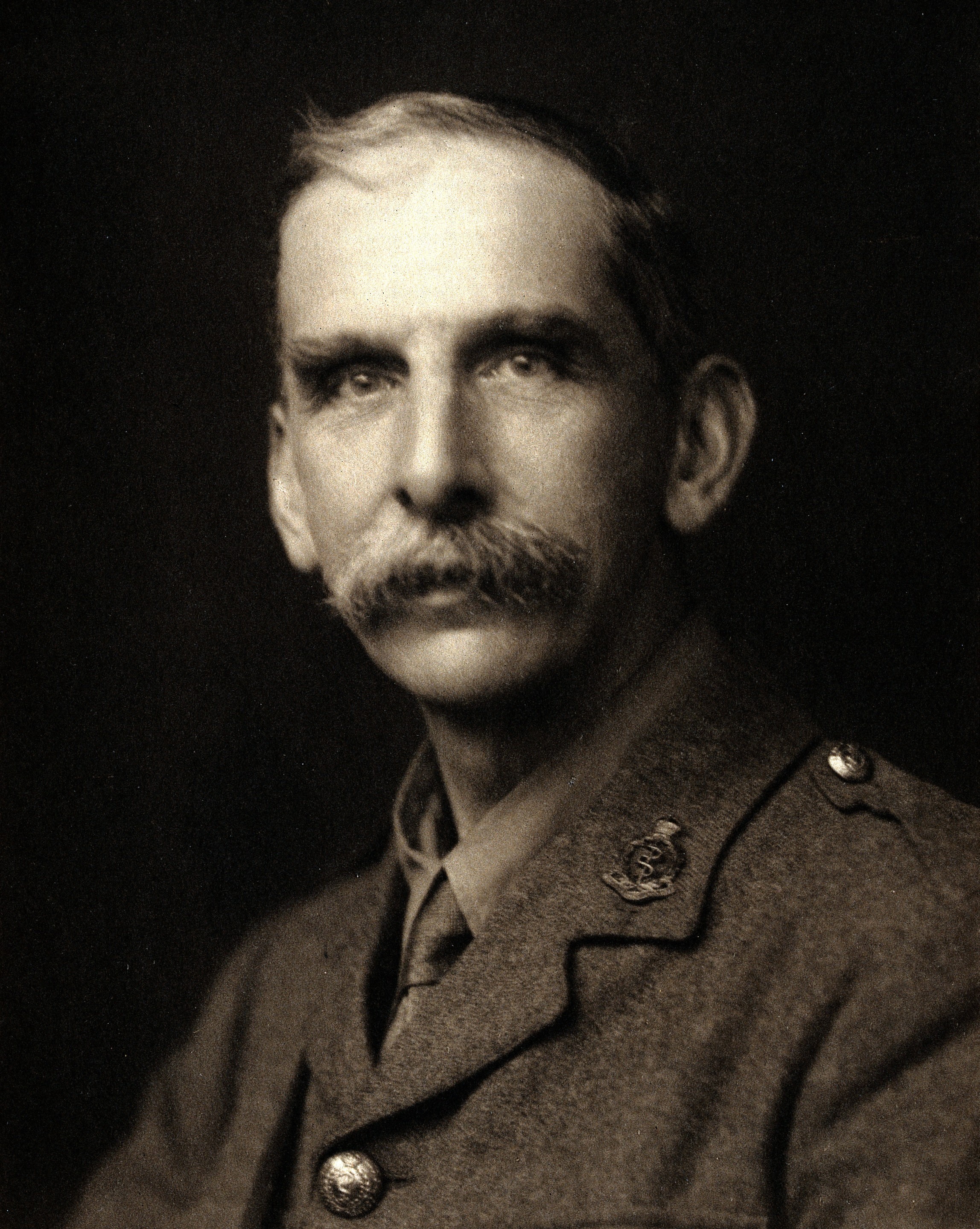
Horsley demonstrated that removal of the precentral area in man abolished athetosis.
1909
#4145.1
Ueber eine “Febris uveo-parotidea subchronica”, an der Glandula parotis und der Uvea des Auges lokalisiert und häufig mit Paresen cerebrospinaler Nerven kompliziert
“Heerfordt’s syndrome”, uveo-parotid fever, a form of sarcoidosis.
1909
#4378
Ueber Nagelextension.
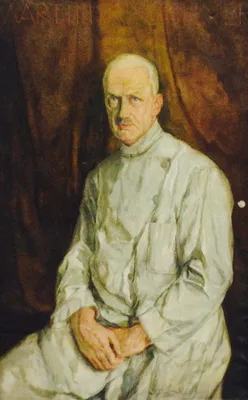
Kirschner wire, for skeletal traction, and for stabilization of bone fragments or joint immobilization.
1909
#4195
Médecine opératoire des voies urinaires.
Albarran, a Cuban, became a teacher of the highest rank and attained a professorship at Paris in 1892. He was the first surgeon in France to perform perineal prostatectomy.
1909
#4195.1
A new direct irrigating observation and double catheterizing cystoscope.
Brown–Buerger cystoscope.
1909
#4196
The technique of orcheopexy.
Torek’s operation for undescended testicle.
1909
#5283
Nova tripanozomiaze humana. Estudos sobre a morfolojia e o ciclo evolutivo do Schizotrypanum cruzi n.gen., n.sp., ajente etiolojico de nova entidade morbida do homen.
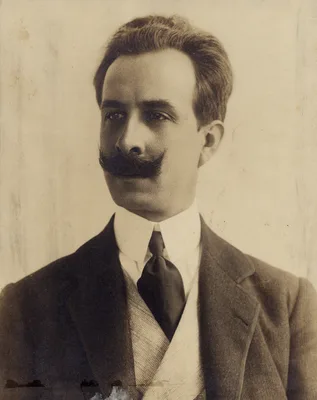
Chagas discovered T. cruzi, causal organism in American trypanosomiasis (“Chagas’s disease”). Partial English translation in Kean (No. 2268.1).
1909
#5283.1
Positive Infektionsversuche mit Trypanosoma brucei durch Glossina palpalis.
Glossina was believed to transmit Trypanosoma mechanically to the new host until Kleine showed that the latter undergoes a developmental cycle in Glossina. English translation in Kean (No. 2268.1).
1909
#5284
Le mécanisme d’action des dérivés arsenicaux dans les trypanosomiases.
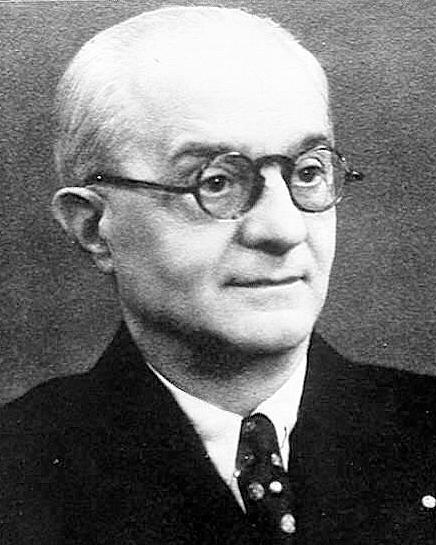
A study of the action of atoxyl and arsacétine.
1909
#5478
Weitere Untersuchungen über das Pappatacifieber.
Doerr and Russ suggested that the virus of phlebotomus fever may be transmitted from one generation of infected Phlebotomus papatasii to another.
1909
#5479
Das Pappatacifieber.
An Austrian military commission consisting of R. Doerr, K. Franz, and S. Taussig proved that the causal organism of pappataci fever was a virus and that Phlebotomus papatasii was the vector.
1909
#5289.2
Bibliography of trypanosomiasis.
Subject index…with additional references and corrections, 1910.
1909
#5299.1
L’ulcère de Bauru ou le bouton d’orientau Brésil.
Muco-cutaneous leishmaniasis of South America. English translation in Kean (No. 2268.1).
1909
#5300
Le kala azar infantile.
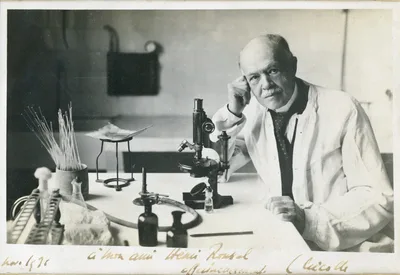
Nicolle considered infantile kala-azar to be caused by a distinct species of Leishmania; to this he gave the name L. infantum.
1909
#5756.2
Underdeveloped lower jaw, with limited excursion. Report of two cases with operation.
Closed ramisection of the mandible for micrognathia or prognathism.
1909
#5756.3
A method of splinting skin grafts.
The Davis graft was devised by Halsted but Davis popularized its use.
1909
#5533
Descripción de elementos endo-globulares hallados en las enfermos de fiebre verrucosa.
The causal organism of Oroya fever and verruga peruana, endemic in Peru, was named Bartonella bacilliformis after Barton, who was one of the first to observe it.
1909
#5535
Mycose nouvelle: l’hémisporose. Ostéite humaine primitive du tibia due à l’Hemispora Stellata.
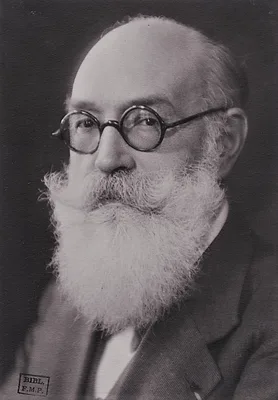
Hemisporosis described.
1909
#5955
A preliminary note on a new operative procedure for the establishment of a filtering cicatrix in the treatment of glaucoma.
Elliot, working in 1909 at the Government Ophthalmic Hospital in Madras, began to use a trephine to make a very anterior sclerectomy under a conjunctival flap, coupled with a peripheral iridectomy. See also his Sclero…
1909
#5956
Über Epithelzellveränderungen beim Trachom und andern Conjunctivalerkrankungen.
Demonstration of the inclusion bodies in ophthalmia neonatorum.
1909
#5379
A micro-organism which apparently has a specific relationship to Rocky Mountain spotted fever. A preliminary report.
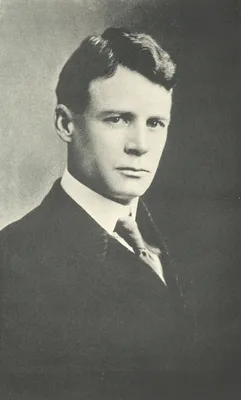
Description of the causal organism, in blood smears.
1909
#5381
On heterologous agglutinins more particularly those present in the blood serum of cerebro-spinal fever and typhus fever cases.
The reaction described by Wilson was later developed by Weil and Felix and named after them (see No. 5390). See also the paper by Wilson in J. Hyg., 1920, 19, 115-30.
1909
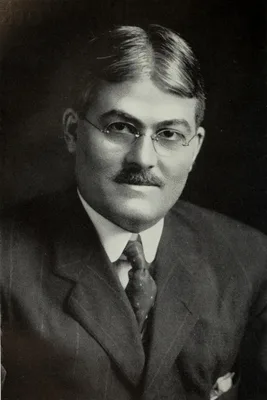
#5628
Hemorrhage and transfusion.
1909
#5694
Continuous respiration without respiratory movements.
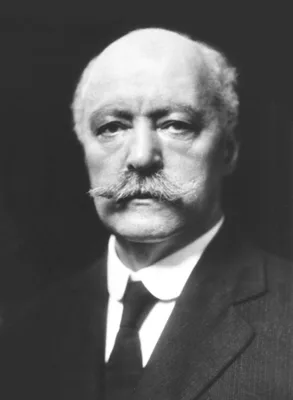
Meltzer and Auer experimented further with the intratracheal insufflation method introduced by Kuhn (No. 5693).
1909
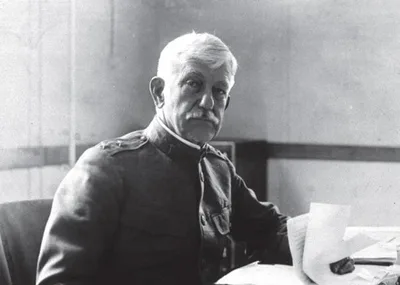
#5460
Sanitation of the tropics with special reference to malaria and yellow fever.
1909
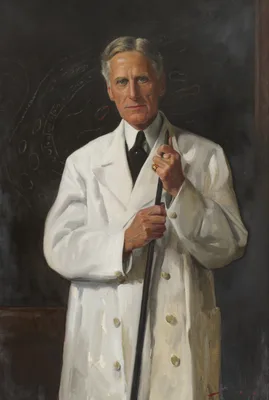
#6215
The pituitary body and the therapeutic value of the infundibular extract in shock, uterine atony, and intestinal paresis.
1909 –1915
#6620
Épigraphie médicale. Corpus inscriptionum ad medicinam biologiamque spectantium. 2 vols.
Digital facsimile from BnF Gallica at this link.
1909
#6645
The relation of medicine to philosophy.
1909
#6249
Der extraperitoneale Kaiserschnitt. Seine Geschichte, seine Technik und seine Indikationen.
Latzko’s extraperitoneal lower-segment Caesarean operation. Preliminary report in the same journal, 1908, 21, 737.
1909
#6478
Aerztliches aus griechischen Papyrus-Urkunden.
Digital facsimile from the Internet Archive at this link.
1909
#6519.1
The mediaeval hospitals of England.
Reprinted London 1966.
1909
#6404
Studien zur Geschichte der Medizin.
1909
#5263
Malaria and Greek history. To which is added the history of Greek therapeutics and the malaria theory by E.T. Withington.
The view is put forward by the writer that malarial infection was the cause of the decadence of the Greeks. Digital facsimile from the Internet Archive at this link.
1909
#245
Kreuzungsuntersuchungen an Hafer und Weizen.
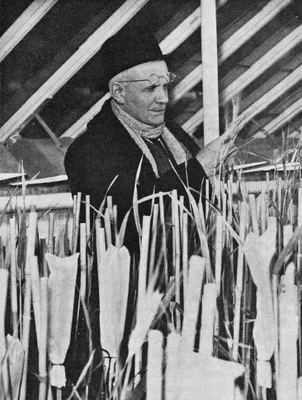
The “multiple factor” theory advanced by Nilsson-Ehle brought under the Mendelian law cases which, by their extreme variability of inheritance, might be considered exceptions to it.
1909
#6844
Elemente der exacten Erblichkeitslehre.
In this work Johannsen coined the term “gene” as the “underlying structure in the organism, that which was transmitted during hybridzation.” He also coined the term "phenotype" to express what is actually observed and…
1909
#6845
The differentiation and specificity of corresponding proteins and other vital substances in relation to biological classification and organic evolution: The crystallography of hemoglobins.
This massive work with 100 plates including 600 images, was the first large-scale investigation of species differences at the molecular level. Digital facsimile from the Internet Archive at this link.
1909 –1910
#6870
History of dental surgery. Contributions by various authors. Edited by Charles R.E. Koch. 3 vols.
1909
#7343
La Myéloarchitecture du Thalamus du Cercopithèque.
"Ted Jones, in his encyclopedic The Thalamus (1985, p. 27), wrote that this is one of the best descriptive accounts of the thalamus, illustrated with photographic plates as elegant as any being produced today, with su…
1909
#7397
Die Sehstörungen bei Schussverletzungen der kortikalen Sehsphäre, nach Beobachtungen an Verwundeten der letzten japanischen Kriege.
During and after Japan’s war with Russia (1904-1905 ) Inouye tested the visual fields in wounded soldiers for insurance purposes, and set out his observations in this work. English translation: Glickstein, M. & Fahle,…
1909
#8797
Zulu medicine and medicine-men.
Digital facsimile from the Internet Archive at this link.
1909
#9208
The elements of military hygiene especially arranged for officers and men of the line.
Digital facsimile from the Internet Archive at this link. Revised edition, 1915, of which a digital facsimile is available from the Internet Archive at this link.
1909
#9209
Manual of military hygiene.
Digital facsimile of the third, revised edition (1917) from the Internet Archive at this link.
1909
#9444
The Russo-Japanese war: Medical and sanitary reports from officers attached to the Japanese and Russian forces in the field, General staff, War office, April 1908.
Digital facsimile from the Internet Archive at this link.
1909
#10368
Catalogue of the specimens in the Anatomical Museum of the University of Edinburgh. Vol. 1.- Pathology. Edited by Sir William Turner.
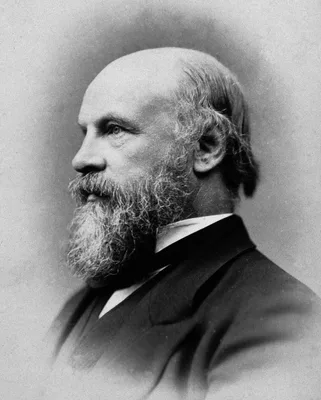
Digital facsimile from the Internet Archive at this link.
1909
#10406
Eradicating plague in San Francisco. Report of the Citizen's Health Committee and an account of its work. With brief descriptions of the measures taken, copies of ordinances in aid of sanitation, articles by sanitarians on the nature of plague and the best means of getting rid of it, facsimiles of circulars issued by the committee and a list of subscribers to the health fund. March 31, 1909. Prepared by Frank Morton Todd, historian for the Committee.
Digital facsimile from the Internet Archive at this link.
1909
#10720
Observations on choked disc, with especial reference to decompressive cranial operations.
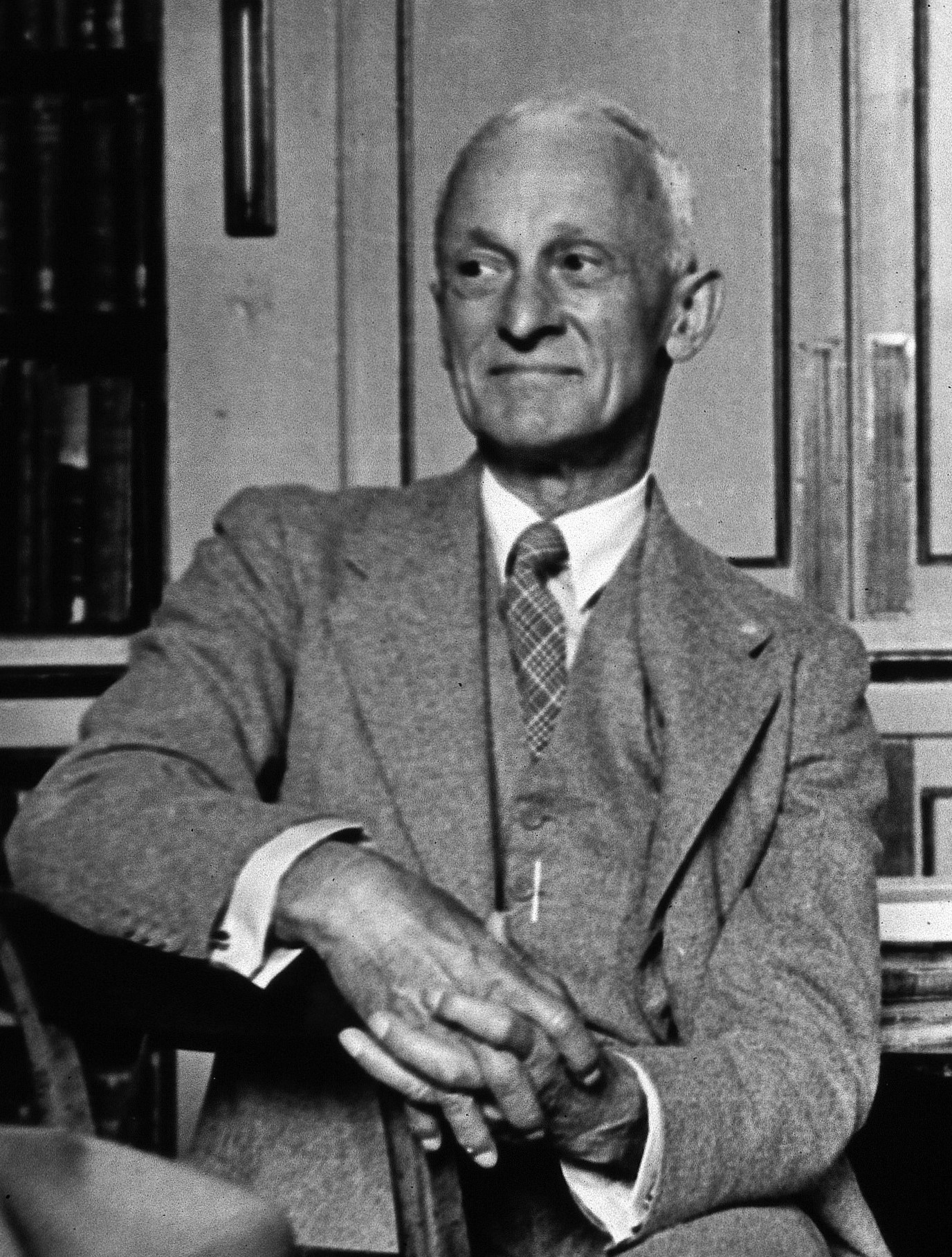
The diagnostic value for neurosurgery of changes in the optic nerve caused by increased intracranial pressure.
1909
#11224
Remarks on the medical library in post-graduate work.
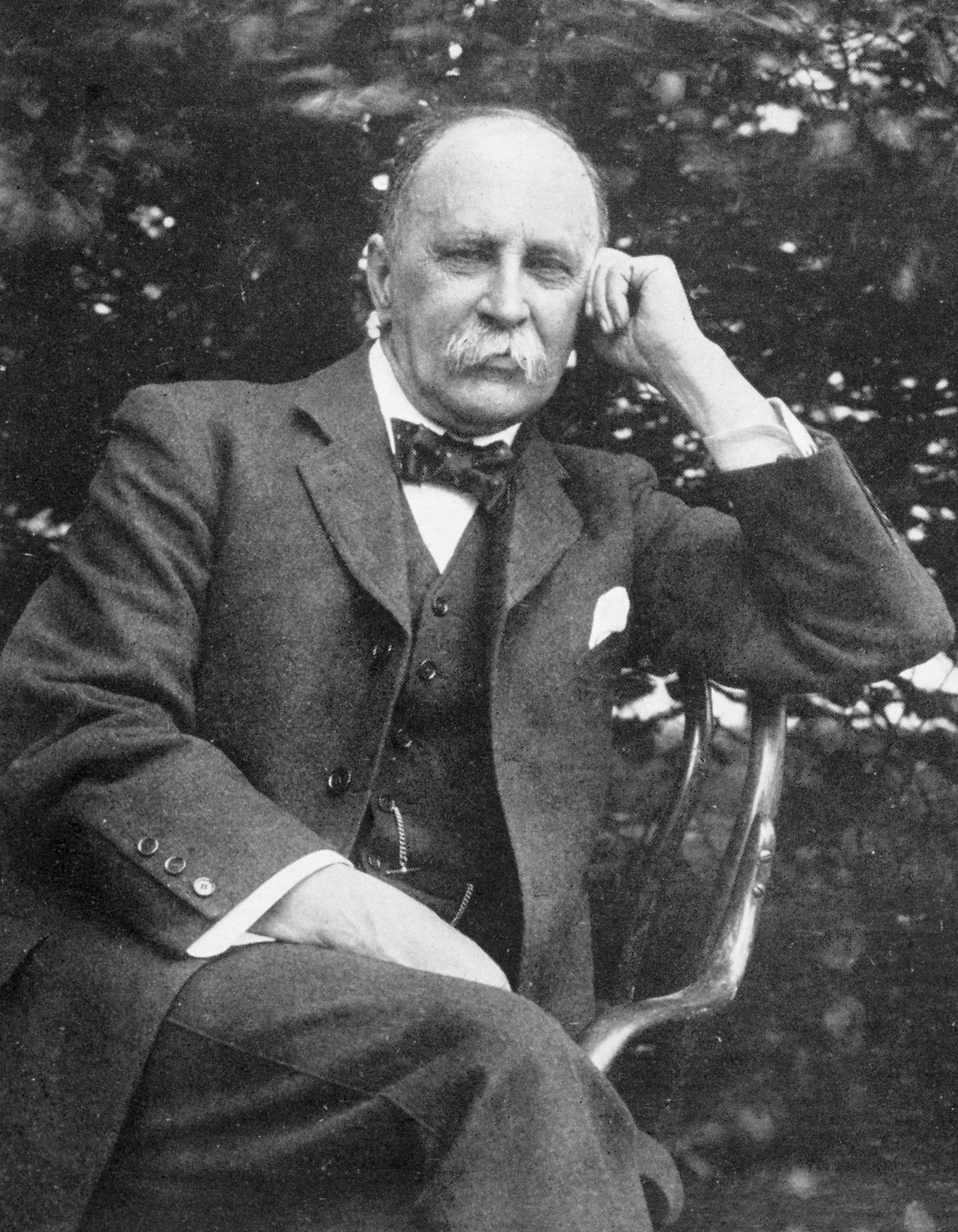
In this speech given by Osler as President of the Medical Library Association Osler spoke first about the essential value for practicing physicians of institutional medical libraries run by professional librarians, an…
1909
#11680
Elektrokardiogramme.
This 37-page pamphlet was the earliest collection of information regarding electrocardiography. It contained "only single lead electrocardiograms, limited to mitral stenosis and hypertrophy of the right and left venti…
1909
#12081
Medical sociology: A series of observations touching upon the sociology of health and the relations of medicine to society.
The first American book specifically on the topic of medical sociology. Digital facsimile from the Hathi Trust at this link.