
1910–1919
772 entries with publication dates in this decade.
1912
#13924
The cinematograph as an aid to medical education and research: A lecture illustrated by moving pictures of ultramicroscopic life in the blood and tissues, and of surgical operations.
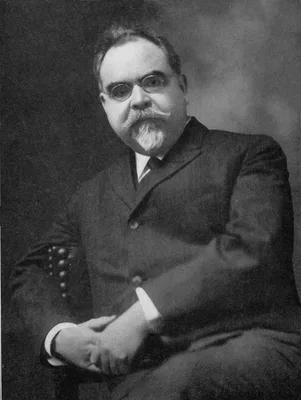
1912
#14126
Technique chirurgicale infantile: Indications opératoires, opérations courantes.
Ombrédanne improved surgical techniques for the correction of undescended testicles, cleft palate and penile hypospadias in children.
1913
#38
Syrian anatomy, pathology and therapeutics or "The Book of Medicines". The Syriac text with an English translation, etc
Text and translation from a copy made for Budge of a 12th century codex---one of the most extensive early medical manuscripts in Syriac. Digital facsimile from the Internet Archive at this link.
1913
#957
Physiological observations made on Pike’s Peak, Colorado, with special reference to adaptation to low barometric pressures.
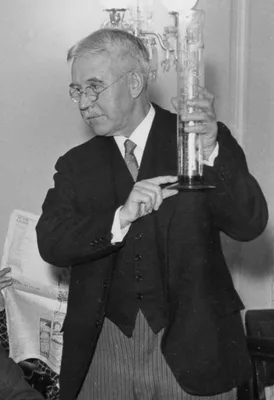
1913
#349
A textbook of medical entomology.
Digital facsimile from Biodiversity Heritage Library at this link.
1913 –1914
#560.1
Estudios sobre la degeneración y regeneración de sistema nervioso.
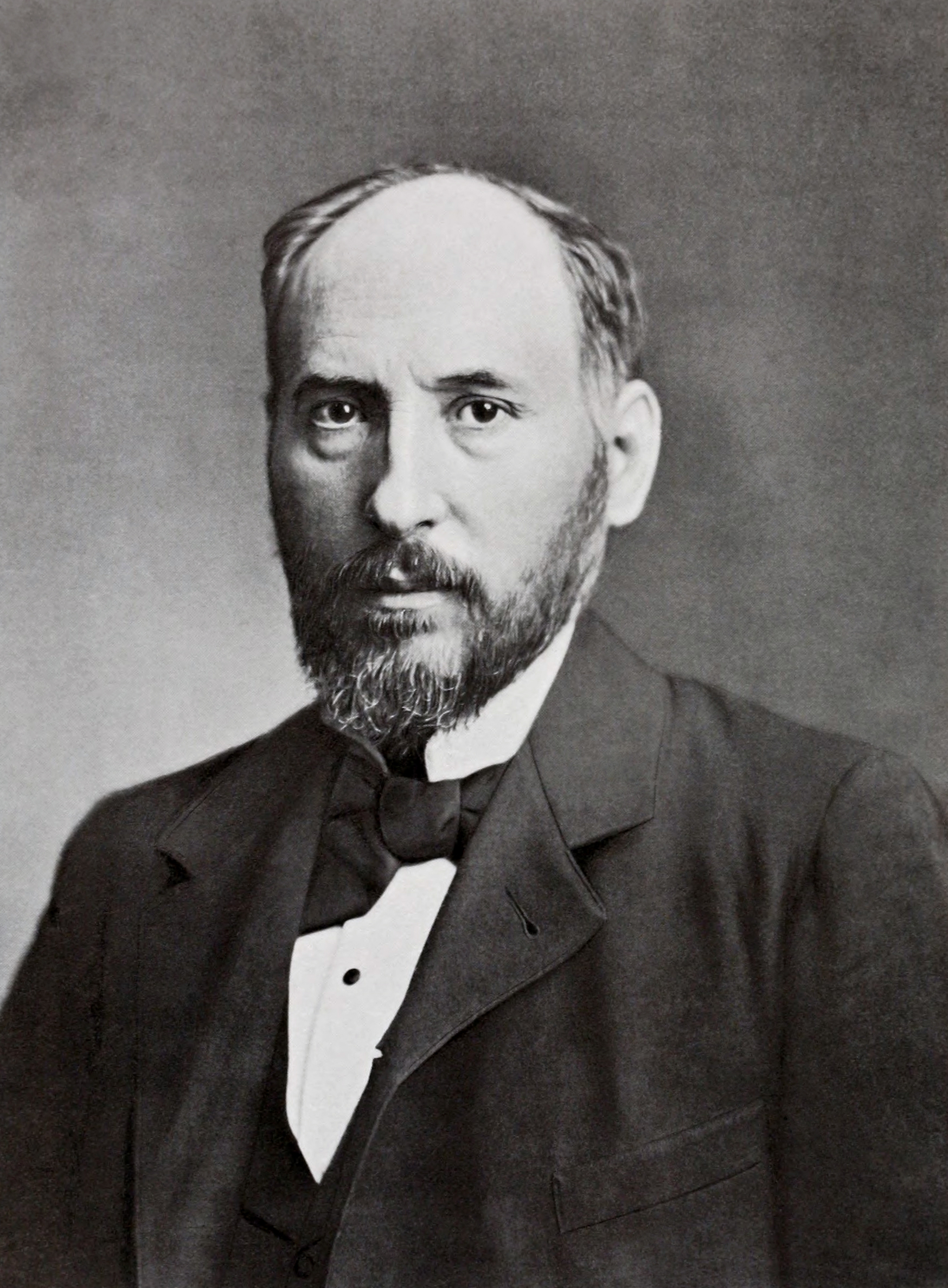
The most complete work on the subject so far written. Ramón y Cajal, great neuroanatomist and histologist, was for many years in charge of the institute bearing his name at Madrid. He gained the Nobel Prize in 1906. E…
1913
#657
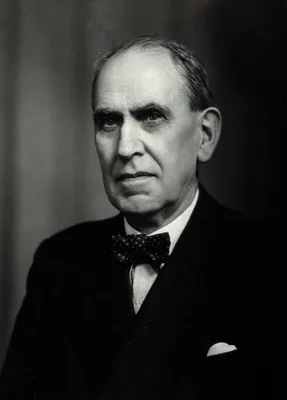
Muscular work. A metabolic study.
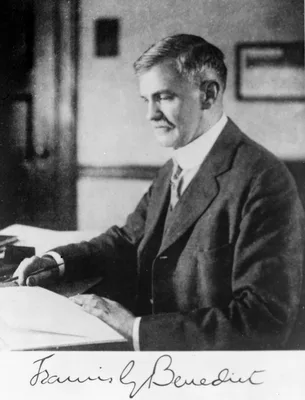
1913
#1049
The necessity of certain lipids in the diet during growth.
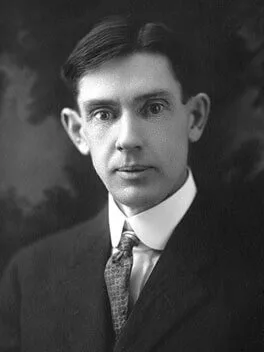
Discovery of “fat-soluble A” (vitamin A). See also J. biol. Chem., 1915, 23,181-246, in which the same authors showed the necessity in diet for at least two factors – “fat-soluble A” and “water-soluble B”.
1913
#1050
The relation of growth to the chemical constituents of the diet.
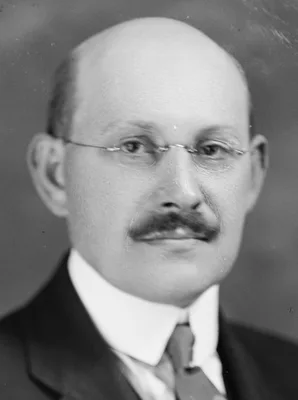
Like McCollum and Davis, Osborne and Mendel showed the necessity in diet of a factor which was later to be known as vitamin A.
1913
#849
On the action of drugs and the function of the anterior lymph hearts in cardiectomized frogs.
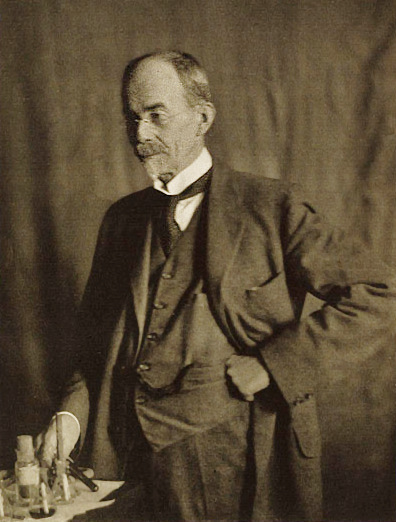
Abel was one of America’s most distinguished pharmacologists. See A. M. Harvey. "Pharmacology’s giant," Johns Hopk. med. J., 1974, 135, 245-58.
1913
#1031
Le mouvement de l’intestin en circulation artificielle (chez les vertébrés). Thèses présentées a la Faculté des sciences de Paris.
Cinematographic studies of the movements of the intestines in animals. Digital facsimile from the Internet Archive at this link.
1913 –1914
#435
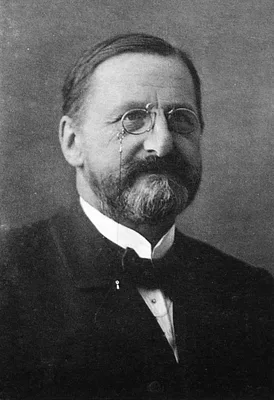
Die Anatomie des Menschen. 3 pts.
1913
#1113
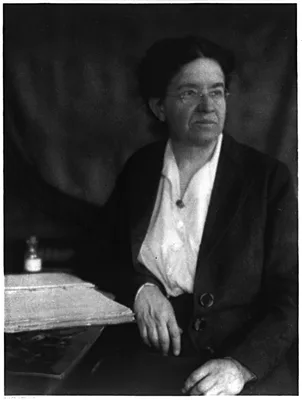
The origin and development of the lymphatic system.
1913
#4805
A demonstration of Treponema pallidum in the brain in cases of general paralysis.
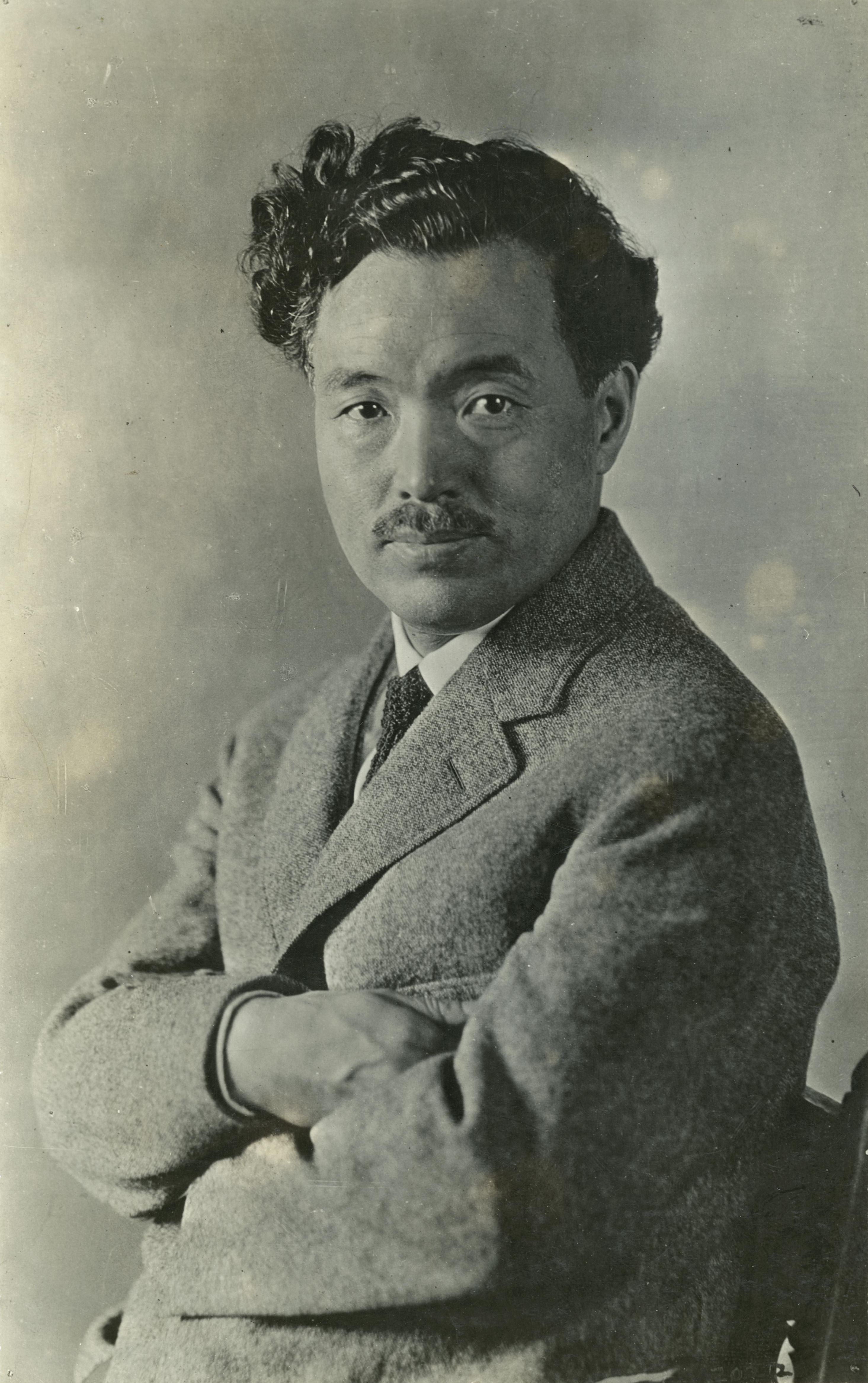
A pure culture of Trep. pallidum was obtained from a case of dementia paralytica.
1913
#527.1
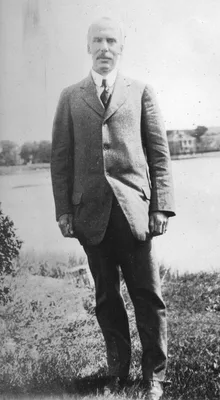
The mechanism of fertilization.
1913
#2018.1
A new and simple method of transfusion.
In order to prevent blood coagulation during transfusion, Kimpton and Brown used apparatus lined with paraffin wax. See also Boston med. surg. J., 1915, 173, 425-7.
1913
#1640
Sewage disposal by oxidation methods.
1913
#1641
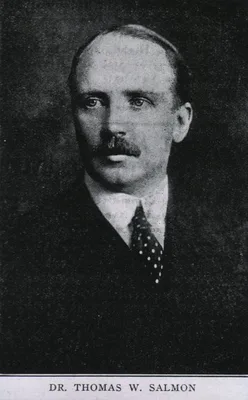
Preventive medicine and hygiene by Milton J. Rosenau. With chapters on sewage and garbage by George C. Whipple...Vital statistics by Cressy L. Wilbur...The prevention of mental diseases by Thomas W. Salmon.
Digital facsimile of the 1913 edition from the Internet Archive at this link. There were numerous later revised editions.
1913
#1302.1
Carbon dioxide production from nerve fibres when resting and when stimulated; a contribution to the chemical basis of irritability.
Tashiro showed that the production of the nervous impulse depends on the metabolic activity of the nerve fiber.
1913
#1903
La synthèse des glucosides par les ferments.
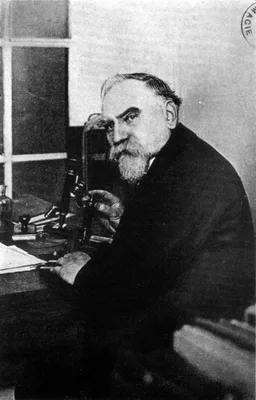
Bourquelot did important work on the synthesis of glucosides; several more papers followed the one given above.
1913
#1903.1
The plant alkaloids.
Digital facsimile from the Internet Archive at this link.
1913
#2251
La kérithérapie (nouvelle balnéation thermocireuse).
Treatment of burns with ambrine (paraffin-resin solution); keritherapy.
1913
#2600.5
The anaphylactic reaction of plain muscle in the guinea-pig.
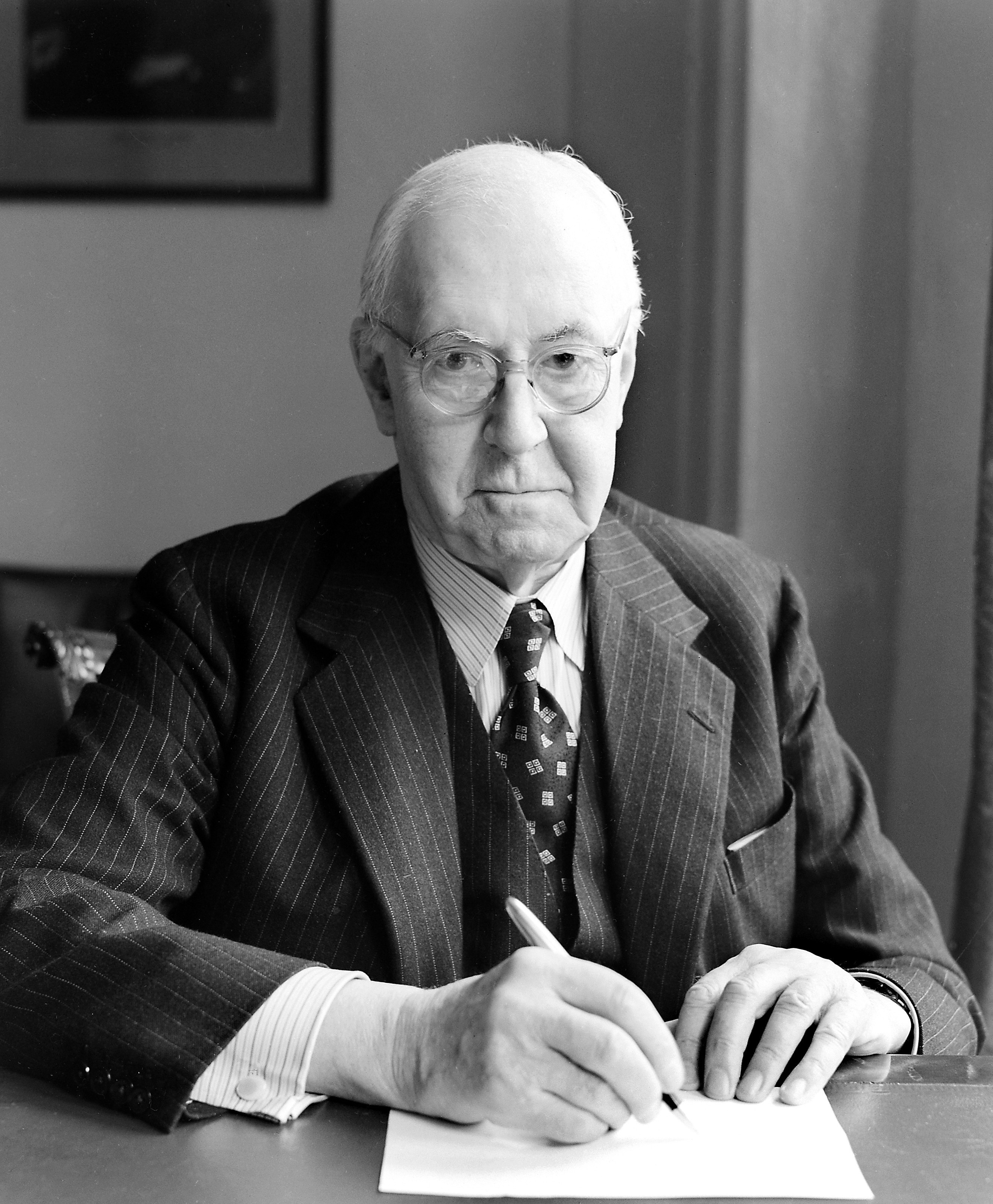
See No. 2600.2. Dale concluded that histamine induced hypersensitivity reactions.
1913
#2342
Die Heliotherapie der Tuberkulose.
In 1903 Rollier introduced ultra-violet light and Alpine sunlight in the treatment of surgical tuberculosis. Heliotherapy for chronic affections was advocated as early as the 5th century CE by Caelius Aurelianus.
1913
#2640
Untersuchungen über eine Nematode (Spiroptera sp. n.) und deren Fähigkeit papillomatöse und carcinomatose Geschwulstbildungen im Magen der Ratte hervorzurufen.
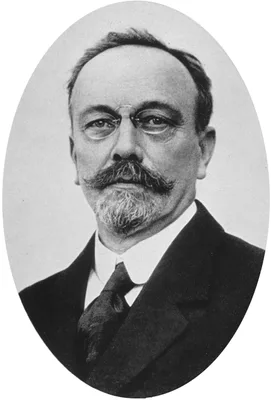
Fibiger demonstrated that the roundworm, which he called Spiroptera carcinoma (but is correctly named Gongylonema neoplasticum), could cause stomach cancer (squamous cell carcinoma) in rats and mice. His experimental …
1913
#2406
Die Ausflockung kolloidalen Goldes durch Zerebrospinalflüssigkeit bei luetischenAffektiondesZentralnervensystems.
Lange’s colloidal gold test for the diagnosis of cerebrospinal syphilis. See also Berl. klin. Wschr., 1912, 49, 897-901.
1913
#2842
Der Ersatz des Orthiodiagraphen durch der Teleröntgen.
Instantaneous radiography of the heart.
1913
#3082.1
Ueber eine neue Leukämie durch echte Uebergangsformen (Splenozytenleukämie) und ihre Bedeutung für die Selbständigkeit dieser Zellen.
Monocytic leukemia reported.
1913
#3234
Die Beeinflüssung von Lungenerkrankungen durch künstliche Lähmung des Zwerchfells (Phrenikotomie).
Phrenicotomy in the treatment of pulmonary tuberculosis.
1913
#211
On the discovery of a palaeolithic skull and mandible in a flint-bearing gravel overlying the Wealden (Hastings Beds) at Piltdown, Fletching (Sussex). With appendix by Grafton Elliot Smith.
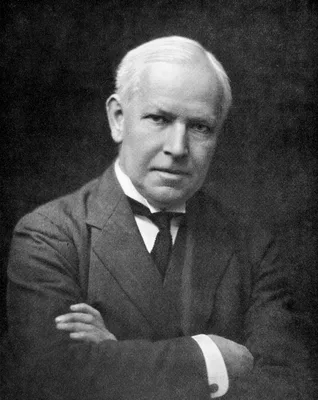
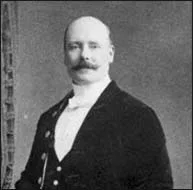
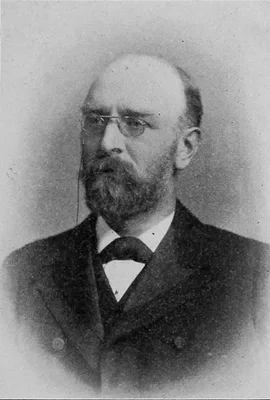
Order of authorship in the original publication: Dawson, Woodward. The first "scientific" report on “Piltdown man” (Eoanthropus dawsoni,) one of the longest-lasting and most influential hoaxes ever perpetrated in scie…
1913
#3134
Anämische Zustände bei der chronischen Achylia gastrica.
Simple achlorhydric (idiopathic microcytic) anemia described. Faber advanced the view that achylia gastrica was a cause both of pernicious anemia and of simple chlorotic anemia.
1913
#3538
The cause and treatment of certain unfavourable after-effects of gastroenterostomy.
First description of the “dumping syndrome”, so named by C. L. Mix, Surg. Clin. N. Amer., 1922, 2, 617-22. (During WWI Hertz changed his name to Hurst; see No. 8604.)
1913
#3540
The first successful case of resection of the thoracic portion of the oesophagus for carcinoma.
See also Arch. Surg. (Chicago), 1925, 10, 353-60, which reported that the patient was still living.
1913
#3192.1
A biological classification of pneumococci by means of immunity reactions.
Dochez and Gillespie differentiated four types of pneumococci.
1913 –1914
#2691
A grafting-diaphragm to cut off secondary rays from the object.
Bucky devised a diaphragm for roentgenography which, by preventing the secondary rays from reaching the plate, secured better contrast and definition.
1913 –1914
#2692
A powerful Roentgen ray tube with a pure electron discharge.
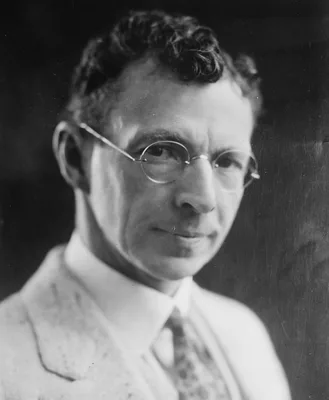
Coolidge invented the high vacuum tube, capable of kilovoltage energies.
1913
#3745
Beriberi
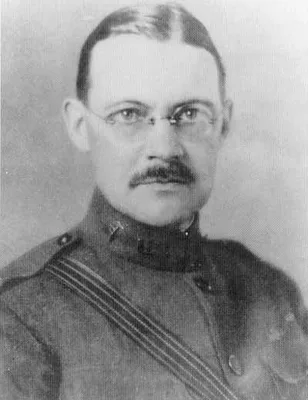
Important studies of beri-beri are recorded in this book. After its publication the author made many additional contributions to the literature on the subject.
1913
#3647
Die Farbstoffe des Blutserums. 1. Eine quantitative Bestimmung des Bilirubins im Blutserum.
The van den Bergh test.
1913 –1914
#3648
Experiments on haemolytic icterus.
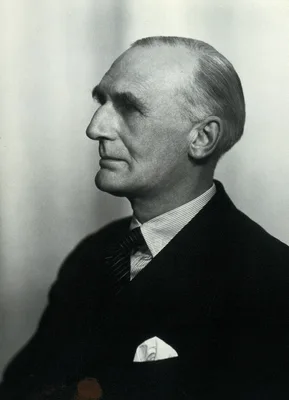
McNee showed that bile pigment formation is not a function of the liver cells alone, but can take place in other tissues. He thus disproved the theory propounded by Minkowski and Naunyn in 1886.
1913
#3795
Die Erkrankungen der Blutdrüsen
First attempt to systematize the endocrine disorders. English translation, 1915.
1913
#2915
Ueber experimentelle Cholesterinsteatose und ihre Bedeutung für die Entstehung einiger pathologischer Prozesse.
Anichkov and Chalatov of St. Petersburg, Russia, discovered that atherosclerosis of large arteries is critically dependent on cholesterol. (Translated in Arteriosclerosis, 1983, 3, 178-182). The inflammatory nature of…
1913
#2915.1
Die Chirurgie der Blutgefässe und des Herzens.
Jeger was the first to advocate the bypass principle for management of peripheral aneurysms.
1913
#3899
Infantilism hypophysaire.
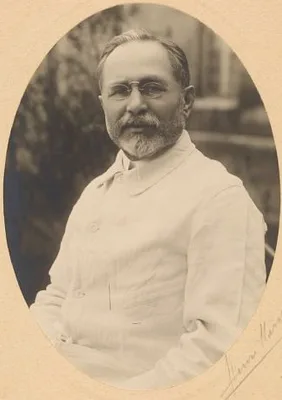
Classic account of pituitary infantilism.
1913
#3900
Z kazuistyki zmian anatomo-patholigicznych w przysadce mózgowej
Glinski preceded Simmonds in this important description of post-partum necrosis of the anterior pituitary. Abstract in Dtsch med. Wschr., 1913, 39, 473.
1913
#4237
Klinische Diagnostik der degenerativen Nierenerkrankungen.
Munk introduced the term “lipoid nephrosis”. He found that urine in such cases contained anisotropic lipoid droplets.
1913
#3403
Otosclerosis: certain clinical features and experimental operative procedures.
Jenkins suggested the modern fenestration operation of otosclerosis.
1913
#4270
A new procedure (punch operation) for small prostatic bars and contracture of the prostatic orifice.
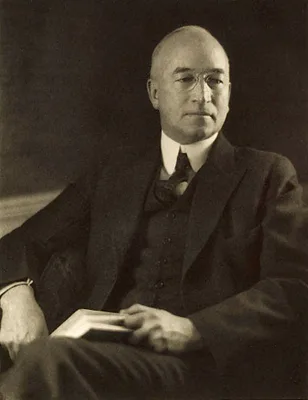
Young’s punch prostatectomy operation.
1913
#3014
Ein Fall operierter Embolie der Arteria femoralis.
Key performed his first successful embolectomy on December 4, 1912, and reported it to a meeting of the Svenska Läkaresällskapet on January 28, 1913. See also his review in Ergebn. Chir. Orthop.,1929, 22,1-94.
1913
#3014.1
Fall von Embolus aortae abdominalis, Operation, Heilung.
First successful aortic embolectomy.
1913
#3015
Traumatic lipaemia and fatty embolism.
Classic clinical description of pulmonary fat embolism.