
1910–1919
772 entries with publication dates in this decade.
1914
#4596.2
Contribution à l’étude des troubles mentaux dans l’hémiplégie organique cérébrale (anosognosie).
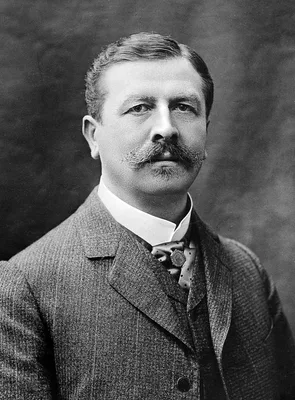
Babinski drew attention to anosognosia, a name he gave to unconcern or denial of striking neurological disorders.
1914
#4598
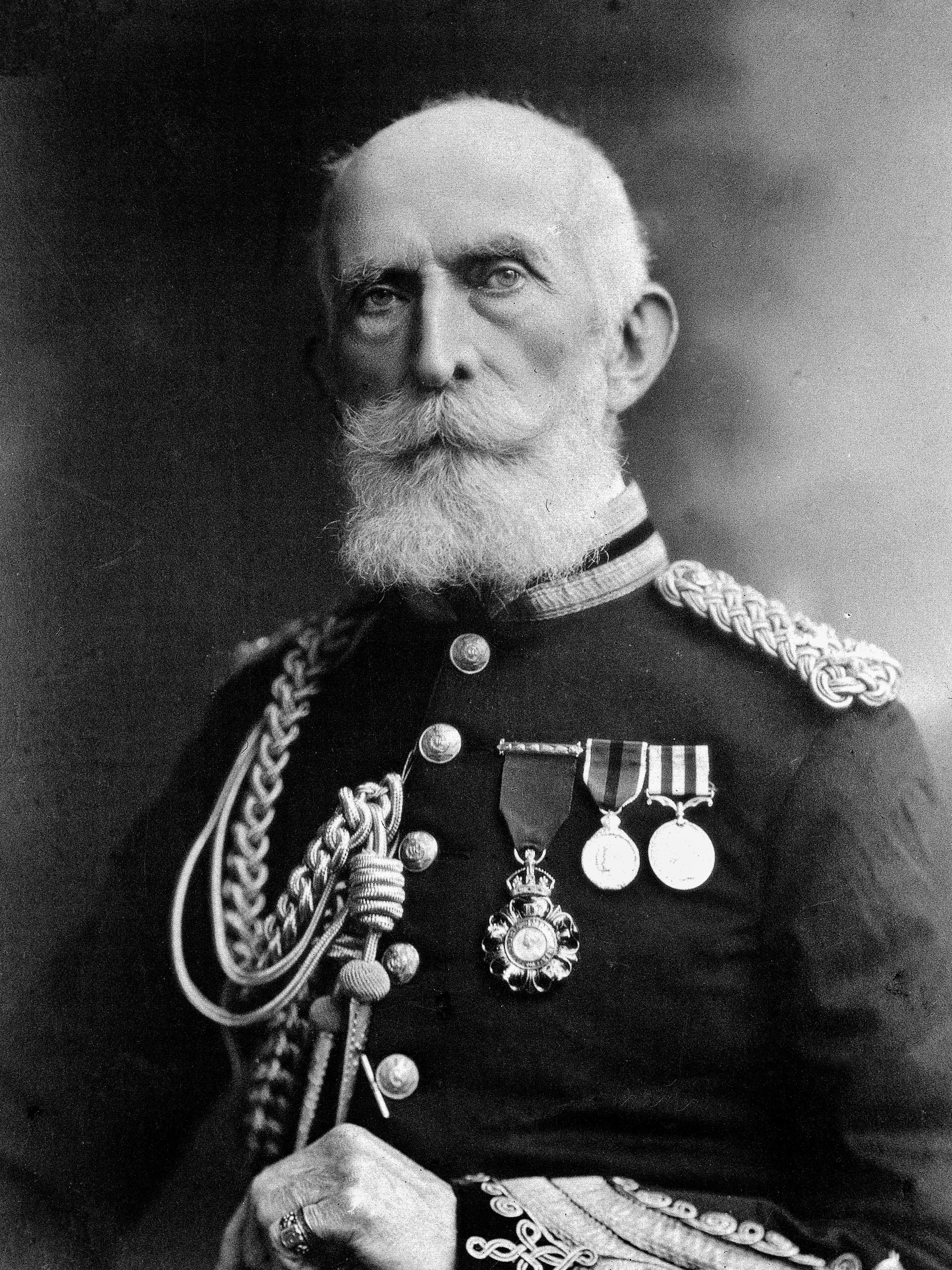
Sémiologie des affections du système nerveux.
1914
#1051
Die Vitamine
A pioneer work in the study of vitamins. Much of the previous literature is reviewed. Funk introduced the term “vitamine”, later changed to “vitamin”. In 1912 (J. State Med., 20, 341) he postulated his theory of the e…
1914
#850
On the influence of the lymph hearts upon the action of convulsant drugs in cardiectomized frogs. II.
1914
#851
On some cardiac reflexes.
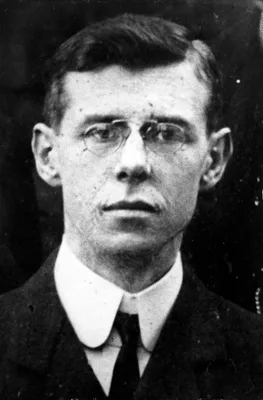
Bainbridge found that cardiac reflex action is produced by inhibition of vagus tone and excitation of the accelerator nerves.
1914
#1032
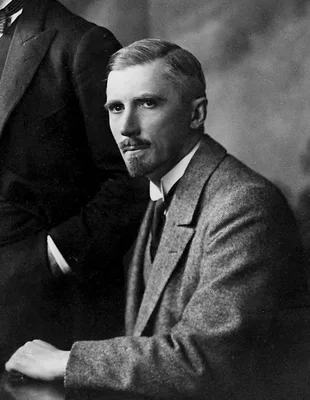
Die äussere Sekretion der Verdauungsdrüsen.
1914
#741.2
On the removal of diffusible substances from the circulating blood of living animals by dialysis.
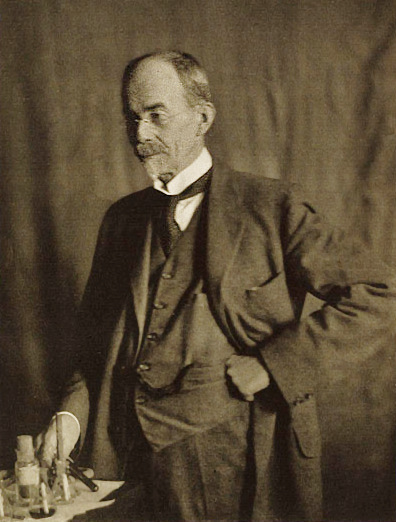
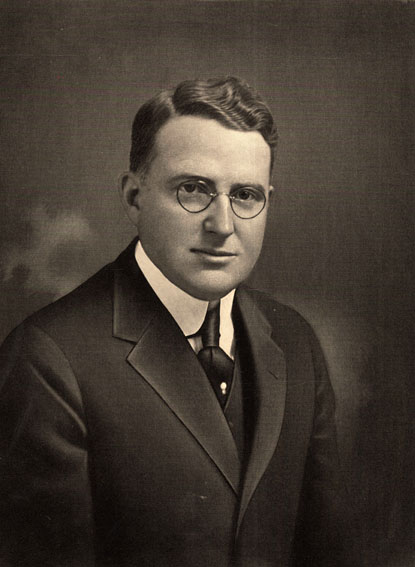
Hemodialysis. See also No. 1976. Preliminary communication in Trans Ass. Amer. Phycns., 1913, 28, 51-4. "Together with L.G. Rowntree and B.B. Turner, Abel devised what they called a "vividiffusion" apparatus, consisti…
c. 1914
#1340
The action of certain esters and ethers of choline, and their relation to muscarine.
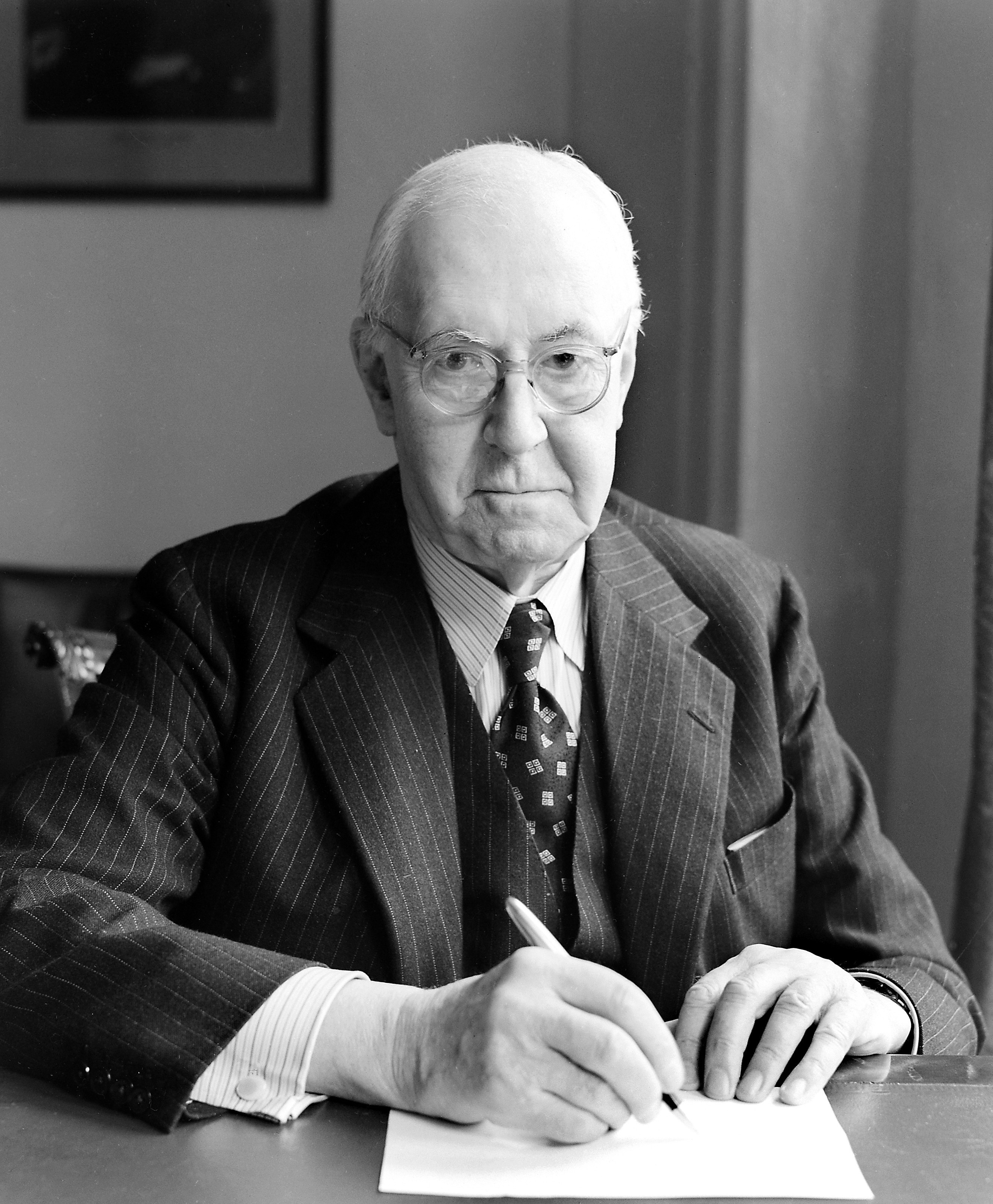
Demonstration of the inhibitory action of acetylcholine on the heart. In 1936 Dale shared the Nobel Prize in Physiology or Medicine with Otto Loewi (No. 1343) "for their studies in the chemical mediation of nervous im…
1914
#1341
Acetylcholine, a new active principle of ergot.
Isolation of acetylcholine in ergot.
1914
#2019
Note sur une nouvelle méthode de transfusion.
Hustin demonstrated the anticoagulant powers of sodium citrate and glucose in blood transfusion.
1914
#2020
Nuevo procedimiento para la transfusion de la sangre.
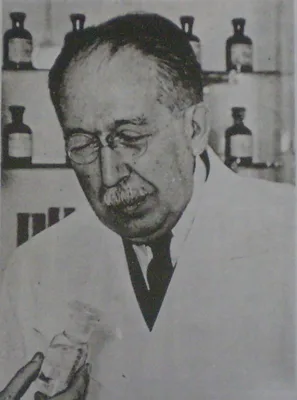
Agote was the first to transfuse citrated blood. Text in Spanish and French.
1914
#1641.1
Geriatrics: The diseases of old age and their treatment, including physiological old age, home and institutional care, and medico-legal relations.
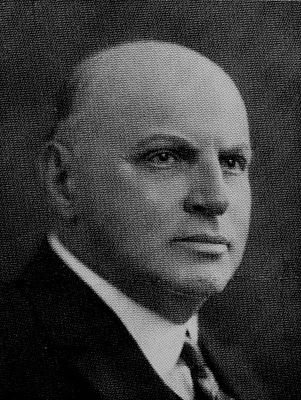
The first modern treatise on the subject. Nascher coined the term “geriatrics” in a paper of that name in N.Y. med. J., 1909, 90, 358-59.
1914
#1664.1
A study in hospital efficiency as demonstrated by the case report of the first two years of a private hospital.
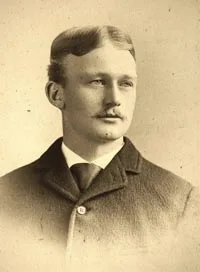
Pioneer application of efficiency engineering principles to hospital administration, made over a two year period. Codman was responsible for the “end result idea”. This revolutionary concept, which seems so obvious to…
1914
#1438.2
Die Lokalisation im Grosshirn und der Abbau der Funktion durch kortikale Herde.
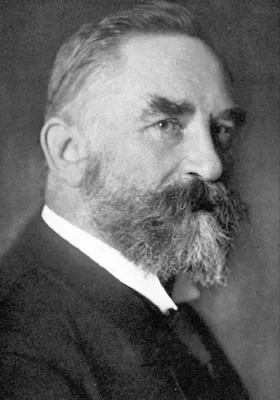
A monumental work on cerebral localization.
1914
#1439
Studies on cerebro-spinal fluid. III. The pathways of escape from the subarachnoid spaces with particular reference to the arachnoid villi.
Weed mapped out the pathways of the circulation of the cerebrospinal fluid. He described the pathways in this paper with 40 pages of text and 5 plates. This was the third of his four-part series of papers entitled Stu…
1914
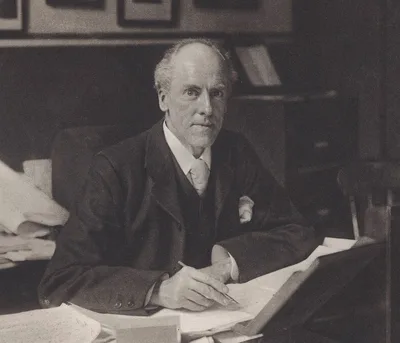
#1711
On the handicapping of the first-born.
1914
#2443
La lèpre à travers les siècles et les contrées.
1914
#190
Lehrbuch der Anthropologie.
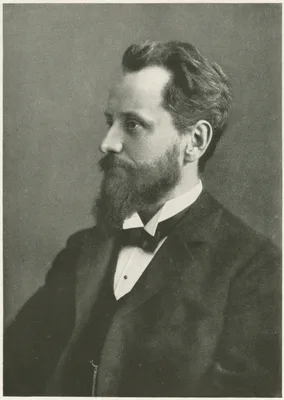
Exhaustive bibliography. 2nd ed., 1928.
1914
#2843
Auricular flutter.
1914
#2844
Die unregelmässige Herztätigkeit und ihre klinische Bedeutung.
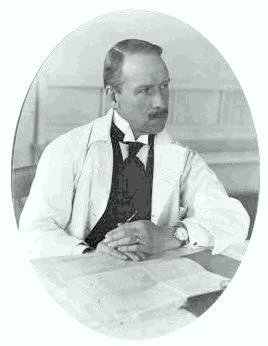
Wenckebach was the first to demonstrate (pp. 173-75) the value of quinine (“Wenckebach’s pills”) in the treatment of paroxysmal fibrillation. The same work contains a number of excellent descriptions of various forms …
1914
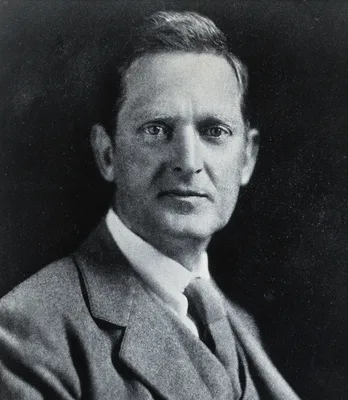
#2568
Infection and resistance.
1914
#1976
Plasma removal with return of corpuscles (plasmaphaeresis).
Report of a method of removal of plasma from the living animal, with return of the corpuscles after washing and separation by centrifugalization. See the authors' earlier papers in the same journal, 1914, 5, 275-316, …
1914
#3192.2
Die Erreger von Husten und Schnopfen.
Kruse reported that colds could be produced in volunteers by intranasal instillation of bacteria-free filtrates of secretions from persons suffering from colds.
1914
#3755
The treatment and prevention of pellagra.
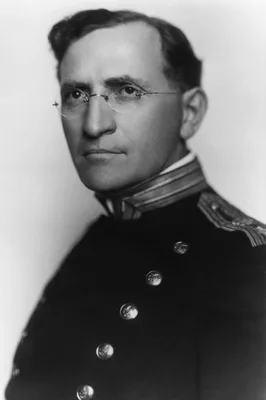
With C. H. Waring and D. G. Willets. A collection of Goldberger’s most important papers with a list of his publications appeared in 1964.
1914
#3340
Geschichte der Nasenheilkunde von ihren Anfängen bis zum 18. Jahrhundert. Vol. 1.
Continued through 18th and part of 19th century in articles in Z. Laryngol., vols. 7, 8, 9, 11, 1914-23. Reprinted, 2 vols., Hildesheim, G. Olms, 1967, with title Geschichte der Nasenheilkunde … bis zum 19 Jahrhundert.
1914
#3341
A history of laryngology and rhinology. 2nd ed.
1914
#3784
Ein unbekanntes Krankheitsbild.
First description of that form of xanthomatosis which Pick described more fully in 1926 (No. 3785) and to which the eponym “Niemann-Pick disease” has been applied.
1914
#3847
The pathogenesis of experimentally produced goitre.
1914
#3901
Ueber Hypophysisschwund mit tödlichem Ausgang.
“Simmonds’s disease”-pituitary cachexia. See also Virchows Arch. path. Anat., 1914, 217, 226-39.
1914
#4238
Die Brightsche Nierenkrankheit.
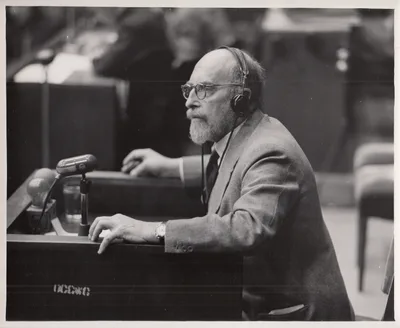
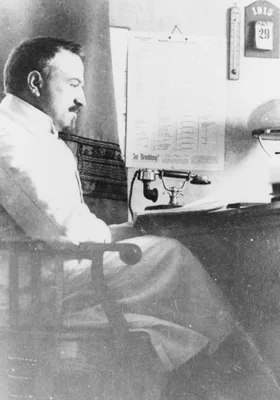
First full description of pure nephrosis, relating clinical features to morbid anatomy.
1914
#3029
Etude expérimentelle sur la chirurgie des valvules du coeur.
Tuffier carried out the first successful experimental operation for the relief of chronic valvular disease. He also operated successfully in a case of aortic stenosis.
1914
#5068
Active immunization in diphtheria and treatment by toxin-antitoxin.
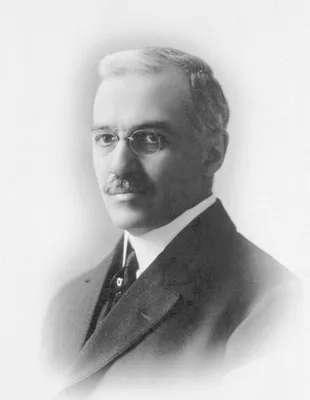
With A. Zingher and M. H. Serota. Park was an early advocate of diphtheria immunization with toxin-antitoxin. A second paper is in the same journal, 1915, 65, 2216-20.
1914
#5129.1
Observations on the mechanism of the transmission of plague by fleas.
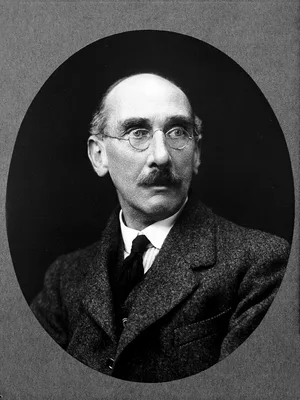
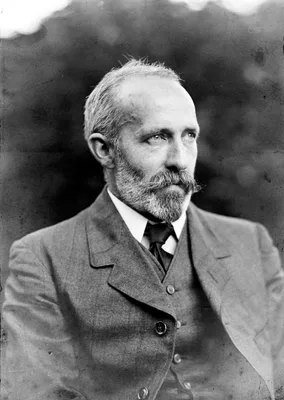
Bacot and Martin demonstrated the method by which the rat flea (primarily Xenopsylla cheopis) transmits the plague bacillus from rat to man.
1914
#5138
Plague and pestilence in literature and art.
Deals with the subject up to the end of the 18th century. Revised ed., 1951.
1914
#5175
Infection of man with Bacterium tularense
Wherry and Lamb were first to isolate P. tularensis from lesions in man.
1914
#5704
L’anesthésie régionale.
There was a second edition in 1917. Gaston Labat was the third co-author of the third edition (1921). Labat published his own book in English in 1922, the first work in English on the subject.
1914
#5506.1
German measles (rubella): an experimental study.
Experimental proof that rubella is caused by a virus.
1914
#5301
Sobre o tratemento de leishmaniose tegumentar.
Vianna introduced tartar emetic in the treatment of S. American leishmaniasis. His preliminary announcement on this form of treatment was made to the Brazilian Dermatological Society and appears in Arch. brasil. Med.,…
1914
#5325
Zurt Aetiologie und Klinik der Bisskrankheit.
Isolation of Streptothrix (Actinomyces) muris ratti from human patients bitten by rats.
1914
#5535.1
Note on certain protozoa-like bodies in a case of protracted fever with splenomegaly.
Castellani was first to suspect that toxoplasmosis could affect humans.
1914
#5536
Les grains botryomycotiques. Leur signification en pathologie et en biologie générales.
Thèse de Paris, No. 267, 1914. Magrou showed botriomycosis (granuloma pyogenicum) to be due to a staphylococcus.
1914
#5350.2
Der Zwischenwirt des Schistosomum japonicum Katsurada.
Miyairi and Suzuki confirmed that snails are the intermediate hosts of S. japonicum, and their paper completed the description of the life cycle from ova to snail intermediate host. Translation in Kean (No. 2268.1), p…
1914
#6122
Note on determination of patency of Fallopian tubes by the use of collargol and x-ray shadow.
Cary was the first to perform salpingography.
1914
#6625
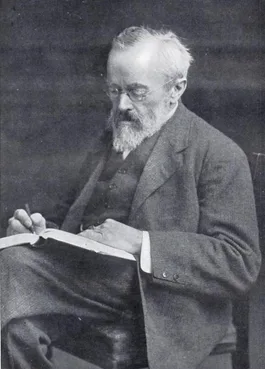
Astrology in medicine.
1914
#6348
Erythroedema.
Acrodynia (“pink disease”, “Swift’s disease”); first full description.
1914
#5350.3
Report of the Bombay Bacteriological laboratory for the year 1913.
Experimental demonstration, on pp. 14-16, of the complete life cycle of Dracunculus medinensis, the parasite causing Dracunculiasis, popularly known as Guinea-worm disease.
1914
#1985
De sanitate tuenda ed. K. Koch. Corpus Medicorum Graecorum V, 4, 2, 1-198
![GALEN, [Κλαύδιος Γαληνός; Galen of Pergamon] (129 – 216)](/media/portraits/21)
English translation by R. M. Green, Springfield, Ill., 1951.
1914
#4597
Internal hydrocephalus.
Dandy and the pediatrician Blackfan published two papers on the production, circulation, and absorption of CSF in the brain and on the causes and potential treatments of hydrocephalus. Hydrocephalus is the buildup of …
1914
#5699.1
Anesthesia.
Gwathmey was one of the first physicians in the United States to specialize exclusively in anesthesiology. This work includes (p. 334) a description of his nitrous oxide-oxygen-ether apparatus.
1914
#6990
The chiropractor.
Digital facsimile from the National Library of Medicine at this link.