
Facets
Browse across eight MeSH (opens in new tab) facets — era, geography, science, specialty, technology, history, culture, and reference. Select one tag per group; counts update across the others. What’s new in facet browse how facets relate to subjects and MeSH.
Clear filtersGeography
Specialties & Disease
- Alternative & Fringe Medicine 0
- Anatomy & Pathology 1
- Cardiology & Blood 9
- Dentistry 0
- Diabetes 1
- ENT & Hearing 2
- Epidemiology & Demography 2
- Gastroenterology & Hepatology 6
- General Clinical Medicine 4
- Immunology & Dermatology 38
- Infectious Disease (General) 1
- Internal, Emergency & Geriatric 2
- Microbiology & Virology 33
- Military Medicine 1
- Neurology & Psychiatry 23
- Obstetrics & Reproductive 1
- Oncology & Cancer 13
- Ophthalmology & Vision 4
- Pediatrics 0
- Physiology & Embryology 195
- Plagues & Epidemics 11
- Psychology 2
- Public Health 12
- Pulmonary & Respiratory 2
- Rheumatology, Rehab & Pain 1
- Surgery & Anesthesia 7
- Urology & Nephrology 3
- Veterinary Medicine 2
Social & Historical Studies
Institutions & Culture
Reference & Scholarly Works
267 entries match Nobel Prizes [K01.150.567]
1949
#4508
The effects of a hormone of the adrenal cortex (17-hydroxy-11-dehydrocorticosterone: compound E) and of pituitary adrenocorticotropic hormone on rheumatoid arthritis.
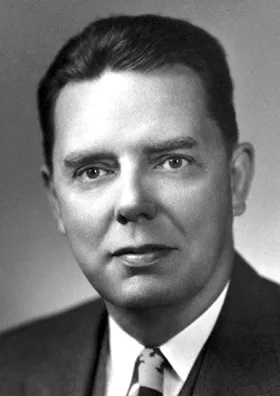
Introduction of cortisone and A.C.T.H. in treatment of rheumatoid arthritis. With C. H. Slocumb, and H. F. Polley. In 1950 Hench and Kendall shared the Nobel Prize in Physiology or Medicine with Tadeusz Reichstein (No…
1949
#4671.1
Cultivation of the Lansing strain of poliomyelitis virus in cultures of various human embryonic tissues.
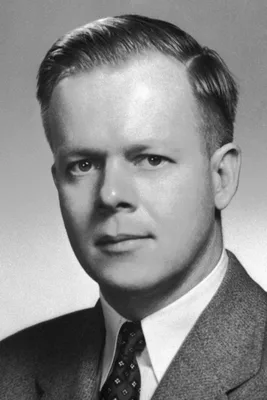
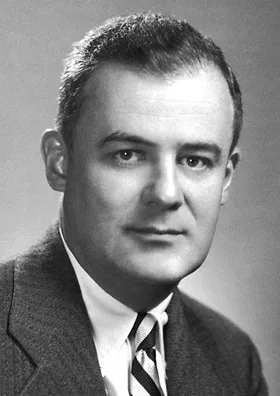
Enders, Weller, and Robbins grew the poliomyelitis virus in cultures of different tissues. Their method proved of great value in virus research, and removed the final obstacles to vaccine production. In 1974 Enders, W…
1949
#2526.1
Genetic recombinations leading to production of active bacteriophage from ultraviolet inactivated bacteriophage particles.
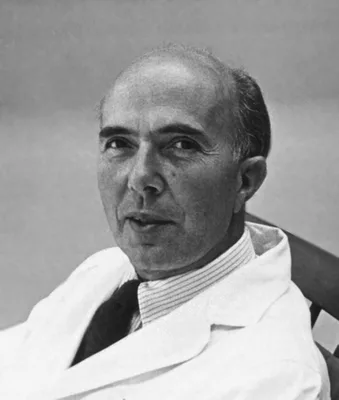
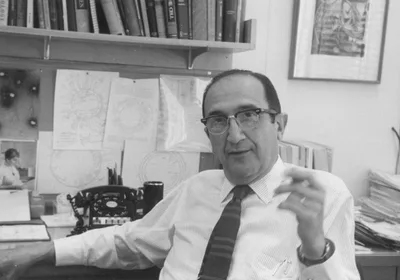
In 1969 Luria shared the Nobel Prize in Physiology or Medicine in with Delbrück (No. 2578.5) and A. D. Hershey (No. 256) "for their discoveries concerning the replication mechanism and the genetic structure of viruses."
1950
#12063
The origin and behavior of mutable loci in maize.
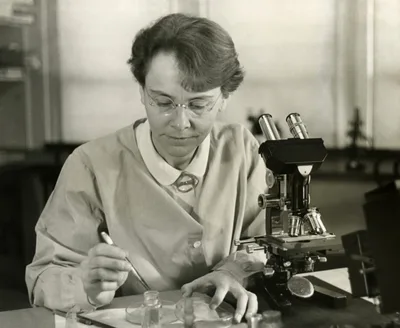
"In the summer of 1944 at Cold Spring Harbor Laboratory, McClintock systematic studies on the mechanisms of the mosaic color patterns of maize seed and the unstable inheritance of this mosaicism.[44] She identified tw…
1951
#6846
The structure of proteins: Two hydrogen-bonded configurations of the polypeptide chain.
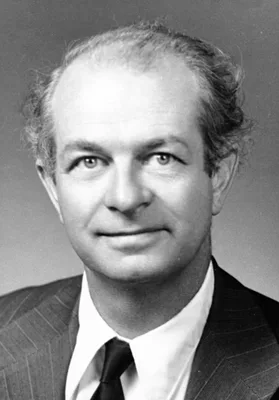
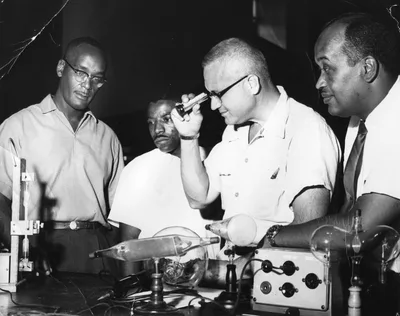
Pauling, his crystallographer R. B. Corey, and African-American physicist and chemist H.R. Branson announced the α-helix, a principal structural feature of proteins. Digital facsimile from the National Academy of Scie…
1951
#13595
The technique of free skin grafting in mammals.
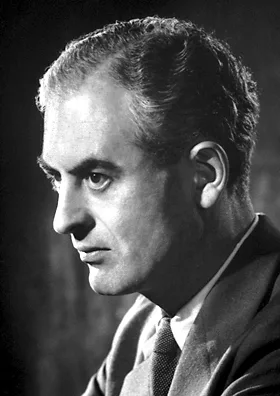
This "paper facilitated the later discovery of `actively acquired tolerance' and the definition of the principal laws of transplantation tolerance. Thus, it was in a series of classic experiments (stemming from this J…
1952
#1354.2
Different forms of signalling employed by the nervous system.
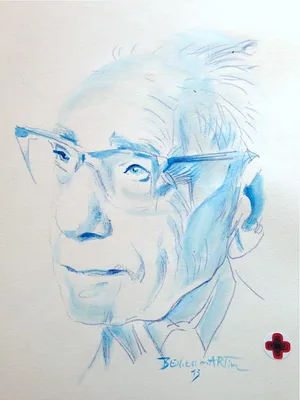
In 1970 Katz shared the Nobel Prize in Physiology or Medicine with Ulf von Euler and J. Axelrod "for their discoveries concerning the humoral transmitters in the nerve terminals and the mechanism for their storage, re…
1952
#3108.2
Studies on condensed pyrimidine system. IX. The synthesis of some 6-substituted purines.
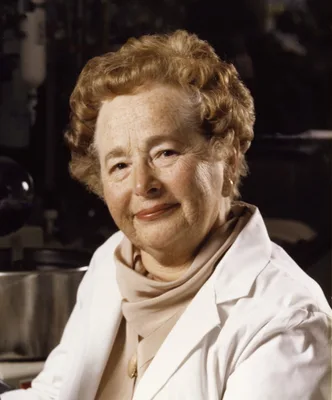
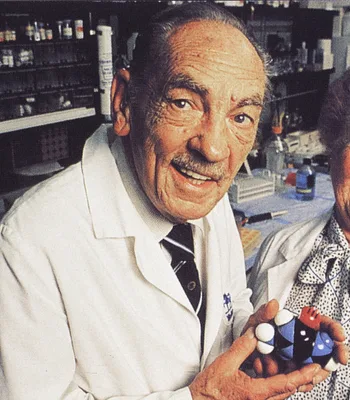
Synthesis of 6-mercaptopurine. In 1988 Gertrude Elion shared the Nobel Prize in Physiology or Medicine with George Hitchings and Sir James Black “for their discoveries of important principles for drug treatment.”
1952
#256
Independent functions of viral protein and nucleic acid in growth of bacteriophage.
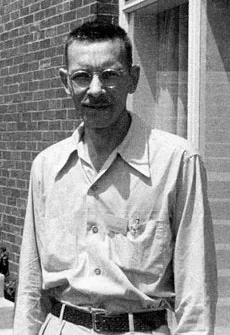
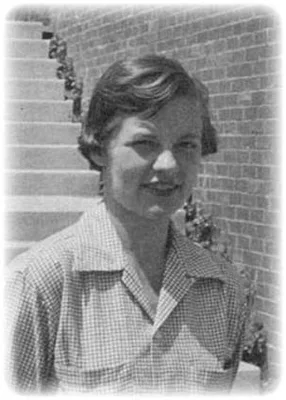
DNA shown to be the carrier of genetic information in virus reproduction. In 1969 Hershey shared the Nobel Prize in Physiology or Medicine with S. E. Luria and M. Delbrück for "for their discoveries concerning the rep…
1952
#13938
Rôle des cations bivalents dans l'induction du développement du prophage par les agents reducteurs.
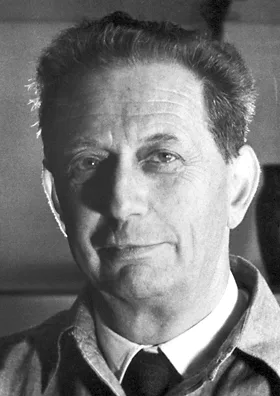
Lwoff gave the name "prophage" to the form in which the genome of the bacteriophage is perpetuated in lysogenic bacteria. The bacteriophages produced by these bacteria, known as temperate bacteriophages, can therefore…
1953
#1175.3
The synthesis of an octapeptide amide with the hormonal activity of oxytocin.
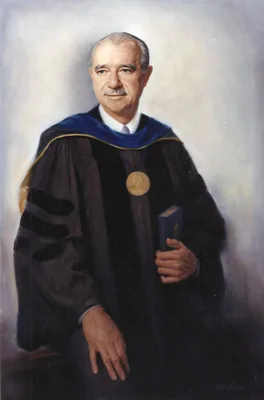
Synthesis of oxytocin. With C. Ressler, J. M. Swan, C. W. Roberts, P. G. Katsoyannis, and S. Gordon. In 1955 Vigneaud was awarded the Nobel Prize in Chemistry "for his work on biochemically important sulphur compounds…
1953
#256.3
Molecular structure of nucleic acids. A structure for deoxyribose nucleic acid.
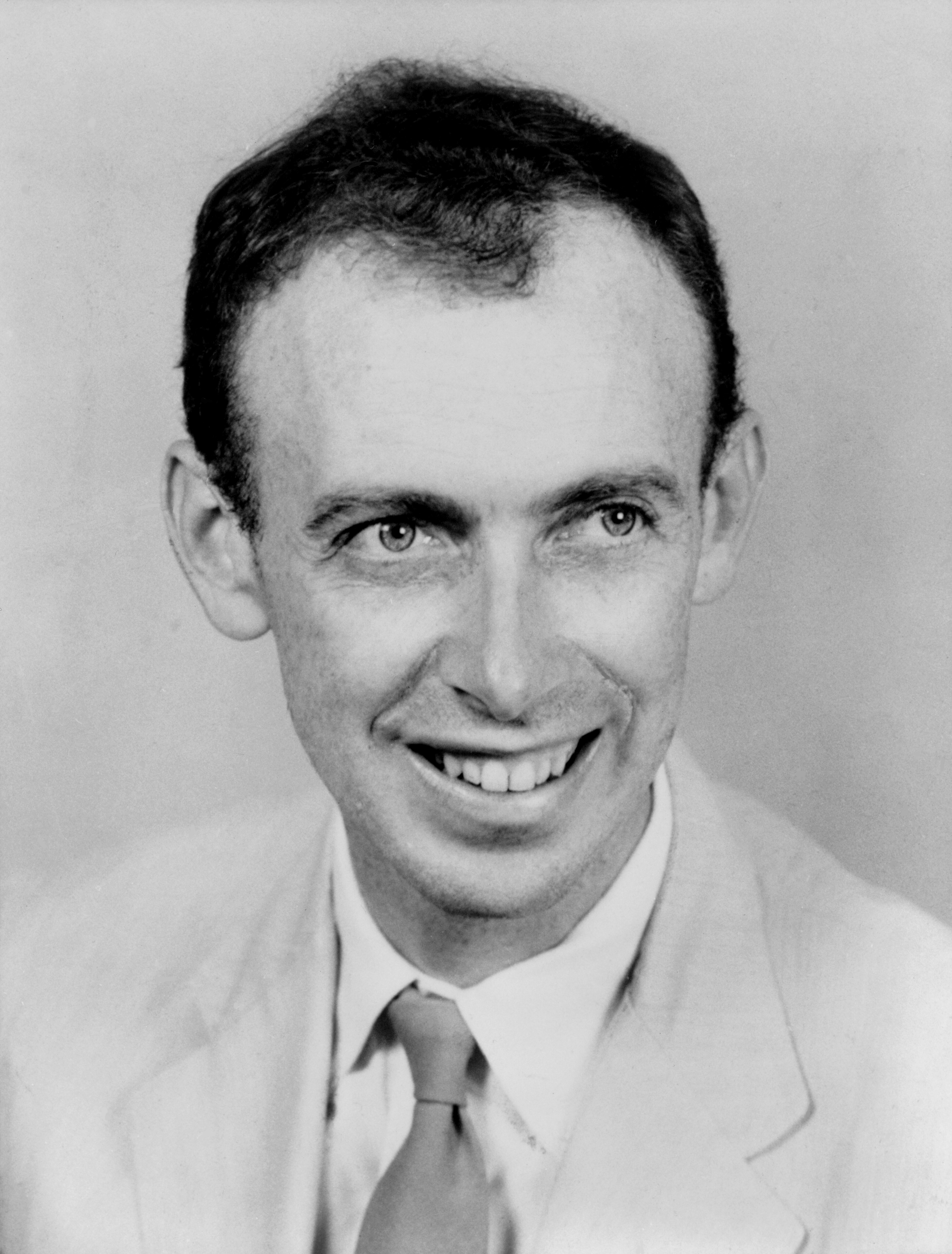
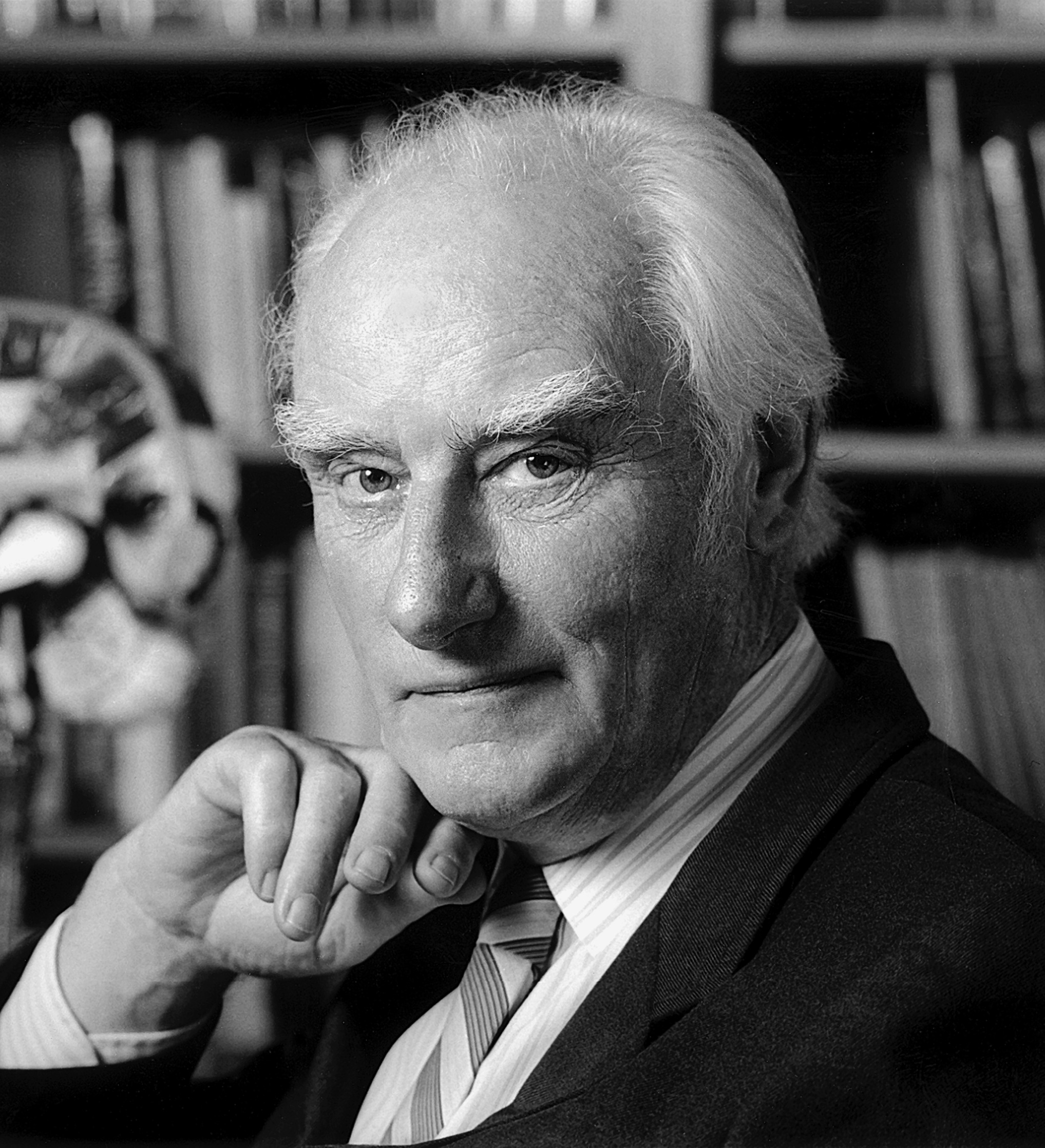
Watson and Crick shared the Nobel Prize with M. H. F. Wilkins (No. 256.4) "for their discoveries concerning the molecular structure of nucleic acids and its significance for information transfer in living material." L…
1953
#256.4
Helical structure of crystalline deoxypentose nucleic acid.
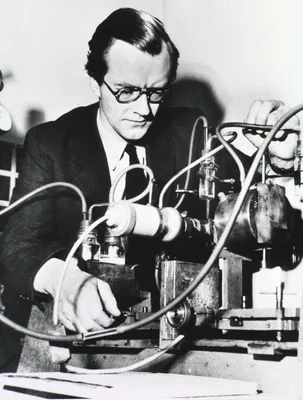
In 1962 Wilkins shared the Nobel Prize in Physiology or Medicine with Crick and Watson "for their discoveries concerning the molecular structure of nucleic acids and its significance for information transfer in living…
1954
#14243
In vitro experiments on the effects of mouse sarcomas 180 and 37 on the spinal and sympathetic ganglia of the chick embryo.
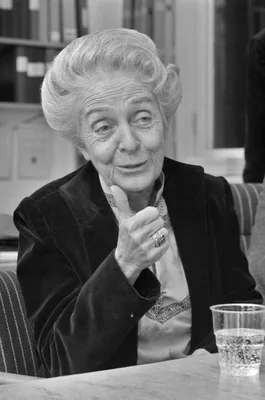
Discovery of nerve growth factor (NGF). Order of authorship in the original publication: Levi-Montalcini, Meyer, Hamburger. In 1986 Levi-Montalcini was awarded half of the Nobel Prize in Physiology or Medicine, and St…
1955
#1207
The disulphide bonds of insulin.
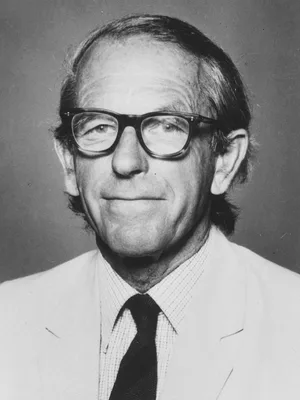
Sanger sequenced the amino acids of insulin, the first of any protein. His work “revealed that a protein has a definite constant, genetically determined sequence—and yet a sequence with no general rule for its assembl…
1955
#6928
The crystal structure of the hexacarboxylic acid derived from B12 and the molecular structure of the vitamin.
The final structure of vitamin B12. With J. Pickworth, J.H. Robertson, K.N. Trueblood, R.J. Prosen, J. G. White. In 1964 Hodgkin was awarded the Nobel Prize in Chemistry "for her determinations by X-ray techniques of …
1955
#13685
A small particulate component of the cytoplasm.
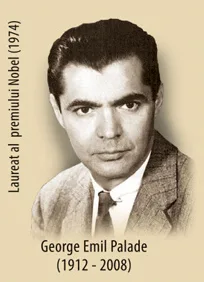
Palade first described the association of what were subsequently determined to ribosomes with membranes. He and Keith Porter subsequently named this structure the endoplasmic reticulum. Digital facsimile from PubMedCe…
1955
#14312
The maser - new type of microwave amplifier, frequency standard, and spectrometer.
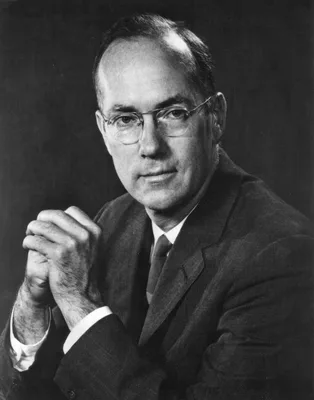
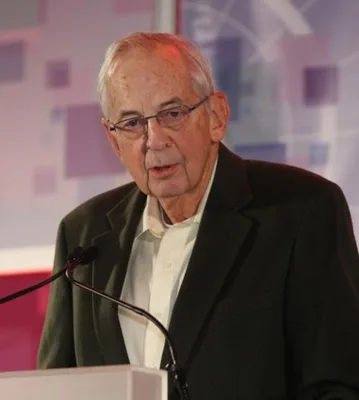
In 1964 Townes shared the Nobel Prize in Physics with Nicolay Gennadiyevich Basov and Alexandr Mihailovich Prokhorov "for fundamental work in the field of quantum electronics, which has led to the construction of osci…
1956
#752.4
Enzymic synthesis of deoxyribonucleic acid.
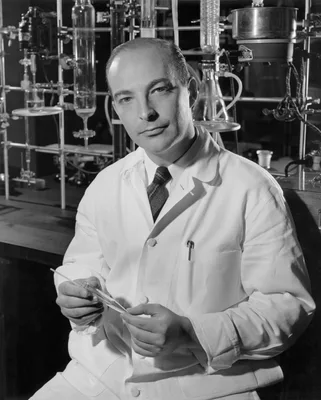
In 1959 Kornberg shared the Nobel Prize in Physiology or Medicine with Severo Ochoa "for their discovery of the mechanisms in the biological synthesis of ribonucleic acid and deoxyribonucleic acid." Order of authorshi…
1956
#4257
Successful homotransplantation of the human kidney between identical twins.
This was the first successful kidney transplant. The patient, both of whose own kidneys had been removed, was alive 11 months after the transplant. With Warren R. Guild. See No. 4256.1. In 1990 Joseph Murray shared th…
1957
#752.5
The nature and mode of action of oxidation enzymes. Nobel Lecture, December 12, 1955. In: Festschrift Arthur Stoll, pp. 35-47.
In 1955 Theorell was awarded the Nobel Prize in Physiology or Medicine "for his discoveries relating to the nature and mode of action of oxidation enzymes."
1957
#7386
The path of carbon in photosynthesis.
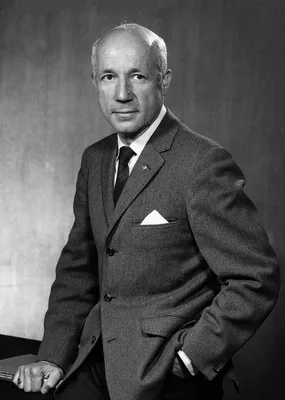
Discovery of the Calvin cycle, also known as the Calvin–Benson–Bassham (CBB) cycle, or reductive pentose phosphate cycle or C3 cycle — a series of biochemical redox reactions that take place in the stroma of chloropla…
1957
#13594
Intravenous infusion of bone marrow in patients receiving radiation and chemotherapy.
Thomas and colleagues reported the first bone marrow transplants. They described the treatment of six patients with cancers and/leukemia and one patient with multiple myeloma. Three of the patients died, two responded…
1957
#14250
3,4-Dihydroxyphenylalanine and 5-Hydroxytryptophan as reserpine rntagonists.
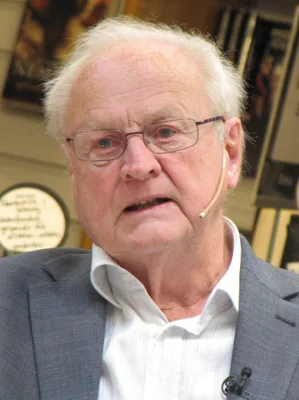
Carlsson demonstrated that dopamine was a neurotransmitter in the brain and not just a precursor for norepinephrine. Digital facsimile from nature.com at this link. In 2000 Arvid Carlsson shared the Nobel Prize in Phy…
1958
#752.6
Studies on polynucleotides. I. A new and general method for the chemical synthesis of the C5'-C3' intemucleotide linkage. Synthesis of deoxyribo-dinucleotides.
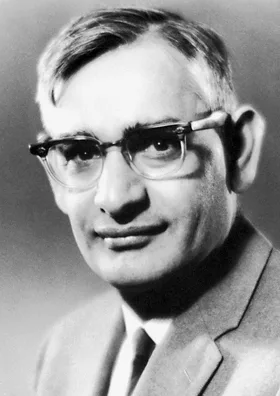
In 1968 Khorana shared the Nobel Prize in Physiology or Medicine with R. W. Holley and M. W. Nirenberg "for their interpretation of the genetic code and its function in protein synthesis." H. G. Khorana, T. M. Jacob, …
1958
#1931.6
Enzymatic O-methylation of epinephrine and other catechols.
The authors discovered the enzyme "COMT" or cathecol-O-methyltransferase, and determined that it was crucial in the methylation and inactivation of adrenergic and other catecholamine type neurotransmitters. (Thanks to…
1958
#2578.25
Separation and isolation of fractions of rabbit gamma-globulin containing the antibody and antigenic combining sites.
In 1972 Porter shared the Nobel Prize in Physiology or Medicine with G.M. Edelman (No. 2578.39) "for their discoveries concerning the chemical structure of antibodies."
1958
#2578.26
Iso-leuco-anticorps.
Discovery of the first histocompatibility antigen. In 1980 Dausset shared the Nobel Prize in Physiology or Medicine with B. Benacerraf and G. D. Snell "for their discoveries concerning genetically determined structure…
1958
#2578.30
Histocompatibility genes of the mouse.
Snell made fundamental contributions to transplantation genetics. At his suggestion genes governing transplantation were called histocompatibility genes and Gorer’s Antigen II became Histocompatibility-2 (H-2). In 198…
1958
#6911
A three-dimensional model of the myoglobin molecule obtained by x-ray analysis.
Initial paper on the first solution of the three-dimensional molecular structure of a protein. Computing the molecular structure in 3 dimensions was possible through the use of the Cambridge EDSAC stored-program elect…
1959
#2578.31
The clonal selection theory of acquired immunity. The Abraham Flexner Lectures of Vanderbilt University 1958.
Burnet's clonal selection theory extended the idea that each antibody-producing cell makes antibodies of only one specificity, predicting these cells proliferate in response to the detection of antigens, cloning and t…
1959
#14141
Factors affecting the activity of muscle phosphorylase b kinase.
In 1992 Krebs and Fischer were awarded the Nobel Prize in Physiology or Medicine "for their discoveries concerning reversible protein phosphorylation as a biological regulatory mechanism." Digital facsimile from PubMe…
1959
#14242
Receptive fields of single neurones in the cat's striate cortex.
Also: Hubel & Wiesel, Receptive fields, binocular interaction and functional architecture in the cat's visual cortex, J. Physiol., 160, 1962, 106-154. In 1981 Hubel and Wiesel shared half of the Nobel Prize in Physiol…
1960
#2578.28
Immunosassay of endogenous plasma insulin in man.
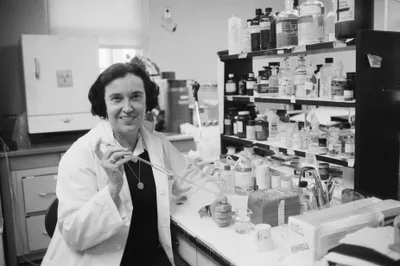
First radioimmunoassay of a hormone, a test capable of estimating nonogram or even picogram quantities. In 1977 Yalow received half of the Nobel Prize in Physiology or Medicine "for the development of radioimmunoassay…
1960
#14240
β-Hydroxy-β-methyl-glutaryl coenzyme A reductase, cleavage and condensing enzymes in relation to cholesterol formation in rat liver.
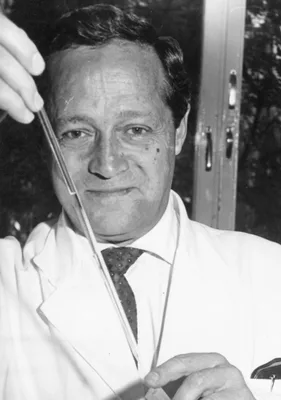
In 1964 Feodor Lynen shared the Nobel Prize in Physiology or Medicine with Konrad Bloch “for their discoveries concerning the mechanism and regulation of the cholesterol and fatty acid metabolism.” Order of authorship…
1960
#14283
Structure of haemoglobin: A three-dimensional Fourier synthesis at 5.5-A. resolution, obtained by X-ray analysis.
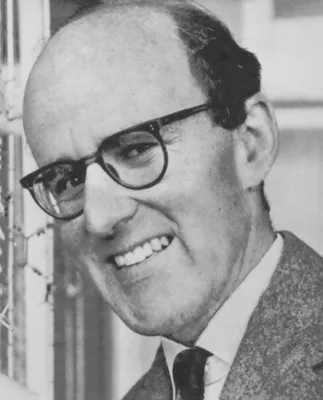
Solution of the structure of hemoglobin, a protein with 10,000 atoms. This was the culmination of 30 years of research by Perutz. Order of authorship in the original paper: Perutz, Rossmann, Culis, Muirhead, Will, Nor…
1960
#14306
The sequence of the amino acid residues in performic acid-oxidized ribonuclease.
In 1959 Moore and Stein announced the first determination of the complete amino acid sequence of an enzyme, ribonuclease. In 1972 Moore and Stein shared half of the Nobel Prize in Chemistry with Christian B. Anfinsen …
1961
#256.9
Genetic regulatory mechanisms in the synthesis of proteins.
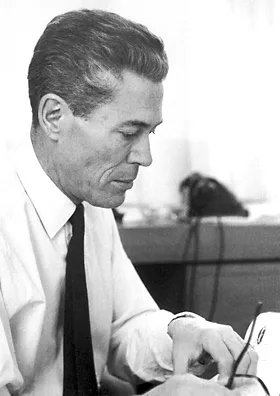
In 1965 Jacob, Monod, and André Lwoff shared the Nobel Prize in Physiology or Medicine "for their discoveries concerning genetic control of enzyme and virus synthesis."
1961
#256.11
Characteristics and stabilization of DNAase-sensitive protein synthesis in E. coli extracts.
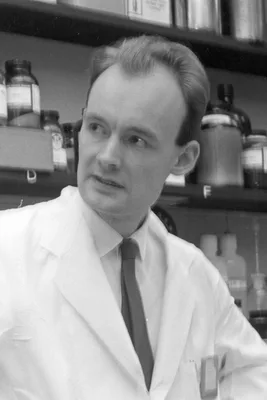
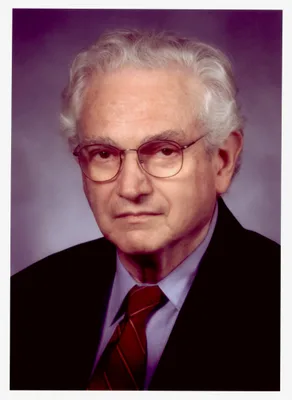
With Matthaei, Nirenberg demonstrated that messenger RNA is required for protein synthesis, and that synthetic messenger RNA preparations can be used to decipher various aspects of the genetic code. Nirenberg first re…
1961
#9648
Cerebral organization and behavior: The split brain behaves in many respects like two separate brains, providing new research possibilities.
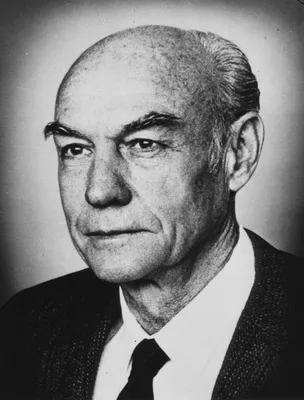
Sperry and colleagues, including Michael Gazzaniga, conducted extensive experiments on an epileptic patient who had had his corpus collosum, the "bridge" between the left and right hemispheres of the brain, split so t…
1962
#1931.4
The structure of prostaglandin E, F1 and F2.
In this and subsequent papers Bergström and Samuelsson elucidated the chemical structure of prostaglandins. In 1982 the Nobel Prize in Physiology or Medicine was awarded jointly to Sune K. Bergström, Bengt I. Samuelss…
1962
#13562
Extraction, purification and properties of Aequorin, a bioluminescent protein from the luminous hydromedusan, Aequorea.
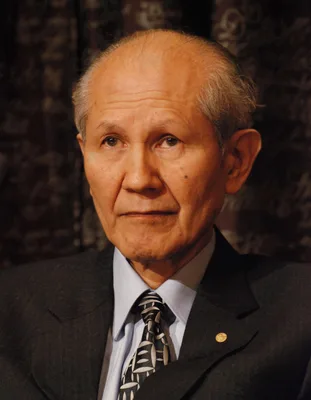
Shimomura reported the discovery of green fluorescent protein (GFP) in a single footnote in this paper that was otherwise devoted to an entirely different bioluminescent protein: photoprotein aequorin. This may be the…
1963
#8149
Representation of a Function by its Line Integrals, with Some Radiological Applications.
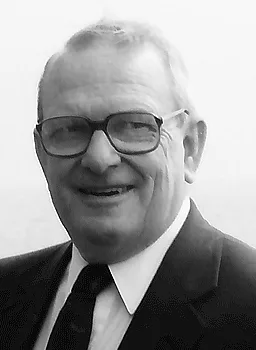
Cormack showed that changes in tissue density could be computed from x-ray data. Because of limitations in computing power no machine was constructed during the 1960s. Cormack's papers generated little interest until …
1963
#14069
On the aims and methods of ethology.
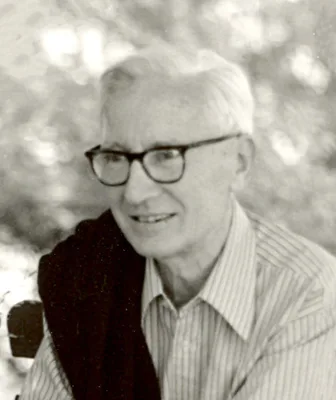
In this paper Tinbergen defined Tinbergen's Four Questions, or complementary categories of explanations for animal behavior. that form the basis of ethology: Causation, Ontogeny, Survival Value, and Evolution. In 1973…
1963
#14305
The genetic control of tertiary protein structure studies with mode systems.
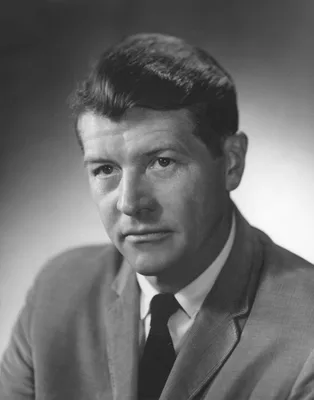
In 1972 Anfinsen shared half of the Nobel Prize in Chemistry with Stanford Moore and William H. Stein for "for his work on ribonuclease, especially concerning the connection between the amino acid sequence and biologi…
1964
#1931.5
A new adrenergic beta-receptor antagonist.
Development of Propranolol, the first beta-blocker effectively used in the treatment of coronary heart disease and hypertension. R. G. Shanks, L. H. Smith and A. C. Dornhorst. In 1988 the Nobel Prize in Physiology or …
1965
#257.2
Structure of a ribonucleic acid.
The complete sequence of an alanine transfer RNA determined – the first nucleic acid structure to be determined. With seven co-authors. In 1968 Holley shared the Nobel Prize in Physiology or Medicine with Har Gobind K…
1965
#14244
The stimulation of epidermal proliferation by a specific protein (EGF).
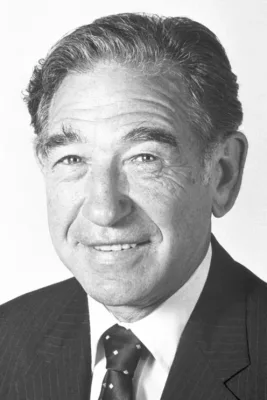
Discovery of Epidermal Growth Factor (EGF). In 1986 Cohen shared the Nobel Prize in Physiology or Medicine with Rita Levi-Montalcini "for their discoveries of growth factors."
1965
#14311
Enzymatic basis for the active transport of sodium and potassium across the cell membrane.
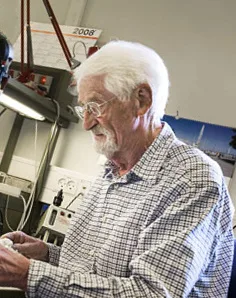
Skou discovered that the active transport of sodium and potassium is carried out in the cell membrane by an enzyme that serves as a sodium and potassium "pump," that catalyzes ATP hydrolysis. He named the enzyme "sodi…
1966
#14064
"Fertile" intestine nuclei.
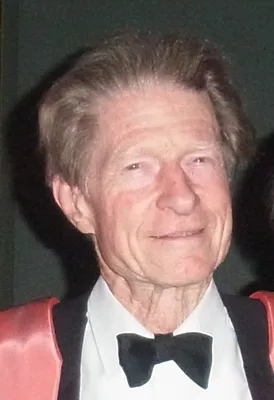
Gurdon and Uehlinger replaced the cell nucleus of frog ova with frog intestinal nuclei to generate tadpoles, some of which became fertile adult male and female frogs. In 2012 the Nobel Prize in Physiology or Medicine …