
Facets
Browse across eight MeSH (opens in new tab) facets — era, geography, science, specialty, technology, history, culture, and reference. Select one tag per group; counts update across the others. What’s new in facet browse how facets relate to subjects and MeSH.
Clear filtersGeography
Specialties & Disease
- Alternative & Fringe Medicine 17
- Anatomy & Pathology 134
- Cardiology & Blood 11
- Dentistry 10
- Diabetes 1
- ENT & Hearing 3
- Epidemiology & Demography 12
- Gastroenterology & Hepatology 4
- General Clinical Medicine 28
- Immunology & Dermatology 27
- Infectious Disease (General) 5
- Internal, Emergency & Geriatric 7
- Microbiology & Virology 92
- Military Medicine 11
- Neurology & Psychiatry 35
- Obstetrics & Reproductive 26
- Oncology & Cancer 10
- Ophthalmology & Vision 2
- Pediatrics 5
- Physiology & Embryology 94
- Plagues & Epidemics 44
- Psychology 16
- Public Health 129
- Pulmonary & Respiratory 3
- Rheumatology, Rehab & Pain 0
- Surgery & Anesthesia 14
- Urology & Nephrology 4
- Veterinary Medicine 11
Social & Historical Studies
Institutions & Culture
Reference & Scholarly Works
1,480 entries match Zoology & Animal Sciences [K01.900.500.750]
1953
#11203
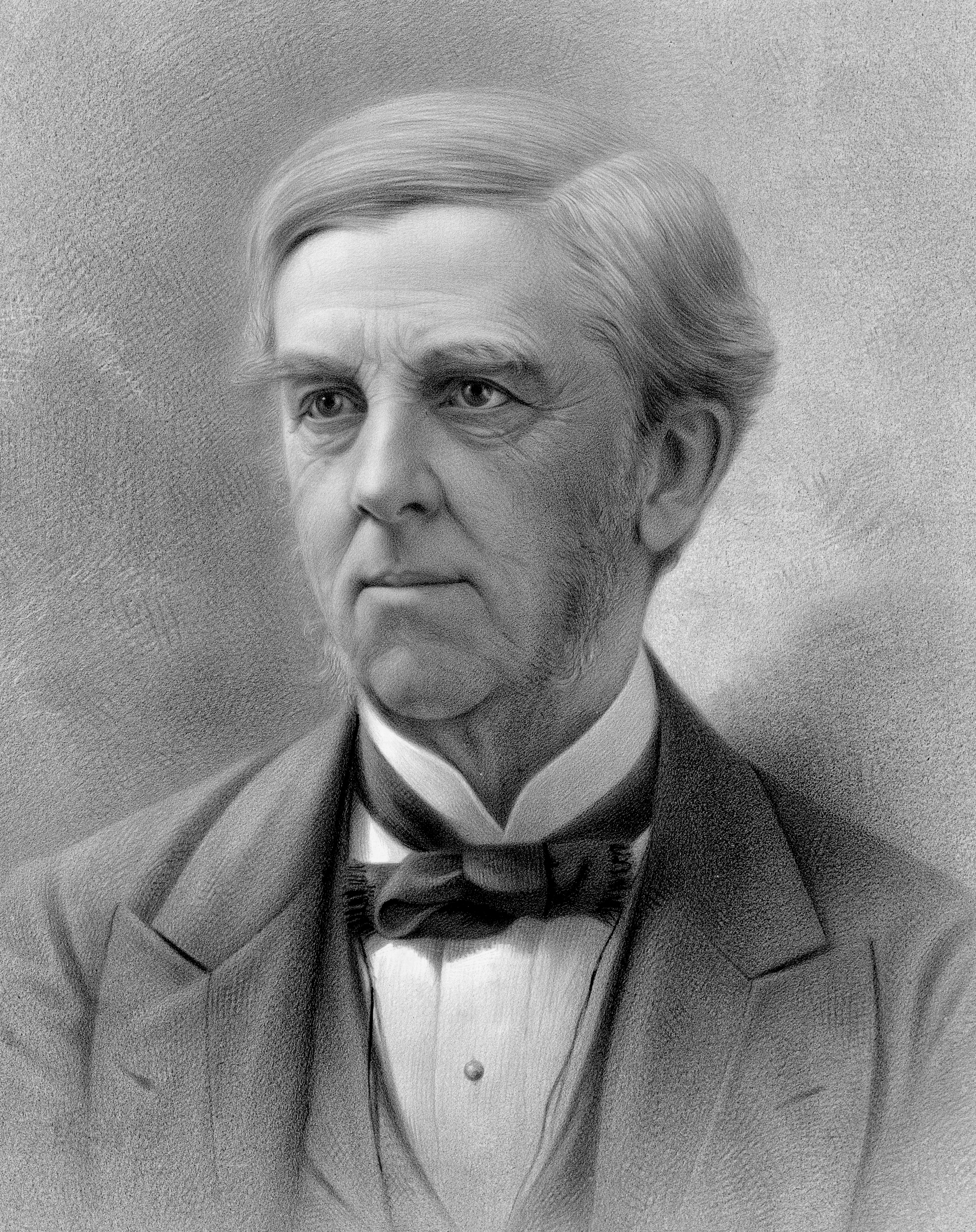
A bibliography of Oliver Wendell Holmes
1953
#13946
Evidence for 2-chain helix in crystalline structure of sodium deoxyribonucleate.
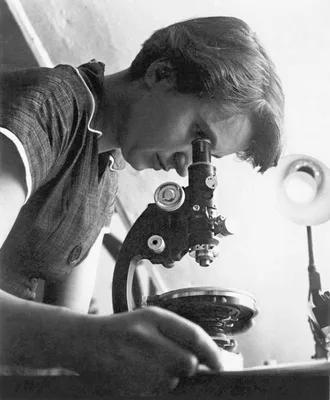
Franklin and Gosling's completed Patterson synthesis of the A-form of DNA, based on work begun in 1952, represents the first independent confirmation that the Watson-Crick double-helix model was correct. "We suggest t…
1954
#6896
Possible relation between deoxyribonucleic acid and protein structures.
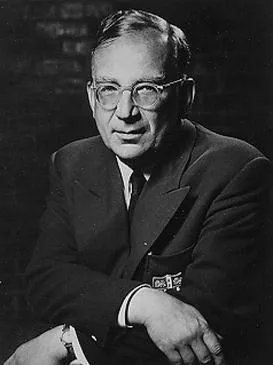
Gamow, a physicist, invented the concept of a genetic code. This brief 1-page paper, published in the February 13, 1954 issue of Nature was the first specific positive response to Watson and Crick's structure of DNA. …
1954
#14223
The structure of haemoglobin - IV. Sign determination by the isomorphous replacement method.
The first demonstration of isomorphous replacement in protein crystallography. This was a key step in determination of the structure of large biological molecules. Harittai, "On the origins of isomorphous replacement …
1955
#566.4
Tissue fractionation studies. 6. Intracellular distribution patterns of enzymes in rat-liver tissue.
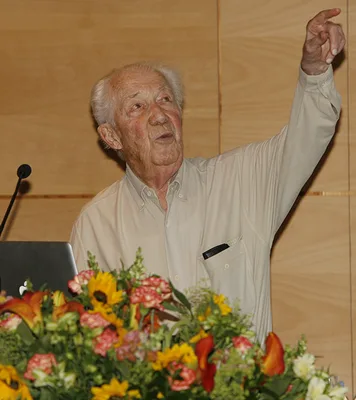
Lysosomes. With B. C. Pressman, R. Gianetto, R. Wattiaux and F. Appelmans.
1955
#752.3
Enzymatic synthesis of nucleic acidlike polynucleotides.
Ochoa shared the Nobel Prize with Arthur Kornberg in 1959 for their artificial synthesis of nucleic acids by means of enzymes. Order of authorship in the original publication: Ochoa, Grunberg-Manago, Ortiz. See also O…
1955
#1207
The disulphide bonds of insulin.
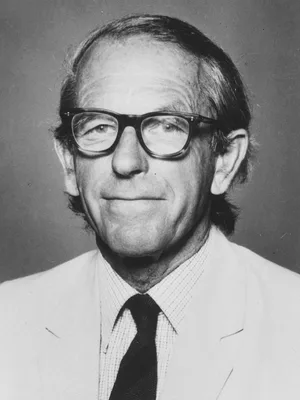
Sanger sequenced the amino acids of insulin, the first of any protein. His work “revealed that a protein has a definite constant, genetically determined sequence—and yet a sequence with no general rule for its assembl…
1955
#2527
Reconstitution of active tobacco mosaic virus from its inactive protein and nucleic acid components.
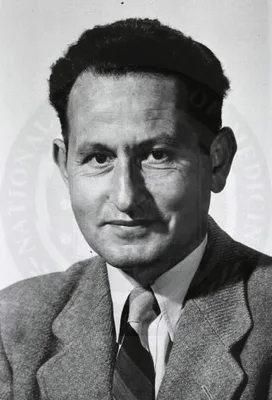
First reconstitution of a virus.
1955
#6928
The crystal structure of the hexacarboxylic acid derived from B12 and the molecular structure of the vitamin.
The final structure of vitamin B12. With J. Pickworth, J.H. Robertson, K.N. Trueblood, R.J. Prosen, J. G. White. In 1964 Hodgkin was awarded the Nobel Prize in Chemistry "for her determinations by X-ray techniques of …
1955
#13685
A small particulate component of the cytoplasm.
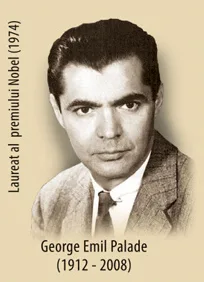
Palade first described the association of what were subsequently determined to ribosomes with membranes. He and Keith Porter subsequently named this structure the endoplasmic reticulum. Digital facsimile from PubMedCe…
1955
#13954
The structure of collagen.
Rich and Crick solved the structure of collagen, the main structural protein in the extracellular matrix found in the body's various connective tissues. As the main component of connective tissue, it is the most abund…
1955
#14001
Structure of tobacco mosaic virus.
The first discovery of the geometry of a protein structure. Franklin, whose X-ray photographs of DNA were crucial to Watson and Crick's discovery of the molecule's double helix structure in 1953, began researching the…
1955
#14343
The Negro in science.
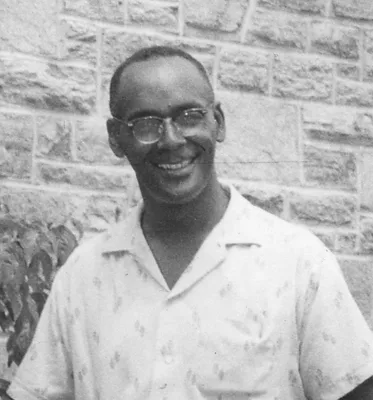
In the forward Martin D. Jenkins pointed out that while African Americans made important contributions to the natural sciences the awareness of the public and even other scientists was rather low. In the first chapter…
1956
#752.4
Enzymic synthesis of deoxyribonucleic acid.
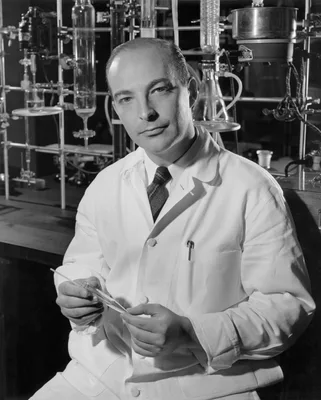
In 1959 Kornberg shared the Nobel Prize in Physiology or Medicine with Severo Ochoa "for their discovery of the mechanisms in the biological synthesis of ribonucleic acid and deoxyribonucleic acid." Order of authorshi…
1956
#2578.17
Infectivity of ribonucleic acid from tobacco mosaic virus.
Proof that nucleic acid produces infectivity. See also Z. Naturf., 1956, 11b, 138-42.
1956
#256.5
The chromosome number in man.
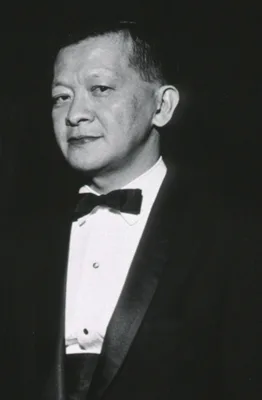
Proof that the normal chromosome number in man is 46.
1957
#7386
The path of carbon in photosynthesis.
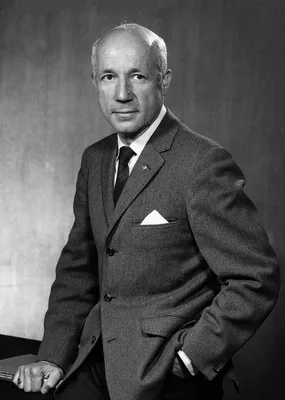
Discovery of the Calvin cycle, also known as the Calvin–Benson–Bassham (CBB) cycle, or reductive pentose phosphate cycle or C3 cycle — a series of biochemical redox reactions that take place in the stroma of chloropla…
1957
#11653
A history of luminescence: From the earliest times until 1900.
A history of bioluminescence, the production and emission of light by living organisms.
1957
#13097
Nucleic acids.
This paper published in September 1957, based on Crick's famous "Central Dogma" lecture given the same month, presented his first published statement of The Central Dogma: “Information is transmitted from DNA and RNA …
1958
#752.6
Studies on polynucleotides. I. A new and general method for the chemical synthesis of the C5'-C3' intemucleotide linkage. Synthesis of deoxyribo-dinucleotides.
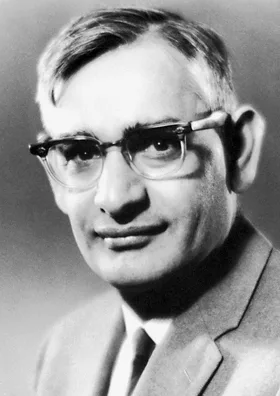
In 1968 Khorana shared the Nobel Prize in Physiology or Medicine with R. W. Holley and M. W. Nirenberg "for their interpretation of the genetic code and its function in protein synthesis." H. G. Khorana, T. M. Jacob, …
1958
#145
The history of biology.
1958
#6610.2
Rembrandt’s Anatomy of Dr. Nicholas Tulp. An iconological study.
An important supplement to and revision of this work is W. Schupbach, The paradox of Rembrandt’s ‘Anatomy of Dr. Tulp’. Med. Hist. Suppl. 2, 1982.
1958
#256.6
The replication of DNA in Escherichia coli.
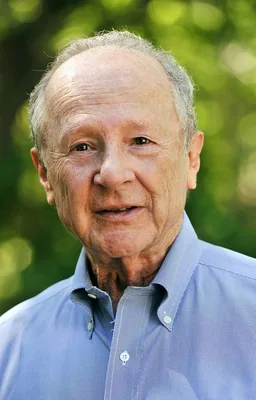
The so-called Meselson-Stahl experiment, the first proof of semi-conservative replication of DNA. Semi-conservative replication describes the mechanism of DNA replication in all known cells. It derives its name from t…
1958
#6894
Sur l’expression et le rôle des allèles “inductible” et “constitutif” dans la synthèse de la β-galactosidase chez des zygotes d’ “Escherichia coli.
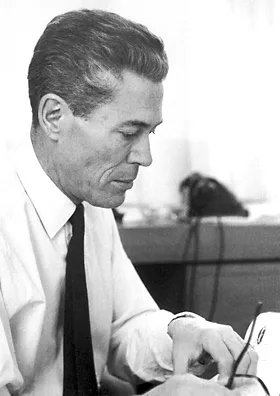
The “PaJaMo” experiment of PArdee, JAcob, and MOnod “broke the impasse in Crick and Brenner’s comprehension of how information in the sequence of bases in DNA came to be expressed as a sequence of the amino acids in p…
1958
#6895
On protein synthesis.
This paper proposed two general principles: 1) The Sequence Hypothesis: “The order of bases in a portion of DNA represents a code for the amino acid sequence of a specific protein. Each ‘word’ in the code would name a…
1958
#6911
A three-dimensional model of the myoglobin molecule obtained by x-ray analysis.
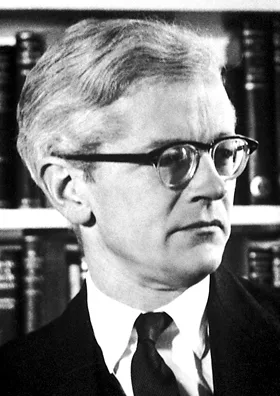
Initial paper on the first solution of the three-dimensional molecular structure of a protein. Computing the molecular structure in 3 dimensions was possible through the use of the Cambridge EDSAC stored-program elect…
1958
#9297
Negroes and medicine.
1959
#144
A history of biology to about the year 1900. A general introduction to the study of living things. 3rd ed.
1959
#145.1
A history of cytology.
Digital facsimile from the Internet Archive at this link.
1959
#6623.1
Shakespeare and medicine.
1959
#12603
The baths of Pozzuoli. A study of the medieval illuminations of Peter of Eboli's poem
1959
#14056
Pheromones (ectohormones) in insects.
Karlson and Butenandt (Nobel Prize 1939) defined pheromones as “substances which are secreted to the outside by an individual of the same species, in which they release a specific reaction, for example, a definite beh…
1959
#14141
Factors affecting the activity of muscle phosphorylase b kinase.
In 1992 Krebs and Fischer were awarded the Nobel Prize in Physiology or Medicine "for their discoveries concerning reversible protein phosphorylation as a biological regulatory mechanism." Digital facsimile from PubMe…
1960
#6623.2
The torch.
A romantic and inspirational historical novel about Hippocrates by the great Canadian neurosurgeon.
1960
#6912
Structure of myoglobin: A three-dimensional Fourier synthesis at 2 Å resolution.
Kendrew's second paper reporting the first solution of the three-dimensional molecular structure of a protein, for which he shared the 1962 Nobel Prize in chemistry with Max Perutz, who solved the structure of the rel…
1960
#9390
Aëdes Aegypti (L.) The yellow fever mosquito: Its life history, bionomics and structure.
1960
#9442
Lo "Speculum hominis": Poema anonimo di etimologia medica del secolo XIII. Edited by Marco T. Malato and Concezio Alicandri-Ciufelli.
1960
#10569
A bibliography of British Lepidoptera, 1608-1799.
Bibliography of British works on butterflies and moths from the early seventeenth to late eighteenth centuries. Includes biographical information on the authors covered. Plates are mainly portraits of the authors.
1960
#11202
A bibliography of Dr. Robert Hooke by Geoffrey Keynes, Kt.
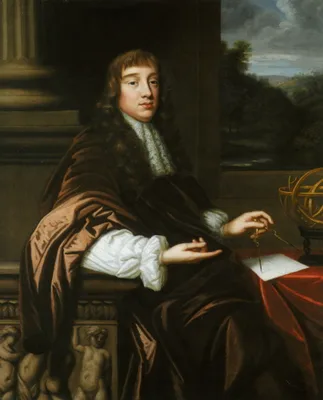
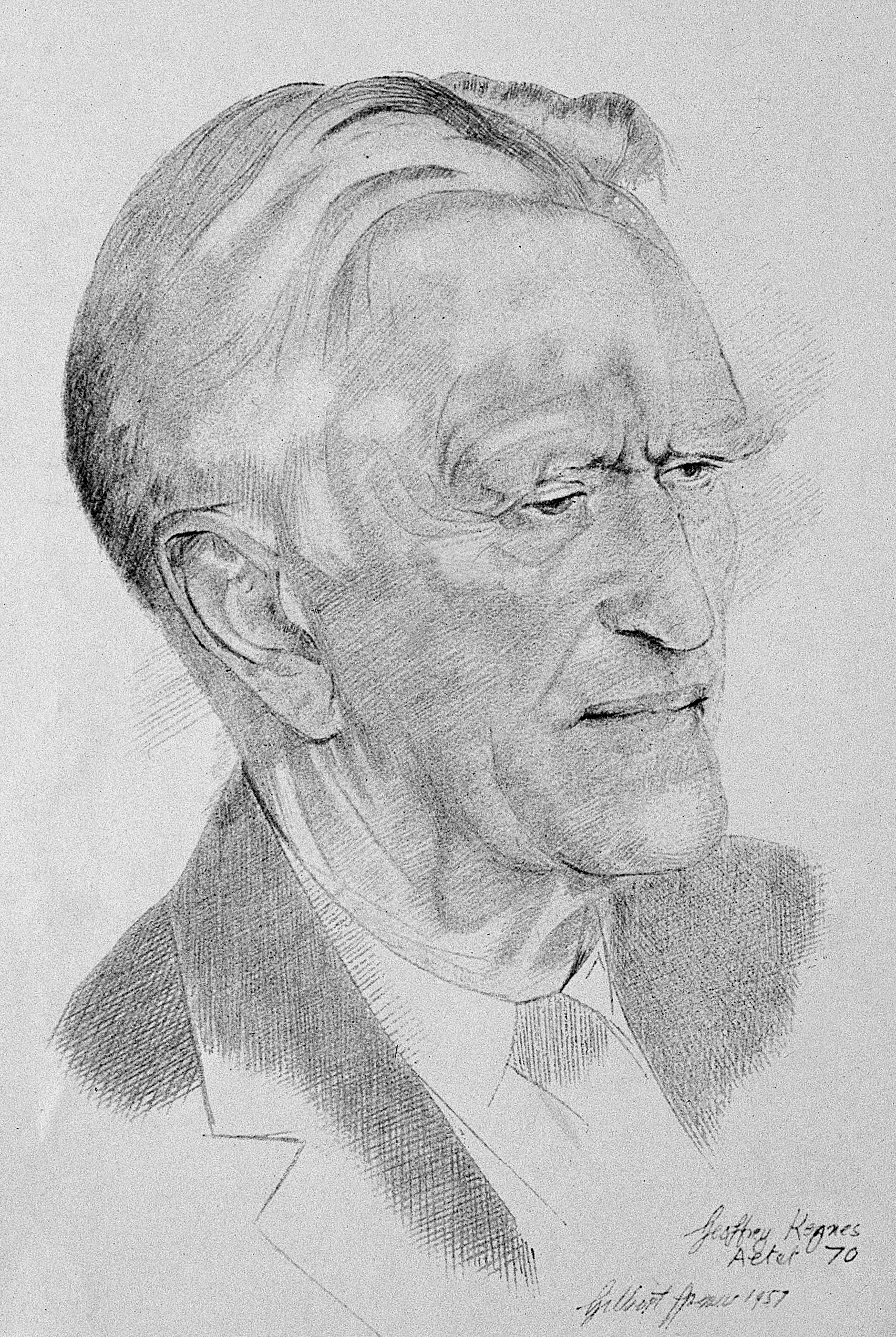
1960
#13962
Strand separation and specific recombination in deoxyribonucleic acids: Biological studies: Physical chemical studies.
While working in the laboratory of Paul Doty at Harvard University, Marmur discovered that the denaturation of DNA was reversible (DNA hybridization) and depended on salt- and GC-content. Marmur and Doty accurately de…
1960
#13995
L'opéron: Groupe de gènes à expression coordonnée par un opérateur.
Jacob and Monod received their share of the Nobel Prize in 1965 for their discoveries concerning the operon and viral synthesis. The first operon they described was the lac operon in E. coli. Their operon theory sugge…
1960
#14283
Structure of haemoglobin: A three-dimensional Fourier synthesis at 5.5-A. resolution, obtained by X-ray analysis.
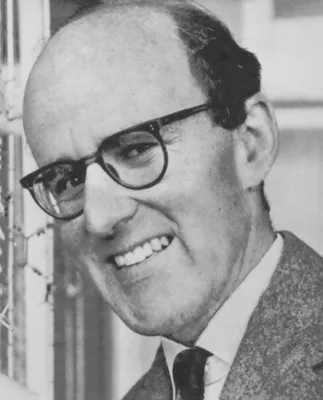
Solution of the structure of hemoglobin, a protein with 10,000 atoms. This was the culmination of 30 years of research by Perutz. Order of authorship in the original paper: Perutz, Rossmann, Culis, Muirhead, Will, Nor…
1960
#14306
The sequence of the amino acid residues in performic acid-oxidized ribonuclease.
In 1959 Moore and Stein announced the first determination of the complete amino acid sequence of an enzyme, ribonuclease. In 1972 Moore and Stein shared half of the Nobel Prize in Chemistry with Christian B. Anfinsen …
1961
#256.7
Gene action in the X-chromosome of the mouse (Mus musculus L).
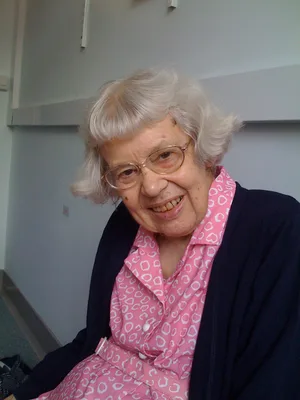
Theory of differential inactivation of the X-chromosome. See also Amer. J. hum. Genet., 1962, 14, 135-48.
1961
#256.8
General nature of the genetic code for proteins.
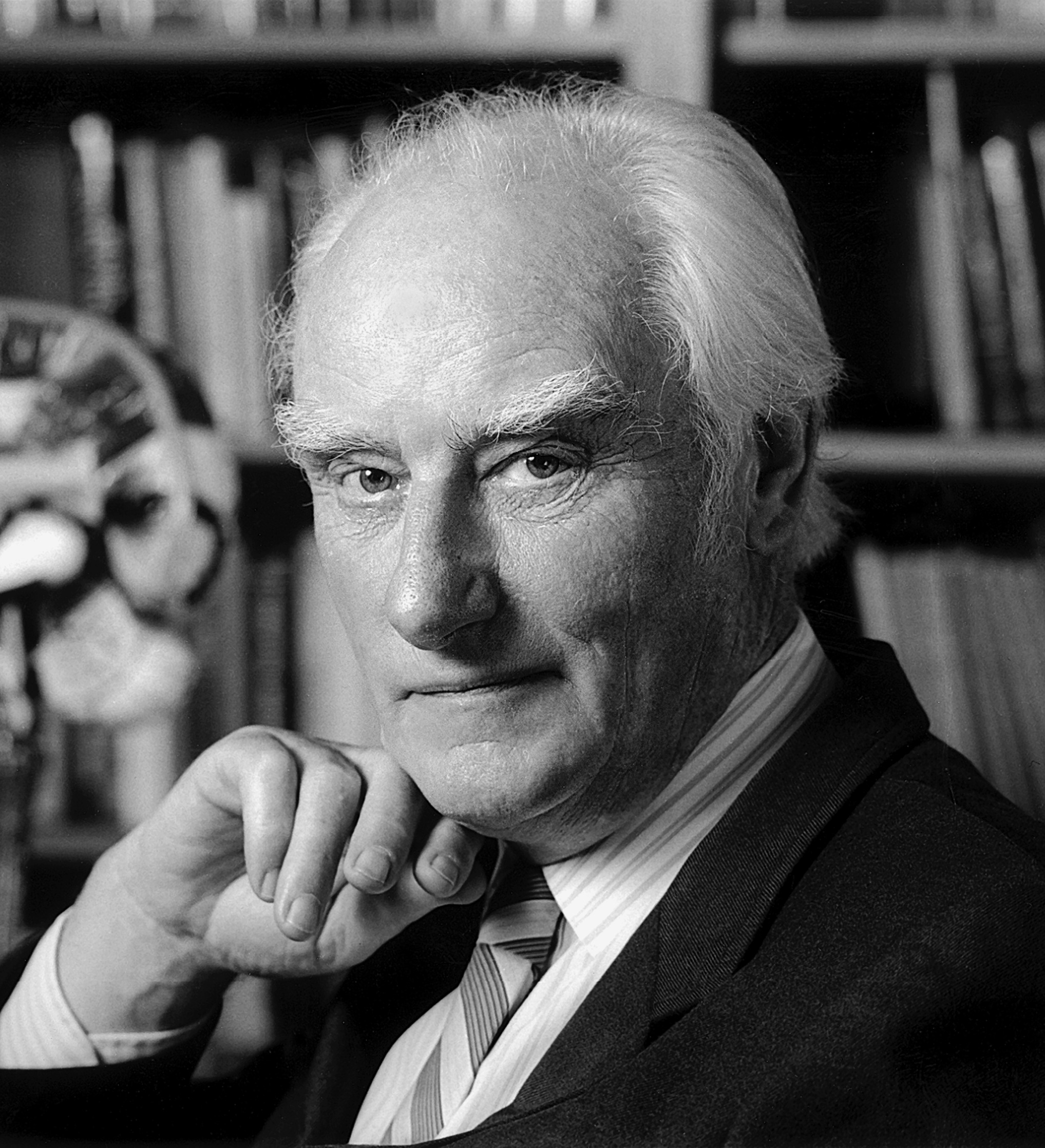
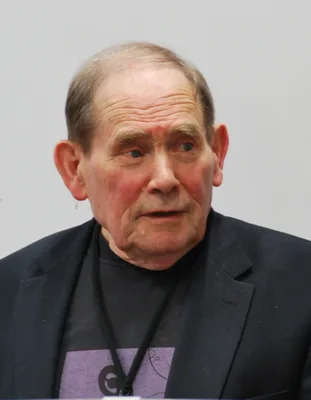
The codons in DNA specifying amino acids in proteins.
1961
#256.9
Genetic regulatory mechanisms in the synthesis of proteins.
In 1965 Jacob, Monod, and André Lwoff shared the Nobel Prize in Physiology or Medicine "for their discoveries concerning genetic control of enzyme and virus synthesis."
1961
#256.10
An unstable intermediate carrying information from genes to ribosomes for protein synthesis.
Demonstration of the existence of “messenger” RNA. The following paper (pp. 581-85) by F. Gros et al. is also relevant.
1961
#256.11
Characteristics and stabilization of DNAase-sensitive protein synthesis in E. coli extracts.
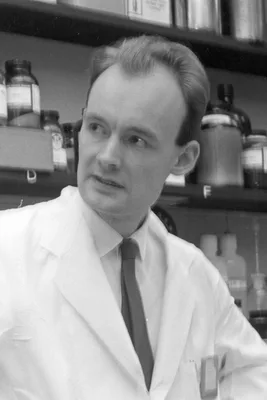
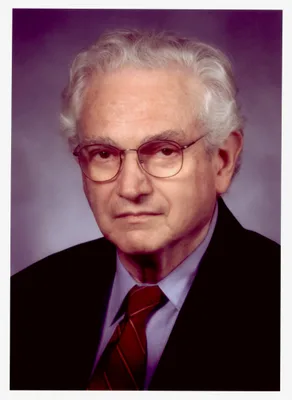
With Matthaei, Nirenberg demonstrated that messenger RNA is required for protein synthesis, and that synthetic messenger RNA preparations can be used to decipher various aspects of the genetic code. Nirenberg first re…
1961
#7033
Lectures on the iconography of the Chirurgia of Vidus Vidius and the De dissectione of Estienne and Rivière. Given at the University of California Los Angeles October 1961
"Fifty copies of this collection of papers have beem printed for private circulation." Half title and cover title of the volume: Mannerism and Medical Illustration.
1961
#7468
Genetic nucleic acid: Key material in the origin of life.
Muller was one of the earliest proponents of a genetics-first theory for the origin of life.