
Facets
Browse across eight MeSH (opens in new tab) facets — era, geography, science, specialty, technology, history, culture, and reference. Select one tag per group; counts update across the others. What’s new in facet browse how facets relate to subjects and MeSH.
Clear filtersGeography
Specialties & Disease
- Alternative & Fringe Medicine 383
- Anatomy & Pathology 765
- Cardiology & Blood 914
- Dentistry 259
- Diabetes 80
- ENT & Hearing 293
- Epidemiology & Demography 397
- Gastroenterology & Hepatology 316
- General Clinical Medicine 487
- Immunology & Dermatology 1,008
- Infectious Disease (General) 147
- Internal, Emergency & Geriatric 123
- Microbiology & Virology 1,080
- Military Medicine 436
- Neurology & Psychiatry 1,258
- Obstetrics & Reproductive 551
- Oncology & Cancer 377
- Ophthalmology & Vision 412
- Pediatrics 247
- Physiology & Embryology 924
- Plagues & Epidemics 1,279
- Psychology 202
- Public Health 1,129
- Pulmonary & Respiratory 233
- Rheumatology, Rehab & Pain 189
- Surgery & Anesthesia 1,553
- Urology & Nephrology 309
- Veterinary Medicine 165
Social & Historical Studies
Institutions & Culture
Reference & Scholarly Works
924 entries match Physiology & Embryology [G07 / G02.149]
1977
#11044
Spliced segments at the 5' terminus of adenovirus 2 late mRNA.
Discovery of introns simultaneously with Roberts, Chow, Broker (No. 11043). Sharp's electron microscopist, Berget, visualized the introns in the electron microscope. James D. Watson took note of the profound significa…
1977
#13246
Biographical dictionary of the phonetic sciences.
1977
#14143
Resolution of some components of adenylate cyclase necessary for catalytic activity.
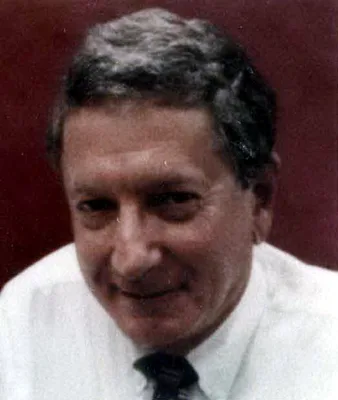
Goodman shared the 1994 Nobel Prize in Physiology or Medicine with Martin Rodbell "for their discovery of G-proteins and the role of these proteins in signal transduction in cells." In this paper Goodman and Ross show…
1977
#14248
Nitric oxide activates guanylate cyclase and increases guanosine 3',5'-monophosphate levels in various tissue preparations.
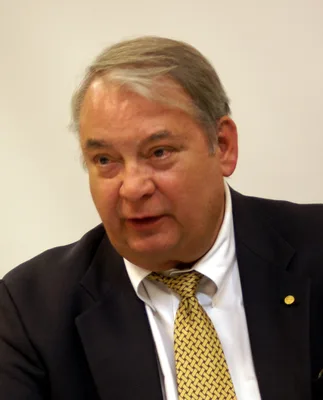
Murad demonstrated that nitroglycerin and related drugs worked by releasing nitric oxide into the body, which relaxed smooth muscle by elevating intracellular cyclic GMP. With W. P. Arnold, C. K. Mittal, S. Katsuki. I…
1978
#532.5
Birth after the reimplantation of a human embryo. (Letter to the editor).
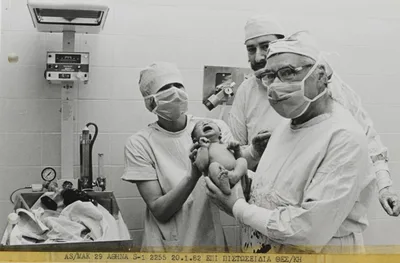
First successful human birth after in vitro fertilization and embryo transfer.
1978
#7456
A gene complex controlling segmentation in Drosophila.
Discovery of the Drosophila Bithorax complex and elucidation of its function. Lewis founded the field of developmental genetics and laid the groundwork for current understanding of the universal, evolutionarily conser…
1978
#13540
Transmissible agent in non-A, non-B hepatitis.
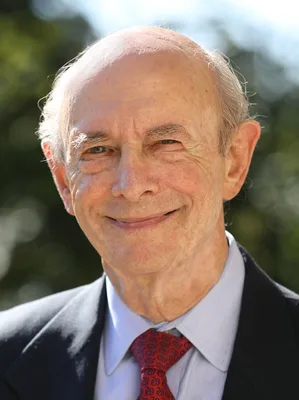
The first paper recording the discovery of what was, eleven years later in 1989, named the hepatitis C virus (see No. 12653). Harvey Alter and colleagues inoculated the serum/plasma of 4 patients with non-A/non-B hepa…
1979
#12630
Avermectins, new family of potent anthelmintic agents: Producing organism and fermentation.
The authors, lead by Omura, announced the discovery of Streptomyces avermilitis. They described the structure of avermectin, and reported preliminary observations that this drug is antiparasitic. (Order of authorship …
1979
#12631
Avermectins, new family of potent anthelminthic agents, efficacy of the B1a component.
Campbell and colleagues reported unprecedented antiparasitic effects of the agent in vivo, and that the "B1a" component of the molecule was most effective as a single oral dose. (Order of authorship in the original pu…
1979
#14247
Relaxation of bovine coronary artery and activation of coronary arterial guanylate cyclase by nitric oxide, nitroprusside and a carcinogenic nitrosoamine.
With CA Gruetter, BK Barry, DB McNamara, DY Gruetter, PJ Kadowitz. In 1998 Ignarro shared the Nobel Prize in Physiology or Medicine with Robert F. Furchgott and Ferid Murad "for their discoveries concerning nitric oxi…
1980
#1588.17
Harvey and the Oxford physiologists. A study of scientific ideas.
1980
#7455
Mutations affecting segment number and polarity in Drosophilia.
In 1995 Nüsslein-Volhard and Wieschaus shared the Nobel Prize in Physiology or Medicine with Edward B. Lewis "for their discoveries concerning the genetic control of early embryonic development."
1980
#11689
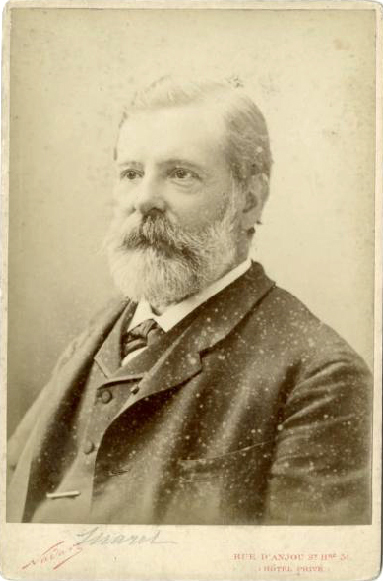
Marey and cardiology: physiologist and pioneer of technology (1830-1904).
1980
#13228
Speech and speech disorders in Western thought before 1600.
1980
#14186
Speech disorder in nineteenth century Britain. The history of stuttering.
1980
#14246
The obligatory role of endothelial cells in the relaxation of arterial smooth muscle by acetylcholine.
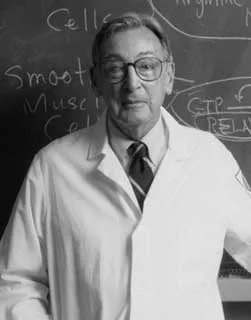
In 1978 Furchgott discovered a substance in endothelial cells that relaxes blood vessels, calling it endothelium-derived relaxing factor (EDRF). By 1986, he had worked out EDRF's nature and mechanism of action, and de…
1980
#14255
Transport of vesicular stomatitis virus glycoprotein in a cell-free extract.
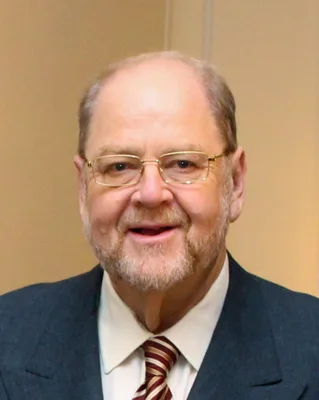
See also: Fries & Rothman, "Transient activity of Golgi-like membranes as donors of vescular stomatitis viral glycoprotein in vitro," J. Cell. Biol., 90, 1981, 697-704. "Rothman's research[15] details how vesicles—tin…
1980
#14256
The identification of 23 complementation groups required for post-translational events in the yeast secretory pathway.
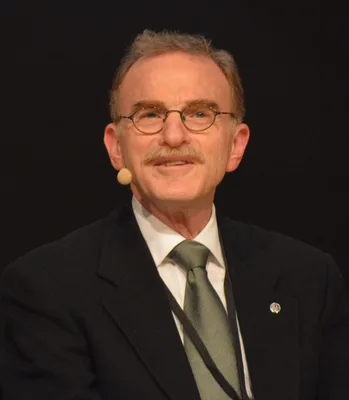
See also: Novick, P., Ferro, S. and Schekman, R. "Order of events in the yeast secretory pathway," Cell, 25, 1981, 461-469. In 1979 Schekman devised a genetic selection for temperature-conditional secretion-defective …
1981
#13285
Establishment in culture of pluripotential cells from mouse embryos.
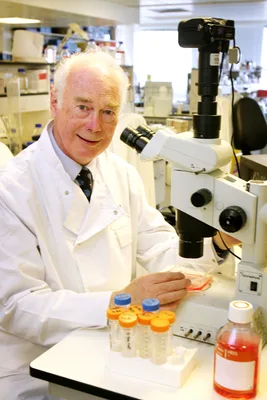
Evans and Kauffman were the first to identify, isolate and successfully culture embryonic stem cells using mouse blastocysts. This discovery opened the doors to the creation of “murine genetic models” -- mice that hav…
1982
#1588.18
A bio-bibliography for the history of the biochemical sciences since 1800.
An index to bio-bibliographical articles listed alphabetically by scientist. Supplement published, Philadelphia, 1985.
1982
#10140
Novel proteinaceous infectious particles cause Scrapie.
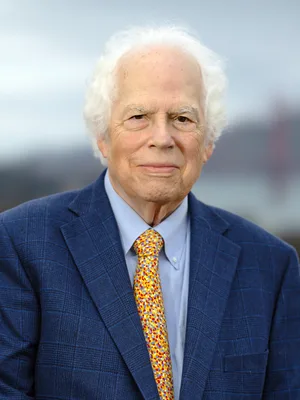
In 1997 Prusiner was awarded the Nobel Prize in Physiology or Medicine "for his discovery of Prions - a new biological principle of infection." In his 1982 paper Prusiner proposed a completely novel explanation for th…
1982
#12236
Catheter technique for closed-chest ablation of the atrioventricular conduction system.
The catheter ablation technique, pioneered by Gallagher and team. Abstract "This report describes a catheter technique for ablating the His bundle and its application in nine patients with recurrent supraventricular t…
1982
#14266
Tumor-specific antigen of murine T-lymphoma defined with monoclonal antibody.
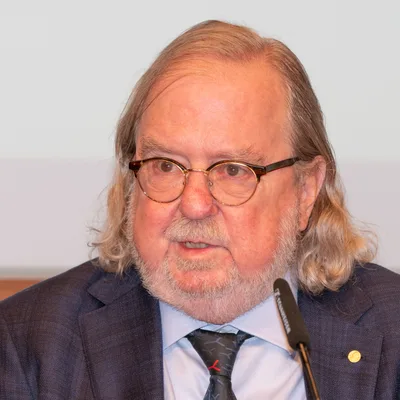
In 1982 Allison discovered the T-cell receptor. Order of authorship in the original publication: Allison, Bloch, McIntyre.
1983 –1988
#1588.19
A history of neurophysiology in the 17th and 18th centuries. From concept to experiment. A history of neurophysiology in the 19th century. 2 vols.
1983
#6996
Isolation of a T-lymphotropic retrovirus from a patient at risk for acquired immune deficiency syndrome (AIDS).
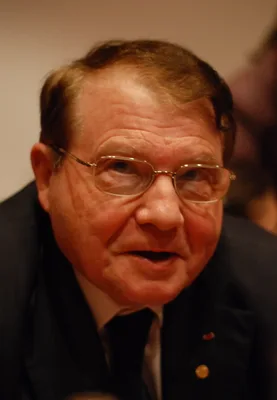
Isolation of the human immunodeficiency virus (HIV-1). In 2008 Barré-Sinoussi and Montagnier shared half of the Nobel Prize in Physiology and Medicine "for their discovery of human immunodeficiency virus." The other h…
1983
#8475
Unidentified curved bacilli on gastric epithelium in active chronic gastritis.

In 2005 Marshall and Warren shared the Nobel prize in Physiology or Medicine "for their discovery of the bacterium Helicobacter pylori and its role in gastritis and peptic ulcer disease." See also their follow-up pape…
1983
#8755
Exploring the origins of electrical cardiac stimulation.
1983
#12632
Ivermectin: A potent new antiparasitic agent.
Abstract "Ivermectin is the 22,23-dihydro derivative of avermectin B1, a macrocyclic lactone produced by an actinomycete, Streptomyces avermitilis. It is active at extremely low dosage against a wide variety of nemato…
1983
#14254
Cyclin: A protein specified by maternal mRNA in sea urchin eggs that is destroyed at each cleavage division.
"It was at Woods Hole around July 1982, using Arbacia sea urchin eggs as his model organism, that he discovered cyclin proteins.[12] Cyclins play a key role in regulating the cell-division cycle.[16] Hunt was observin…
1984
#1588.20
Science and medicine in France. The emergence of experimental physiology, 1790-1855.
1984
#2068.21
Electricity and medicine: A history of their interaction.
1984
#13991
Completion of mouse embryogenesis requires both the maternal and paternal genomes.
Solter discovered mammalian genomic imprinting that causes parent-of-origin specific gene expression, with consequences for development and disease. "Genomic imprinting is an epigenetic phenomenon that causes genes to…
1984
#14263
Molecular analysis of the period locus in Drosophila malanogaster and identification of a transcript involved in biological rhythms.
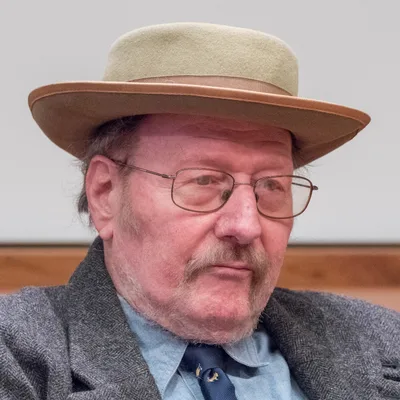
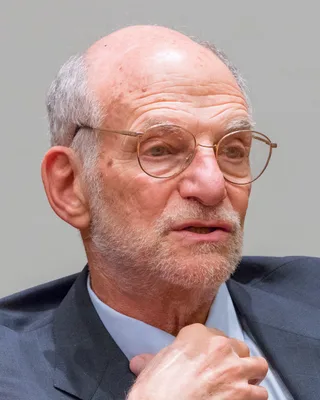
Rosbach and colleagues, including Jeffrey C. Hall, sequenced the Drosophila period gene in 1984. Full text available from cell.com at this link. Order of authorship in the original publication: Reddy, Zehring, Wheeler…
1984
#14265
Restoration of circadian behavioral rhythms by gene transfer in Drosophila.

"At The Rockefeller University in the early 1980s, Young and his two lab members, Ted Bargiello and Rob Jackson, further investigated the circadian period gene in Drosophila. They constructed segments of recombinant D…
1985
#1588.21
The brain machine: The development of neurophysiological thought.

Translation of Le cerveau-machine: physiologie de la volonté, Paris, 1983.
1985
#8388
Identification of a specific telomere terminal transferase activity in Tetrahymena extracts.
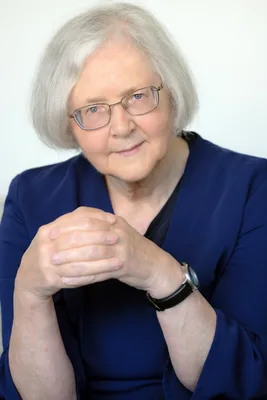
Blackburn and Grieder discovered telomerase in the ciliate Tetrahymena. In 2009 Blackburn and Grieder shared the Nobel Prize in Physiology or Medicine with Jack W. Szostak "for the discovery of how chromosomes are pro…
1985
#8882
William Osler's collected papers on the cardiovascular system. Edited by W. Bruce Fye.
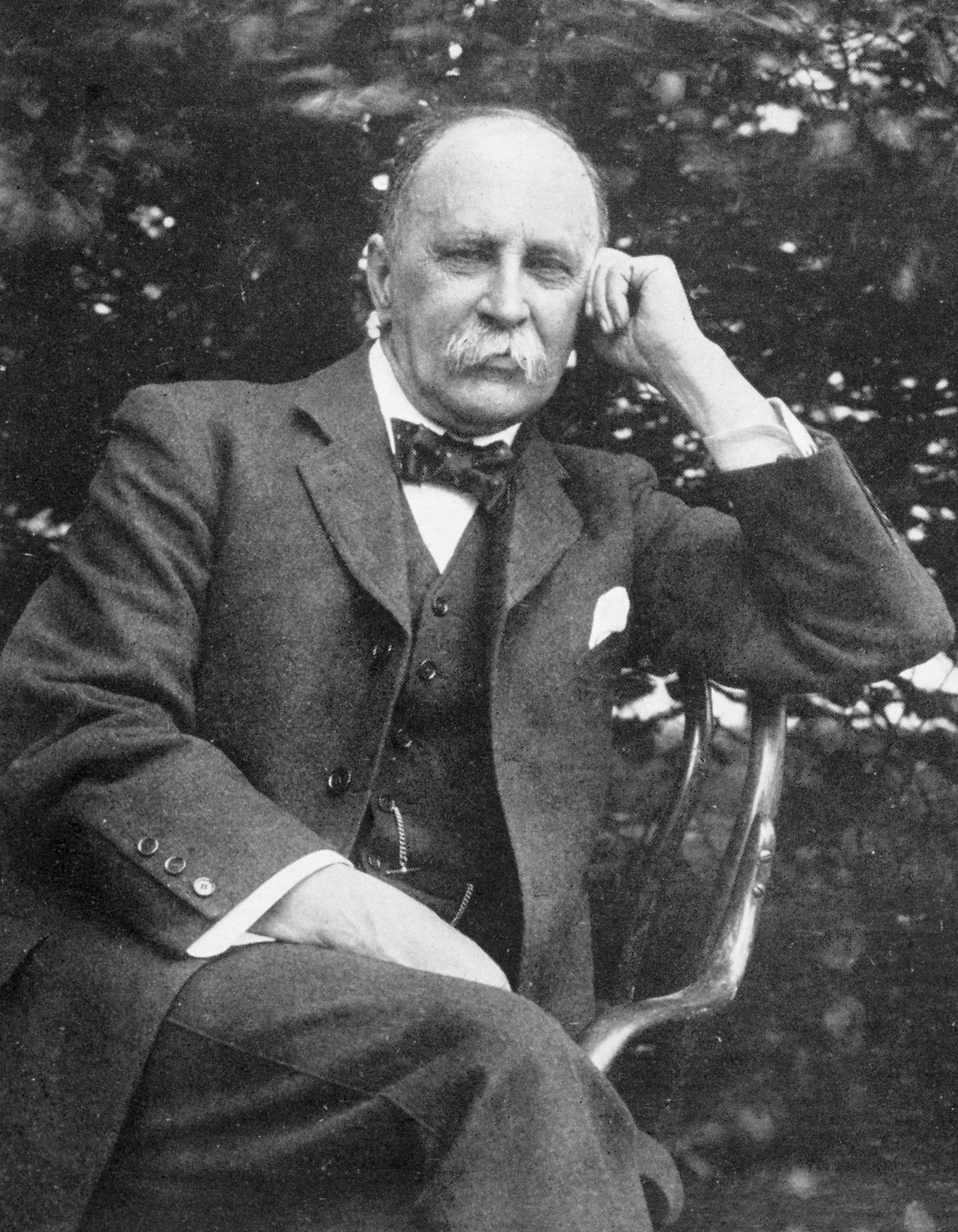
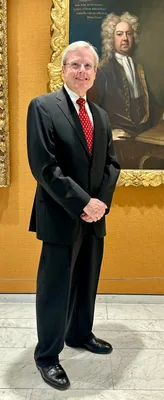
Includes a previously unpublished essay by Maude Abbott, "Osler's contributions to our knowledge of heart disease."
1986
#1588.22
The history of blood gases, acids and bases.
The authors were prominent investigators in the field.
1986
#534.42
A history of embryology. British Society for Developmental Biology Symposia 8. Edited by T. J. Horder, J. A. Wikowski and C. C. Wylie.
A survey of the history of developmental biology from 1880.
1986
#7475
Opere scientifiche. Traduzione integrale dai testi originali. Coordinatore Luciano Casella. Revisione e note a cura di Enrico Coturri. 2 vols.
Steno's collected works translated from Latin into Italian. Reproduces Steno's original engraved illustrations, plus others from the time (some in color).
1987
#1588.23
Renal physiology: People and ideas.
A collective work on the history of renal physiology with thematic chapters by the editors and other prominent investigators.
1987
#1588.24
Nineteenth century origins of neuroscientific concepts.
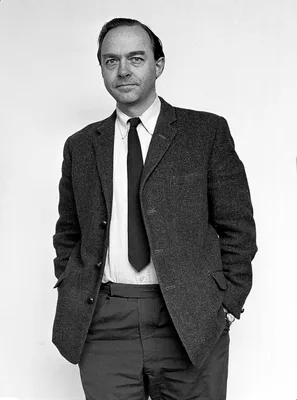
Detailed analysis, emphasizing first half of 19th century, with detailed bibliographies, and bibliographical notes.
1987
#7857
The development of American physiology: Scientific medicine in the nineteenth century.
1987
#11024
Physiology in the American context, 1850-1940. Edited by Gerald L. Geison.
Traces the development of American physiology in the cultural context of the period. Divided into three parts: social and institutional history; physiology in relation to other fields; and instruments, materials and t…
1987
#11182
Developmental stages in human embryos. Including a revision of Streeter's "Horizons" and a survey of the Carnegie Collection.
Digital facsimile from embyrology.med.unsw.edu at this link .
1987
#12193
History of the American Physiological Society. The first century, 1887-1987. Edited by John R. Brobeck, Orr E. Reynolds, Toby A. Appel.
1987
#12997
Operation Everest II: Man at extreme altitude.
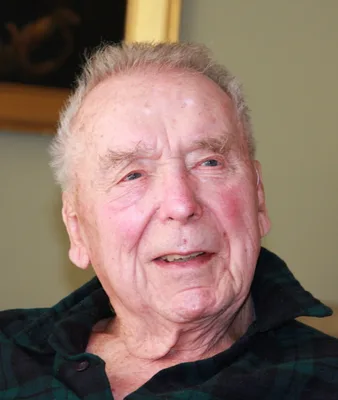
In 1985 Houston, Sutton and Cymerman and colleagues in Canada used a decompression chamber to simulate a seven week ascent of Mt. Everest. This appears to be their first paper summarizing the overall results. Many pub…
1987
#13931
Site-directed mutagenesis by gene targeting in mouse embryo-derived stem cells.
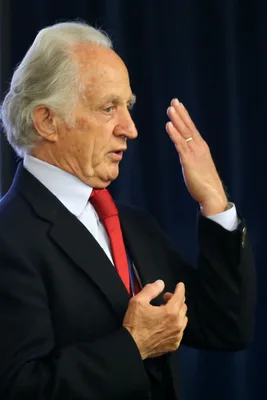
In 2007 Capecchi shared the 2007 Nobel Prize in Physiology or Medicine with Martin J. Evans and Oliver Smithies "for their discoveries of principles for introducing specific gene modifications in mice by the use of em…
1987
#13940
Targeted correction of a mutant HPRT gene in mouse embryonic stem cells.
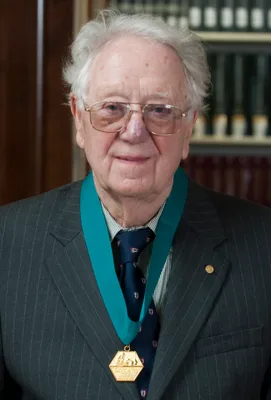
Smithies discovered, simultaneously with Mario Capecchi and Martin Evans, the technique of homologous recombination of transgenic DNA with genomic DNA, a much more reliable method of altering animal genomes than previ…
1988
#8732