
Facets
Browse across eight MeSH (opens in new tab) facets — era, geography, science, specialty, technology, history, culture, and reference. Select one tag per group; counts update across the others. What’s new in facet browse how facets relate to subjects and MeSH.
Clear filtersGeography
Specialties & Disease
- Alternative & Fringe Medicine 100
- Anatomy & Pathology 9
- Cardiology & Blood 94
- Dentistry 7
- Diabetes 4
- ENT & Hearing 3
- Epidemiology & Demography 13
- Gastroenterology & Hepatology 10
- General Clinical Medicine 46
- Immunology & Dermatology 23
- Infectious Disease (General) 5
- Internal, Emergency & Geriatric 4
- Microbiology & Virology 82
- Military Medicine 16
- Neurology & Psychiatry 78
- Obstetrics & Reproductive 17
- Oncology & Cancer 33
- Ophthalmology & Vision 5
- Pediatrics 6
- Physiology & Embryology 41
- Plagues & Epidemics 92
- Psychology 9
- Public Health 101
- Pulmonary & Respiratory 9
- Rheumatology, Rehab & Pain 29
- Surgery & Anesthesia 52
- Urology & Nephrology 3
- Veterinary Medicine 8
Social & Historical Studies
Institutions & Culture
Reference & Scholarly Works
1,672 entries match Pharmacology & Therapeutics [D01 / E02]
1803
#2097
Sur la colique, vulgairement appelée colique des peintres, des plombiers, du plomb, etc.
1803
#1989
An introduction to electricity and galvanism.
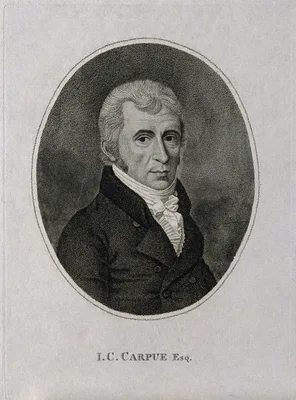
One of the first works in the English language entirely devoted to medical electricity. Carpue also played a key role in the development of rhinoplasty. See No. 5737.
1803
#9310
Elements of botany, or outlines of the natural history of vegetables.
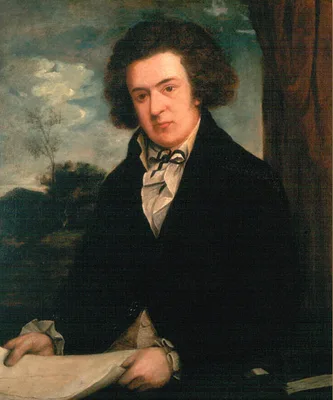
The first American textbook of botany. Digital facsimile of the revised 1804 London edition from the Hathi Trust at this link.
1803
#12399
Flora Boreali-Americana, sistens caracteres plantarum quas in America septentrionali collegit et detexit Andreas Michaux, Instituti Gallici Scientiarum, necnon Societatis Agriculturae Caroliniensis socius. Tabulis Aeneis 51 ornata [after Pierre-Joseph Redouté]. 2 vols.
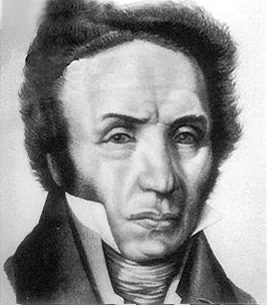
"The French government sent Michaux to the United States to collect North American seeds, shrubs, and trees ; he landed at New York City on 1 October, accompanied by his son [François-André Michaux] and a gardener. In…
1804
#145.54
Recherches chimiques sur la végétation.
In this foundation work on phytochemistry, Saussure analysed the chief active components of plants, their synthesis and decomposition. He specified the relationships between vegetation and the environment. He showed t…
1804
#2071.1
An essay, medical, philosophical, and chemical, on drunkenness, and its effects on the human body.
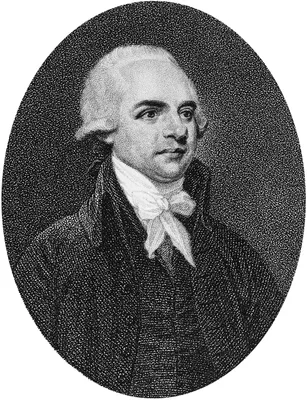
The first book on alcoholism, expanded from Trotter's MD dissertation: Dissertatio medica inauguralis, quædam de ebrietate, ejusque effectibus in corpus humanum complectens, quam ... pro gradu doctoris ... (Edinburgh:…
1805
#1839
Darstellung der reinen Mohnsäure (Opiumsäure); nebst einer chemischen Untersuchung des Opiums, mit vorzüglicher Hinsicht auf einen darin neu entdeckten Stoff.
Isolation of morphine from opium. This was the first isolation of an active ingredient from a plant.
1805
#145.55
Essai sur la géographie des plantes; accompagné d’un tableau physique des régions équinoxiales.
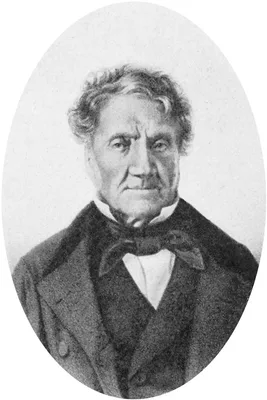
One of the first works on the geographical distribution of plants. Humboldt was a pioneer student of geographical–ecological plant associations. The sheets of this work were reissued as Vol. I of the authors' Voyage a…
1806
#11630
Dissertation sur le café; son historique, ses propriétés, et le procédé pour en obtenir la boisson la plus agréable, la plus salutaire et la plus économique; Par Ant.-Alexis Cadet-de-Vaux...Suivie de son analyse; par Charles-Louis Cadet.
Cadet de Vaux discussed the history of coffee, including the origins of the coffee bean and plant, the proper climate for growing coffee, coffee drinking culture and its introduction to Europe. He also described the b…
1806
#12134
The American dispensatory, containing the operations of pharmacy; Together with the natural, chemical, pharmaceutical and medical history of the different substances employed in medicine; illustrated and explained, according to the principles of modern chemistry: Comprehending the improvements in Dr. Duncan's second edition of the Edinburgh new dispensatory. The arrangement simplified, and the whole adapted to the practice of medicine and pharmacy in the United States. With several copperplates, exhibiting the new system of chemical characters, and representing the most useful apparatus.
Coxe's "formulary" was the first attempt at standarization of drugs and their preparation in the United States. Digital facsimile from the U.S. National Library of Medicine at this link.
1807 –1834
#7452
Voyage aux régions équinoxiales du nouveau continent, fait en 1799, 1800, 1801, 1802, 1803 et 1804. 34 vols.
In 1799 Humboldt and Bonpland embarked on a six-year tour of research through South America and Mexico, a trip which would afterwards be called, justifiably, "the scientific discovery of America." The two amassed exha…
1807
#13348
De l'établissement des principaux jardins de botanique.
Digital facsimile from Google Books at this link. Edited English translation by Roger L. Williams as "On the establishment of the principal gardens of botany: A bibliographical essay by Jean-Philippe-François Deleuze,…
1808
#6164
Accounts of the pulvis parturiens, a remedy for quickening child-birth.
The first use of ergot in the induction of labor in America. Reprinted in H. Thoms: Classic Contributions to Obstetrics and Gynecology, 1935, pp. 21-23.
1808
#10067
The pharmacopoeia of the Massachusetts Medical Society,
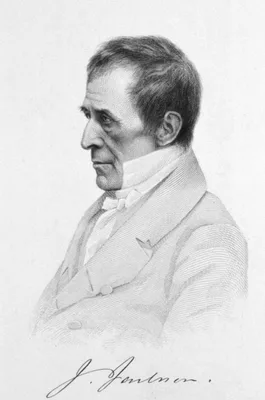
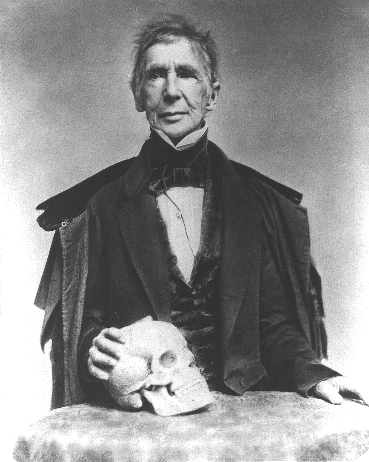
The first state pharmacopeia issued in the United States. Jackson and Warren were the "Committee for the Pharmacopoeia." Digital facsimile from the Internet Archive at this link.
1808
#11955
A catalogue of plants in the Botanic Garden, at Liverpool.
Digital facsimile from the Hathi Trust at this link.
1808
#13040
Catalogue des livres de la bibliothèque de feu M. E.P. Ventenat…Suivi de la description de différens herbiers, graines, fruits étrangers, etc., et objets de curiosité.
Besides Ventenat's library of botanical works lots 603-11 included Ventenat’s collections of botanical specimens (lot 603 contained 14- 15,000 specimens from all over the world!). The auction catalogue was prefaced by…
1809
#9064
Memoria sobre a canella do Rio de Janeiro offerecida ao Principe do Brazil nosso senhor: pelo Senado da Camara da mesma cidade no anno de 1798.
The earliest monograph on medicine published in Brazil. Digital facsimile from the U.S. National Library of Medicine at this link.
1809
#9578
Examen de l'action de quelques végétaux sur la moelle épinière. Lu a l'Institut, le vingt-quatre avril 1809.
In 1809 Magendie presented to the Académie des Sciences and to the Société Philomatique the results of his first experimental work, which he carried out in collaboration with the botanist and physician Alire Raffeneau…
1809
#11403
Observationes in Ordines plantarum naturales. Dissertatio prima complectens Anandrarum ordines Epiphytas, Mucedines, Gastromycos et Fungo.
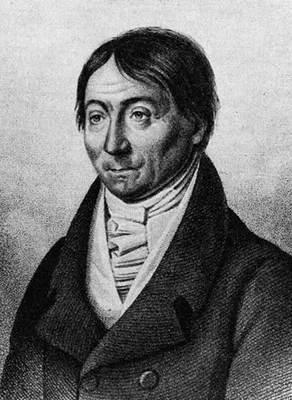
Link described Polyangium, the first bacterium to be described that is still recognized today. Link also described Penicillium for the first time.
1809
#11717
Traité de la sangsue médicinale.
A 585-page treatise on this later-debunked therapy published around the time of its greatest vogue. Digital facsimile from Google Books at this link.
1809 –1840
#12798
Flore portugaise ou description de toutes les plantes qui croissent naturellement en Portugal. 2 vols.
The most spectacular illustrated book on the flora of Portugal. The delicate illustrations, mostly stipple-engraved and colored by hand, based on the travels of Hoffmannsegg through Portugal between 1797 and 1801, wer…
1810
#1840
Ensaio sobre o cinchonino, e sobre sua influencia em a virtude da quina, e de outras cascas.
Gomes obtained a substance, which he named cinchonino, from cinchona bark. That it contained the active principle of cinchona was later proved by Pelletier and Caventou. For an English translation of the paper, see Ed…
1810
#1966
Organon der rationellen Heilkunde.
Hahnemann, the founder of homeopathy, embodied his theories in the Organon. The minute doses set down by him did much to correct the evils of the polypharmacy of his time, in which overdosage was pervasive. Hahnemann …
1811
#7801
The maternal physician; a treatise on the nurture and management of infants, from the birth until two years old. Being the result of sixteen years' experience in the nursery. Illustrated by extracts from the most approved medical authors
The first American book on pediatrics, in the tradition of "advice books" or childcare manuals for mothers. This was the first American printed book on a medical subject written by a woman. Pages 248-75 publish a list…
1811
#13762
Journal of a tour in Iceland in the summer of 1809.
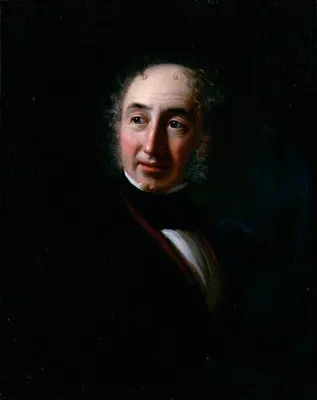
"In 1809 he went to Iceland to make a botanical survey for [Sir Joseph] Banks; his collections were lost in a fire at sea on the way home but with the aid of Banks’s notes from his own journey there in 1772 Hooker was…
1812 –1817
#2160
Mémoires de chirurgie militaire, et campagnes. (Vol. 5 entitled Relation médicale de campagnes et voyages.) 5 vols.
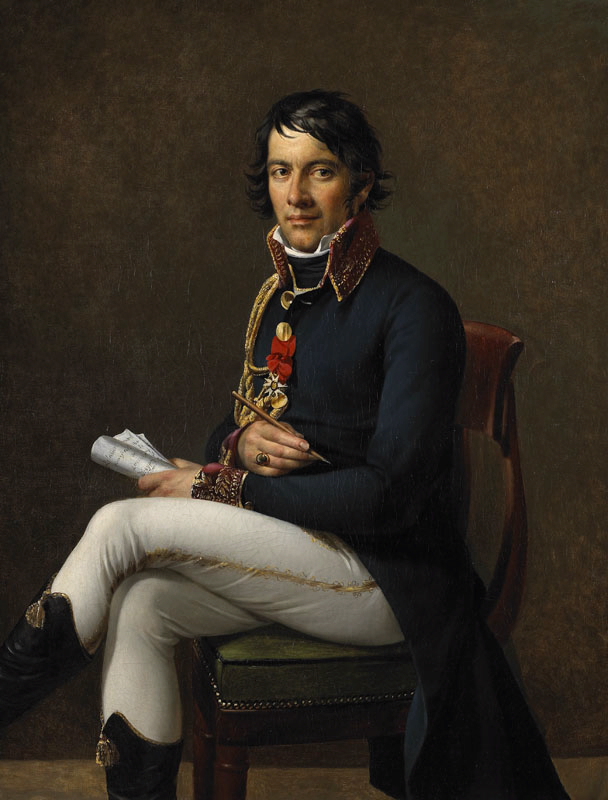
Larrey was the greatest military surgeon in history. Of him Napoleon said: “C’est l’homme le plus vertueux que j’ai connu”. He was present at all Napoleon’s great battles and one of the few who stood by him on his abd…
1812
#13631
Traité usuel du chocolat, contenant la description et la culture du cacaotier ou cacaoïer, arbre qui produit le fruit avec lequel on fabrique le chocolat, celles de la canelle, de la vanille, du salep de Perse, de l'ambre gris, du sucre, et autres substances que l'on fait entrer dans la fabrication du chocolat, les différentes façons de préparer ce commestible pour en faire un aliment recherché et propre à flatter le goût de tous les consommateurs les plus distingués, ce qui lui a fait donner, avec just tire, le sur-non de METS Des DIEUX. On y fait voir assi son utilité précieuse dans médecine.
Digital facsimile from Google Books at this link.
1813
#4925
Tracts on Delirium tremens, on peritonitis, and on some other internal inflammatory affections, and on the gout.
Sutton named and described alcoholic delirium tremens, differentiating the condition from phrenitis. Digital facsimile from the Internet Archive at this link.
1813
#6975
Materia medica of Hindoostan, and artisan’s and agriculturist’s nomenclature.
The first book in English on the materia medica of India, and a pioneering work in the field of Indian medical history. Ainslie joined the British East India Company as an assistant surgeon in 1788 and spent the next …
1814 –1815
#2072
Traité des poisons tirés des règnes minéral, végétal et animal; ou, toxicologie générale. 2 vols, each in 2 parts.
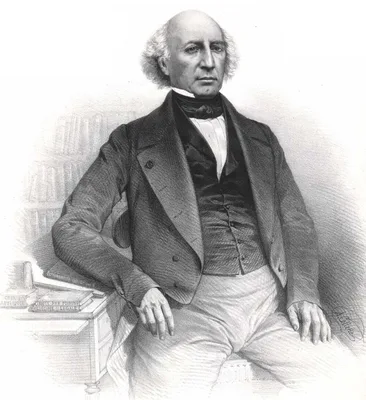
Orfila, pioneer toxicologist, was the leading medico-legal expert of his time. He was born in Minorca, studied at Valencia, Barcelona, and Paris, and was one of the founders of the Académie de Médecine. Digital facsim…
1814
#7876
Flora Americae septentrionalis; or, a systematic arrangement and description of the plants of North America. Containing, besides what have been described by preceding authors, many new and rare species, collected during twelve years travels and residence in that country. 2 vols.
The first survey of all plants of North America above Mexico, including more than 3,000 species and 470 genera; describes more than 100 species collected by the Lewis and Clark expedition. Digital facsimile from Botan…
1814
#9641
Botanic medicine: A new and complete American medical family herbal: Wherein is displayed the true properties and medical virtues of the plants, indigenous to the United States of America, together with Lewis' secret remedy newly discovered, which has been found infallible in the cure of that dreadful disease hydrophobia, produced by the bite of a mad dog.
Henry wrote that he had been a captive of the Indians during the Creek War and that he incorporated what he learned during his captivity. His work was one of the first illlustrated herbals published in the United Stat…
1814
#10761
Hortus Bengalensis, or, a catalogue of the plants growing in the East India Company's Botanic Garden at Calcutta.
Digital facsimile from Google Books at this link.
1814 –1819
#11036
Flore médicale. 7 vols.
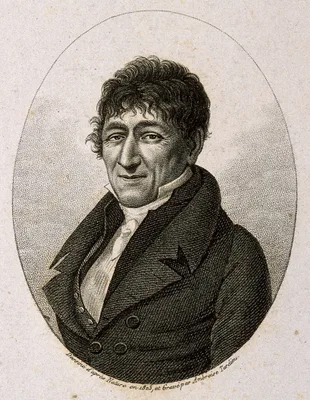
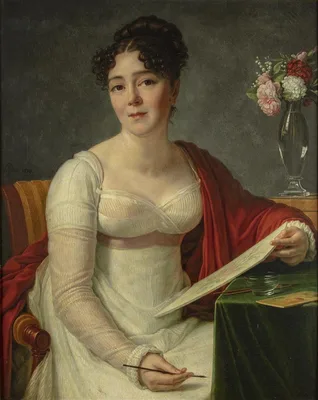
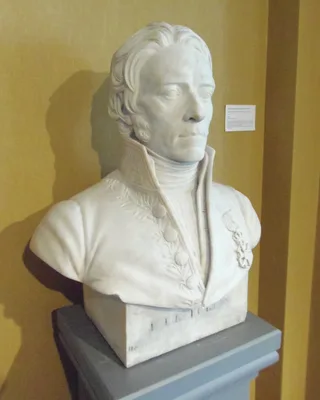
The greatest work of medical botany published during the Napoleonic period; considered a masterpiece of color print production with 425 plates printed in color and finished by hand. The medicinal aspect appears to hav…
1816
#1990
Anleitung zur Darstellung und Anwendung aller Arten der kräftigsten Bäder und Heilwässer welche von Gesunden und Kranken gebraucht werden.
Döbereiner was the first to treat the subject of light therapy on a scientific basis.
1816
#11799
A treatise on the medicinal leech; including its medical and natural history, with a description of its anatomical structure; also, remarks upon the diseases, preservation, and management of leeches.
Digital facsimile from the Hathi Trust at this link.
1817 –1819
#1841
Vegetable materia medica of the United States. 2 vols.
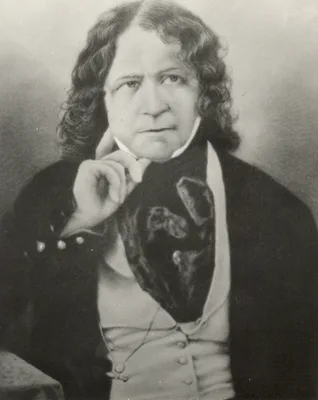
Barton served as a naval surgeon and, in 1815, became Professor of Botany at Philadelphia. Along with Bigelow (No. 1842) Barton’s work is one of the first two botanical works with colored plates issued in the United S…
1817 –1820
#1842
American medical botany, being a collection of the native medicinal plants of the United States, containing their botanical history and chemical analysis, and properties and uses in medicine, diet and the arts. 3 vols.
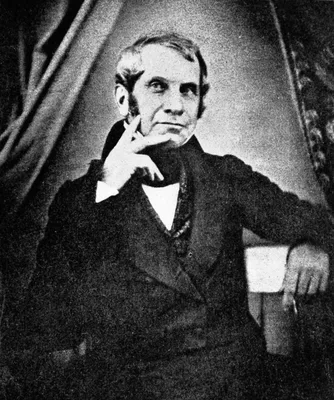
Bigelow was professor of materia medica and botany at Harvard. This work included native American remedies. It was the first book printed in the United States to include color plates printed in color. See R.J. Wolfe, …
1817
#2468
Vergiftung durch verdorbene Würste.
Botulism first described. Kerner published an expanded study as Neue Beobachtungen über die in Würtemberg so häufig vorfallenden tödtlichen Vergiftung durch den Genuss geräuchter Würstem, Tübingen, 1820. He published …
1817
#1843
Mémoire sur l’émétine, et sur les trois espèces d’ipecacuanha.
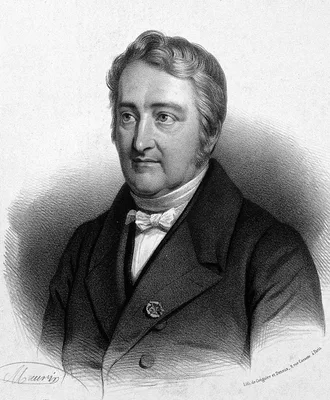
Isolation of emetine. It was not until a century later that Vedder demonstrated its value in the treatment of amoebiasis. Also during 1817 Magendie and Pelletier published "Recherches chimiques et physiologiques sur l…
1817
#9701
On transfusion of blood in extreme cases of haemorrhage.
In 1816 Leacock, from Barbados, reported systematic experiments in Edinburgh on dogs and cats that established that donor and recipient must be of the same species, and recommended inter-human transfusion; he then ret…
1817
#9871
De nova infusionis methodo. Dissertatio inauguralis medico-chirurgica....
Eduard von Graefe’s medical thesis described the method devised by his brother, Carl Ferdinand von Graefe (1787-1840), for transfusing blood or other liquids into the blood vessels. The work includes an illustration o…
1818
#2015
Experiments on the transfusion of blood by the syringe.
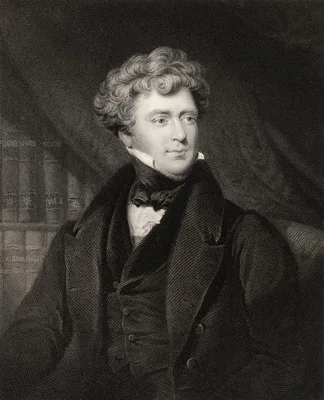
Blundell invented a syringe by means of which he was able to transfuse dogs.
1818
#7369
Narrative of a journey in the interior of China, and of a voyage to and from that country, in the years 1816 and 1817; containing an account of the most interesting transactions of Lord Amherst's embassy to the court of Pekin and observations on the countries which it visited.
Digital facsimile from Google Books at this link.
1818
#7771
The genera of North American plants, and a catalogue of the species to the year 1817. 2 vols.
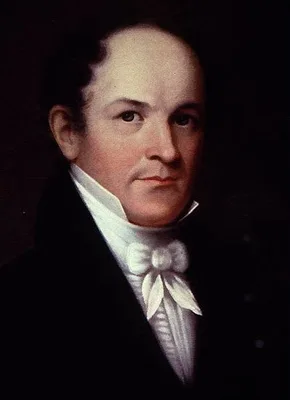
The first comprehensive botany of the United States. Digital facsimile from the Internet Archive at this link.
1818
#9508
Secours à donner aux personnes empoisonnées ou asphyxiées, suivis des moyens propres à reconnaître les poisons et les vins frelatés et à distinguer la mort réelle de la mort apparente.
Translated into English by B. H. Black and published in 1819 as Directions for the treatment of persons who have taken poison, and those in a state of apparent death: Together with the means of detecting poisons and a…
1818
#10069
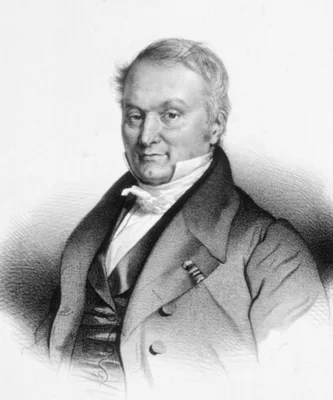
Oeuvres complètes de Bordeu, précédés d'une notice sur sa vie et sur ses ouvrages, par M. le Chevalier Richerand. 2 vols.
1818
#10268
Codex medicamentarius sive pharmacopoea gallica jussu regis optimi et ex mandato summi rerum internarum regni administri, editus a Facultate Medica Parisiensi anno 1818.
The first French national pharmacopeia. The French pharmacopeia became the model for later national attempts to publish national pharmacopeias. Notably the first U.S. pharmacopeia was issued in 1820. After a legal not…
1818
#13075
Pharmacopoeia Geniki.
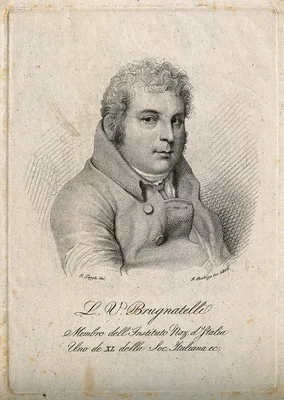
The first pharmacopeia printed in Turkey. This was a translation into Greek from Brugnatelli's Farmakopoea ad uso degli Speziali, e Medici Moderni della Repubblica Italiana. The printer in Istanbul was not identified.…
1819
#2015.1
Some account of a case of obstinate vomiting, in which an attempt was made to prolong life, by the injection of blood into the veins.
Records the first human to human transfusion. A man received 12 to 14 oz. of blood from several donors by means of Blundell’s funnel and syringe. He died 56 hours after the transfusion.