
Facets
Browse across eight MeSH (opens in new tab) facets — era, geography, science, specialty, technology, history, culture, and reference. Select one tag per group; counts update across the others. What’s new in facet browse how facets relate to subjects and MeSH.
Clear filtersGeography
Specialties & Disease
- Alternative & Fringe Medicine 17
- Anatomy & Pathology 134
- Cardiology & Blood 11
- Dentistry 10
- Diabetes 1
- ENT & Hearing 3
- Epidemiology & Demography 12
- Gastroenterology & Hepatology 4
- General Clinical Medicine 28
- Immunology & Dermatology 27
- Infectious Disease (General) 5
- Internal, Emergency & Geriatric 7
- Microbiology & Virology 92
- Military Medicine 11
- Neurology & Psychiatry 35
- Obstetrics & Reproductive 26
- Oncology & Cancer 10
- Ophthalmology & Vision 2
- Pediatrics 5
- Physiology & Embryology 94
- Plagues & Epidemics 44
- Psychology 16
- Public Health 129
- Pulmonary & Respiratory 3
- Rheumatology, Rehab & Pain 0
- Surgery & Anesthesia 14
- Urology & Nephrology 4
- Veterinary Medicine 11
Social & Historical Studies
Institutions & Culture
Reference & Scholarly Works
Drugs & Technology
27 entries match Immunology & Dermatology [C19 / C20 / C17] · Zoology & Animal Sciences [K01.900.500.750]
1834
#13415
Mémoire comparatif sur l'histoire naturelle de l'insecte de la gale.
Raspail first described and illustrated the Sarcoptes scabei, diffrentiating it from the horse's sarcopt and the cheese moth that Galès and Patrix, followed by Alibert, had confused with the scabies parasite. Raspail …
1860
#534.62
Untersuchungen über die Entstehung der Missbildungen Zunächst in den Eiem der Vögel.
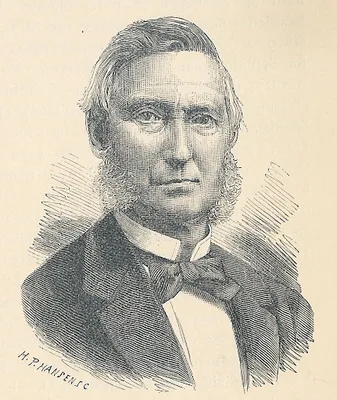
The first monograph on experimental teratology.
1865
#6938
Catalogue de la superbe bibliothèque d'ethnographie, de zoologie, d'anatomie comparée, etc....
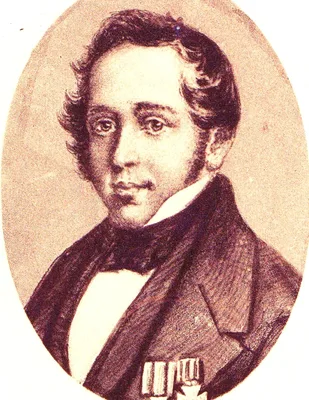
The auction catalogue of Vrolik's library, sold two years after his death, organized by subject. Prefaced by an essay about Vrolik's life and work by J. van der Hoeven, and a chronological list of Vrolik's publication…
1876
#2127.1
Paraffin epithelioma of the scrotum.
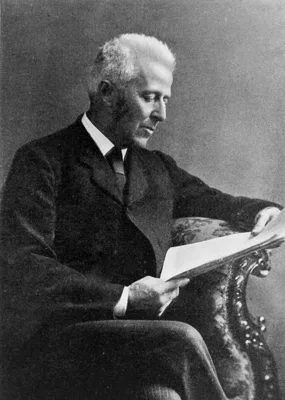
Shale oil shown to be a cause of skin cancer. A teacher of Sir Arthur Conan Doyle, Bell was the model for the character of Sherlock Holmes.
1892 –1896
#10621
Atlas of clinical medicine. 3 vols.
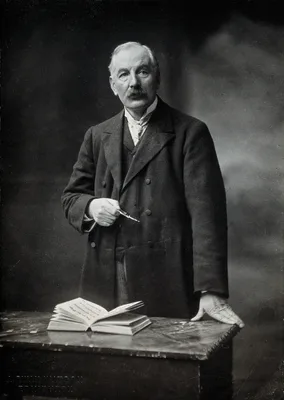
Published at the end of the 19th century, and employing the wide variety of illustration technologies then available, including color lithography, lithography, and photography, this work testifies to the breadth and d…
1896
#13072
On the pigment of the negro's skin and hair.
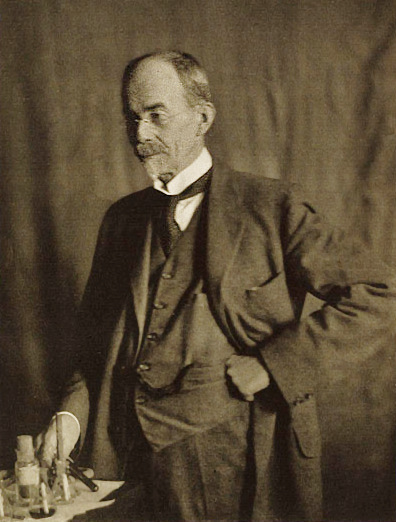
"In the present state of our knowledge we can only say that it seems highly probable that the pigment of the negro's hair is not different from the dark pigment found in the hair of the white races, and we may infer t…
1915
#2571
An investigation on the nature of ultra-microscopic viruses.
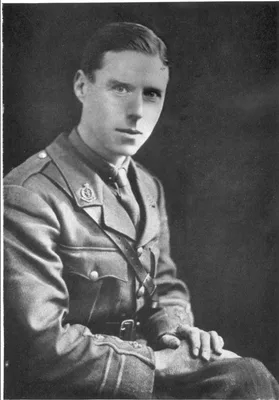
Twort discovered discovered bacteriophages, a type of virus that attacks bacteria (the term bacteriophage was coined by Félix d’Herelle, who in 1917 independently confirmed Twort’s discovery). The discovery of bacteri…
1922 –1939
#83
Œuvres de Pasteur, réunies par Pasteur Vallery-Radot. 7 vols.
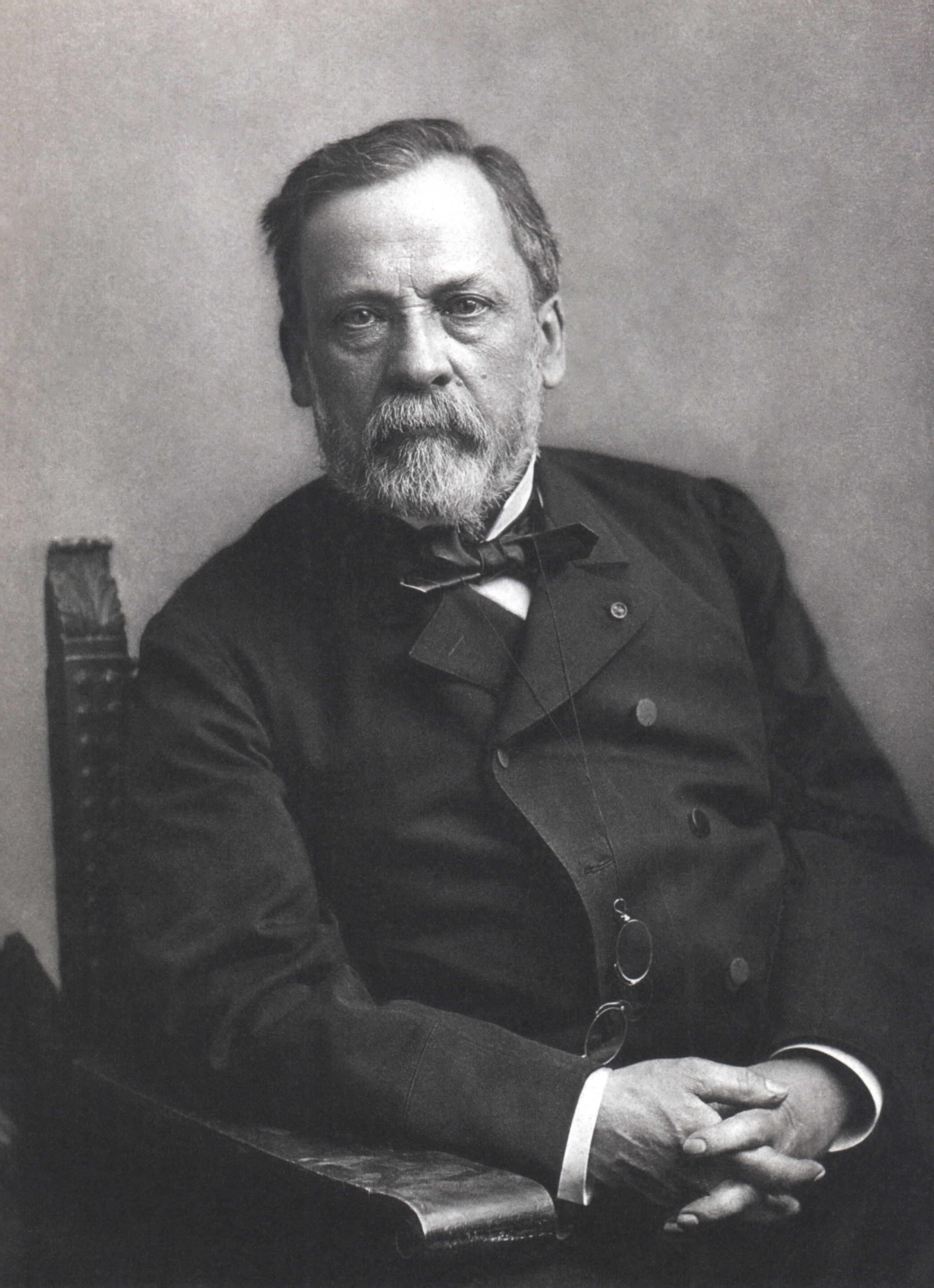
One of the founders of bacteriology, Pasteur's work on fermentation, the doctrine of spontaneous generation (which he exploded), virus diseases and preventive vaccinations, was fundamental. Digital facsimile of the co…
1922
#6609.1
Wunder, Wundgeburt und Wundergestalt in Einblattdrucken des 15-18. Jahrhunderts.
History of teratology in art from 15th to 18th centuries.
1924
#562
Das reticulo-endotheliale System.
In an earlier paper on this subject (Münch, med. Wschr., 1922, 69, 1352-56) Aschoff introduced the term “reticulo-endothelial system”; as early as 1914 he grouped certain phagocytic cells into his system.
1929
#7186
The female sex hormone. Part I: Biology, pharmacology and chemistry. Part II: Clinical investigations based on the female sex hormone blood test.
The first handbook on female sex hormones. Digital facsimile from the Hathi Trust at this link.
1952
#12032
A nonhereditary, host-induced variation of bacterial viruses.
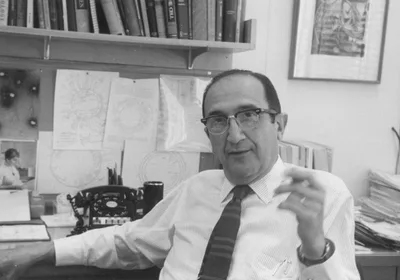
Order of authorship in the original publication: Luria, Human. Luria and Human discovered the restriction modification system found in bacteria and other prokaryotic organisms. This system provides a defense against f…
1955
#1207
The disulphide bonds of insulin.
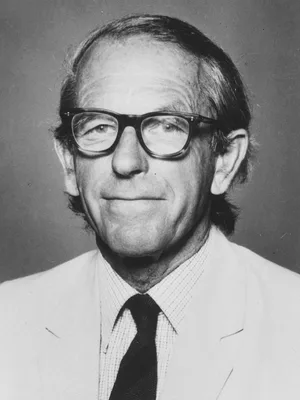
Sanger sequenced the amino acids of insulin, the first of any protein. His work “revealed that a protein has a definite constant, genetically determined sequence—and yet a sequence with no general rule for its assembl…
1956
#2578.17
Infectivity of ribonucleic acid from tobacco mosaic virus.
Proof that nucleic acid produces infectivity. See also Z. Naturf., 1956, 11b, 138-42.
1962
#12033
Host specificity of DNA produced by escherichia coli. II. Control over acceptance of DNA from infecting phage lambda.
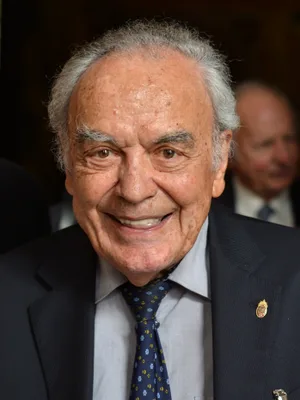
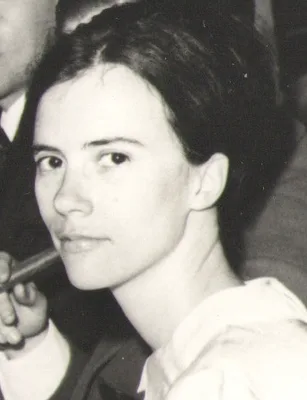
Order of authorship in the original publication: Dussoix, Arber. The authors discovered that restriction of DNA from infecting bacteriophage was due to the attack and breakdown of the modified bacteriophage's DNA by s…
1968
#12028
Host specificity of DNA produced by Escherichia coli, X. In vitro restriction of phage FD replicative form.
Order of authorship in the original publication: Linn, Arber. Arber announced the discovery, with proof, of the first restriction endonuclease (restriction enzyme or restrictase)."These enzymes are found in bacteria a…
1970
#13730
Dermatologie in der Kunst.
1973
#11074
Identification of a novel cell type in peripheral lymphoid organs in mice. I. Morphology, quantitation, tissue distribution.
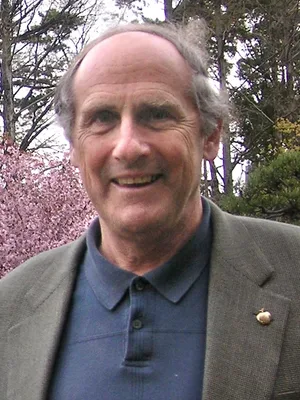
Order of authorship in the original publication: Steinman, Cohn. In this paper Steinman announced his discovery of the dendritic cell. Digital facsimile from PubMedCentral at this link. In 2011 Steinman received half …
1976
#13976
Reovirus messenger RNA contains a methylated, blocked 5'-terminal structure: m7G(5')ppp(5')GmpCp.
Furuichi, working in Shatkin's laboratory, discovered that the viral mRNAs synthesized in vitro by the virion-associated RNA polymerase of reovirus contain a unique 5′-terminal structure m7GpppNm or cap. The precise b…
2003
#10244
ArtandMedicine.com.
http://www.artandmedicine.com/Index.html A highly personal but in all aspects extraordinary website/blog on the history of medical photography in the form of what Rowley calls his Cabinet Journal.
2005
#11842
Intervening sequences of regularly spaced prokaryotic repeats derive from foreign genetic elements.
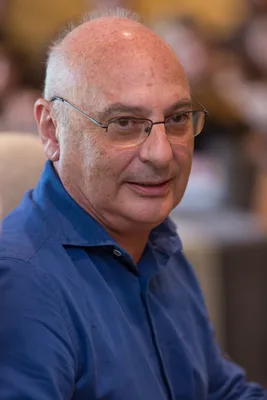
Order of authorship in the original publication: Mojica, Díez-Villaseñor, Jesus García-Martínez. In this paper Mojica and colleagues showed the the CRISPR system is a bacterial immune system against viral attack. This…
2005
#13622
Suppression of RNA recognition by toll-like receptors: The impact of nucleoside modification and the evolutionary origin of RNA.
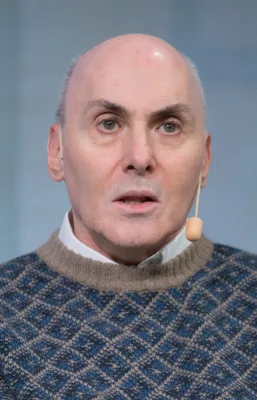
Karikó and Weissman discovered the nucleoside modifications that suppress the immungenicity of RNA, leading to their patents for the application of non-immunogenic, nucleoside-modified RNA (modRNA). This technology wa…
2007
#11843
CRISPR provides acquired resistance against viruses in prokaryotes.
Horvath and his team provided key details of the extremely complex mechanisms involved in CRISPR's function as an immune system for bacteria against bacteriophages. Analogous to Pasteur's heroic role in saving the Fre…
2009
#13029
Dermatology for skin of color.
"... the first comprehensive reference for this subspecialty, ranging from the historic and cultural to the clinical and basic science components....More than 600 full-color photographs of preoperative and postoperati…
2015
#11848
Gene-edited pigs are protected from porcine reproductive and respiratory syndrome virus.
Order of authorship in the original publication: Whitworth, Rowland, Ewen, ... Prather. Using the CRISPR Cas molecular gene-editing tool, Prather and colleagues edited the gene that codes for the CD163 protein in adul…
2017
#14102
The role of the WI-38 cell strain in saving lives and reducing morbidity.
In 1961 "Hayflick developed the first normal human diploid cell strains for studies on human aging and for research use throughout the world. Prior to his seminal research, all cultured cell lines were immortal and an…
2020
#13483
Cryo-EM structure of the 2019-nCoV spike in the prefusion conformation.
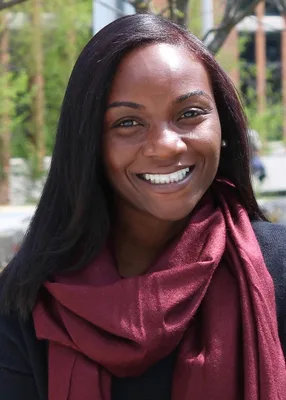

Posted online on February 17, 2020. 2019-nCoV was an interim name for the Novel Coronavirus. These studies, which included the 3D structure of the RBD (receptor binding domain) within the S protein, provided informati…