
Switzerland
189 entries published in Switzerland. 13 publication places.
1581
#56
Medici antique Graeci: Aretaeus, Palladius, Ruffus, Theophilus: Physici & chirurgi. Partim nunquam, partim antea, sed nunc auctiores editi. Omnes a Junio Paulo Crasso Patavino Latio donati. Quibus accesserunt Stephanus Athen & ipsius Crassi Quaestiones medicae & naturales.
An anthology of ancient Greek and more recent medical texts edited by Crassi. Digital facsimile from the Internet Archive at this link.
1584
#12946
Observationes medicae de capite humano: Hoc est, exempla capitis morborum , causarum signorum, evetuum, curationum, ut singularia, sic abdita & monstrosa, ex clariss. medicorum, veterum simul & recentiorum scriptis.
This work Schenck described his personal observations of language disorders, along with the observations of other physicians. He has been called a pioneer of neurolinguistics. Digital facsimile from Google Books at th…
1586 –1588
#6012
Gynaeciorum sive de mulierum affectibus commentarii Graecorum, Latinorum, barbarorum, iam olim & nunc recens editorum: in tres tomos digesti, et necessariis passim imaginibus illustrati. 4 vols.
A hugely enlarged version of No. 6011, with texts in Greek as well as Latin. Digital facsimile of vol. 1 from Google Books at this link.
1589 –1591
#8466
Der Bücher und Schriften des Edlen, Hochgelehrten und Bewehrten Philosophi und Medici, Philipi Thephrasti Bombast von Hohen hem, Paracelsi genannt. Edited by Johannes Huser. 10 vols.
First edition of Paracelsus's collected works. Though all the autographs of Paracelsus's writings were later lost, Huber, who was born shortly after Paracelsus's death, was able to collect a great number of autographs…
1590
#6743.1
Bibliotheca medica. Sive catalogus illorum, qui ex professo artem medicam in hunc usque annum scriptis illustrarunt.
The first systematic medical bibliography. Includes an annotated list of 1,224 authors writing in Latin, lists of French, German, and Italian writers, and other material. Digital facsimile from Google Books at this link.
1592
#379
Theatrum anatomicum infinitis locis auctum, ad morbos accommodatum....
Includes historical data. Bauhin was professor of anatomy at Basle.
1602 –1603
#2195
Praxeos seu de cognoscendis, praedicendis, praecavendis, curandisque affectibus homini incommodantibus. 2 vols.
The first attempt at a classification of diseases according to symptoms. Over a period of 50 years Platter dissected more than 300 bodies and made many observations of value to pathological anatomy.
1606 –1641
#5570
Observationum et curationum chirurgicarum centuriae. 6 vols.
Fabricius’s most important work; it was the best collection of case-records available for many years. Among other things, Fabricius used a magnet to extract an iron splinter from the eye – an idea suggested to him by …
1607
#2245
De combustionibus.
First book devoted entirely to burns. Fabry was the first to classify burns. Translated into English by John Steer as: Gulielm, Fabricius Hildamus, his experiments in chyrurgerie concerning combustions or burnings mad…
1614
#3789
Observationum in hominis affectibus plerisque, corpori & animo, functionum laesione, dolore, aliave molestia & vitio incommodantibus, libri tres.
First known report of a case of death from hypertrophy of the thymus, in an infant, is reported on p. 172; it is reproduced on p. 239 of J. Ruhräh’s Pediatrics of the past, New York, 1925. Platter first described flex…
1615
#2142
New Feldt Arztny Buch von Kranckheiten und Schäden, so in Kriegen den Wundartzten gemeinlich fürfallen.
Fabry’s book includes an early description of a field drug chest for army use. He was one of the most eminent surgeons of his time, although not prepared to adopt all the teachings of Paré. He had considerable mechani…
1623
#9868
Pinax theatri botanici.
The Pinax theatri botanici (English, Illustrated exposition of plants) described and classified about 6,000 species. "The classification system was not particularly innovative, using traditional groups such as "trees"…
1658
#2703
Observationes anatomicae, ex cadaveribus eorum, quos sustulit apoplexia.
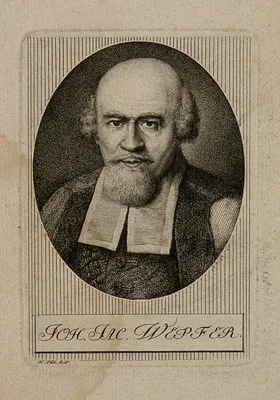
Wepfer showed apoplexy to be a result of hemorrhage into the brain. He described four cases, with clinical and post mortem findings. He preceded Willis (No. 1378) in describing the “circle of Willis”. Partial English …
1665
#2246
De siriasi.
A treatise on sunstroke.
1676 –1680
#62
Opera omnia. 2 vols.
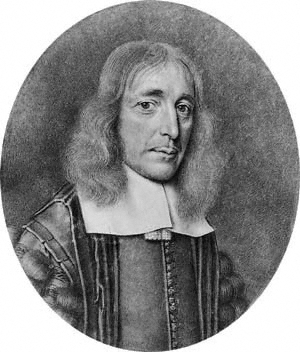
Willis was remarkable for his careful clinical observation. He was second only to Sydenham in his day. To him we owe the original descriptions of several conditions. Digital facsimile of the Lyon, 1681 edition from th…
1677
#1100
Exercitatio anatomico-medica de glandulis intestinorum, earumque usu et affectionibus.
Independently of Bartholin and Rudbeck, George Joyliffe (1621-58) observed the lymphatics. He communicated his discovery to Glisson early in 1652 and the latter included an account in the above work (Cap. xxxi). See N…
1679
#974.1
Cicutae aquaticae historia et noxae.
This is primarily a work on the poisonous water hemlock, its dangerous effects, its medicinal uses, and antidotes to counter the poison. However, it also contains the first description of the tiny glands in the mucosa…
1679
#2274
Sepulchretum, sive anatomia practica ex cadaveribus morbo denatis. 2 vols.
This is the first collection of systematized pathological anatomy. It contains clinical and pathological descriptions of nearly 3,000 cases selected from the literature from the time of Hippocrates, but mainly from th…
1682
#10017
Mercurius compitalitius, sive, Index medico-practicus.per decisiones, cautiones, animadversiones, castigationes & observationes in sugulis affectibus praeter naturam et praesidiis medicis, deaeteticis, cheirurgicis & pharmaceuticis... Accessit appendix de medici munere.
Discusses 63 topics on medical ethics and decorum, patient behavior, medical diagnosis, prognosis, and practice guidelines, including how to relate to the patient in all matters, including extreme old age and death. "…
1685
#11174
Bibliotheca anatomica sive recens in anatomia inventorum thesaurus locupletissimus, in quo integra qtque absolutissima totius corporis humani descriptio, eiusdémque oeconomia è praestantissimorum quorumque anatomicorum tractatibus singularibus, tum facenus in lucem edis, tum etiam indeditis, concinnata exhiibetur....2 vols.
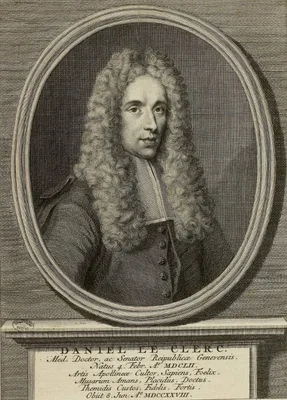
With reproductions of the original engraved plates, Bibliotheca anatomica was the most extensive compilation of anatomical treatises published in the 17th century. It was an extensive anatomical library in 2 thick vol…
1694
#10492
Dissertatio inauguralis physico-anatomica de motu musculorum.
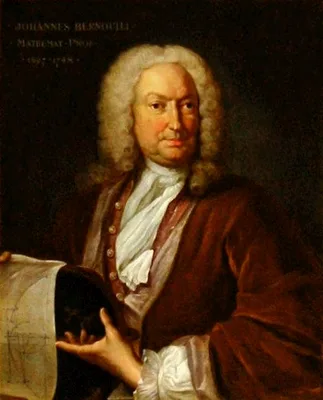
Digital facsimile from e-rara.ch at this link. Facsimile edition translated into English, with a related thesis by Bernouilli, by Paul Macquet, assisted by August Zigellar, with an introduction by Troels Kardel as Dis…
1702
#11175
Bibliotheca chemica curiosa, seu rerum ad alchemiam pertinentium thesaurus instructissimus; quo non tantum artis auriferae, ac scriptorum in ea nobiliorum historia traditur; Lapidis veritas argumentis & experimentis innumeris. 2 vols.
A library of chemical and alchemical works, including various alchemical works (some illustrated) that were already rare by Manget's time. Digital facsimile from the Internet Archive at this link.
1718
#71
Jo. Mariae Lancisii archiatri pontificii. Opera quae hactenus prodierunt omnia; dissertationibus nonnullis adhuc dum ineditis locupletata, & ab ipso auctore, recognita atque emendata. Collegit, ac in ordinem digessit Petrus Assaltus. 2 vols.
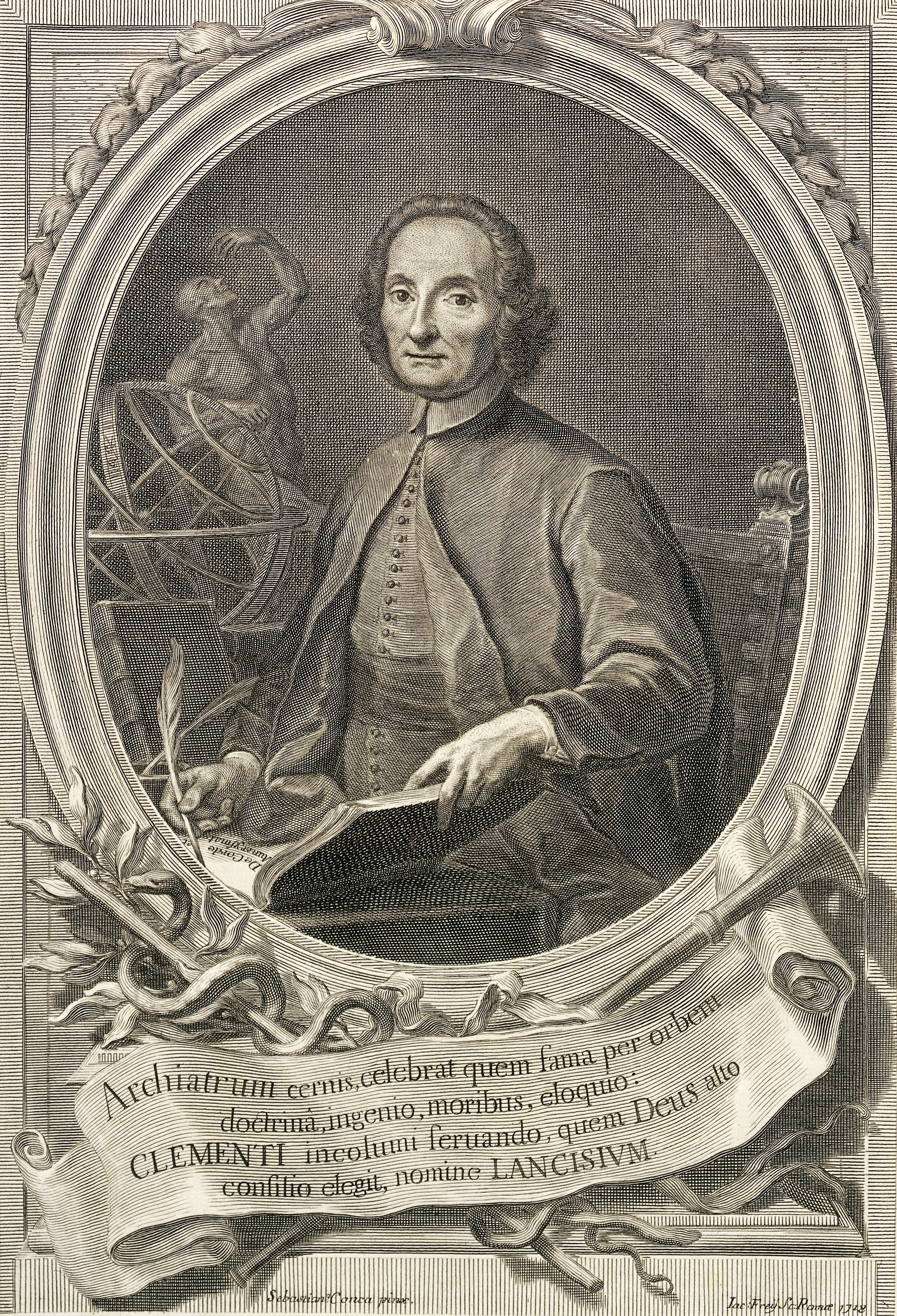
Lancisi's collected works edited by Pietro Assalti. Lancisi was the first to describe cardiac syphilis; he was also notable as an epidemiologist, with a clear insight into the theory of contagion. He was physician to …
1721
#11173
Bibliotheca chirurgica sive rerum ad artem Machoanicam quoquô spectantium thesaurus absolutissimus quo omnes prorsus humani corporis affectiones chiurgi manum, aut aliam aliquam eiusdem operam exposcentes, ordine alphabetico explicantur. 4 vols.
A compilation of mostly complete surgical treatises, representing what Manget considered an essential surgical library of then-modern as well as classical texts-- a surgical library in 4 large volumes. Digital facsimi…
1731
#11172
Bibliotheca scriptorum medicorum, veterum et recentiorum ... sicque historia medica vere universalis... 4 vols.
Though the title might be translated as a library of medical writings, the set is an extensive bio-bibliographical dictionary of medical writers. Digital facsimile from Google Books at this link.
1740 –1753
#72
Opera omnia physico-medica. (Supplementum, etc) 9 vols.
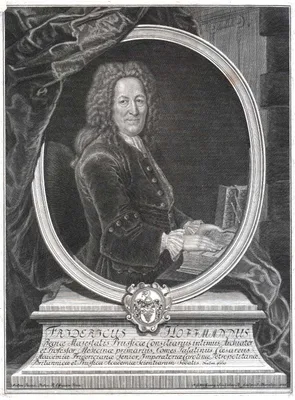
Hoffmann of Halle was the most important of the Iatromechanists. He believed an ether-like “vital fluid” to be present in the nervous system and to act upon the muscles, giving them “tonus”.
1748
#1987.3
Experiences sur l’électricité …
Discovery of stimulation of muscles by electricity, and the first proof that paralysis could be successfully treated by electricity.
1752
#6357.51
Der Arzney Doctor, Helvetisch-Vernünftige Wehe-Mutter, oder Gründlicher Unterricht, wie mit den Schwangern, Gebährenden, Kindbetterinnen und neugebohrnen Kindern umzugehen, selbige gebührend zu verpflegen, und in allerhand ihnen zustossenden Kranckheiten zu begegnen seye: Samt einer ausführlichen Beschreibung von Fortpflanzung des menschlichen Geschlechts, und aller weiblichen Leibes-Theilen, auch der Empfängniß, Formir- und Bildung der Frucht im Mutterleibe. Nebst des Verfassers curiösen Anmerckungen, selbst-bewährten Handgriffen, Curen und dazu dienlichen Arzney-Mitteln. Dem löblichen Frauenzimmer, geschwohrnen Weibern, und andern ehrbaren Frauen zu Nutz, mit besonderm Fleisse in fünf Abschnitte eingetheilt. Mit vielen Kupfern und dreyen Registern.
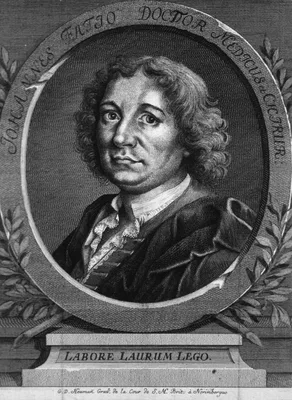
Fatio was probably the first surgeon to study and treat surgical conditions of children in a systematic fashion. His book, first published over 60 years after his death, is divided into five parts: 1) the anatomy of w…
1756
#11607
Deux mémoires sur le mouvement du sang, et sur les effets de la saignée, fondés sur des experiences faites sur des animaux.
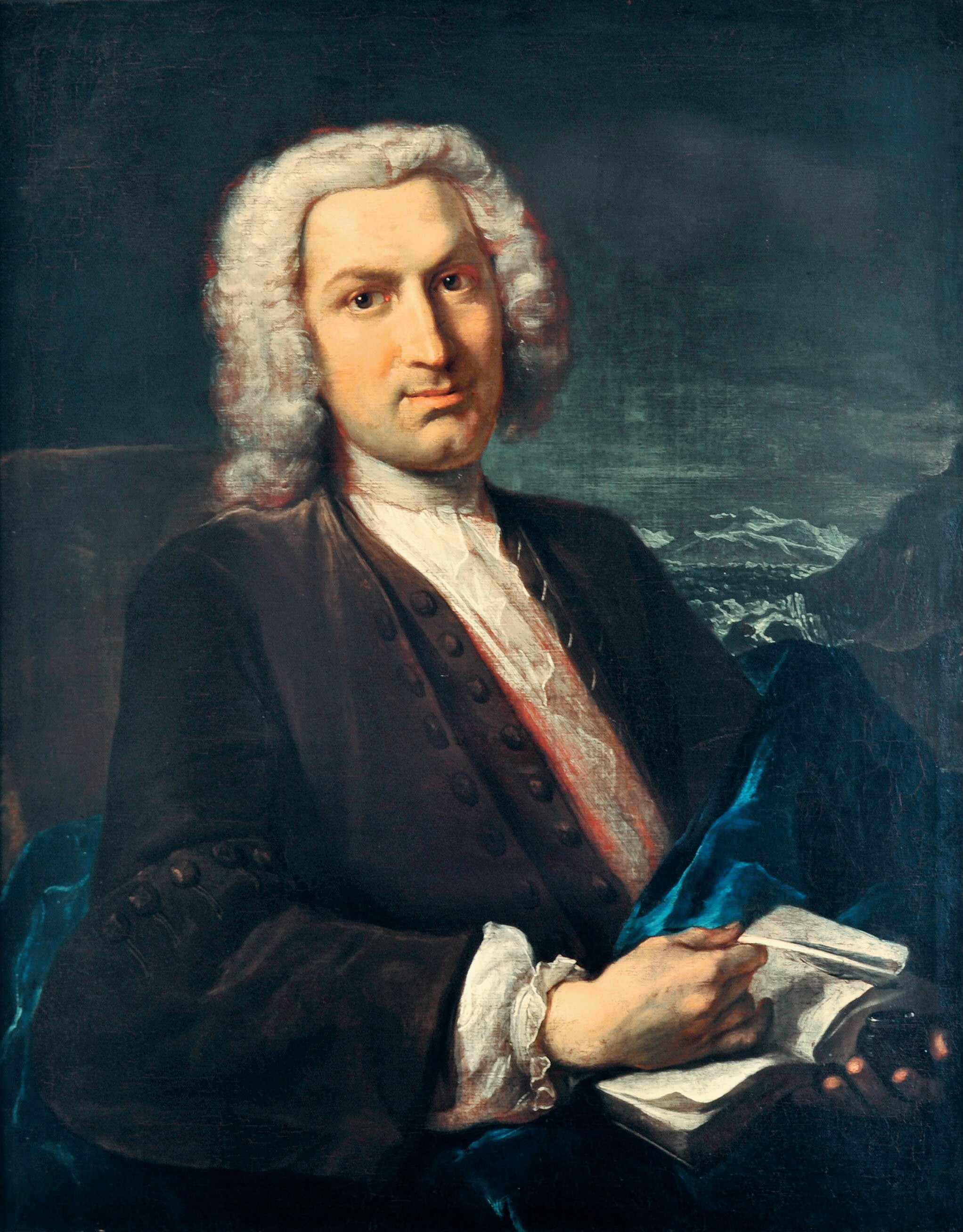
In these memoirs Haller described the results of 235 vivisections. Haller has been called "the founder of modern haemodynamics." "The myogenic theory of the heartbeat can be traced to Haller, who concluded on the basi…
1757 –1766
#588
Elementa physiologiae corporis humani. 8 vols.
Haller synthesized the whole physiological knowledge of his time. In the above, probably his greatest work, Haller included some anatomical descriptions which were most valuable. He is said to have written more than 1…
1757
#2095
De colica pictonum.
Tronchin, sometime physician to Voltaire, showed that the so-called “Poitou colic” was caused by drinking water which had passed through lead gutters. Tronchin introduced inoculation into Holland, France, and Switzerl…
1758
#469.2
Sur la formation du coeur dans le poulet…2 vols.
Haller devised a numerical method to demonstrate the rate of growth of the fetus, showing that the rate of growth is relatively rapid in the earlier stages but that the tempo gradually decreases. He calculated the rat…
1758
#10478
Dissertatio de febribus biliosis; seu historia epidemiae biliosae Lausannensis, An. MDCCLV. Accedit Tentamen de morbis ex manustupratione.
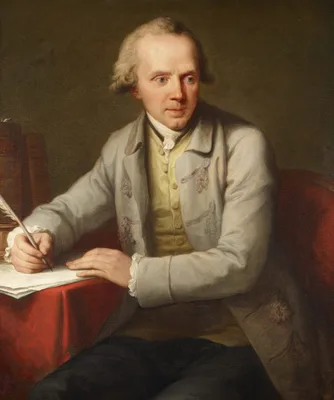
Tentamen de morbis ex manustupratione translated into French as L'onanisme; ou dissertation physique, sur les maladies produites par la masturbation.Traduit du Latin de Mr. Tissot. Et considerablement augementé par l'…
1761
#1597
Avis au peuple sur la santé.
A tract on medicine written for the lay public; it ran through many editions and was translated into all European languages. It has been called "the greatest medical best-seller of the eighteenth century" (Singy, "The…
1767
#5090
Von der Ruhr unter dem Volke im Jahr 1765.
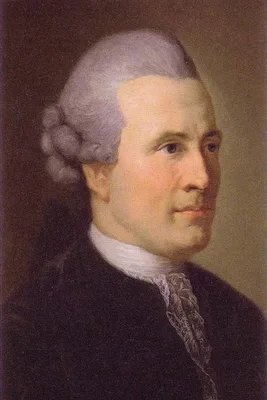
The first important monograph on bacillary dysentery. Translated into English by C. R. Hopson as A treatise on the dysentery, with a description of the epidemic dysentery that happened in Switzerland in the year 1765 …
1768
#534.54
Operum anatomici argumenti minorum tomus tertius, De Monstris.
Reprints and updates Haller’s earlier essays on various malformations. This work marks the beginning of scientific teratology, placing it on a foundation of sound anatomical description.
1768
#10475
La santé des gens de lettres.
Digital facsimile from BnF Gallica at this link. Translated into English by James Kirkpatrick as An essay on the disorders of people of fashion, and a treatise on the diseases incident to literary and sedentary person…
1771 –1772
#1833
Bibliotheca botanica. 2 vols.
This was the first of the several bibliographies compiled by Haller, one of the greatest figures in the history of medicine. The work contains the most exhaustive and thorough information of the writings in the field …
1774 –1777
#438
Bibliotheca anatomica. 2 vols.
Haller is one of the greatest names in medical bibliography. While pursuing his monumental scientific career he found time to compile bibliographies of botany, anatomy, medicine and surgery which together form the mos…
1774 –1775
#5789
Bibliotheca chirurgica. 2 vols
Reprinted, Hildesheim, G. Olms, 1971.
1776 –1788
#6747
Bibliotheca medicinae practicae. 4 vols.
Haller compiled four great bibliographies dealing respectively with botany, anatomy, surgery, and medicine. They formed the most complete reference work of the time, consisting of a classified analysis of over 52,000 …
1779
#4992.1
Mémoire sur la découverte du magnétisme animal.
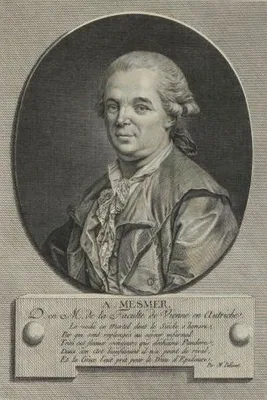
Mesmer promoted his system of treatment, based on his confused doctrine of a universal magnetic fluid influencing tides and men alike, with books and great personal showmanship. His treatment became such a popular hea…
1788
#4305
Description de plusieurs nouveaux moyens mécaniques propres à prevénir, borner et même corriger dans certains cas les courbures latérales et la torsion de l’épine du dos.
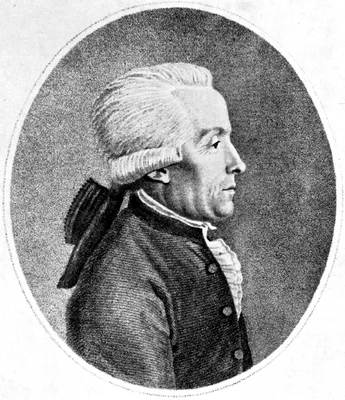
Venel stressed the necessity for prolonged periods of recumbency, rather than exercise, in the correction of spinal curvature. He invented a corset and extension bed for treating spinal deformities. His extension bed …
1792
#4518
De vertebralis columnae in morbis dignitate. In his Delectus opusculorum medicorum, 11, 1-50
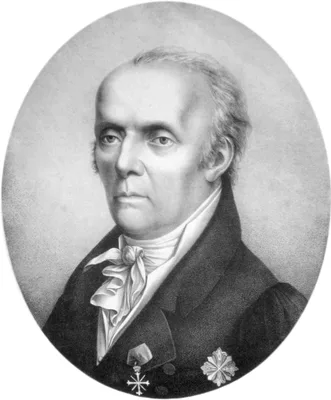
Frank, best remembered for his great services to public health, was the first physician to emphasize the gravity of diseases of the spinal cord.
1803
#11709
Mémoires sur la respiration par Lazare Spallanzani, traduits en français, d'après son manuscrit inédit, par Jean Senebier.
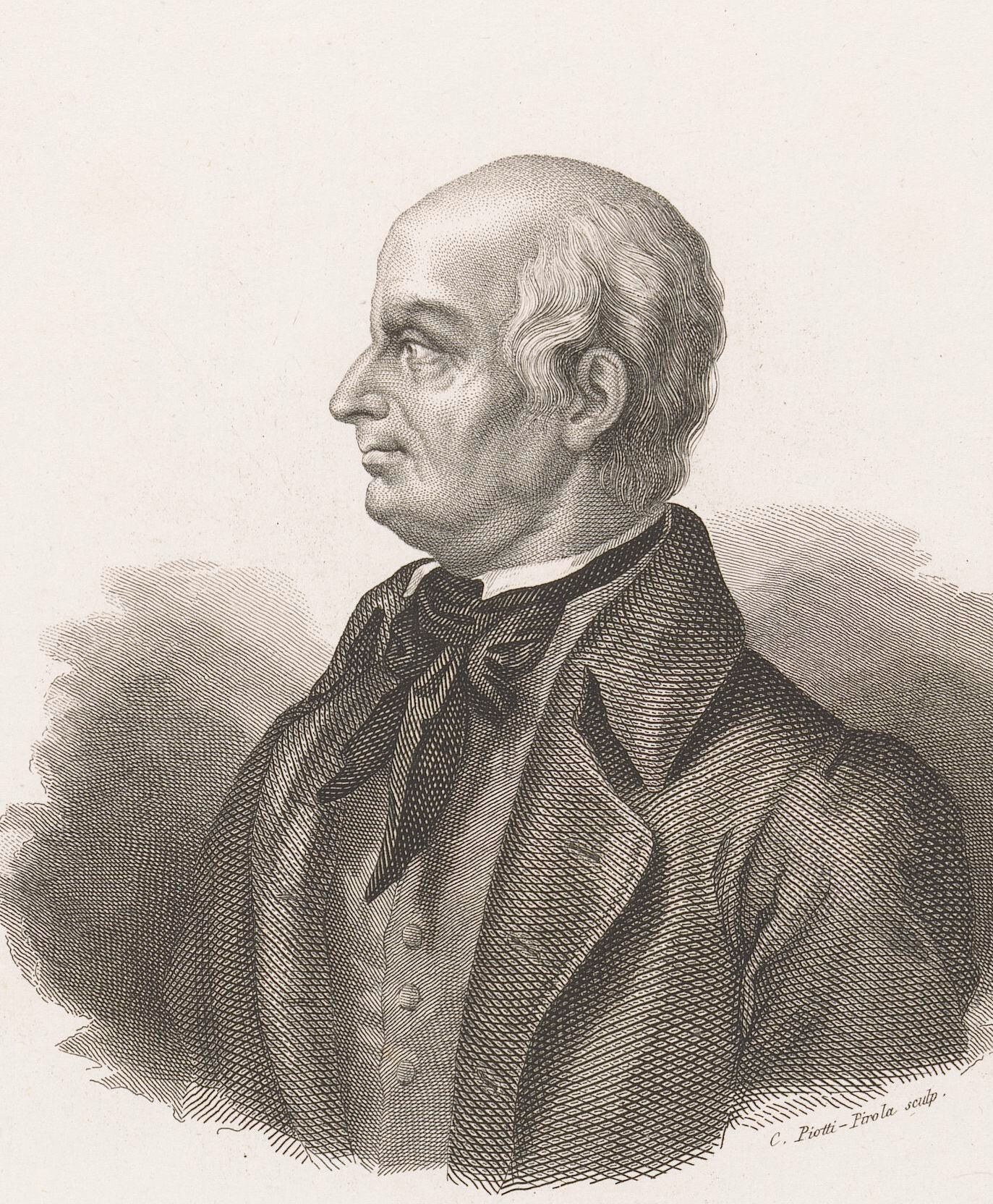
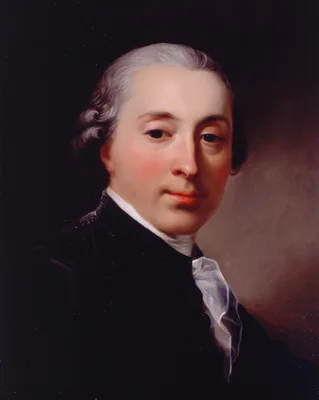
Spallanzani's experimental data laid the groundwork for modern conceptions of respiratory physiology. In concluding that the blood transported carbon dioxide as a product of tissue oxidation, Spallanzani discovered pa…
1844
#1501
Untersuchungen zur Kenntniss des körnigen Pigments der Wirbelthiere in physiologischer und pathologischer Hinsicht.
Includes a description of “Bruch’s membrane” of the choroid.
1859
#13606
Le chirurgien à l'ambulance ou quelques études pratiques sur les plaies par armes à feu suivies de lettres à un collègue sur les blessés de Palestro, Magenta, Marignan et Solferino.
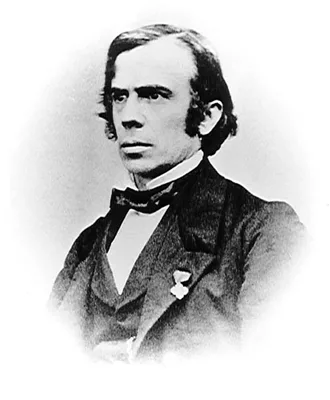
Appia became one of the original five founders of what was later named the International Committee of the Red Cross. English translation as The ambulance surgeon or practical observations on gunshot wounds, edited by …
1862
#2166
Un souvenir de Solferino.
Dunant’s account of the great sufferings endured by the wounded at Solferino inspired the creation of the International Committee of the Red Cross (ICRC) in 1863, and resulted in the Geneva Convention of 1864. In 1901…
1864
#203.1
Crania Helvetica: Sammlung schweizerischer Schädelformen.
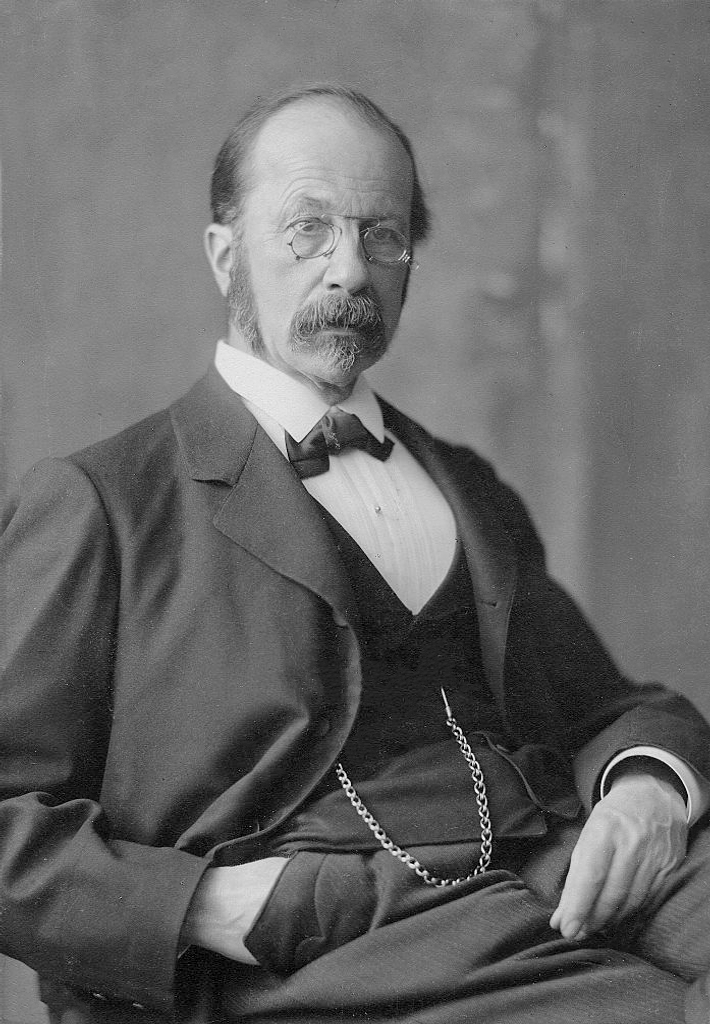
Digital facsimile from Google Books at this link.
1865
#490
Die Häute und Höhlen des Körpers.
A new classification of tissues based on histogenesis.