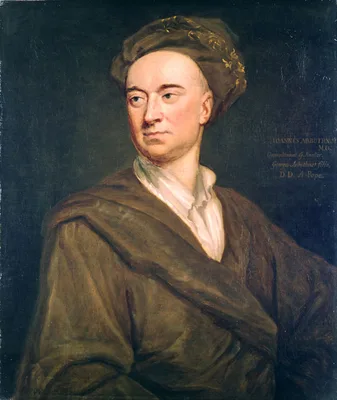
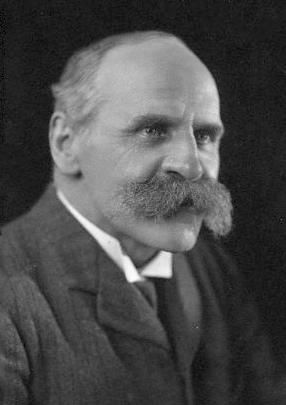
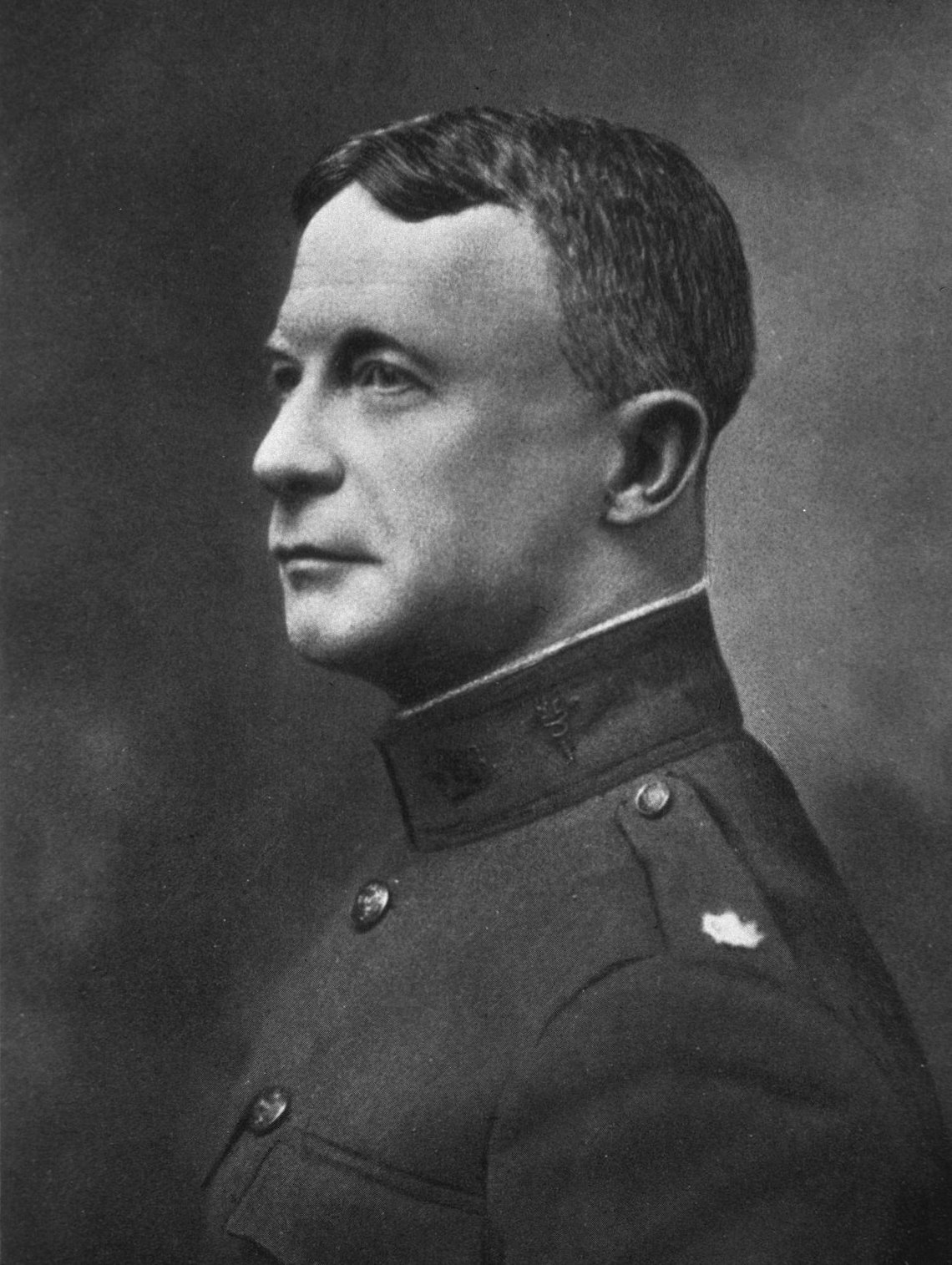
1733 ARBUTHNOT, John (1667 – 1735)
An essay concerning the effects of air on human bodies.
Arbuthnot believed that air had significant effects on personality, and he believed that the air of locations resulted in the characteristics of the people, as well as particular diseaes. He recommended ventilation of…
GMN 12499 · https://historyofmedicine.com/id/14732
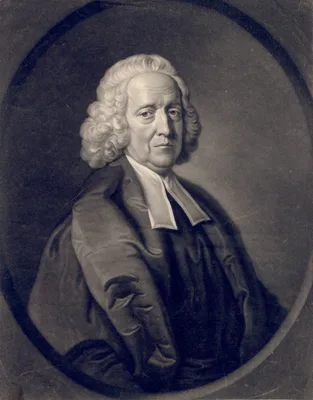
1743 HALES, Stephen (1677 – 1761)
A description of ventilators.
Hales devised a ventilator, by means of which fresh air could be introduced into jails, mines, hospitals, the holds of ships, etc. The invention met with immediate approval and contributed much towards health of those…
GMN 1596 · https://historyofmedicine.com/id/1709
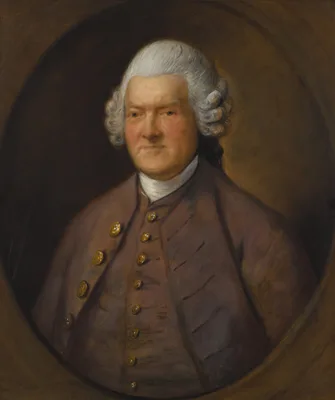
1750 PRINGLE, Sir John (1707 – 1782)
Observations on the nature and cure of hospital and jayl-fevers.
Pringle was a strong advocate of better ventilation in prisons and hospitals as a means of preventing typhus, which he showed to be identical with “hospital fever”.
GMN 5374 · https://historyofmedicine.com/id/7023
1752 PRINGLE, Sir John (1707 – 1782)
Observations on the diseases of the army, in camp and garrison.
Pringle, founder of modern military medicine, was Physician-General of the British Army from 1744 to 1752. His books lay down the principles of military sanitation and the ventilation of barracks, gaols, hospital ship…
GMN 2150 · https://historyofmedicine.com/id/2743
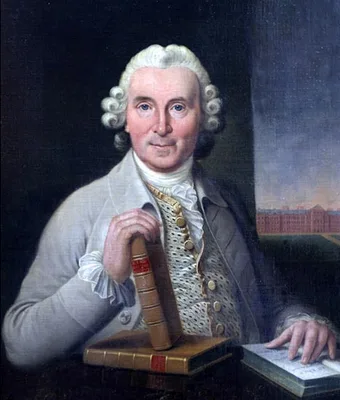
1757 LIND, James (1716 – 1794)
An essay on the most effectual means, of preserving the health of seamen, in the Royal Navy.
Lind is regarded as the founder of naval hygiene in England. Besides his work on scurvy (see No.3713), he is notable for the above book, which deals not only with the men but also with the appalling conditions in whic…
GMN 2151 · https://historyofmedicine.com/id/2746
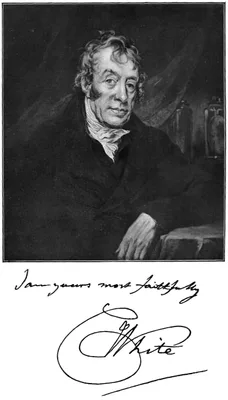
1773 WHITE, Charles (1728 – 1813)
A treatise on the management of pregnant and lying-in women, and the means of curing, but more especially of preventing the principal disorders to which they are liable. Together with some new directions concerning the delivery of the child and placenta in natural births. illustrated with cases.
White was the first to state clearly in a text on midwifery the necessity of absolute cleanliness in the lying-in chamber, the isolation of infected patients, and adequate ventilation. He instituted the principle of u…
GMN 6270 · https://historyofmedicine.com/id/7980
1814 WELLS, William Charles (1757 – 1817)
An essay on dew.
For this work Wells was awarded the Rumford Medal of the Royal Society. His researches on the subject were of major importance in the development of the science of ventilation, particularly in its relation to relative…
GMN 1604 · https://historyofmedicine.com/id/1851
1827 LEROY D’ETOILLES, Jean Jacques Joseph (1798 – 1860)
Recherches sur l’asphyxie.
“Leroy invented a two-bladed instrument to aid in the insertion of a laryngeal tube by the ability to control the direction of its tip. He also invented a limiting mechanism for the bellows, to enable given amounts of…
GMN 2028.55 · https://historyofmedicine.com/id/2099
1843 MCWILLIAM, James Ormiston (1808 – 1862)
Medical history of the expedition to the Niger during the years 1841-42, comprising an account of the fever which led to its abrupt termination.
McWilliam included a history of yellow fever, pathology, description of symptoms, sequences, causes, treatment. He also described the state of medicine among the Africans. He specifically described the ventilation of …
GMN 10737 · https://historyofmedicine.com/id/12932
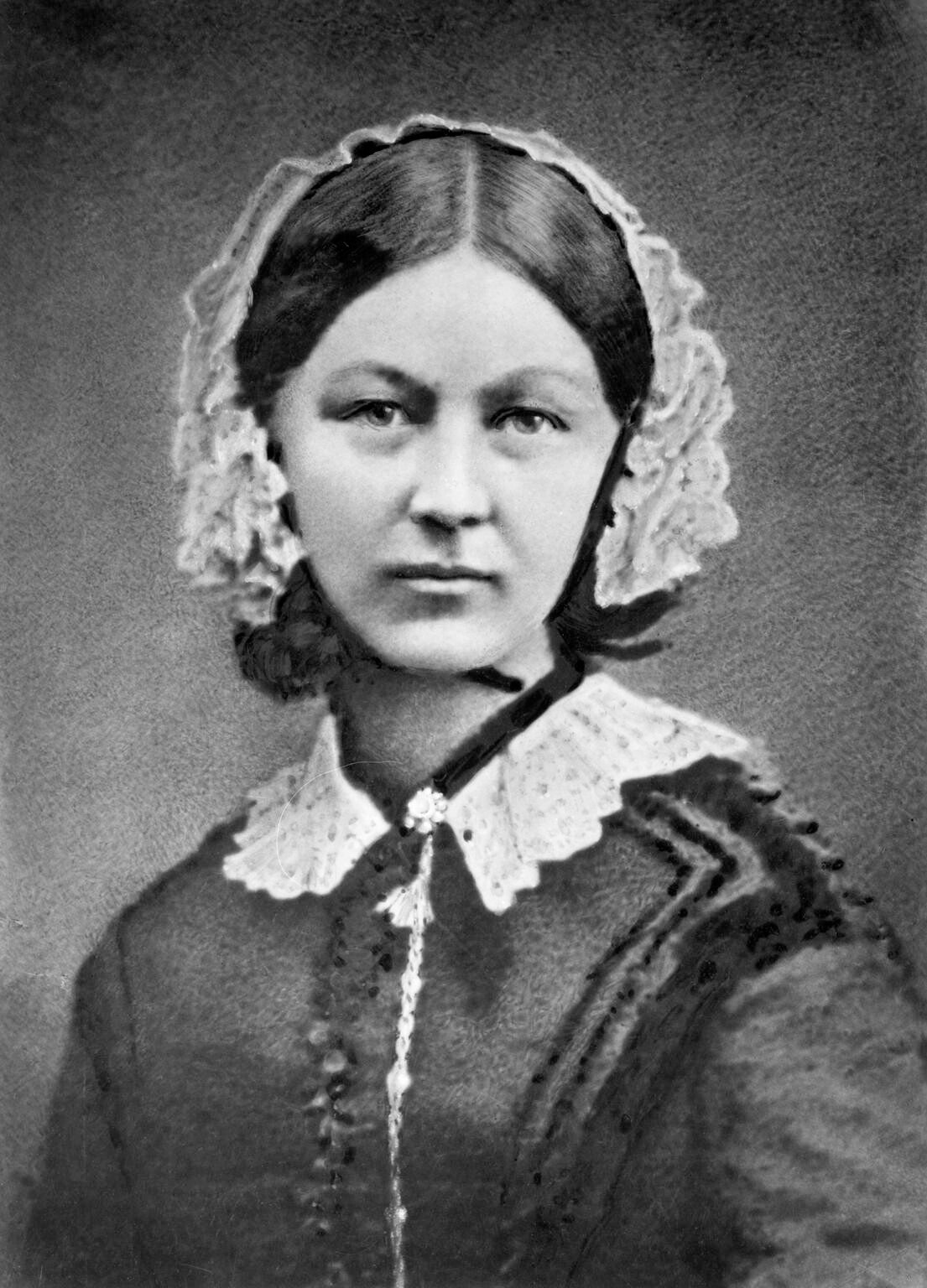
1858 NIGHTINGALE, Florence (1820 – 1910)
Notes on matters affecting the health, efficiency, and hospital administration of the British Army. Founded chiefly on the experience of the late war. Presented by request to the Secretary of State for War.
This privately printed pamphlet contained a color statistical graphic entitled "Diagram of the causes of mortality in the Army of the East" which showed that epidemic disease, which was responsible for more British de…
GMN 7481 · https://historyofmedicine.com/id/9653
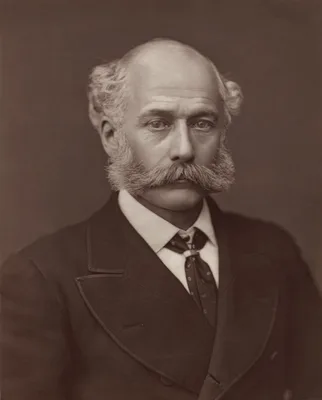
1866 –1869 BAZALGETTE, Sir Joseph William (1819 – 1891)
Metropolitan Board of Works Report on experiments with respect to the ventilation of sewers. 3 parts.
Bazalgette planned the sewers of London.
GMN 1615 · https://historyofmedicine.com/id/1926
1905 HALDANE, John Scott (1860 – 1936); PRIESTLEY, John Gillies (1880 – 1941)
The regulation of the lung-ventilation.
Proof of the regulation of respiration by CO2 concentration of the alveolar air
GMN 954 · https://historyofmedicine.com/id/245
1927 GARRISON, Fielding Hudson (1870 – 1935)
The history of heating, ventilation, and lighting.
GMN 1655 · https://historyofmedicine.com/id/2185