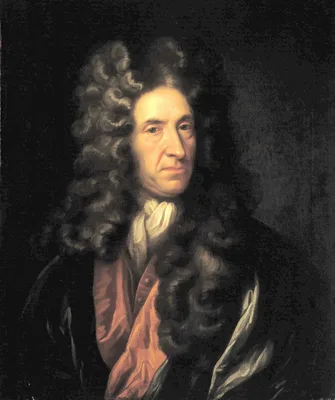
1722 DEFOE, Daniel (1660 – 1731)
A journal of the plague year: Being observatrions or memorials, of the most remarkable occurrences, as well publick as private, which happened in London during the last great visitation in 1665. Written by a citizen who continued all the while in London. Never made publick before.
Though he may be most widely remembered as a novelist--especially for Robinson Crusoe, Defoe was an English trader, writer of non-fiction as well as fiction, journalist, pamphleteer and spy. This book is an account of…
GMN 10199 · https://historyofmedicine.com/id/12388
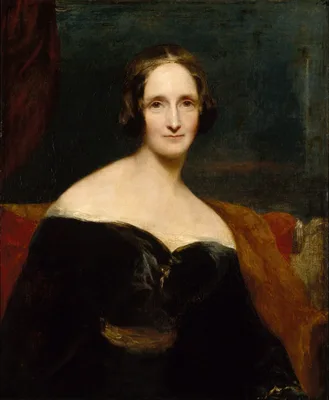
1818 SHELLEY, Mary Wollstonecraft (1797 – 1851)
Frankenstein; or, the modern prometheus. 3 vols.
The full digitized text of the 1818 is available from the Internet Archive at this link.
GMN 9692 · https://historyofmedicine.com/id/11879
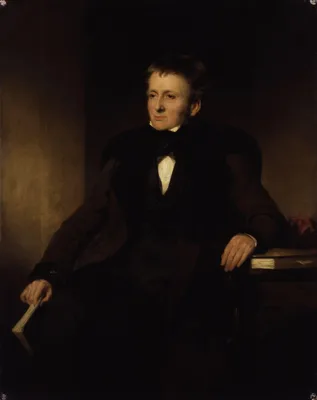
1822 DE QUINCEY, Thomas Penson (1785 – 1859)
Confessions of an opium eater.
First published anonymously in September and October 1821 in the London Magazine, 4, No. xxi, 293-312, and No. xxii, 353-79, the Confessions was released in book form in 1822, and, after various reprints, again in 185…
GMN 8904 · https://historyofmedicine.com/id/11082
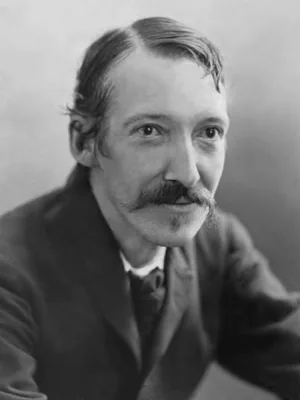
1884 STEVENSON, Robert Louis (1850 – 1894)
The body snatcher.
Loosely based upon the notorious crimes of Burke and Hare, who murdered 16 people in 1828 in order to sell their corpses to Scottish anatomist Robert Knox. In Stevenson's story, the anatomist is referred to as Mr. K__…
GMN 11841 · https://historyofmedicine.com/id/14045
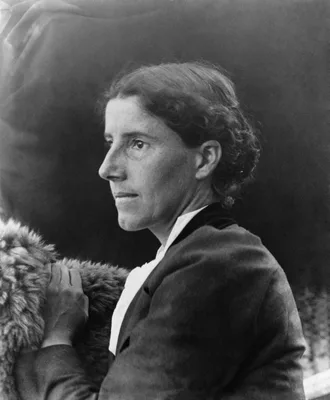
1892 GILMAN, Charlotte Perkins (1860 – 1935)
The yellow wall-paper.
This 6,000-word short story by is regarded as an important early work of American feminist literature, illustrating and critiquing 19th century attitudes toward women's health, both physical and mental. Digital facsim…
GMN 9725 · https://historyofmedicine.com/id/11912
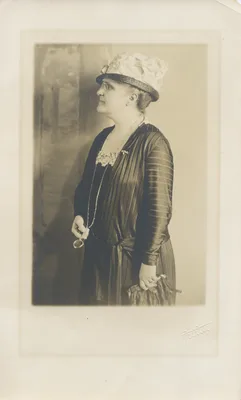
1892 MEYER, Annie Nathan (1867 – 1951)
Helen Brent, M. D. A social study.
A short, memorable novel about a woman who faces the agonizing choice between career and marriage, and chooses medicine. Among her achievements, Meyer was a founder of Barnard College. Digital facsimile from Google Bo…
GMN 13199 · https://historyofmedicine.com/id/15460
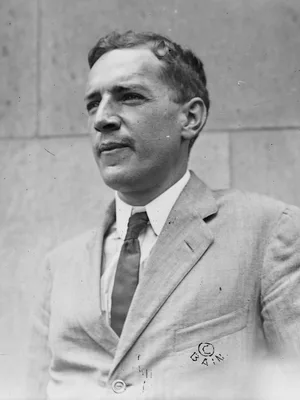
1906 SINCLAIR, Upton Beall Jr. (1878 – 1968)
The jungle.
Sinclair wrote The jungle to portray the harsh conditions and exploited lives of immigrants in the United States in Chicago and other industrialized cities. His primary purpose in describing the meat industry and its …
GMN 12739 · https://historyofmedicine.com/id/14985
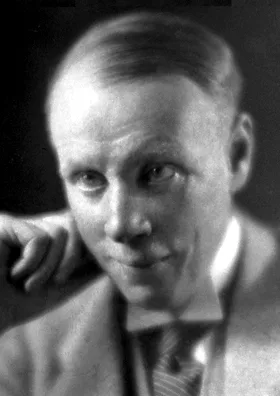
1925 LEWIS, Sinclair (1885 – 1951)
Arrowsmith.
"This novel has been inspirational for several generations of pre-medical and medical students. There is much agonizing along the way concerning career and life decisions. While detailing Arrowsmith's pursuit of the n…
GMN 10197 · https://historyofmedicine.com/id/12386
1930 NORRIS, Charles Gilman (1881 – 1945)
Seed, a novel of birth control.
GMN 12158 · https://historyofmedicine.com/id/14368
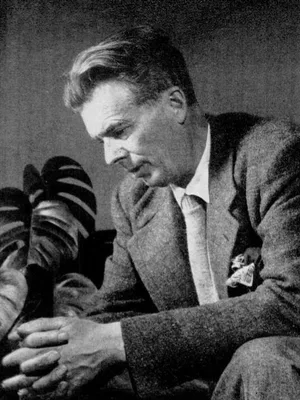
1932 HUXLEY, Aldous Leonard (1894 – 1963)
Brave new world.
"The novel opens in the World State city of London in AF (After Ford) 632 (AD 2540 in the Gregorian calendar), where citizens are engineered through artificial wombs and childhood indoctrination programmes into predet…
GMN 12160 · https://historyofmedicine.com/id/14370
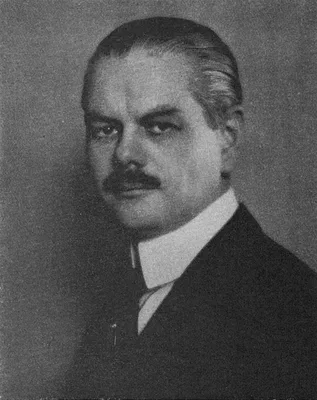
1937 CRONIN, Archibald Joseph (1896 – 1981)
The Citadel.
This novel was "groundbreaking with its treatment of the contentious theme of medical ethics. It has been credited with laying the foundation in Great Britain for the introduction of the NHS a decade later.[1] "For hi…
GMN 10198 · https://historyofmedicine.com/id/12387
1937 PRITCHER, Jacob Leon
A sex starved world.
A eugenic utopian fantasy, in which we accompany a doctor in his dream journey to the liberated land of Amor. Pritcher presents an impassioned argument for free universal health care, contraception, no-fault divorce, …
GMN 11797 · https://historyofmedicine.com/id/13999
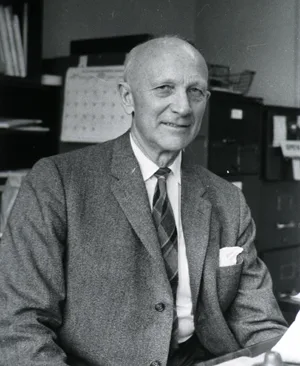
1960 PENFIELD, Wilder Graves (1891 – 1976)
The torch.
A romantic and inspirational historical novel about Hippocrates by the great Canadian neurosurgeon.
GMN 6623.2 · https://historyofmedicine.com/id/7690
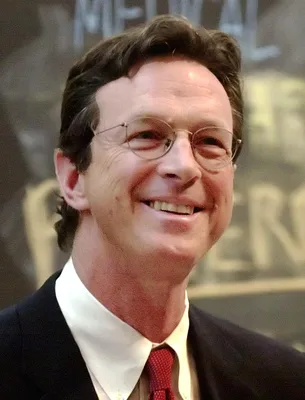
1969 CRICHTON, Michael (1942 – 2008)
The Andromeda strain. A novel.
A techno-thriller novel documenting the efforts of a team of scientists investigating the outbreak of a deadly extraterrestrial microorganism in Arizona.
GMN 11840 · https://historyofmedicine.com/id/14044
1985 MARQUEZ, Gabriel García José de la Concordia (1927 – 2014)
El amor en los tiempos de cólera.
"Set in a country on the Caribbean coast of South America, the story ranges from the late nineteenth century to the early decades of our own, tracing the lives of three people and their entwined fates. And yet, at fir…
GMN 12147 · https://historyofmedicine.com/id/14357
2003 FRANK, Lawrence
Victorian detective fiction: The scientific investigations of Poe, Dickens, and Doyle.
GMN 12059 · https://historyofmedicine.com/id/14268
2007 CAPO, Beth Widmaier (1973 – )
Textual contraception: Birth control and modern American fiction.
GMN 12159 · https://historyofmedicine.com/id/14369
2013 BOEHM, Katharina
Charles Dickens and the sciences of childhood: Popular medicine, child health and victorian culture .
GMN 10712 · https://historyofmedicine.com/id/12906
2017 SHELLEY, Mary Wollstonecraft (1797 – 1851); GUSTON, David H.; FINN, Ed (1980 – ); ROBERT, Jason Scott
Frankenstein: Annotated for scientists, engineers, and creators of all kinds
GMN 9693 · https://historyofmedicine.com/id/11880
2020 MANGHAM, Andrew (1979 – )
The science of starving in Victorian literature, medicine, and political economy.
GMN 13774 · https://historyofmedicine.com/id/16061