1478 OPPIANUS, [Ὀππιανός; Oppian of Anazarbus, of Corycus, or of Cilicia] (140 – ); LIPPIUS, Laurentius (Lorenzo Lippi) (1440 – 1485)
Halieutica, sive de piscatu. [Translated by Lorenzo Lippi, with recipes for cooking added by Lippi.]
The didactic poem on fish and fishing by Oppian of Anazarbus, a 2nd-century Greco-Roman poet, survived the Middle Ages essentially in its entirety, consisting of 3500 lines in Greek. The poem was dedicated to the empe…
GMN 7086 · https://historyofmedicine.com/id/9253
1491 LOUFFENBURG, Heinrich von (Laufenberg) (1391 – 1460)
Versehung des Leibs.
Written in 1429, this didactic poem is the first known text to be devoted to the normal physiology and common illnesses of children. It was written in old Swabian, and its author was a monk. The poem was probably inte…
GMN 6314 · https://historyofmedicine.com/id/8066
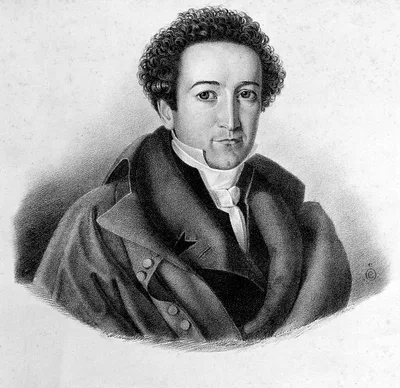
1530 FRACASTORO, Girolamo [FRACASTORIUS] (1478 – 1553)
Syphilis sive morbus gallicus.
The most famous of all medical poems. It epitomized contemporary knowledge of syphilis, gave to it its present name, and recognized a venereal cause. Fracastorius refers to mercury as a remedy. First complete English …
GMN 2364 · https://historyofmedicine.com/id/3194
1575 HUARTE Y NAVARRO, Juan [HUARTE DE SAN JUAN] (1529 – 1588)
Examen de ingenios para las ciencias.
Huarte was a distinguished Spanish physician and psychologist. His Examen, which gained for him a European reputation, was the first attempt to show the connection between psychology and physiology. English translatio…
GMN 4964 · https://historyofmedicine.com/id/6362
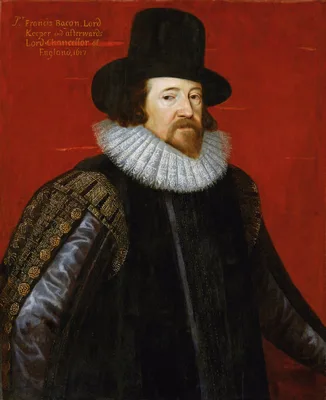
1623 BACON, Francis (1561 – 1626)
Historia vitae & mortis. Sive, titulus secundus in historia naturali & experimentali ad condendam philosophiam: Quae est instaurationis magnae pars tertia.
This was Bacon's direct contribution to medicine or medical philosophy, with natural and experimental observations on the prolongation of life. Translated into English as The History naturall And experimentall, of lif…
GMN 10491 · https://historyofmedicine.com/id/12684
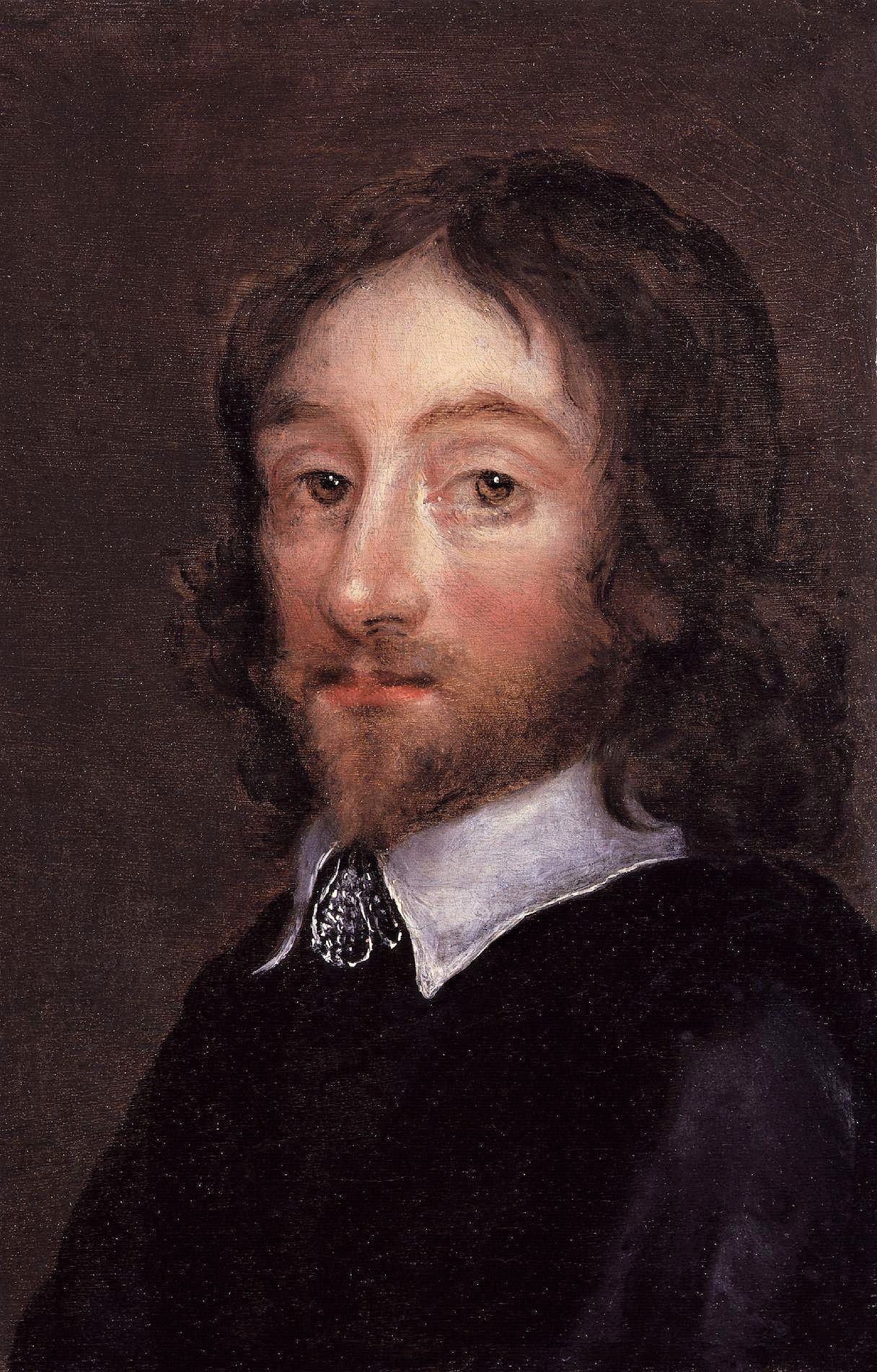
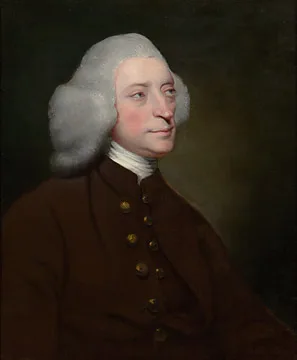
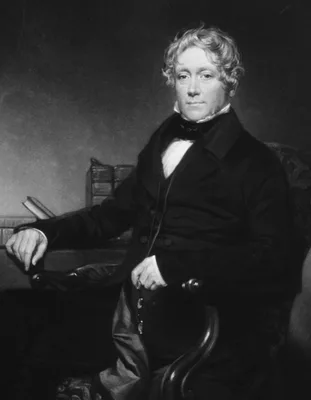
1642 BROWNE, Sir Thomas (1605 – 1682)
Religio medici.
The most famous work of English literature written by a physician. Browne did not intend to have it published, but manuscripts of the work circulated privately. Two unauthorized and inaccurate editions were issued sur…
GMN 6612.9 · https://historyofmedicine.com/id/7664
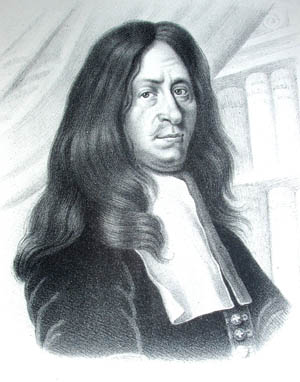
1669 BARTHOLIN, Thomas (1616 – 1680)
De medicis poetis dissertatio.
GMN 6613 · https://historyofmedicine.com/id/7665
1686 BROWNE, Sir Thomas (1605 – 1682)
Works. Containing I. Enquiries into vulgar and common errors. II. Religio medici: With annotations and observations upon it. III. Hydriotaphia; or, urn-burial: Together with the garden of Cyrus. IV. Certain miscellaneous tracts. With alphabetical tables.
Digital facsimile from the Internet Archive at this link.
GMN 9395 · https://historyofmedicine.com/id/11578
1690 BROWNE, Sir Thomas (1605 – 1682)
A letter to a friend, upon occasion of the death of his intimate friend.
One of the most eloquent and learned discussions of death. Full annotated text from penelope.uchicago.edu at this link.
GMN 10055 · https://historyofmedicine.com/id/12244
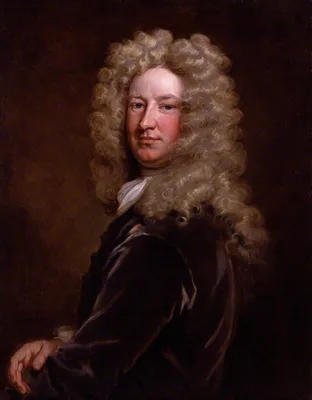
1699 GARTH, Samuel (1661 – 1719)
The dispensary: A poem. In six cantos.
An aggressive criticism of quack medicines, apothecaries who produced them, and physicians who prescribed them.
GMN 7965 · https://historyofmedicine.com/id/10141
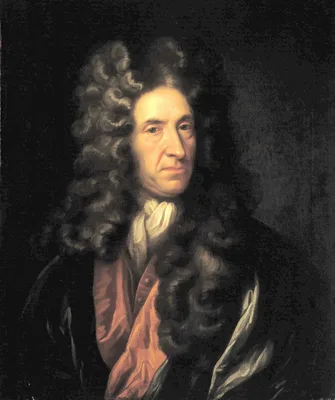
1722 DEFOE, Daniel (1660 – 1731)
A journal of the plague year: Being observatrions or memorials, of the most remarkable occurrences, as well publick as private, which happened in London during the last great visitation in 1665. Written by a citizen who continued all the while in London. Never made publick before.
Though he may be most widely remembered as a novelist--especially for Robinson Crusoe, Defoe was an English trader, writer of non-fiction as well as fiction, journalist, pamphleteer and spy. This book is an account of…
GMN 10199 · https://historyofmedicine.com/id/12388
1744 ARMSTRONG, John (1709 – 1779)
The art of preserving health: A poem.
John Armstrong was the brother of George Armstrong. Digital facsimile from the Internet Archive at this link. The edition consisted of 1250 of which 50 were on "fine paper."
GMN 10814 · https://historyofmedicine.com/id/13010
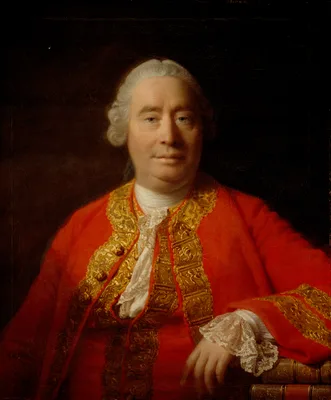
1777 HUME, David (1711 – 1776)
Two essays. [Essay I. Of suicide]
Of suicide, "probably the most widely read and most influential philosophical treatment of suicide written in modern times," was written in 1755 and originally intended to be published as one of five essays, including…
GMN 10347 · https://historyofmedicine.com/id/12539
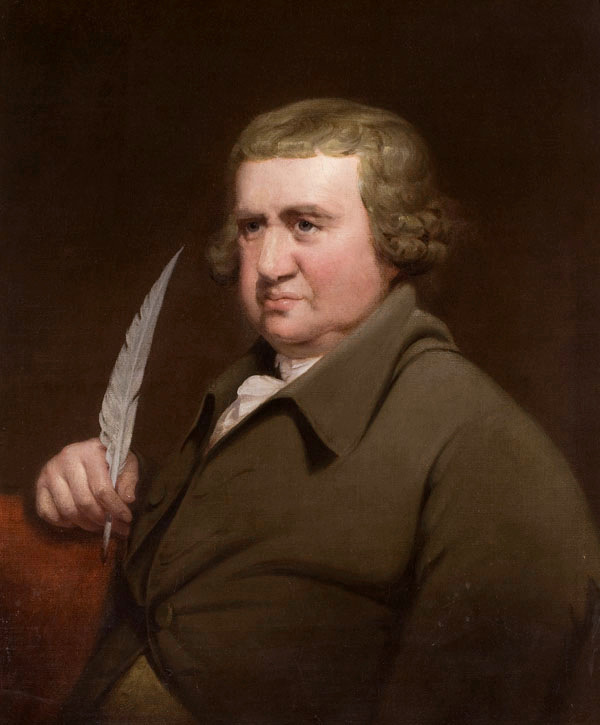
1789 –1791 DARWIN, Erasmus (1731 – 1802)
The botanic garden: A poem in two parts. Part I. Containing the economy of vegetation. Part II. The loves of the plants. With philosophical notes. 2 vols.
The first edition of part 2, preceded part 1, being published in 1789. This poem was the chief source of Erasmus Darwin's literary fame during his lifetime. Like his other works, this poem contains a great deal of fre…
GMN 8921 · https://historyofmedicine.com/id/11099
1803 DARWIN, Erasmus (1731 – 1802)
The temple of nature; or the origin of society. A poem, with philosophical notes.
Erasmus Darwin's last poem, which mainly expounds his theories of evolution. He traces the progress of life form its origin as microscopic specks in premeval seas to its culmination in a civilized human society. The f…
GMN 8922 · https://historyofmedicine.com/id/11100
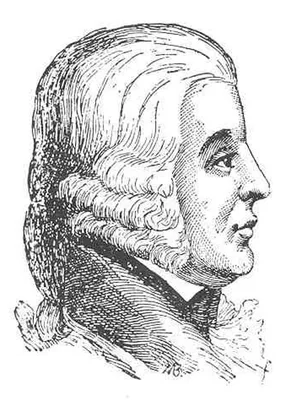
1803 FESSENDEN, Thomas Green (1771 – 1837)
A poetical petition against tractorising trumpery and the Perkinistic institution: In four cantos. Most respectfully addressed to the Royal College of Physicians.
This medical satire in doggerel verse, which was ostensibly an attack on Perkins' metallic tractors, or "Perkinism" was actually written in support of them. The work was best known for its second and greatly expanded …
GMN 13026 · https://historyofmedicine.com/id/15276
1804 DARWIN, Erasmus (1731 – 1802); SEWARD, Anna
Memoirs of the life of Dr. Darwin, chiefly during his residence in Lichfield: With anecdotes of his friends, and criticisms on his writing.
Digital facsimile from the Internet Archive at this link.
GMN 12687 · https://historyofmedicine.com/id/14932
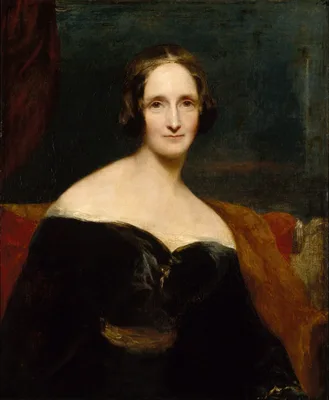
1818 SHELLEY, Mary Wollstonecraft (1797 – 1851)
Frankenstein; or, the modern prometheus. 3 vols.
The full digitized text of the 1818 is available from the Internet Archive at this link.
GMN 9692 · https://historyofmedicine.com/id/11879
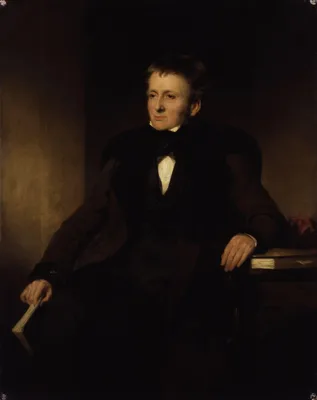
1822 DE QUINCEY, Thomas Penson (1785 – 1859)
Confessions of an opium eater.
First published anonymously in September and October 1821 in the London Magazine, 4, No. xxi, 293-312, and No. xxii, 353-79, the Confessions was released in book form in 1822, and, after various reprints, again in 185…
GMN 8904 · https://historyofmedicine.com/id/11082
1833 BROWN, Solyman (1790 – 1876); PARMLY, Eleazer (1797 – 1874)
Dentologia, a poem on the diseases of the teeth and their proper remedies. With notes, practical, historical, illustrative, and explanatory, by Eleazar Parmly.
Brown founded the first US dental school, the first US national dental society, called The American Association of Dental Surgeons, and the first US dental journal, entitled the American Journal and Library of Dental …
GMN 12866 · https://historyofmedicine.com/id/15113
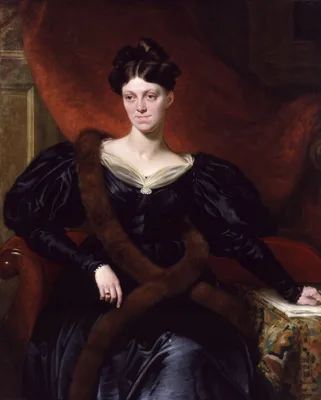
1844 MARTINEAU, Harriet (1802 – 1976)
Life in the sickroom: Essays by an invalid.
"Life in the Sickroom is one of many first-hand accounts of the experience of being ill written by an invalid. Martineau was ill for six years, but she found taking on the identity of an invalid a reprieve from the st…
GMN 12136 · https://historyofmedicine.com/id/14345
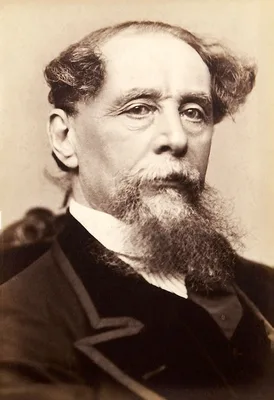
1852 DICKENS, Charles John Huffam (1812 – 1870)
A curious dance round a curious tree.
Dickens' account of his visit on the day after Christmas, 1851 to the wards at St. Luke's Hospital for Lunatics, founded in 1751 to provide free care to the impoverished and incurable mentally ill. "The inhabitants of…
GMN 12047 · https://historyofmedicine.com/id/14255
1858 MENIÈRE, Prosper (1799 – 1862)
Etudes médicales sur les poètes latins.
GMN 6614 · https://historyofmedicine.com/id/7667
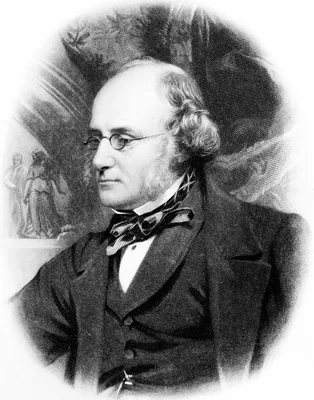
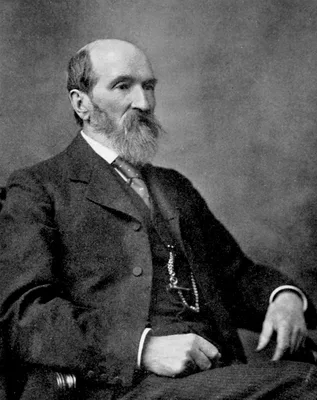
1858 –1882 BROWN, John (1810 – 1882)
Horae subsecivae. Locke and Sydenham with other occasional papers. [Vol. 2:] Rab and his friends and other papers.
William Osler promoted the value of the writings of the popular medical essayist John Brown to the medical community. He wrote: "To the medical student the writings of Dr. John Brown have this special value - they imp…
GMN 11660 · https://historyofmedicine.com/id/13861
1858 DICKENS, Charles John Huffam (1812 – 1870)
Speech of Charles Dickens, Esq., on behalf of The Hospital for Sick Children, 49, Great Ormond Street. Patron, - Her Majesty the Queen. The objects of the institution are - I. The medical and surgical treatment of poor children. II. The attainment and diffusion of knowledge regarding the diseases of children. 3. The training of nurses for children.
Speech of Charles Dickens as Chairman at the Dinner on Behalf of the Hospital for Sick Children, February 9th, 1858. This 10-page pamphlet was first published in 1858 and reprinted in 1864, in 1865, and in 1874 to rai…
GMN 12065 · https://historyofmedicine.com/id/14274
1860 BUCKNILL, Sir John Charles (1817 – 1897)
The medical knowledge of Shakespeare.
GMN 6615 · https://historyofmedicine.com/id/7669
1861 MARX, Karl Friedrich Heinrich (1796 – 1877)
Ueber die Beziehungen der darstellenden Kunst zur Heilkunst. Aus dem zehnten Bande der Abhandlungen der Königlichen Gesellschaft der Wissenschaften zu Göttingen.
Digital facsimile from Google Books at this link.
GMN 10039 · https://historyofmedicine.com/id/12228
1863 CONOLLY, John (1794 – 1866)
A study of Hamlet.
The first psychiatric study of Hamlet. Digital facsimile from the Internet Archive at this link.
GMN 6615.1 · https://historyofmedicine.com/id/7671
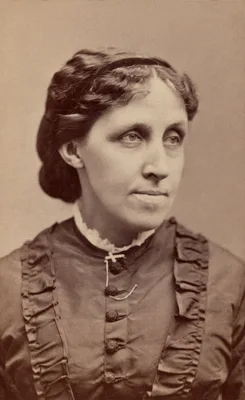
1863 ALCOTT, Louisa May (1832 – 1888)
Hospital sketches.
Digital facsimile of the 1863 edition from the Internet Archive at this link. Alcott expanded the work for the edition of 1869. Edited, with an extensive introduction by Bessie Z. Jones (Cambridge: Harvard University …
GMN 7419 · https://historyofmedicine.com/id/9591
1865 CLESS, Georg (1815 – 1884)
Medicinische Blumenlese aus Shakespeare zu eigener und seiner Collegen Kurzweil gesammelt von Georg Cless.
Digital facsimile from Google Books at this link.
GMN 11493 · https://historyofmedicine.com/id/13692
1867 BUCKNILL, Sir John Charles (1817 – 1897)
The mad folk of Shakespeare. 2nd ed.
First published as The psychology of Shakespeare, London, 1859.
GMN 5001 · https://historyofmedicine.com/id/6552
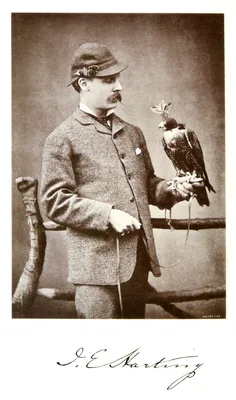
1871 HARTING, James Edmund (1841 – 1928)
The ornithology of Shakespeare. Critically examined, explained, and illustrated.
Digital facsimile from Google Books at this link.
GMN 13216 · https://historyofmedicine.com/id/15480
1874 CHÉREAU, Achille (1817 – 1885)
Le Parnasse médicale français, ou dictionnaire des médecins-poètes de la France, anciens ou modernes, morts ou vivants.
Dictionary of French medical poets. Digital facsimile from BnF Gallica at this link.
GMN 6616 · https://historyofmedicine.com/id/7672
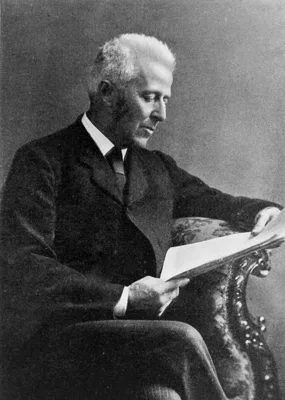
1876 BELL, Joseph (1837 – 1911)
Paraffin epithelioma of the scrotum.
Shale oil shown to be a cause of skin cancer. A teacher of Sir Arthur Conan Doyle, Bell was the model for the character of Sherlock Holmes.
GMN 2127.1 · https://historyofmedicine.com/id/2657
1877 CLOUSTON, Sir Thomas Smith (1841 – 1915)
A case of general paralysis at the age of sixteen.
Clouston, eminent English psychiatrist, was the first definitely to recognize the relationship between paresis and congenital syphilis and to report a case. This paper is also of interest as being the only recorded ca…
GMN 4799 · https://historyofmedicine.com/id/1556
1884 –1885 WITKOWSKI, Gustave-Joseph (1844 – 1922)
Le mal qu'on a dit des médecins. Première série: auteurs grecs & Latins. Deuxième série: Auteurs français jusqu'a Molière. 2 vols.
Digital facsimile from the Internet Archive at this link. Selections were translated , with annotations by T. C. Minor as The Evil that has been said of doctors: Extracts from early writers. (Cincinnati: Reprint from …
GMN 11120 · https://historyofmedicine.com/id/13316
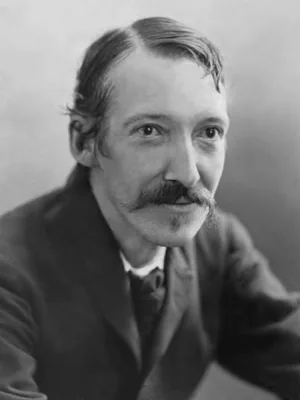
1884 STEVENSON, Robert Louis (1850 – 1894)
The body snatcher.
Loosely based upon the notorious crimes of Burke and Hare, who murdered 16 people in 1828 in order to sell their corpses to Scottish anatomist Robert Knox. In Stevenson's story, the anatomist is referred to as Mr. K__…
GMN 11841 · https://historyofmedicine.com/id/14045
1885 DUPOUY, Edmond (1838 – )
Médecine et moeurs de l'ancienne Rome d'après les poètes latins.
Translated into English as Medicine and morals of ancient Rome according to the Latin poets (Cincinnati: Cincinnati Lancet-clinic, 1901). Digital facsimile of the 1885 edition from Google Books at this link. Facsimile…
GMN 13835 · https://historyofmedicine.com/id/16125
1888 LA HAYE, Olivier de
Poëme sur la grande peste de 1348. Publié d'après le manuscrit de la Bibliothèque du Palais Saint-Pierre par Georges Geigue.
The book indicates that 175 copies were printed "sur papier de Hollande." The editor describes himself as the archivist of the city of Lyon. Digital facsimile from Google Books at this link.
GMN 13059 · https://historyofmedicine.com/id/15311
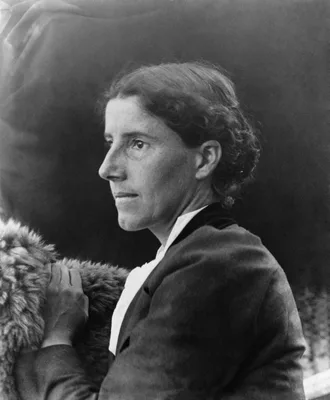
1892 GILMAN, Charlotte Perkins (1860 – 1935)
The yellow wall-paper.
This 6,000-word short story by is regarded as an important early work of American feminist literature, illustrating and critiquing 19th century attitudes toward women's health, both physical and mental. Digital facsim…
GMN 9725 · https://historyofmedicine.com/id/11912
1892 MEYER, Annie Nathan (1867 – 1951)
Helen Brent, M. D. A social study.
A short, memorable novel about a woman who faces the agonizing choice between career and marriage, and chooses medicine. Among her achievements, Meyer was a founder of Barnard College. Digital facsimile from Google Bo…
GMN 13199 · https://historyofmedicine.com/id/15460
1894 WITKOWSKI, Gustave-Joseph (1844 – 1922)
Les accouchements dans les beaux-arts, dans la littérature et au théatre.
Digital facsimile from the Internet Archive at this link.
GMN 11121 · https://historyofmedicine.com/id/13317
1895 FLETCHER, Robert (1823 – 1912)
Medical lore in the older English dramatists and poets exclusive of Shakespeare.
Fletcher, who was born in Bristol, England, assisted J.S. Billings in the creation of the Index-Catalogue (No. 6763).
GMN 6617 · https://historyofmedicine.com/id/7674
1896 MOYES, John (1848 – 1895)
Medicine and kindred arts in the plays of Shakespeare.
GMN 6618 · https://historyofmedicine.com/id/7675
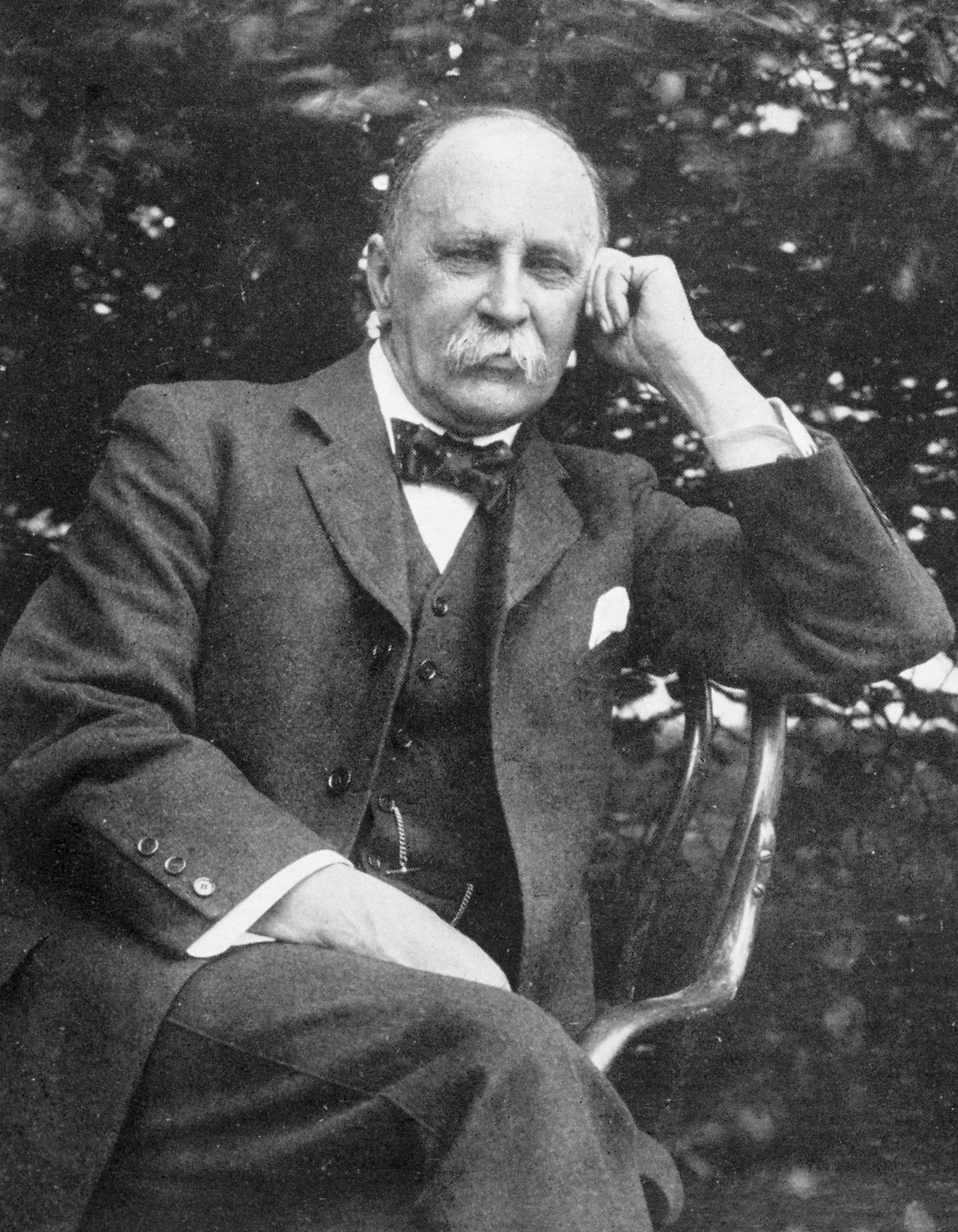
1904 OSLER, Sir William (1849 – 1919)
Aequanimitas with other addresses to medical students, nurses and practitioners of medicine.
A compilation of 19 addresses given by Osler in various settings. These include many of Osler's most famous essays concerning the philosophical and moral foundations of medicine. Osler wrote, "we are here not to get a…
GMN 7206 · https://historyofmedicine.com/id/9373
1905 HOLLANDER, Eugen (1867 – 1932)
Die Karikatur und Satire in der Medizin.
An encyclopedic collection of medical wit and caricature of all ages. Second edition, 1921.
GMN 6619 · https://historyofmedicine.com/id/7676
1906 SINCLAIR, Upton Beall Jr. (1878 – 1968)
The jungle.
Sinclair wrote The jungle to portray the harsh conditions and exploited lives of immigrants in the United States in Chicago and other industrialized cities. His primary purpose in describing the meat industry and its …
GMN 12739 · https://historyofmedicine.com/id/14985
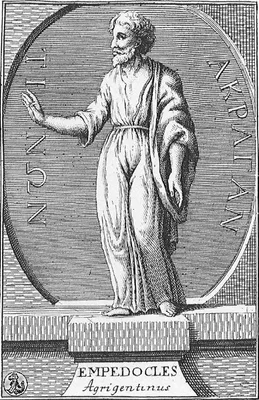
1907 EMPEDOCLES (ἘΜΠΕΔΟΚΛΗ͂Σ) (-490 – -430); LEONARD, William Ellery (1876 – 1944)
The fragments of Empedocles. Translated into English verse by William Ellergy Leonard.
Empedocles was a Greek philosopher, statesman, physician and reformer. His poem on Nature originally ran to 5,000 lines, of which only 400 are now left. He believed in four ultimate elements—fire, air, water and earth…
GMN 87 · https://historyofmedicine.com/id/50
1909 –1915 BLANCHARD, Raphaël Anatole Émile (1857 – 1919)
Épigraphie médicale. Corpus inscriptionum ad medicinam biologiamque spectantium. 2 vols.
Digital facsimile from BnF Gallica at this link.
GMN 6620 · https://historyofmedicine.com/id/7677
1909 MOON, Robert Oswald (1865 – 1953)
The relation of medicine to philosophy.
GMN 6645 · https://historyofmedicine.com/id/7767