Facets
Browse across eight MeSH (opens in new tab) facets — era, geography, science, specialty, technology, history, culture, and reference. Select one tag per group; counts update across the others. What’s new in facet browse how facets relate to subjects and MeSH.
Clear filtersGeography
Specialties & Disease
- Alternative & Fringe Medicine 17
- Anatomy & Pathology 134
- Cardiology & Blood 11
- Dentistry 10
- Diabetes 1
- ENT & Hearing 3
- Epidemiology & Demography 12
- Gastroenterology & Hepatology 4
- General Clinical Medicine 28
- Immunology & Dermatology 27
- Infectious Disease (General) 5
- Internal, Emergency & Geriatric 7
- Microbiology & Virology 92
- Military Medicine 11
- Neurology & Psychiatry 35
- Obstetrics & Reproductive 26
- Oncology & Cancer 10
- Ophthalmology & Vision 2
- Pediatrics 5
- Physiology & Embryology 94
- Plagues & Epidemics 44
- Psychology 16
- Public Health 129
- Pulmonary & Respiratory 3
- Rheumatology, Rehab & Pain 0
- Surgery & Anesthesia 14
- Urology & Nephrology 4
- Veterinary Medicine 11
Social & Historical Studies
Institutions & Culture
Reference & Scholarly Works
1,480 entries match Zoology & Animal Sciences [K01.900.500.750]
1978
#6623.3
Friedrich Schiller: Medicine, psychology and literature. With the first English edition of his complete medical and psychological writings.
The medical writings of Johann Christoph Friedrich von Schiller (1759-1805) and their influence on his poetry and plays.
1978
#6610.13
Votivmalerie und Medizin. Kulturgeschichte und Heilkunst im Spiegel der Votivmalerei.
1978
#6610.14
Medicine and pharmacy in American political prints (1765-1870).
1978
#7047
Medicine and slavery. The diseases and health care of blacks in antebellum Virginia.
1978
#7098
Survivals of Greek zoological illuminations in Byzantine manuscripts.
1978
#8387
A tandemly repeated sequence at the termini of the extrachromosomal ribosomal RNA genes in Tetrahymena.

In 1975–1977, Blackburn, working as a postdoctoral fellow at Yale University with Gall, discovered the unusual nature of telomeres, with their simple repeated DNA sequences composing chromosome ends.
1978
#9720
Recombinant DNA: The untold story.
1978
#13969
Inhibition of Rous sarcoma virus replication and cell transformation by a specific oligodeoxynucleotide (tridecamer deoxyribonucleotide/hybridization competitor/hybridon).
Zamecnick and Stephenson reported the first example of specific inhibition of gene expression by an oligonucleotide when they demonstrated that a short oligonucleotide inhibited Rous sarcoma virus replication in cell …
1978
#13986
Mutagenesis at a specific position in a DNA sequence.
Smith and Hutchison introduced site-directed mutagenesis, or oligonucleotide-directed mutagenesis, into molecular biology, resolving the problem of how to determine the effect of a single mutant gene with efficiency. …
1978
#14144
Reconstitution of hormone-sensitive adenylate cyclase activity with resolved components of the enzyme.
Gilman and colleagues showed that G proteins are in the cell membrane and are stimulated once a ligand (adrenaline) binds the adrenergic receptor. This system can then activate adenyl cyclase to form cyclic AMP. Digit…
1979
#258.11
The eighth day of creation. Makers of the revolution in biology.
1979
#6901
Resolution of the ATP-dependent proteolytic system from reticulocytes: a component that interacts with ATP.

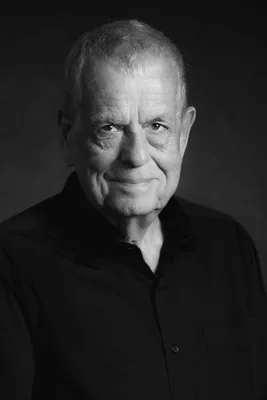
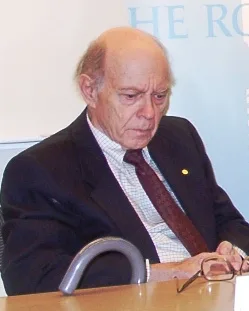
Discovery of ubiquitin-mediated protein degradation. The paper is available at doi:10.1073/pnas.76.7.3107,PMC 383772, PMID 290989. See also Hershko, A.; Ciechanover, A.; Heller, H.; Haas, A.L.; Rose, I.A. (1980), "Pro…
1979
#8474
The laboratory rat, Volume 1: Biology and disease. Edited by Henry J. Baker, J. Russell Lindsey, Steven H. Weisbroth.
Chapter 1: Historical Foundations by J. Russell Lindsey.
1979
#10888
Human babesiosis on Nantucket Island, USA: Description of the vector, Ixodes dammini, N. Sp. (Acarina: Ixodidae)
Order of authorship in the original paper was Spielman, Clifford, Piesman. The authors identified and described the insect vector of Babesiosis. This was a new species; the same species causes Lyme disease. (Thanks to…
1979
#11028
Dickens's doctors.
1979
#13929
Transformation of mammalian cells with genes from procaryotes and eucaryotes.

Axel, along with microbiologist Saul J. Silverstein and geneticist Michael H. Wigler, discovered a technique of cotransformation via transfection. This process, which allows foreign DNA to be inserted into a host cell…
1979
#13980
Expression in Escherichia coli of chemically synthesized genes for human insulin (plasmid construction / lac operon / fused proteins / radioimmunoassay / peptide purification).
Working at Genentech, Kleid and Goeddel and colleagues were the first scientists to apply genetic engineering techniques, incorporating chemically synthesized DNA encoding human insulin into E. coli, that expressed, a…
1979
#14007
Characterization of a 54K Dalton cellular SV40 tumor antigen present in SV40 transformed cells and uninfected embryonal carcinoma cells.
Levine discovered the tumor suppressor protein p53, also known as Tumor protein P53. Because it prevents cancer formation TP 53 is classified as a tumor suppressor gene. The discovery was completed in 1989 and recorde…
1979
#14206
Experimental evidence in support of an extra-terrestrial trigger for the Cretaceous-Tertiary extinctions. (Abstract).
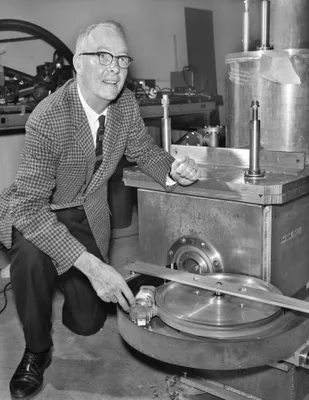

Iridium is a very rare element in the Earth's crust, but is found in anomalously high concentrations (around 1000 times greater than normal) in a thin worldwide layer of clay marking the boundary between the Cretaceou…
1980
#366.1
Corpus of the anatomical studies in the collection…at Windsor Castle. Edited by K.D. Keele and C. Pedretti. 3 vols.
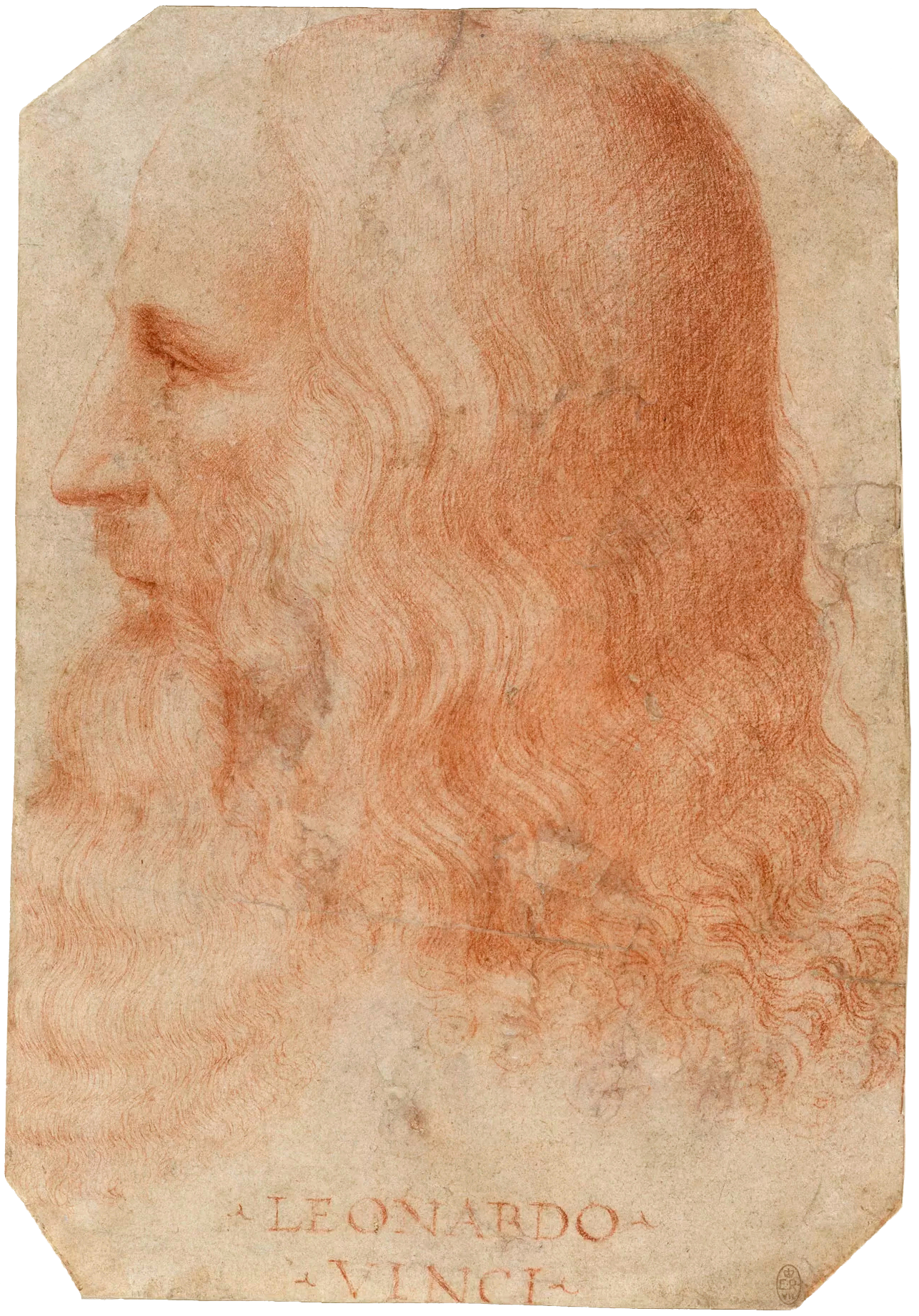
Splendid edition reproducing all of the drawings in color, and with the original chronology and integrity of the drawings restored. Text provides transliteration of Leonardo’s notes in the original Italian plus Englis…
1980
#3705.2
Manners and customs of dentistry in Ukiyoe
Reproduces all the classic Japanese prints that concern the teeth or dentistry. By Nakahara, Yoshihisa Shindo, and Kuninori Homma.
1980
#6893
Cloning in single-stranded bacteriophage as an aid to rapid DNA sequencing.
Sanger and colleagues developed the random shotgun method to prepare templates for DNA sequencing. With A. R. Coulson, B. G. Barrell, A. J. H. Smith & B. A. Roe.
1980
#7970
The death of nature: Women, ecology and the scientific revolution.
Reprinted with addition of a new preface, 1990.
1980
#12304
Expression of a bacterial gene in mammalian cells.
(Order of authorship in the original publication: Mulligan, Berg.) In an understated paper the authors suggested the potential of treating recessive diseases like Lesch-Nyhan syndrome by gene therapy. (Thanks to Juan …
1980
#13206
From DNA to Protein: The transfer of genetic information.
1980
#13993
Are snRNPs involved in splicing?

Steitz and Lerner used immunoprecipitation with human antibodies from patients with autoimmunity to isolate and identify the novel entities snRNPs (pronounced "snurps") and detect their role in splicing. A snRNP is a …
1980
#14108
The striking resemblance of high-resolution G-banded chromosomes of man and chimpanzee.
Chimpanzees are the closest primates genetically to humans. In this paper the authors demonstrated the genetic changes that differentiated humans from chimpanzees. By comparing human and chimpanzee chromosomes the aut…
1980
#14207
Extraterrestrial cause for the Cretaceous-Tertiary extinction.
Following up on No. 14206, the authors stated that the same excess iridium areas were found in two different areas of W. Europe and in New Zealand, and posited that “the anomalous iridium concentrations at the C [reta…
1980
#14255
Transport of vesicular stomatitis virus glycoprotein in a cell-free extract.

See also: Fries & Rothman, "Transient activity of Golgi-like membranes as donors of vescular stomatitis viral glycoprotein in vitro," J. Cell. Biol., 90, 1981, 697-704. "Rothman's research[15] details how vesicles—tin…
1980
#14256
The identification of 23 complementation groups required for post-translational events in the yeast secretory pathway.
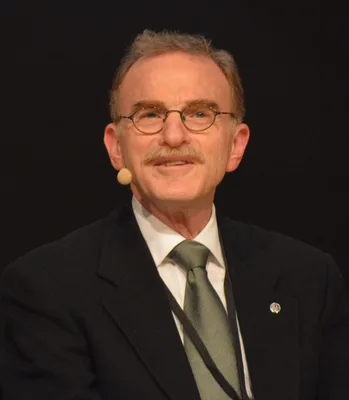
See also: Novick, P., Ferro, S. and Schekman, R. "Order of events in the yeast secretory pathway," Cell, 25, 1981, 461-469. In 1979 Schekman devised a genetic selection for temperature-conditional secretion-defective …
1981
#6610.15
The art of healing. Medicine and science in American art.
1981
#7144
Aristotle and Michael of Ephesus on the movement and progression of animals, translated, with Introduction and notes by Anthony Preuss.
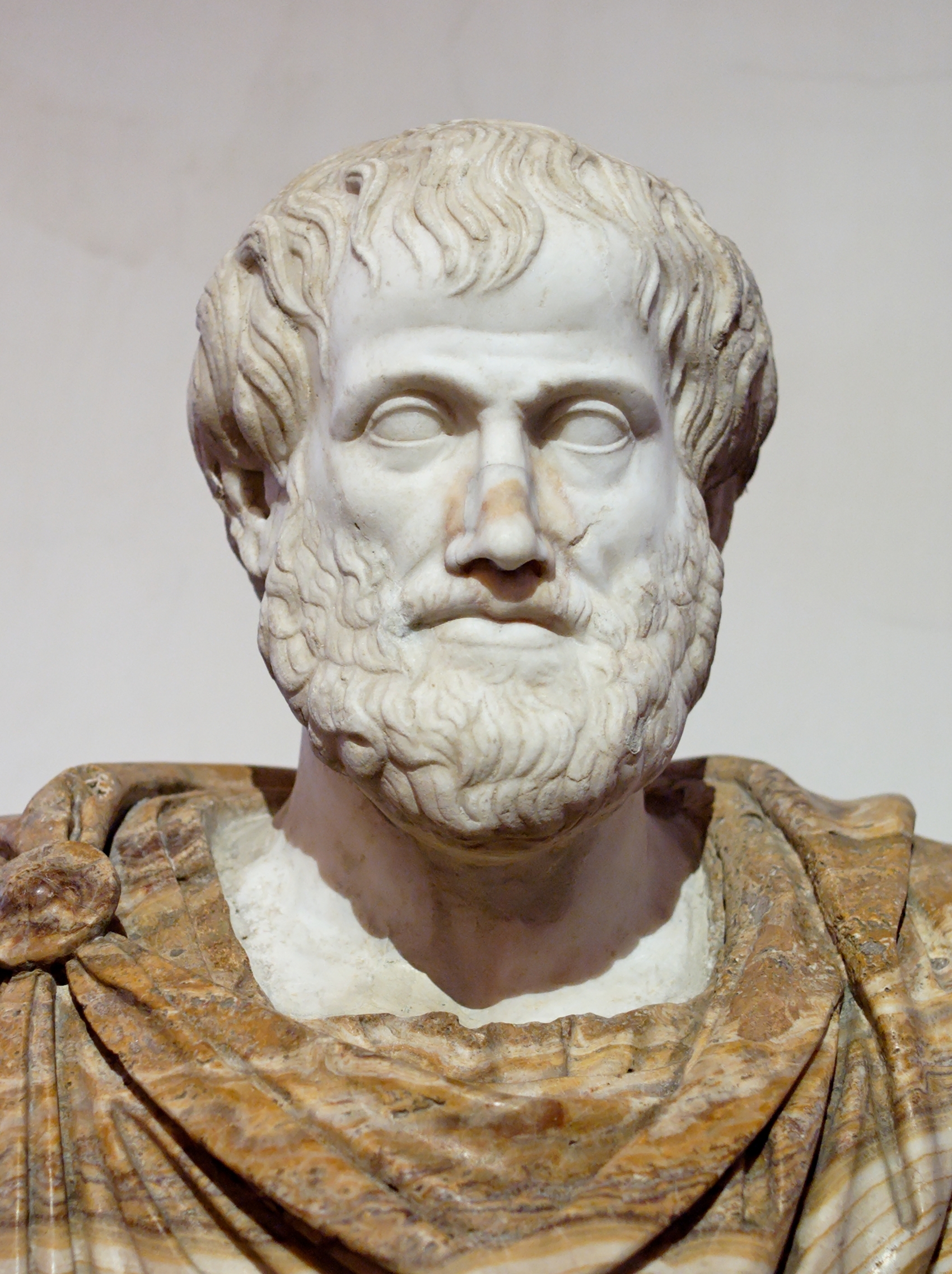
The Commentaria in de motu et de incessu animalium by the Byzantine writer Michael of Ephesus are the only surviving commentaries in Greek on Aristotle's De motu animalium and De incessu animalium. This edition provid…
1981
#8091
Bad blood: The Tuskegee syphilis experiment.
"From 1932 to 1972, the United States Public Health Service conducted a non-therapeutic experiment involving over 400 black male sharecroppers infected with syphilis. The Tuskegee Study had nothing to do with treatmen…
1981
#9175
Molecular cloning of poliovirus cDNA and determination of the complete nucleotide sequence of the viral genome.


The poliovirus genome. Digital facsimile from PNAS through PubMedCentral at this link.
1981
#9176
Primary structure, gene organization and polypeptide expression of poliovirus RNA.
The poliovirus genome. With around 10 co-authors. "The primary structure of the poliovirus genome has been determined. The RNA molecule is 7,433 nucleotides long, polyadenylated at the 3′ terminus, and covalently link…
1981
#9728
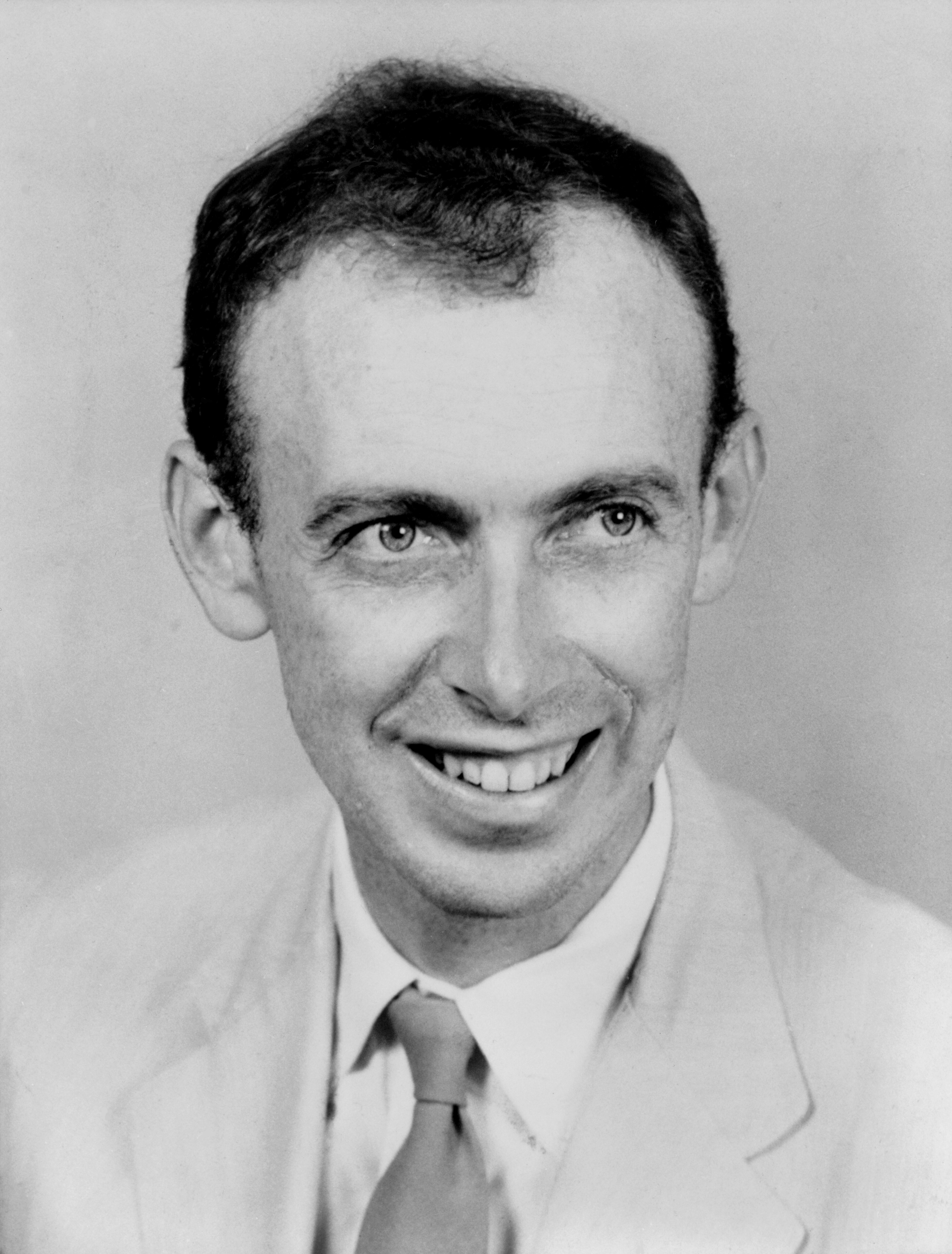
The DNA story: A documentary history of gene cloning.
1981
#13285
Establishment in culture of pluripotential cells from mouse embryos.
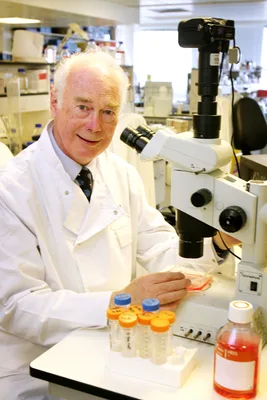
Evans and Kauffman were the first to identify, isolate and successfully culture embryonic stem cells using mouse blastocysts. This discovery opened the doors to the creation of “murine genetic models” -- mice that hav…
1981
#13961
Isolation of a pluripotent cell line from early mouse embryos cultured in medium conditioned by teratocarcinoma stem cells (embryonic stem cells/inner cell masses/differentiation in vitro/embryonal carcinoma cells/growth factors) .

Martin used a different approach that avoided in vivo alteration. She reasoned that an ES cell line might be obtained by culturing cells isolated from blastocysts in a medium that had previously been conditioned by an…
1981
#14183
Computer averaging of electron micrographs of the 405 ribosomal subunit.

Frank and colleagues developed a method that allows sorting of particle images into classes based on their orientation, as well as their structural features. Specifically Frank developed mathematical tools used for im…
1981
#14224
The crystallization of ribsomal proteins from the 50 S subunit of the Escherichia coli and Bacillus stearothermophilus ribosome.
The authors crystallized fragments of the 50S subunit of a thermophile bacterium’s ribosome to 3 angstroms resolution. Order of authorship in the original publication: Appelt, Dyck, et al., Yonath. Digital facsimile f…
1982
#145.2
The strategy of life: teleology and mechanics in nineteenth century German biology.
1982
#6623.4
Literature and medicine: an annotated bibliography. Revised edition.
Annotated bibliography of medical references in Western literature from the ancient world to time of writing. Emphasis is on summaries of the medical content. Editions cited are usually modern and always in English,
1982
#6510.4
Islamic miniature painting in medical manuscripts.
1982
#6610.16
La curieuse destinée des planches anatomiques de Gerard de Lairese, peintre en Hollande – Lairesse, Bidloo, Cowper.
1982
#258.12
The growth of biological thought. Diversity, evolution, and inheritance.
An interpretive history of what Mayr calls “ultimate” explanations in biology, reflecting Mayr’s expertise in systematics, evolution, and genetics.
1982
#6885
Nucleotide sequence of bacteriophage lambda.
Sanger and colleagues sequenced the entire genome of bacteriophage lambda using a random shotgun technique. This was the first whole genome shotgun (WGS) sequence.
1982
#10816
The physician in literature, edited by Norman Cousins.
Sections are devoted to research and serendipity, the role of the physician, quacks and clowns, clinical descriptions in literature, doctors and students, the practice, women and healing, madness, dying, and the patie…
1982
#11328
Literature and medicine, vol. 1- . Edited by Anne Hudson Jones.
"Founded in 1982, Literature and Medicine is a peer-reviewed journal publishing scholarship that explores representational and cultural practices concerning health care and the body. Areas of interest include disease,…
1982
#11769
The emergence of ornithology as a scientific discipline.
1982
#13179