1563 –1564 EUSTACHI, Bartolomeo [EUSTACHIUS] (1510 – 1574)
Opuscula anatomica.
Eustachius is credited with several anatomical discoveries, among them the tensor tympani muscle and the Eustachian tube, published in his chapter entitled De auditus organis. In the last respect, however, he was anti…
GMN 1093 · https://historyofmedicine.com/id/159
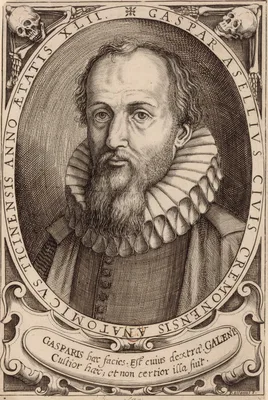
1627 ASELLI, Gaspare (1581 – 1626)
De lactibus sive lacteis venis.
Records the discovery of the lacteal vessels. While performing vivisection on a dog that had recently fed, Aselli noticed a network of vessels in the mesentery and along the peritoneal surface of the intestine. The ve…
GMN 1094 · https://historyofmedicine.com/id/916
1651 PECQUET, Jean (1622 – 1674)
Experimenta nova anatomica, quibus incognitum chyli receptaculum, et ab eo per thoracem in ramos usque subclavis vasa lactea deteguntur.
Pecquet discovered the thoracic duct in dogs and its relation to the lacteals. Using a dog that was digesting, he described the thoracic duct, its entry into the subclavian veins, and the receptaculum chyli or chyle r…
GMN 1095 · https://historyofmedicine.com/id/929
1652 BARTHOLIN, Thomas (1616 – 1680)
De lacteis thoracicis in homine brutisque.
Contains Bartholin’s discovery of the thoracic duct. English translation, 1653.
GMN 1096 · https://historyofmedicine.com/id/932
1653 BARTHOLIN, Thomas (1616 – 1680)
Vasa lymphatica.
Bartholin disputed the claim of Rudbeck as to priority in the discovery of the intestinal lymphatics. Although anticipated in this by Rudbeck, there is no doubt that Bartholinus was the first to appreciate the signifi…
GMN 1097 · https://historyofmedicine.com/id/1036
1653 RUDBECK, Olof (1630 – 1702)
Nova exercitatio anatomica, exhibens ductus hepaticos aquosos, et vasa glandularum serosa.
Rudbeck claimed to have discovered the intestinal lymphatics and their connexion with the thoracic duct in 1651, a claim disputed as to priority by Bartholin (Nos. 1096-97). This book was reproduced in facsimile in 19…
GMN 1098 · https://historyofmedicine.com/id/1045
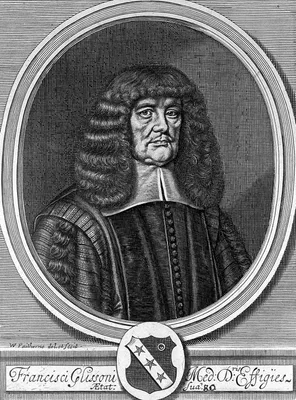
1654 GLISSON, Francis (1597 – 1677)
Anatomia hepatis … subjiciuntur nonnulla de lymphae-ductibus nuper repertis.
Independently of Bartholin and Rudbeck, George Joyliffe (1621-58) observed the lymphatics. He communicated his discovery to Glisson early in 1652 and the latter included an account in the above work (Cap. xxxi). See N…
GMN 1098.1 · https://historyofmedicine.com/id/1120
1665 RUYSCH, Frederik (1638 – 1731)
Dilucidatio valvularum in vasis lymphaticis et lacteis.
First description of the valves of the lymphatics, discovered by Ruysch. Facsimile reprint, Niewkoop, De Graaf, 1964.
GMN 1099 · https://historyofmedicine.com/id/1121
1677 PEYER, Johann Conrad (1653 – 1712)
Exercitatio anatomico-medica de glandulis intestinorum, earumque usu et affectionibus.
Independently of Bartholin and Rudbeck, George Joyliffe (1621-58) observed the lymphatics. He communicated his discovery to Glisson early in 1652 and the latter included an account in the above work (Cap. xxxi). See N…
GMN 1100 · https://historyofmedicine.com/id/1075
1685 NUCK, Anton (1650 – 1692)
De ductu salivali novo, saliva, ductibus oculorum aquosis, et humore oculi aqueo.
Nuck’s name has been attached to the glands and duct described by him.
GMN 1101 · https://historyofmedicine.com/id/1080
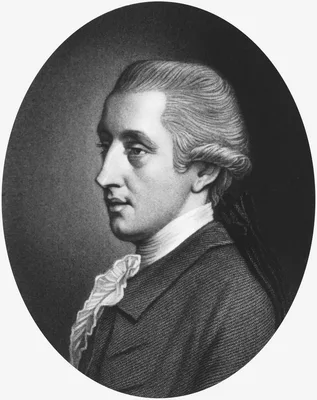
1774 HEWSON, William (1739 – 1774)
Experimental inquiries: Part the second. Containing a description of the lymphatic system in the human subject and in other animals. Together with observations on the lymph, and the changes which it undergoes in some diseases.
Hewson gave the first complete account of the anatomical peculiarities of the lymphatics. He divided the lymphatics into two groups – superficial and deep. He described the leucocytes as derived from the lymphatic gla…
GMN 1102 · https://historyofmedicine.com/id/1122
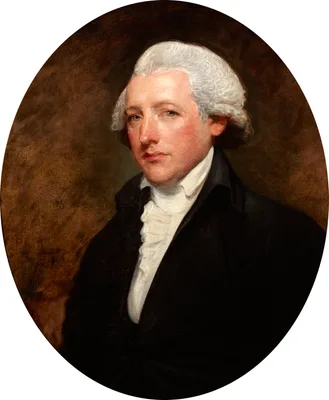
1786 CRUIKSHANK, William Cumberland (1745 – 1800)
The anatomy of the absorbing vessels of the human body.
With Hunter and Hewson, Cruikshank laid the foundation of modern knowledge concerning the lymphatics. He was Dr. Johnson’s physician and William Hunter’s assistant.
GMN 1103 · https://historyofmedicine.com/id/1148
1787 MASCAGNI, Paolo (1752 – 1815)
Vasorum lymphaticorum corporis humani historia et ichnographia.
Mascagni, Professor of Anatomy at Siena, made several discoveries regarding the lymphatics. His beautiful atlas contained 41 engravings of the lymphatics and gained him lasting fame. He had previously published a Prod…
GMN 1104 · https://historyofmedicine.com/id/1151
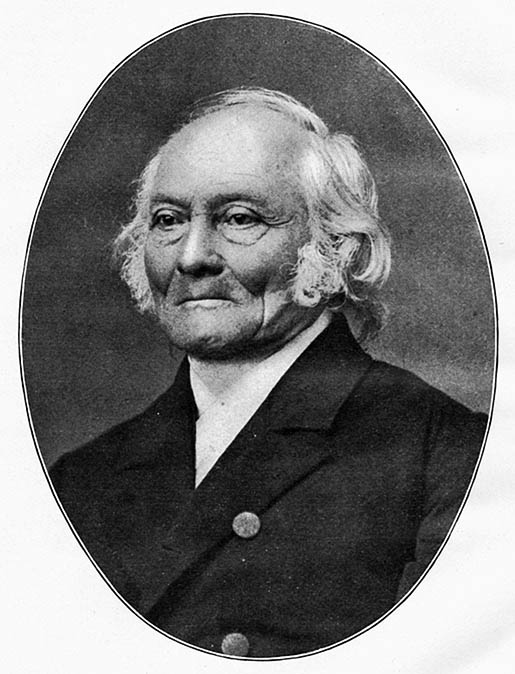
1837 WEBER, Ernst Heinrich (1795 – 1878)
Microscopische Beobachtungen über die sichtbare Fortbewegung der Lymphkörnchen in den Lymphgefässen der Froschlarven.
GMN 1105 · https://historyofmedicine.com/id/1161
1849 NOLL, Friedrich Wilhelm (1824 – 1889)
De cursu lymphae in vasis lymphaticis.
Noll advanced the theory that lymph is formed by the diffusion of fluids from the blood through the vessel walls into the surrounding tissues.
GMN 1106 · https://historyofmedicine.com/id/1157
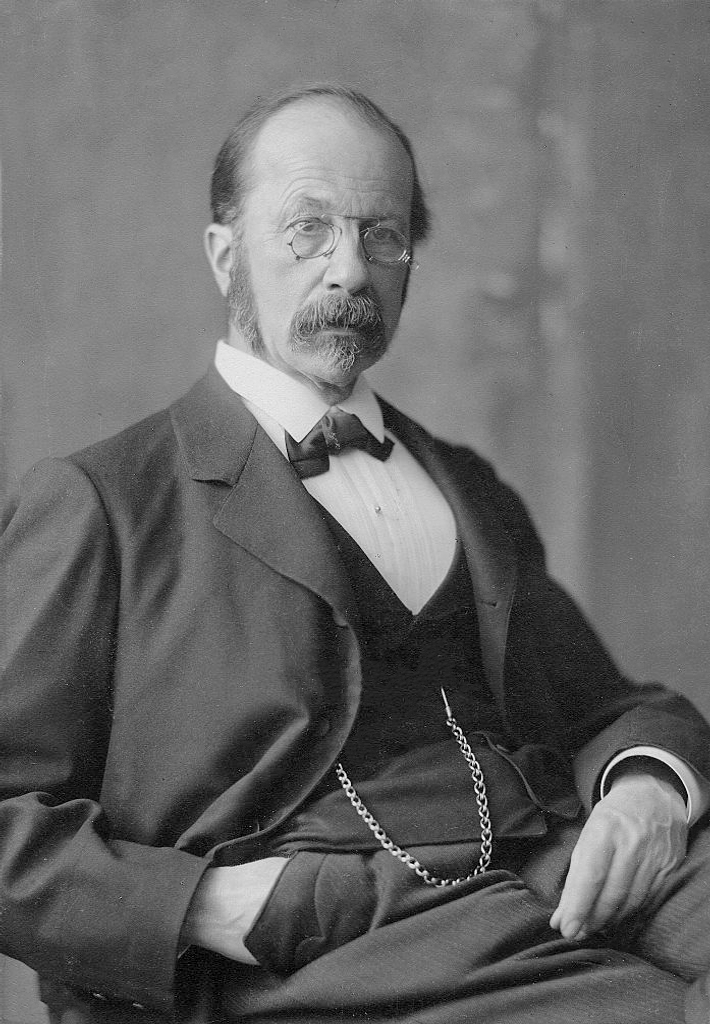
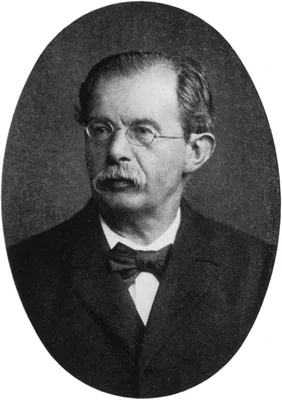
1861 HIS, Wilhelm Sr. (1831 – 1904)
Untersuchungen über den Bau der Lymphdrüsen.
Histology of the lymphatics. His drew the illustrations.
GMN 1107 · https://historyofmedicine.com/id/1166
1862 RECKLINGHAUSEN, Friedrich Daniel von (1833 – 1910)
Die Lymphgefässe und ihre Beziehung zum Bindegewebe.
“Recklinghausen’s canals”, the lymph canaliculi.
GMN 1108 · https://historyofmedicine.com/id/1169
1863 HIS, Wilhelm Sr. (1831 – 1904)
Ueber das Epithel der Lymphgefässwurzeln und über die von Recklinghausen’schen Saftcanälchen.
GMN 1109 · https://historyofmedicine.com/id/1176
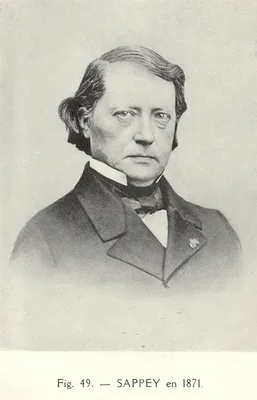
1874 –1875 SAPPEY, Marie Philibert Constant (1810 – 1896)
Anatomie, physiologie, pathologie des vaisseaux lymphatiques.
Notable for its illustrations.
GMN 1110 · https://historyofmedicine.com/id/1179
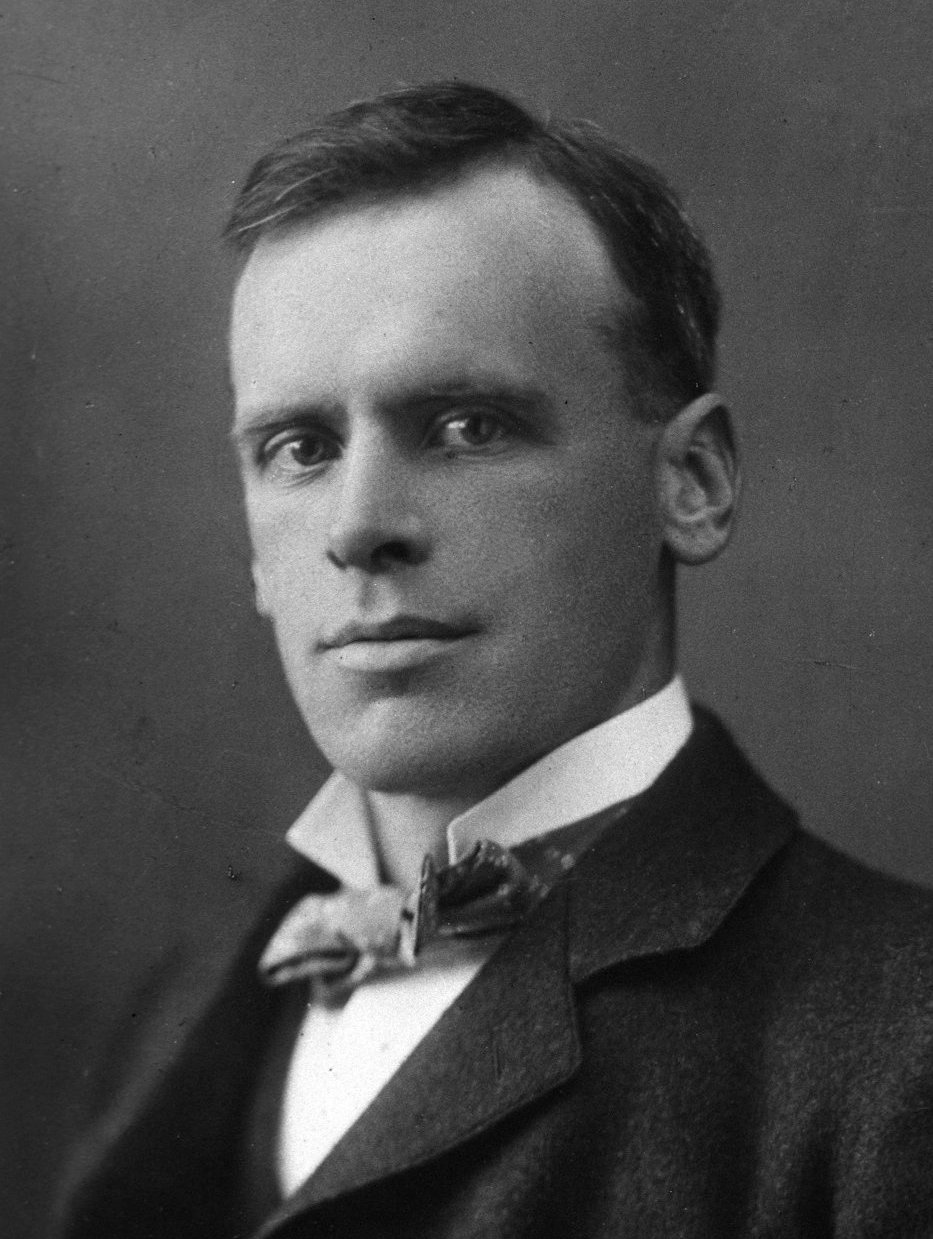
1894 STARLING, Ernest Henry (1866 – 1927)
The influence of mechanical factors on lymph production.
GMN 1112 · https://historyofmedicine.com/id/1190
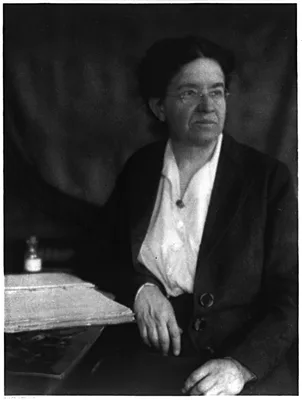
1913 SABIN, Florence Rena (1871 – 1953)
The origin and development of the lymphatic system.
GMN 1113 · https://historyofmedicine.com/id/1191
1933 YOFFEY, Joseph Mendel (1902 – 1994)
The quantitative study of lymphocyte production.
GMN 1114 · https://historyofmedicine.com/id/1193