1509 PLINIUS SECUNDUS, Gaius [Pliny the Elder] (23 – 79); PSEUDO-PLINY ( – 350)
Medicinae Pliniae libri quinque finiunt foeliciter.
The Medicina Plinii was an anonymous compilation of remedies dating to the early 4th century CE ."The excerptor, saying that he speaks from experience, offers the work as a compact resource for travelers in dealing wi…
GMN 8445 · https://historyofmedicine.com/id/10622
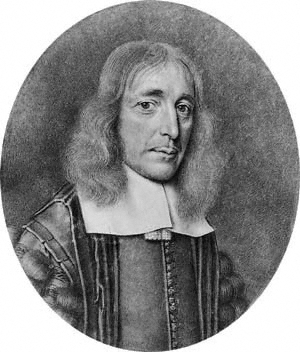
1659 WILLIS, Thomas (1621 – 1675)
Diatribae duae medico-philosophicae, quarum prior agit de fermentatione sive de motu intestino particularum in quovis corpore, altera de febribus sive de motu earundum in sanguine animalium.
Includes (De febribus, cap. X, XIV) first description of epidemic typhoid. English translation in his Practice of physick, 1684, Treatise II, 83-98, 1111-18. Contains the earliest suggestion that fermentation is an in…
GMN 2464 · https://historyofmedicine.com/id/6719
1787 FABBRONI, Adamo (1748 – 1816)
Dell’arte de fare il vino.
Fabbroni was the first to promote modern ideas on the nature of fermentation. He showed that air was not considered necessary for fermentation to take place; he was first to regard the ferment as an albumenoid substan…
GMN 2467 · https://historyofmedicine.com/id/3035
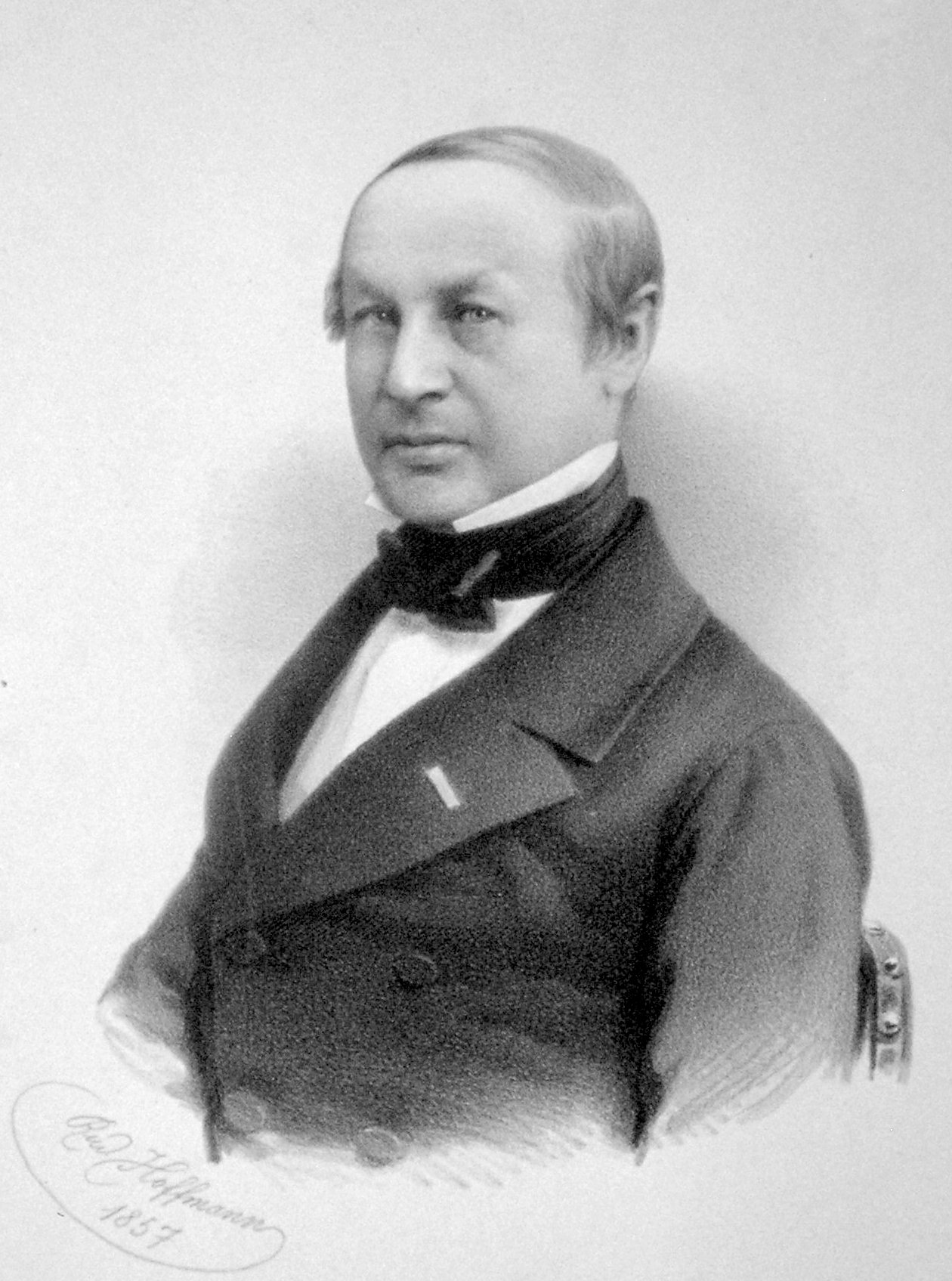
1837 SCHWANN, Theodor (1810 – 1882)
Vorlaüfige Mittheilung betreffend Versuche über die Weingährung und Fäulniss.
Proof that putrefaction is produced by living bodies. Independently of Cagniard-Latour, Schwann discovered the yeast cell. He is regarded as the founder of the germ theory of putrefaction and fermentation.
GMN 674 · https://historyofmedicine.com/id/719
1838 CAGNIARD-LATOUR, Charles [Cagniard de la Tour] (1777 – 1859)
Mémoire sur la fermentation vineuse.
The earliest demonstration of the true nature of yeast was made by Cagniard-Latour in 1836. All his work on the subject is summed up in this paper. Digital facsimile from Google Books at this link.
GMN 675 · https://historyofmedicine.com/id/731
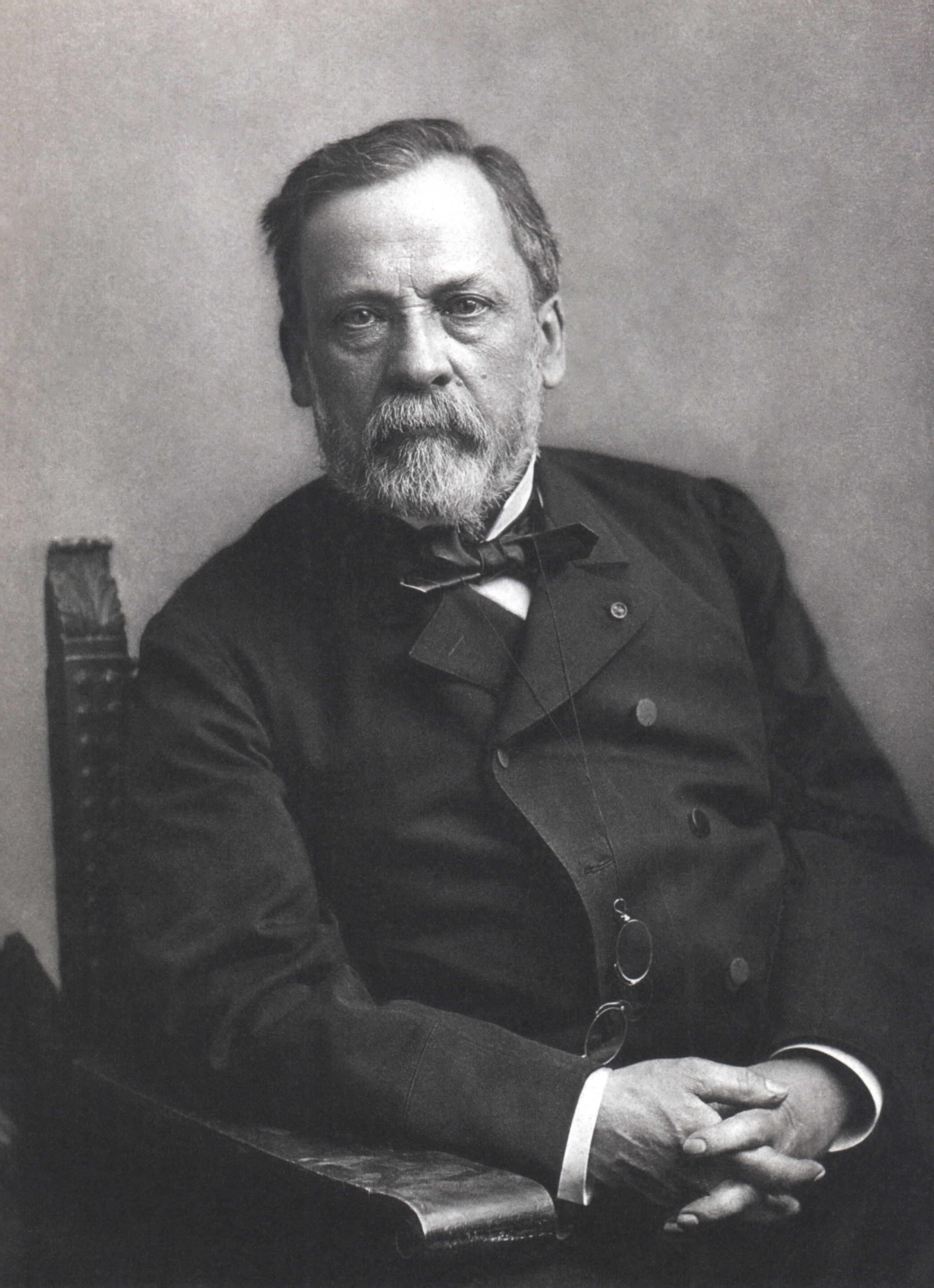
1857 PASTEUR, Louis (1822 – 1895)
Mémoire sur la fermentation appelée lactique.
First demonstration of the connection between a specific fermentation and the activity of a specific living micro-organism. This paper is often considered the beginning of bacteriology as a modern science. The above w…
GMN 2472 · https://historyofmedicine.com/id/3052
1859 PASTEUR, Louis (1822 – 1895)
Nouveaux faits pour server à l’histoire de la levure lactique.
This and the preceding entry mark Pasteur’s commencement of the study of fermentation. This paper described Pasteur’s method of cultivating micro-organisms in a medium free of organic nitrogen to produce fermentations…
GMN 2473 · https://historyofmedicine.com/id/3059
1861 PASTEUR, Louis (1822 – 1895)
Mémoire sur les corpuscles organisés qui existent dans l’atmosphère. Examen de la doctrine des générations spontanées.
In these easily reproducible experiments, prefaced by an important historical introduction, Pasteur demonstrated beyond dispute that fermentation is caused by the action of minute living organisms, and that if these a…
GMN 2475 · https://historyofmedicine.com/id/3067
1861 PASTEUR, Louis (1822 – 1895)
Animalcules infusoires vivant sans gaz oxygène libre et déterminant des fermentations.
The discovery of strict anaerobiosis, important for general biology since it shows that oxygen gas is not a requisite for life.
GMN 2475.1 · https://historyofmedicine.com/id/3069
1863 COHNHEIM, Julius Friedrich (1839 – 1884)
Zur Kenntnis der zuckerbildenden Fermente.
Investigation of the sugar-forming ferments.
GMN 690 · https://historyofmedicine.com/id/847
1863 PASTEUR, Louis (1822 – 1895)
Nouvel exemple de fermentation determinée par des animalcules infusoires pouvant vivre sans gaz oxygène libre, et en dehors de tout contact avec l’air de l’atmosphere.
Pasteur confirmed the fact, established by Schwann (No. 674) that putrefaction was a biological process.
GMN 2476 · https://historyofmedicine.com/id/3071
1866 PASTEUR, Louis (1822 – 1895)
Études sur le vin.
Although Pasteur’s method of preserving wine by partial heat sterilization (“pasteurization”) turned out to be a revival of Appert’s invention (No. 2467.1), Pasteur did rescue the method from oblivion and established …
GMN 2479 · https://historyofmedicine.com/id/3078
1868 PASTEUR, Louis (1822 – 1895)
Études sur le vinaigre.
Pasteur proved that a microorganism was essential to acetification and developed a patented method which greatly increased the efficiency of production.
GMN 2480 · https://historyofmedicine.com/id/3079
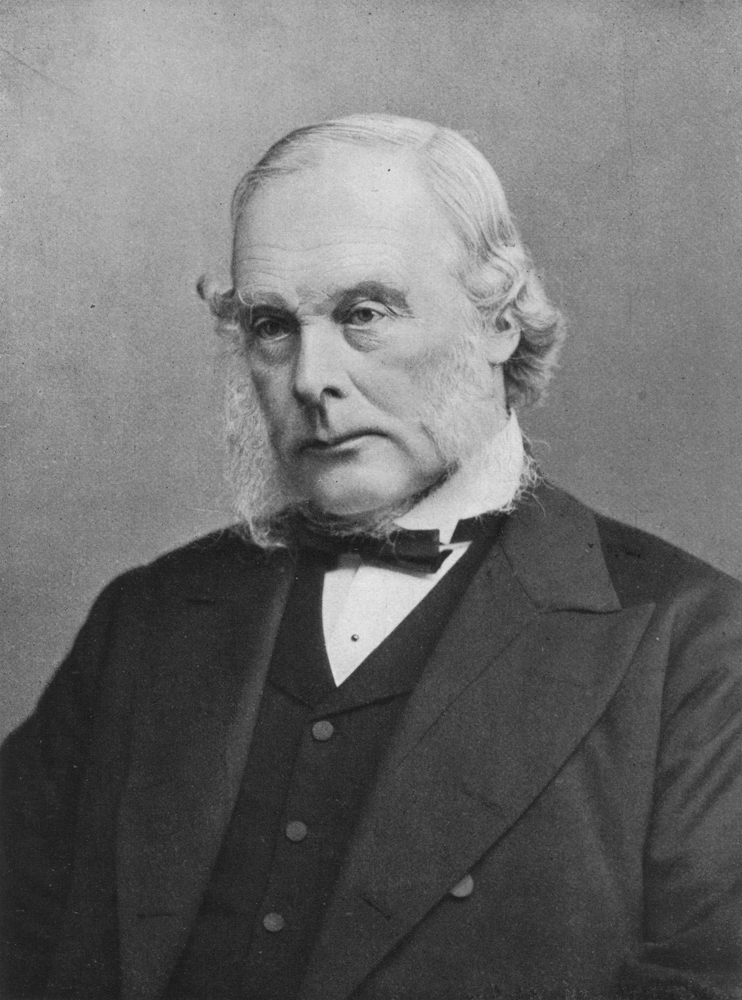
1873 LISTER, Joseph, 1st Baron Lister (1827 – 1912)
A further contribution to the natural history of bacteria and the germ theory of fermentative changes.
Isolation of Bacterium lactis, the specific micro-organism responsible for the lactic acid fermentation of milk.
GMN 2484 · https://historyofmedicine.com/id/3092
1876 KÜHNE, Wilhelm Friedrich (1837 – 1900)
Ueber das Verhalten verschiedener organisirter und sog. ungeformter Fermente (pp.191-193); Trypsin (Enzym des Pankreas) (pp.194-198).
Kühne was one of the people who introduced the term “enzyme”. He wrote, "Um Missverständnisse vorzubeugen und lästige Umschreibungen zu vermeiden schlägt Vortragender vor, die ungeformten oder nicht organisierten Ferm…
GMN 700.1 · https://historyofmedicine.com/id/922
1876 PASTEUR, Louis (1822 – 1895)
Études sur la bière, ses maladies, causes qui les provoquent, procédé pour la rendre inaltérable; avec une théorie nouvelle de la fermentation.
Pasteur resumed his studies on fermentation in 1876, and in this book took into account the developments in this field since his previous publications on the subject. He described a new and perfected method of prepari…
GMN 2485 · https://historyofmedicine.com/id/3095
1877 –1878 LISTER, Joseph, 1st Baron Lister (1827 – 1912)
On the lactic fermentation and its bearings on pathology.
Lister was the first to obtain a pure culture of a bacterium (Bact. lactis). Lister first presented the results of this research in an address to the Royal Society on December 18, 1877. Because of its historic signifi…
GMN 2489 · https://historyofmedicine.com/id/3115
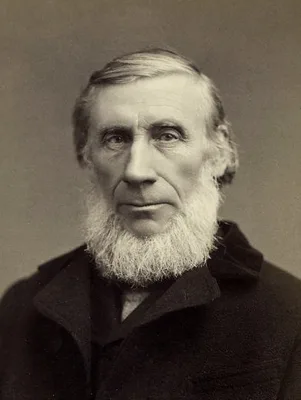
1877 TYNDALL, John (1820 – 1893)
Fermentation and its bearings on the phenomena of disease.
See No. 2495.
GMN 2491 · https://historyofmedicine.com/id/3138
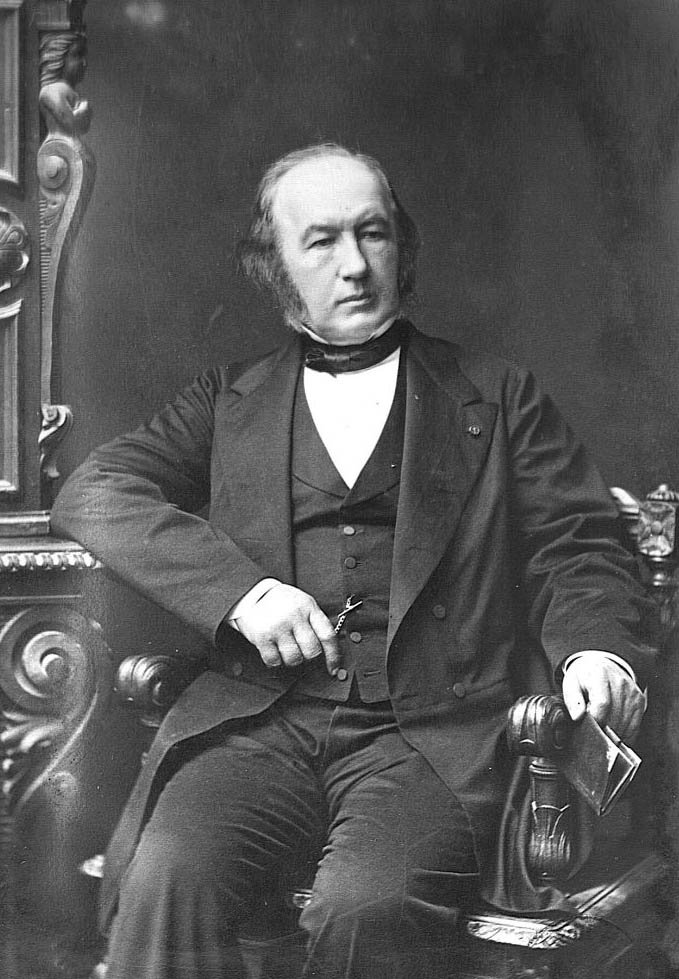
1878 BERNARD, Claude (1813 – 1878)
La fermentation alcoolique.
Bernard disbelieved Pasteur’s definition of a ferment as “a living form originating from a germ”.
GMN 700 · https://historyofmedicine.com/id/919
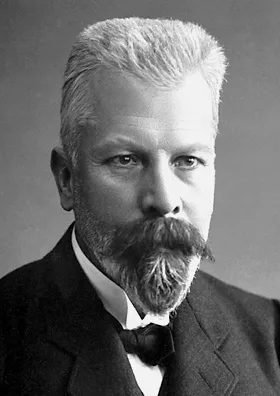
1897 BUCHNER, Eduard (1860 – 1907)
Alkoholische Gärung ohne Hefezellen.
Discovery of cell-free fermentation, the turning point in the study of enzymes. In 1907 Buchner was awarded the Nobel Prize in Chemistry "for his biochemical researches and his discovery of cell-free fermentation."
GMN 719.1 · https://historyofmedicine.com/id/1043
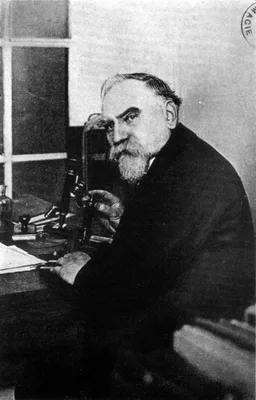
1913 BOURQUELOT, Émile (1851 – 1921)
La synthèse des glucosides par les ferments.
Bourquelot did important work on the synthesis of glucosides; several more papers followed the one given above.
GMN 1903 · https://historyofmedicine.com/id/2650
1922 –1939 PASTEUR, Louis (1822 – 1895); VALLERY-RADOT, Joseph Louis Pasteur (1886 – 1970)
Œuvres de Pasteur, réunies par Pasteur Vallery-Radot. 7 vols.
One of the founders of bacteriology, Pasteur's work on fermentation, the doctrine of spontaneous generation (which he exploded), virus diseases and preventive vaccinations, was fundamental. Digital facsimile of the co…
GMN 83 · https://historyofmedicine.com/id/1399