1799 CUVIER, Jean Léopold Chrétien Frédéric "Georges" (1769 – 1832)
Mémoire sur les espèces d’éléphans vivantes et fossiles.
Using comparative anatomy, Cuvier demonstrated that the African elephant was a separate species from the Indian elephant, and that the fossil or “mammoth” elephant was yet another species distinct from the two living …
GMN 7292 · https://historyofmedicine.com/id/9462
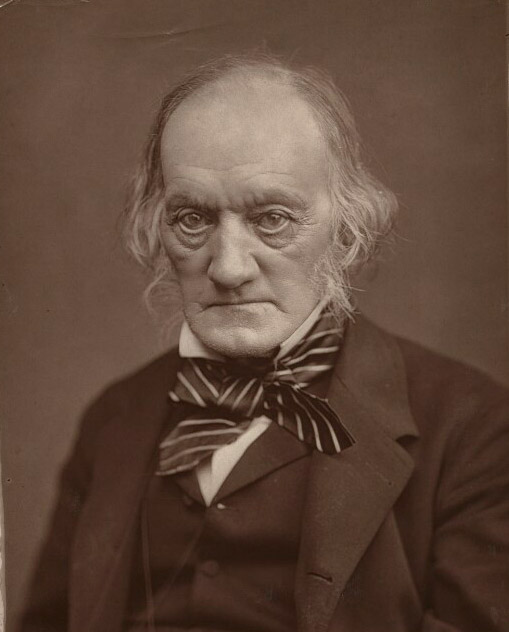
1841 OWEN, Sir Richard (1804 – 1892)
Report on British fossil reptiles. Part II. In: Report of the eleventh meeting of the British Association for the Advancement of Science, held at Plymouth, July 1841, pp. 60-204.
In this review article Owen coined the term Dinosaur (pp. 102-103). In surveying fossil bones and teeth found by Gideon Mantell, William Buckland, and others, he observed that three genera--Iguanodon, Megalosaurus, an…
GMN 13694 · https://historyofmedicine.com/id/15976
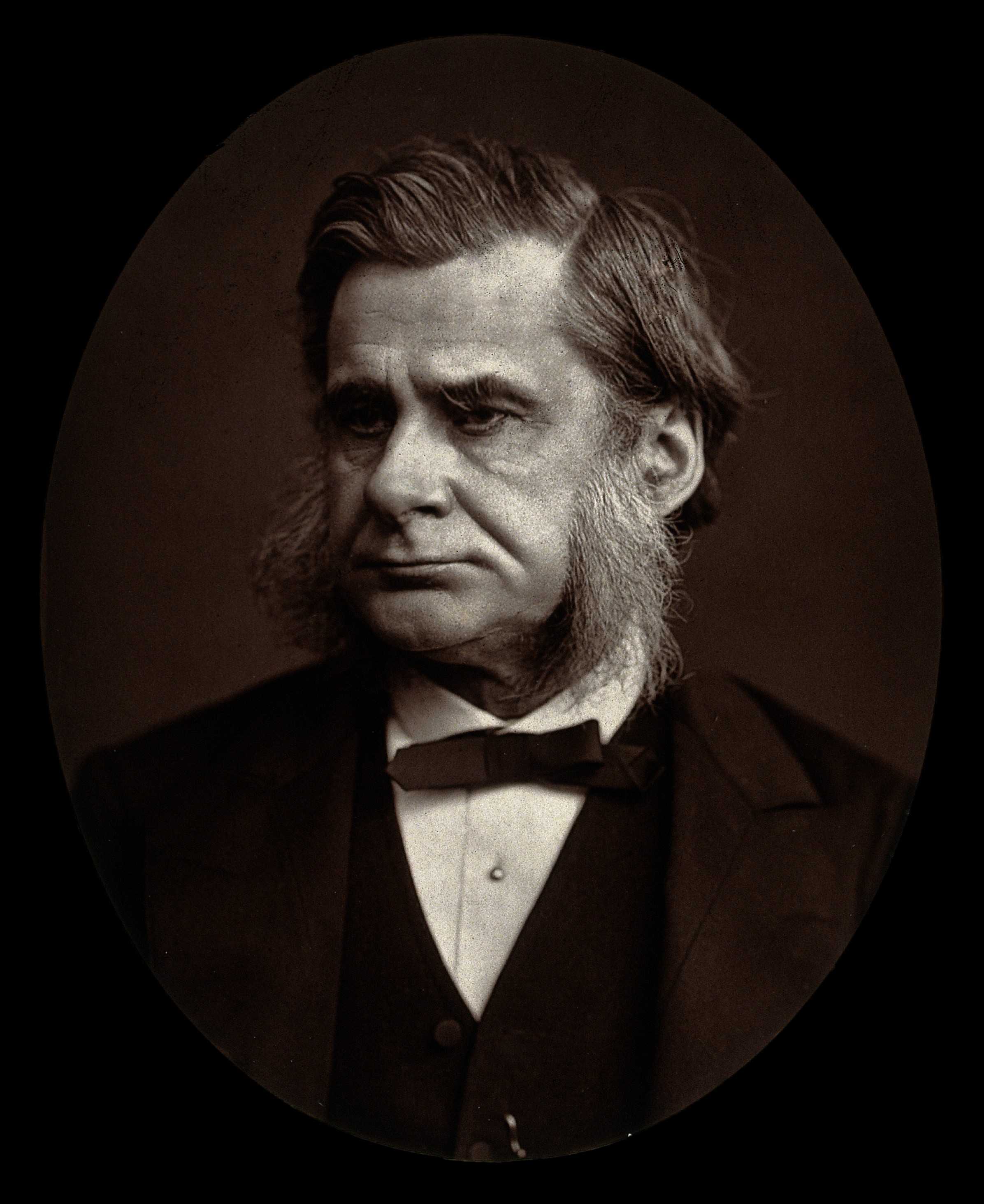
1868 HUXLEY, Thomas Henry (1825 – 1895)
On the animals which are most nearly intermediate between birds and reptiles.
Huxley proposed a close relationship between birds and dinosaurs after the discovery in Germany of the primitive fossil bird Archaeopteryx. He made detailed comparisons of Archaeopteryx with various prehistoric reptil…
GMN 9351 · https://historyofmedicine.com/id/11533
1868 MURCHISON, Charles (1830 – 1879); FALCONER, Hugh (1808 – 1865)
Palaeontological memoirs and notes of the late Hugh Falconer. For many years superintendent of the H.E.I. Company's botanical gardens at Suharunpoor and Calcutta. With a biographical sketch of the author. Compiled and edited by Charles Murchison. Vol. 1. Fauna Antiqua Sivalensis. Vol. II. Mastodon, elephant, rhinoceros, ossiferous caves, primeval man and his cotemporaries. 2 vols.
Falconer's writings on human antiquity appear in Vol. 2 of his Palaeontogical memoirs. Together with William Pengelly, Falconer was one of the first two scientists to visit Brixham Cave after its discovery in 1858, an…
GMN 14093 · https://historyofmedicine.com/id/16404
1980 GOULD, Stephen Jay (1941 – 2002); KOVALEVSKY, Valdimir (1842 – 1883)
The complete works of Vladimir Kovalevsky. Edited by Stephen Jay Gould.
The complete paleontological works written by Kovalevsky, as distinct from his famous translations of western books into Russian, including Darwin's The variation of animals and plants under domestication, Darwin's Th…
GMN 14366 · https://historyofmedicine.com/id/16698
2006 SHUBIN, Neil H. (1960 – ); DAESCHLER, Edward B.; JENKINS, Farish Alston (1940 – 2012)
The pectoral fin of Tiktaalik roseae and the origin of the tetrapod limb.
In 2004 Shubin, Daeschler and Jenkins discovered the first well-preserved Tiktaalik fossils in on Ellesmere Island in Nunavut, Canada. Tiktaalik is a non-tetrapod member of Osteichthyes (bony fish) from the late Devon…
GMN 14084 · https://historyofmedicine.com/id/16395
2006 SHUBIN, Neil H. (1960 – ); DAESCHLER, Edward B.; JENKINS, Farish Alston (1940 – 2012)
A Devonian tetrapod-like fish and the evolution of the tetrapod body plan.
The authors showed that: 1) This transitional species had a set of features representing a major departure from the pattern in more primitive sarcopterygian fishes. 2) They presented data to indicate that Tiktaalik li…
GMN 14085 · https://historyofmedicine.com/id/16396