c. 512 DIOSCORIDES, Pedanius [Πεδάνιος Διοσκουρίδης] (40 – 90); NICANDER OF COLOPHON (ΝΊΚΑΝΔΡΟΣ Ὁ ΚΟΛΟΦΏΝΙΟΣ; NIKANDER) (-125 – ); KRATEUAS, [Kratevas, Crateuas, Cratevas; Κρατεύας ὁ Ῥιζότομος] ( – 95)
Vienna Dioscorides. Codex Vindobonensis Med. Gr. 1.
The oldest surviving copy of Pedanius Dioscorides's treatise on medical botany and pharmacology, De materia medica, is an illuminated Byzantine manuscript produced about 512 CE. Dioscorides, a Greek physician, who may…
GMN 6816 · https://historyofmedicine.com/id/8979
1469 PLINIUS SECUNDUS, Gaius [Pliny the Elder] (23 – 79)
Historia naturalis, libri XXXVII.
The most ancient Western encyclopedia extant, Pliny’s Historia contained essentially all that was known in his time concerning geography, mineralogy, anthropology, botany, zoology and meteorology. Books XX-XXXII deal …
GMN 89 · https://historyofmedicine.com/id/51
1475 MEGENBERG, Konrad von (1309 – 1374)
Buch der Natur.
The first printed book to contain illustrations of animals, and the first notable scientific book in German. It discusses animals, birds, fish, anatomy, physiology, plagues, the medicinal value of plants and stones, e…
GMN 276.1 · https://historyofmedicine.com/id/8810
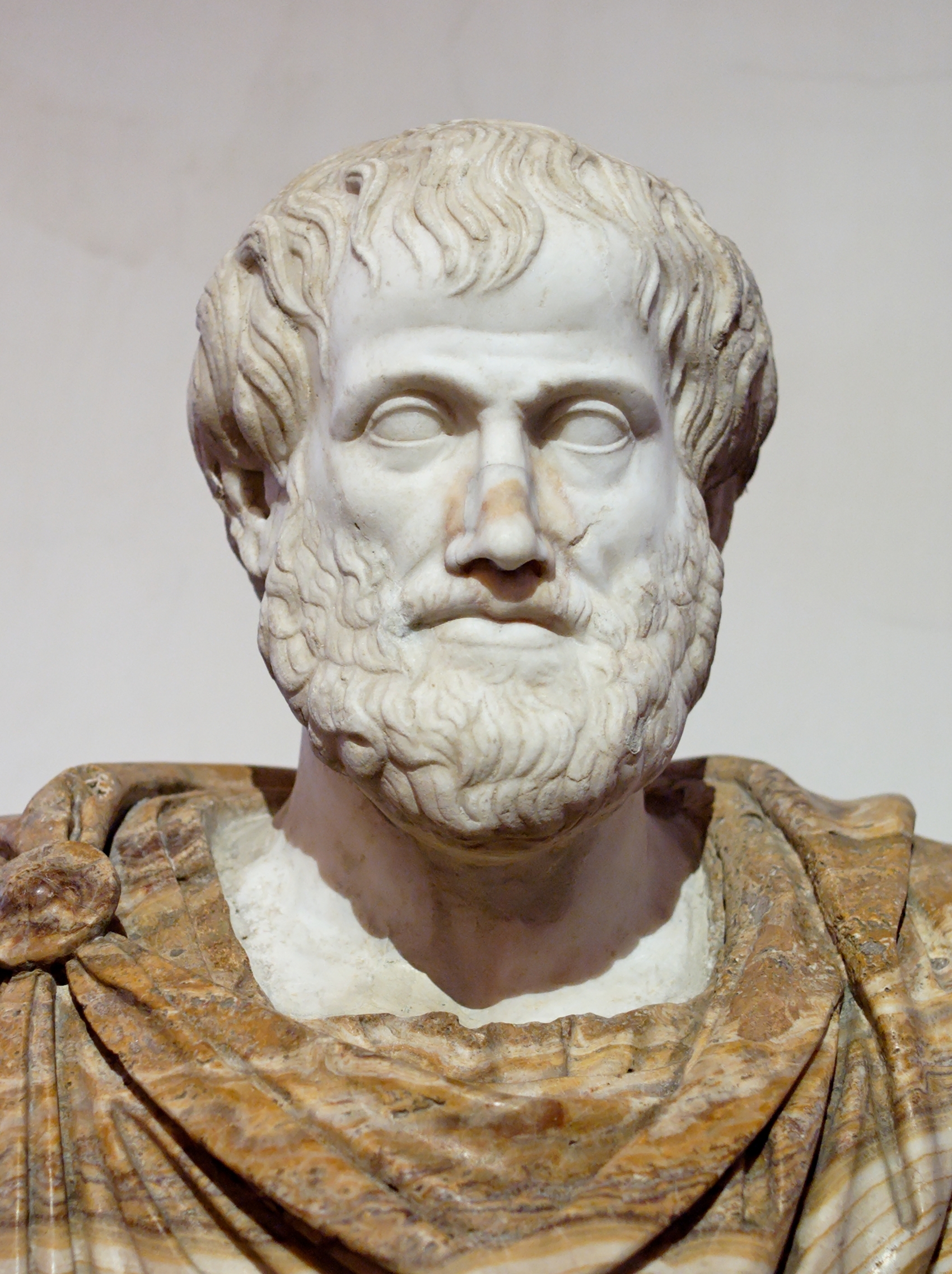
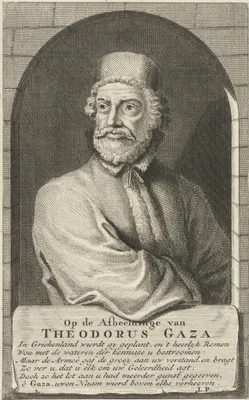
1476 ARISTOTLE (ἈΡΙΣΤΟΤΈΛΗΣ) (-384 – -322); PODOCATARO, Ludovico (Ludovicus Podocatharus) (1429 – 1504); GAZA, Theodorus (Θεόδωρος Γαζῆς) (1398 – 1475)
De animalibus. Translated by Theodorus Gaza. Edited by Ludovicus Podocarthus.
Includes Aristotle's De historia animalium, De partibus animalium, and De generatione animalium. Aristotle was the first scientist to gather empirical evidence about the biological world through observation. By his ca…
GMN 274 · https://historyofmedicine.com/id/14354
1478 ALBERTUS MAGNUS, [Albert von Bollstädt] (1195 – 1280); CÓRDOBA, Fernándo de (Fernandus Cordubensis) (1425 – 1486)
De animalibus. Edited by Fernandus Cordubensis (Fernando de Córdoba).
Albertus was a Dominican monk and the most eminent naturalist of the 13th century; his work on animals contained a good deal of personal observation. He was the first to comment on virtually all of the writings of Ari…
GMN 276 · https://historyofmedicine.com/id/8808
1478 OPPIANUS, [Ὀππιανός; Oppian of Anazarbus, of Corycus, or of Cilicia] (140 – ); LIPPIUS, Laurentius (Lorenzo Lippi) (1440 – 1485)
Halieutica, sive de piscatu. [Translated by Lorenzo Lippi, with recipes for cooking added by Lippi.]
The didactic poem on fish and fishing by Oppian of Anazarbus, a 2nd-century Greco-Roman poet, survived the Middle Ages essentially in its entirety, consisting of 3500 lines in Greek. The poem was dedicated to the empe…
GMN 7086 · https://historyofmedicine.com/id/9253
1479 ARISTOTLE (ἈΡΙΣΤΟΤΈΛΗΣ) (-384 – -322); WILLEM VAN MOERBEKE, (Gulielmus de Moerbecum; William of Moerbeke) (1215 – 1286); BOËTHIUS, Anicius Manlius Severinus (420 – 524); PORRÉE, Gilbert de la [Gilbert of Poitiers, Gilbertus Poretanus or Pictaviensis] (1085 – 1154); JACOBUS VENETICUS, [James of Venice, Giacomo da Venezia, Jacobus Veneticus Grecus, Jacobus de Venetiis] (1100 – 1165)
Opera. In four parts dated: I) 15 Sept. 1479; II) 13 Oct. 1479; III) 21 Oct. 1479; IV) 8 Nov. 1479. Contents: [I] Praedicamenta, De interpretatione, Analytica priora (Tr: Boethius). Add: Porphyrius: Isagoge in Aristotelis Praedicamenta (Tr: Boethius). Gilbertus Porretanus: Liber sex principiorum. Boethius: Divisiones. [II] Analytica posteriora (Tr: Jacobus Veneticus). [III] Sophistici elenchi, Topica (Tr: Boethius). [IV] Physica (Tr: Guilelmus de Moerbeka).
Aristotle, at one time tutor to Alexander the Great, was, among other things, the first observational biologist, and the founder of comparative anatomy. His views had a profound influence in determining the direction …
GMN 17 · https://historyofmedicine.com/id/39
c. 1481 –c. 1482 APULEIUS PLATONICUS, (Pseudo-Apuleius) (350 – )
Herbarium Apulei.
The first printed herbal with illustrations was an illustrated edition of the Herbarium Apulei by Apuleius Platonicus or Pseudo-Apuleius, originally compiled circa 400 CE or earlier, and issued in Rome by the printer …
GMN 6811 · https://historyofmedicine.com/id/8974
1483 ARISTOTLE (ἈΡΙΣΤΟΤΈΛΗΣ) (-384 – -322); AVERROËS [IBN RUSHD (ARABIC: ابن رشد), FULL NAME ʾABŪ L-WALĪD MUḤAMMAD IBN ʾAḤMAD IBN RUŠD] (1126 – 1198); WILLEM VAN MOERBEKE, (Gulielmus de Moerbecum; William of Moerbeke) (1215 – 1286); BOËTHIUS, Anicius Manlius Severinus (420 – 524); JACOBUS VENETICUS, [James of Venice, Giacomo da Venezia, Jacobus Veneticus Grecus, Jacobus de Venetiis] (1100 – 1165); VERNIA, Nicoletto (1420 – 1499); SCOT, Michael [Michael Scotus] (1175 – 1232); DURANDUS DE ALVERNIA (1250 – ); PORPHYRIOS, [Porphyri; Πορφύριος] (234 – 305)
Opera. With the commentary of Averroes. Edited by Nicoletus Vernia. 8 parts.
First edition of the collected works of Aristotle with the commentaries of Averroes, by which Aristotle was mainly studied during the Middle Ages. The purpose of Vernia's edition was to provide an accurate edition of …
GMN 9399 · https://historyofmedicine.com/id/11582
1484 KAUB, Johann Wonnecke von (1430 – 1503)
Herbarius latinus.
The first herbal printed in Germany, and the prototype for most of the herbals printed during the remainder of the 15th century. It also contains some fanciful pictures of animals. With text in Latin and with German s…
GMN 1795 · https://historyofmedicine.com/id/8785
1491
Hortus sanitatis.
HORTUS SANITATIS
First edition of an herbal and general treatise on natural history which became very popular; based on the unusually large number of surviving copies in institutions it must have also been a bestseller. The plant illu…
GMN 1797 · https://historyofmedicine.com/id/1481
1517 OPPIANUS, [Ὀππιανός; Oppian of Anazarbus, of Corycus, or of Cilicia] (140 – ); LIPPIUS, Laurentius (Lorenzo Lippi) (1440 – 1485); OPPIAN OF APAMEA, [Oppian of Pella; Pseudo Oppian] (180 – )
Oppianou Alieuticon biblia pente. Tou autou Kynegetikon biblia tessara. Oppiani De piscibus libri V. Eiusdem De venatione libri IV. Oppiani De piscibus Laurentio Lippio interprete libri V.
First edition in print of Oppian of Apamea's Cynegetica (Κυνηγετικά/KynÄ“getiká, 'On Hunting' ), a didactic poem in 2144 hexameters and 4 books, dedicated to the emperor Caracalla (Marcus Aurelius Severus Antoninus A…
GMN 7111 · https://historyofmedicine.com/id/9278
1525 OVIEDO Y VALDÉS, Gonzalo Fernández de (1478 – 1557)
Sumario de la natural historia de las Indias.
First known description of the medicinal plants of Central America. Oviedo first described chigoe (“jiggers”?) in this book. "The book is divided into 86 chapters, focused mostly on American flora and fauna. It begins…
GMN 1800 · https://historyofmedicine.com/id/1933
1533 AELIANUS, Claudius [Κλαύδιος Αἰλιανός] (175 – 235); GILLES, Pierre [Petrus Gylllius, Gillius] (1490 – 1555)
Ex Aeliani historia per Petrum Gyllium latini facti, itemque ex Porphyrio, Heliodoro, Oppiano: Tum eodem Gyllio luculentis accessionibus aucti libri XVI. De ui & natura animalium. Eiusdem Gyllij liber unus, de gallicis & latinis nominibus piscium.
Editio princeps of Aelianus's late antique work on natural history. Along with Aelianus's text Gyllius included his own “Liber summarius de Gallicis et Latinis nominibus piscium Massiliensium” [Book on the French and …
GMN 8952 · https://historyofmedicine.com/id/11131
1538 SETH, Simeon (Simeo Sethus; Συμεὼν Μάγιστρος Ἀντιοχείας τοῦ Σήθι, (1050 – ); GIRALDI, Giglio Gregorio (1479 – 1552)
Simeonis Sethi, magistri Antiochiae, Syntagma per literarum ordinem de cibariorum facultate, Lilio Gregorio Gyraldo,... interprete.
First printed edition of Seth's Byzantine encyclopedia of foods, nutrition, and diatetics from plants and animals, with Greek text and Latin translation by scholar and poet Giglio Gregorio Giraldi. Simeon Seth was an …
GMN 6969 · https://historyofmedicine.com/id/9134
1544 TURNER, William (1508 – 1568)
Avium praecipuarum, quarum apud Plinium et Aristotelem mentio est, brevis et succincta historia.
The first book on birds with clear descriptions of the appearance of individual birds based on the author’s own experiences and observations. Turner attempted to determine those birds named by Aristotle and Pliny; he …
GMN 277 · https://historyofmedicine.com/id/8812
1551 BELON, Pierre [Pierre Belon du Mans; Petrus Bellonius Cenomanus] (1517 – 1564)
L'histoire naturelle des estranges poissons marins, avec la vraie peincture & description du daulphin, & de plusieurs autres de son espece.
This, Belon’s first biological work, is regarded as the earliest modern scientific work in the field of comparative anatomy. Finely illustrated with woodcuts. Digital facsimile from the Internet Archive at this link.
GMN 278 · https://historyofmedicine.com/id/8813
1551 –1587 GESNER, Conrad [Konrad Gessner] (1516 – 1565)
Historia animalium. 5 vols.
Gesner's Historia animalium is considered one of the starting points of modern zoology; it contains 4,500 pages and nearly 1,000 woodcuts, some by Albrecht Dürer. The illustrations are the first original zoological il…
GMN 280 · https://historyofmedicine.com/id/8815
1552 WOTTON, Edward (1492 – 1555)
De differentiis animalium.
Basing his work on Aristotle, Wotton rejected the fantastic additions which had accrued to the writings of the latter during the Middle Ages. His book was beautifully printed but not illustrated. Digital facsimile fro…
GMN 281 · https://historyofmedicine.com/id/8826
1553 BELON, Pierre [Pierre Belon du Mans; Petrus Bellonius Cenomanus] (1517 – 1564)
De aquatilibus, libri duo cum [epsilon] [iota] conibus ad viuam ipsorum effigiem, quoad eius fieri potuit, expressis.
Considerably expanded from Belon's work of 1551. Digital facsimile from the Internet Archive at this link.
GMN 279 · https://historyofmedicine.com/id/8814
1554 –1555 RONDELET, Guillaume [RONDELETIUS] (1507 – 1566)
Libri de piscibus marinis, in quibus verae piscium effigies expressae sunt. (Universae aquatilium pars altera.) 2 vols.
Rondelet wrote this book with the idea of verifying Aristotle, but in it he described many forms of fishes for the first time. The book is an accurate account of his investigation of Mediterranean fishes and marine an…
GMN 282 · https://historyofmedicine.com/id/8818
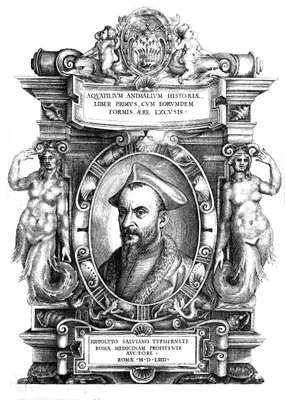
1554 SALVIANI, Hippolito (1514 – 1572)
Aquatilium animalium historiae. Liber primus cum eorumdem formis aere excusis.
Salviani taught at the University of Rome until 1568, after which he was chief physician to the House of Farnese and three successive popes, Pope Julius III, Pope Marcellus II and Pope Paul IV. "Salviani’s work was pu…
GMN 13119 · https://historyofmedicine.com/id/15375
1555 BELON, Pierre [Pierre Belon du Mans; Petrus Bellonius Cenomanus] (1517 – 1564)
L'histoire de la nature des oyseaux, avec leurs descriptions, et naïfs portraicts retirez du naturel escrite en sept livres.
Belon’s book on birds is well illustrated, including plates of the skeletons of man and bird side by side and in the same posture, to compare them bone for bone. Digital facsimile from the Internet Archive at this link.
GMN 283 · https://historyofmedicine.com/id/8819
1556 GESNER, Conrad [Konrad Gessner] (1516 – 1565); AELIANUS, Claudius [Κλαύδιος Αἰλιανός] (175 – 235)
Claudii Aeliani... opera, quae extant omnia: Graece Latineque e regione, uti versa hac pagina commemorantur... Conradi Gesneri.
First edition in print, edited by Conrad Gessner, of Aelianus's collected works, including On the nature of animals (On the characteristics of animals). Aelianus was a Roman author and teacher of rhetoric who flourish…
GMN 7087 · https://historyofmedicine.com/id/9254
1570 CAIUS, John [Johannes Caius; born John Kays] (1510 – 1573)
De canibus Britannicis liber unus. De rariorum animalium et stirpium historia, liber unus. De libris propriis, liber unus.
Caius, a pioneer naturalist as well as a physician, corresponded with Conrad Gessner, with whom he had made friends while returning from Padua. Caius wrote this study of British dogs to send to Gessner as a contributi…
GMN 9203 · https://historyofmedicine.com/id/11384
1578 ACOSTA, Cristóbal [Cristóvão da Costa; Christophorus Acosta Africanus] (1540 – 1599)
Tractado de las drogas, y medicinas de las Indias Orientales, con sus plantas debuxadas al bivo.
This is mainly a translation of Garcia d’Orta’s Coloquios (No. 1815) with the addition of some illustrations. Acosta, a Portuguese Jesuit physician and surgeon, travelled to India where he met Garcia d’Orta. Acosta pi…
GMN 1819 · https://historyofmedicine.com/id/2084
1590 ACOSTA, José de (1539 – 1600)
Historia natural y moral de las Indias.
One of the earliest detailed and realistic descriptions of the New World. Acosta hypothesized that the indigenous peoples of Latin America had migrated from Asia. He also divided the native peoples into three barbaria…
GMN 2244 · https://historyofmedicine.com/id/3843
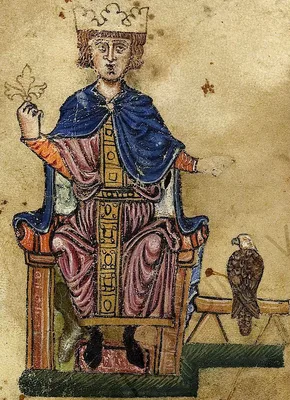
1596 FREDERICK II, Holy Roman Emperor (1194 – 1250)
Reliqua librorum Friderici II. Imperatoris, De arte venandi cum avibus, cum Manfredi Regis additionibus. Ex membranis vetustis nunc primum edita. Albertus Magnus De falconibus, asturibus, & accipitribus.
Books I-II of De arte venandi cum avibus, edited by Marcus Welser from a very old, incomplete defective manuscript, which lacked Books III-IV. More than a dissertation on hunting, this work is considered the first zoo…
GMN 7117 · https://historyofmedicine.com/id/9284
1599 –1667 ALDROVANDI, Ulisse [ALDROVANDUS] (1522 – 1605)
Opera omnia. 13 vols.
Aldrovandi, first director of the botanical garden at Bologna, was a prolific writer. Some of his writings made their first appearance in print after his death. He designed them as a whole to form an enormous illustra…
GMN 290 · https://historyofmedicine.com/id/8831
1615 HERNÁNDEZ DE TOLEDO, Francisco (1517 – 1587); XIMÉNEZ, Francisco (1560 – 1620)
Quatro libros. De la naturaleza, y virtudes de las plantas, y animales que estan receuidos en el vso de medicina en la Nueua España, y la methodo, y correccion, y preparacion, que para administrallas se requiere con lo que el doctor Francisco Hernandez escriuio en lengua latina. : Muy vtil para todo genero de gente q[ue] viue en esta[n]cias y pueblos, de no ay medicos, ni botica.Traduzido, y aumentados muchos simples, y compuestos y otros muchos secretos curatiuos, por Fr. Francisco Ximenes....
Physician to Philip II of Spain, Hernández travelled to Mexico by order of the king, and studied the natural history of the region from 1570-77. His Works, which filled six folio volumes of text and 10 volumes of pain…
GMN 1820.1 · https://historyofmedicine.com/id/2097
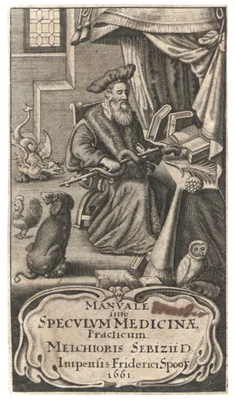
1617 SEBISCH, Melchior The Younger (1578 – 1674)
Discursus medico-philosophicus de casu adolescentis [...]: qui [...] mortuus in quodam paternarum aedium loco, adjacente ipsi serpente, à domesticis inventus fuit.
An extensively illustrated work on death from snake bites and species of venomous snakes instigated by the sudden death from snake bite of an otherwise healthy young man. Digital facsimile from the Hathi Trust at this…
GMN 13780 · https://historyofmedicine.com/id/16067
1628 HERNÁNDEZ DE TOLEDO, Francisco (1517 – 1587); RECCHI, Nardo Antonio de ( – 1595)
Rerum medicarum Novae Hispaniae thesaurus, seu, Plantarum animalium mineralium Mexicanorum historia.
This summary of Hemández’s very extensive manuscript account of the natural history of Mexico (see No. 1820.1) was edited by N.A. de Recchi, and published at the expense of Prince Federico Cesi (1585-1630), with notes…
GMN 1821.1 · https://historyofmedicine.com/id/2108
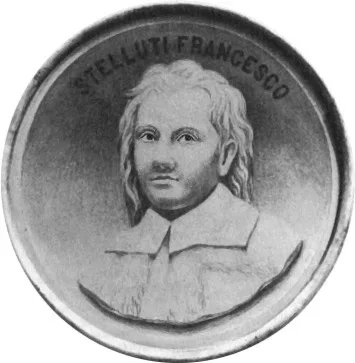
1630 STELLUTI, Francesco (1577 – 1653)
Persio tradotto.
The first book to contain illustrations of natural objects as seen through the microscope— specifically an engraving of the exterior surface of bees. The work includes the Latin text of the Satyrae VI of Aulus Persius…
GMN 259 · https://historyofmedicine.com/id/8731
1632 JONSTON, John [Jan] (1603 – 1675)
Thaumatographia naturalis, in decem classes distincta, in quibus admiranda 1 Coeli. 2 Elementorum. 3 Meteororum. 4 Fossilium. 5 Plantarum. 6 Avium. 7 Quadrupedum. 8 Exanguium. 9 Piscium. 10 Hominis.
A unillustrated pocket guide, issued in duodecimo format on "admiranda" or wonders of nature organized in ten categories (heaven, earth, and topics relating to meteors, fossils or minerals, plants, birds, quadrupeds, …
GMN 287 · https://historyofmedicine.com/id/8827
1634 GESNER, Conrad [Konrad Gessner] (1516 – 1565); WOTTON, Edward (1492 – 1555); MOFFET, Thomas (Muffet, Mouffet, Moffett) (1553 – 1604); PENNY, Thomas (1532 – 1589); MAYERNE, Théodore Turquet de (1573 – 1654)
Insectorum sive minimorum animalium theatrum: Olim ab Edoardo Wottono, Conrado Gesnero, Thomaque Pennio inchoatum: Tandem Tho. Movfeti Londinâtis operâ sumptibusque maximis concinnatum, auctum, perfectum: Et ad vivum expressis iconibus suprà quingentis illustratum.
Edited for publication, and with an introduction by Théodore de Mayerne. Moffet, or Muffet, travelled extensively in Europe and kept copious notes of his observations on insects. He "first studied silkworms while work…
GMN 288 · https://historyofmedicine.com/id/8829
1644 ODIERNA, Giovanni Battista [Hodierna] (1597 – 1660)
l’Occhio della mosca In his: Opusculi…
The first microscopical section in biology is discussed and illustrated in Odierna’s study of the fly’s eye, which is also the first description of the faceted eye of an arthropod.
GMN 259.1 · https://historyofmedicine.com/id/8732
1648 PISO, Willem [Guillaume le Pois] (1611 – 1678); MARGGRAF, Georg (Marcgrave) (1610 – 1644)
Historia naturalis Brasiliae.
Piso's study of the natural history of Brazil was also a pioneer work on tropical medicine, and also the largest work from the standpoint of format published by the Elzeviers. The folio includes De medicina brasiliens…
GMN 2263.1 · https://historyofmedicine.com/id/2828
1650 –1653 JONSTON, John [Jan] (1603 – 1675)
Historia naturalis. 6 vols: Historiae naturalis de quadrupedibus; Historiae naturalis de avibus; Historiae naturalis de piscibus et cetis; Historiae naturalis de exanguibus aquaticis; Historiae naturalis de insectis, de serpentibus et draconbius; Historiae naturalis de serpentibus.
The first 5 volumes were published in 1650; the last volume was published in 1653. This work, published in small folio format, includes 249 engraved plates and six elegant engraved title pages (4 resembling frontispie…
GMN 11704 · https://historyofmedicine.com/id/13905
1652 TULP, Nicolaes (1593 – 1674)
Observationes medicae.
One of the earliest accounts of beri-beri is on pp. 300-05 of this work. Tulp, notable as the demonstrator in Rembrandt’s “Anatomy Lesson”, was among the first, in the same book, to describe the ileo-caecal valve (“Tu…
GMN 3737 · https://historyofmedicine.com/id/4530
1655 MOFFET, Thomas (Muffet, Mouffet, Moffett) (1553 – 1604); BENNET, Christopher (1617 – 1655)
Health's improvement, or rules for preparing all sorts of food used in this nation. Written by that ever famous Thomas Muffet, Doctor in physick: Corrected and enlarged by Christopher Bennet, Doctor in Physick, and fellow of the Colledg of Physitians in London.
Moffet's work in nutrition was collected in his book Health's Improvement, which was designed more for the layman than for physicians. It also contains the first list of British wildfowl, recognizing for the first tim…
GMN 9324 · https://historyofmedicine.com/id/11506
1656 BOYM, Michal Piotr (1612 – 1659)
Flora sinensis, fructus floresque humillime porrigens serenissimo et potentissimo Leopoldo Ignatio, Hungariae regi florentissimo, &c. Fructus saecul promittenti Augustissimos.
The first description published in Europe of an ecosystem of the Far East, including animals as well as plants, with particular attention to Chinese fruit bearing plants, and medicinal properties of Chinese plants. Di…
GMN 8591 · https://historyofmedicine.com/id/10768
1658 PISO, Willem [Guillaume le Pois] (1611 – 1678); BONDT, Jacob de [Jacobus Bontius] (1592 – 1631)
De Indiae utriusque re naturali et medica libri quatuordecim.
This is an extensively revised and enlarged second edition of Piso’s Historia naturalis Brasiliae (1648). In this edition Piso reprinted Bontius's De medicina Indorum (1642) with two additional books on Asian flora an…
GMN 1825 · https://historyofmedicine.com/id/2125
1662 –1669 GOEDAERT, Jan [GOEDARTIUS] (1620 – 1668)
Metamorphosis naturalis, ofte historische beschryvinghe.... 3 vols.
Engraved frontispieces in Latin; text in Dutch. None of the volumes is dated. An edition in Latin, also undated, was issued by the same publisher in 3 vols. during the same years with the following title: Metamorphosi…
GMN 291 · https://historyofmedicine.com/id/8833
1664 REDI, Francesco (1626 – 1697)
Osservazioni intorno alle vipere.
The first methodical work on snake-poison. Redi demonstrated for the first time that, for the poison to produce its effect, it must be injected under the skin.
GMN 2102 · https://historyofmedicine.com/id/2599
1668 CHARLETON, Walter (1619 – 1707)
Onomasticon zoicon, plerorumque animalium differentias & nomina propria pluribus linguis exponens. Cui accedunt mantissa anatomica, et quaedam de variis fossilium generibus.
Gives a list of the English, Latin, and Greek names of all the then known animals. Digital facsimile from the Internet Archive at this link.
GMN 292 · https://historyofmedicine.com/id/8834
1669 MALPIGHI, Marcello (1628 – 1694)
Dissertatio epistolica de bombyce.
Malpighi’s work on the silkworm represents the first monograph on an invertebrate and records one of the most striking pieces of research work on his part. He dissected the silkworm under the microscope with great ski…
GMN 293 · https://historyofmedicine.com/id/8836
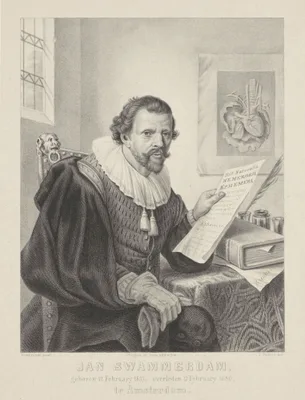
1669 SWAMMERDAM, Jan (1637 – 1680)
Historia insectorum generalis. 2 pts.
Swammerdam, one of the greatest of the early microscopists, spent much time on the study of insects, and mapped out a natural classification of them.
GMN 294 · https://historyofmedicine.com/id/8838
1671 REDI, Francesco (1626 – 1697)
Esperienze intorno a diverse cose naturali…
Includes the first scientific study of an electric fish. While the torpedo’s peculiar properties had provoked scientific speculation since at least the time of Aristotle, Redi was the first to perform an actual dissec…
GMN 294.1 · https://historyofmedicine.com/id/8839
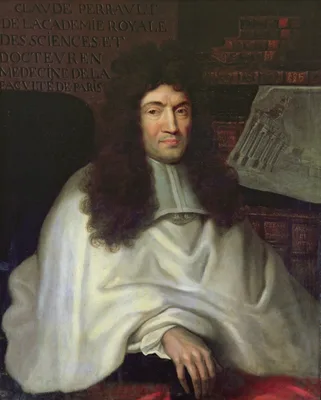
1671 –1676 PERRAULT, Claude (1613 – 1688)
Mémoires pour servir à l’histoire des animaux. 2 vols.
Perrault was the leader of a team of comparative anatomists that included Guichard Joseph Duverney, Jean Pecquet, Moyse Charas and Philippe de la Hire; they were often called the “Parisians” in contemporary literature…
GMN 295 · https://historyofmedicine.com/id/8840
1672 JOSSELYN, John (1630 – 1675)
New-Englands rarities discovered: in birds, beasts, fishes, serpents, and plants of that country. Together with the physical and chyrurgical remedies wherewith the natives constantly use to cure their distempers, wounds, and sores…
The first detailed account of the natural history and botany of North America, including the first extensive study of native North American medicine.
GMN 1826.1 · https://historyofmedicine.com/id/2138

![DIOSCORIDES, Pedanius [Πεδάνιος Διοσκουρίδης] (40 – 90)](/media/portraits/2028)
![SCOT, Michael [Michael Scotus] (1175 – 1232)](/media/portraits/12461)
![AELIANUS, Claudius [Κλαύδιος Αἰλιανός] (175 – 235)](/media/portraits/10094)
![BELON, Pierre [Pierre Belon du Mans; Petrus Bellonius Cenomanus] (1517 – 1564)](/media/portraits/9632)
![ODIERNA, Giovanni Battista [Hodierna] (1597 – 1660)](/media/portraits/9538)