1478ARNALD OF VILLANOVA, (Arnaldus de Villa Nova; Arnau de Vilanova; Arnaldus Villanovanus; Arnaud de Ville-Neuve; Arnaldo de Villanueva) (1240 – 1311); HIRNKOFEN, Wilhelm von (1450 – )
The first printed book on wine, its production and preservation, translated from the Latin by Wilhelm von Hirnkofen. It discusses the value of wine in diet and as a medication. Wine has been called the oldest document…
A comprensive study of the production, storage, characteristics, and use of wines. Book two considers wine in relation to health. Digital facsimile from Google Books at this link.
Fabbroni was the first to promote modern ideas on the nature of fermentation. He showed that air was not considered necessary for fermentation to take place; he was first to regard the ferment as an albumenoid substan…
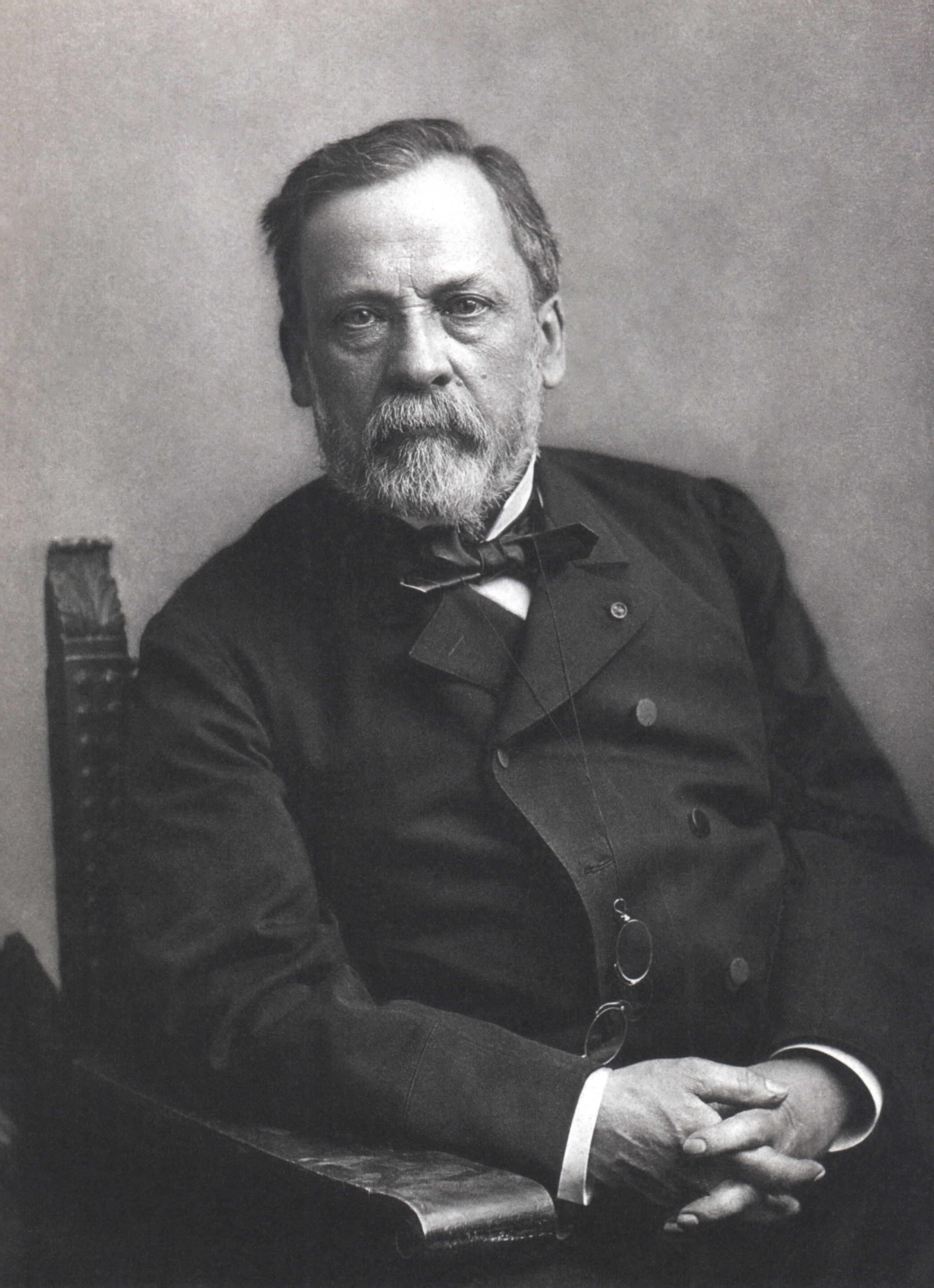
Although Pasteur’s method of preserving wine by partial heat sterilization (“pasteurization”) turned out to be a revival of Appert’s invention (No. 2467.1), Pasteur did rescue the method from oblivion and established …
Pasteur proved that a microorganism was essential to acetification and developed a patented method which greatly increased the efficiency of production.