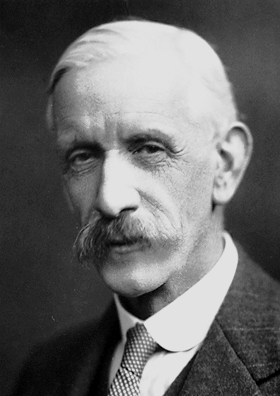
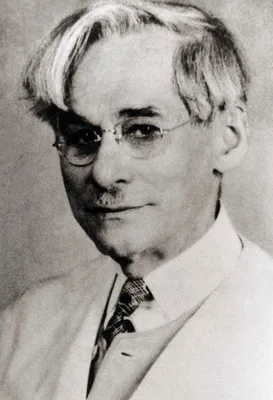
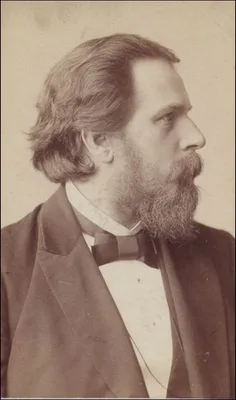
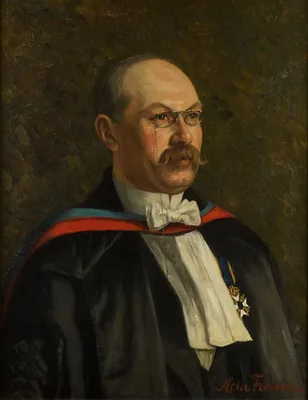
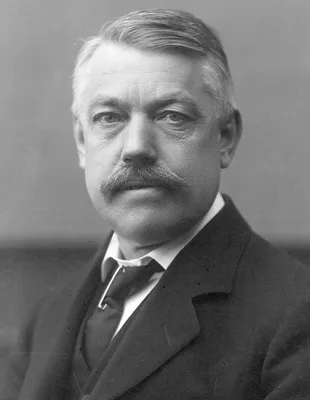
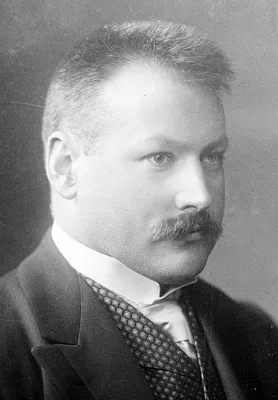
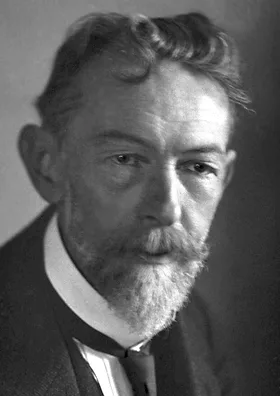
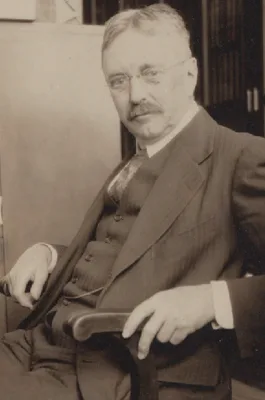
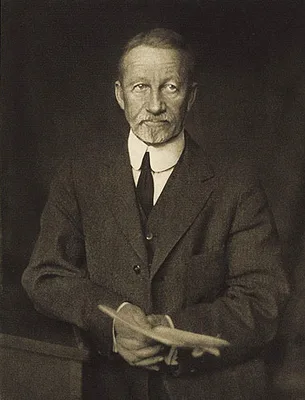
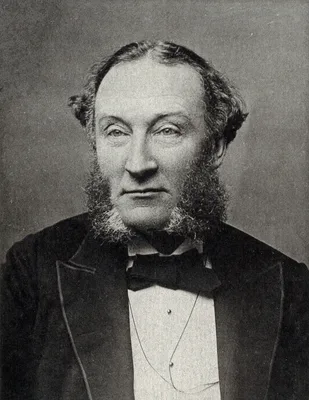
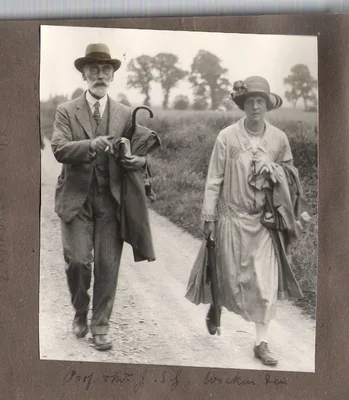
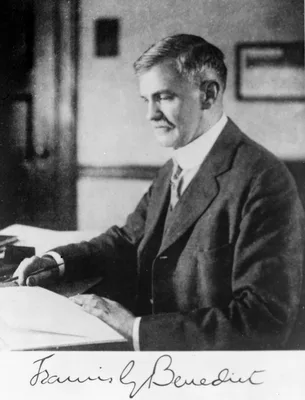
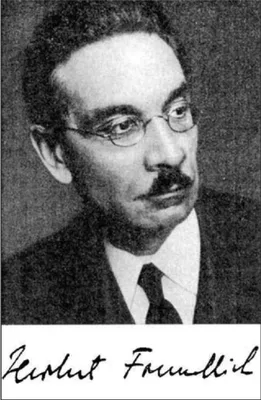
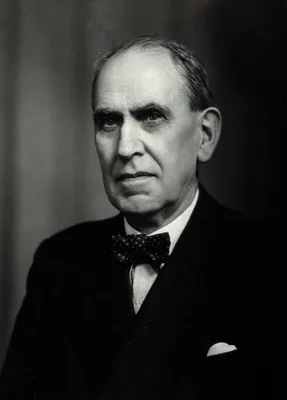
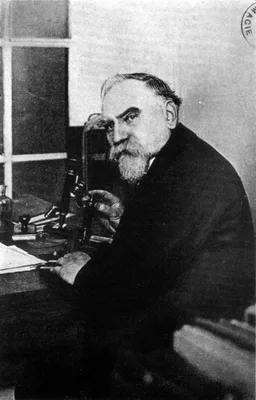
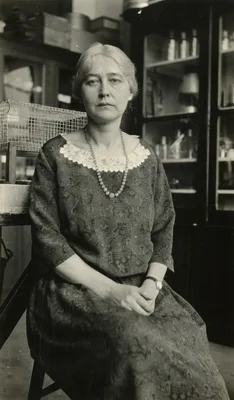
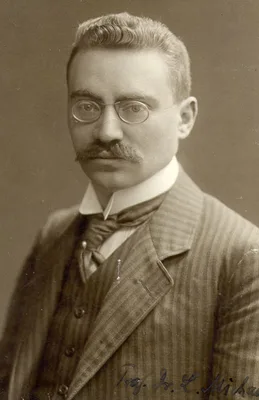
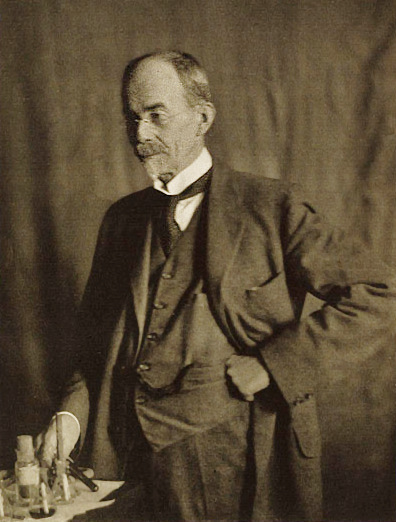
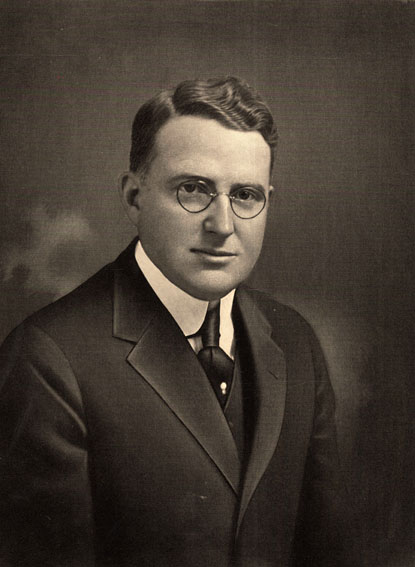
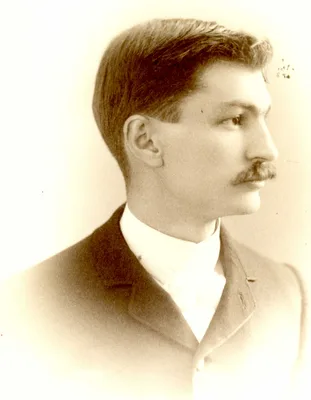
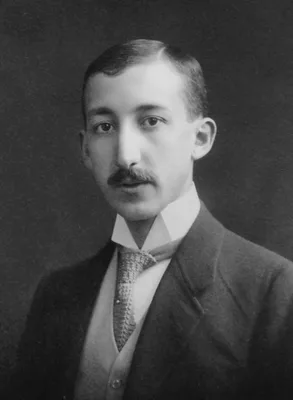
1900 KASTLE, Joseph Hoeing (1864 – 1916); LOEVENHART, Arthur Salomon (1878 – 1929)
Concerning lipase, the fat-splitting enzyme, and the reversibility of its action.
Demonstration of the reversible action of lipase.
GMN 722 · https://historyofmedicine.com/id/1056
1901 HOPKINS, Sir Frederick Gowland (1861 – 1947); COLE, Sydney William (1877 – 1952)
A contribution to the chemistry of proteids. I. A preliminary study of a hitherto undescribed product of tryptic digestion.
Isolation of tryptophan.
GMN 723 · https://historyofmedicine.com/id/1060
1901 –1903 LEVENE, Phoebus Aaron Theodore (1869 – 1940)
Darstellung und Analyse einiger Nucleinsäuren. I.-VI. Mittheilung.
Chemical distinction between DNA and RNA. Levene elucidated the fundamentals of nucleic acid chemistry. His work led to the tetranucleotide hypothesis.
GMN 725.1 · https://historyofmedicine.com/id/1070
1902 RUBNER, Max (1854 – 1932)
Die Gesetze des Energieverbrauchs bei der Ernährung.
Rubner’s classic work on the influence of foodstuffs on metabolism. In it he introduced the term “specific dynamic action of the foodstuffs”.
GMN 1025 · https://historyofmedicine.com/id/930
1902 HÖBER, Rudolf Otto Anselm (1873 – 1953)
Physikalische Chemie der Zelle und Gewebe.
GMN 724 · https://historyofmedicine.com/id/1062
1902 –1904 HAMBURGER, Hartog Jakob (1859 – 1924)
Osmotischer Druck und Ionenlehre in den medicinischen Wissenschaften. 3 vols.
Includes an account of all the methods of determining osmotic pressure.
GMN 725 · https://historyofmedicine.com/id/1065
1904 KROGH, Schack August Steenberg (1874 – 1949); BOHR, Christian Harald Lauritz Peter Emil (1855 – 1911); HASSELBALCH, Karl Albert (1874 – 1962)
Ueber einen in biologischer Beziehung wichtigen Einfluss, den die Kohlensäurespannung des Blutes auf dessen Sauerstoffbindung übt.
Bohr, Hasselbalch, and Krogh showed, in the experimental animal, that the affinity of blood for oxygen depends upon carbon dioxide pressure. This became known as the Bohr effect, though the discovery may have been mad…
GMN 726 · https://historyofmedicine.com/id/1073
1904 HAMMURABI, King of Babylon (-1792 – -1750); HARPER, Robert Francis (1864 – 1914)
The code of Hammurabi, King of Babylon about 2000 BCE. Autographed text, transliteration, translation, glossary, index of subjects, lists of proper names, signs, numerals, corrections, and erasures, with map, frontispiece, and photograph of text by Robert Francis Harper.
The Code of Hammurabi was found among the cuneiform tablets of the library of Ashurbanipal. It is now in the Louvre. It was first published in Scheil, "Textes élamites-sémitiques. Deuxième série: accompagné de 20 plan…
GMN 1 · https://historyofmedicine.com/id/8605
1905 ABDERHALDEN, Emil (1877 – 1950)
Abbau und Aufbau der Eiweisskörper im tierischen Organismus.
GMN 727 · https://historyofmedicine.com/id/1076
1905 KNOOP, Georg Franz (1875 – 1946)
Die Abbau aromatischer Fettsäuren im Tierkörper.
ß-oxidation theory.
GMN 728 · https://historyofmedicine.com/id/1079
1905 ZSIGMONDY, Richard Adolf (1866 – 1930)
Zur Erkenntnis der Kolloide.
GMN 729 · https://historyofmedicine.com/id/1082
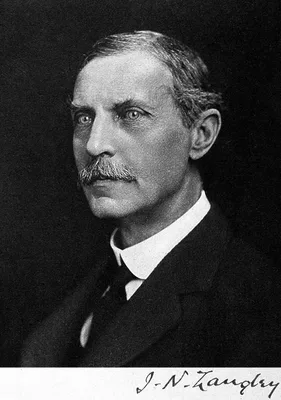
1905 LANGLEY, John Newport (1852 – 1925)
On the reaction of cells and of nerve-endings to certain poisons, chiefly as regards the reaction of striated muscle to nicotine and to curari.
Langley introduced the concept of a receptor substance present in the biological object with which a drug has to interact in order to exert its biological effect. Digital facsimile from PubMedCentral at this link.
GMN 1893.2 · https://historyofmedicine.com/id/2538
1906 LUSK, Graham (1866 – 1932)
The elements of the science of nutrition.
A classic exposition of respiratory and intermediary metabolism. Fourth edition, 1928. Reprint of Lusk’s personal annotated copy of the fourth edition, with biography and bibliography of his writings, New York, Johnso…
GMN 1045 · https://historyofmedicine.com/id/1059
1906 –1923 FISCHER, Hermann Emil Louis (1852 – 1919)
Untersuchungen über Aminosäuren, Polypeptide und Proteine. 2 vols.
In a series of papers, Fischer showed that animal and vegetable proteins are composed of a series of amino-acids united by elimination of water.
GMN 730 · https://historyofmedicine.com/id/1086
1906 HOWELL, William Henry (1860 – 1945)
Note upon the presence of amino-acids in the blood and lymph as determined by the ß naphthalinsulphochloride reaction.
Demonstration of the presence of amino-acids in the blood.
GMN 730.1 · https://historyofmedicine.com/id/1090
1906 PAVY, Frederick William (1829 – 1911)
On carbohydrate metabolism.
GMN 731 · https://historyofmedicine.com/id/1093
1906 HOPKINS, Sir Frederick Gowland (1861 – 1947); WILLCOCK, Edith Gertrude (1879 – 1953)
The importance of individual amino-acids in metabolism.
Demonstration of the importance of tryptophan in diet. The pioneer work of Hopkins led eventually to the discovery of vitamins.
GMN 732 · https://historyofmedicine.com/id/1097
1907 BENEDICT, Francis Gano (1870 – 1957)
The influence of inanition on metabolism.
GMN 1027 · https://historyofmedicine.com/id/938
1907 HOPKINS, Sir Frederick Gowland (1861 – 1947); FLETCHER, Sir Walter Morley (1873 – 1933)
Lactic acid in amphibian muscle.
Explanation of the production of lactic acid in normal muscular contraction.
GMN 733 · https://historyofmedicine.com/id/1102
1908 DAKIN, Henry Drysdale (1880 – 1952)
The oxidation of butyric acid by means of hydrogen peroxide with formation of acetone, aldehydes, and other products.
See No. 735.
GMN 734 · https://historyofmedicine.com/id/1105
1908 DAKIN, Henry Drysdale (1880 – 1952)
Comparative studies of the mode of oxidation of phenyl derivatives of fatty acids by the animal organism and by hydrogen peroxide.
Dakin’s oxidation theory.
GMN 735 · https://historyofmedicine.com/id/1109
1908 GRUBE, Karl Adolph (1866 – )
Ueber die kleinsten Moleküle, welche die Leber zur Synthese des Glykogenes verwerten kann.
GMN 736 · https://historyofmedicine.com/id/1112
1908 HENDERSON, Lawrence Joseph (1878 – 1942)
Concerning the relationship between the strength of acids and their capacity to preserve neutrality.
Henderson-Hasselbalch equation for the determination of pH concentration in the blood. See Hasselbalch's paper. Digital facsimile of Henderson's paper from the American Journal of Physiology at this link. Henderson's …
GMN 9645 · https://historyofmedicine.com/id/11832
1909 FREUNDLICH, Herbert Max Finlay (1880 – 1941)
Kapillarchemie.
GMN 737 · https://historyofmedicine.com/id/1114
1909 OSTWALD, Carl Wilhelm Wolfang (1883 – 1943)
Grundriss der Kolloidchemie.
GMN 738 · https://historyofmedicine.com/id/1116
1910 TRAUBE, Isidor (1860 – 1943)
Die Theorie des Haftdrucks (Oberflächendrucks) und ihre Bedeutung für die Physiologie.
GMN 740 · https://historyofmedicine.com/id/1124
1910 KASTLE, Joseph Hoeing (1864 – 1916)
The oxidases and other oxygen-catalysts concerned in biological oxidations.
Hygienic Laboratory.- Bulletin No. 59. December, 1909. Digital facsimile from the Internet Archive at this link.
GMN 739 · https://historyofmedicine.com/id/1147
1912 DAKIN, Henry Drysdale (1880 – 1952)
Oxidations and reductions in the animal body.
GMN 741 · https://historyofmedicine.com/id/1127
1912 FOLIN, Otto Knut Olof (1876 – 1934); FARMER, Chester Jefferson (1886 – 1969)
A new method for the determination of total nitrogen in urine.
Folin introduced several micro-methods for the determination of nitrogen, urea, creatine, etc.
GMN 741.1 · https://historyofmedicine.com/id/1132
1913 BENEDICT, Francis Gano (1870 – 1957); CATHCART, Edward Provan (1877 – 1954)
Muscular work. A metabolic study.
GMN 657 · https://historyofmedicine.com/id/534
1913 BOURQUELOT, Émile (1851 – 1921)
La synthèse des glucosides par les ferments.
Bourquelot did important work on the synthesis of glucosides; several more papers followed the one given above.
GMN 1903 · https://historyofmedicine.com/id/2650
1913 HENRY, Thomas Anderson (1873 – 1958)
The plant alkaloids.
Digital facsimile from the Internet Archive at this link.
GMN 1903.1 · https://historyofmedicine.com/id/2652
1913 MENTEN, Maud Lenore (1879 – 1960); MICHAELIS, Leonor (1875 – 1949)
Die Kinetik der Invertinwirkung.
The Michaelis-Menten equation, which showed that the rate of an enzyme-catalyzed reaction is proportional to the amount of the enzyme-substrate complex. This relationship between reaction rate and enzyme–substrate con…
GMN 11438 · https://historyofmedicine.com/id/13637
1914 ABEL, John Jacob (1857 – 1938); TURNER, Benjamin Bernard (1871 – 1945); ROWNTREE, Leonard George (1883 – 1959)
On the removal of diffusible substances from the circulating blood of living animals by dialysis.
Hemodialysis. See also No. 1976. Preliminary communication in Trans Ass. Amer. Phycns., 1913, 28, 51-4. "Together with L.G. Rowntree and B.B. Turner, Abel devised what they called a "vividiffusion" apparatus, consisti…
GMN 741.2 · https://historyofmedicine.com/id/1138
1917 HASSELBALCH, Karl Albert (1874 – 1962)
Die Berechnung der Wasserstoffzahl des Blutes aus der freien und gebundenen Kohlensäure desselben, und die Sauerstoffbindung des Blutes als Funktion der Wasserstoffzahl.
Henderson-Hasselbalch equation for the determination of pH concentration in the blood. English translation in No. 1588.16. For Henderson's papers see No. 9645.
GMN 742 · https://historyofmedicine.com/id/1143
1920 JONES, Walter (Jennings) (1865 – 1935)
The action of the boiled pancreas extract on yeast nucleic acid.
Ribonudease.
GMN 743 · https://historyofmedicine.com/id/1156
1920 BELL, Richard D.; DOISY, Edward Adelbert (1883 – 1986)
Rapid colorimetric methods for the determination of phosphorus in urine and blood.
GMN 744 · https://historyofmedicine.com/id/1171
1920 –1939 ABDERHALDEN, Emil (1877 – 1950)
Handbuch der biologischen Arbeitsmethoden. Edited by Emil Abderhalden. 14 vols. in 107.
The Hathi Trust maintains versions of all 107 parts, most of which are searchable to a limited extent, at this link.
GMN 136 · https://historyofmedicine.com/id/2183
1920 HARVEY, Edmund Newton (1887 – 1959)
The nature of animal light.
Digital facsimile from Google Books at this link. Harvey later published Living light (1940) and Bioluminescence (1952). The 1952 book extended over 600 pages, and was his definitive study. (Thanks to Malcolm Jay Kott…
GMN 13563 · https://historyofmedicine.com/id/15841
1921 HOPKINS, Sir Frederick Gowland (1861 – 1947)
On an autoxidisable constituent of the cell.
Isolation of glutathione.
GMN 745 · https://historyofmedicine.com/id/1729
1922 READ, Jay Marion (1889 – 1963)
Correlation of basal metabolic rate with pulse rate and pulse pressure.
Read’s formula for computation of basal metabolic rate.
GMN 660 · https://historyofmedicine.com/id/536
1923 HEVESY, George Charles de (1885 – 1966)
The absorption and translocation of lead by plants: A contribution to the application of the method of radioactive indicators in the investigation of the change of substance in plants.
The first application of radioactive tracers in biological studies. Digital facsimile from PubMedCentral at this link. Hevesy received the 1943 Nobel Prize in Chemistry "for his work on the use of isotopes as tracers …
GMN 9333 · https://historyofmedicine.com/id/11515
1924 VAN SLYKE, Donald Dexter (1883 – 1971); NEILL, James M. (1894 – 1964)
The determination of gases in blood and other solutions by vacuum extraction and manometric measurement.
Method for the manometric analysis of gases in blood and other solutions.
GMN 963.1 · https://historyofmedicine.com/id/273
1924 DUBOIS, Eugène Floyd (1882 – 1959)
Basal metabolism in health and disease.
GMN 1036 · https://historyofmedicine.com/id/1011
1924 MEYERHOF, Otto Fritz (1884 – 1951)
Chemical dynamics of life phenomena.
GMN 748 · https://historyofmedicine.com/id/1731
1924 JACKSON, Henry (1892 – )
Studies in nuclein metabolism. II. The isolation of a nucleotide from human blood.
Jackson demonstrated the existence of pentose nucleotides in normal blood.
GMN 747 · https://historyofmedicine.com/id/1839
1924 OPARIN, Alexander Ivanovich (1894 – 1980)
Proiskhozhedenie Zhizni.
Oparin’s central thesis was that the first organisms to emerge in the anaerobic environment of the primitive Earth must have been heterotrophic bacteria. He proposed that life had been preceded by a lengthy period of …
GMN 7384 · https://historyofmedicine.com/id/9556
1924 HEVESY, George Charles de (1885 – 1966); LOMHOLT, Sven; CHRISTIANSEN, J. A.
Radiochemical method of studying the circulation of lead in the body.
First application of radioactive tracers in animals, specifically rabbits and guinea pigs. See also Hevesy et al, "Radiochemical method of studying the circulation of bismuth in the body," C. R. Acad. Sci. (Paris) 178…
GMN 9334 · https://historyofmedicine.com/id/11516
1925 RAPER, Henry Stanley (1882 – 1951); CLUTTERBUCK, Percival Walter (1897 – 1938)
A study of the oxidation of the ammonium salts of normal saturated fatty acids and its biological significance.
GMN 749 · https://historyofmedicine.com/id/1732
1928 WARBURG, Otto Heinrich (1883 – 1970)
Ueber die katalytischen Wirkungen der lebendigen Substanz.
GMN 750 · https://historyofmedicine.com/id/1733