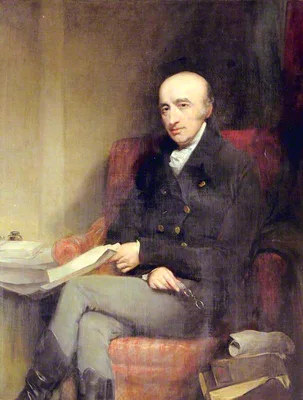
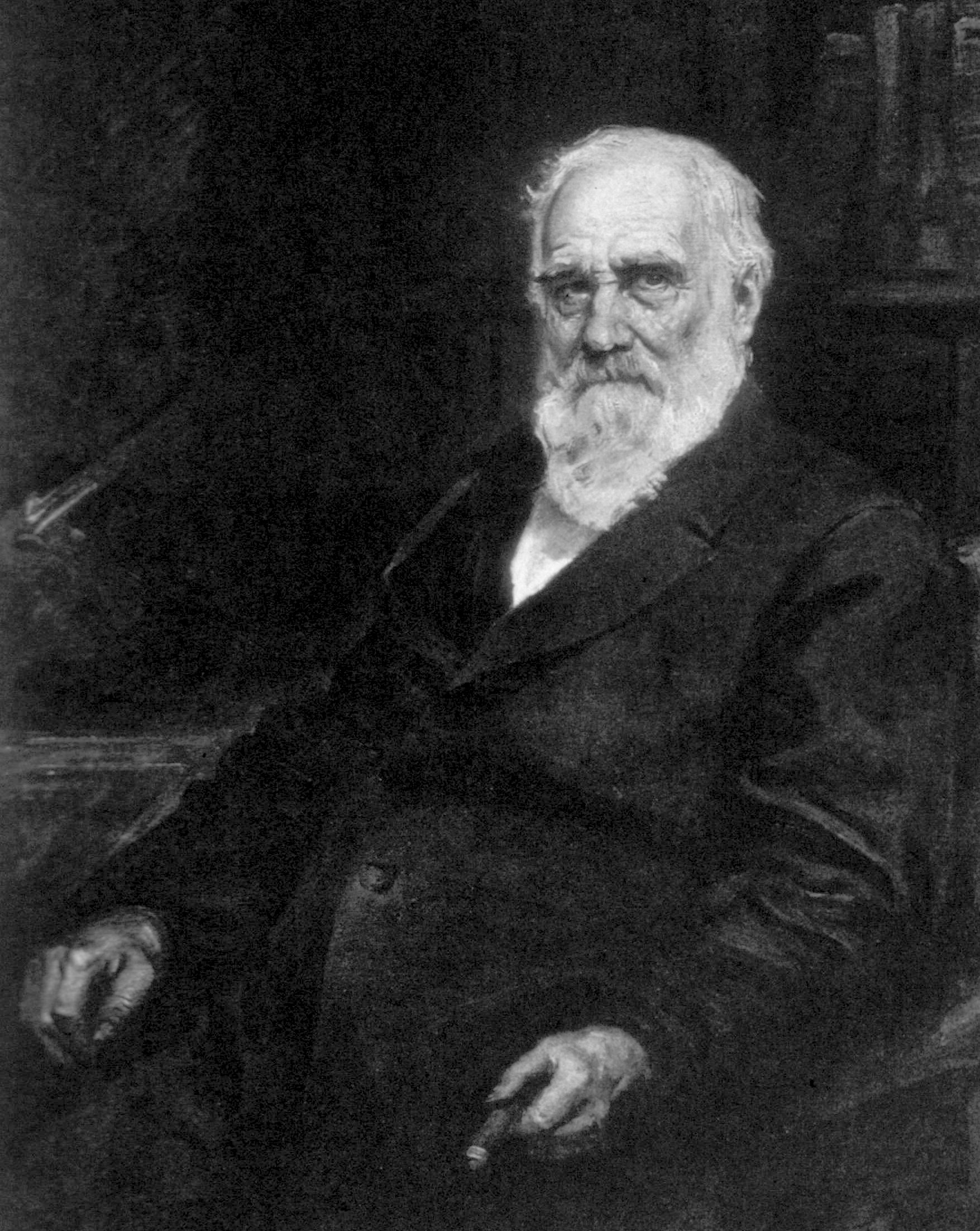
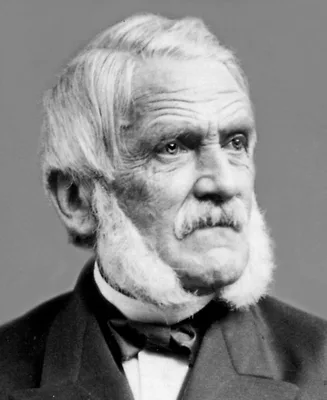
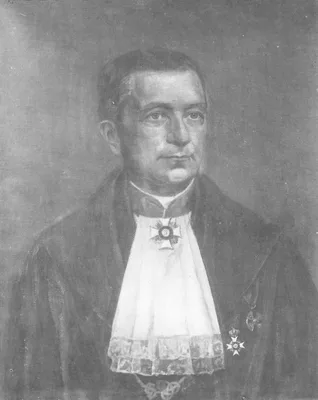
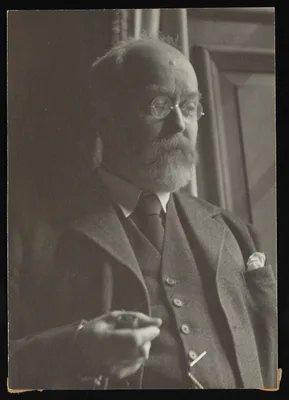
1810 WOLLASTON, William Hyde (1766 – 1828)
On cystic oxide, a new species of urinary calculus.
Cystine, the first amino-acid to be isolated, was prepared by Wollaston from a urinary calculus. This was also the first report of cystinuria.
GMN 668.1 · https://historyofmedicine.com/id/622
1844 PETTENKOFER, Max Josef von (1818 – 1901)
Notiz über eine neue Reaction auf Galle und Zucker.
Pettenkofer’s test for bile. Previously there had been no means of recognizing the presence of the bile salts.
GMN 679 · https://historyofmedicine.com/id/769
1848 FEHLING, Hermann Christian von (1812 – 1885)
Quantitative Bestimmung des Zuckers im Harn.
Fehling’s test for sugar in the urine.
GMN 680 · https://historyofmedicine.com/id/776
1849 MILLON, August Nicolas Eugène (1812 – 1867)
Sur un réactif propre aux composés protéiques.
Millon discovered a special reagent for proteids.
GMN 683 · https://historyofmedicine.com/id/798
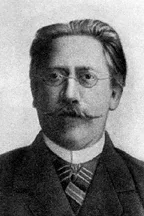
1868 JAFFE, Max (1841 – 1911)
Beitrag zur Kenntniss der Gallen-und Harnpigmente.
Jaffe discovered urobilin in the urine.
GMN 693 · https://historyofmedicine.com/id/866
1876 VIERORDT, Karl von (1818 – 1884)
Die quantitative Spectralanalyse in ihrer Anwendung auf Physiologie, Physik, Chemie und Technologie.
Vierordt’s spectral analyses of hemoglobin, bile and urine were of great value. He studied the variations in the spectrum of oxyhemoglobin produced by different dilutions of this substance and was thus able to estimat…
GMN 696 · https://historyofmedicine.com/id/891
1877 JAFFE, Max (1841 – 1911)
Ueber die Ausscheidung des Indicans unter physiologischen und pathologischen Verhältnissen.
Isolation of indican in the urine.
GMN 697 · https://historyofmedicine.com/id/904
1886 JAFFE, Max (1841 – 1911)
Ueber den Niederschlag, welchen Pikrinsäure in normalen Harn erzeugt und über eine neue Reaction des Kreatinins.
Jaffe’s creatinine test.
GMN 708 · https://historyofmedicine.com/id/962
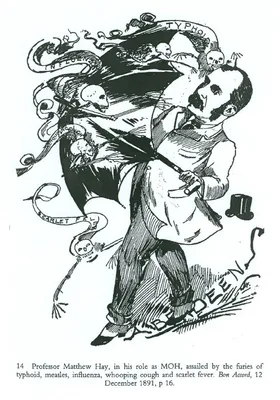
1886 STIRLING, William (1851 – 1932); HAY, Matthew (1855 – 1932); LANDOIS, Leonard (1837 – 1902)
A text-book of human physiology, including histology and microscopical anatomy....by L. Landois. Translated from the fifth German edition. With additions by William Stirling. 2 vols.
Second edition in English. Matthew Hay devised a test for the determination of bile acids in the urine, published in vol. 1, p. 381. Digital facsimile from the Hathi Trust at this link.
GMN 707 · https://historyofmedicine.com/id/1837
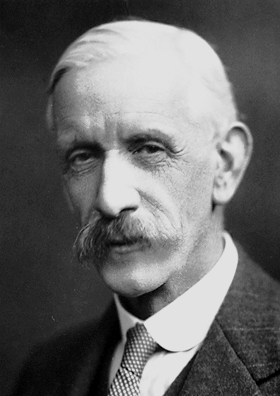
1892 HOPKINS, Sir Frederick Gowland (1861 – 1947)
On the estimation of uric acid in the urine: a new process by means of saturation with ammonium chloride.
Hopkins’s method of estimating uric acid in urine.
GMN 718 · https://historyofmedicine.com/id/989
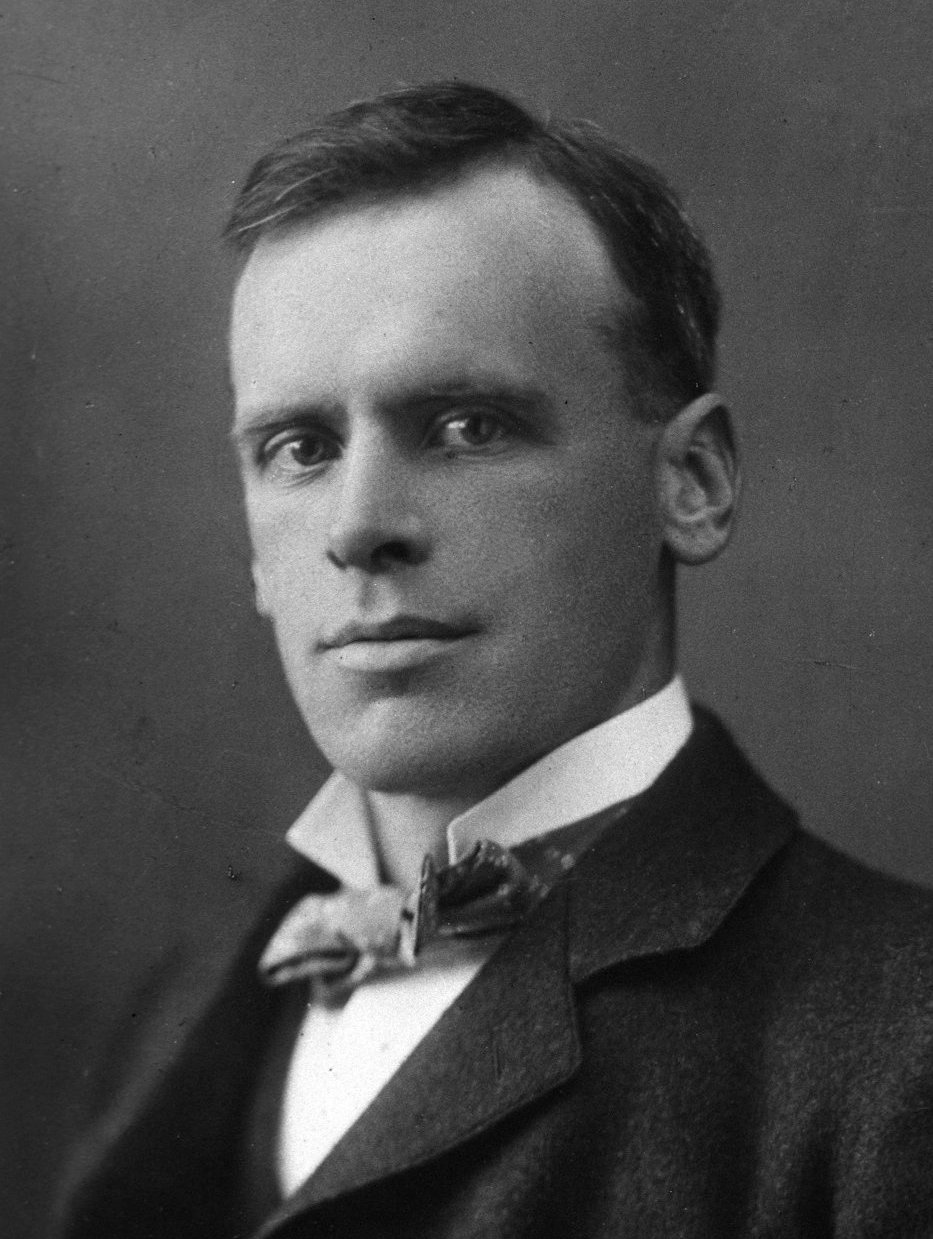
1896 STARLING, Ernest Henry (1866 – 1927)
On the absorption of fluids from the connective tissue spaces.
Starling discovered the functional significance of the serum proteins.
GMN 647 · https://historyofmedicine.com/id/526
1904 HAMMURABI, King of Babylon (-1792 – -1750); HARPER, Robert Francis (1864 – 1914)
The code of Hammurabi, King of Babylon about 2000 BCE. Autographed text, transliteration, translation, glossary, index of subjects, lists of proper names, signs, numerals, corrections, and erasures, with map, frontispiece, and photograph of text by Robert Francis Harper.
The Code of Hammurabi was found among the cuneiform tablets of the library of Ashurbanipal. It is now in the Louvre. It was first published in Scheil, "Textes élamites-sémitiques. Deuxième série: accompagné de 20 plan…
GMN 1 · https://historyofmedicine.com/id/8605
1908 HENDERSON, Lawrence Joseph (1878 – 1942)
Concerning the relationship between the strength of acids and their capacity to preserve neutrality.
Henderson-Hasselbalch equation for the determination of pH concentration in the blood. See Hasselbalch's paper. Digital facsimile of Henderson's paper from the American Journal of Physiology at this link. Henderson's …
GMN 9645 · https://historyofmedicine.com/id/11832
1912 FOLIN, Otto Knut Olof (1876 – 1934); FARMER, Chester Jefferson (1886 – 1969)
A new method for the determination of total nitrogen in urine.
Folin introduced several micro-methods for the determination of nitrogen, urea, creatine, etc.
GMN 741.1 · https://historyofmedicine.com/id/1132
1917 HASSELBALCH, Karl Albert (1874 – 1962)
Die Berechnung der Wasserstoffzahl des Blutes aus der freien und gebundenen Kohlensäure desselben, und die Sauerstoffbindung des Blutes als Funktion der Wasserstoffzahl.
Henderson-Hasselbalch equation for the determination of pH concentration in the blood. English translation in No. 1588.16. For Henderson's papers see No. 9645.
GMN 742 · https://historyofmedicine.com/id/1143
1920 BELL, Richard D.; DOISY, Edward Adelbert (1883 – 1986)
Rapid colorimetric methods for the determination of phosphorus in urine and blood.
GMN 744 · https://historyofmedicine.com/id/1171
1924 VAN SLYKE, Donald Dexter (1883 – 1971); NEILL, James M. (1894 – 1964)
The determination of gases in blood and other solutions by vacuum extraction and manometric measurement.
Method for the manometric analysis of gases in blood and other solutions.
GMN 963.1 · https://historyofmedicine.com/id/273
1982 ROSENFELD, Louis (1925 – )
Origins of clinical chemistry: The evolution of protein analysis.
GMN 11037 · https://historyofmedicine.com/id/13233
1999 ROSENFELD, Louis (1925 – )
Four centuries of clinical chemistry.
The first in-depth study of the development of this field that had such a profound impact on patient care beginning in the second half of the nineteenth century.
GMN 8752 · https://historyofmedicine.com/id/10930