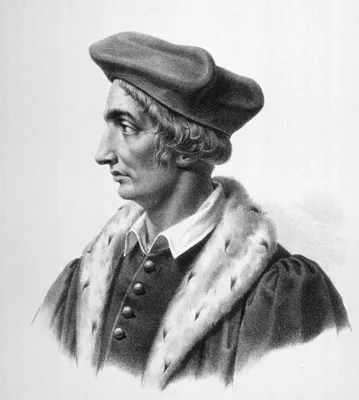
1542 FERNEL, Jean François (1497 – 1558)
De naturali parte medicinae libri septem.
The earliest work devoted exclusively to physiology and the first to call the subject by that name. It was re-issued in 1554 as part of Fernel’s Medicina (No. 2271). Femel suggested that physicians should study the hu…
GMN 572 · https://historyofmedicine.com/id/333
1779 CRAWFORD, Adair (1748 – 1795)
Experiments and observations on animal heat.
Earliest experiments upon animal calorimetry.
GMN 591 · https://historyofmedicine.com/id/375
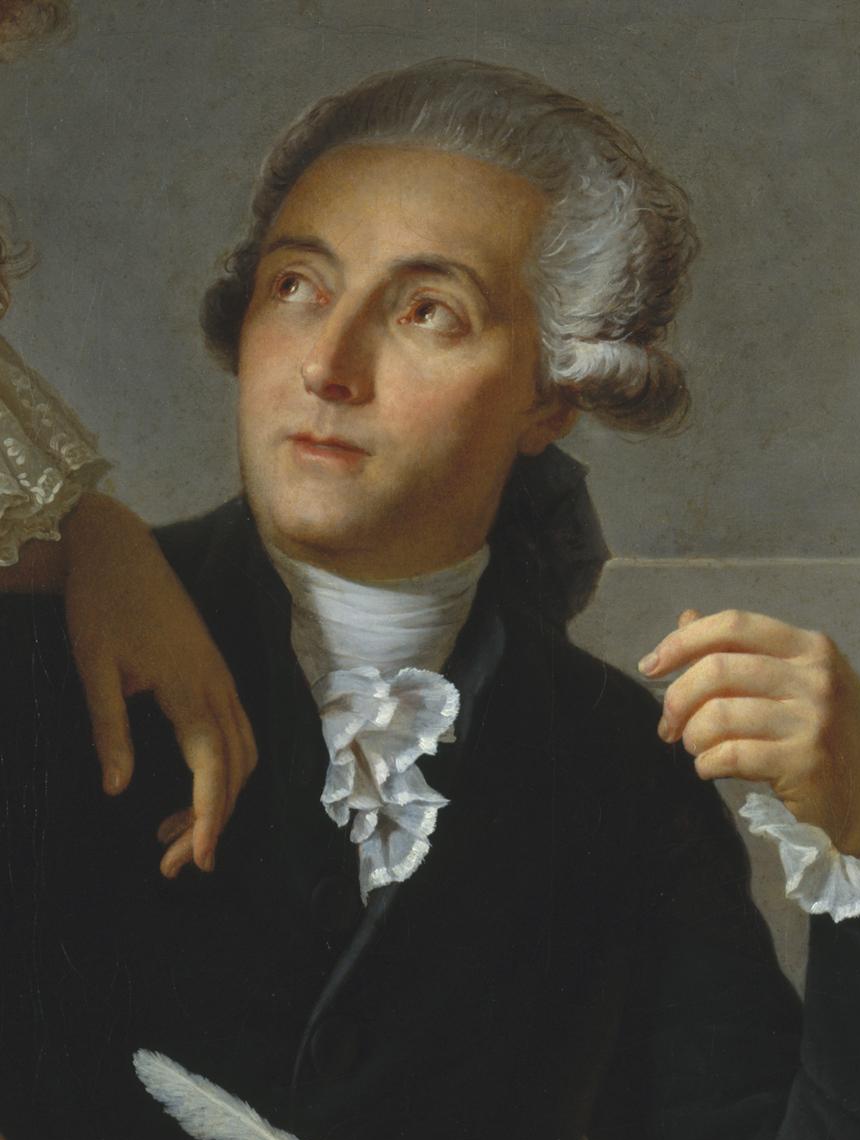
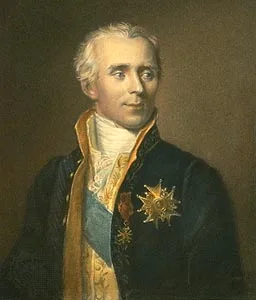
1784 LAVOISIER, Antoine Laurent de (1743 – 1794); LAPLACE, Pierre-Simon marquis de (1749 – 1827)
Mémoire sur la chaleur.
These workers invented an ice calorimeter, with it measured the respiratory quotient of a pig, and demonstrated the analogy between respiration and combustion.
GMN 592 · https://historyofmedicine.com/id/392
1791 HASSENFRATZ, Jean Henri (1755 – 1827)
Mémoire sur la combinaison de l’oxigéne avec le carbone et l’hydrogéne du sang, sur la dissolution de l’oxigéne dans le sang, et sur la maniére dont le calorique se dégage.
Hassenfratz, a pupil of Lagrange, maintained that the oxidation of carbon and hydrogen took place in the blood, and not in the lungs as taught by others.
GMN 926 · https://historyofmedicine.com/id/135
1793 LAVOISIER, Antoine Laurent de (1743 – 1794); SÉGUIN, Armand (1768 – 1835)
Premier mémoire sur la respiration des animaux.
Séguin and Lavoisier measured the metabolism of a man (Séguin himself). They made three observations of fundamental importance in this respect; that the intensity of oxidation in man is dependent upon (1) food, (2) en…
GMN 594 · https://historyofmedicine.com/id/420
1839 BOUSSINGAULT, Jean-Baptiste Joseph Dieudonné (1801 – 1887)
Analyses comparées des alimens consommés et des produits rendus par une vache laitière.
The first analysis of foodstuffs and fertilizers. Boussingault made a balance of intake and outgo of nutrients in food and excreta.
GMN 992 · https://historyofmedicine.com/id/698
1842 WÖHLER, Friedrich (1800 – 1882)
Umwandlung der Benzoësäure in Hippursäure im lebenden Organismus.
Discovery that benzoic acid taken in with food is excreted in the urine as hippuric acid. (But see the footnote to p. 474 of Garrison’s History of medicine, 1929.)
GMN 678 · https://historyofmedicine.com/id/762
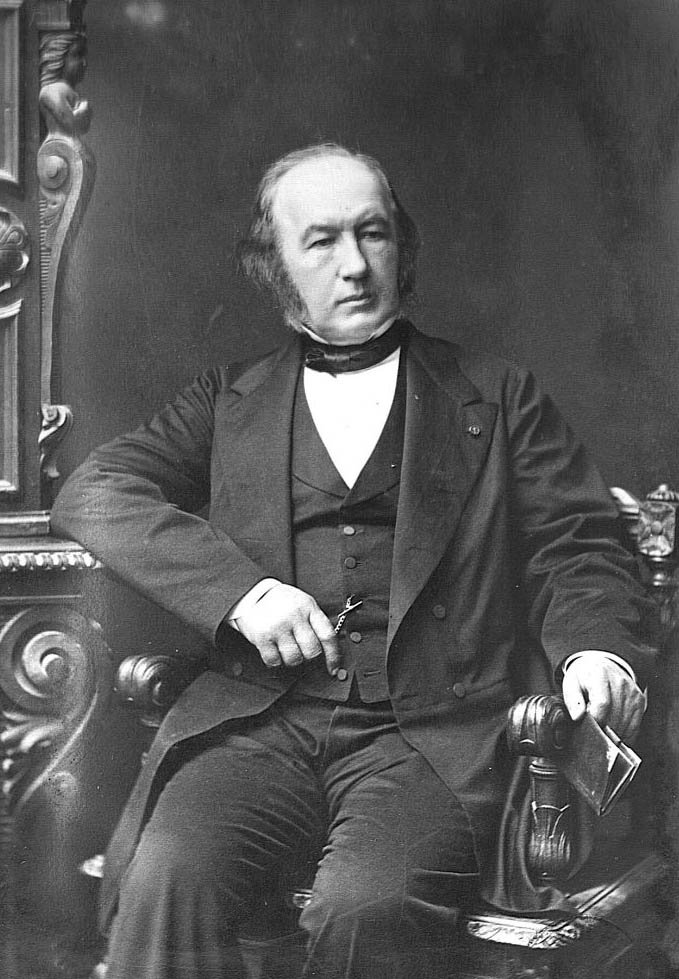
1843 BERNARD, Claude (1813 – 1878)
Du suc gastrique et de son rôle dans la nutrition.
Bernard showed that if sucrose is injected directly into the blood it is eliminated by the kidneys while glucose is retained, and that gastric juice transforms sucrose into assimilable sugar. See F. J. Holmes, Claude …
GMN 992.3 · https://historyofmedicine.com/id/718
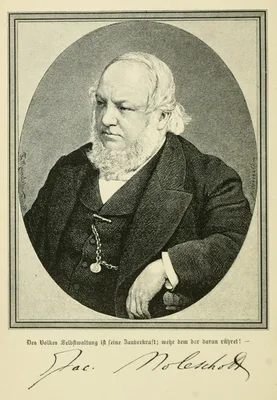
1852 MOLESCHOTT, Jacob (1822 – 1893)
Der Kreislauf des Lebens.
This work attacked Liebig’s theories, although courteously. Moleschott, a Dutch physiologist, evolved a purely materialistic conception of the world. He considered life a magnificent metabolic process, and thought a p…
GMN 115 · https://historyofmedicine.com/id/2037
1862 –1863 VOIT, Carl von (1831 – 1908); PETTENKOFER, Max Josef von (1818 – 1901)
Untersuchungen über die Respiration.
The first combined feeding–respiration experiments. Pettenkofer and Voit devised an apparatus for their important experiments on respiration and metabolism. They were first to estimate the amounts of protein, fat, and…
GMN 938 · https://historyofmedicine.com/id/181
1867 –1868 HERMANN, Ludimar (1838 – 1914)
Untersuchungen über den Stoffwechsel der Muskeln, ausgehend vom Gaswechsel derselben. 3 vols.
Hermann’s views on nitrogen metabolism in muscular work correctly anticipated the later conclusions of Fletcher, Hopkins, and others.
GMN 625 · https://historyofmedicine.com/id/508
1871 FLINT (YOUNGER), Austin (1836 – 1915)
On the physiological effects of severe and protracted muscular exercise; with special reference to the influence of exercise upon the excretion of nitrogen.
Flint made investigations on the nitrogen output of a long-distance walker, before, during, and after the latter’s attempt to walk 400 miles in five days. The useful data in this paper are often referred to in discuss…
GMN 626 · https://historyofmedicine.com/id/633
1872 PFLÜGER, Eduard Friedrich Wilhelm (1829 – 1910)
Ueber die Diffusion des Sauerstoffs, den Ort und die Gesetze der Oxydationsprocesse im thierischen Organismus.
GMN 627 · https://historyofmedicine.com/id/509
1878 PFLÜGER, Eduard Friedrich Wilhelm (1829 – 1910)
Ueber Wärme und Oxydation der lebendigen Materie.
GMN 633 · https://historyofmedicine.com/id/513
1891 CHAUVEAU, Jean Baptiste Auguste (1827 – 1917)
Le travail musculaire et l’énergie qu’il représente.
Important studies on thermodynamics of muscular work.
GMN 638 · https://historyofmedicine.com/id/518
1891 MOSSO, Angelo (1846 – 1910)
La fatica.
Mosso investigated muscular fatigue with the ergograph of his invention. He showed fatigue to be due to a toxin produced by muscular contraction. English translation, 1906.
GMN 639 · https://historyofmedicine.com/id/519
1891 HARLEY, Edward Vaughan Berkeley (1863 – 1923)
The behaviour of saccharine matter in the blood.
Destruction of sugar in the blood.
GMN 717 · https://historyofmedicine.com/id/986
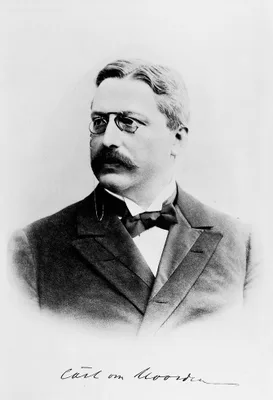
1893 NOORDEN, Carl Harko von (1858 – 1944)
Beiträge zur Lehre von Stoffwechsel. I. Grundriss einer Methodik der Stoffwechsel-Untersuchungen.
GMN 640 · https://historyofmedicine.com/id/1833
1898 ATWATER, Wilbur Olin (1844 – 1907); LANGWORTHY, Charles Ford (1864 – 1932)
A digest of metabolism experiments in which the balance of income and outgo was determined.
GMN 648 · https://historyofmedicine.com/id/527
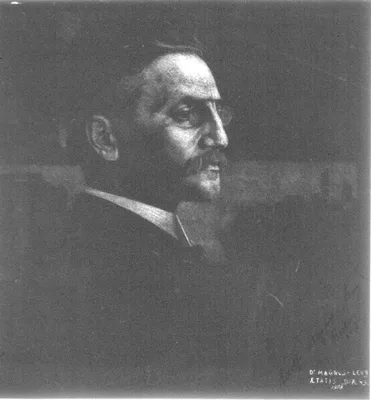
1899 MAGNUS-LEVY, Adolf (1865 – 1955); FALK, Ernst
Der Lungengaswechsel des Menschen in den verschiedenen. Altersstufen.
The first systematic study of the basal metabolism of normal individuals from childhood to old age.
GMN 649.1 · https://historyofmedicine.com/id/617
1902 RUBNER, Max (1854 – 1932)
Die Gesetze des Energieverbrauchs bei der Ernährung.
Rubner’s classic work on the influence of foodstuffs on metabolism. In it he introduced the term “specific dynamic action of the foodstuffs”.
GMN 1025 · https://historyofmedicine.com/id/930
1906 LUSK, Graham (1866 – 1932)
The elements of the science of nutrition.
A classic exposition of respiratory and intermediary metabolism. Fourth edition, 1928. Reprint of Lusk’s personal annotated copy of the fourth edition, with biography and bibliography of his writings, New York, Johnso…
GMN 1045 · https://historyofmedicine.com/id/1059
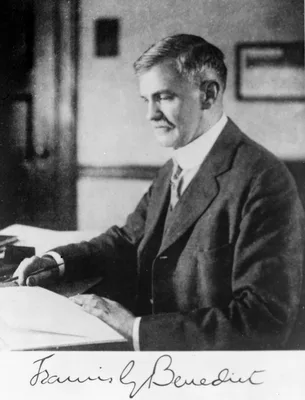
1907 BENEDICT, Francis Gano (1870 – 1957)
The influence of inanition on metabolism.
GMN 1027 · https://historyofmedicine.com/id/938
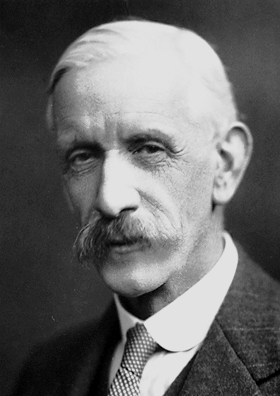
1907 HOPKINS, Sir Frederick Gowland (1861 – 1947); FLETCHER, Sir Walter Morley (1873 – 1933)
Lactic acid in amphibian muscle.
Explanation of the production of lactic acid in normal muscular contraction.
GMN 733 · https://historyofmedicine.com/id/1102
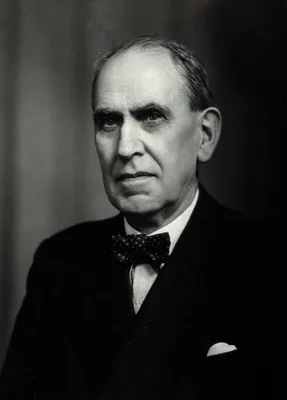
1913 BENEDICT, Francis Gano (1870 – 1957); CATHCART, Edward Provan (1877 – 1954)
Muscular work. A metabolic study.
GMN 657 · https://historyofmedicine.com/id/534
1922 READ, Jay Marion (1889 – 1963)
Correlation of basal metabolic rate with pulse rate and pulse pressure.
Read’s formula for computation of basal metabolic rate.
GMN 660 · https://historyofmedicine.com/id/536
1924 DUBOIS, Eugène Floyd (1882 – 1959)
Basal metabolism in health and disease.
GMN 1036 · https://historyofmedicine.com/id/1011
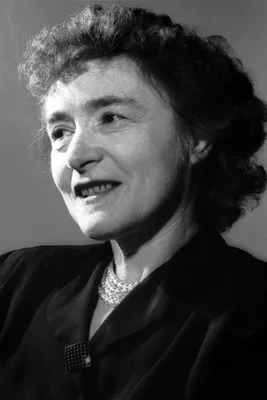
1929 CORI, Carl Ferdinand (1896 – 1984); CORI, Gerty Theresa (1896 – 1957)
Glycogen formation in the liver from d- and 1-lactic acid.
The Cori cycle (also known as the lactic acid cycle), a metabolic pathway in which lactate produced by anaerobic glycolysis in muscles is transported to the liver and converted to glucose, which then returns to the mu…
GMN 12327 · https://historyofmedicine.com/id/14551
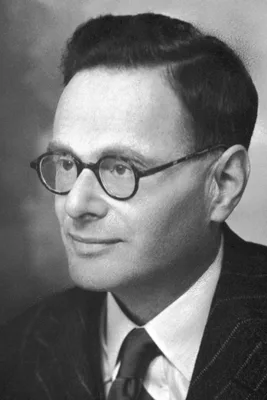
1937 KREBS, Sir Hans Adolf (1900 – 1981); JOHNSON, William Arthur (1913 – 1993)
Citric acid in intermediate metabolism in animal tissues.
Citric acid cycle (CAC) of aerobic carbohydrate metabolism (Krebs cycle). Three months after his initial publication on CAC Krebs published a supplementary paper aimed at the medical audience, rather than the biochemi…
GMN 751.1 · https://historyofmedicine.com/id/1735
1942 BLOCH, Konrad Emil (1912 – 2000); RITTENBERG, David (1906 – 1970)
On the utilization of acetic acid for cholesterol formation.
See also, Rittenberg & Bloch, "The Utilization of Acetic Acid for the Synthesis of Fatty Acids," J. Biol. Chem. 160, 1945, 417-424. Bloch, "The Biological Conversion of Cholesterol to Pregnanediol," J. Biol. Chem. 157…
GMN 14239 · https://historyofmedicine.com/id/16558
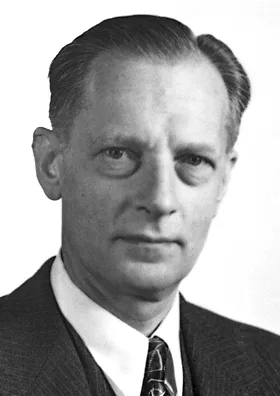
1947 CORI, Carl Ferdinand (1896 – 1984)
Enzymatic reactions in carbohydrate metabolism.
In 1947 Carl Cori and his wife Gerty Cori (1896-1957) shared the Nobel Prize (with Houssay) “for their discovery of the course of the catalytic conversion of glycogen.” They are more often remembered for the Cori cycl…
GMN 751.4 · https://historyofmedicine.com/id/1737
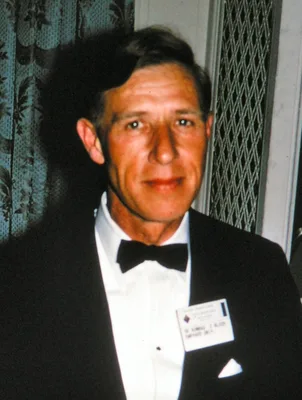
1960 LYNEN, Feodor Felix Konrad; BUCHER, N. L.; OVERATH, P.
β-Hydroxy-β-methyl-glutaryl coenzyme A reductase, cleavage and condensing enzymes in relation to cholesterol formation in rat liver.
In 1964 Feodor Lynen shared the Nobel Prize in Physiology or Medicine with Konrad Bloch “for their discoveries concerning the mechanism and regulation of the cholesterol and fatty acid metabolism.” Order of authorship…
GMN 14240 · https://historyofmedicine.com/id/16559
1973 BROWN, Michael Stuart (1941 – ); GOLDSTEIN, Joseph Leonard (1940 – )
Regulation of 3-Hydroxy-3-Methylglutaryl Coenzyme A Reductase activity in human fibroblasts by lipoproteins.
Goldstein and Brown discovered that human cells have low-density lipoprotein (LDL) receptors that remove cholesterol from the blood and that when LDL receptors are not present in sufficient numbers, individuals develo…
GMN 14241 · https://historyofmedicine.com/id/16560