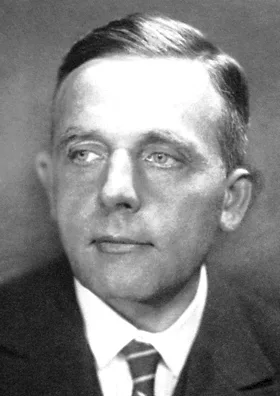
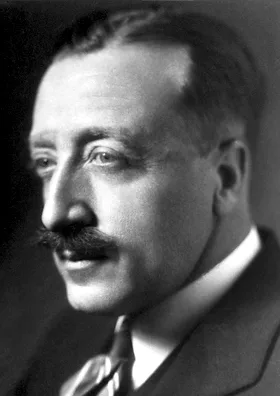
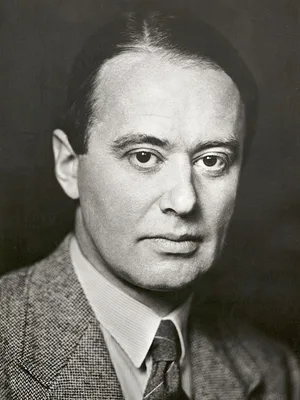
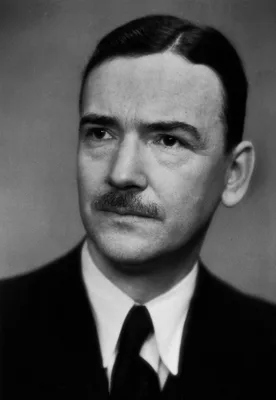
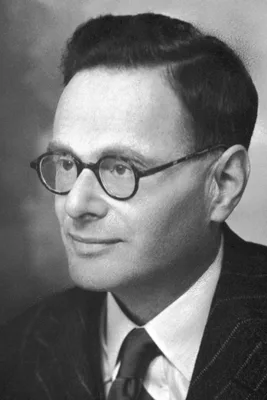
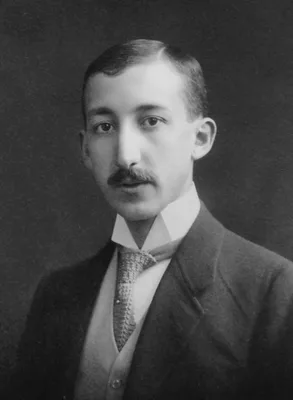
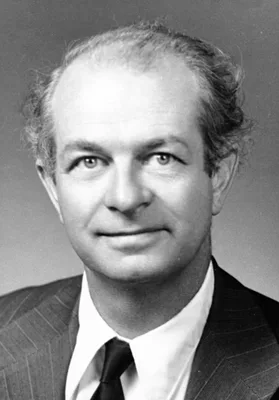
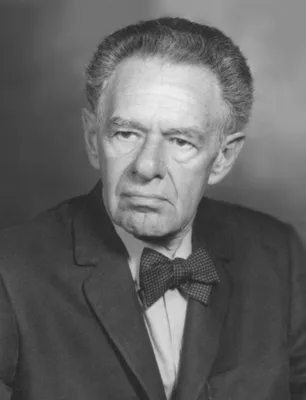
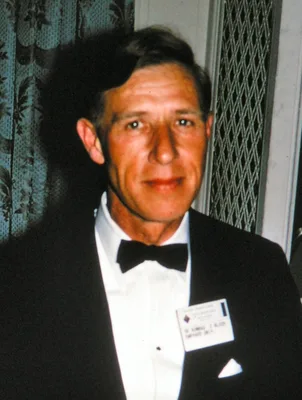
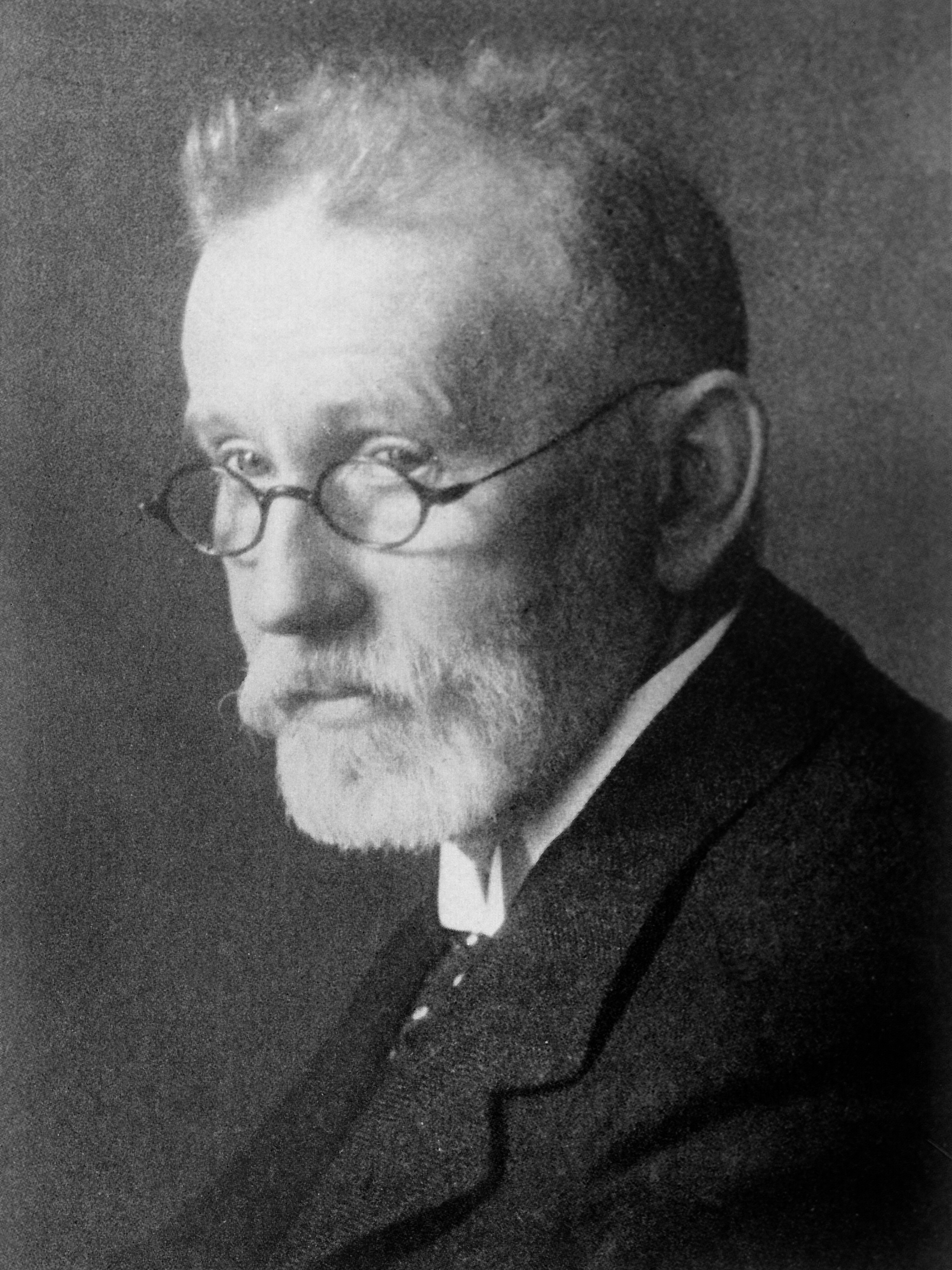
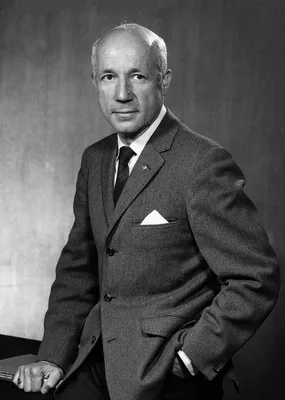
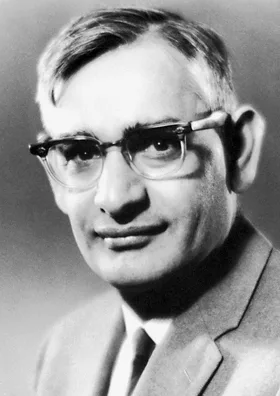
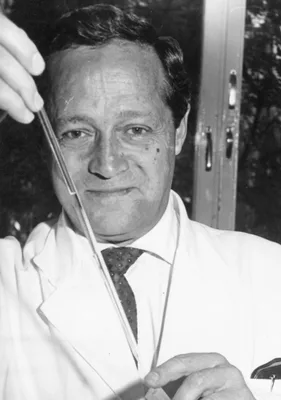
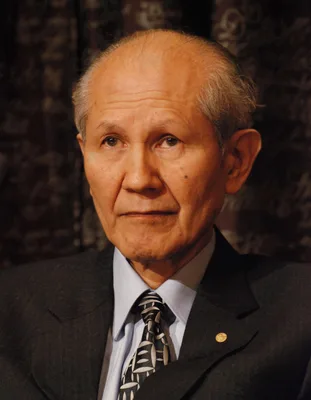
1929 WARBURG, Otto Heinrich (1883 – 1970); NEGELEIN, Erwin (1897 – 1979)
Ueberden Absorptionsspektrum des Atmungsferments.
Warburg discovered the nature and function of the respiratory ferment. In 1931 Warburg was awarded the Nobel Prize in Physiology or Medicine "for discovery of the nature and mode of action of the respiratory enzyme."
GMN 969 · https://historyofmedicine.com/id/301
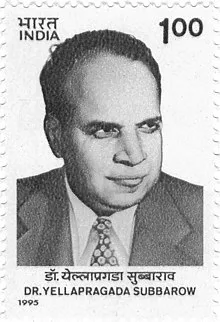
1929 FISKE, Cyrus Hartwell (1890 – 1978); SUBBAROW, Yellapragada (1895 – 1948)
Phosphorus compounds of muscle and liver.
Discovery of adenosine-5′-triphosphate (ATP).
GMN 751 · https://historyofmedicine.com/id/1734
1929 HALDANE, John Burdon Sanderson (1892 – 1964)
The origin of life.
Haldane suggested that organic molecules could have been synthesized in an early atmosphere of carbon dioxide.
GMN 7467 · https://historyofmedicine.com/id/9639
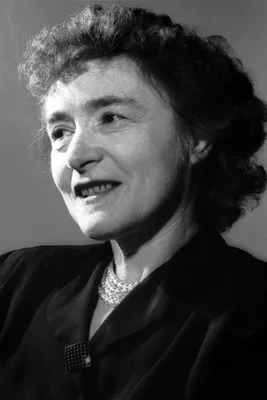
1929 CORI, Carl Ferdinand (1896 – 1984); CORI, Gerty Theresa (1896 – 1957)
Glycogen formation in the liver from d- and 1-lactic acid.
The Cori cycle (also known as the lactic acid cycle), a metabolic pathway in which lactate produced by anaerobic glycolysis in muscles is transported to the liver and converted to glucose, which then returns to the mu…
GMN 12327 · https://historyofmedicine.com/id/14551
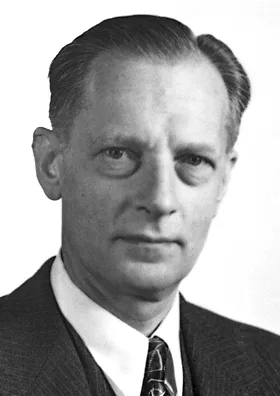
1930 NORTHROP, John Howard (1891 – 1987)
Crystalline pepsin.
Crystallization of pepsin and its identity as a protein. In 1946 Northrop shared half of the Nobel Prize in Chemistry with Wendell Meredith Stanley "for their preparation of enzymes and virus proteins in a pure form."…
GMN 1038.1 · https://historyofmedicine.com/id/1021
1930 TISELIUS, Arne Wilhelm Kaurin (1902 – 1971)
The moving boundary method of studying the electrophoresis of proteins. (Nova Acta Reg. Soc. Scient. Upsaliensis, IV, 7, No. 4.)
Tilesius's doctoral dissertation introduced the laboratory technique of moving-boundary electrophoresis, a technique for separation of chemical compounds by electrophoresis in free solution. For this work, and the wor…
GMN 12830 · https://historyofmedicine.com/id/15076
1932 WARBURG, Otto Heinrich (1883 – 1970); CHRISTIAN, Walter (1907 – 1955)
Ueber ein neues Oxydationsferment und sein Absorptionsspektrum.
GMN 970 · https://historyofmedicine.com/id/303
1932 ASTBURY, William Thomas (1898 – 1961)
X-ray studies of the structures of hair, wool, and related fibres. I. General.
Astbury, a student of William Lawrence Bragg, was the first to study proteins by X-ray analysis. He applied X-ray analysis to the structure of hair, wool, and related fibers, of which the protein keratin is the princi…
GMN 6918 · https://historyofmedicine.com/id/9083
1933 ROUGHTON, Francis John Worsley (1899 – 1972); MELDRUM, Norman Urquhart (1907 – 1933)
Carbonic anhydrase: Its preparation and properties.
Isolation of carbonic anhydrase.
GMN 971 · https://historyofmedicine.com/id/332
1934 EULER, Ulf Svante Hansson von (1905 – 1983)
Zur Kenntnis der pharmakologischen Wirkungen der Natursekreten und Extrakten männlicher accessorischer Geschlechtsdrüsen.
Prostaglandins. Von Euler reported that a lipid fraction of human seminal fluid had potent activities on smooth muscle, hence the name. Later, prostaglandins were found to be widely distributed in mammalian tissues an…
GMN 1924.3 · https://historyofmedicine.com/id/2715
1934 BERNAL, John Desmond (1901 – 1971); HODGKIN, Dorothy Crowfoot (1910 – 1994)
X-Ray photographs of crystalline pepsin.
Bernal and Hodgkin took the first X-ray photograph of a protein structure—crystalline pepsin. They showed that crystals of pepsin give an X-ray diffaction pattern, beginning protein crystallography. This may also be t…
GMN 6923 · https://historyofmedicine.com/id/9088
1935 LIEBEN, Fritz (1890 – 1966)
Geschichte der physiologischen Chemie.
Reprinted, Hildesheim, 1970.
GMN 1581 · https://historyofmedicine.com/id/1357
1937 KREBS, Sir Hans Adolf (1900 – 1981); JOHNSON, William Arthur (1913 – 1993)
Citric acid in intermediate metabolism in animal tissues.
Citric acid cycle (CAC) of aerobic carbohydrate metabolism (Krebs cycle). Three months after his initial publication on CAC Krebs published a supplementary paper aimed at the medical audience, rather than the biochemi…
GMN 751.1 · https://historyofmedicine.com/id/1735
1937 TISELIUS, Arne Wilhelm Kaurin (1902 – 1971)
A new apparatus for electrophoretic analysis of colloidal mixtures.
Between 1931 and 1937, with financial support from the Rockefeller Foundation, Tiselius developed his "Tiselius apparatus" for moving boundary electrophoresis. In this paper he demonstrated that electrophoresis separa…
GMN 12831 · https://historyofmedicine.com/id/15077
1937 TISELIUS, Arne Wilhelm Kaurin (1902 – 1971)
Electrophoresis of serum globulin. II- Electrophoretic analysis of normal and immune sera.
Tiselius showed that an antibody that he produced in a rabbit by immunizing it with albumin (ovalbumin) was clearly located in the gamma globulin fraction. He summarized the paper with this statement: "Investigation o…
GMN 12832 · https://historyofmedicine.com/id/15078
1938 HAUROWITZ, Felix (1896 – 1987)
Das Gleichgewicht zwischen Hämoglobin and Sauerstoff.
Haurowitz discovered that crystalline deoxyhemoglobin changes in shape and color on reaction with oxygen, suggesting that it is a molecular lung.
GMN 6915 · https://historyofmedicine.com/id/9080
1938 HEVESY, George Charles de (1885 – 1966)
The application of isotopic indicators in biological research.
A summary of Hevesy's research on the topic for which he received the 1943 Nobel Prize in Chemistry. (Thanks to Juan Weiss for this reference.)
GMN 14279 · https://historyofmedicine.com/id/16601
1939 PAULING, Linus Carl (1901 – 1994)
The nature of the chemical bond and the structure of molecules and crystals: An introduction to modern structural chemistry.
This book set forth in detail Pauling's valence-bond theory based on the quantum-mechanical concept of resonance between two energy states, which led to his highly innovative idea that the hybridization of orbitals (e…
GMN 6914 · https://historyofmedicine.com/id/9079
1941 LIPMANN, Fritz Albert (1899 – 1986)
Metabolic generation and utilization of phosphate bond energy.
In this paper about group potential and the transfer of acetyl and phosphoryl groups Lipmann proposed that acetyl phosphate acted as an acetyl door in the biosynthesis of essential metabolites and that ATP functioned …
GMN 6898 · https://historyofmedicine.com/id/9062
1942 BLOCH, Konrad Emil (1912 – 2000); RITTENBERG, David (1906 – 1970)
On the utilization of acetic acid for cholesterol formation.
See also, Rittenberg & Bloch, "The Utilization of Acetic Acid for the Synthesis of Fatty Acids," J. Biol. Chem. 160, 1945, 417-424. Bloch, "The Biological Conversion of Cholesterol to Pregnanediol," J. Biol. Chem. 157…
GMN 14239 · https://historyofmedicine.com/id/16558
1944 COHN, Edwin Joseph (1892 – 1953); ARMSTRONG, S. Howard Jr.; ONCLEY, John Lawrence (1910 – 2004); HUGHES, Walter L. (1915 – 2008); STRONG, Laurence E.
Chemical, clinical, and immunological studies on the products of human plasma fractionation. I. The characterization of the protein fractions of human plasma.
Cohn invented fractionation of plasma proteins, also called blood fractionation. (Order of authorship in the original publication: Cohn, Oncley, Strong, Hughes, Armstrong.) Digital facsimile from PubMedCentral at this…
GMN 751.2 · https://historyofmedicine.com/id/1840
1945 LIPMANN, Fritz Albert (1899 – 1986)
Acetylation of sulfanilamide by liver homogenates and extracts.
Discovery of co-enzyme A and its importance for intermediary metabolism. This discovery illuminated “the process by which cells make available the energy to drive their manufacturing processes” (Judson, p. 245). In 19…
GMN 14284 · https://historyofmedicine.com/id/16607
1946 LIPMANN, Fritz Albert (1899 – 1986); KAPLAN, Nathan Oram (1917 – 1986)
A common factor in the enzymatic acetylation of sulfanilamide and of choline.
Lipmann shared the 1953 Nobel Prize in Physiology or Medicine for his discovery of coenzyme A, an important catalytic substance involved in the cellular conversion of food into energy. He first described the discovery…
GMN 751.3 · https://historyofmedicine.com/id/1736
1947 CORI, Carl Ferdinand (1896 – 1984)
Enzymatic reactions in carbohydrate metabolism.
In 1947 Carl Cori and his wife Gerty Cori (1896-1957) shared the Nobel Prize (with Houssay) “for their discovery of the course of the catalytic conversion of glycogen.” They are more often remembered for the Cori cycl…
GMN 751.4 · https://historyofmedicine.com/id/1737
1948 MCCARTY, Maclyn (1911 – 2005)
The occurrence of nucleases in culture filtrates of group A hemolytic streptococci.
Streptodornase. See also W. S. Tillett et al., Proc. Soc. exp. Biol. (N. Y.), 1948, 68, 184-88.
GMN 1929.2 · https://historyofmedicine.com/id/2741
1949 ROBINSON, Sir Robert (1886 – 1975); CLARKE, Hans Thacher (1887 – 1972); JOHNSON, John Raven (1900 – 1983)
The chemistry of penicillin.
The National Academy of Sciences arranged for the preparation of this summary, with Clarke and Johnson representing the United States on the editorial board, and Robinson representing Britain. The 1120 page book was p…
GMN 12634 · https://historyofmedicine.com/id/14875
1951 LOWRY, Oliver Howe (1910 – 1996); ROSEBROUGH, Nira J.; FARR, A. Lewis; RANDALL, Rose J.
Protein measurement with the Folin phenol reagent.
The Lowry protein assay, a biochemical assay for determining the total level of protein in a solution. As of 2015 this paper was considered the most highly-cited paper in the scientific literature with over 310,000 ci…
GMN 13723 · https://historyofmedicine.com/id/16007
1952 ELION, Gertrude Belle (1918 – 1999); HITCHINGS, George Herbert (1905 – 1998); BURGI, E.; ET AL
Studies on condensed pyrimidine system. IX. The synthesis of some 6-substituted purines.
Synthesis of 6-mercaptopurine. In 1988 Gertrude Elion shared the Nobel Prize in Physiology or Medicine with George Hitchings and Sir James Black “for their discoveries of important principles for drug treatment.”
GMN 3108.2 · https://historyofmedicine.com/id/3825
1953 MILLER, Stanley Lloyd (1930 – 2007)
Production of amino acids under possible primitive earth conditions.
The Miller–Urey experiment or Miller experiment, a classic experiment investigating abiogenesis, simulated the conditions thought at the time to be present on the early Earth, and tested the chemical origin of life un…
GMN 7383 · https://historyofmedicine.com/id/9555
1955 GRUNBERG-MANAGO, Marianne (1921 – 2013); OCHOA DE ALBORNOZ, Severo (1905 – 1993); ORTIZ, Priscilla J.
Enzymatic synthesis of nucleic acidlike polynucleotides.
Ochoa shared the Nobel Prize with Arthur Kornberg in 1959 for their artificial synthesis of nucleic acids by means of enzymes. Order of authorship in the original publication: Ochoa, Grunberg-Manago, Ortiz. See also O…
GMN 752.3 · https://historyofmedicine.com/id/1738
1956 –1960 EHRLICH, Paul (1854 – 1915); HIMMELWEIT, Fred (1902 – 1977)
Collected papers of Paul Ehrlich. Compiled and edited by F. Himmelweit. 3 vols.
Vol. I: Histology, biochemistry, and pathology, Vol. 2: Immunology and cancer research; Vol. 3: Chemotherapy. Most texts are in German. English translations are also published when available. The set includes new Engl…
GMN 86.4 · https://historyofmedicine.com/id/1453
1956 KORNBERG, Arthur (1918 – 2007); LEHMAN, Israel Robert (1924 – ); BESSMAN, Maurice Jules (1928 – 2021); SIMMS, E. S.; ET AL
Enzymic synthesis of deoxyribonucleic acid.
In 1959 Kornberg shared the Nobel Prize in Physiology or Medicine with Severo Ochoa "for their discovery of the mechanisms in the biological synthesis of ribonucleic acid and deoxyribonucleic acid." Order of authorshi…
GMN 752.4 · https://historyofmedicine.com/id/1739
1957 THEORELL, Axel Hugo Teodor (1903 – 1982)
The nature and mode of action of oxidation enzymes. Nobel Lecture, December 12, 1955. In: Festschrift Arthur Stoll, pp. 35-47.
In 1955 Theorell was awarded the Nobel Prize in Physiology or Medicine "for his discoveries relating to the nature and mode of action of oxidation enzymes."
GMN 752.5 · https://historyofmedicine.com/id/1859
1957 CALVIN, Melvin Ellis (1911 – 1997); BASSHAM, James Alan (1922 – 2012)
The path of carbon in photosynthesis.
Discovery of the Calvin cycle, also known as the Calvin–Benson–Bassham (CBB) cycle, or reductive pentose phosphate cycle or C3 cycle — a series of biochemical redox reactions that take place in the stroma of chloropla…
GMN 7386 · https://historyofmedicine.com/id/9558
1957 HARVEY, Edmund Newton (1887 – 1959)
A history of luminescence: From the earliest times until 1900.
A history of bioluminescence, the production and emission of light by living organisms.
GMN 11653 · https://historyofmedicine.com/id/13854
1958 GILHAM, Peter Thomas (1930 – 2008); KHORANA, Har Gobind (1922 – 2011)
Studies on polynucleotides. I. A new and general method for the chemical synthesis of the C5'-C3' intemucleotide linkage. Synthesis of deoxyribo-dinucleotides.
In 1968 Khorana shared the Nobel Prize in Physiology or Medicine with R. W. Holley and M. W. Nirenberg "for their interpretation of the genetic code and its function in protein synthesis." H. G. Khorana, T. M. Jacob, …
GMN 752.6 · https://historyofmedicine.com/id/1862
1960 LYNEN, Feodor Felix Konrad; BUCHER, N. L.; OVERATH, P.
β-Hydroxy-β-methyl-glutaryl coenzyme A reductase, cleavage and condensing enzymes in relation to cholesterol formation in rat liver.
In 1964 Feodor Lynen shared the Nobel Prize in Physiology or Medicine with Konrad Bloch “for their discoveries concerning the mechanism and regulation of the cholesterol and fatty acid metabolism.” Order of authorship…
GMN 14240 · https://historyofmedicine.com/id/16559
1962 SHIMOMURA, Osamu (1928 – 2018); JOHNSON, Frank H.; SAIGA, Yo
Extraction, purification and properties of Aequorin, a bioluminescent protein from the luminous hydromedusan, Aequorea.
Shimomura reported the discovery of green fluorescent protein (GFP) in a single footnote in this paper that was otherwise devoted to an entirely different bioluminescent protein: photoprotein aequorin. This may be the…
GMN 13562 · https://historyofmedicine.com/id/15839
1964 LEDERBERG, Joshua (1925 – 2008)
HPP-64-1 DENDRAL-64-A system for computer construction, enumeration and notation of organic molecules as three structures and cyclic graphs. Interim report to the National Aeronautics and Space Administration, December 15, (1964).
DENDRAL is considered the first expert system because it automated the decision-making process and problem-solving behavior of organic chemists. The project consisted of research on two main programs, Heuristic Dendra…
GMN 8174 · https://historyofmedicine.com/id/10350
1967 BERNAL, John Desmond (1901 – 1971)
The origin of life.
An outstanding illustrated synthesis of the topics as they stood in 1967, including Chapter 2: "Notions of the origins of life in the past," summarizing prior theories. Appendix 1 publishes the English translation of …
GMN 7466 · https://historyofmedicine.com/id/9638
1968 ROBSON, George Alan (1934 – ); BUTCHER, Reginald William (1930 – ); SUTHERLAND, Earl Wilber Jr. (1915 – 1974)
Cyclic AMP.
Sutherland elucidated the role of cyclic adenosine monophosphate, the second messenger mediating actions in a wide range of hormonal effects. In 1971 Sutherland was awarded the Nobel Prize in in Physiology or Medicine…
GMN 752.7 · https://historyofmedicine.com/id/1740
1968 LIEBIG, Justus von (1803 – 1873); PAOLINI, Carlo
Justus von Liebig. Eine Bibliographie sämtlicher Veröffentlichungen mit biographischen Anmerkungen von Carlo Paolini
GMN 13180 · https://historyofmedicine.com/id/15441
1972 FLORKIN, Marcel (1900 – 1979)
A history of biochemistry. 5 vols.
Forms vols. 30-34 of Comprehensive biochemistry, edited by M. Florkin and E. H. Stotz.
GMN 1588.10 · https://historyofmedicine.com/id/1508
1972 NEEDHAM, Dorothy Mary Moyle (1896 – 1988)
Machina carnis: the biochemistry of muscular contraction in its historical development.
A definitive history of the development of knowledge on muscle biochemistry; valuable bibliography.
GMN 1588.11 · https://historyofmedicine.com/id/1510
1973 BROWN, Michael Stuart (1941 – ); GOLDSTEIN, Joseph Leonard (1940 – )
Regulation of 3-Hydroxy-3-Methylglutaryl Coenzyme A Reductase activity in human fibroblasts by lipoproteins.
Goldstein and Brown discovered that human cells have low-density lipoprotein (LDL) receptors that remove cholesterol from the blood and that when LDL receptors are not present in sufficient numbers, individuals develo…
GMN 14241 · https://historyofmedicine.com/id/16560
1979 HERSHKO, Avram (1937 – ); CIECHANOVER, Aaron (1947 – ); ROSE, Irwin Allan (1926 – 2015)
Resolution of the ATP-dependent proteolytic system from reticulocytes: a component that interacts with ATP.
Discovery of ubiquitin-mediated protein degradation. The paper is available at doi:10.1073/pnas.76.7.3107,PMC 383772, PMID 290989. See also Hershko, A.; Ciechanover, A.; Heller, H.; Haas, A.L.; Rose, I.A. (1980), "Pro…
GMN 6901 · https://historyofmedicine.com/id/9065
1980 LEDERBERG, Joshua (1925 – 2008); FEIGENBAUM, Edward Albert (1936 – ); BUCHANAN, Bruce G. (1940 – ); LINDSAY, Robert K.
Applications of artificial intelligence for organic chemistry: The Dendral project.
GMN 8175 · https://historyofmedicine.com/id/10351
1980 HOFMANN, Albert (1906 – 2008); SCHULTES, Richard Evans (1915 – 2001); KLÜVER, Heinrich (1897 – 1979)
The botany and chemistry of hallucinogens. By Richard Schultes and Albert Hofmann. With a forward by Heinrich Klüver. Revised and enlarged second edition.
GMN 8794 · https://historyofmedicine.com/id/10972
1982 FRUTON, Joseph Stewart (1912 – 2007)
A bio-bibliography for the history of the biochemical sciences since 1800.
An index to bio-bibliographical articles listed alphabetically by scientist. Supplement published, Philadelphia, 1985.
GMN 1588.18 · https://historyofmedicine.com/id/1601
1982 ROSENFELD, Louis (1925 – )
Origins of clinical chemistry: The evolution of protein analysis.
GMN 11037 · https://historyofmedicine.com/id/13233