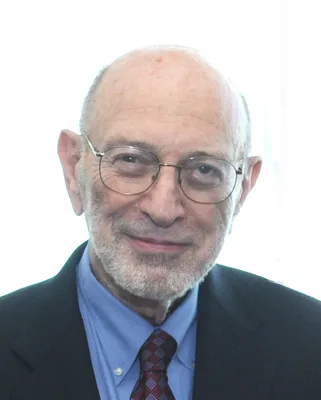
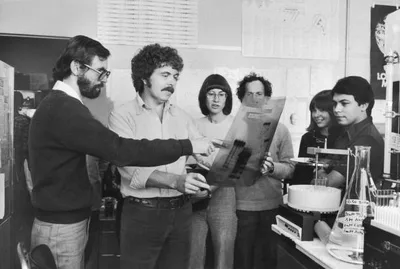
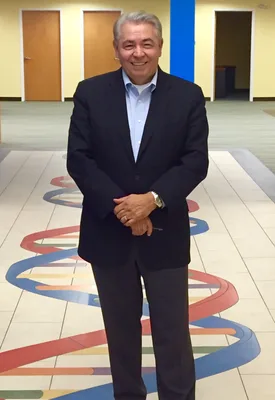
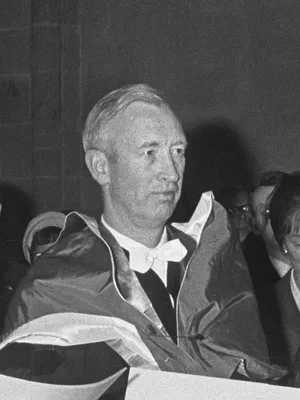
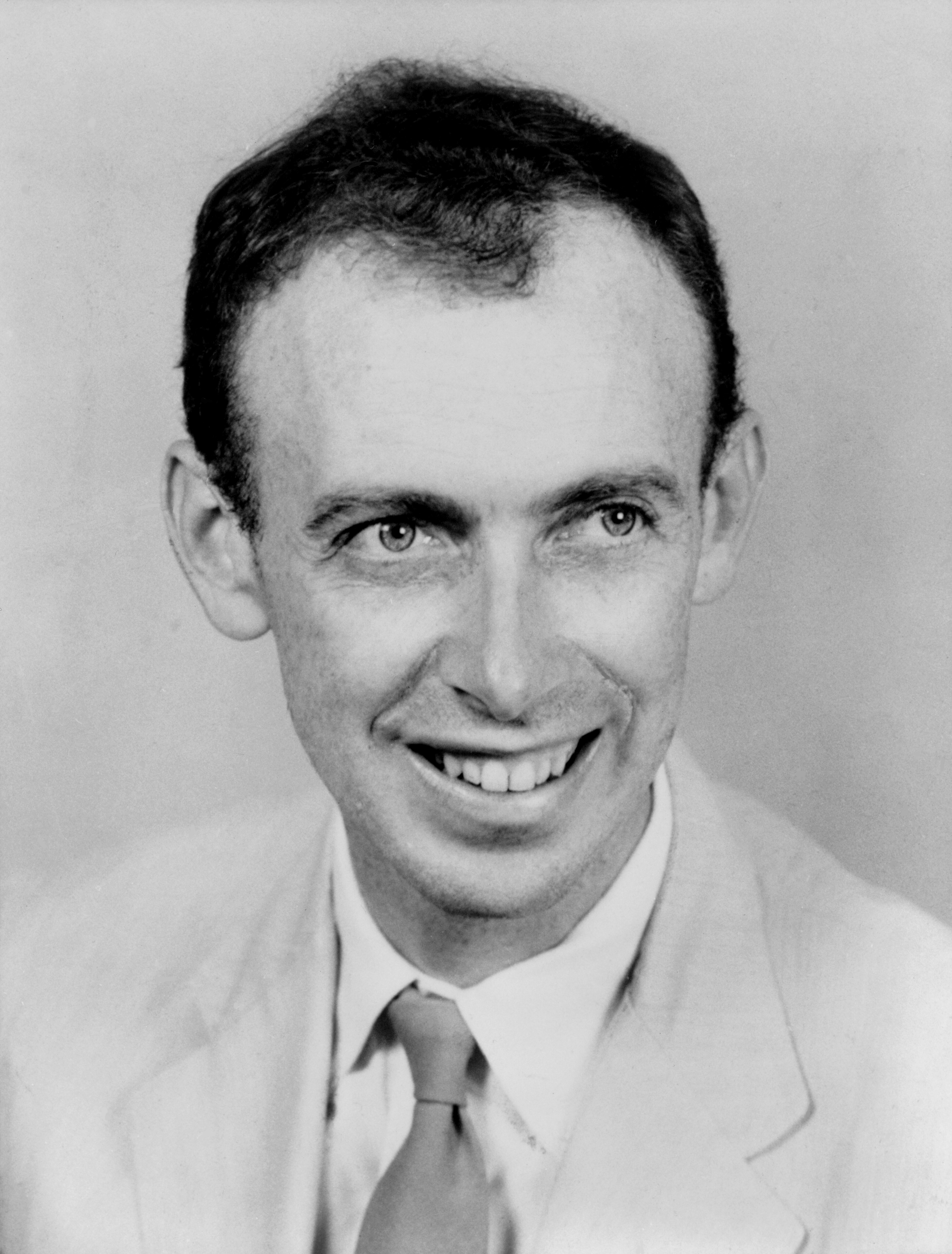
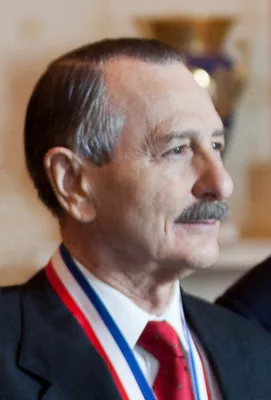
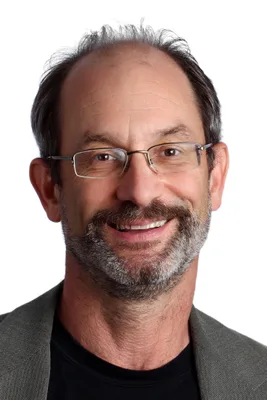
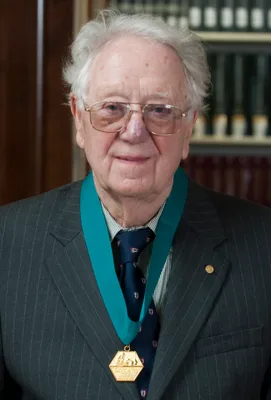
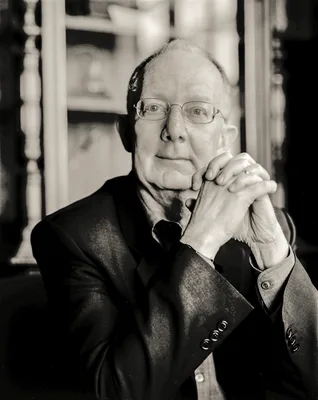
1973 COHEN, Stanley Norman (1935 – ); CHANG, Annie C.Y. (1936 – ); HELLING, Robert Bruce (1936 – 2006); BOYER, Herbert Wayne (1936 – )
Construction of biologically functional bacterial plasmids in vitro.
Cohen, Boyer and associates developed the first practical method for cloning genes, by the formation of recombinant plasmids which can be used to infect plasmid-free bacteria. The authors demonstrated that if DNA is f…
GMN 257.5 · https://historyofmedicine.com/id/8715
1974 COHEN, Stanley Norman (1935 – ); CHANG, Annie C.Y. (1936 – )
Genome construction between bacterial species in vitro: Replication and expression of staphylococcus plasmid genes in Escherichia coli.
Creation of the first transgenic organism: expression of Staphylococcus aureus genes in Escherichia coli. Digital facsimile from pnas.org at this link.
GMN 10047 · https://historyofmedicine.com/id/12236
1974 COHEN, Stanley Norman (1935 – ); CHANG, Annie C.Y. (1936 – )
Genome construction between bacterial species in vitro: Replication and expression of staphylococcus plasmid genes in Escherichia coli.
Confirmation of the success of methods outlined in No. 257.5. Abstract: "Genes carried by EcoRI endonuclease-generated fragments of Staphylococcus plasmid DNA have been covalently joined to the E. coli antibiotic-resi…
GMN 10963 · https://historyofmedicine.com/id/13159
1977 BOYER, Herbert Wayne (1936 – ); ITAKURA, Keiichi (1942 – ); HIROSE, Tadaaki; CREA, Roberto; BOLÍVAR ZAPATA, Francisco Gonzalo (1948 – ); ET AL
Expression in Escherichia coli of a chemically synthesized gene for the hormone somatostatin.
Order of authorship in the original paper: Itakura, Hirose, Crea..., Bolivar, Boyer. Synthesis of the gene for somatostatin (growth hormone-inhibiting hormone (GHIH). This was the first demonstration of a foreign gene…
GMN 10964 · https://historyofmedicine.com/id/13160
1977 BOYER, Herbert Wayne (1936 – ); BETLACH, Mary C.; RODRIGUEZ, Raymond L.; BOLÍVAR ZAPATA, Francisco Gonzalo (1948 – ); ET AL
The construction of molecular cloning vehicles. II. A multipurpose cloning system.
Order of authorship in the original publication Bolivar, Rodriguez, Betlach...Boyer...The authors describe the composition and molecular construction of pBR-322 (named after Bolivar and Rodriguez) and call it "the mos…
GMN 12031 · https://historyofmedicine.com/id/14239
1978 LEAR, John
Recombinant DNA: The untold story.
GMN 9720 · https://historyofmedicine.com/id/11907
1978 ZAMECNIK, Paul Charles (1912 – 2009); STEPHENSON, Mary Louise (1921 – 2009)
Inhibition of Rous sarcoma virus replication and cell transformation by a specific oligodeoxynucleotide (tridecamer deoxyribonucleotide/hybridization competitor/hybridon).
Zamecnick and Stephenson reported the first example of specific inhibition of gene expression by an oligonucleotide when they demonstrated that a short oligonucleotide inhibited Rous sarcoma virus replication in cell …
GMN 13969 · https://historyofmedicine.com/id/16271
1979 AXEL, Richard (1946 – ); SILVERSTEIN, Saul J.; WIGLER, Michael Howard (1947 – ); ET AL
Transformation of mammalian cells with genes from procaryotes and eucaryotes.
Axel, along with microbiologist Saul J. Silverstein and geneticist Michael H. Wigler, discovered a technique of cotransformation via transfection. This process, which allows foreign DNA to be inserted into a host cell…
GMN 13929 · https://historyofmedicine.com/id/16223
1979 GOEDDEL, David V. (1951 – ); KLEID, Dennis G.; CREA, Roberto; BOLÍVAR ZAPATA, Francisco Gonzalo (1948 – ); ET AL
Expression in Escherichia coli of chemically synthesized genes for human insulin (plasmid construction / lac operon / fused proteins / radioimmunoassay / peptide purification).
Working at Genentech, Kleid and Goeddel and colleagues were the first scientists to apply genetic engineering techniques, incorporating chemically synthesized DNA encoding human insulin into E. coli, that expressed, a…
GMN 13980 · https://historyofmedicine.com/id/16283
1981 WATSON, James Dewey (1928 – ); TOOZE, John (1938 – )
The DNA story: A documentary history of gene cloning.
GMN 9728 · https://historyofmedicine.com/id/11915
1982 PRESIDENT'S COMMISSION FOR THE STUDY OF ETHICAL PROBLEMS IN MEDICINE AND BIOMEDICAL AND BEHAVIORAL RESEARCH
Splicing life: A report on the social and ethical issues of genetic engineering with human beings.
Digital facsimile from the Internet Archive at this link.
GMN 10046 · https://historyofmedicine.com/id/12235
1982 CHILTON, Mary-Dell (1939 – ); TEMPÉ, Jacques; TEPFER, David A.; ET AL
Agrobacterium rhizogenes inserts T-DNA into the genomes of the host plant root cells.
Chilton was the first (1977) to demonstrate the presence of a fragment of Agrobacterium Ti plasmid DNA in the nuclear DNA of crown gall tissue. Her research on Agrobacterium also showed that the genes responsible for …
GMN 14018 · https://historyofmedicine.com/id/16325
1983 BRINSTER, Ralph Lawrence (1932 – ); PALMITER, Richard (1942 – )
Metallothionein - human GH fusion genes stimulate growth of mice.
Brinster and Palmiter created the first "transgenic" animals, transferring non-native genes into mice through genetic engineering techniques. The cover of the issue of Science magazine in which this paper was publishe…
GMN 13975 · https://historyofmedicine.com/id/16278
1983 SCHELL, Baron Jozef Stefaan "Jeff" (1935 – 2003); VAN MONTAGU, Baron Marc (1933 – ); ET AL
Expression of chimaeric genes transferred into plant cells using a Ti-plasmid-derived vector.
Schell and Montagu discovered the gene transfer mechanism between Agrobacterium and plants, which resulted in the development of methods to alter Agrobacterium into an efficient delivery system for gene engineering in…
GMN 13989 · https://historyofmedicine.com/id/16292
1986 HOOD, Leroy Edward (1938 – ); SMITH, Lloyd M. (1954 – )
Fluorescence detection in automated DNA sequence analysis.
Invention of the first semi-automated DNA sequencing machine by Leroy H. Hood, Lloyd M. Smith and colleagues. Abstract of the paper: "We have developed a method for the partial automation of DNA sequence analysis. Flu…
GMN 13990 · https://historyofmedicine.com/id/16294
1987 CAPECCHI, Mario Ramberg (1937 – ); THOMAS, Kirk R.
Site-directed mutagenesis by gene targeting in mouse embryo-derived stem cells.
In 2007 Capecchi shared the 2007 Nobel Prize in Physiology or Medicine with Martin J. Evans and Oliver Smithies "for their discoveries of principles for introducing specific gene modifications in mice by the use of em…
GMN 13931 · https://historyofmedicine.com/id/16226
1987 SMITHIES, Oliver (1925 – 2017); DOETSCHMAN, Thomas C.; GREGG, Ronald G.; ET AL
Targeted correction of a mutant HPRT gene in mouse embryonic stem cells.
Smithies discovered, simultaneously with Mario Capecchi and Martin Evans, the technique of homologous recombination of transgenic DNA with genomic DNA, a much more reliable method of altering animal genomes than previ…
GMN 13940 · https://historyofmedicine.com/id/16237
1990 WINTER, Sir Gregory Paul (1951 – ); MCCAFFERTY, John; GRIFFITHS, Andrew D.; CHISWELL, David J.
Phage antibodies: Filamentous phage displaying antibody variable domains.
Working in the Laboratory of Molecular Biology at Cambridge University, Winter became interested in the idea that all antibodies have the same basic structure, with only small changes making them specific for one targ…
GMN 14340 · https://historyofmedicine.com/id/16669
1993 BUD, Robert
The uses of life: A history of biotechnology.
GMN 8618 · https://historyofmedicine.com/id/10795
1994 WRIGHT, Susan
Molecular politics: Developing American and British regulatory policy for genetic engineering, 1972-1982.
GMN 9718 · https://historyofmedicine.com/id/11905
1996 RABINOW, Paul (1944 – )
Making PCR: A story of biotechnology.
GMN 11110 · https://historyofmedicine.com/id/13306
2006 VETTEL, Eric J.
Biotech: The countercultural foundations of an industry.
GMN 8801 · https://historyofmedicine.com/id/10979
2006 MORGAN, Rose M. (1935 – )
The genetics revolution: History, fears and future of a life-altering science.
GMN 9722 · https://historyofmedicine.com/id/11909
2007 LANDECKER, Hannah
Culturing life: How cells became technologies.
A history of tissue culture.
GMN 7881 · https://historyofmedicine.com/id/10053
2011 HUGHES, Sally Smith
Genentech: The beginnings of biotech.
GMN 8673 · https://historyofmedicine.com/id/10850
2015 JACKSON, Myles W. (1964 – )
The genealogy of a gene: Patents, HIV/AIDS, and race.
"Myles Jackson uses the story of the CCR5 gene to investigate the interrelationships among science, technology, and society. Mapping the varied “genealogy” of CCR5—intellectual property, natural selection, Big and Sma…
GMN 11368 · https://historyofmedicine.com/id/13567
2020 EVANS, John H. (1965 – )
The human gene editing debate.
"Provides a history of the debate about gene editing, a summary of the ethics, and a proposal for moving forward. Re-conceptualizes the historical discussion about gene editing in the context of today's widespread use…
GMN 13776 · https://historyofmedicine.com/id/16063
2020 BERG, Thomas C.; CHOLIJ, Roman (1956 – ); RAVENSCROFT, Simon
Patents on life: Religious, moral, and social justice aspects of biotechnology and intellectual property. Edited by Thomas C. Berg, Roman Cholij, and Simon Ravenscroft.
GMN 14043 · https://historyofmedicine.com/id/16351