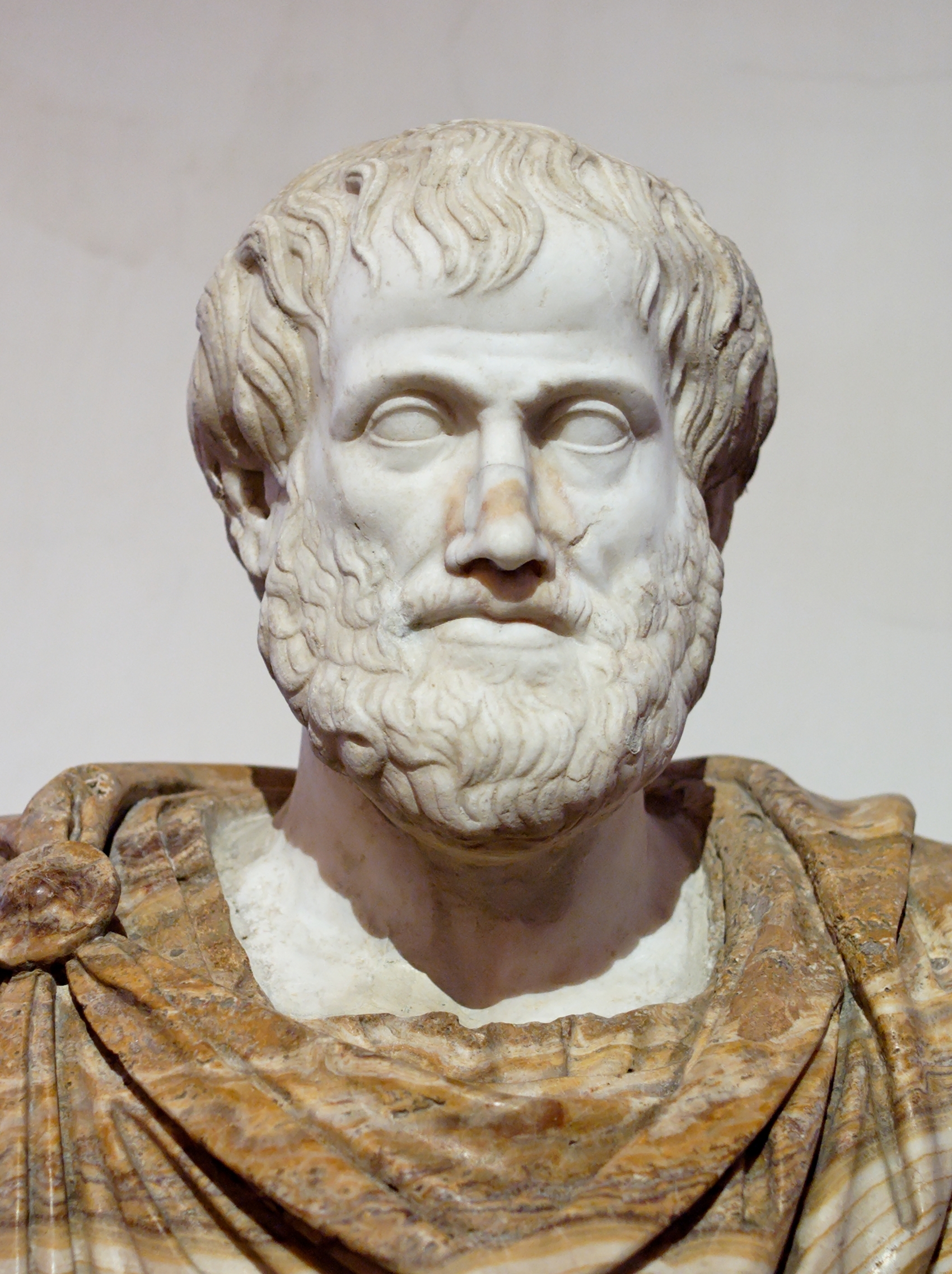
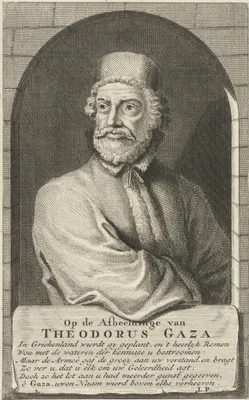
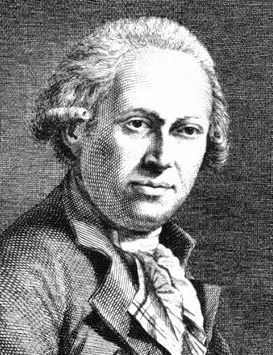
1476 ARISTOTLE (ἈΡΙΣΤΟΤΈΛΗΣ) (-384 – -322); PODOCATARO, Ludovico (Ludovicus Podocatharus) (1429 – 1504); GAZA, Theodorus (Θεόδωρος Γαζῆς) (1398 – 1475)
De animalibus. Translated by Theodorus Gaza. Edited by Ludovicus Podocarthus.
Includes Aristotle's De historia animalium, De partibus animalium, and De generatione animalium. Aristotle was the first scientist to gather empirical evidence about the biological world through observation. By his ca…
GMN 274 · https://historyofmedicine.com/id/14354
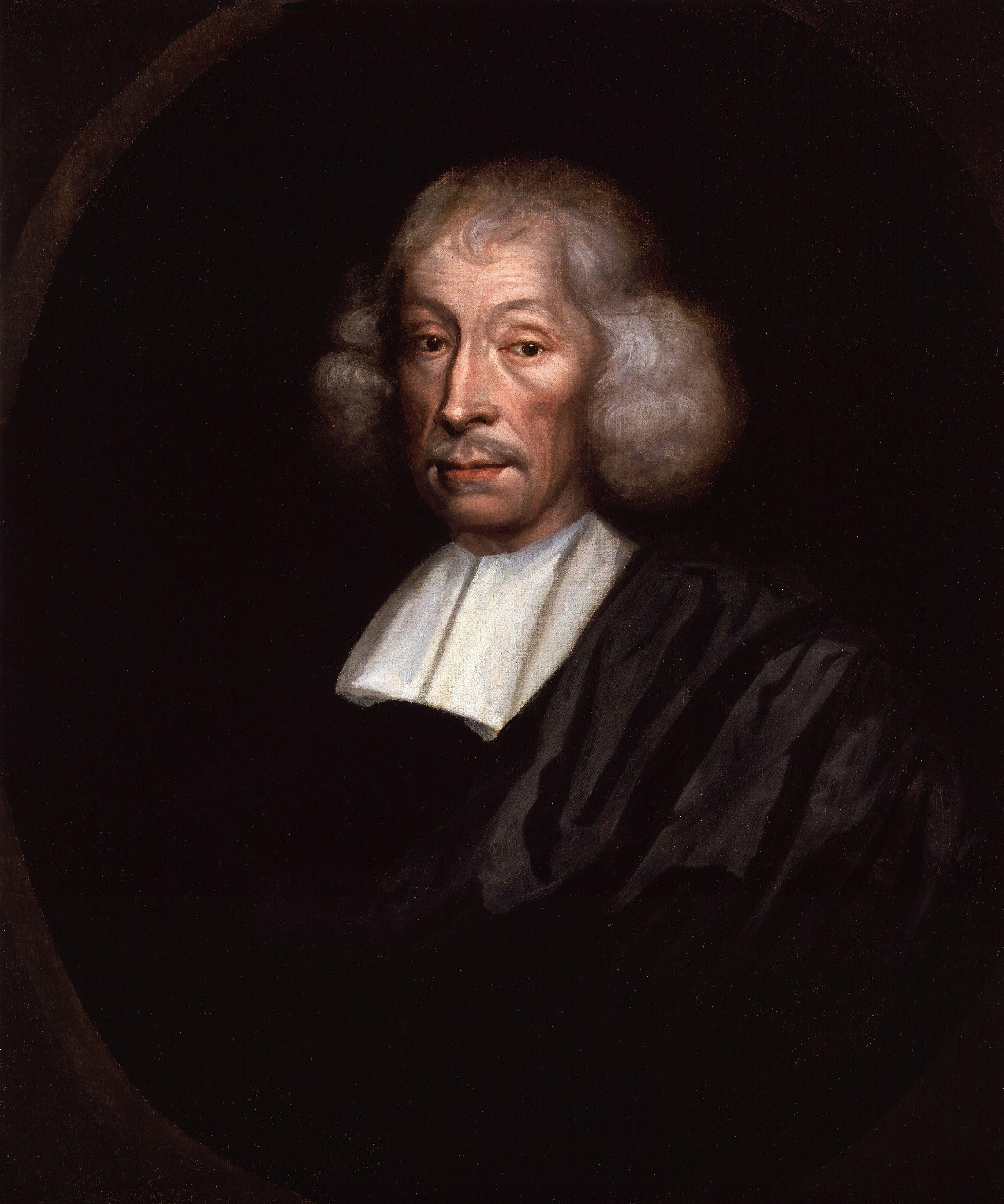
1693 RAY, John (1628 – 1705)
Synopsis methodica animalium quadrupedum et serpentini generis.
This work contains the first really systematic classification of animals. Much of its general arrangement of animals survives in modern systems of classification.
GMN 299 · https://historyofmedicine.com/id/8847
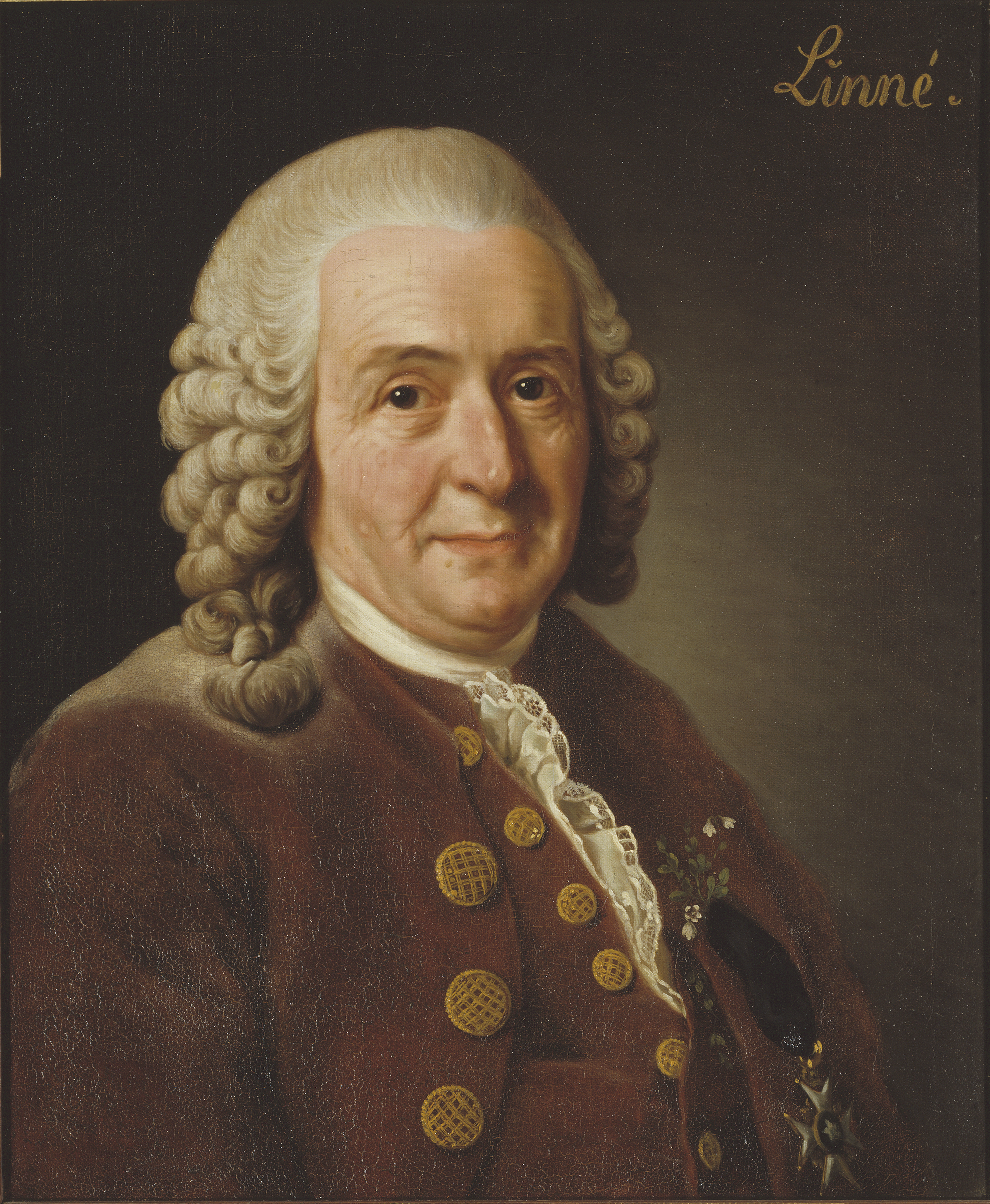
1735 LINNAEUS, Carl (Linné) (1707 – 1778)
Systema naturae per regna tria naturae, secundum classes, ordines, genera, species, cum characteribus, differentiis, synonymis, locis.
In Systema naturae Linnaeus developed the first logical and modern classifications of plants, animals and minerals. Its most valuable feature, the binomial nomenclature (genus and species), was probably devised in the…
GMN 99 · https://historyofmedicine.com/id/1498
1738 LINNAEUS, Carl (Linné) (1707 – 1778); ARTEDI, Peter (1705 – 1735)
Ichthyologia sive opera omnia de Piscibus....omnia in hoc genere perfectiora, quam antea ulla. Posthuma vindicavit, recognovit, coaptavit & edidit Carolus Linnaeus.
After Artedi's mysterious and premature death by drowning at the age of 30 Linnaeus raised money to pay off Artedi's creditors and obtained his papers. These he published in the present five part work. The five parts …
GMN 7112 · https://historyofmedicine.com/id/9279
1758 –1759 LINNAEUS, Carl (Linné) (1707 – 1778)
Systema naturae per regna tria naturae, secundum classes, ordines, genera, species, cum characteribus, differentiis, synonymis, locis. Editio decima, reformata. 2 vols.
In the 10th edition of his Systema naturae, Linnaeus introduced binomial nomenclature for animals. He had previously introduced binomial nomenclature for plants in his Species Plantarum (1753). In this edition Linnaeu…
GMN 11880 · https://historyofmedicine.com/id/14084
1792 LINNAEUS, Carl (Linné) (1707 – 1778); KERR, Robert (1755 – 1813); GMELIN, Johann Friedrich (1748 – 1804)
The animal kingdom, or zoological system, of the celebrated Sir Charles Linnæus. containing a complete systematic description, arrangement, and nomenclature, of all the known species and varieties of the mammalia, or animals which give suck to their young; Class I Mammalia. Being a translation of that part of the Systema naturae, as lately published, with great improvements, by Professor Gmelin of Goettingen. Together with numerous additions from more recent zoological writers, and illustrated with copperplates.
English translation of parts 1 and 2 of the 13th edition of Linnaeus's Systema naturae (1788-1793) edited by Johann Friedrich Gmelin. Digital facsimile from Biodiversity Heritage Library at this link.
GMN 13816 · https://historyofmedicine.com/id/16105
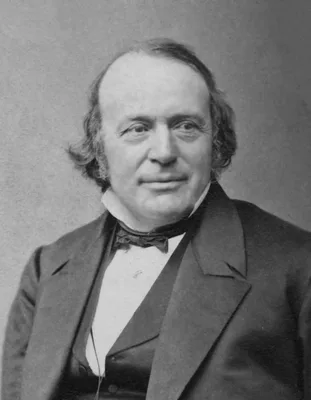
1869 AGASSIZ, Louis Jean Rodolphe (1807 – 1873)
De l'espèce et de la classification en zoologie. Traduction de l'anglais par Félix Vogeli. Édition revue et agumentée par l'auteur.
While Agassiz often wrote in general terms regarding his virulent opposition to Darwin's theory of evolution by natural selection, he provided his scientific rationale for that opposition only in an appendix to the Fr…
GMN 9473 · https://historyofmedicine.com/id/11657