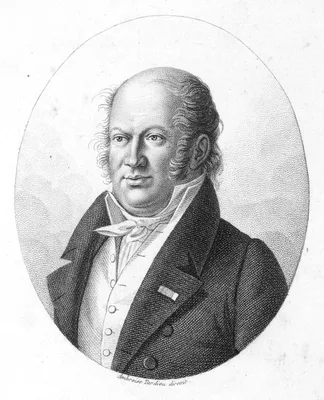
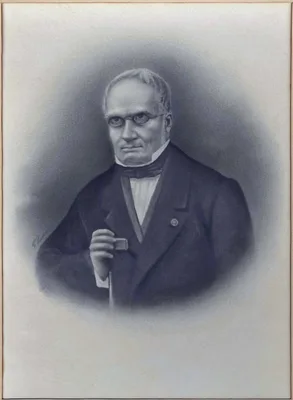
1533 AELIANUS, Claudius [Κλαύδιος Αἰλιανός] (175 – 235); GILLES, Pierre [Petrus Gylllius, Gillius] (1490 – 1555)
Ex Aeliani historia per Petrum Gyllium latini facti, itemque ex Porphyrio, Heliodoro, Oppiano: Tum eodem Gyllio luculentis accessionibus aucti libri XVI. De ui & natura animalium. Eiusdem Gyllij liber unus, de gallicis & latinis nominibus piscium.
Editio princeps of Aelianus's late antique work on natural history. Along with Aelianus's text Gyllius included his own “Liber summarius de Gallicis et Latinis nominibus piscium Massiliensium” [Book on the French and …
GMN 8952 · https://historyofmedicine.com/id/11131
1570 CAIUS, John [Johannes Caius; born John Kays] (1510 – 1573)
De canibus Britannicis liber unus. De rariorum animalium et stirpium historia, liber unus. De libris propriis, liber unus.
Caius, a pioneer naturalist as well as a physician, corresponded with Conrad Gessner, with whom he had made friends while returning from Padua. Caius wrote this study of British dogs to send to Gessner as a contributi…
GMN 9203 · https://historyofmedicine.com/id/11384
1578 ACOSTA, Cristóbal [Cristóvão da Costa; Christophorus Acosta Africanus] (1540 – 1599)
Tractado de las drogas, y medicinas de las Indias Orientales, con sus plantas debuxadas al bivo.
This is mainly a translation of Garcia d’Orta’s Coloquios (No. 1815) with the addition of some illustrations. Acosta, a Portuguese Jesuit physician and surgeon, travelled to India where he met Garcia d’Orta. Acosta pi…
GMN 1819 · https://historyofmedicine.com/id/2084
1652 TULP, Nicolaes (1593 – 1674)
Observationes medicae.
One of the earliest accounts of beri-beri is on pp. 300-05 of this work. Tulp, notable as the demonstrator in Rembrandt’s “Anatomy Lesson”, was among the first, in the same book, to describe the ileo-caecal valve (“Tu…
GMN 3737 · https://historyofmedicine.com/id/4530
1683 SNAPE, Andrew (1675 – 1742)
The anatomy of an horse.
First book in English on equine anatomy, largely a translation of Ruini (No. 285).
GMN 298 · https://historyofmedicine.com/id/8846
1699 TYSON, Edward (1650 – 1708)
Orang-outang, sive homo sylvestris: Or, the anatomy of a pygmie compared with that of a monkey, an ape, and a man.
The earliest work of importance in comparative morphology. Tyson compared the anatomy of man and monkeys and between the two he placed the chimpanzee, which he regarded as the typical pygmy. This was the origin of the…
GMN 153 · https://historyofmedicine.com/id/2767
1715 VALLISNERI, Antonio [VALLISNIERI] (1661 – 1730)
Istoria del camaleonte Affricano e di varj animali d’Italia.
Digital facsimile from Google Books at this link.
GMN 302 · https://historyofmedicine.com/id/103
1715 PETRI VON HARTENFELS, Georg Christoph (1633 – 1718)
Elephantographia curiosa, seu elephanti descriptio.
The first monograph on the elephant, including 28 plates. Digital facsimile from Google Books at this link.
GMN 9170 · https://historyofmedicine.com/id/11349
1749 –1789 BUFFON, Georges-Louis Leclerc, Comte de (1707 – 1788)
Histoire naturelle générale et particulière…. 44 vols., plus atlas.
This vast work is divided into seven parts. I: Histoire naturelle générale et particulière…15 vols., by Buffon and L.J.M. Daubenton (1749-67). II: Histoire naturelle des oiseaux. 9 vols., by Buffon, P. Guéneau de Mont…
GMN 324 · https://historyofmedicine.com/id/193
1766 STUBBS, George (1724 – 1806)
The anatomy of the horse.
The first original work on equine anatomy after Ruini (No. 285). Stubbs, the great painter of animals, prepared his own dissections of horse carcasses, and personally engraved the 24 double folio plates for this work,…
GMN 308.1 · https://historyofmedicine.com/id/119
1782 CAMPER, Petrus (Pieter) (1722 – 1789)
Natuurkundige verhandelingen van Petrus Camper over den orang outang; en eenige andere aap-soorten. Over den rhinoceros met den dubbelen horen; en over het rendier.
Having dissected five orang-outang cadavers, Camper showed that the Bornean orang-outang was a previously undescribed species, and showed that the structure of its vocal organs did not permit speech. Digital facsimile…
GMN 7376 · https://historyofmedicine.com/id/9548
1797 –1800 AUDEBERT, Jean Baptiste (1759 – 1800)
Histoire naturelle des singes et des makis.
This work on monkeys and apes was published in a series of ten fascicules, with a total of 65 plates drawn and engraved by Audbert, and printed in color. Audebert was a miniaturist who developed a technique of color p…
GMN 11497 · https://historyofmedicine.com/id/13696
1799 CUVIER, Jean Léopold Chrétien Frédéric "Georges" (1769 – 1832)
Mémoire sur les espèces d’éléphans vivantes et fossiles.
Using comparative anatomy, Cuvier demonstrated that the African elephant was a separate species from the Indian elephant, and that the fossil or “mammoth” elephant was yet another species distinct from the two living …
GMN 7292 · https://historyofmedicine.com/id/9462
1801 AZARA, Felix de (1746 – 1821); MOREAU DE SAINT-MÉRY, Médéric Louis Élie (1750 – 1819)
Essais sur l'histoire naturelle des quadupedes de la province du Paraguay...Ecrits depuis 1783 jusqu'en 1796 (an 4 de la Republique Française); Avec une appendice sur quelques reptiles, en formant suite nécessaire aux Oeuvres de Buffon; Traduits sur le manuscrit inédit de l'auteur par M. L. E. Moreau-Saint-Méry.
Digital facsimile from Biodiversity Heritage Library at this link. Published as Apuntamientos par ala historia natural de los Páxaros del Paragüay y Rio de la Plata. 2 vols. Madrid: La Imprenta de la Viuda de Ibarra, …
GMN 13453 · https://historyofmedicine.com/id/15727
1821 TIEDEMANN, Friedrich (1781 – 1861)
Icones cerebri simiarum et quorundam mammalium rariorum.
"Although a few more reports were published furing the next hundred years [after Tyson] it was Tiedemann alone who gave a more detailed account, on monkeys, in his... Icones Simiarum.... In monkeys he found the brain …
GMN 9700 · https://historyofmedicine.com/id/11887
1824 –1842 GEOFFROY SAINT-HILAIRE, Étienne (1772 – 1844); CUVIER, Georges-Frédéric "Frédéric" (1773 – 1838)
Histoire naturelle des mammifères. 4 vols.
Digital facsimile from Biodiversity Heritage Library at this link.
GMN 319 · https://historyofmedicine.com/id/161
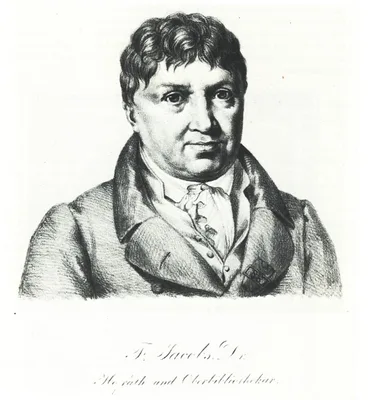
1832 AELIANUS, Claudius [Κλαύδιος Αἰλιανός] (175 – 235); JACOBS, Friedrich (1764 – 1847)
Aeliani de natura animalium libri septemdecim. Verba ad fidem librorum manuscriptorum constituit et annotationibus illustravit Fridericus Jacobs.
The first modern critical edition of the text, which collated medieval manuscripts against the previous printed editions. Digital facsimile of the 1832 edition from the Internet Archive at this link
GMN 8951 · https://historyofmedicine.com/id/11130
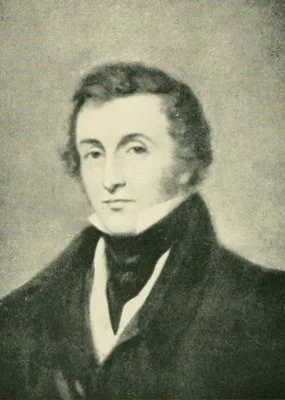
1833 –1866 JARDINE, Sir William (1800 – 1874)
The naturalist's library. Edited by Sir William Jardine. 40 vols.
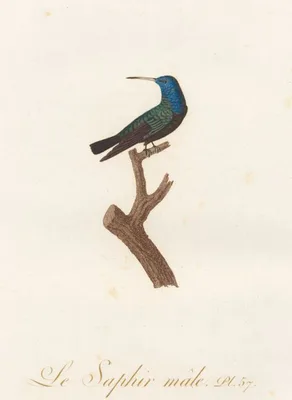
"1833, Natural History of Humming Birds, Part I, (Ornithology Vol. VI) by William Jardine, with memoir of Carl Linnaeus. (online) 1833, Monkeys, (Mammalia Vol. I) by William Jardine, with a memoir of Comte de Buffon (…
GMN 10177 · https://historyofmedicine.com/id/12366
1834 DEWHURST, William Henry
The natural history of the order Cetacea, and the oceanic inhabitants of the Arctic regions.
Characterizing himself "Surgeon-Accoucheur" on the title page, Dewhurst lectured in 1827-8 on anatomy and physiology, and served as a ship's surgeon, making voyage to Greenland and its surrounding seas in 1824. During…
GMN 10259 · https://historyofmedicine.com/id/12450
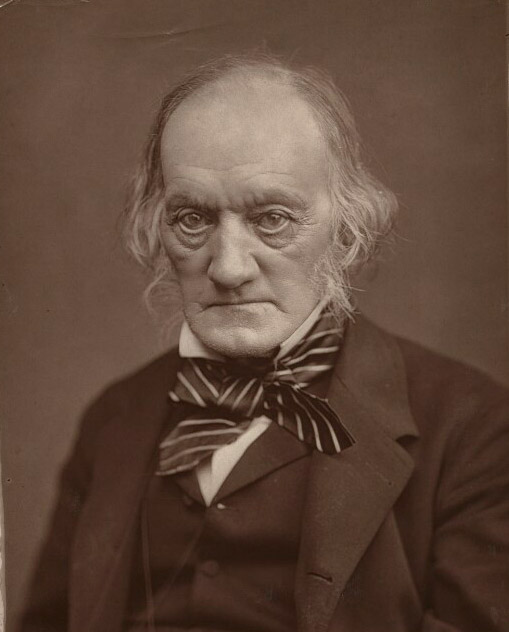
1835 OWEN, Sir Richard (1804 – 1892)
On the osteology of the chimpanzee and orang utan.
Owen was the first anatomist, after Petrus Camper, to distinguish decisively between the chimpanzee and the orangutan. He began studying the anatomy of non-human primates in the 1830s, when the Regent’s Park Zoo in Lo…
GMN 14316 · https://historyofmedicine.com/id/16641
1837 LARTET, Édouard (1801 – 1871)
Note sur les ossements fossiles des terrains tertiaires de Simorre, de Sansan, etc., dans le département du Gers, et sur la découverte récente d’une mâchoire de singe fossile.
First published account of the discovery of the first anthropomorphic fossil ape. Lartet's discovery, made in 1836 at Sansan, was the first to challenge Cuvier’s assertion that both humans and apes were products of th…
GMN 7311 · https://historyofmedicine.com/id/9481
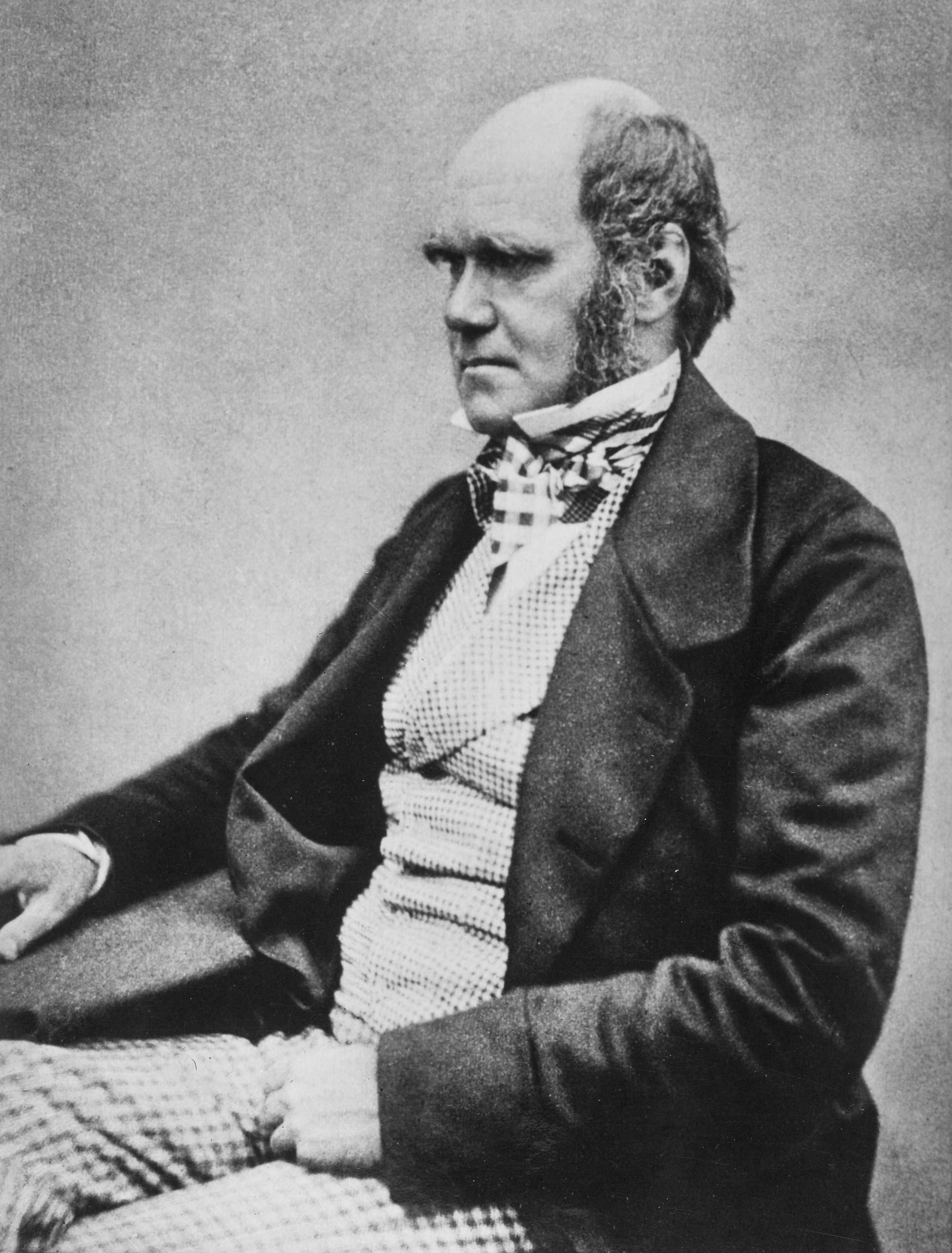
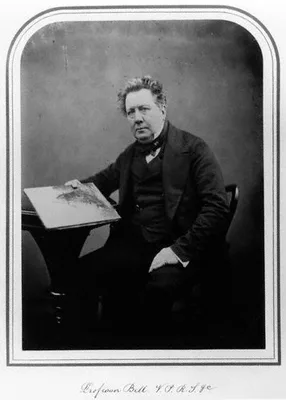
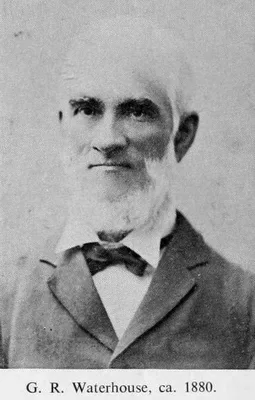
1840 –1843 OWEN, Sir Richard (1804 – 1892); DARWIN, Charles Robert (1809 – 1882); GOULD, John (1804 – 1881); BELL, Thomas (1792 – 1880); WATERHOUSE, George Robert (1810 – 1888); JENYNS, Leonard (1800 – 1893)
The zoology of the voyage of H.M.S. Beagle, under the command of Captain Fitzroy, R. N., during the years 1832 to 1836. Edited by Charles Darwin. 5 pts in 3 vols.
Part 1: Fossil mammalia by Richard Owen; Part 2: Mammalia by George Waterhouse; Part 3: Birds by John Gould; Part 4: Fish by Leonard Jenyns; Part 5: Reptiles by Thomas Bell. Digital facsimile from the Internet Archive…
GMN 7437 · https://historyofmedicine.com/id/9609
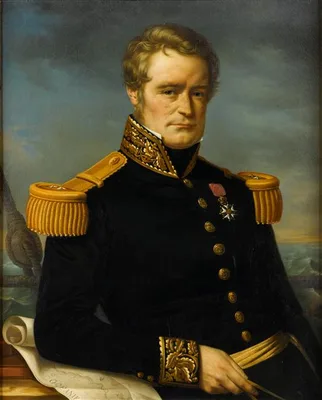
1841 –1854 DUMONT D'URVILLE, Jules Sébastien César (1790 – 1842); DUMOUTIER, Pierre-Marie-Alexandre (1797 – 1873); BLANCHARD, Charles Émile (1819 – 1900); JACQUINOT, Charles Hector (1796 – 1879); HOMBRON, Jacques Bernard (1798 – 1852); PUCHERAN, Jacques (1817 – 1895); GUICHENOT, Antoine Alphonse (1809 – 1876); LUCAS, H.; ROUSSEAU, L.; MONTAGNE, Jean Pierre François Camille (1784 – 1866); DECAISNE, Joseph (1807 – 1882); GRANGE, J.; VINCENDON-DUMOULIN, Clément Adrien (1811 – 1858); COUPVENT-DESBOIS, Aimé Auguste Élie (1814 – 1892)
Voyage au Pôle Sud et dans l'Océanie sur les corvettes l'Astrolabe et la Zélée, exécuté...pendant...1837-1840, sous le commandement de M. J. DUMONT D'URVILLE... publié... sour la direction supérieure de M. [C. H.] Jacquinot, &c. 23 vols. in 22.
In 1836 King Louis-Philippe, enthusiastic for Southern Hemisphere exploration, sponsored Dumont d'Urville's plan for a circumnavigation focusing on the South Seas. D'Urville had already distinguished himself on two Pa…
GMN 11902 · https://historyofmedicine.com/id/14107
1843 –1844 HINDS, Richard Brinsley (1811 – 1846); GRAY, John Edward (1800 – 1875); GOULD, John (1804 – 1881); RICHARDSON, Sir John (1787 – 1865)
The zoology of the voyage of the H.M.S. Sulphur, under the command of Captain Sir Edward Belcher during the years 1836-42. Edited and superintended by Richard Brinsley Hinds. Vol. 1: Mammalia by J.E. Gray; Birds by J. Gould; Fish by J. Richardson. Vol. 2.: Mollusca by R. B. Hinds.
Digital facsimile from the Biodiversity Heritage Library at this link.
GMN 9167 · https://historyofmedicine.com/id/11346
1845 –1854 AUDUBON, John James Laforest (1785 – 1851); BACHMAN, John (1790 – 1874)
The viviparous quadrupeds of North America. 2 vols. of plates in folio; 3 vols. 8vo text.
The largest and most significant color plate book produced in America during the 19th century.
GMN 7769 · https://historyofmedicine.com/id/9941
1845 JOLY, Nicolas; LAVOCAT, Achille
Recherches historiques, zoologiques, anatomiques et paléontologiques sur la girafe, (Camelopardalis giraffa, Gmelin).
First comprehensive (124pp., 17 plates) anatomical study of the giraffe, conducted during a 20 day dissection of the huge animal in Toulouse. The authors entrusted the dissection to the Toulouse taxidermist, H. Traver…
GMN 13543 · https://historyofmedicine.com/id/15820
1847 SAVAGE, Thomas Staughton (1804 – 1880); WYMAN, Jeffries (1814 – 1874)
A description of the characters and habits of troglodytes gorilla, a new species of orang from the Gaboon River, by Thomas S. Savage; Osteology of the same by Jeffries Wyman.
First description of the gorilla. Savage, an American physician/clergyman, worked extensively as a missionary physician in Africa. Digital facsimile from Google Books at this link.
GMN 329.1 · https://historyofmedicine.com/id/185
1855 –1856 DUVERNOY, George Louis (1777 – 1855)
Des caractères anatomiques des grands singes pseudo-anthropomorphes.
With 16 lithographed plates, this continues to be one of the most frequently cited of all works in the history of primate anatomy.
GMN 10884 · https://historyofmedicine.com/id/13080
1856 MARSH, George Perkins (1801 – 1882)
The camel: His organization habits and uses considered with reference to his introduction into the United States.
Marsh, who is remembered today for his contributions to ecology in his book, Man and nature, was appointed by president Zachary Taylor United States minister resident in the Ottoman Empire from 1849-1854. There he und…
GMN 10261 · https://historyofmedicine.com/id/12452
1857 –1859 TORREY, John (1796 – 1873); EMORY, William Hemsley (1811 – 1887); BAIRD, Spencer Fullerton (1823 – 1887); CONRAD, Timothy Abbott (1803 – 1877); ENGELMANN, George (1809 – 1884); GIRARD, Charles Frédéric (1822 – 1895); PARRY, Charles Christopher (1823 – 1890); SCHOTT, Arthur Carl Victor (1814 – 1875); HALL, James Jr. (1811 – 1898)
Report on the United States and Mexican boundary survey: Made under the direction of the secretary of the Interior
Vol. 1, pt. by W. H. Emory. Vol. 1, pt. 2: Geological reports by C.C. Parry and Arthur Schott, notes by W. H. Emory; Paleontology and geology of the boundary by James Hall; Description of cretaceous and tertiary fossi…
GMN 10514 · https://historyofmedicine.com/id/12707
1859 BAIRD, Spencer Fullerton (1823 – 1887)
Mammals of North America: The descriptions of species based chiefly on the collections in the Museum of the Smithsonian Institution.
An overview of North American mammals in three parts, assembled from two previously published sources. Parts 1 & 2 are continuously paginated. The work consists first of a reprint of the Reports upon the Mammals that …
GMN 12470 · https://historyofmedicine.com/id/14703
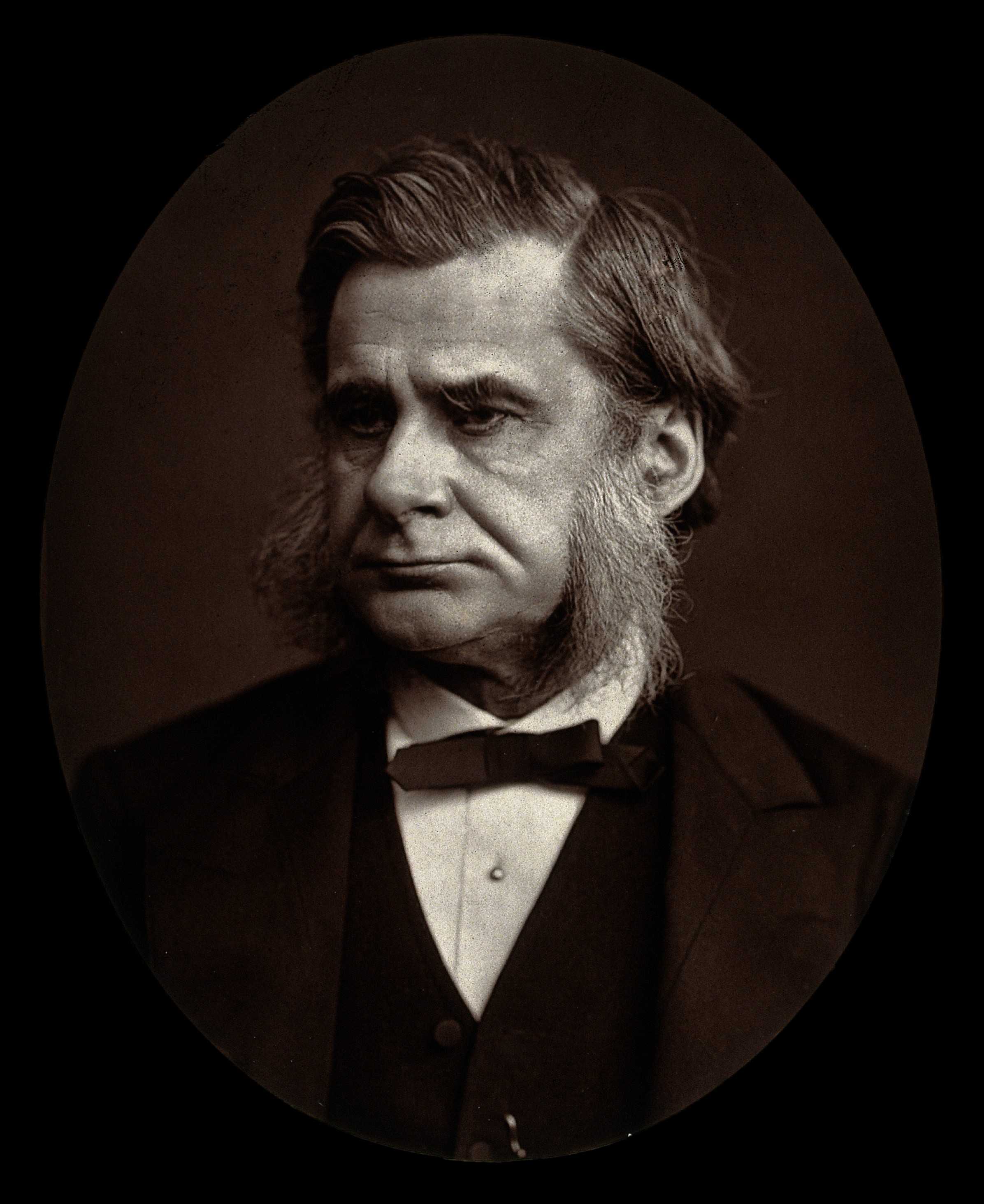
1863 HUXLEY, Thomas Henry (1825 – 1895)
Evidence as to man’s place in nature.
Huxley showed that in the visible characters man differs less from the higher apes than do the latter from lower members of the same order of primates. He also provided the first thorough and detailed comparative desc…
GMN 165 · https://historyofmedicine.com/id/3242
1863 OWEN, Sir Richard (1804 – 1892)
Monograph on the Aye-Aye (Chiromys madagascariensis, Cuvier).
For the first 100 years after the first aye-aye was brought to Europe from Madagascar in the 1780s, debate persisted over whether it was a rodent, a primate, or most closely related to the kangaroo. Classification of …
GMN 12657 · https://historyofmedicine.com/id/14901
1865 OWEN, Sir Richard (1804 – 1892)
Memoir on the Gorilla (Troglodytes Gorilla, Savage).
This reset monograph version of Owen's paper consists of revised and augmented portions of Owen's "Contributions to the natural history of the Anthropoid Apes," which appeared in the Transactions of the Zoological Soc…
GMN 7612 · https://historyofmedicine.com/id/9784
1868 –1874 MILNE-EDWARDS, Henri (1800 – 1885); MILNE-EDWARDS, Alphonse (1835 – 1900)
Recherches pour servir à l'histoire naturelle des mammifères comprenant des considérations sur la classification de ces animaux. 2 vols.
Concerns primarily the mammals of China and Tibet. Volume 2 is an atlas of 108 plates. Digital facsimile from Biodiversity Heritage Library at this link.
GMN 13444 · https://historyofmedicine.com/id/15716
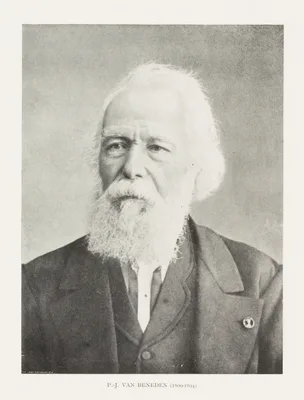
1869 –1880 BENEDEN, Pierre-Joseph van (1809 – 1894); GERVAIS, François Louis Paul (1816 – 1879)
Ostéographie des cétacés vivants et fossiles, comprenant la description et l'iconographie du squelette et du système dentaire de ces animaux, ainsi que des documents relatifs à leur histoire naturelle. Folio atlas + 3 vols. text.
Digital facsimile from Biodiversity Heritage Library at this link.
GMN 10292 · https://historyofmedicine.com/id/12483
1871 DARWIN, Charles Robert (1809 – 1882)
The descent of man, and selection in relation to sex. 2 vols.
This is really two works. The first demolished the theory that the universe was created for humans while in the second Darwin presented a mass of evidence in support of his earlier hypothesis regarding sexual selectio…
GMN 170 · https://historyofmedicine.com/id/3255
1874 SCAMMON, Charles Melville (1825 – 1911)
The marine mammals of the north-western coast of North America described and illustrated together with an account of the American whale-fishery.
Digital facsimile from the Biodiversity Heritage Library at this link.
GMN 10260 · https://historyofmedicine.com/id/12451
1878 SLYM, Martinus Johannes
Elephants and their treatment in health and disease.
Expanded from a "small" edition issued in 1873 at the request of the Conservator of Forests, British Burma to "answer the purpose of a guide for the management of those animals, in a more direct and complete form; and…
GMN 10721 · https://historyofmedicine.com/id/12915
1879 –1891 HUNTER, John (1728 – 1793); FLOWER, William Henry (1831 – 1899); SHARPE, Richard Bowdler (1847 – 1909)
Catalogue of the specimens illustrating the osteology and dentition of vertebrated animals, recent and extinct, contained in the Museum of the Royal College of Surgeons of England. 3 vols.: Part 1. Man: Homo sapiens.... Part II: Class Mammalia, other than man... Part III: Class Aves.
Parts 1 and 2 by Flower; part 3 by Sharpe. Digital facsimile of Part 1 from the Biodiversity Heritage Library at this link, of Part 2 at this link, and Part 3 at this link.
GMN 7591 · https://historyofmedicine.com/id/9763
1888 BROCA, Pierre Paul (1824 – 1880)
Mémoires sur le cerveau de l’homme et des primates publiés avec un introduction et des notes par Le docteur S. Pozzi.
Digital facsimile from the Biodiversity Heritage Library at this link.
GMN 344 · https://historyofmedicine.com/id/249
1889 BENEDEN, Pierre-Joseph van (1809 – 1894)
Histoire naturelle des cétacés des mers d'Europe. Extrait des tomes XXXVIII, XL, XLV, XLIII des Mémoires couronnés et autres Mémoires publiés par l'Académie royale des sciences, des lettres et des beaux-arts de Belgique - 1889.
Digital facsimile from the Internet Archive at this link.
GMN 10291 · https://historyofmedicine.com/id/12482
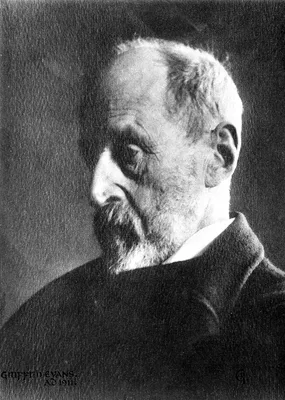
1901 EVANS, Griffith (1835 – 1935)
Elephants and their diseases: A treatise on elephants.
Digital facsimile of the 1910 edition from Biodiversity Heritage Library at this link.
GMN 10138 · https://historyofmedicine.com/id/12327
1906 RETZIUS, Magnus Gustaf (1842 – 1919)
Cerebra simiarum illustrata. Das Affenhirn in bildlicher Darstellung.
Describes and illustrates with photographs the cerebral cortex of over 50 species of primate, including prosimians, monkeys, and apes..
GMN 7340 · https://historyofmedicine.com/id/9511
1907 YERKES, Robert Means (1876 – 1956)
The dancing mouse: A study in animal behavior.
The first work to examine the characteristics of deaf mice, which became the most important model for the study of genetic deafness. Digital facsimile from the Biodiversity Heritage Library, Internet Archive at this l…
GMN 7226 · https://historyofmedicine.com/id/9394
1910 GREGORY, William King (1897 – 1970)
The orders of mammals. Part 1.- Typical stages in the history of the ordinal classification of mammals. Part II. - Genetic relations of the mammalian orders; with a discussion of the origin of the mammalia and of the problem of the auditory ossicles.
Gregory's PhD dissertation, of particular significance for its exhaustive analysis of prior taxonomic systems for mammalia. Digital facsimile from Google Books at this link.
GMN 14044 · https://historyofmedicine.com/id/16352
1912 ELLIOT, Daniel Giraud (1835 – 1915)
A review of the primates. 3 vols.
Digital facsimile from Biodiversity Heritage Library at this link.
GMN 11288 · https://historyofmedicine.com/id/13485
1928 TILNEY, Frederick (1875 – 1938); RILEY, Henry Alsop (1887 – 1966)
The brain from ape to man: A contribution to the study of the evolution and development of the human brain by Frederick Tilney. With chapters on the reconstruction of the gray matter in the primate brain stem by Henry Alsop Riley. 2 vols.
Classic study of the evolution of the central nervous system in the higher mammals. Digital facsimile from the Internet Archive at this link.
GMN 350 · https://historyofmedicine.com/id/269
1929 COOLIDGE, Harold Jefferson Jr. (1904 – 1984)
A revision of the genus Gorilla.
Basis of the modern taxonomy of the genus Gorilla. Digital facsimile from the Biodiversity Heritage Library at this link.
GMN 12460 · https://historyofmedicine.com/id/14692
1932 ZUCKERMAN, Solly, Baron Zuckerman (1904 – 1993)
The social life of monkeys and apes.
A study of the relationship of Man to the other primates, from the physiological and biochemical standpoint. Zuckerman’s work is considered the first adequate interpretation of simian society. 2nd ed., 1980.
GMN 351 · https://historyofmedicine.com/id/274

![AELIANUS, Claudius [Κλαύδιος Αἰλιανός] (175 – 235)](/media/portraits/10094)