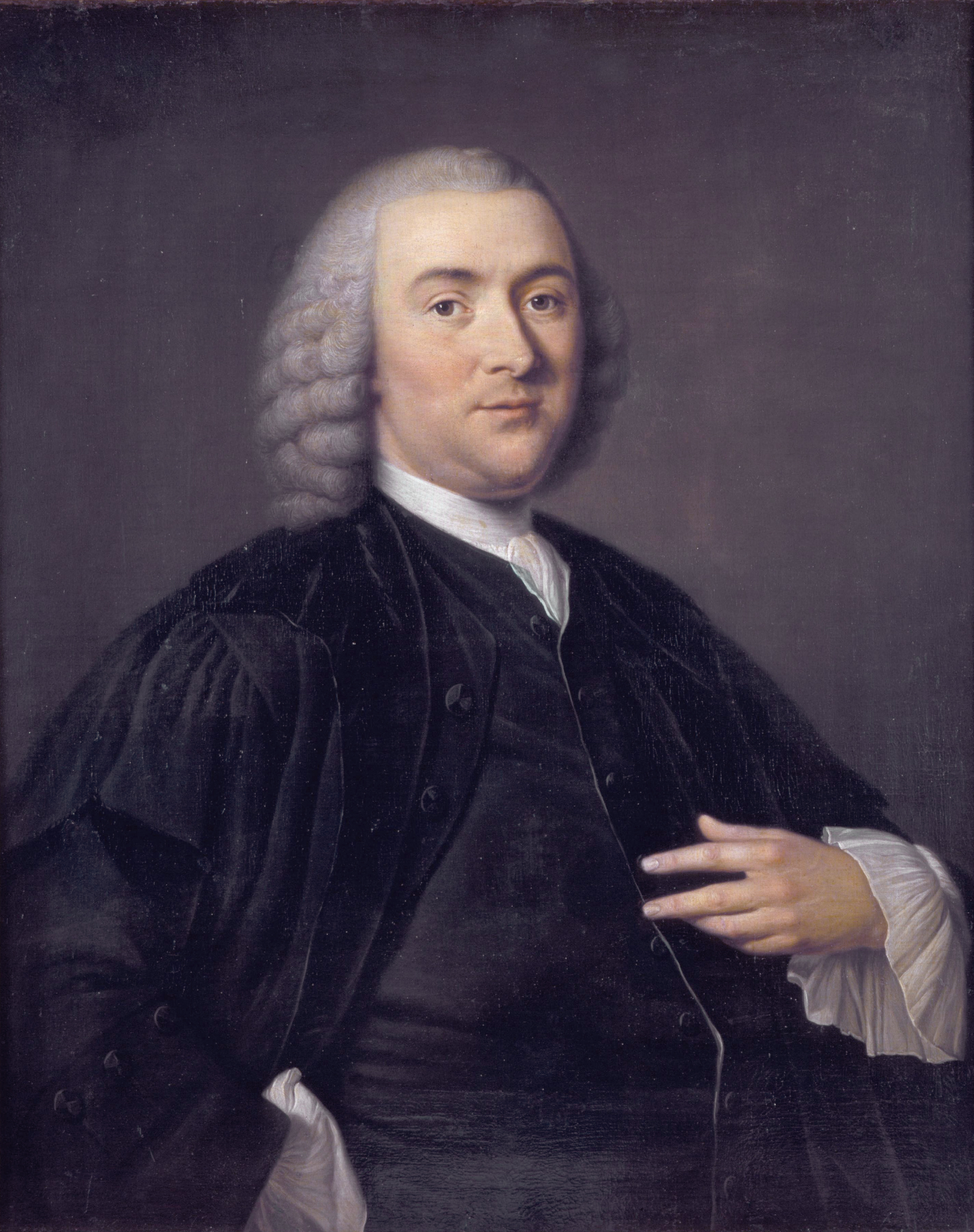
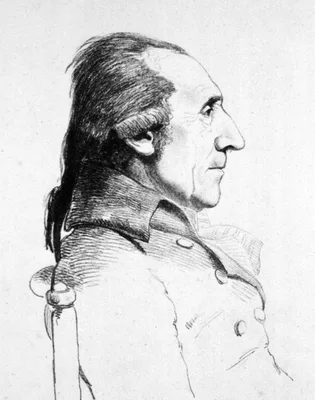
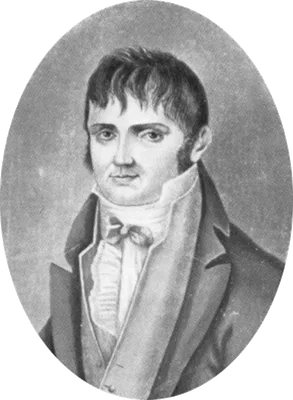
1771 BUC'HOZ, Pierre-Joseph (1731 – 1807)
Aldrovandus Lotharingiae, ou catalogue des animaux, quardupedes, reptiles, oseaux, poissons, insectes, vermisseaux et coquillages qui habitent la Lorraine et les Trois-Évechés.
A catalogue of "over 1100 quadrupeds, birds, reptiles, amphibians, fish, insects, worms and mollusks native to Lorraine. Buc’hoz follows the classification schemes of Argenville, Brisson, Buffon, Daubenton and Geoffro…
GMN 13011 · https://historyofmedicine.com/id/15261
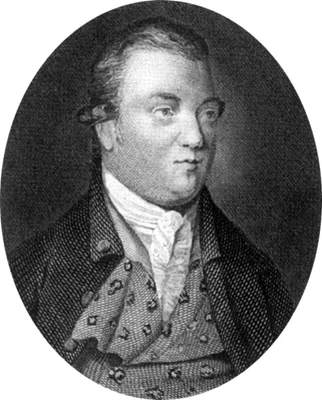
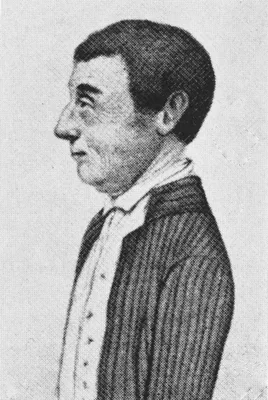
1771 TUNSTALL, Marmaduke (1743 – 1790)
Ornithologia Britannica: seu Avium omnium Britannicarum tam Terrrestrium quam Aquaticarum catalogus, sermone Latino, An;glico & Gallico redditus: Cui subjicitur appendix, aves Alienigenas, in Angliam raro adventientes, complectens.
This was probably the first natural history treatise published in England that employed binomial nomenclature. Semi-facsimile edition edited by Alfred Newton and published by The Willoughby Society in 1880 as Tunstall…
GMN 13257 · https://historyofmedicine.com/id/15522
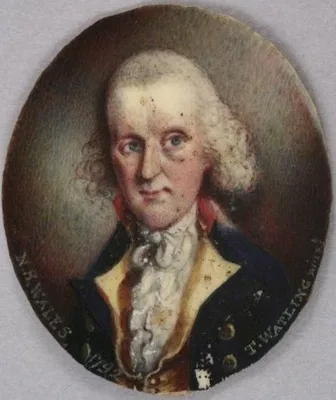
1773 WALSH, John (1725 – 1795)
Of the electric property of the torpedo.
The first accurate study of the electrical organs of the torpedo fish were made by Walsh, who was given the Copley Medal of the Royal Society for his work on the subject. Walsh proved that the shock of the torpedo was…
GMN 589 · https://historyofmedicine.com/id/405
1773 –1774 MÜLLER, Otto Friedrich (1730 – 1784)
Vermium terrestrium et fluviatilium, seu animalium infusoriorum, helminthecorum, et testaceorum non marinorum, succincta historia. 2 vols.
In this work Müller arranged the Infusoria into genera and species for the first time. Digital facsimile from the Biodiversity Heritage Library at this link.
GMN 11779 · https://historyofmedicine.com/id/13980
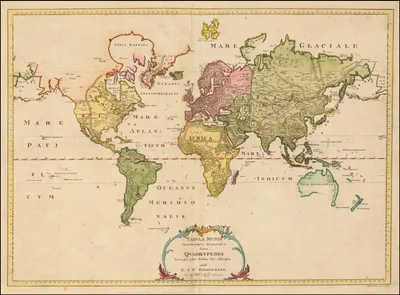
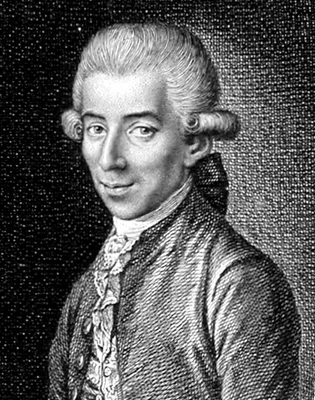
1777 ZIMMERMANN, Eberhard August Wilhelm von (1743 – 1815)
Specimen zoologiae geographicae, quadrupedem domicilia et migrationes sistens dedit, tabulamque mundi zoographicam adjunxit.
The first textbook of zoogeography, containing the first world map showing the distribution of mammals. French translation of part 1 only by Jakob Mauvillon: Zoologie géographique. Premier article, L'homme (Cassel: Im…
GMN 145.53 · https://historyofmedicine.com/id/2442
1778 GEOFFROY, Étienne Louis (1725 – 1810)
Dissertations sur l’organe de l’ouie. 1. De l’homme. 2. Des reptiles. 3. Des poissons.
GMN 1551 · https://historyofmedicine.com/id/1133
1778 –1793 ZIMMERMANN, Eberhard August Wilhelm von (1743 – 1815)
Geographische Geschichte des Menschen und der allgemein verbreiteten vierfüßigen Thiere: nebst einer hieher gehörigen Zoologischen Weltcharte. 3 vols.
Digital facsimile from the Bayerische StaatsBibliothek at this link.
GMN 8222 · https://historyofmedicine.com/id/10398
1780 BORN, Ignaz von (Ignatius) (1742 – 1791)
Testacea musei Caesarei Vindobonensis, que jussu Mariae Theresiae Ausgustae.
Born was commissioned in 1776, by Maria-Therese, Empress of the Holy Roman Empire, to inventory and arrange the imperal collection that formed the foundation of the imperial museum, now the Naturhistorische Museum in …
GMN 11798 · https://historyofmedicine.com/id/14000
1781 SMEATHMAN, Henry (1742 – 1786)
Some account of the termites, which are found in Africa and other hot climates. In a letter from Mr. Henry Smeathman...to Sir Joseph Banks, Bart.
Pioneering study of tropical termites, their mounds, and their behavior, well illustrated with engravings. Digital facsimile from the Royal Society at this link.
GMN 10230 · https://historyofmedicine.com/id/12420
1782 CAMPER, Petrus (Pieter) (1722 – 1789)
Natuurkundige verhandelingen van Petrus Camper over den orang outang; en eenige andere aap-soorten. Over den rhinoceros met den dubbelen horen; en over het rendier.
Having dissected five orang-outang cadavers, Camper showed that the Bornean orang-outang was a previously undescribed species, and showed that the structure of its vocal organs did not permit speech. Digital facsimile…
GMN 7376 · https://historyofmedicine.com/id/9548
1783 SPALLANZANI, Lazzaro (1729 – 1799)
Lettera dell' Abate Spallanzani al Sig. Marchese Lucchesini.
Records on pp. 80-104 Spallanzani's work on the torpedo. In the 1780's Spallanzani turned to marine biology, making several trips to the Mediterranean region. On his visit to Portovenere in 1783 "he instituted the fir…
GMN 12037 · https://historyofmedicine.com/id/14245
1784 –1787 PENNANT, Thomas (1726 – 1798)
Arctic zoology. 3 vols.
Pennant had "intended to write a "Zoology of North America" but as he explained in the "Advertisement", since he felt mortified by the loss of British control over America, this was changed to Arctic Zoology.[22] The …
GMN 11618 · https://historyofmedicine.com/id/13818
1784 –1812 MARTYN, Thomas (1760 – 1816)
[Vols I and II:] Figures of non-descript shells collected in the different voyages to the South Seas since the year 1764 ... [Vols III and IV:] The universal conchologist, exhibiting the figure of every known shell, accurately drawn and painted after nature: With a new systematic arrangement by the author.... 4 vols.
"The first two volumes, devoted to shells of the South Seas, were originally published as a separate work in 1784. Martyn then extended the work to four volumes with an additional 80 plates. ‘From the introduction to …
GMN 11742 · https://historyofmedicine.com/id/13942
1785 GEOFFROY, Étienne Louis (1725 – 1810); FOURCROY, Antoine François, comte (1755 – 1809)
Entomologia Parisiensis; sive, catalogus insectorum quae in agro Parisiensi reperiuntur; secondum methodum Geoffraeanam in sections, genera & species distributus; Cui addit sun nomina trivalia & sere recentae novae species.
In this work co-written with Geoffroy, Fourcroy presented a major contribution to the systemization of entomology. Digital facsimile from the Internet Archive at this link.
GMN 8943 · https://historyofmedicine.com/id/11122
1786 HUNTER, John (1728 – 1793)
Observations on certain parts of the animal oeconomy.
Includes John Hunter’s observations on the secondary sexual characteristics in birds, on the descent of the testis, on the air sac in birds, on the structure of the placenta, etc., together with the original descripti…
GMN 309 · https://historyofmedicine.com/id/124
1786 MÜLLER, Otto Friedrich (1730 – 1784)
Animalcula infusoria fluviatilia et marina, quae detexit, systematice descripsit et ad vivum delineari.
Müller was the first to attempt a systematic classification of infusoria. He published several papers on the subject, the best being the above posthumous work. Muller described 8 species of the genus Vibrio (included …
GMN 2466 · https://historyofmedicine.com/id/3031
1787 PARRA Y CALLADO, Antonio (1739 – )
Descripcion de diferentes piezas de historia natural las mas del ramo maritimo.
This catalogue of Carrbean fish was the first scientific treatise printed in Cuba and also the first illustrated book printed in Cuba. Digital facsimile from Biodiversity Heritage Library at this link.
GMN 8026 · https://historyofmedicine.com/id/10202
1787 HALLE, Johann Samuel (1727 – 1810)
Gifthistorie des Thier- Pflanzen- und Mineralreichs, nebst den Gegengiften, und der medicinischen Anwendung der Gifte, nach den neuesten Toxicologen.
This work was not illustrated. Digital facsimile from Bayerische StaatsBibliothek at this link.
GMN 10480 · https://historyofmedicine.com/id/12673
1787 PARRA, Antonio (1737 – )
Descripcion de diferentes piezas de historia natura, las mas del ramo maritimo.
The first scientific book printed in Cuba. The striking illustrations are by the author's son, and depict fish, turtles, and crustacieans observed along the Cuban shoreline. The final section contains three alarming i…
GMN 13908 · https://historyofmedicine.com/id/16200
1790 WHITE, John (1756 – 1832); STONE, Sarah (1760 – 1844)
Journal of a voyage to New South Wales with sixty five plates of non descript. animals, birds, lizards, serpents, curious cones of trees and other natural productions
This work described many Australian species for the first time. It includes natural history illustrations after watercolor paintings by Sarah Stone. Digital facsimile from Biodiversity Heritage Library at this link
GMN 7366 · https://historyofmedicine.com/id/9538
1792 –1813 DONOVAN, Edward (1768 – 1837)
The natural history of British insects; explaining them in their several states, with the periods of their transformations, their food, oeconomy, &c. Together with the history of such minute insects as require investigation by the microscope. The whole illustrated by coloured figures, designed and executed from living specimens. 16 vols.
Includes a total of 576 plates, of which 568 were colored.
GMN 9087 · https://historyofmedicine.com/id/11266
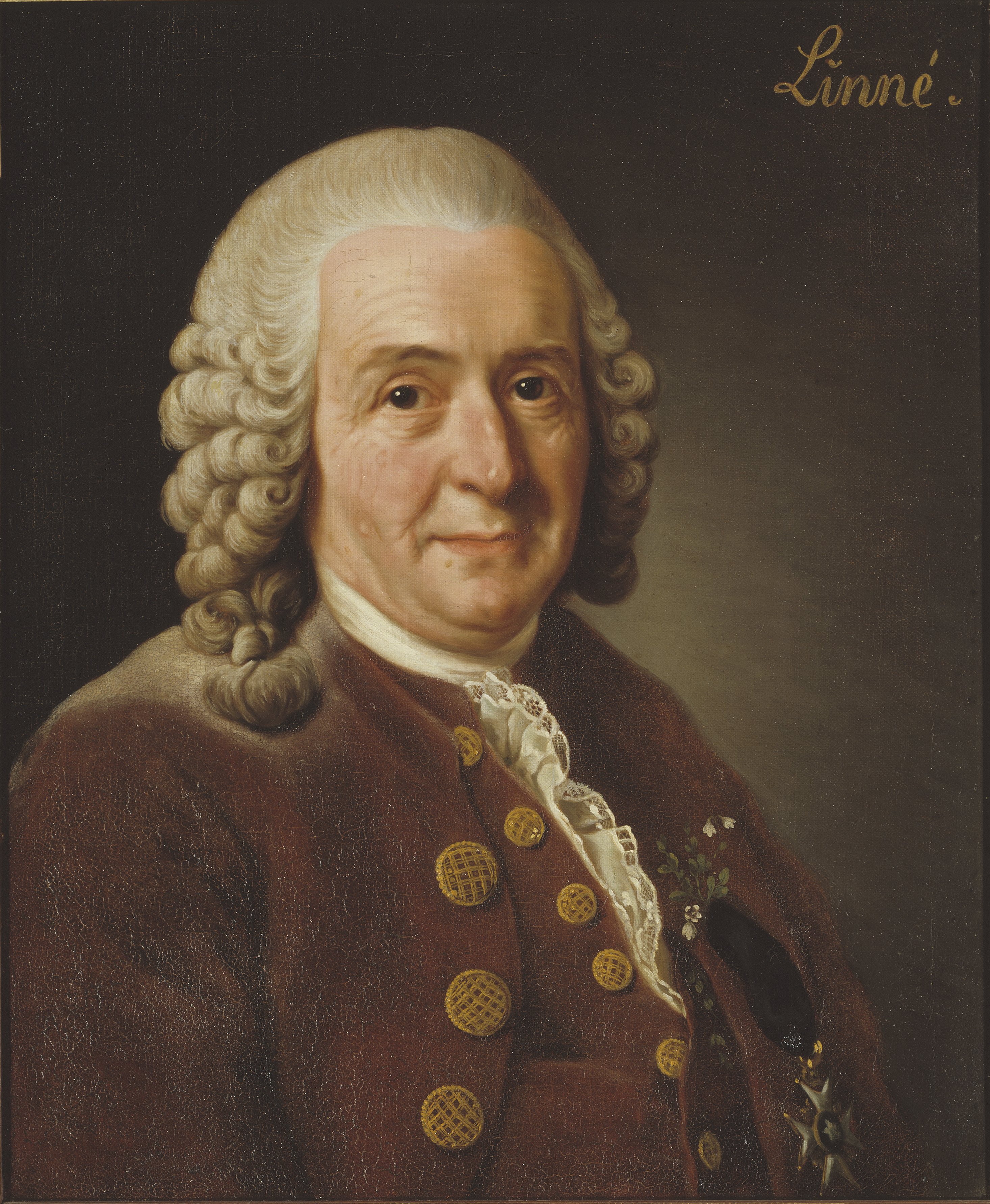
1792 LINNAEUS, Carl (Linné) (1707 – 1778); KERR, Robert (1755 – 1813); GMELIN, Johann Friedrich (1748 – 1804)
The animal kingdom, or zoological system, of the celebrated Sir Charles Linnæus. containing a complete systematic description, arrangement, and nomenclature, of all the known species and varieties of the mammalia, or animals which give suck to their young; Class I Mammalia. Being a translation of that part of the Systema naturae, as lately published, with great improvements, by Professor Gmelin of Goettingen. Together with numerous additions from more recent zoological writers, and illustrated with copperplates.
English translation of parts 1 and 2 of the 13th edition of Linnaeus's Systema naturae (1788-1793) edited by Johann Friedrich Gmelin. Digital facsimile from Biodiversity Heritage Library at this link.
GMN 13816 · https://historyofmedicine.com/id/16105
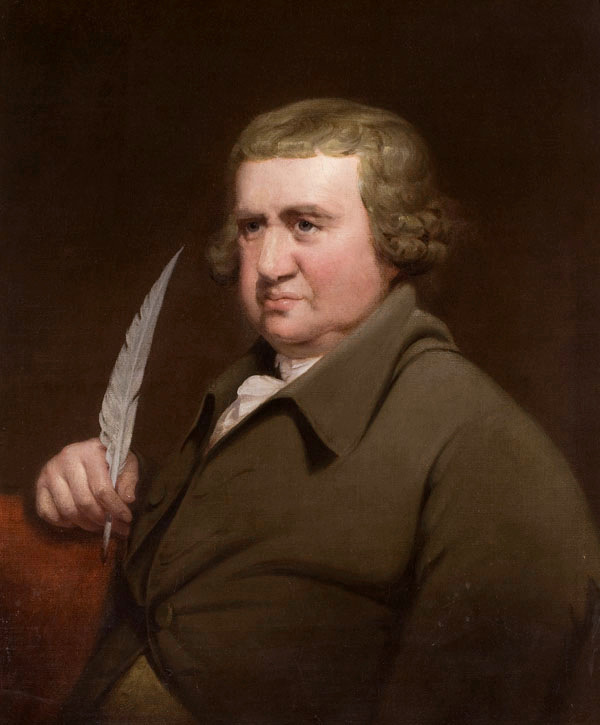
1794 –1796 DARWIN, Erasmus (1731 – 1802)
Zoonomia; or the laws of organic life. 2 vols.
Grandfather of Charles Darwin and Francis Galton, Erasmus Darwin provided in Zoonomia, his major work in medicine and natural science, the first consistent all-embracing hypothesis of evolution. Nevertheless, his gran…
GMN 105 · https://historyofmedicine.com/id/1597
1794 –1819 DONOVAN, Edward (1768 – 1837)
The natural history of British birds; or, a selection of the most rare, beautiful and interesting birds which inhabit this country: The descriptions from the Systema naturae of Linnaeus; with general observations, either original or collected from the latest and most esteemed English ornithologists; and embellished with figures, drawn, engraved, and coloured from the original specimens. 10 vols.
The first 5 volumes were issued in monthly parts, each consisting of 2 plates and accompanying text. A volume came out each year between 1794 and 1798; the fifth volume stated: "This work being now completed." However…
GMN 9086 · https://historyofmedicine.com/id/11265
1796 RUSSELL, Patrick (1727 – 1805)
An account of Indian serpents collected on the coast of Coromandel: containing descriptions and drawings of each species, together with experiments and remarks on their several poisons.
First attempt at a description of Indian serpents and serpent venoms. Includes the original description of Russell’s viper, Daboia russellii. Digital facsimile from the Linda Hall LIbrary at this link.
GMN 310 · https://historyofmedicine.com/id/127
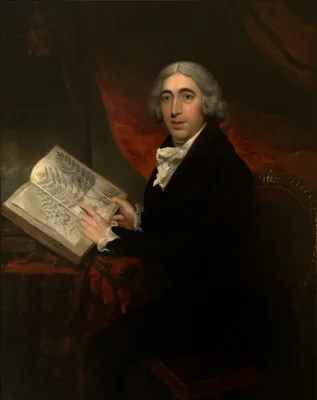
1797 ABBOT, John (1751 – 1840); SMITH, Sir James Edward (1759 – 1828)
The natural history of the rarer lepidopterous insects of Georgia. Including their systematic characters, the particulars of their several metamorphoses, and the plants on which they feed. Collected from the observations of Mr. John Abbot, many years resident in that country, by James Edward Smith.
The earliest illustrated monograph on the butterflies and moths of North America. Text in English and French. 104 hand-colored plates. Digital facsimile from the Internet Archive at this link.
GMN 7768 · https://historyofmedicine.com/id/9940
1797 –1800 AUDEBERT, Jean Baptiste (1759 – 1800)
Histoire naturelle des singes et des makis.
This work on monkeys and apes was published in a series of ten fascicules, with a total of 65 plates drawn and engraved by Audbert, and printed in color. Audebert was a miniaturist who developed a technique of color p…
GMN 11497 · https://historyofmedicine.com/id/13696
1798 DONOVAN, Edward (1768 – 1837)
An epitome of the natural history of the insects of China: Comprising figures and descriptions of upwards of one hundred new, singular, and beautiful species: together with some that are of importance in medicine, domestic economy, &c. The figures are accurately, drawn, engraved, and coloured, from speciemsn of the insects; the descriptions are arranged accordig to the system of Linnaeus, with references to the writings of Fabricius, and other systematic authors.
The first work in a Western language on the insects of China, including pharmaceutical aspects. For this work Donovan obtained specimens and information from George Macartney a British envoy to China. Includes 50 colo…
GMN 9082 · https://historyofmedicine.com/id/11261
1798 HORN, George
An entire new treatise on leeches, wherein the nature, properties, and use of that most singular and valuable reptile, is most clearly set forth.
Digital facsimiel from WellcomeLibrary.org at this link.
GMN 11796 · https://historyofmedicine.com/id/13998
1799 BARTON, Benjamin Smith (1766 – 1815)
Fragments of the Natural History of Pennsylvania. Part First [All Published].
This 24-page pamphlet is the first work by an American devoted entirely to American birds. It deals predominantly with migratory birds, arranged according to the dates throughout the year 1791 in which they were first…
GMN 7218 · https://historyofmedicine.com/id/9386
1799 CUVIER, Jean Léopold Chrétien Frédéric "Georges" (1769 – 1832)
Mémoire sur les espèces d’éléphans vivantes et fossiles.
Using comparative anatomy, Cuvier demonstrated that the African elephant was a separate species from the Indian elephant, and that the fossil or “mammoth” elephant was yet another species distinct from the two living …
GMN 7292 · https://historyofmedicine.com/id/9462
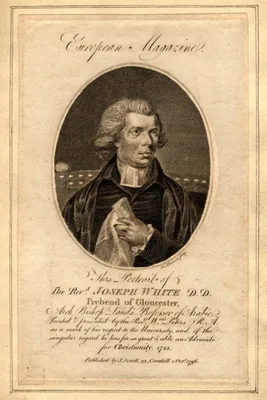
1800 ABDALLATIF AL-BAGHDADI (عبداللطيف البغدادي), [Abd al-Latif al-Baghdadi] (1162 – 1231); WHITE, Joseph (1745 – 1814); POCOCKE, Edward (1648 – 1727)
Historiae Aegypti compendium, Arabice et Latine. Partim ipse vertit, partim a Pocockio versum edendum curavit, notisque illustravit J. White.
Arabic-Latin bilingual text, edited by White, incorporating a translation begun by Edward Pococke the Younger (1648-1727). Abd al-Latif gave a good description of the fauna and flora of Egypt, its inhabitants and some…
GMN 1768 · https://historyofmedicine.com/id/3306
1800 DONOVAN, Edward (1768 – 1837)
An epitome of the natural history of the insects of India, and the islands in the Indian seas: Comprising upwards of two hundred and fifty figures and descriptions of the most singular and beautiful species, selected chiefly from those recently discovered, and which have not appeared in the works of any preceding author. The figures are accurately drawn, engraved, and coloured, from specimens of the insects; the descriptions are arranged according to the system of Linnaeus; with references to the writings of Fabricius, and other systematic authors.
"For Insects of India Donovan described and figured specimens in his own cabinet, that were originally collected by the late Duchess of Portland, Marmaduke Tunstall, a Governor Holford (many years resident in India), …
GMN 9084 · https://historyofmedicine.com/id/11263
1800 –1804 DONOVAN, Edward (1768 – 1837)
The natural history of British shells, including figures and descriptions of all the species hitherto discovered in Great Britain, systematically arranged in the Linnean manner, with scientific and general observations on each. 5 vols.
Digital facsimile from the Biodiversity Heritage Library at this link.
GMN 9090 · https://historyofmedicine.com/id/11269
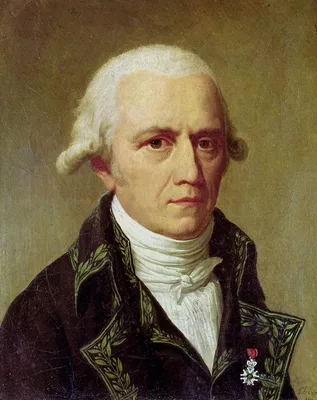
1801 LAMARCK, Jean-Baptiste Pierre Antoine de Monet de (1744 – 1829)
Système des animaux sans vertèbres.
The “Discours d’ouverture” contains Lamarck’s first published statement of the theory of the inheritance of acquired characteristics. See No. 316.
GMN 215.5 · https://historyofmedicine.com/id/4028
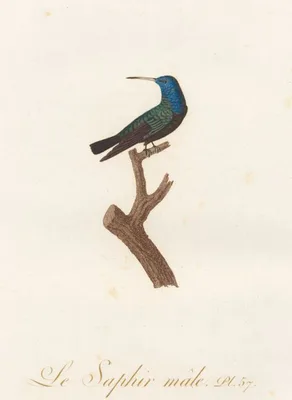
1801 LEVAILLANT, François (Le Vaillant) (1753 – 1824)
Histoire naturelle d'une partie d'oiseaux nouveaux et rares de l'Amérique et des Indes: Ouvrage destiné par l'Auteur à faire partie de son ornithologie d'Afrique.
Digital facsimile from BnF Gallica at this link.
GMN 13451 · https://historyofmedicine.com/id/15725
1801 AZARA, Felix de (1746 – 1821); MOREAU DE SAINT-MÉRY, Médéric Louis Élie (1750 – 1819)
Essais sur l'histoire naturelle des quadupedes de la province du Paraguay...Ecrits depuis 1783 jusqu'en 1796 (an 4 de la Republique Française); Avec une appendice sur quelques reptiles, en formant suite nécessaire aux Oeuvres de Buffon; Traduits sur le manuscrit inédit de l'auteur par M. L. E. Moreau-Saint-Méry.
Digital facsimile from Biodiversity Heritage Library at this link. Published as Apuntamientos par ala historia natural de los Páxaros del Paragüay y Rio de la Plata. 2 vols. Madrid: La Imprenta de la Viuda de Ibarra, …
GMN 13453 · https://historyofmedicine.com/id/15727
1801 NODIER, Jean Charles Emmanuel (1780 – 1844)
Bibliographie entomologique, ou catalogue raisonné des ouvrages relatifs à l'entomologie et aux insectes, avec des notes critique et l'exposition des méthodes.
Digital facsimile from Google Books at this link.
GMN 13616 · https://historyofmedicine.com/id/15896
1802 –1808 DONOVAN, Edward (1768 – 1837)
The natural history of British fishes, including scientific and general descriptions of the most interesting species, and an extensive selection of accurately finished coloured plates. Taken entirely from original drawings, purposely made from the specimens in a recent state, and for the most part whilst living. 5 vols.
"the paint is laid on so thickly that it is frequently impossible to see the engraved lines underneath. The already rich colouring is heightened by the addition of burnished highlights, albumen overglazes and metallic…
GMN 9089 · https://historyofmedicine.com/id/11268
1805 DONOVAN, Edward (1768 – 1837)
An epitome of the natural history of the insects of New Holland, New Zealand, New Guinea, Otaheite, and other islands in the Indian, Southern, and Pacific oceans: Including the figures and descriptions of one hundred and fifty-three species of the more splendid, beautiful, and interesting insects, hitherto discovered in those countries, and which for the most part have not appeared in the works of any preceding author. The figures are correctly delineated from specimens of the insects; and with the descriptions are arranged according to the Linnæan system, with reference to the writings of Fabricius and other entomologists.
"Apart from occasional excursions in England and Wales Donovan never left London. His Insects of New Holland is based on specimens collected by Joseph Banks and William Bayly an astronomer on the second and third voya…
GMN 9085 · https://historyofmedicine.com/id/11264
1807 –1834 HUMBOLDT, Friedrich Wilhelm Heinrich Alexander von (1769 – 1859); BONPLAND, Aimé Jacques Alexandre (1773 – 1858)
Voyage aux régions équinoxiales du nouveau continent, fait en 1799, 1800, 1801, 1802, 1803 et 1804. 34 vols.
In 1799 Humboldt and Bonpland embarked on a six-year tour of research through South America and Mexico, a trip which would afterwards be called, justifiably, "the scientific discovery of America." The two amassed exha…
GMN 7452 · https://historyofmedicine.com/id/9624
1808 –1814 WILSON, Alexander (1766 – 1813); ORD, George
American ornithology; or, the natural history of the birds of the United States: Illustrated with plates engraved and colored from original drawings taken from nature. 9 vols.
Considered the "father of American ornithology," Wilson was the greatest American ornithologist before Audubon. Wilson died with the 7th volume in press, and the 8th and 9th volumes were completed by Wilson's friend G…
GMN 9498 · https://historyofmedicine.com/id/11683
1809 LAMARCK, Jean-Baptiste Pierre Antoine de Monet de (1744 – 1829)
Philosophie zoologique. 2 vols.
Lamarck was one of the greatest of the comparative anatomists. This work is considered the greatest exposition of his argument that evolution occurred by the inheritance of characteristics acquired by animals as a res…
GMN 216 · https://historyofmedicine.com/id/4030
1815 –1822 LAMARCK, Jean-Baptiste Pierre Antoine de Monet de (1744 – 1829)
Histoire naturelle des animaux sans vertèbres ... précédée d'une introduction offrant la détermination des caractères essentiels de l'animal, sa distinction du végétal et des autres corps naturels, enfin, l'exposition des principes fondamentaux de la zoologie. 7 vols in 8.
An elaborate expansion of Lamarck’s one-volume work with the same title published in Paris, 1801 (No.215.5). As a systematist Lamarck made important contributions to biology. He separated spiders and crustaceans from …
GMN 316 · https://historyofmedicine.com/id/150
1816 JOHNSON, James Rawlins ( – 1840)
A treatise on the medicinal leech; including its medical and natural history, with a description of its anatomical structure; also, remarks upon the diseases, preservation, and management of leeches.
Digital facsimile from the Hathi Trust at this link.
GMN 11799 · https://historyofmedicine.com/id/14001
1817 CUVIER, Jean Léopold Chrétien Frédéric "Georges" (1769 – 1832)
Le règne animal. 4 vols.
Second edition in five vols., 1829–1830. After Cuvier's death 12 "disciples" of Cuvier brought out a third edition in 22 vols. from 1836 to 1849. The 12 "disciples" were Jean Victor Audouin (insects), Gerard Paul Desh…
GMN 327 · https://historyofmedicine.com/id/173
1818 ABEL, Clarke (1789 – 1826)
Narrative of a journey in the interior of China, and of a voyage to and from that country, in the years 1816 and 1817; containing an account of the most interesting transactions of Lord Amherst's embassy to the court of Pekin and observations on the countries which it visited.
Digital facsimile from Google Books at this link.
GMN 7369 · https://historyofmedicine.com/id/9541
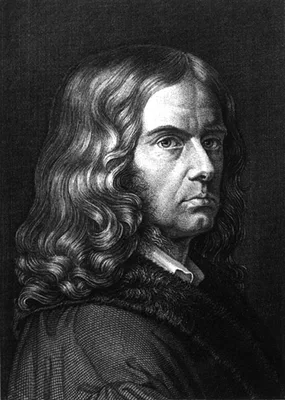
1819 CHAMISSO, Adelbert von (1781 – 1838)
De animalibus quibusdam e classe vermium Linneana in circumnavigator terra auspicante Comite N. Romanzoff duce Ottone de Kotzebue annis 1815, 1816, 1817, 1818. Fasciculus primus. De Salpa.
Chamisso was naturalist on the Kotzebue voyage of 1815-1818. This monograph on certain Vermes included the first description of several of the tunicates and the earliest use of the expression “alternation of generatio…
GMN 317 · https://historyofmedicine.com/id/151
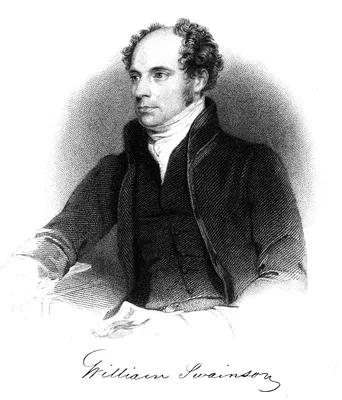
1820 –1823 SWAINSON, William John (1789 – 1855)
Zoological illustrations, or, original figures and descriptions of new, rare, or interesting animals, selected chiefly from the classes of ornithology, entomology, and conchology, and arranged on the principles of Cuvier and other modern zoologists. 3 vols.
"Apart from the common and scientific names of many species, it is for the quality of his illustrations that he [Swainson] is best remembered. His friend William Elford Leach, head of zoology at the British Museum, en…
GMN 9197 · https://historyofmedicine.com/id/11378
1820 RAFINESQUE, Constantine Samuel (1783 – 1840)
Ichthyologia Ohiensis, or natural history of the fishes inhabiting the river Ohio and its tributary streams, preceded by a physical description of the Ohio and its branches.
In Rafinesque's polemic style the title page includes the following statement: "The art of seeing well, or of noticing and distinguishing with accuracy the objects which we perceive, is a high faculty of the mind, unf…
GMN 10617 · https://historyofmedicine.com/id/12810