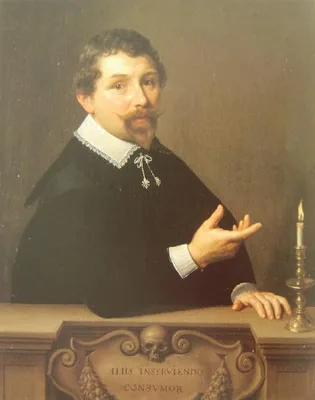
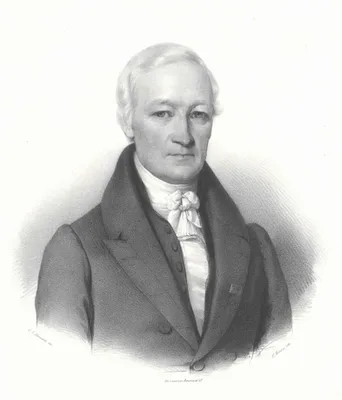
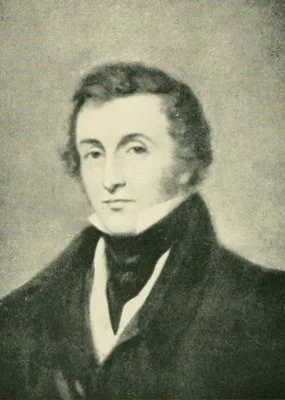
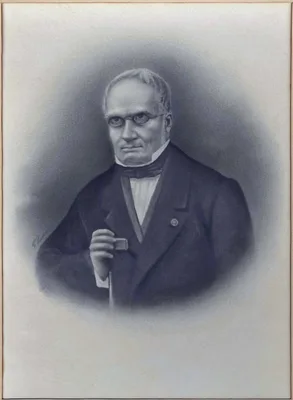
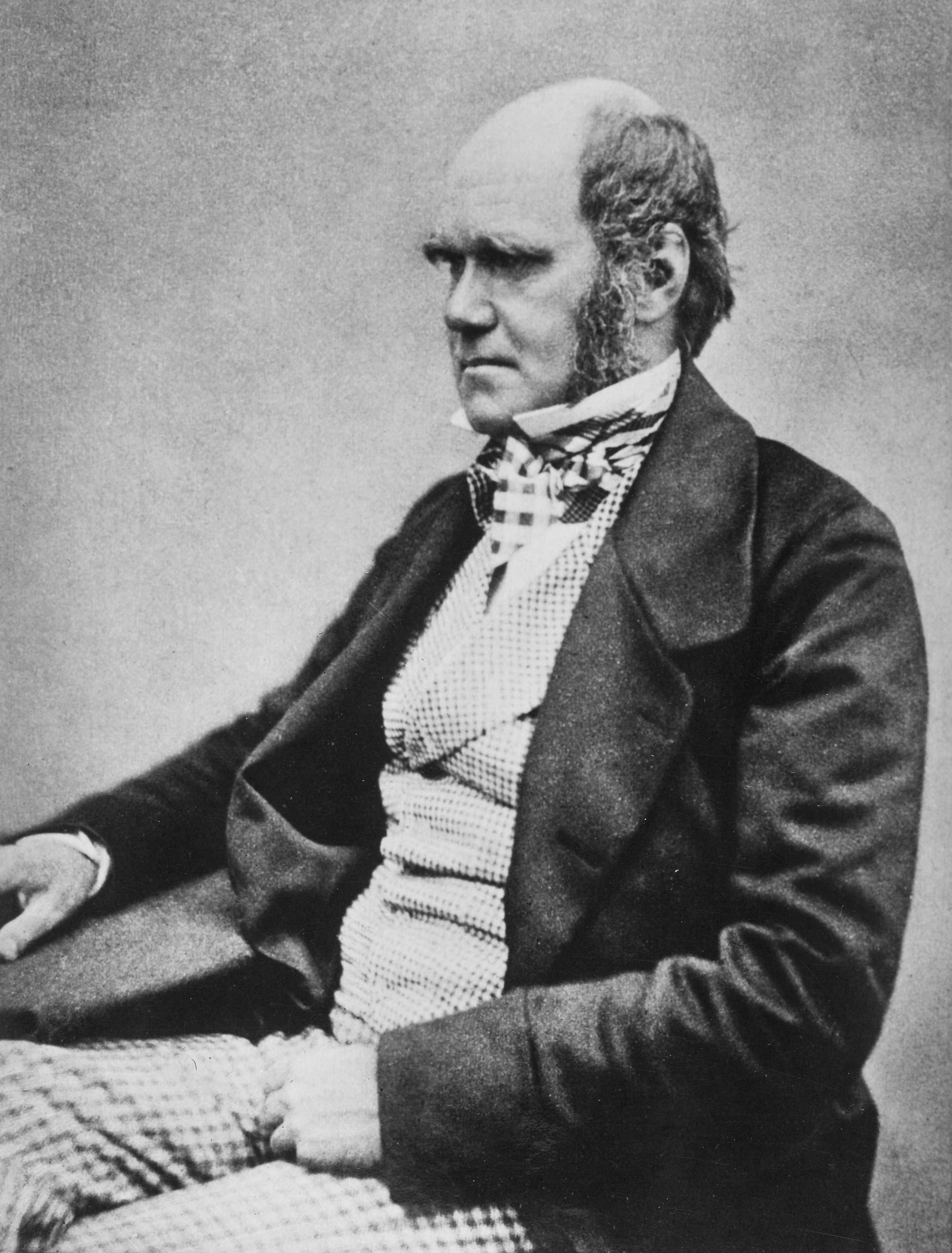
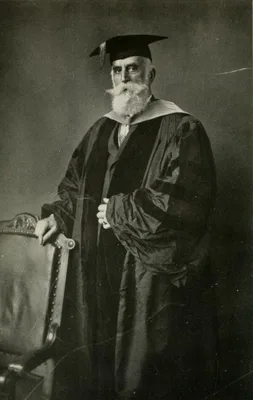
1652 TULP, Nicolaes (1593 – 1674)
Observationes medicae.
One of the earliest accounts of beri-beri is on pp. 300-05 of this work. Tulp, notable as the demonstrator in Rembrandt’s “Anatomy Lesson”, was among the first, in the same book, to describe the ileo-caecal valve (“Tu…
GMN 3737 · https://historyofmedicine.com/id/4530
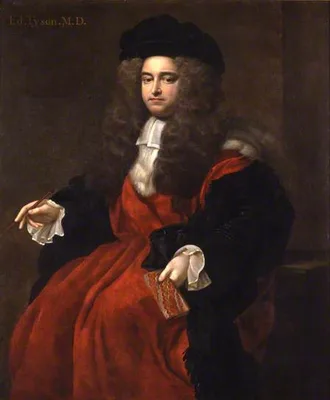
1699 TYSON, Edward (1650 – 1708)
Orang-outang, sive homo sylvestris: Or, the anatomy of a pygmie compared with that of a monkey, an ape, and a man.
The earliest work of importance in comparative morphology. Tyson compared the anatomy of man and monkeys and between the two he placed the chimpanzee, which he regarded as the typical pygmy. This was the origin of the…
GMN 153 · https://historyofmedicine.com/id/2767
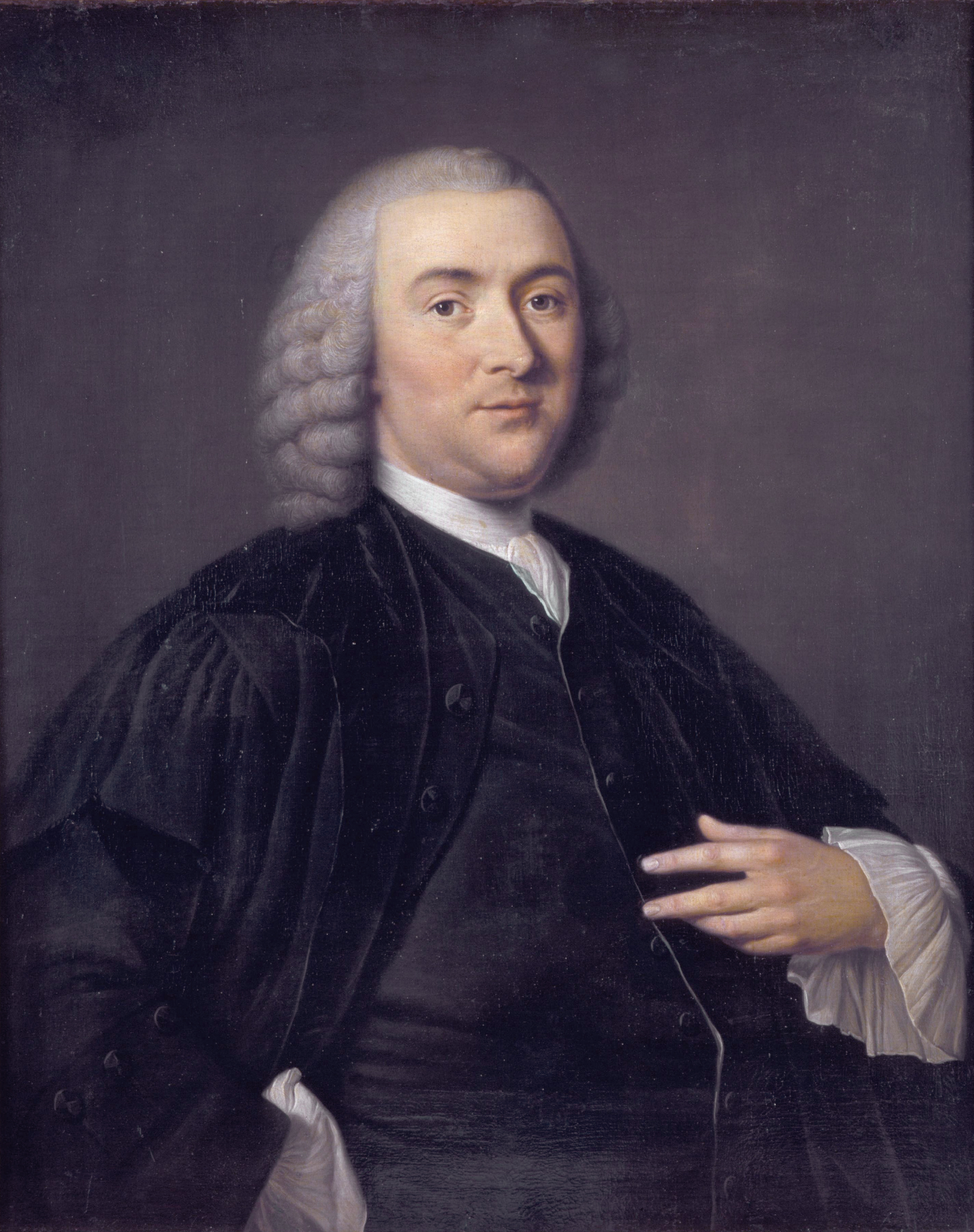
1782 CAMPER, Petrus (Pieter) (1722 – 1789)
Natuurkundige verhandelingen van Petrus Camper over den orang outang; en eenige andere aap-soorten. Over den rhinoceros met den dubbelen horen; en over het rendier.
Having dissected five orang-outang cadavers, Camper showed that the Bornean orang-outang was a previously undescribed species, and showed that the structure of its vocal organs did not permit speech. Digital facsimile…
GMN 7376 · https://historyofmedicine.com/id/9548
1797 –1800 AUDEBERT, Jean Baptiste (1759 – 1800)
Histoire naturelle des singes et des makis.
This work on monkeys and apes was published in a series of ten fascicules, with a total of 65 plates drawn and engraved by Audbert, and printed in color. Audebert was a miniaturist who developed a technique of color p…
GMN 11497 · https://historyofmedicine.com/id/13696
1821 TIEDEMANN, Friedrich (1781 – 1861)
Icones cerebri simiarum et quorundam mammalium rariorum.
"Although a few more reports were published furing the next hundred years [after Tyson] it was Tiedemann alone who gave a more detailed account, on monkeys, in his... Icones Simiarum.... In monkeys he found the brain …
GMN 9700 · https://historyofmedicine.com/id/11887
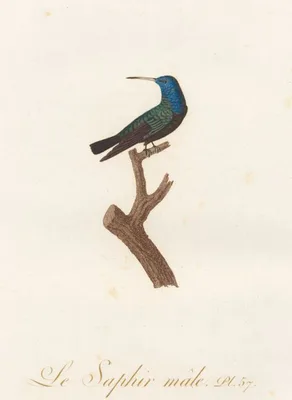
1833 –1866 JARDINE, Sir William (1800 – 1874)
The naturalist's library. Edited by Sir William Jardine. 40 vols.
"1833, Natural History of Humming Birds, Part I, (Ornithology Vol. VI) by William Jardine, with memoir of Carl Linnaeus. (online) 1833, Monkeys, (Mammalia Vol. I) by William Jardine, with a memoir of Comte de Buffon (…
GMN 10177 · https://historyofmedicine.com/id/12366
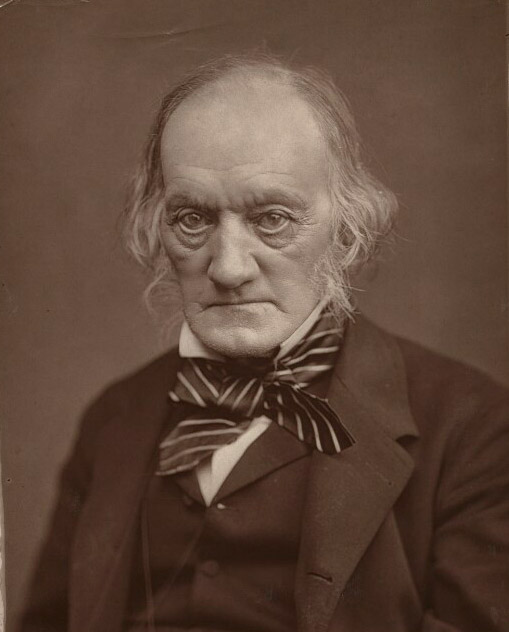
1835 OWEN, Sir Richard (1804 – 1892)
On the osteology of the chimpanzee and orang utan.
Owen was the first anatomist, after Petrus Camper, to distinguish decisively between the chimpanzee and the orangutan. He began studying the anatomy of non-human primates in the 1830s, when the Regent’s Park Zoo in Lo…
GMN 14316 · https://historyofmedicine.com/id/16641
1837 LARTET, Édouard (1801 – 1871)
Note sur les ossements fossiles des terrains tertiaires de Simorre, de Sansan, etc., dans le département du Gers, et sur la découverte récente d’une mâchoire de singe fossile.
First published account of the discovery of the first anthropomorphic fossil ape. Lartet's discovery, made in 1836 at Sansan, was the first to challenge Cuvier’s assertion that both humans and apes were products of th…
GMN 7311 · https://historyofmedicine.com/id/9481
1847 SAVAGE, Thomas Staughton (1804 – 1880); WYMAN, Jeffries (1814 – 1874)
A description of the characters and habits of troglodytes gorilla, a new species of orang from the Gaboon River, by Thomas S. Savage; Osteology of the same by Jeffries Wyman.
First description of the gorilla. Savage, an American physician/clergyman, worked extensively as a missionary physician in Africa. Digital facsimile from Google Books at this link.
GMN 329.1 · https://historyofmedicine.com/id/185
1855 –1856 DUVERNOY, George Louis (1777 – 1855)
Des caractères anatomiques des grands singes pseudo-anthropomorphes.
With 16 lithographed plates, this continues to be one of the most frequently cited of all works in the history of primate anatomy.
GMN 10884 · https://historyofmedicine.com/id/13080
1863 HUXLEY, Thomas Henry (1825 – 1895)
Evidence as to man’s place in nature.
Huxley showed that in the visible characters man differs less from the higher apes than do the latter from lower members of the same order of primates. He also provided the first thorough and detailed comparative desc…
GMN 165 · https://historyofmedicine.com/id/3242
1863 OWEN, Sir Richard (1804 – 1892)
Monograph on the Aye-Aye (Chiromys madagascariensis, Cuvier).
For the first 100 years after the first aye-aye was brought to Europe from Madagascar in the 1780s, debate persisted over whether it was a rodent, a primate, or most closely related to the kangaroo. Classification of …
GMN 12657 · https://historyofmedicine.com/id/14901
1865 OWEN, Sir Richard (1804 – 1892)
Memoir on the Gorilla (Troglodytes Gorilla, Savage).
This reset monograph version of Owen's paper consists of revised and augmented portions of Owen's "Contributions to the natural history of the Anthropoid Apes," which appeared in the Transactions of the Zoological Soc…
GMN 7612 · https://historyofmedicine.com/id/9784
1871 DARWIN, Charles Robert (1809 – 1882)
The descent of man, and selection in relation to sex. 2 vols.
This is really two works. The first demolished the theory that the universe was created for humans while in the second Darwin presented a mass of evidence in support of his earlier hypothesis regarding sexual selectio…
GMN 170 · https://historyofmedicine.com/id/3255
1888 BROCA, Pierre Paul (1824 – 1880)
Mémoires sur le cerveau de l’homme et des primates publiés avec un introduction et des notes par Le docteur S. Pozzi.
Digital facsimile from the Biodiversity Heritage Library at this link.
GMN 344 · https://historyofmedicine.com/id/249
1906 RETZIUS, Magnus Gustaf (1842 – 1919)
Cerebra simiarum illustrata. Das Affenhirn in bildlicher Darstellung.
Describes and illustrates with photographs the cerebral cortex of over 50 species of primate, including prosimians, monkeys, and apes..
GMN 7340 · https://historyofmedicine.com/id/9511
1912 ELLIOT, Daniel Giraud (1835 – 1915)
A review of the primates. 3 vols.
Digital facsimile from Biodiversity Heritage Library at this link.
GMN 11288 · https://historyofmedicine.com/id/13485
1928 TILNEY, Frederick (1875 – 1938); RILEY, Henry Alsop (1887 – 1966)
The brain from ape to man: A contribution to the study of the evolution and development of the human brain by Frederick Tilney. With chapters on the reconstruction of the gray matter in the primate brain stem by Henry Alsop Riley. 2 vols.
Classic study of the evolution of the central nervous system in the higher mammals. Digital facsimile from the Internet Archive at this link.
GMN 350 · https://historyofmedicine.com/id/269
1929 COOLIDGE, Harold Jefferson Jr. (1904 – 1984)
A revision of the genus Gorilla.
Basis of the modern taxonomy of the genus Gorilla. Digital facsimile from the Biodiversity Heritage Library at this link.
GMN 12460 · https://historyofmedicine.com/id/14692
1932 ZUCKERMAN, Solly, Baron Zuckerman (1904 – 1993)
The social life of monkeys and apes.
A study of the relationship of Man to the other primates, from the physiological and biochemical standpoint. Zuckerman’s work is considered the first adequate interpretation of simian society. 2nd ed., 1980.
GMN 351 · https://historyofmedicine.com/id/274
1938 WALKER, Arthur Earl (1907 – 1995)
The primate thalamus.
GMN 1451 · https://historyofmedicine.com/id/2321
1938 MCDERMOTT, John Coffman (1907 – )
The ape in antiquity.
Digital facsimile from the Hathi Trust at this link.
GMN 7103 · https://historyofmedicine.com/id/9270
1949 CLARK, Sir Wilfrid Edward Le Gros (1895 – 1971)
History of the primates.
GMN 352 · https://historyofmedicine.com/id/277
1980 YUNIS, Jorge Jose (1933 – ); SAWYER, Jeffrey R.; DUNHAM, Kelly
The striking resemblance of high-resolution G-banded chromosomes of man and chimpanzee.
Chimpanzees are the closest primates genetically to humans. In this paper the authors demonstrated the genetic changes that differentiated humans from chimpanzees. By comparing human and chimpanzee chromosomes the aut…
GMN 14108 · https://historyofmedicine.com/id/16419
1989 CENTERS FOR DISEASE CONTROL AND PREVENTION (CDC); VIRGINIA DEPARTMENT OF HEALTH
Ebola virus infection in imported primates - Virginia, 1989.
Also published with same title in Morbidity and Mortality Weekly Report, 38 (1989) 831, 832-837. Discovery of the "Ebola Reston" strain of the Ebola virus. The strain is lethal in monkeys; it turned out to be non-path…
GMN 10926 · https://historyofmedicine.com/id/13122
2002 HARTWIG, Walter Carl (1964 – )
The primate fossil record.
A comprehensive collaborative study edited by Hartwig. Includes an extensive historical bibliography.
GMN 7271 · https://historyofmedicine.com/id/9441
2012 DIOGO, Rui; WOOD, Bernard A. (1945 – )
Comparative anatomy and phylogeny of primate muscles and human evolution.
1027pp. The most comprehensive review of the comparative anatomy, homologies and evolution of the head, neck, pectoral and upper limb muscles of primates. The format is unusual with the text occupying the first 134pp.…
GMN 10865 · https://historyofmedicine.com/id/13061