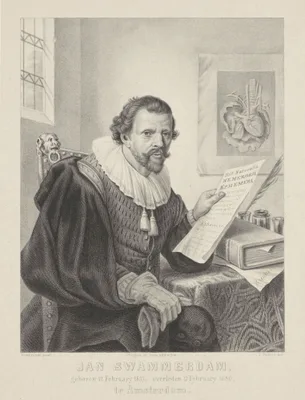
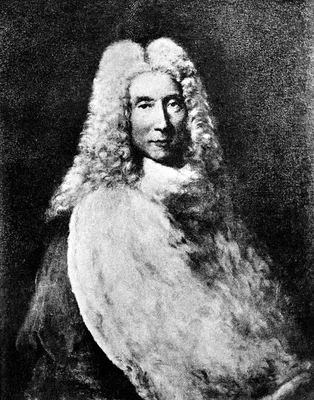
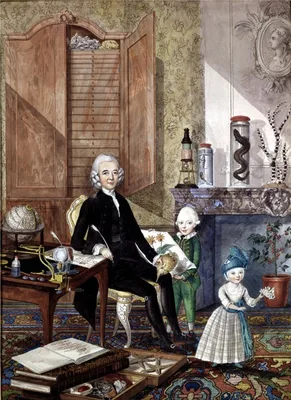
1675 SWAMMERDAM, Jan (1637 – 1680)
Ephemeri Vita. Of afbeeldingh van 's menschen leven, Vertoont in de Wonderbaarlijcke en nooyt gehoorde Historie van het vliegent ende een-dagh-levent Haft of Oever-aas. Een dierken, ten aansien van sijn naam, over al in Neerlandt bekent.
In his final publication Swammerdam studied the anatomy, development and behavior of the mayfly. Translated into English as Emphemeri vita: Or the natural history and anatomy of the ephemeron, a fly that lives but fiv…
GMN 13272 · https://historyofmedicine.com/id/15538
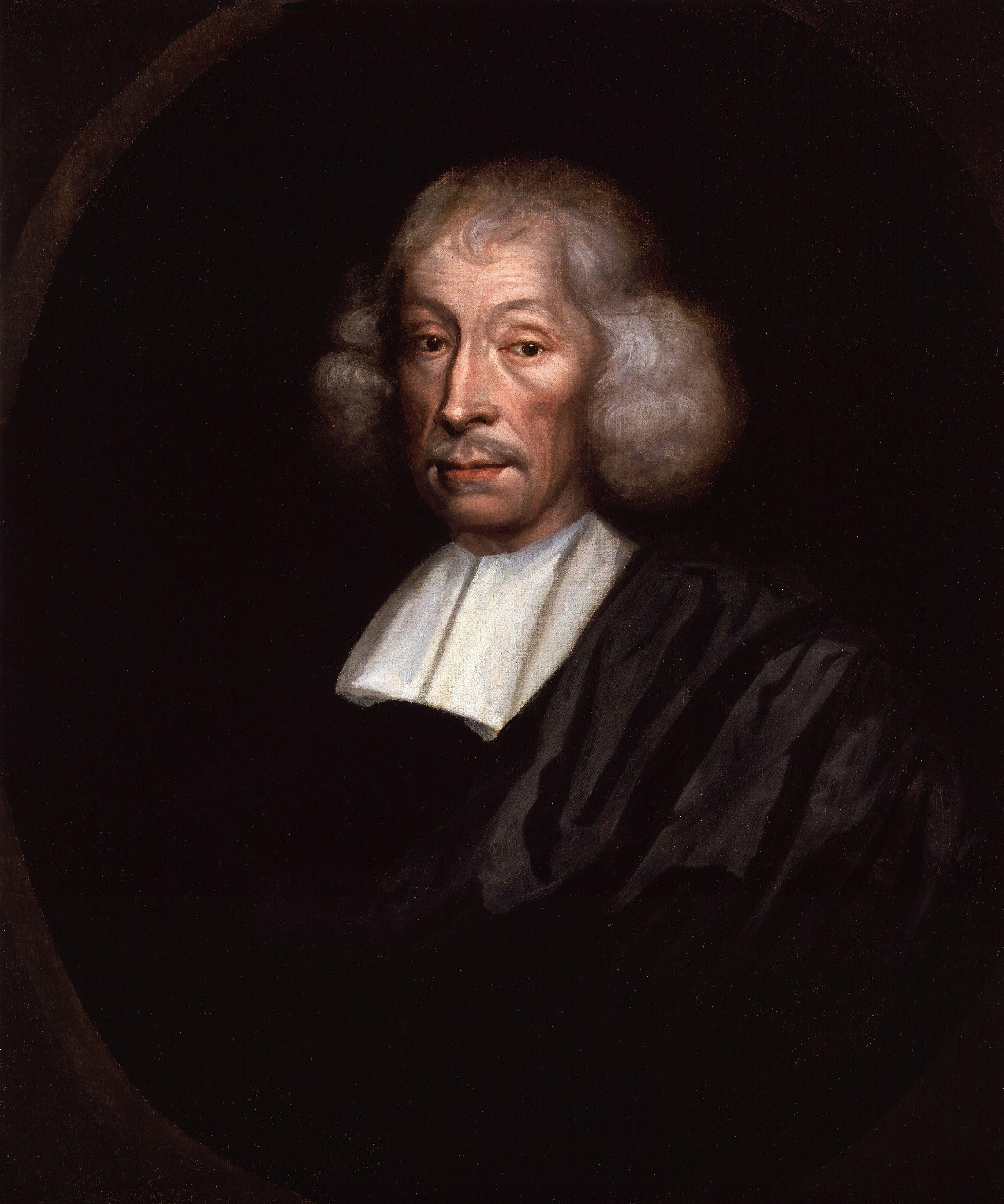
1676 RAY, John (1628 – 1705); WILLUGHBY, Francis (Willoughby) (1635 – 1672)
Ornithologiae, libri tres....Totum opus recognovit, digessit, supplevit, Joannis Raius.
Ray and Willughby were the first ornithologists to discard the Aristotelian principles of classification by function, replacing them with a morphological system based on beak form, foot structure and body size that re…
GMN 7089 · https://historyofmedicine.com/id/9256
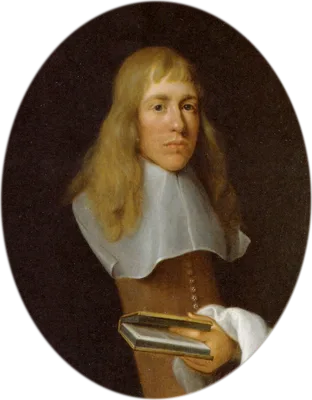
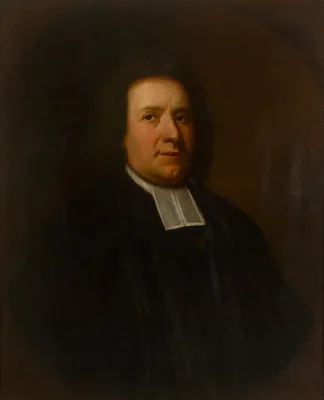
1678 LISTER, Martin (1639 – 1712)
Historia animalium angliae tres tractatus. Unus de araneis. Alter de cochleis tum terrestribus tum fluviatilibus. Tertius de cochleis marinis. Quibus adjectus est quartus de lapidibus eiusem insulae ad cochlearum quandam imaginem figuratis. Memoriae & rationi.
Lister was the first arachnologist and conchologist. This work was the first organized, systematic publication on shells. In spite of the wording of the title, the work contains four sections on spiders, land snails, …
GMN 12766 · https://historyofmedicine.com/id/15012
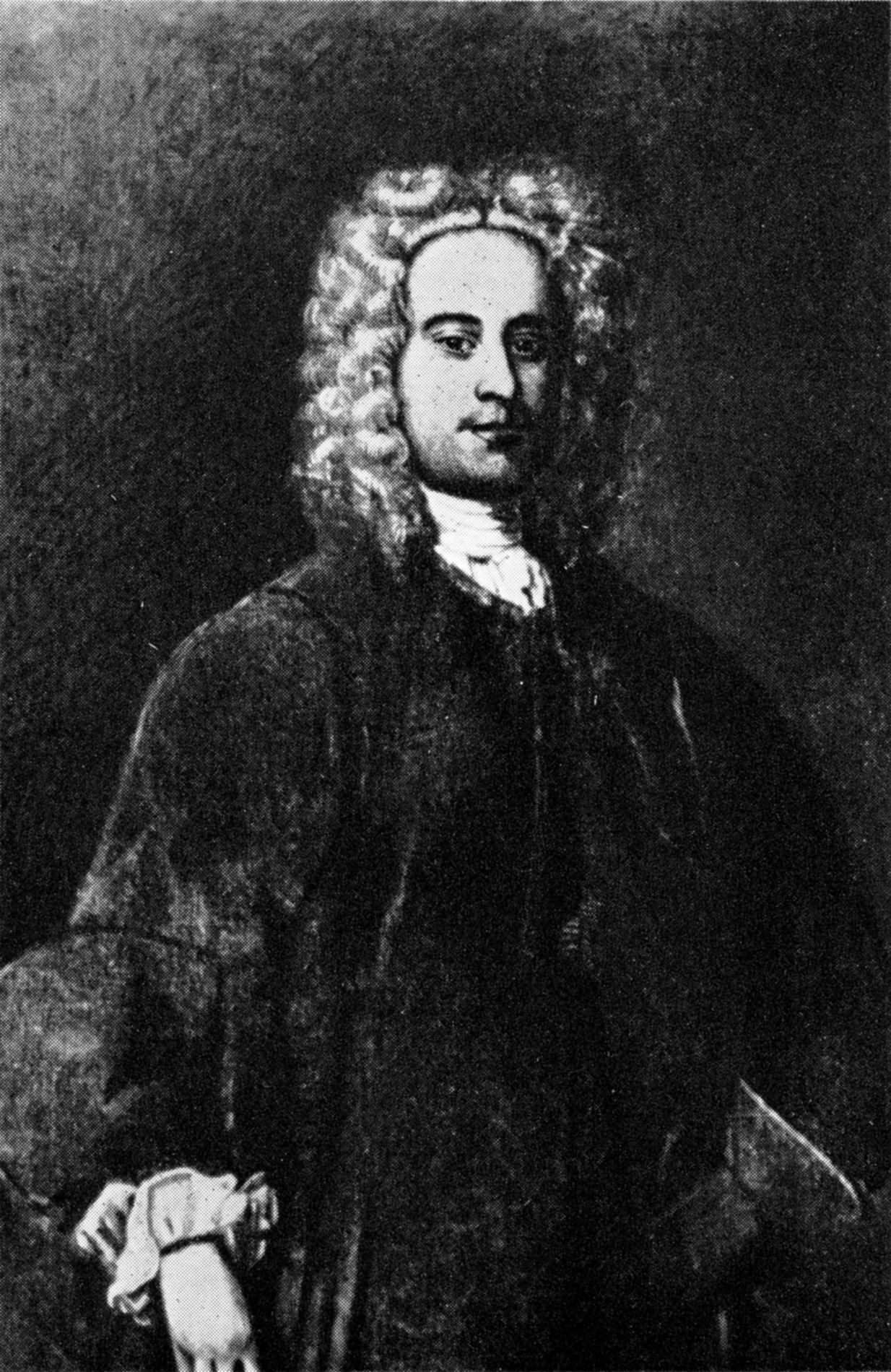
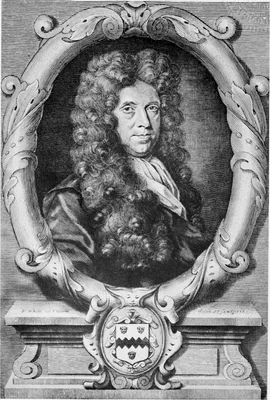
1681 GREW, Nehemiah (1641 – 1712)
Musaeum Regalis Societatis, or a catalogue and description of the natural and artificial rarities belonging to the Royal Society and preserved at Gresham College. Whereunto is subjoyned the comparative anatomy of stomachs and guts.
Grew, secretary to the Royal Society, compiled this illustrated catalogue of its museum, then housed at Gresham College. Published with the catalogue is Grew’s study of the stomach organs, which is the first zoologica…
GMN 297 · https://historyofmedicine.com/id/8845
1681 BONANNI, Filippo [BUONANNI] (1638 – 1723)
Recreatione dell'occhio e della mente nell'osservation ' delle chiocciole, proposta a curiosi delle opere dell natura.
The first treatise devoted entirely to molluscs, and the first practical guide for shell collectors. "Bonanni's work is significant for his careful attempts to precisely describe shell morphology. Unfortunately, due t…
GMN 13752 · https://historyofmedicine.com/id/16036
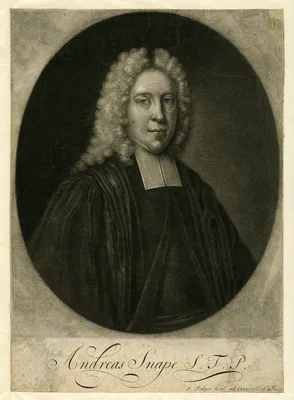
1683 SNAPE, Andrew (1675 – 1742)
The anatomy of an horse.
First book in English on equine anatomy, largely a translation of Ruini (No. 285).
GMN 298 · https://historyofmedicine.com/id/8846
1685 –1692 LISTER, Martin (1639 – 1712)
Historia sive synopsis methodicae conchyliorum quorum omnium picturae, ad vivum delineata, exhibetur.
"He [Lister] had created a small version of this book for circulation to friends in 1685, but almost immediately began work on an expanded version which was produced from 1685 to 1692. This copy had 490 pages, with 10…
GMN 12769 · https://historyofmedicine.com/id/15015
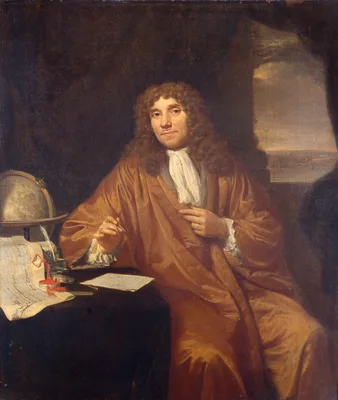
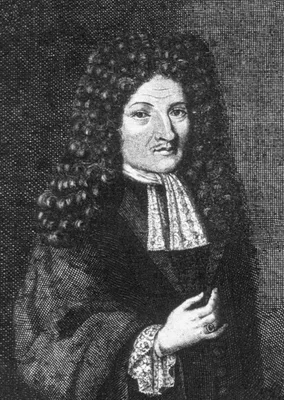
1686 –1718 LEEUWENHOEK, Antonie van (1632 – 1723)
Ontledingen en ontdekkingen.... 6 vols.
Leeuwenhoek, one of the first and also one of the greatest of the microbiologists, communicated many of his discoveries to the Royal Society in London. This set is a collection in Dutch of many contributions that van …
GMN 265 · https://historyofmedicine.com/id/1222
1686 RAY, John (1628 – 1705); WILLUGHBY, Francis (Willoughby) (1635 – 1672)
De historia piscium libri quatuor.
A large folio volume with 187 engraved plates considered the first modern encyclopedia on fish, this was largely the work of John Ray, prepared and expanded from Willougby's notes, more than a decade after his death. …
GMN 7088 · https://historyofmedicine.com/id/9255
1693 RAY, John (1628 – 1705)
Synopsis methodica animalium quadrupedum et serpentini generis.
This work contains the first really systematic classification of animals. Much of its general arrangement of animals survives in modern systems of classification.
GMN 299 · https://historyofmedicine.com/id/8847
1694 LISTER, Martin (1639 – 1712)
Exercitatio anatomica, in qua de cochleis, maxime terrestribus & limacibus, agitur. Omnium dissectiones tabulis aeneis, ad ispsas res assabre incisis, illustrantur.
First anatomical supplement to the Historia conchyliorum. This was the first separate work devoted to snails. Digital facsimile from Google Books at this link.
GMN 12767 · https://historyofmedicine.com/id/15013
1695 LISTER, Martin (1639 – 1712)
Exercitatio anatomica altera de buccinis fluviatilibus et marinis. Issued bound with: Exercitatio medicinalis de variolis.
The first work was intended as the second anatomical supplement to Lister's Historia conchyliorum.
GMN 12768 · https://historyofmedicine.com/id/15014
1696 LISTER, Martin (1639 – 1712)
Conchyliorum bivalvium utriusque aquae exercitatio anatomica tertia, huic accedit dissertatio medicinalis de calculo humano.
Third anatomical supplement to Lister's Historia concyliorum.
GMN 12770 · https://historyofmedicine.com/id/15016
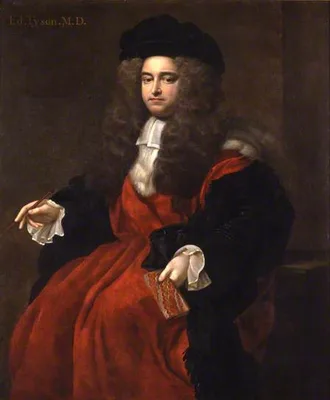
1699 TYSON, Edward (1650 – 1708)
Orang-outang, sive homo sylvestris: Or, the anatomy of a pygmie compared with that of a monkey, an ape, and a man.
The earliest work of importance in comparative morphology. Tyson compared the anatomy of man and monkeys and between the two he placed the chimpanzee, which he regarded as the typical pygmy. This was the origin of the…
GMN 153 · https://historyofmedicine.com/id/2767
1700 ANDRY, Nicolas (1658 – 1742)
De la géneration des vers dans le corps de l’homme.
The first medical parasitology text– an exhaustive study of the parasites of man, the diseases associated with them and their treatment. Andry’s views were often ahead of his time. Unlike most of his contemporaries, h…
GMN 2448.2 · https://historyofmedicine.com/id/2958
1715 VALLISNERI, Antonio [VALLISNIERI] (1661 – 1730)
Istoria del camaleonte Affricano e di varj animali d’Italia.
Digital facsimile from Google Books at this link.
GMN 302 · https://historyofmedicine.com/id/103
1715 PETRI VON HARTENFELS, Georg Christoph (1633 – 1718)
Elephantographia curiosa, seu elephanti descriptio.
The first monograph on the elephant, including 28 plates. Digital facsimile from Google Books at this link.
GMN 9170 · https://historyofmedicine.com/id/11349
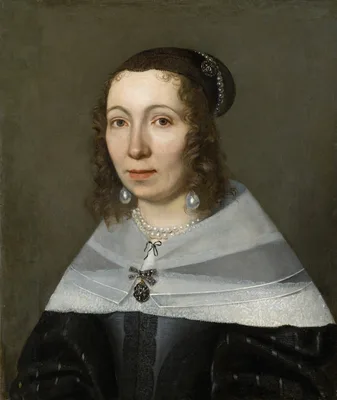
1719 MERIAN, Maria Sibylla (1647 – 1717)
Mariæ Sibillæ Merian Dissertatio de generatione et metamorphosibus insectorum Surinamensium: In quâ, præter vermes et erucas Surinamenses, earumque admirandam metamorphosin, plantæ, flores & fructus, quibus vescuntur, & quibus fuerunt inventæ, exhibentur. His adjunguntur bufones, lacerti, serpentes, araneæ, aliaque admiranda istius regionis animalcula
Originally as Metamorphosis insectorum Surinamensium. Amsterdam, 1705. The 1719 contains 12 additional plates and corresponding text, 10 provided by the author's daughters from material left at her death, and 2 suppli…
GMN 13450 · https://historyofmedicine.com/id/15724
1720 VALENTINI, Michael Bernhard (1657 – 1729)
Amphitheatrum zootomicum.
“First extensive work on the comparative anatomy of vertebrates” (Casey Wood).
GMN 303 · https://historyofmedicine.com/id/236
1720 ALBIN, Eleazar (1690 – 1742)
A natural history of English insects. Illustrated with a hundred copper plates, curiously engraven from the life: And (for those who desire it) exactly coloured by the author.
"Little is known of Albin’s early life, though he was probably born in Germany to a family named Weiss. By 1708 he had changed his surname to Albin and was living in London with his family. His profession of art teach…
GMN 13743 · https://historyofmedicine.com/id/16027
1726 MARSILI, Luigi Ferdinando [MARSIGLI] (1658 – 1730)
Danubius pannonico-mysicus, observationibus geographicis, astronomicis, hydrographicis, historicis, physicis perlustratus et in sex tomos digestus. 6 vols.
An extensive illustrated work, with 283 copperplate engravings, on the natural history of the Danube river, the longest river in central Europe, which runs from southern Germany into Austria, through Slovakia, Hungary…
GMN 12958 · https://historyofmedicine.com/id/15205
1731 –1747 CATESBY, Mark (1683 – 1749)
The natural history of Carolina, Florida and the Bahama Islands: Containing the figures of birds, beasts, fishes, serpents, insects, and plants: Particularly, the forest-trees, shrubs, and other plants, not hitherto described, or very incorrectly figured by authors. Together with their descriptions in English and French. To which are added observations on the air, soil and waters: With remarks on agriculture, grain, pulse, roots &c. To the whole is prefixed a new and complete map of the countries treated of. 2 vols.
The only attempt to record the natural history of a region of America during the colonial period. Includes 220 fine handcolored etched plates after and by Catesby and mostly signed with his cipher, excepting plates 61…
GMN 9571 · https://historyofmedicine.com/id/11758
1731 –1738 DERHAM, William (1657 – 1735); ALBIN, Eleazar (1690 – 1742)
A natural history of birds. Illustrated with two hundred and five copper plates, curiously engraven from the life. Published by the author Eleazar Albin, and carefully colour'd by his daughter and self, from the originals, drawn from the live birds. 3 vols.
This was the first English bird book issued with hand-colored plates, colored by Albin and his daughter Elizabeth. "For the most part Albin delineated one bird per plate. The birds are placed on a branch or on the gro…
GMN 12877 · https://historyofmedicine.com/id/15124
1733 VALLISNERI, Antonio [VALLISNIERI] (1661 – 1730)
Opere fisico-mediche stampate e manoscritte del kavalier Antonio Vallisneri; raccolte da Antonio suo Figliuolo, corredate d'una prefazione in genere sopra tutte, e d'una in particolare sopra il vocabolario della storia naturale. 3 vols.
Digital facsimile from the Hathi Trust at this link.
GMN 9361 · https://historyofmedicine.com/id/11544
1734 –1742 RÉAUMUR, René Antoine Ferchault de (1683 – 1757)
Mémoires pour servir à l’histoire des insectes. 6 vols.
Réaumur’s greatest work describes the appearance, habits and locality of all the known insects except the beetles, and includes 267 plates. Posthumously published: Tome VII: Histoire des fourmis, (Paris: Paul Lecheval…
GMN 304 · https://historyofmedicine.com/id/107
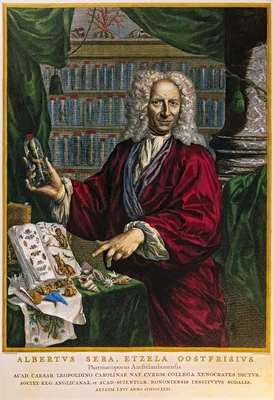
1734 –1765 SEBA, Albertus (1665 – 1736)
Locupletissimi rerum naturalium thesauri accurata descriptio et iconibus artificiosissmis expressio per universam physices historiam. 4 vols.
With 4 folio volumes this is probably the most elaborate catalogue of a private natural history museum, wunderkammer, or cabinet of curiosities ever published. The text is printed in Latin and Dutch. The work includes…
GMN 7485 · https://historyofmedicine.com/id/9657
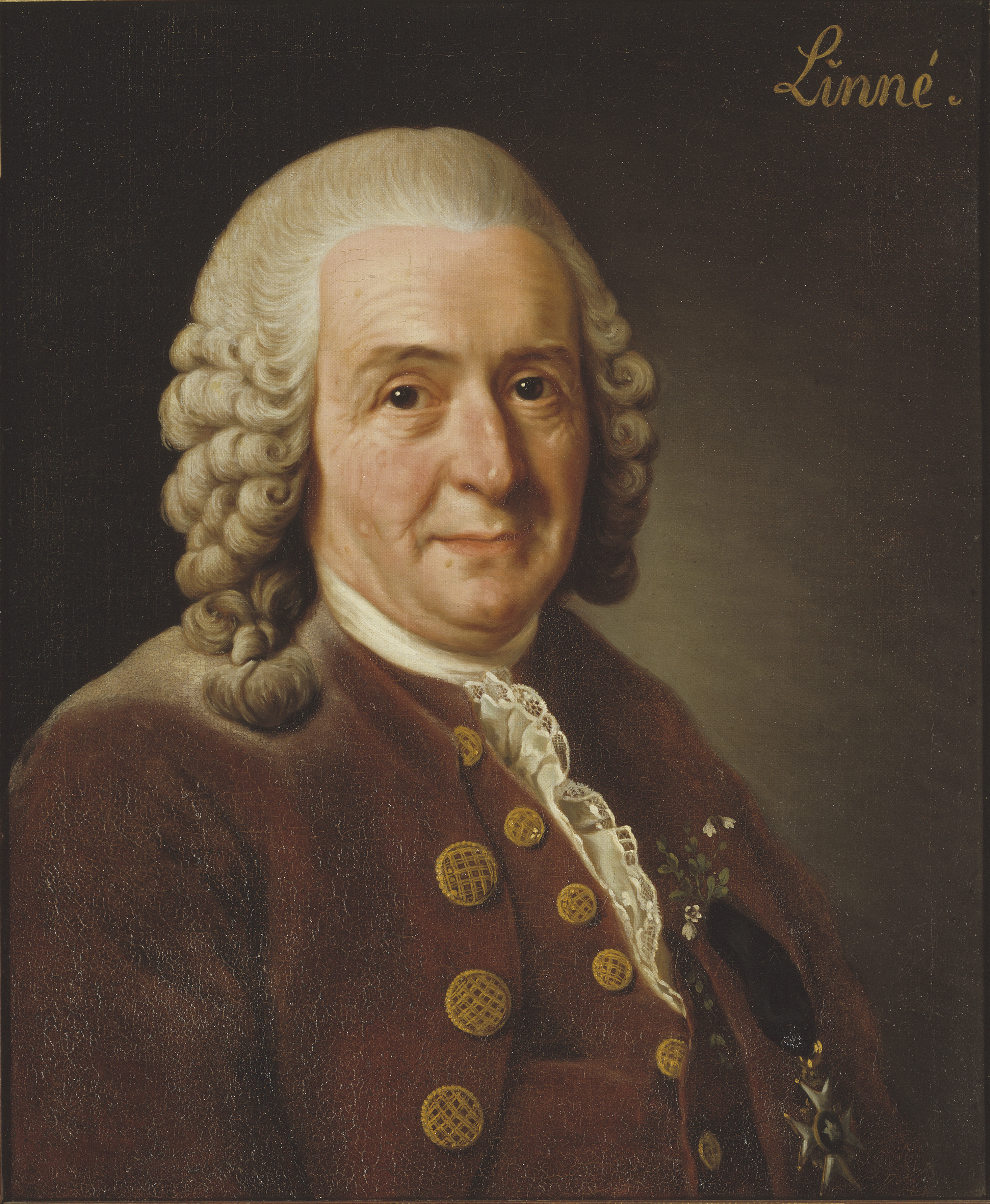
1735 LINNAEUS, Carl (Linné) (1707 – 1778)
Systema naturae per regna tria naturae, secundum classes, ordines, genera, species, cum characteribus, differentiis, synonymis, locis.
In Systema naturae Linnaeus developed the first logical and modern classifications of plants, animals and minerals. Its most valuable feature, the binomial nomenclature (genus and species), was probably devised in the…
GMN 99 · https://historyofmedicine.com/id/1498
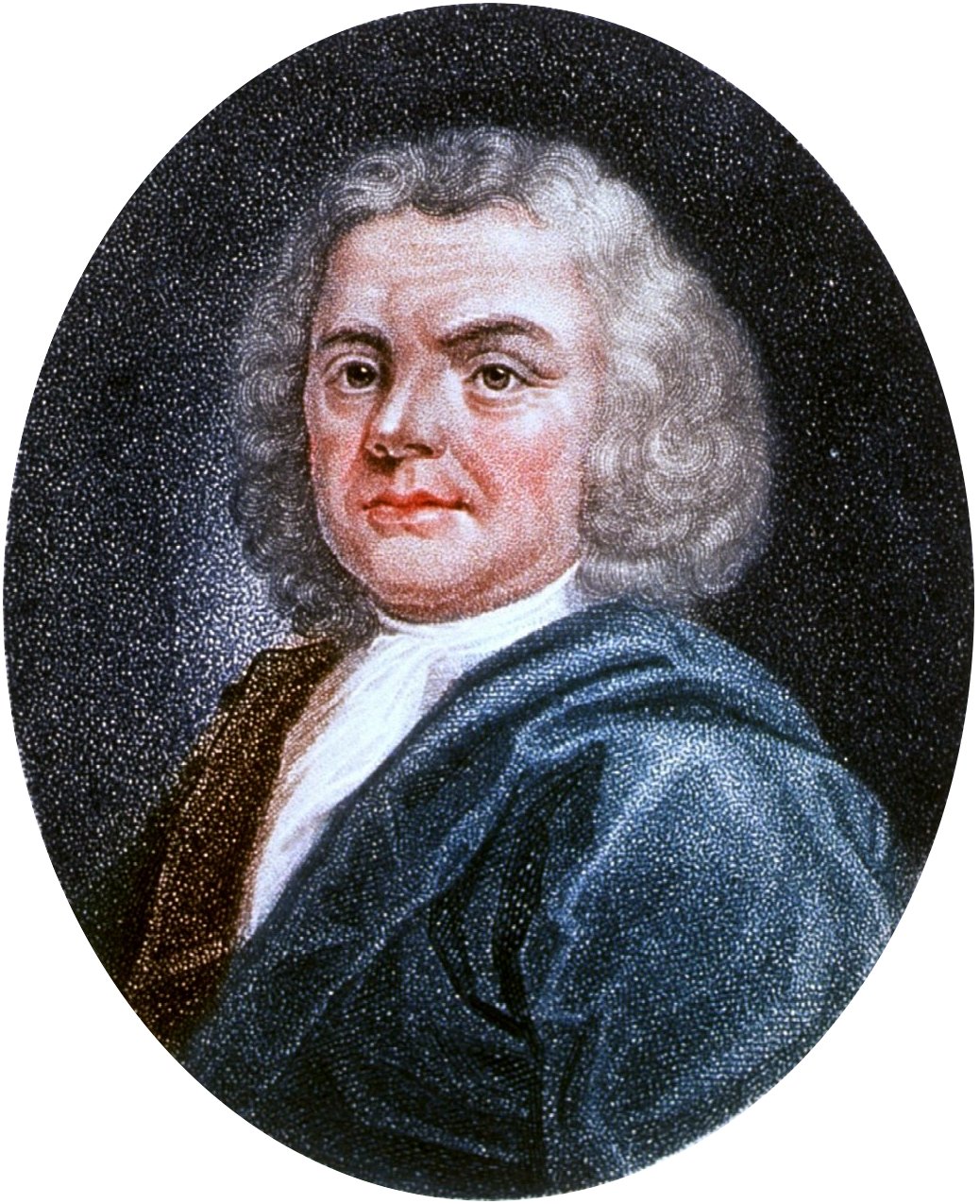
1737 –1738 BOERHAAVE, Herman (1668 – 1738); SWAMMERDAM, Jan (1637 – 1680); GAUBIUS, Hieronymus David (1705 – 1780)
Bybel der Natuure door Jan Swammerdam, Amsteldammer...Biblia naturae; sive historia insectorum, in classes certas redacta, nec non exemplis, et anatomico variorum animalculorum examine, aeneisque tabulis illustrata. Insertis numerosis rariorum naturae observationibus. Omnia lingua Batava, auctori vernacula, conscripta. Accedit praefatio, in qu vitam auctoris descripsit Hermannus Boerhaave... Latinam versionem adscriptsit Hieronimus David Gaubius. 2 vols.
Swammerdam's extensive collection of microscopical observations on insects was written in Dutch, and edited for publication 57 years after Swammerdam's death, with an extensive life of the author, by Herman Boerhaave.…
GMN 7472 · https://historyofmedicine.com/id/9644
1738 LINNAEUS, Carl (Linné) (1707 – 1778); ARTEDI, Peter (1705 – 1735)
Ichthyologia sive opera omnia de Piscibus....omnia in hoc genere perfectiora, quam antea ulla. Posthuma vindicavit, recognovit, coaptavit & edidit Carolus Linnaeus.
After Artedi's mysterious and premature death by drowning at the age of 30 Linnaeus raised money to pay off Artedi's creditors and obtained his papers. These he published in the present five part work. The five parts …
GMN 7112 · https://historyofmedicine.com/id/9279
1740 –1761 RÖSEL VON ROSENHOF, August Johann (1705 – 1759)
Die monatlich-herausgegeben Insecten-Belustigung. 4 vols.
Spectacular hand-colored plates."Insecten-Belustigung, appeared in 1740 and was devoted to the insects and other invertebrates like the sea anemones. His classification of the insects followed a natural system and he …
GMN 9561 · https://historyofmedicine.com/id/11747
1742 GUALTIERI, Niccoló (1688 – 1744)
Index testarum conchyliorum quae adservantur in Museo Nicolai Gualtieri ... et methodice distributae exhibentur tabulae CX.
The beautiful catalogue of the shell collection formed by Gualtieri, physician to Cosimo III, Grand Duke of Tuscany in his "museum." Many of the shells are depicted standing on their apices, and are depicted from two …
GMN 11741 · https://historyofmedicine.com/id/13941
1743 BAKER, Henry (1698 – 1774)
An attempt towards a natural history of the polype.
GMN 306 · https://historyofmedicine.com/id/109
1744 TREMBLEY, Abraham (1710 – 1784)
Mémoires, pour servir à l’histoire d’un genre de polypes d’eau douce, à bras en forme de cornes.
Trembley discovered the hydra and was the first to observe in it asexual reproduction, regeneration, and photosensitivity in an animal without eyes. His experiments were of great importance in the study of regeneratio…
GMN 307 · https://historyofmedicine.com/id/113
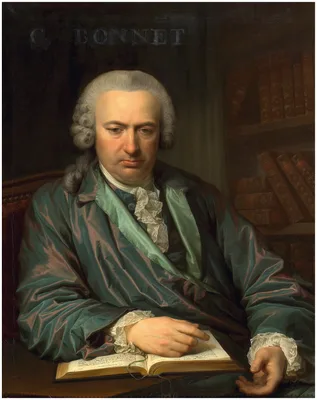
1745 BONNET, Charles (1720 – 1793)
Traité d’insectologie.
This pioneering work on experimental entomology incorporates Bonnet’s most important discovery–parthenogenetic reproduction–based on his study of aphids. Bonnet used the result of this and other discoveries as a basis…
GMN 308 · https://historyofmedicine.com/id/115
1746 CATESBY, Mark (1683 – 1749)
Of birds of passage.
Catesby was one of the first ornithologists to study bird migration. Digital facsimile from the Royal Society at this link.
GMN 9570 · https://historyofmedicine.com/id/11757
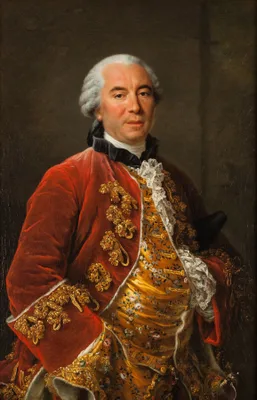
1749 –1789 BUFFON, Georges-Louis Leclerc, Comte de (1707 – 1788)
Histoire naturelle générale et particulière…. 44 vols., plus atlas.
This vast work is divided into seven parts. I: Histoire naturelle générale et particulière…15 vols., by Buffon and L.J.M. Daubenton (1749-67). II: Histoire naturelle des oiseaux. 9 vols., by Buffon, P. Guéneau de Mont…
GMN 324 · https://historyofmedicine.com/id/193
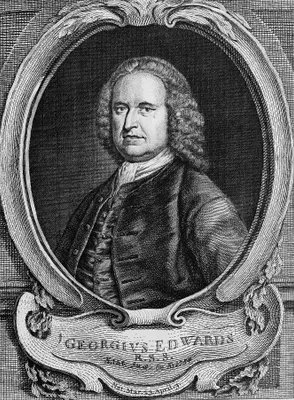
1754 CATESBY, Mark (1683 – 1749); EDWARDS, George (1693 – 1773)
The natural history of Carolina, Florida, and the Bahama Islands, containing the figures of birds, beasts, fishes, serpents, insects, and plants, particulary the forest trees, shrubs, and other plants, not hitherto described, or very incorrectly figured by authors. Together with their descriptions in English and French. To which are added, observations on the air, soil, and waters with remarks upon agriculture, grain, pulse, roots, &c. To the whole is prefixed a new and correct map of the countries treated of / by the late Mark Catesby; revised by Mr. [George] Edwards. 2 vols.
Second edition, edited by ornithologist George Edwards. Digital facsimile from the Internet Archive at this link.
GMN 7678 · https://historyofmedicine.com/id/9850
1754 –1764 LINNAEUS, Carl (Linné) (1707 – 1778)
Hans Maj:ts Adolf Frideriks vår allernådigste konungs naturalie samling innehållande sällsynte och främmande djur, som bevaras på kongl. lust-slottet Ulriksdahl beskrefne och afrit. Museum Adolfi Friderici ... in quo animalia rariora imprimis, et exotica: Quadrupedia, aves, amphibia, pisces, insecta, vermis. Vol. 2: Museum S:ae R:ae M:tis Adolphi Friderici Regis Svecorum, Gothorum, Vandalorumque &c. &c. &c. in quo Animalia rariora imprimis & exotica: Aves, Amphibia, Piscis describuntur. Tomi secundi Prodromus.
Linnaeus's study of the royal natural history collections was important because to a considerable extent they formed the basis for his knowledge of animals. The collections contain many type specimens for animals desc…
GMN 9558 · https://historyofmedicine.com/id/11744
1754 GRONOVIUS, Laurens Theodoor (1730 – 1777)
Museum ichthyologicum sistens piscium indigenorum et quorundam exoticorum, qui in museo Laurentii Theodori Gronovii adservantur: Descriptiones ordine systematico; accedunt nonnullorum exoticorum piscium icones aeri incisae.
Gronovius described over 200 species of fish. He is also credited with developing a technique for preservation of fish skins. Today, a number of his fish skins are preserved in the Natural History Museum, London. Digi…
GMN 12979 · https://historyofmedicine.com/id/15227
1754 RENARD, Louis (1678 – 1746)
Poissons, écrevisses et crabes, de diverse couleurs et figures extraordinaires, que l'on trouve autour des Isles Moluques, et sur les côtes des Terres Australes....
"This extraordinary work purports to show marine life from the seas around Indonesia at a time when the natural wildlife of that area was virtually unknown in Europe. Renard, both a publisher and a spy for the British…
GMN 13783 · https://historyofmedicine.com/id/16070
1755 ELLIS, John (1710 – 1776)
An essay towards the natural history of the corallines, and other marine productions of the like kind, commonly found on the coasts of Great Britain and Ireland. To which is added the description of a large marine polype taken near the North Pole, by the whale-fishers, in the summer 1753.
The first work to state the animal nature of corals, which had previously been regarded as marine plants. It has been asserted that although unsigned, some of the plates are after drawings by Ehret. Digital facsimile …
GMN 12706 · https://historyofmedicine.com/id/14951
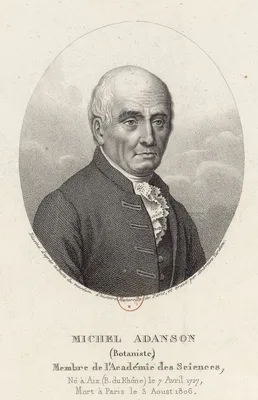
1757 ADANSON, Michel (1727 – 1806)
Histoire naturelle du Sénégal. Coquillages. Avec la relation abrégée d'un voyage fait en ce pays, pendant les années 1749, 50, 51, 52 & 53.
Adanson's voyage and explorations in Senegal, including the Island of Goree and the River Senegal. The second part is a general survey of the living mollusks he found in Senegal. His classification of mollusks was ori…
GMN 11525 · https://historyofmedicine.com/id/13724
1758 RÖSEL VON ROSENHOF, August Johann (1705 – 1759)
Historia naturalis ranarum nostratium in qua omnes earum proprietates, praesertim quae ad generationem ipsarum pertinent, fusius enarrantur.
Text in Latin and German. Includes the life cycle of all species of frogs found in Germany. Spectacular hand-colored plates. Digital facsimile from Universitätsbibliothek Heidelberg at this link.
GMN 9562 · https://historyofmedicine.com/id/11748
1758 –1759 LINNAEUS, Carl (Linné) (1707 – 1778)
Systema naturae per regna tria naturae, secundum classes, ordines, genera, species, cum characteribus, differentiis, synonymis, locis. Editio decima, reformata. 2 vols.
In the 10th edition of his Systema naturae, Linnaeus introduced binomial nomenclature for animals. He had previously introduced binomial nomenclature for plants in his Species Plantarum (1753). In this edition Linnaeu…
GMN 11880 · https://historyofmedicine.com/id/14084
1760 BRISSON, Mathurin Jacques (1723 – 1806)
Ornithologie, ou, Méthode contenant la division des oiseaux en ordres, sections, genres, especes & leurs variétés: a laquelle on a joint une description exacte de chaque espece, avec les citations des auteurs qui en ont traité, les noms quils leur ont donnés, ceux que leur ont donnés les différentes nations, & les noms vulgaires. 6 vols.
Title pages in both French and Latin. One of the earliest systematic treatises on birds by a contemporary of Linnaeus. The work treats 1336 species of which Brisson claimed to recognize more than 800 by sight. The pla…
GMN 13143 · https://historyofmedicine.com/id/15402
1762 LYONET, Pierre (1707 – 1789)
Traité anatomique de la chénille, qui ronge le bois de saule. Augmenté d'une explication abrégée des planches, et d'une description de l'instrument et des outils dont l'auteur s'est servi pour anatomiser à la loupe et au microscope, & pour déterminer la forcer de ses verres, suivant les règles de l'optique, & méchaniquement.
Lyonet’s monograph on the goat moth caterpillar remains a famous example of anatomical examination. It is also a thorough treatise on the microscope and lenses that Lyonet used. Digital facsimile from Biodiversity Her…
GMN 305 · https://historyofmedicine.com/id/239
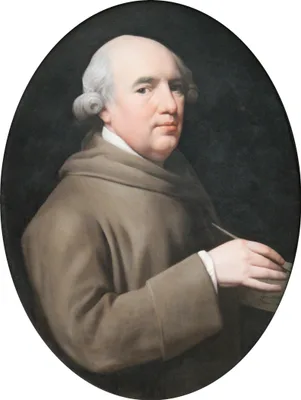
1766 STUBBS, George (1724 – 1806)
The anatomy of the horse.
The first original work on equine anatomy after Ruini (No. 285). Stubbs, the great painter of animals, prepared his own dissections of horse carcasses, and personally engraved the 24 double folio plates for this work,…
GMN 308.1 · https://historyofmedicine.com/id/119
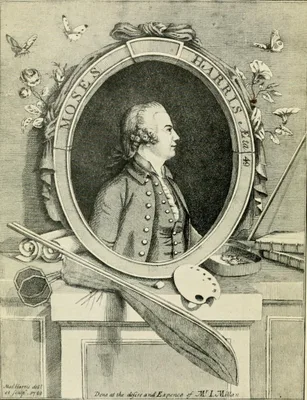
1766 HARRIS, Moses (1730 – 1788)
The Aurelian or natural history of English insects; namely, moths and butterflies.
Harris drew and engraved his own illustrations. The second edition (1778) was considerably expanded, and with four more plates than the first, for a total of 45. Some of the hand-colored copies were hand-colored by th…
GMN 10570 · https://historyofmedicine.com/id/12763
1768 LAURENTI, Josephus Nicholaus (1735 – 1805)
Specimen medicum: Exhibens synopsin reptilium emendatam cum experimentis circa venena et antidota reptilium austriacorum.
"Laurenti is considered the auctor of the class Reptilia (reptiles) through his authorship of Specimen Medicum, Exhibens Synopsin Reptilium Emendatam cum Experimentis circa Venena (1768) on the poisonous function of r…
GMN 9517 · https://historyofmedicine.com/id/11702
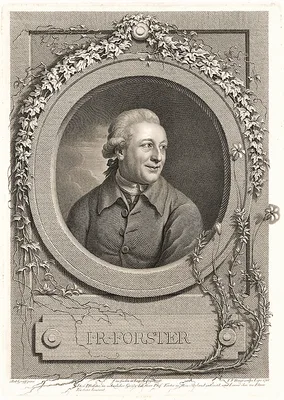
1771 FORSTER, Johann Reinhold (1729 – 1798)
A catalogue of the animals of North America: Containing, an enumeration of the known quadrupeds, birds, reptiles, fish, insects, crustaceous and testaceous animals ... to which are added short directions for collecting, preserving, and transporting, all kinds of natural history curiosities.
Largely based on specimens he had access to from the British collections of Thomas Pennant and Anna Blackburne, this was Forster's attempt to systemize on the Linnean model the fragmented field of natural history stud…
GMN 11615 · https://historyofmedicine.com/id/13815