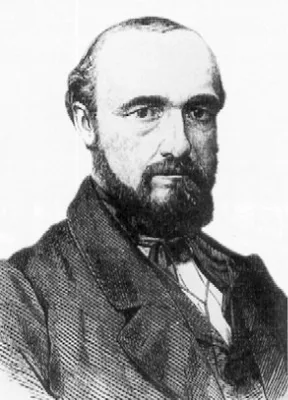
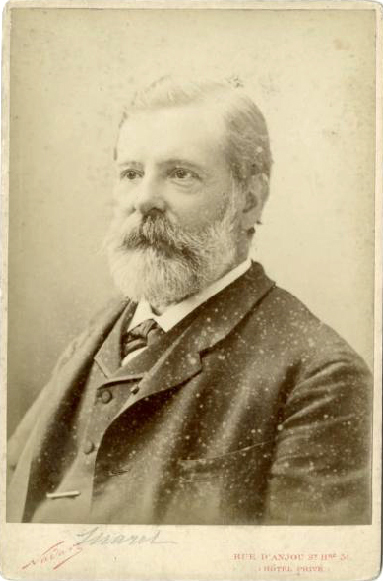
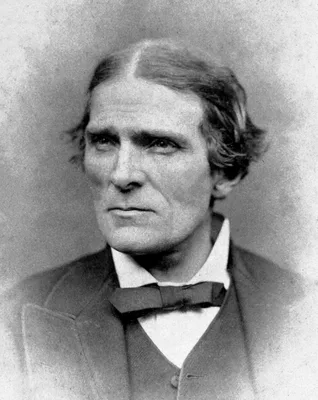
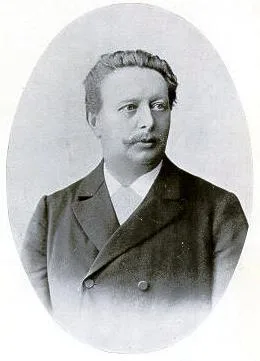
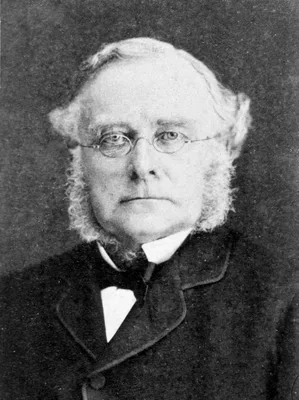
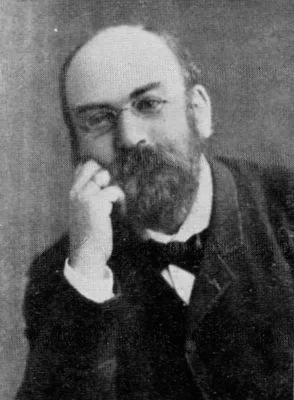
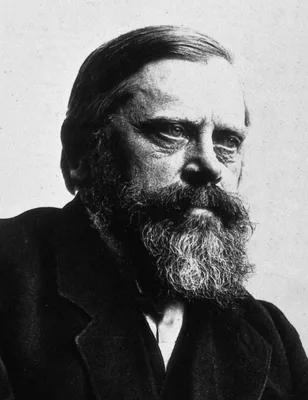
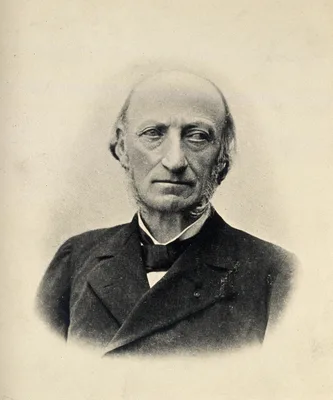
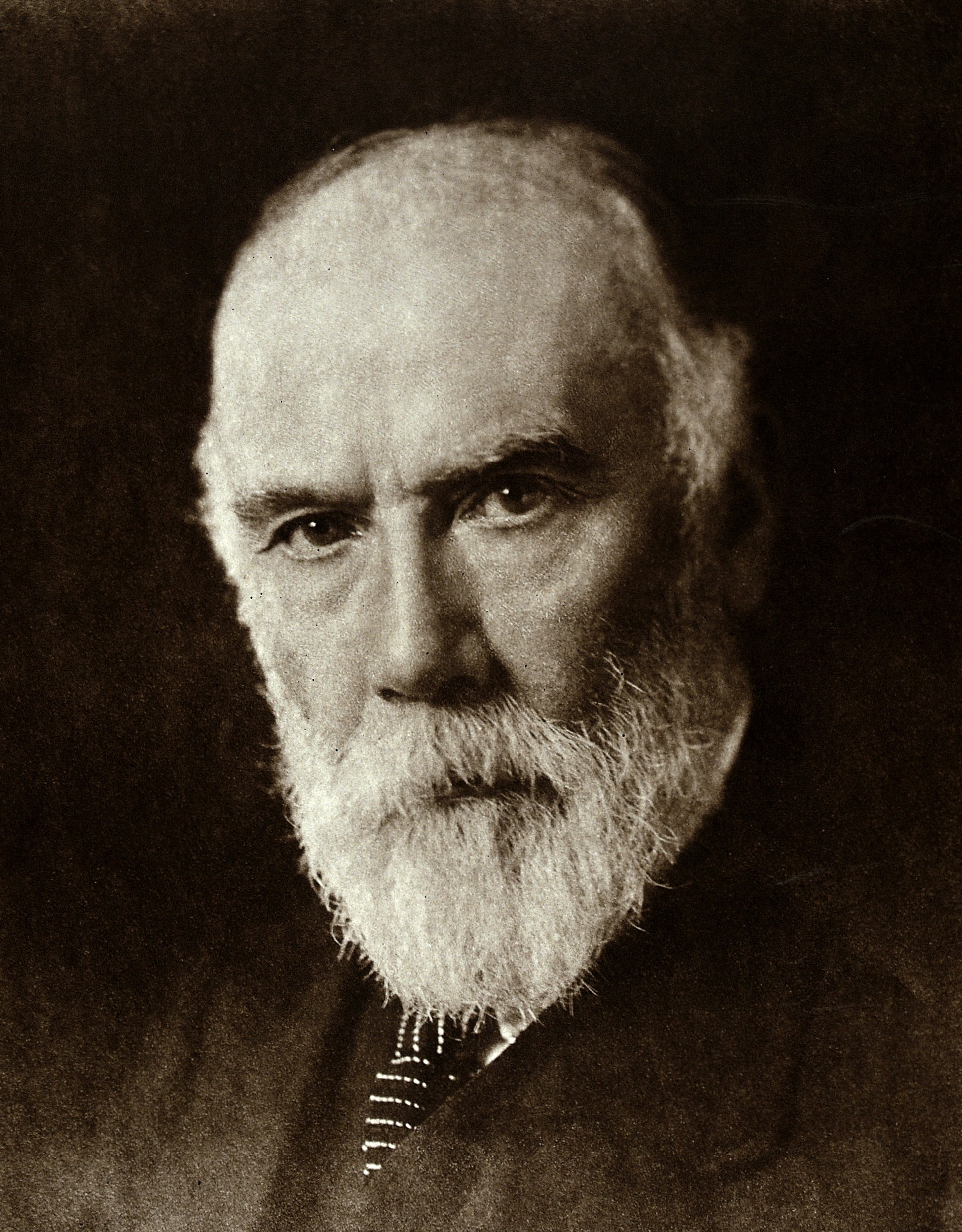
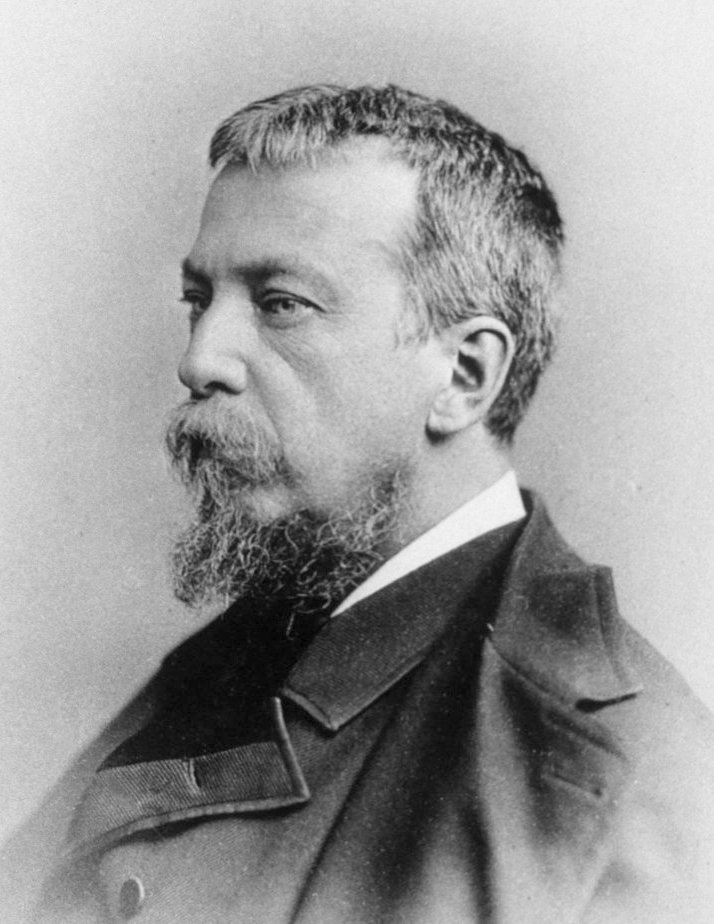
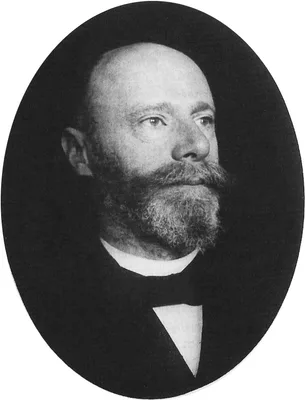
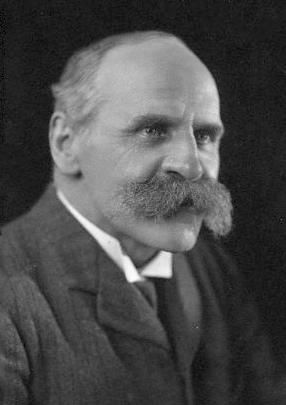
1868 DOGIEL, Jan (1830 – 1905)
Die Ausmessung der strömenden Blutvolumina.
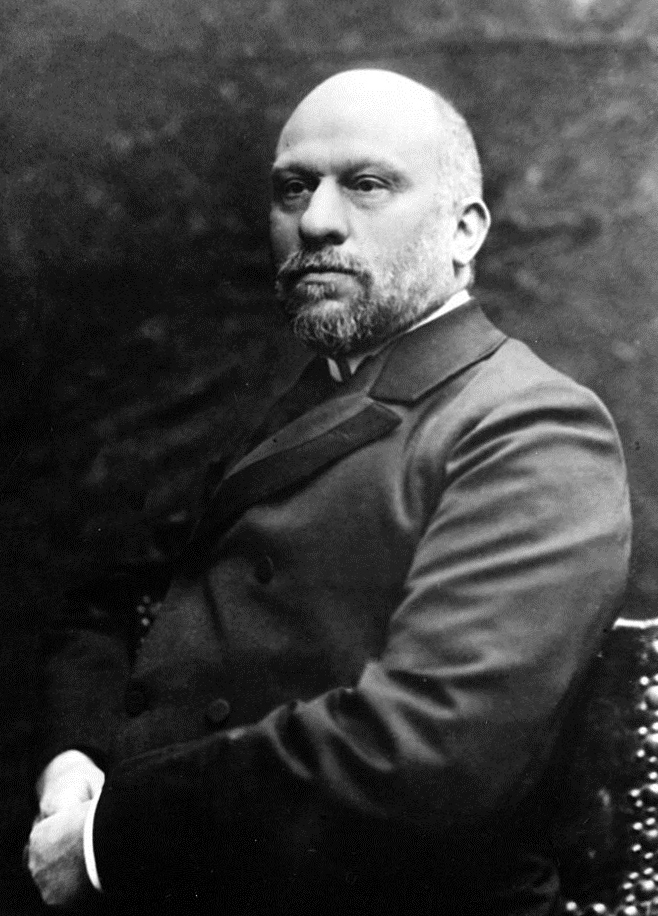
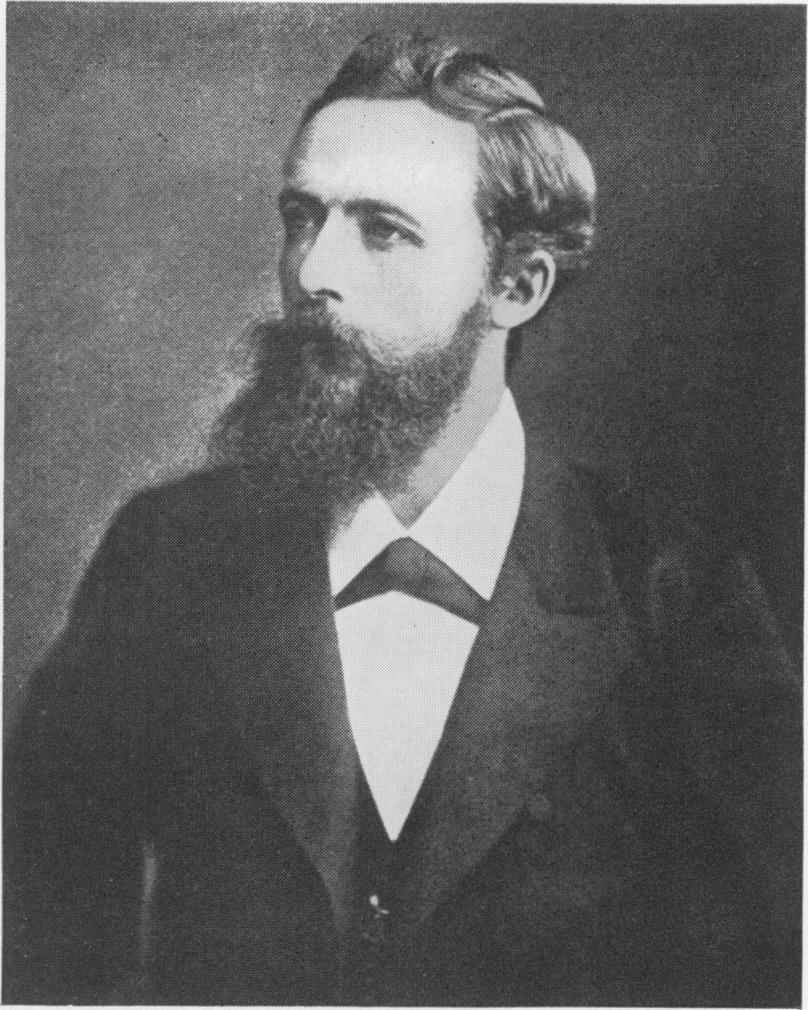
Invention of the Stromuhr, for measurement of the velocity of the blood. Dogiel was a pupil of Ludwig.
GMN 779 · https://historyofmedicine.com/id/1766
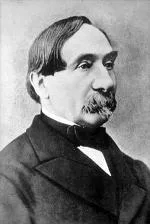
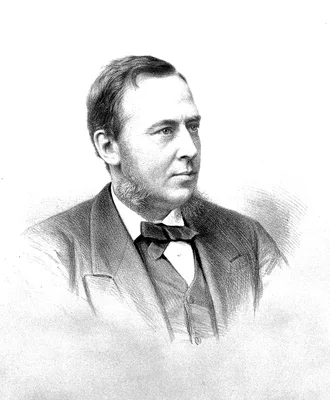
1868 WUNDERLICH, Carl Reinhold August (1815 – 1877)
Das Verhalten der Eigenwärme in Krankheiten.
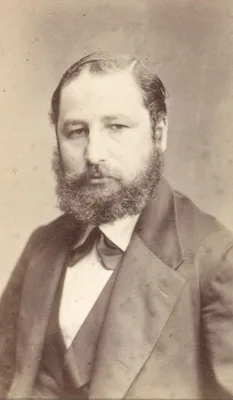
This work on temperature in disease laid the foundation of modern knowledge regarding clinical thermometry. Wunderlich reportedly took over a million measurements from 25,000 people. Temperatures ranged from 97.2 to 9…
GMN 2677 · https://historyofmedicine.com/id/3542
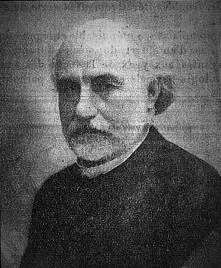
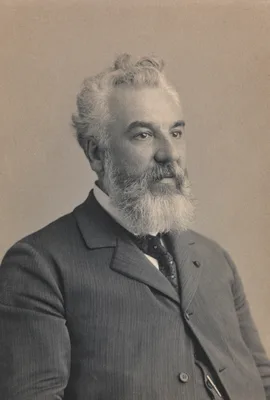
1869 RIZZOLI, Francesco (1809 – 1880)
Collezione della memorie chirurgiche ed ostetriche. 2 vols.
Rizzoli was Professor of Surgery at Bologna and an outstanding operative surgeon. He introduced a compressor for aneurysms, a tracheotome, cystotome, lithotrite, enterotome, osteoclast, and performed acupressure as ea…
GMN 5610 · https://historyofmedicine.com/id/7129
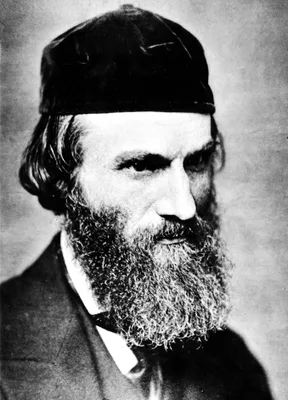
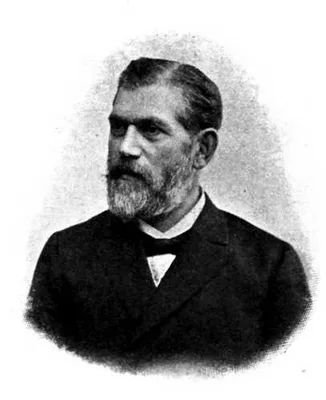
1870 ALLBUTT, Sir Thomas Clifford (1836 – 1925)
Medical thermometry.
Allbutt introduced the modern clinical thermometer.
GMN 2679 · https://historyofmedicine.com/id/3555
1871 ALLBUTT, Sir Thomas Clifford (1836 – 1925)
On the use of the ophthalmoscope in diseases of the nervous system and of the kidneys; also in certain other general disorders.
One of the earliest works on the wider appications of the ophthalmoscope. Digital facsimile from Google Books at this link.
GMN 11545 · https://historyofmedicine.com/id/13744
1873 MALASSEZ, Louis Charles (1842 – 1909)
De la numération des globules rouges du sang I. Des méthodes de numération. II. De la richesse du sang en globules rouges dans les différentes parties de l'arbre circulatoire.
The beginning of blood-counting techniques. In his thesis Malassez provided the initial description of the hemocytometer, which he invented, but which was named by Gowers, who modified it in 1877. The trade issue of t…
GMN 876 · https://historyofmedicine.com/id/883
1873 CLOVER, Joseph Thomas (1825 – 1882)
Description of a new double current inhaler for administering ether.
Clover’s gas-ether inhaler.
GMN 5671 · https://historyofmedicine.com/id/7339
1876 CLOVER, Joseph Thomas (1825 – 1882)
On an apparatus for administering nitrous oxide gas and ether, singly or combined.
Clover’s ether inhaler. See also the same journal, 1877, 1, 69. He invented an inhaler in 1862; this was described, but not by Clover, in Med. Times Gaz., 1862, 2, 149.
GMN 5674 · https://historyofmedicine.com/id/7351
1876 WHITE, Samuel Stockton (1822 – 1879)
Catalogue of dental materials, furniture, instruments, etc.
White, who characterized himself as "Manufacturer, importer, and wholesale dealer in all articles appertaining to dentistry," was the leading U.S. manufacturer of dental supplies during the 19th century. His 1876 cata…
GMN 10494 · https://historyofmedicine.com/id/12687
1877 MARCHAND, Richard
Beiträge zur Kenntniss der Reizwell und Contractionswelle des Herzmuskels.
Marchand obtained the first electrocardiogram. Using the differential rheotome he measured the time course of the potential variations from the frog’s heart.
GMN 823.1 · https://historyofmedicine.com/id/271
1877 POLITZER, Ádám (1835 – 1920)
Ueber einen einheitlichen Hörmesser.
Politzer described an acumeter.
GMN 3387.1 · https://historyofmedicine.com/id/5087
1877 TARNIER, Étienne Stéphane (1828 – 1897)
Description de deux nouveaux forceps.
Tarnier invented the axis-traction forceps. See also Ann. Gynéc., 1877, 7, 241-64
GMN 6192 · https://historyofmedicine.com/id/7540
1878 HARTMANN, Arthur Wilhelm (1849 – 1931)
Ueber eine neue Methode der Hörprüfung mit Hülfe elektrischer Ströme.
First audiometer.
GMN 3387.2 · https://historyofmedicine.com/id/5091
1878 MAREY, Étienne Jules (1830 – 1904)
La méthode graphique dans les sciences expérimentales et particulièrement en physiologie et en médecine.
Marey pioneered the use of graphical recording in the experimental sciences, using instruments (many of his own invention) to capture and display data impossible to observe with the senses alone, and to record the pro…
GMN 7294 · https://historyofmedicine.com/id/9464
1879 –1880 BURDON-SANDERSON, Sir John Scott (1828 – 1905); PAGE, Frederick James Montague (1848 – 1907)
On the time-relations of the excitatory process in the ventricle of the heart of the frog.
These workers were among the first to study the action currents of the heart, and made the first records (with the capillary electrometer) of the minute electrical current produced by the beating of the heart. See als…
GMN 824 · https://historyofmedicine.com/id/278
1879 NITZE, Maximilian Carl-Friedrich (1848 – 1906)
Eine neue Beobachtungs- und Untersuchungsmethode für Harnröhre, Harnblase und Rectum.
Nitze devised an electrically lighted cystoscope in 1877, which made possible great improvements in the surgery of the bladder.
GMN 4175 · https://historyofmedicine.com/id/6055
1879 WELLS, Sir Thomas Spencer (1818 – 1897)
Remarks on forcipressure and the use of pressure-forceps in surgery.
Spencer Wells forceps.
GMN 5615 · https://historyofmedicine.com/id/7137
1880 MOSSO, Angelo (1846 – 1910)
Sulla circolazione del sangue nel cervello dell’uomo. Ricerche sfigmografiche.
In this work Angelo Mosso reported his discovery that blood circulation in the brain increases in certain discrete areas during mental activity, and published the records of this activity produced by the machine he in…
GMN 6838 · https://historyofmedicine.com/id/9002
1880 WALDENBURG, Louis (1837 – 1881)
Die Messung des Pulses und des Blutdrucks am Menschen.
Probably the first book published on the messurement blood pressure in mankind. Mostly concerned with normal physiologic conditions, with a small section on fluctuations in illness. Digital facsimile from Google Books…
GMN 11721 · https://historyofmedicine.com/id/13922
1880 MACMUNN, Charles Alexander (1852 – 1911)
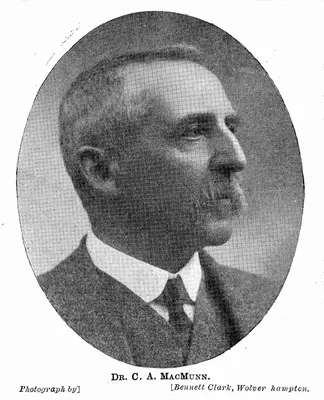
The spectroscope in medicine.
GMN 13109 · https://historyofmedicine.com/id/15362
1881 MIKULICZ-RADECKI, Jan (Johann Freiherr von) (1850 – 1905)
Ueber Gastroskopie und Oesophagoskopie.
Mikulicz was the first to use the electric oesophagoscope invented by Leiter in 1880. He was among the most distinguished of Billroth’s pupils and contributed much to cancer surgery.
GMN 3475 · https://historyofmedicine.com/id/5660
1881 JAVAL, Louis Émile (1839 – 1907); SCHIÖTZ, Hjalmar (1850 – 1927)
Un ophtalmomètre pratique.
Javal and Schiötz here describe an ophthalmometer invented by them.
GMN 5920 · https://historyofmedicine.com/id/6831
1882 PLACIDO DA COSTA, Antonio (1849 – 1916)
Neue Instrumente.
Introduction of the keratoscope.
GMN 5922 · https://historyofmedicine.com/id/6836
1882 AVELING, James Hobson (1828 – 1892)
The Chamberlens and the midwifery forceps.
GMN 6283 · https://historyofmedicine.com/id/8964
1883 BELL, Alexander Graham (1847 – 1922)
Upon the electrical experiments to determine the location of the bullet in the body of the late President Garfield; and upon a successful form of induction balance for the painless detection of metallic masses in the human body.
Digital facsimile from Google Books at this link.
GMN 8176 · https://historyofmedicine.com/id/10352
1884 MOSSO, Angelo (1846 – 1910)
La paura.
Mosso conducted experiments with special equipment, which he devised to suit the requirements of the studies. He pursued two main lines of research: the analysis of motor functions and the relationship between physiol…
GMN 10113 · https://historyofmedicine.com/id/12302
1885 HIRSCHBERG, Julius (1843 – 1925)
Der Electromagnet in der Augenheilkunde.
The introduction of the electromagnet into ophthalmology. A pupil of Helmholtz, Hirschberg was one of the most voluminous writers in the field of ophthalmology. Besides his dictionary (see No. 5932) he wrote a classic…
GMN 5927 · https://historyofmedicine.com/id/6851
1885 FREY, Maximilian (Max) Ruppert Franz von (1852 – 1932); GRUBER, Max von (1853 – 1927)
Untersuchungen über den Stoffwechsel isolirte Organe. I. Ein Respirationsapparat für isolirte Organe. II. Versuche über den Stoffwechsel des Muskels.
(Part 1 by Frey & Gruber; Part 2 by Frey.) Frey and Gruber developed the first heart-lung machine. Their machine "consisted of a double-acting pump in the form on an injection syringe with a capacity of 10 ml, which i…
GMN 13907 · https://historyofmedicine.com/id/16199
1887 WITKOWSKI, Gustave-Joseph (1844 – 1922)
Histoire des accouchements chez tous les peuples.
182-page appendix: "L'arsenal obstétrical", containing numerous illustrations of instruments, at end. Digital facsimile from the Internet Archive at this link.
GMN 6286 · https://historyofmedicine.com/id/8015
1889 POTAIN, Pierre Charles Édouard (1825 – 1901)
Du sphygmomanomètre et de la mésure de la pression artérielle chez l’homme à l’état normale et pathologique.
Potain devised a simple portable air sphygmomanometer for blood-pressure estimation.
GMN 2798 · https://historyofmedicine.com/id/3419
1889 NITZE, Maximilian Carl-Friedrich (1848 – 1906)
Lehrbuch der Kystoskopie.
Nitze introduced the cystoscope in 1877 (see No. 4175) and in 1889 published his important monograph on cystoscopy.
GMN 4184 · https://historyofmedicine.com/id/6089
1889 TIEMANN, George Christoph (1793 – 1868)
The American armamentarium chirurgicum.
The most comprehensive trade catalogue of medical and surgical instruments and equipment published in America during the 19th century. Reprinted with introduction by James M. Edmondson and F. Terry Hambrecht, San Fran…
GMN 5620.1 · https://historyofmedicine.com/id/7170
1890 MOSSO, Angelo (1846 – 1910)
Les lois de la fatigue étudiées dans les muscles de l’homme.
Mosso invented the ergograph from the study of voluntary contraction. The description of the instrument is on pages 124-41 of the above article.
GMN 636 · https://historyofmedicine.com/id/516
1891 MOSSO, Angelo (1846 – 1910)
La fatica.
Mosso investigated muscular fatigue with the ergograph of his invention. He showed fatigue to be due to a toxin produced by muscular contraction. English translation, 1906.
GMN 639 · https://historyofmedicine.com/id/519
1891 ALTUKHOV, Nikolai
Entsefalometriya mozga cheloveka v otnoshenii k polu, vozrastu i cherepnomu ukazatelyu [in Cyrillic].
In 1889, nearly 20 years before Horsley and Clarke published their paper on the use of stereotaxy to examine the brain, Dmitrii Zernov, a professor of anatomy at Moscow University, invented the first prototype of a st…
GMN 7243 · https://historyofmedicine.com/id/9412
1892 MACKENZIE, Sir James (1853 – 1925)
Pulsation in the veins, with the description of a method for graphically recording them.
The phlebograph, which developed into the polygraph. With it Mackenzie obtained simultaneous tracings of the pulsations of the jugular vein and radial artery.
GMN 834 · https://historyofmedicine.com/id/331
1892 MITCHELL, Silas Weir (1829 – 1914)
The early history of instrumental precision in medicine.
GMN 2682.5 · https://historyofmedicine.com/id/3594
1894 HEWITT, Sir Frederic William (1857 – 1916)
Further observations on the use of oxygen with nitrous oxide.
Includes description of Hewitt’s nitrous oxide/oxygen stopcock.
GMN 5682.1 · https://historyofmedicine.com/id/7384
1895 ZWAARDEMAKER, Hendrik (1857 – 1930)
Die Physiologie des Geruchs.
For his studies on olfaction and olfactometry Zwaardemaker developed the so-called “camera inodorata” (odorless chamber), or olfactometer. His instrument to check the patency of the nasal passages is still in use.
GMN 1474 · https://historyofmedicine.com/id/2443
1895 MOSSO, Angelo (1846 – 1910)
Sphygmomanomètre pour mésurer la pression du sang chez l’homme.
A sphygmomanometer for registering the blood-pressure in the finger was invented by Mosso.
GMN 2801 · https://historyofmedicine.com/id/3425
1895 KIRSTEIN, Alfred (1863 – 1922)
Autoskopie des Larynx und der Trachea. (Laryngoscopia directa, Euthyskopie, Besichtigung ohne Spiegel.)
First direct-vision laryngoscope.
GMN 3335 · https://historyofmedicine.com/id/4595
1896 RIVA-ROCCI, Scipione (1863 – 1937)
Un nuovo sfigmomanometro.
Riva-Rocci’s sphygmomanometer marked the end of the search for a simple clinical method of estimating the blood-pressure. Abridged English translation in Ruskin (No. 3160.1).
GMN 2804 · https://historyofmedicine.com/id/3433
1896 ROSENHEIM, Theodor (1868 – 1939)
Ueber Gastroskopie.
Rosenheim’s gastroscope.
GMN 3516.1 · https://historyofmedicine.com/id/3994
1897 HILL, Sir Leonard Erskine (1866 – 1952); BARNARD, Harold Leslie (1868 – 1908)
A simple and accurate form of sphygmomanometer or arterial pressure gauge contrived for clinical use.
Hill and Barnard made an important modification to the Riva-Rocci sphygmomanometer when they substituted a pressure gauge in place of the mercury manometer used for pressure readings.
GMN 2807 · https://historyofmedicine.com/id/3446
1898 GIGLI, Leonardo (1863 – 1908)
Zur Technik der temporären Schädelresektion mit meiner Drahtsäge.
Gigli’s saw adapted for craniotomy. Translation in J. Neurosurg., 1962, 19, 1103.
GMN 4874 · https://historyofmedicine.com/id/5718
1899 GÄRTNER, Gustav (1855 – 1937)
Ueber einen neuen Blutdruckmesser (Tonometer).
Gaertner, an Austrian physician, invented an instrument for measuring blood-pressure by means of a compressing ring applied to the finger.
GMN 2810 · https://historyofmedicine.com/id/3467
1899 TRUAX, Charles (1852 – 1918)
The mechanics of surgery.
An encyclopedic work that described illustrated and analysed the entire range of instrumentation employed in medical and surgical practice at the end of the 19th century. Reprinted with introduction by James M. Edmons…
GMN 2680.01 · https://historyofmedicine.com/id/3563
1900 –1901 KILLIAN, Gustav (1860 – 1921)
Ueber Magenspiegelung.
Describes the first clinical use of the oesophagoscope by Kussmaul in 1867-68. The latter made only brief mention of it himself in his paper on the stomach pump, Dtsch. Arch. klin. Med., 1869, 6, 456.
GMN 3521 · https://historyofmedicine.com/id/4010
1901 EINTHOVEN, Willem (1860 – 1927)
Un nouveau galvanomètre.
Einthoven directed much of his research to the development and perfection of recording instruments. His most famous work was in connexion with his string galvanometer, a perfection of the instrument invented by J. S. …
GMN 840 · https://historyofmedicine.com/id/598
1901 HALDANE, John Scott (1860 – 1936)
The colorimetric determination of haemoglobin.
Haldane’s hemoglobinometer and method for determination of hemoglobin.
GMN 891 · https://historyofmedicine.com/id/996