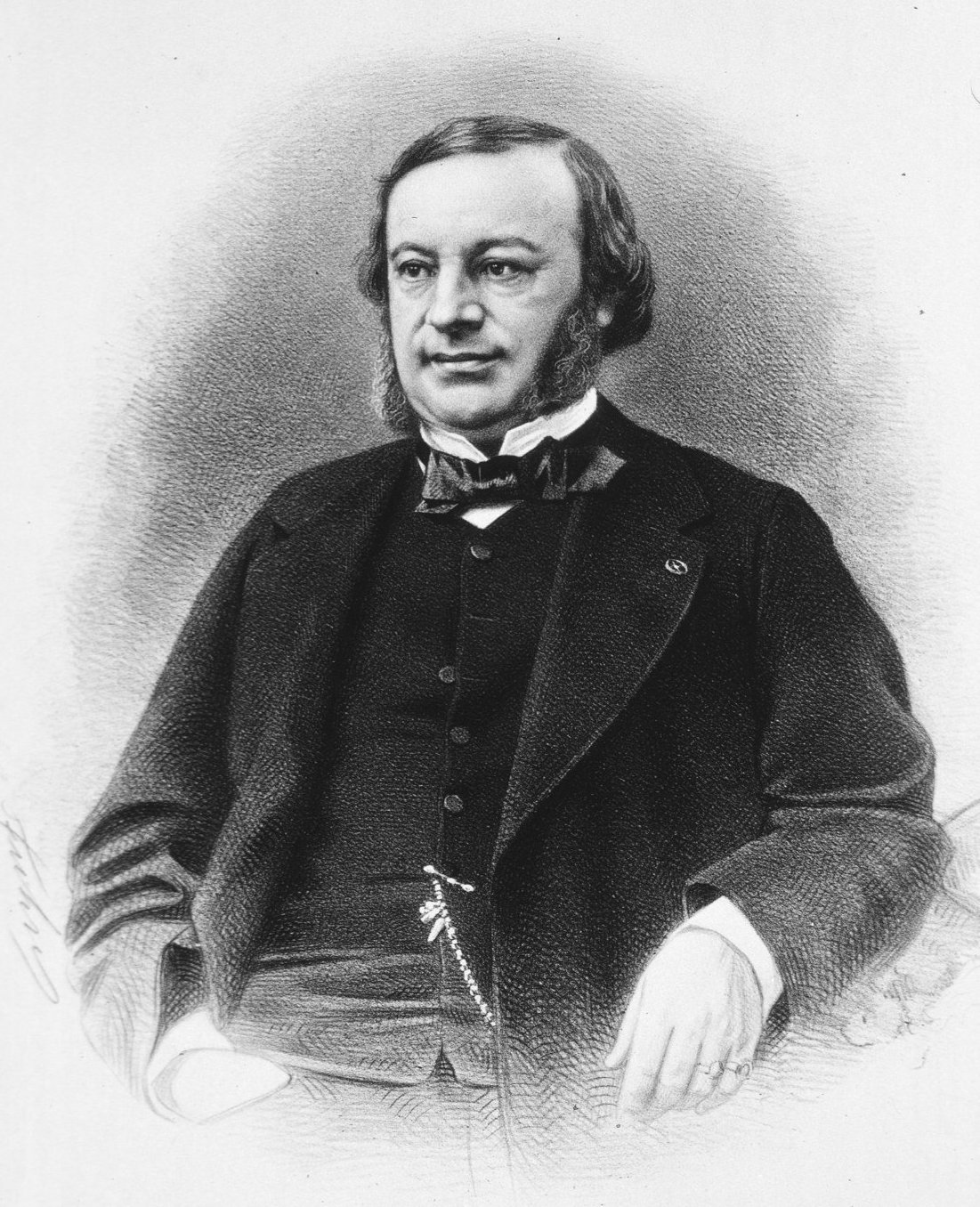
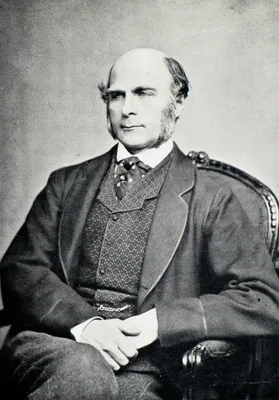
1870 TARDIEU, Auguste Ambroise (1818 – 1879)
Étude médico-légale sur la pendaison, la strangulation, les suffocations.
Digital facsimile from wellcomecollection.org at this link.
GMN 13688 · https://historyofmedicine.com/id/15970
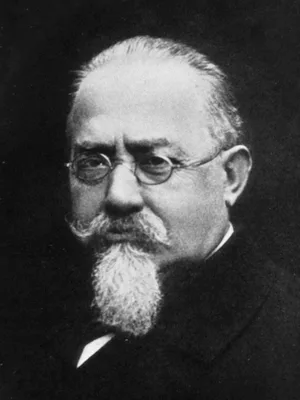
1876 LOMBROSO, Cesare (1836 – 1909)
L’uomo delinquente, studiato in rapporto alla antropologia, alla medicina legale ed alle discipline carcerarie.
Lombroso inaugurated the doctrine of a “criminal type”. His systematic studies showed that in general the criminal population exhibits a higher percentage of physical, nervous and mental anomalies than the normal popu…
GMN 174 · https://historyofmedicine.com/id/3316
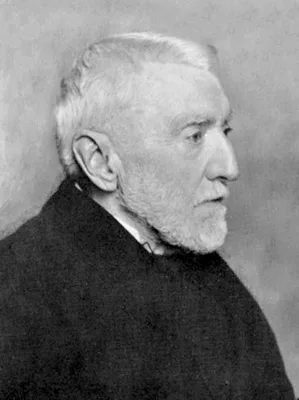
1880 FAULDS, Henry (1844 – 1930)
On the skin-furrows of the hand.
Faulds’s fingerprint method of identification.
GMN 177 · https://historyofmedicine.com/id/3340
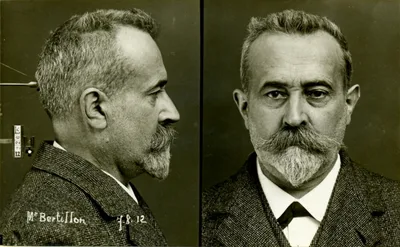
1886 BERTILLON, Alphonse (1853 – 1914)
Les signalements anthropométriques.
Bertillon invented a method (“Bertillonage”) of identifying persons by means of selected measurements, the five following measurements being used as the basis of his system: head length, head breadth, length of middle…
GMN 181 · https://historyofmedicine.com/id/3362
1892 GALTON, Sir Francis (1822 – 1911)
Finger prints.
The use of fingerprints as identification marks was known to the Chinese, but Galton was among the first to explain their possibilities in the identification of criminals. “Galton’s delta” is a triangular area of papi…
GMN 186 · https://historyofmedicine.com/id/3435
1900 HENRY, Sir Edward Richard (1850 – 1931)
Classification and uses of finger prints.
The Henry system of fingerprint classification, developed when Henry served as Inspector-General of Police in Bengal, is the basis for the system presently in use worldwide.
GMN 189 · https://historyofmedicine.com/id/3461
2006 WETZELL, Richard F.; BECKER, Peter (1962 – )
Criminels and their scientists: The history of criminology in international perspective. Edited by Richard F. Wetzell and Peter Becker.
GMN 13693 · https://historyofmedicine.com/id/15975