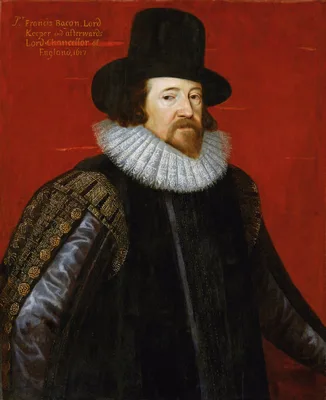
1623 BACON, Francis (1561 – 1626)
Historia vitae & mortis. Sive, titulus secundus in historia naturali & experimentali ad condendam philosophiam: Quae est instaurationis magnae pars tertia.
This was Bacon's direct contribution to medicine or medical philosophy, with natural and experimental observations on the prolongation of life. Translated into English as The History naturall And experimentall, of lif…
GMN 10491 · https://historyofmedicine.com/id/12684
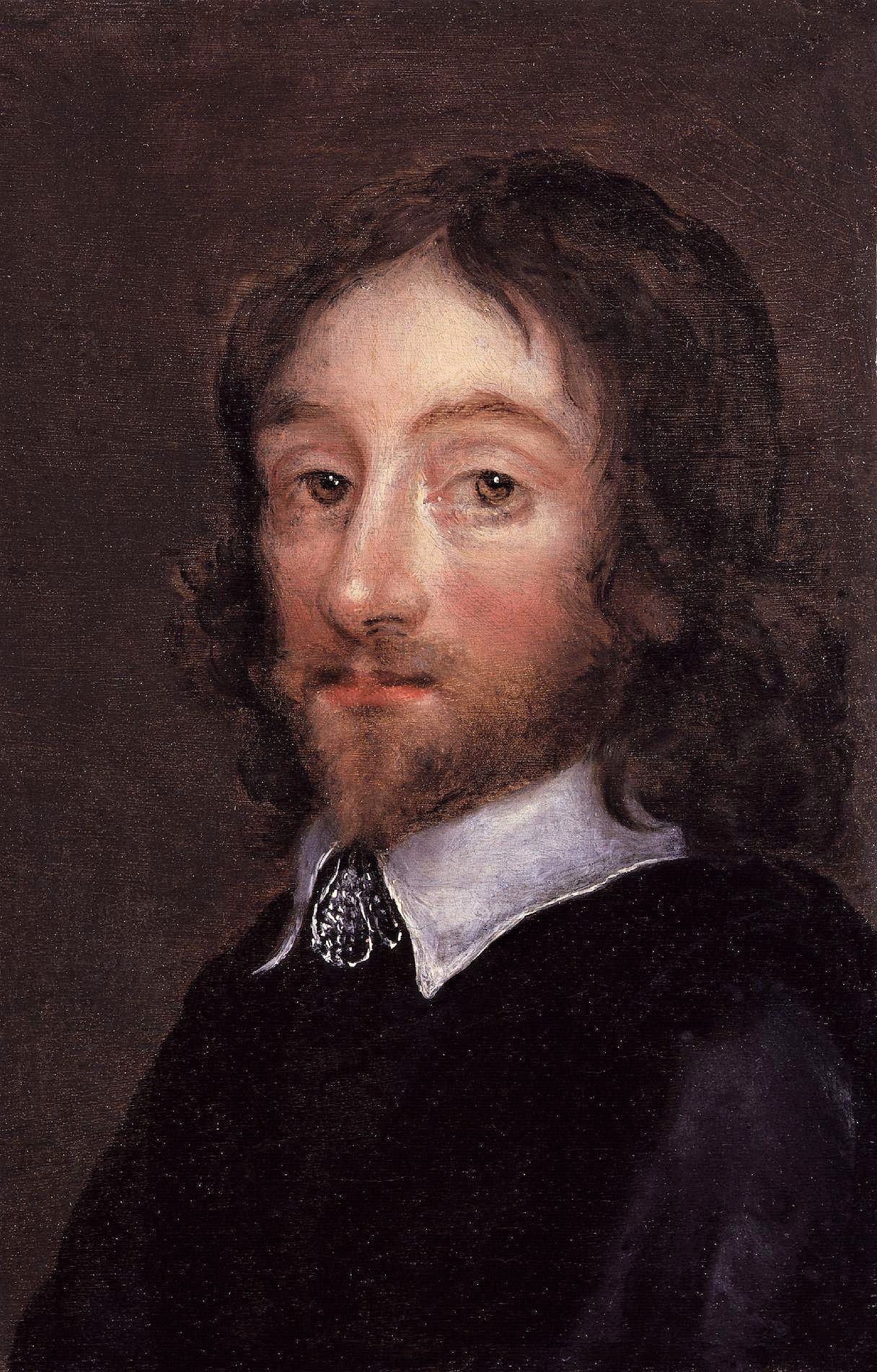
1642 BROWNE, Sir Thomas (1605 – 1682)
Religio medici.
The most famous work of English literature written by a physician. Browne did not intend to have it published, but manuscripts of the work circulated privately. Two unauthorized and inaccurate editions were issued sur…
GMN 6612.9 · https://historyofmedicine.com/id/7664
1666 PÉREZ FADRIQUE, Juan Eulogio
Modo practico de embalsamar cuerpos defunctos, para preservarlos incorruptos....
On embalming corpses, and on human cadavers. This work includes (pp. 98-127) instructions for the embalming process in Spain, with woodcut illustrations of the tools used and recipes for the ointments. The author also…
GMN 13899 · https://historyofmedicine.com/id/16191
1682 BONET, Théophile (1620 – 1689)
Mercurius compitalitius, sive, Index medico-practicus.per decisiones, cautiones, animadversiones, castigationes & observationes in sugulis affectibus praeter naturam et praesidiis medicis, deaeteticis, cheirurgicis & pharmaceuticis... Accessit appendix de medici munere.
Discusses 63 topics on medical ethics and decorum, patient behavior, medical diagnosis, prognosis, and practice guidelines, including how to relate to the patient in all matters, including extreme old age and death. "…
GMN 10017 · https://historyofmedicine.com/id/12206
1690 BROWNE, Sir Thomas (1605 – 1682)
A letter to a friend, upon occasion of the death of his intimate friend.
One of the most eloquent and learned discussions of death. Full annotated text from penelope.uchicago.edu at this link.
GMN 10055 · https://historyofmedicine.com/id/12244
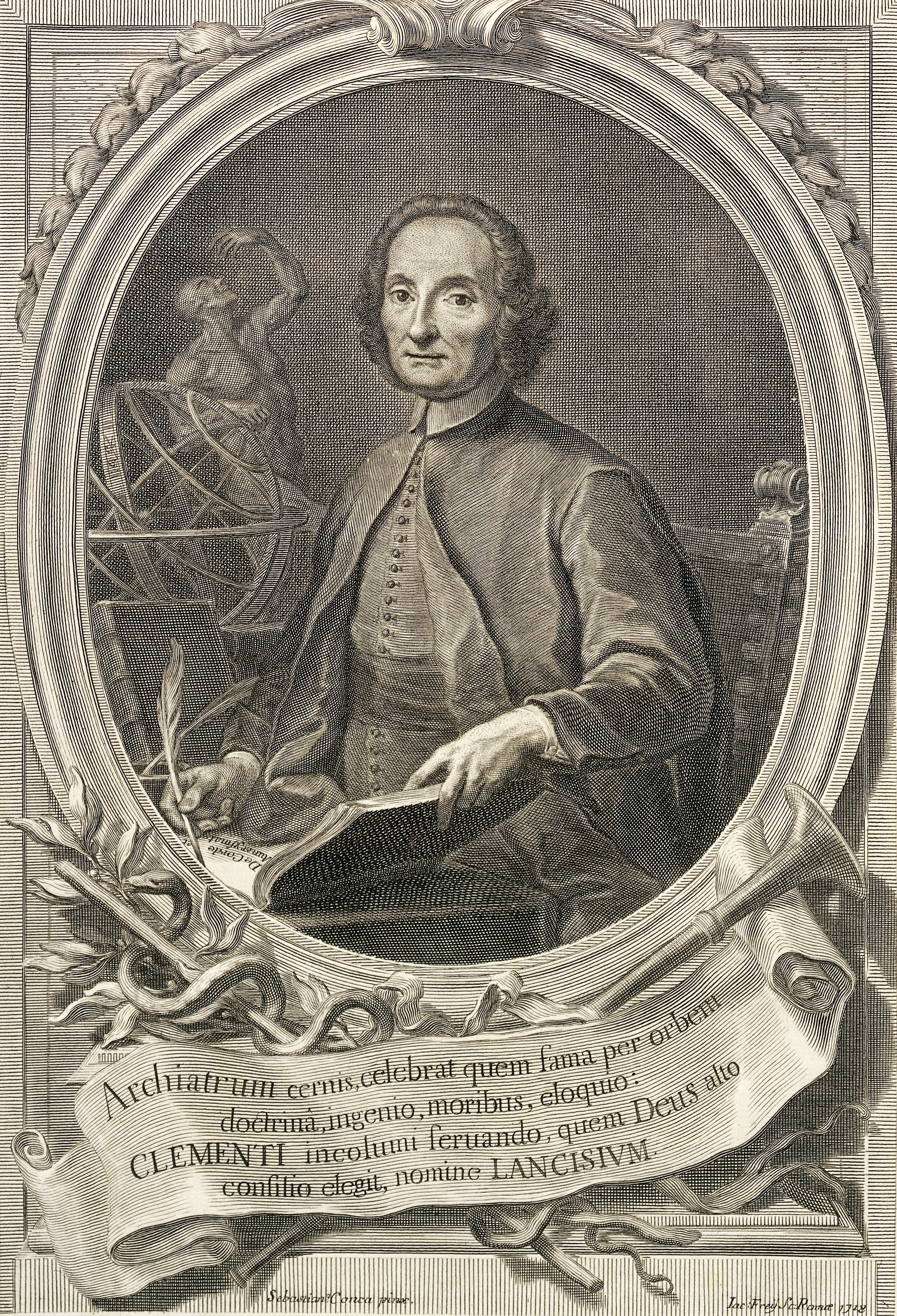
1707 LANCISI, Giovanni Maria (1654 – 1720)
De subitaneis mortibus libri duo.
In the above work Lancisi noted cardiac hypertrophy and dilatation as causes of sudden death. He was the first to describe valvular vegetation, and his book gives a classification of the cardiac diseases then recogniz…
GMN 2731 · https://historyofmedicine.com/id/4492
1742 WINSLOW, Jacques-Bénigne [Jacob Benignus Winsløw] (1669 – 1760)
An mortis incertae signa minus incerta a chirurgicis quam ab aliis experimenti?
Between the mid-1700s and the early 1900s many physicians lost confidence in their ability to declare legal death. This phenomenon was in part sparked by Winslow, whose dissertation claimed the existence of a death-li…
GMN 11407 · https://historyofmedicine.com/id/13606
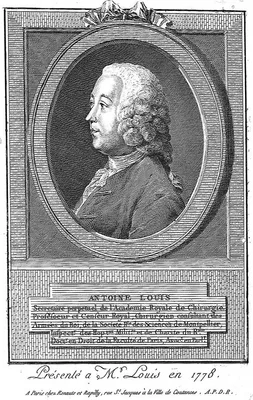
1752 LOUIS, Antoine (1723 – 1792)
Lettres sur la certitude des signes de la mort où l'on rassure les citoyens de la crainte d'être enterrés vivans ; avec des observations et des expériences sur les noyés.
In this work in the pathophysiology of drowning, resuscitation and the legal diagnosis of death Louis sought to reassure the public that the risk of being buried alive was very low. He rejected a proposal for late bur…
GMN 11504 · https://historyofmedicine.com/id/13703
1763 LOUIS, Antoine (1723 – 1792)
Mémoire sur une question anatomique relative à la jurisprudence; dans lequel on établit les principes pour distinguer, à l’inspection d’un corps trouvé pendu, les signes du suicide d’avec ceux de l’assassinat.
Louis was a pioneer of French medical jurisprudence. Above is a classic discussion on the differential signs of murder and suicide in cases of hanging.
GMN 1730 · https://historyofmedicine.com/id/3032
1767 SHORT, Thomas (1690 – 1772)
A comparative history of the increase and decrease of mankind in England, and several countries abroad, according to the different soils, situations, business of life, use of the non-naturals, &c. faithfully collected from, and attested by, above three hundred vouchers, and many of them for a long course of years, in two different Periods. To which is added a syllabus of the general States of health, air, seasons, and food for the last three hundred years; and also a meteorological discourse.
Digital facsimile from Google Books at this link.
GMN 13557 · https://historyofmedicine.com/id/15834
1769 BARD, Samuel (1742 – 1821)
A discourse upon the duties of a physician, with some sentiments, on the usefulness and necessity of a public hospital: Delivered before the president and governors of King's College, at the commencement, held on the 16th of May, 1769. As advice to those gentlemen who then received the first medical degrees conferred by that university.
The first American treatise on medical ethics, and the first treatise on medical ethics published in the English language. Samuel Bard was one of the founders of King’s College, New York. Digital facsimile from the Na…
GMN 1763 · https://historyofmedicine.com/id/3195
1770 GREGORY, John (1724 – 1773)
Observations on the duties and offices of a physician; and on the method of prosecuting enquiries in philosophy.
"The first philosophical, secular medical ethics in the English language" (Lawrence, Paul. "(John Gregory." Oxford Dictionary of National Biography.). "Gregory divided the practice of medicine into four parts, or bran…
GMN 8132 · https://historyofmedicine.com/id/10308
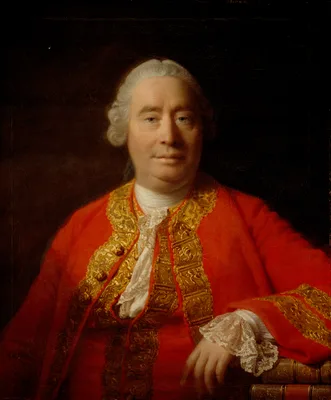
1777 HUME, David (1711 – 1776)
Two essays. [Essay I. Of suicide]
Of suicide, "probably the most widely read and most influential philosophical treatment of suicide written in modern times," was written in 1755 and originally intended to be published as one of five essays, including…
GMN 10347 · https://historyofmedicine.com/id/12539
1798 FERRIAR, John (1761 – 1815)
Of the treatment of the dying: Disturb him not - let him pass peaceably. IN: Medical histories and reflections, volume 3, 191-208.
"This apparently first-ever full essay on palliative care is tightly reasoned and carefully crafted—an innovative classic that attests to years of first-hand experience in the care of gravely ill and dying persons" (V…
GMN 10035 · https://historyofmedicine.com/id/12224
1800 BICHAT, Marie François Xavier (1771 – 1802)
Recherches physiologiques sur la vie et la mort.
When Volta questioned the validity of experiments claiming to show responsiveness of an ex vivo heart, devoid of blood flow and nervous connections, Bichat obtained permission to experiment upon the freshly killed bod…
GMN 597 · https://historyofmedicine.com/id/387
1803 PERCIVAL, Thomas (1740 – 1804)
Medical ethics; or, a code of institutes and precepts, adapted to the professional conduct of physicians and surgeons. To which is added an appendix; containing a discourse on hospital duties ....
An incomplete version was first printed for private circulation, 1794. Two variants dated 1794 are known: One is dated February 24, 1794 on the "advertisement" at the end, the other is dated April 4, 1794 on a leaf at…
GMN 1764 · https://historyofmedicine.com/id/3201
1826 MARX, Karl Friedrich Heinrich (1796 – 1877)
De euthanasia medica prolusio.
The first "modern" discussion of medical euthanasia. Translated into English by Walter Crane as "Medical euthanasia: A paper published in Latin in 1826, translated and reintorduced to the medical Profession," J. Hist.…
GMN 10037 · https://historyofmedicine.com/id/12226
1839 FARR, William (1807 – 1883)
First annual report of the Registrar-General on births, deaths, and marriages in England.
In 1836 the Births and Deaths Registration Act was passed in England with provisions for inquiry into causes of death in the population, and registration began during the following year through the General Registratio…
GMN 12127 · https://historyofmedicine.com/id/14336
1840 WINSLOW, Forbes Benignus (1810 – 1874)
The anatomy of suicide.
An effort to demonstrate that most suicides are not criminal but are victims of mental disease. Digital facsimile from Google Books at this link.
GMN 13249 · https://historyofmedicine.com/id/15514
1856 BRIERRE DE BOISMONT, Alexandre-Jacques-François (Brière de Boismont) (1797 – 1881)
Du suicide et de la folie suicide, considérés dans leur rapports avec la statistique, la médecine et la philosophie.
Pioneering monograph on this subject. Digital facsimile from the Internet Archive at this link.
GMN 10458 · https://historyofmedicine.com/id/12651
1869 ROYAL COLLEGE OF PHYSICIANS
The nomenclature of diseases drawn up by a joint committee appointed by the Royal College of Physicians of London. (Subject to decennial revision).
"The first authoritative source of disease terminology, with the names in English, Latin, French, German and Italian. Standardization of disease terminology was necessary for accurate recording and study of mortality,…
GMN 12126 · https://historyofmedicine.com/id/14335
1887 MUNK, William (1816 – 1898)
Euthanasia; or, medical treatment in aid of an easy death.
Digital facsimile from the Internet Archive at this link.
GMN 9964 · https://historyofmedicine.com/id/12153
1889 MACWILLIAM, John Alexander (1857 – 1937)
Cardiac failure and sudden death.
"Physiologists and physicians had proposed various theories to explain transient and fatal cardiac standstill in animals and humans who were apparently healthy. MacWilliam defined two distinct mechanisms depending on …
GMN 12267 · https://historyofmedicine.com/id/14484
1895 BROUARDEL, Paul Camille Hippolyte (1837 – 1906)
La mort et la mort subite.
Brouardel was professor of forensic medicine, Paris. He was to a great extent responsible for the development of that subject in France; he instituted courses of practical instruction at the Paris morgue, and wrote se…
GMN 1751 · https://historyofmedicine.com/id/3126
1895 JOST, Adolf Lothar (1874 – 1908)
Das Recht auf den Tod. Sociale Studie.
This work is considered the starting point for a broad philosophical discussion on euthanasia in the German-speaking world. Digital facsimile from the Internet Archive at this link.
GMN 10353 · https://historyofmedicine.com/id/12545
1922 PEARL, Raymond (1879 – 1940)
The biology of death.
Raymond Pearl did important work on the subject of vital statistics.
GMN 137 · https://historyofmedicine.com/id/2250
1927 ROST, Hans (1877 – 1970)
Bibliographie des Selbstmords mit textlichen Einführungen zu Jedem Kapitel.
Approaches the literature of suicide from many points of view including philosophical, medical, psychological, religious, literary, and artistic, as well as topics like family suicide, mass suicide and euthanasia, fro…
GMN 7698 · https://historyofmedicine.com/id/9870
1935 WORCESTER, Alfred (1855 – 1951)
The care of the aged, the dying and the dead.
Digital facsimile of the 2nd edition (1940) from the Hathi Trust at this link.
GMN 10057 · https://historyofmedicine.com/id/12246
1952 ALVAREZ, Walter Clement (1884 – 1978)
Care of the dying.
GMN 10042 · https://historyofmedicine.com/id/12231
1968 HARVARD AD HOC COMMITTEE ON BRAIN DEATH
A definition of irreversible coma. Report of the Ad Hoc Committee of the Harvard Medical School to examine the definition of brain death.
This report described the following characteristics of a permanently nonfunctioning brain, a condition it referred to as "irreversible coma," now known as brain death: 1. Unreceptivity and unresponsitivity--patient sh…
GMN 10044 · https://historyofmedicine.com/id/12233
1969 KÜBLER-ROSS, Elisabeth (1926 – 2004)
On death and dying.
"The Kübler-Ross model - otherwise known as the five stages of grief - postulates a progression of emotional states experienced by both terminally ill patients after diagnosis and by loved-ones after a death. The five…
GMN 10041 · https://historyofmedicine.com/id/12230
1977 STODDARD WARBURG, Sandol (1927 – 1990)
The hospice movement: A better way of caring for the dying.
GMN 10060 · https://historyofmedicine.com/id/12249
1981 PRESIDENT'S COMMISSION FOR THE STUDY OF ETHICAL PROBLEMS IN MEDICINE AND BIOMEDICAL AND BEHAVIORAL RESEARCH
Defining death: A report on the medical, legal and ethical issues in the determination of death.
Digital facsimile from the Internet Archive at this link.
GMN 10045 · https://historyofmedicine.com/id/12234
1986 RACHELS, James W. (1941 – 2003)
The end of life: Euthanasia and morality.
Full text available from Jamesrachels.org at this link.
GMN 10351 · https://historyofmedicine.com/id/12543
1994 NULAND, Sherwin Bernard (1930 – 2014)
How we die: Reflections on life's final chapter.
GMN 10038 · https://historyofmedicine.com/id/12227
1996 QUILL, Timothy E. (1949 – )
A midwife through the dying process: Stories of healing and hard choices at the end of life.
GMN 10058 · https://historyofmedicine.com/id/12247
1997 JUPP, Peter C. (1940 – 2006); HOWARTH, Glennys (1954 – )
The changing face of death. Historical accounts of death and disposal.
GMN 12070 · https://historyofmedicine.com/id/14279
1999 PERNICK, Martin S. (1948 – )
The black stork: Eugenics and the death of "defective" babies in American medicine and motion pictures since 1915.
GMN 10053 · https://historyofmedicine.com/id/12242
2001 HOWARTH, Glennys (1954 – ); LEAMAN, Oliver (1950 – )
Encylopedia of death and dying. Edited by Glennys Howarth and Oliver Leaman.
GMN 12071 · https://historyofmedicine.com/id/14280
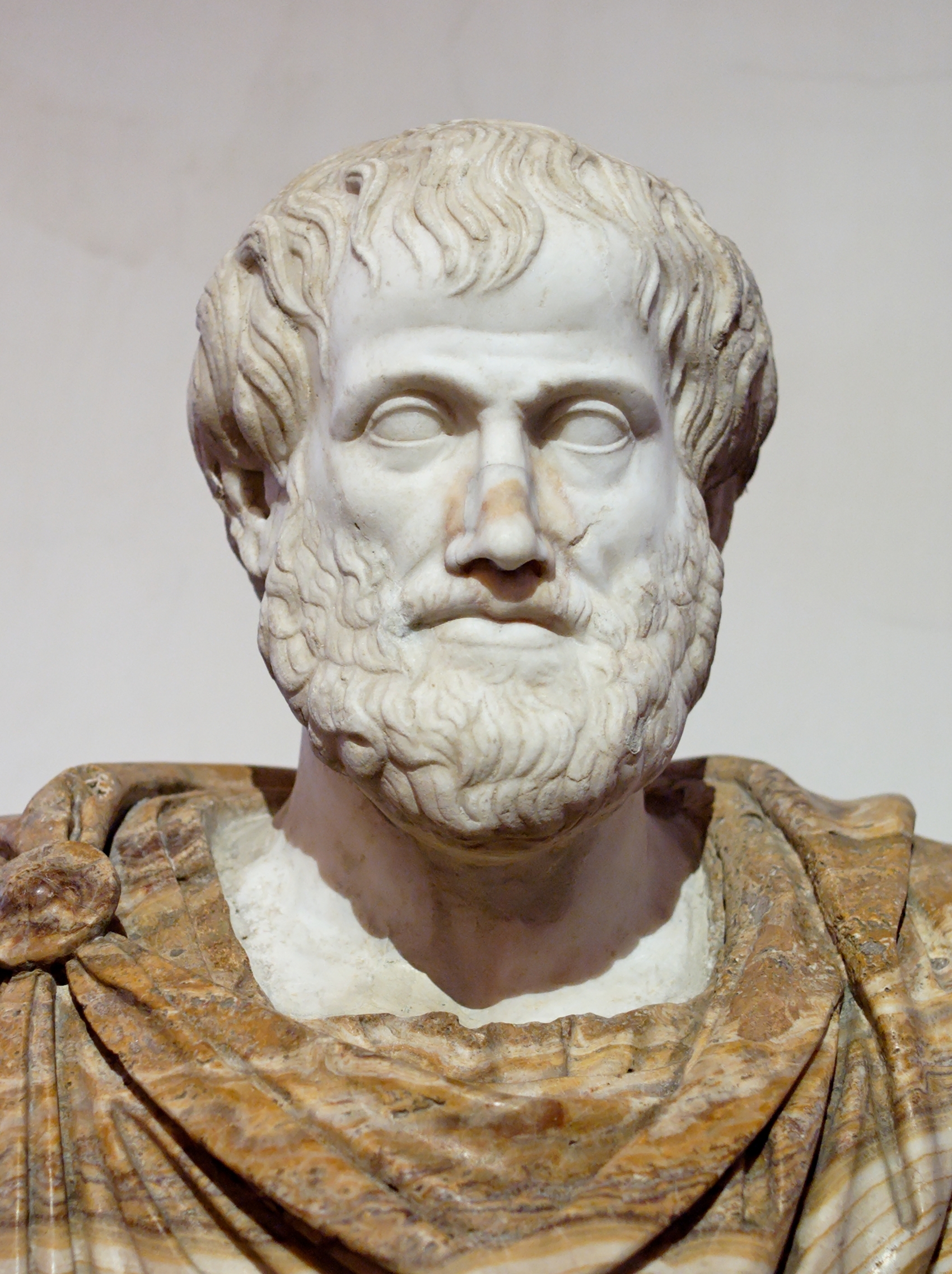
2001 ARISTOTLE (ἈΡΙΣΤΟΤΈΛΗΣ) (-384 – -322); KING, R. A. H.
Aristotle on life and death
GMN 12145 · https://historyofmedicine.com/id/14355
2003 DOWBIGGIN, Ian Robert (1952 – )
A merciful end: The euthanasia movement in modern America.
GMN 9966 · https://historyofmedicine.com/id/12155
2003 HALLENBECK, James L.
Palliative care perspectives.
GMN 10025 · https://historyofmedicine.com/id/12214
2005 DOWBIGGIN, Ian Robert (1952 – )
A concise history of euthanasia: Life, death, god, and medicine.
GMN 9965 · https://historyofmedicine.com/id/12154
2005 LAVI, Shai J.
The modern art of dying: A history of euthanasia in the United States.
GMN 10026 · https://historyofmedicine.com/id/12215
2006 SAUNDERS, Dame Cicely Mary (1918 – 2005); CLARK, David (1953 – )
Selected writings 1958-2004. Foreward by David Clark.
Saunders founded St. Christopher's Hospice in 1967 as the first research and teaching hospice linked with clinical care.
GMN 10061 · https://historyofmedicine.com/id/12250
2007 LEWIS, Milton James
Medicine and the care of the dying: A modern history.
GMN 10027 · https://historyofmedicine.com/id/12216
2007 VOLANT, Éric Gustave (1926 – 2013)
Encyclopédie sur la mort: La mort et la mort volontaire à travers les pays et les âges.
http://agora.qc.ca/thematiques/mort/
GMN 10346 · https://historyofmedicine.com/id/12538
2007 EBENSTEIN, Joanna
Morbid Anatomy: Surveying the Interstices of Art and Medicine, Death and Culture.
http://morbidanatomy.blogspot.com/ Events & Talks - Library- Books, Articles, Lectures- Press- Exhibitions- Photography- Bookstore The most comprehensive online reference to these topics curated in a unique manner. In…
GMN 10466 · https://historyofmedicine.com/id/12659
2008 FAUST, Catharine Drew Gilpin (1947 – )
This republic of suffering: Death and the American Civil War.
GMN 7929 · https://historyofmedicine.com/id/10102
2009 WOODS, Robert Ivor (1949 – 2011)
Death before birth: Fetal health and mortality in historical perspective.
GMN 12021 · https://historyofmedicine.com/id/14229

![WINSLOW, Jacques-Bénigne [Jacob Benignus Winsløw] (1669 – 1760)](/media/portraits/708)